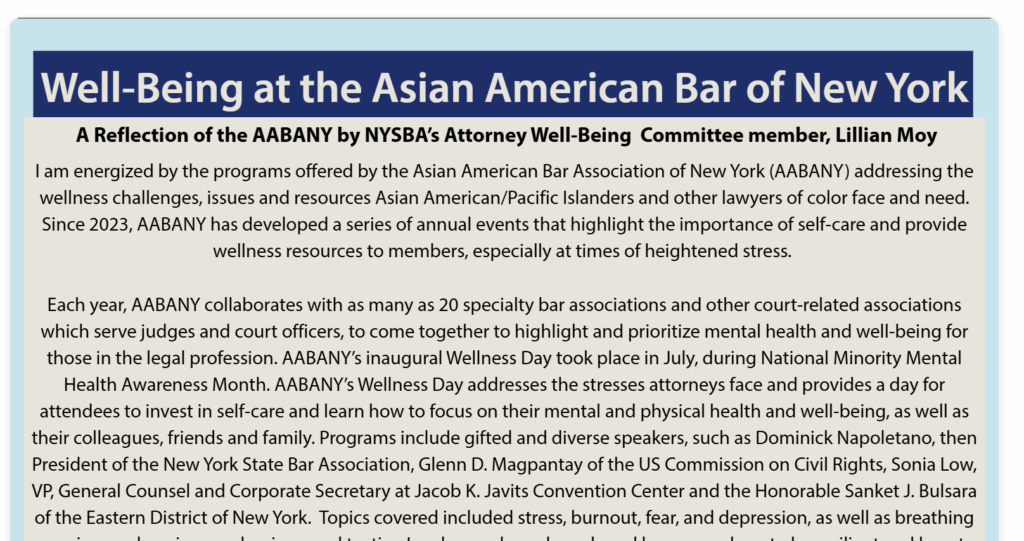
The Asian American Bar Association of New York was recently featured in the New York State Bar Association’s Attorney Well-Being newsletter, The Balance, March/April 2026 issue, highlighting AABANY’s growing commitment to wellness and well-being in the legal profession.
Published by NYSBA’s Attorney Well-Being Program and Lawyer Assistance Program, The Balance spotlights wellness initiatives and resources available to members of the legal community. In its latest edition, NYSBA featured AABANY’s wellness efforts as part of its broader mission to foster collaboration across bar associations and legal organizations throughout New York.
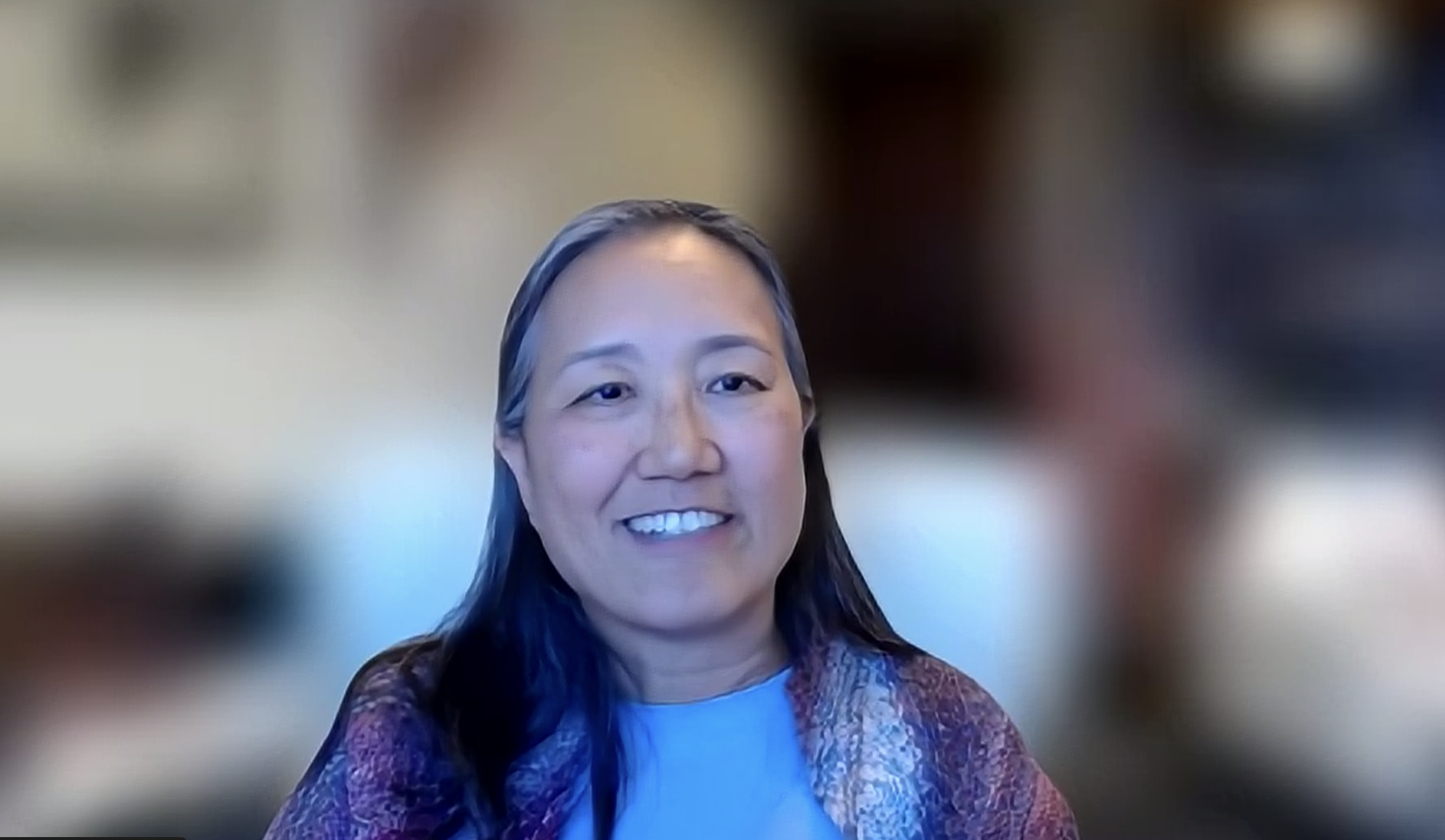
The feature, written by AABANY Member Lillian Moy, recognizes AABANY’s continued investment in building a healthier and more supportive legal community through wellness-centered programming and initiatives. These efforts include AABANY’s annual Wellness Day programming and the recent launch of its Wellness Committee, led by former AABANY President Karen Kim, which aims to help members prioritize mental health and well-being while reducing stigma around these important conversations. As discussions around attorney well-being continue to grow in importance across the profession, AABANY remains committed to creating spaces for connection and support for its members and the broader legal community.
To read the full newsletter, click here. The article appears on page 4.
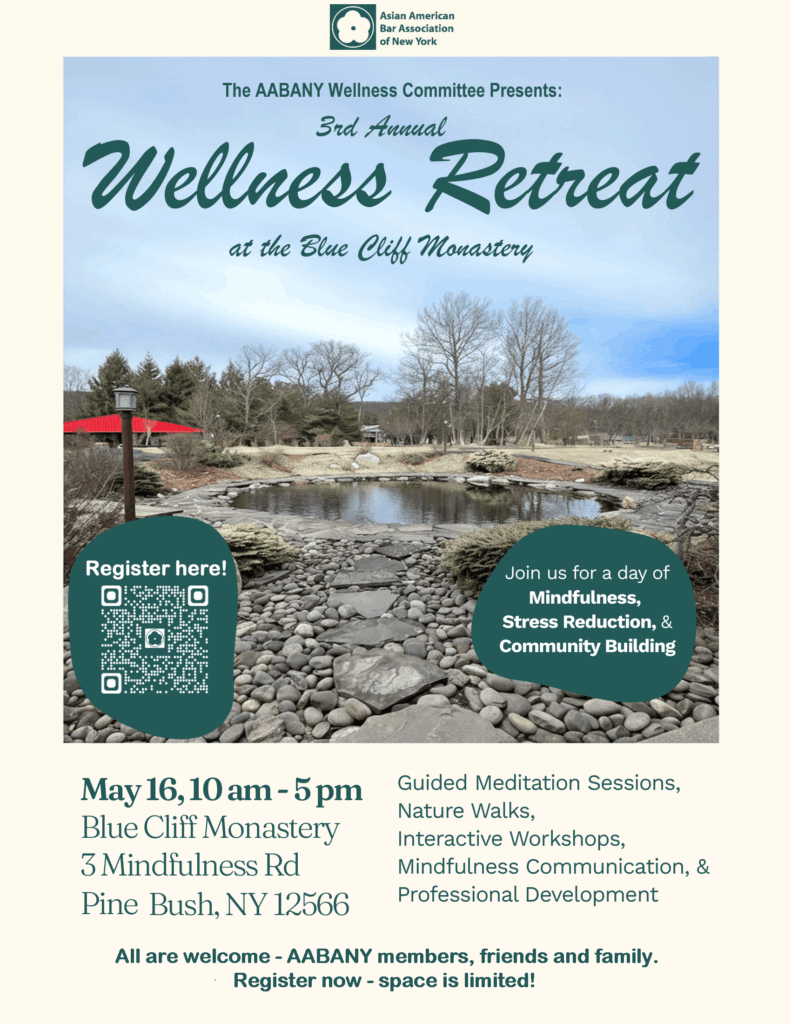
In recognition of AAPI Heritage and Mental Health Awareness Month, we invite you to attend our upcoming Wellness Retreat on May 16, 2206 at the Blue Cliff Monastery in upstate New York. Tailored for the AABANY community, this retreat offers a dedicated space to foster emotional and mental health while addressing the unique pressures of legal practice. Registration is open until May 14th or when capacity is reached. Additionally, please save the date for our 4th annual Wellness Day on June 13, 2026 at Brooklyn Law School. As a vital component of AABANY’s mission, this event continues to strengthen our supportive network and promote a culture of well-being within the legal profession. Registration for Wellness Day is now open until June 11, 2026. Both events are free and open to AABANY members.
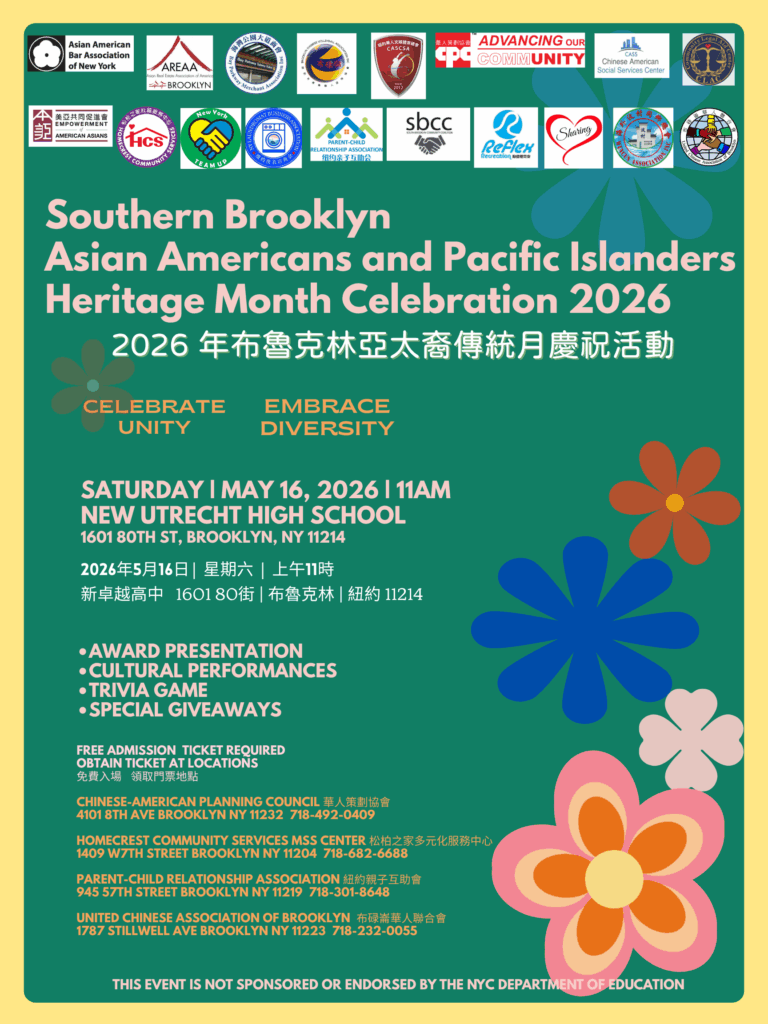
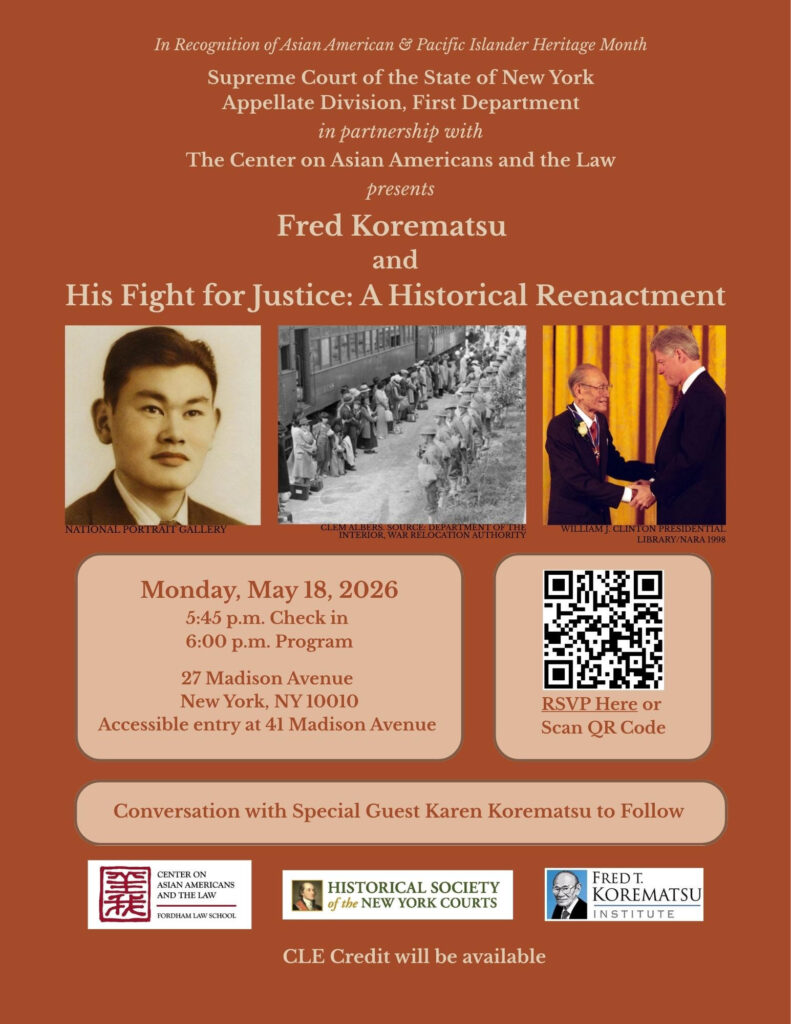
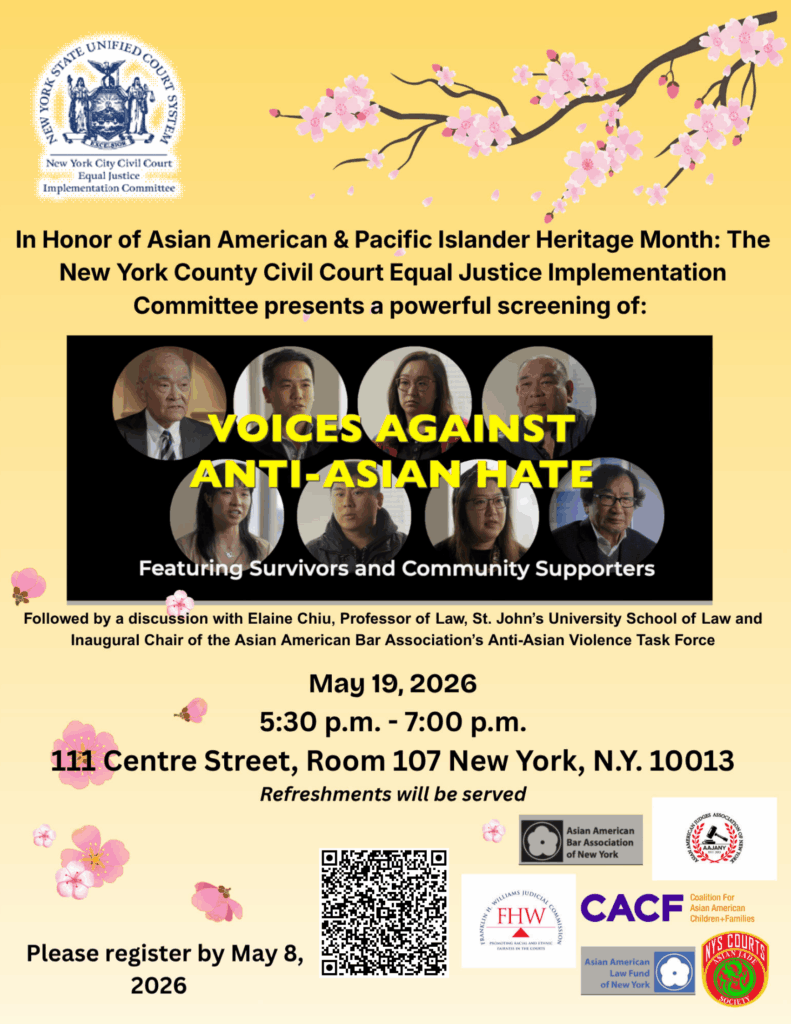
In celebration of AAPI Heritage Month this year, AABANY is presenting or co-sponsoring several events this month. We hope to see you all there! Follow the links for more details, and please note the registration deadlines. This blog post will be updated throughout the month, as new events get added on, so check back for any updates.
May 2, 2026
AABANY Co-Sponsors: Korean Hat Day at Yankee Stadium
1:35pm – Yankees Stadium, 1 E. 161 E. 161st Street
This event has already occurred.
May 3, 2026
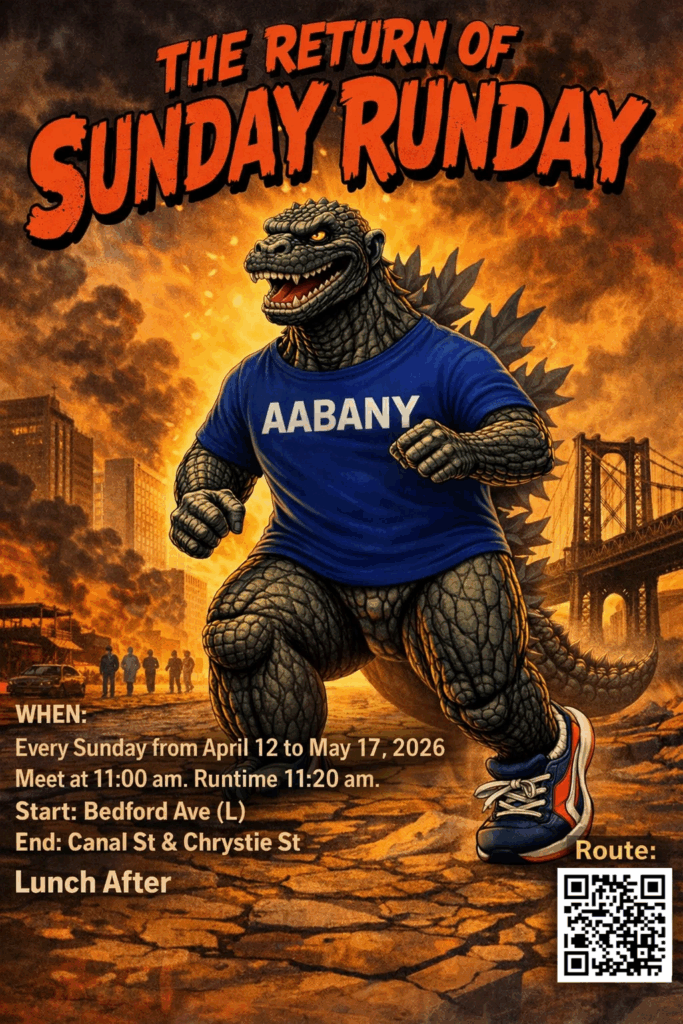
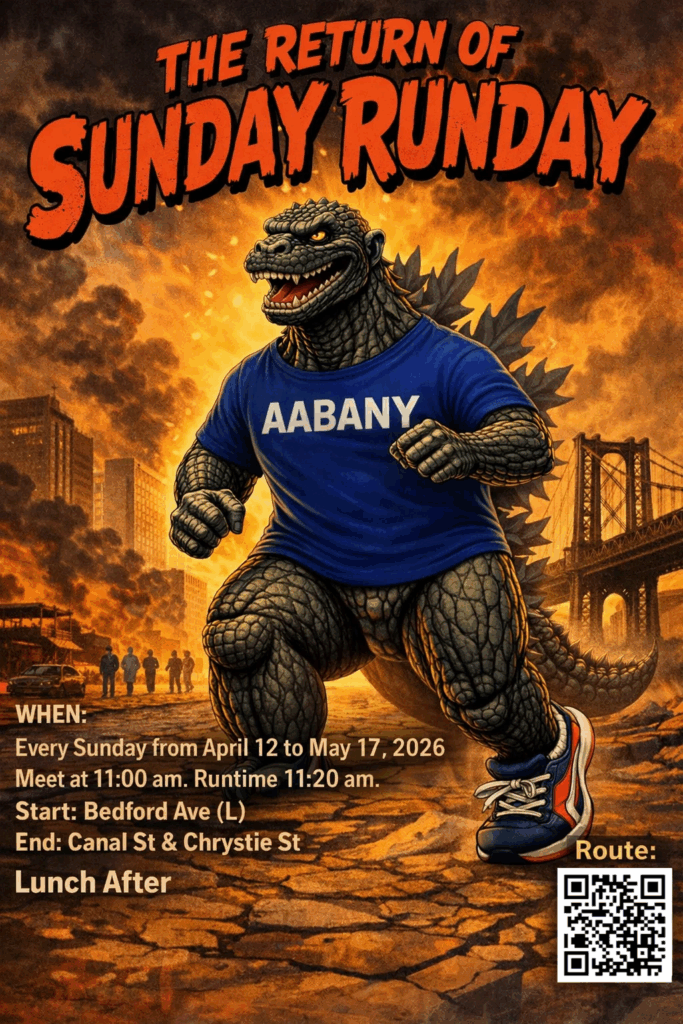
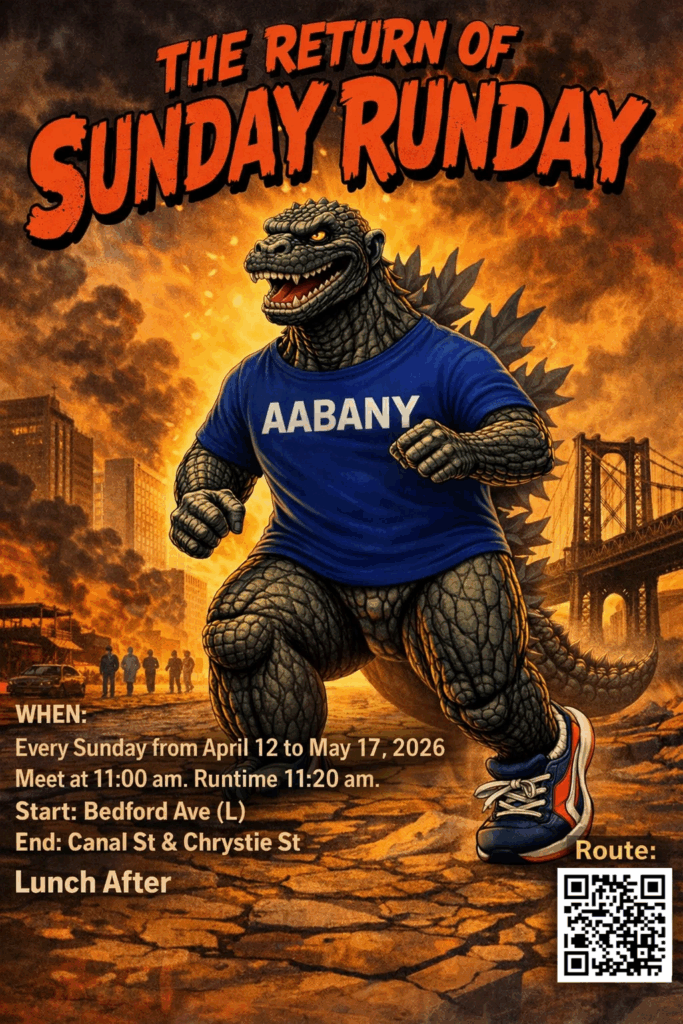
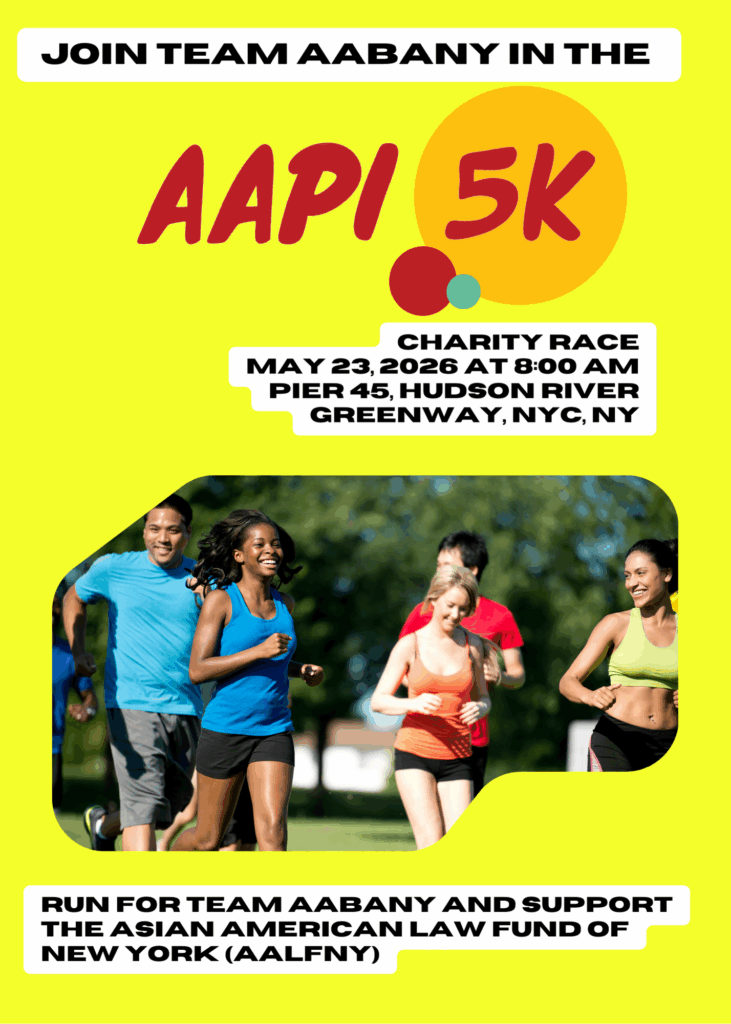
AABANY Sunday Run Day
11:00 am – Start at Bedford Ave (L); End at Canal St. & Chrystie St. This event is preparation for the May 23 AAPI 5k run.
This event has already occurred.
May 5-7, 2026
Asian Comedy Fest 2026: AABANY Discount Available
7pm and 9pm – Sugar Mouse NYC, 47 3rd Avenue, Lower Level, New York, NY 10003
This event has already occurred.
May 6, 2026
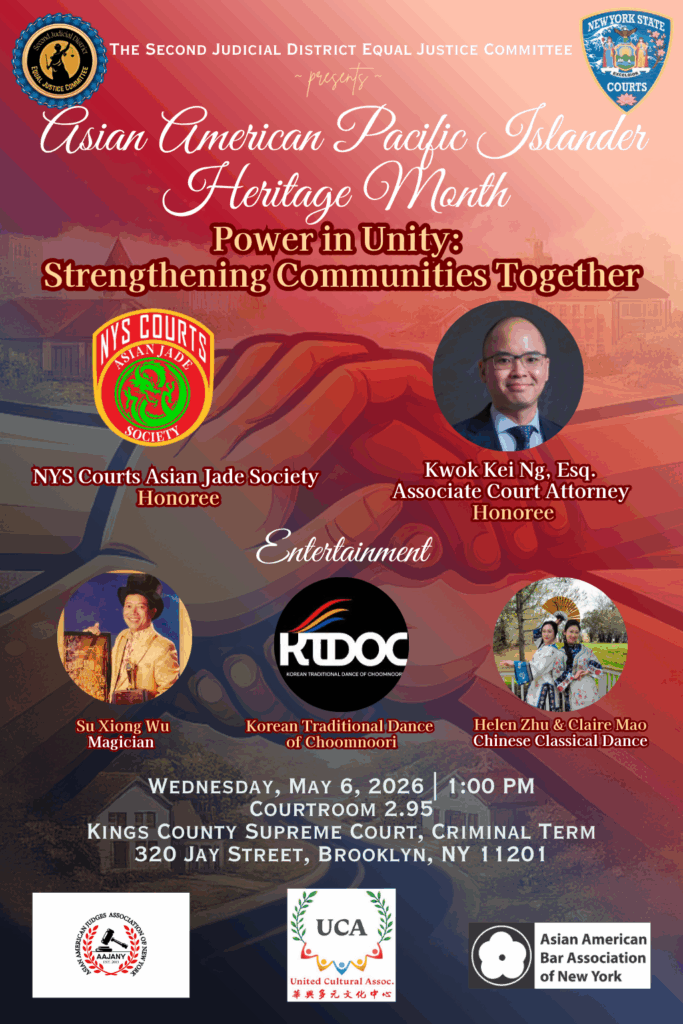
AABANY Co-Sponsors: Power in Unity: Strengthening Communities Together
1:00 pm – Kings County Supreme Court, Criminal Term, Courtroom 2.95, 320 Jay Street, Brooklyn, New York 11201
This event has already occurred.
May 6, 2026
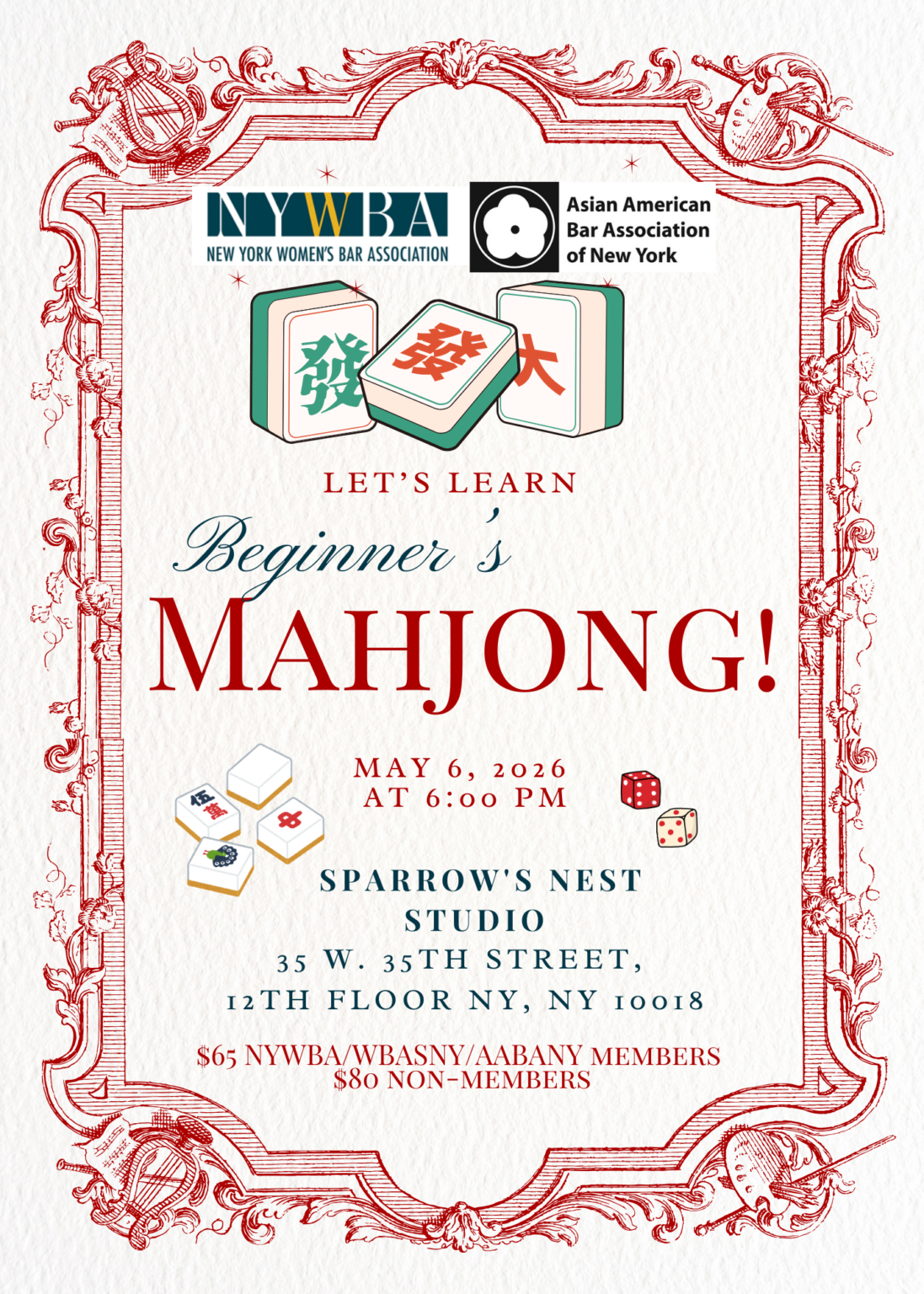
AABANY Co-Sponsors: Beginner’s Mahjong
6:00pm – Sparrow’s Nest Studio, 35 W. 35th Street, 12th Floor, New York, NY 10018
This event has already occurred.
May 6, 2026
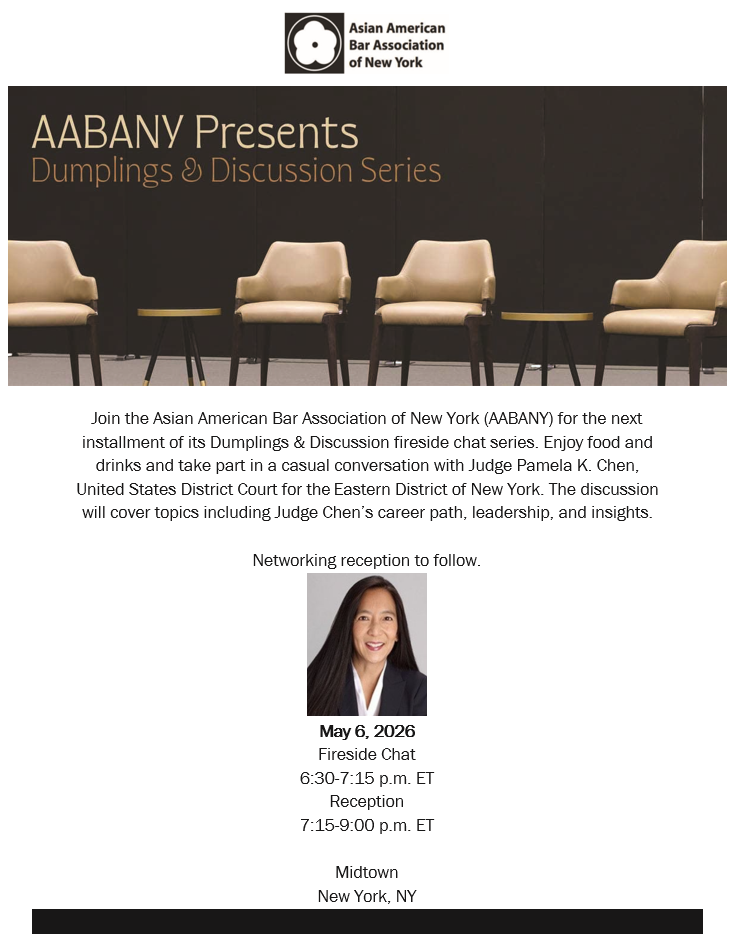
AABANY Presents: Dumplings & Discussion Series Featuring Judge Pamela K. Chen
6:00pm -Midtown location – to be emailed to registrants.
This event has already occurred.
May 9, 2026
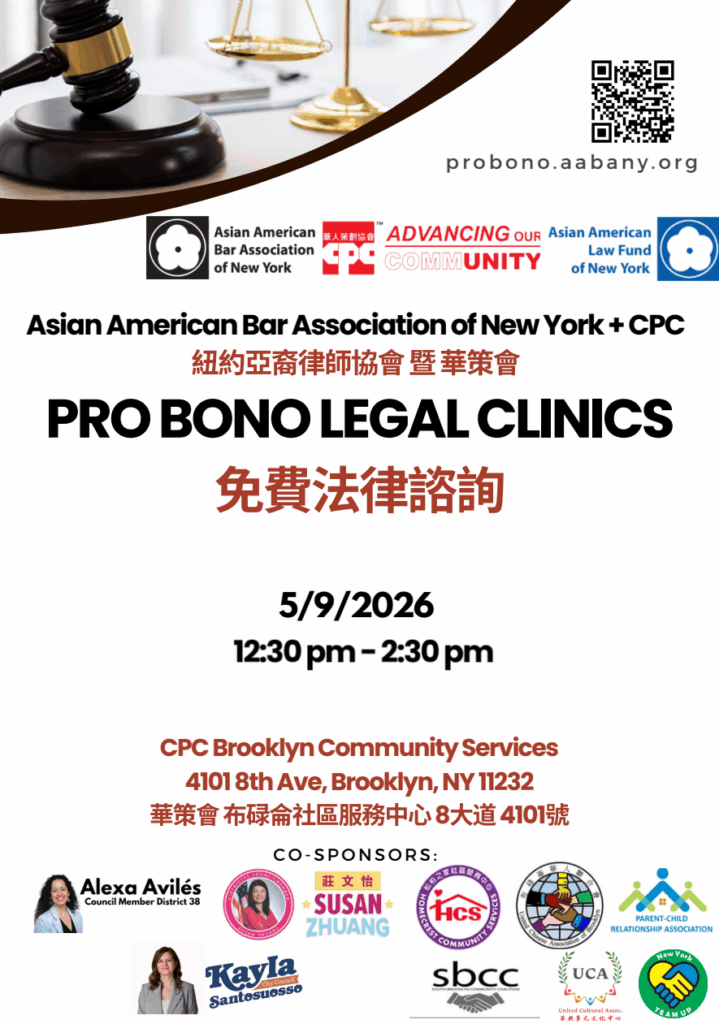
AABANY Bi-Monthly Brooklyn Pro Bono Legal Clinic
12:30 pm – 2:30 pm – CPC Brooklyn Community Services, 4101 8th Ave, Brooklyn, New York 11232
This event has already occurred.
May 10, 2026
AABANY Sunday Run Day
11:00 am – Start at Bedford Ave (L); End at Canal St. & Chrystie St. This event is preparation for the May 23 AAPI 5k run.
This event has already occurred.
May 12, 2026
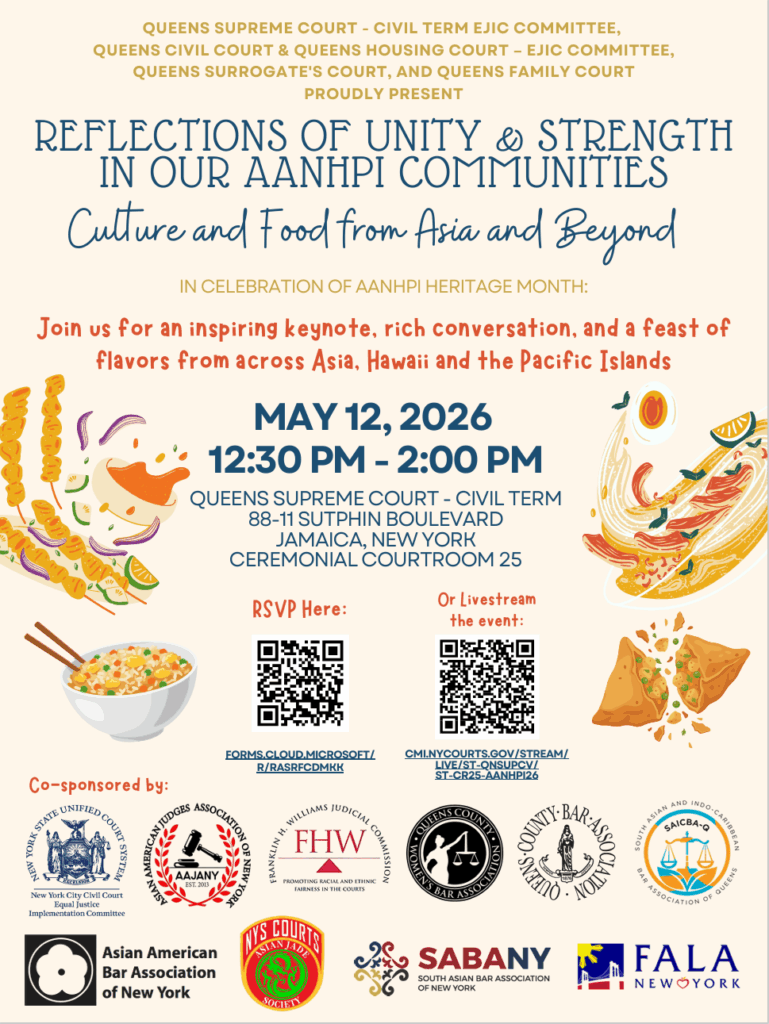
AABANY Co-Sponsors: Reflections of Unity and Strength in our AANHPI Communities
12:30pm – Queens Supreme Court – Civil Term, 88-11 Sutphin Boulevard, Ceremonial Courtroom 25, Jamaica, New York 11435
This event has already occurred.
May 16, 2026
AABANY Presents: 3rd Annual Wellness Retreat
10:00 am – 5:00 pm – Blue Cliff Monastery, 3 Mindfulness Rd, Pine Bush, New York 12566
This event has already occurred.
May 16, 2026
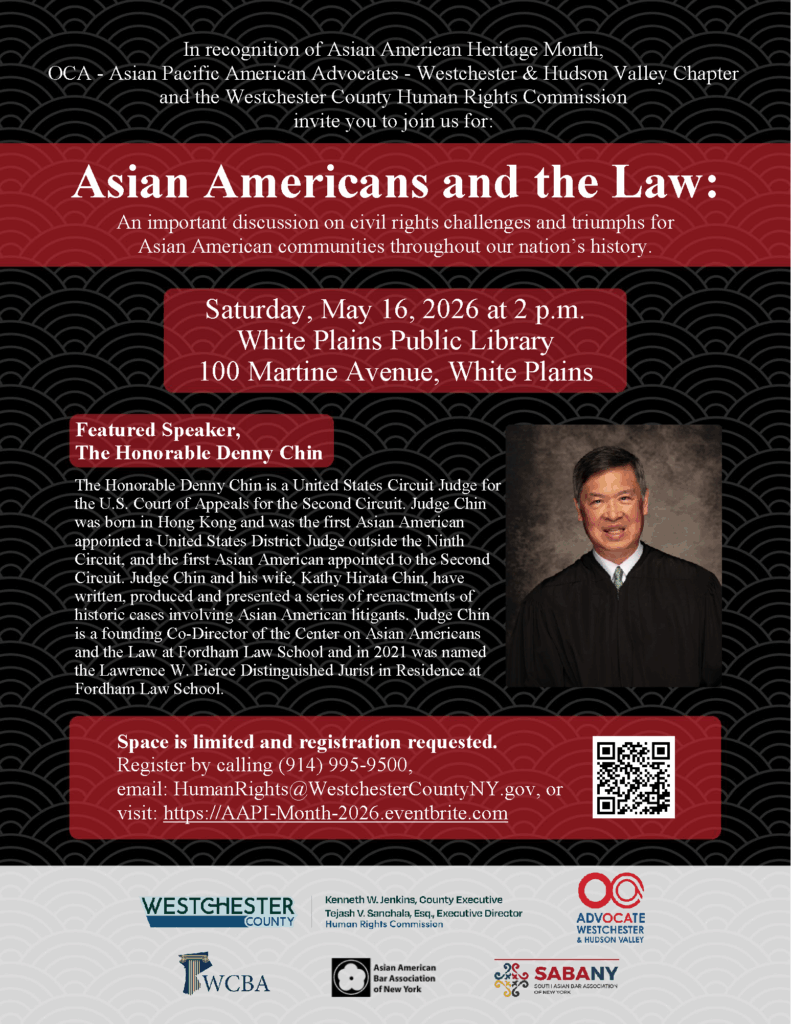
AABANY Co-Sponsors: Asian Americans and the Law, Featuring Hon. Denny Chin
2pm – White Plains Public Library, 100 Martine Avenue, White Plains, New York 10601
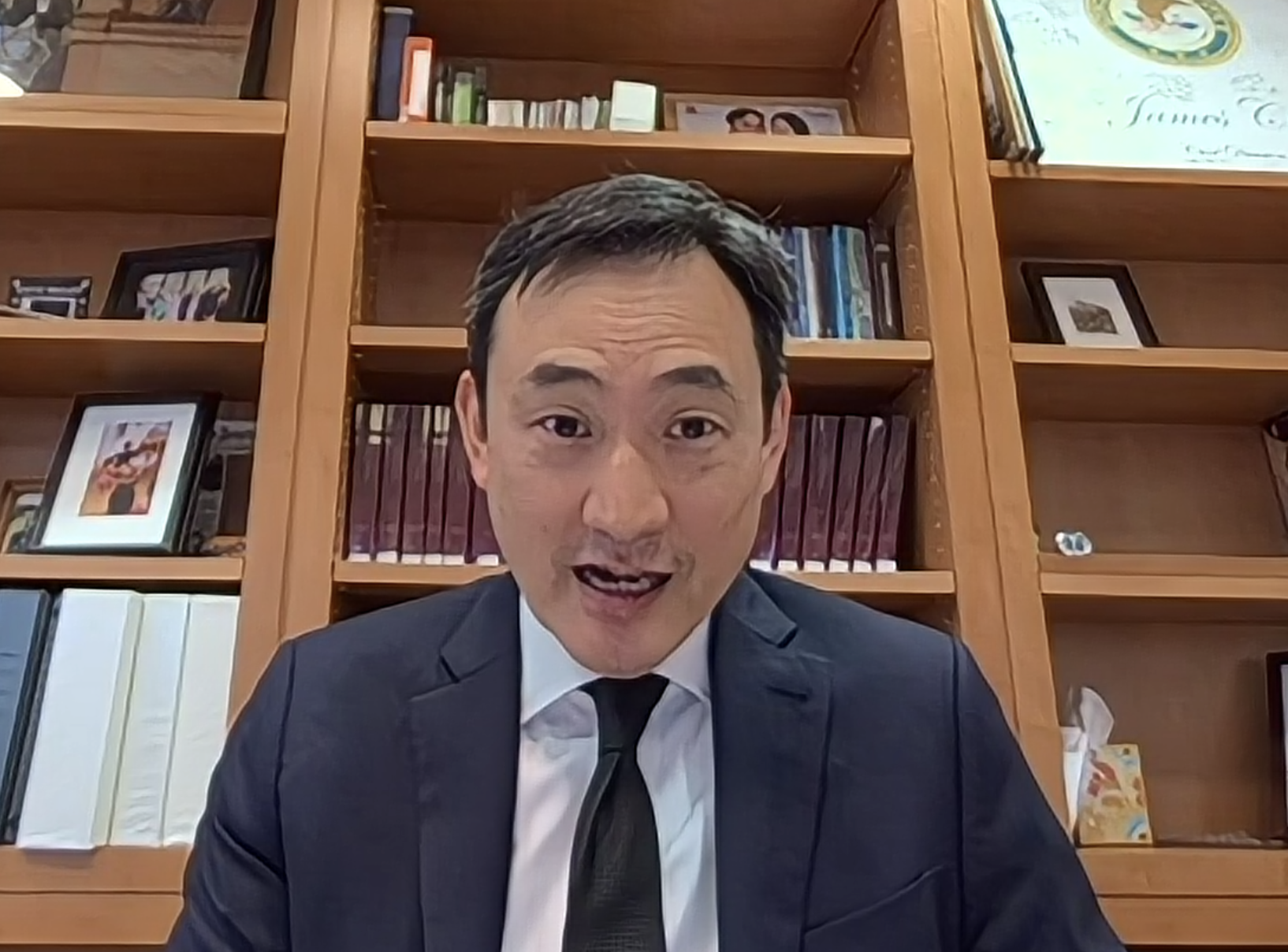
The panel featured two sitting Federal Magistrate Judges: Hon. Ona T. Wang of the Southern District of New York (SDNY) and Hon. James Cho of the Eastern District of New York (EDNY). Both judges shared candid reflections on their paths to the bench and practical advice for prospective applicants looking to apply.
Judge Wang, the first Asian Magistrate Judge in the history of the SDNY, opened by describing how Magistrate Judges work within the federal judiciary. Magistrate Judges are Article I judges who serve eight-year renewable terms and their authority is derived primarily from 28 U.S.C. § 636 and Rule 72 of the Federal Rules of Civil Procedure. On the civil side, they can exercise the full authority of a District Judge when all parties consent to their jurisdiction. On the criminal side, they handle initial appearances, bail and detention hearings, and search warrant applications, though they are not authorized to preside over Federal felony jury trials.
Judge Wang described criminal duty in the SDNY as being “on call in the ER” because for approximately one week once a quarter, a Magistrate Judge handles every Federal arrest, presentment, and search warrant application arising out of Manhattan. This can include complex multi-jurisdictional investigations reaching across the globe. At the same time, she manages a civil docket of approximately 200 to 300 cases, handling scheduling, discovery disputes, settlement conferences, and reports and recommendations on dispositive motions.
Judge Cho, who has served in Brooklyn since 2021, highlighted several important distinctions between the two districts. In the EDNY, Magistrate Judges are assigned to nearly every civil case filed and handle all pretrial supervision from the outset and with a direct consent track that allows parties to proceed without a District Judge entirely. In the SDNY, by contrast, Magistrate Judges only begin to work on a civil case once a District Judge issues a referral order. The scope of that referral may be for general pretrial matters, settlement only, or specific motions, and fundamentally shapes the Magistrate Judge’s involvement.
Judge Cho also noted that EDNY Magistrate Judges conduct jury selection for other judges and take guilty pleas which are tasks generally not performed by SDNY Magistrate Judges. Meanwhile, SDNY Magistrate Judges handle a higher volume of Social Security and habeas corpus cases.
Judge Cho and Judge Wang provided a detailed roadmap of the selection process. The written application includes a 11-page fillable form on the SDNY website and asks candidates to identify significant cases from the past five years, along with adversaries who may be contacted as references. Both Judge Wang and Judge Cho advised candidates to be selective in listing cases and to choose matters that were meaningful and that demonstrate the breadth of their experience. They also recommended giving adversaries a professional heads-up that they may receive a call because the committee is also evaluating professional conduct.
The selection process unfolds in two rounds. First, a Merit Selection Panel of practicing lawyers reviews applications and conducts interviews lasting typically 20 to 30 minutes in length. This Selection Panel then recommends five finalists per vacancy to the Board of Judges. In the SDNY, these interviews are conducted strictly in person. Second, the five finalists interview with the full Board of Judges. Both rounds move quickly and are tightly scheduled.
Judge Cho emphasized that the interview can be decisive, even for candidates who may not appear to be frontrunners on paper. He advised candidates to use the first question, invariably some version of “Why do you want to be a Magistrate Judge?” as an opportunity to tell their authentic story and to weave together themes of their relevant experience to public service and personal motivation. His own opening, for example, drew on his background as the son of immigrants, his experience teaching legal writing, and his years as a Federal civil litigator and Assistant United States Attorney.
Judge Wang offered a note of calibration for SDNY interviews specifically. Given that the Panel moves on time, a lengthy opening is not feasible. She recommended a focused, one-to-two-minute answer that signals a clear theme and invites follow-up questions. Her own theme was being a “helper,” a thread she drew through her clerkship and her extensive settlement and mediation experience.
Both Judges stressed that no candidate is a perfect fit on paper. In fact, Judge Wang had not conducted a trial before joining the bench and Judge Cho had no criminal experience. The Board of Judges is not administering a knowledge test. They are evaluating the candidates’ temperament and genuine motivation for public service. Candidates should acknowledge any gaps in their backgrounds honestly and then redirect toward their strengths.
Judge Cho and Judge Wang were also candid about the value of professional networks at key stages in the process. Once a candidate gains traction after securing a first-round interview, they encourage applicants to reach out to well-connected mentors and colleagues who might be willing to speak on their behalf to members of the Selection Panel or the Board of Judges. Judge Wang shared a memorable lesson from her own process when a close personal contact who was a sitting District Judge learned of her application through a reference call for another candidate and independently volunteered a strong endorsement. She advised candidates not to leave that kind of advocacy to chance.
For those who may feel their background does not fit a traditional mold or who did not succeed in a prior application cycle, both judges offered genuine encouragement. Judge Wang noted that it is not unusual for candidates to apply more than once and that a changed political environment may make the current cycle particularly competitive. Yet, this should not deter anyone from applying. The advice is to focus on each stage as its own challenge, prepare thoroughly for interviews with mock sessions – Judge Wang mentioned AABANY as a great source that can help candidates coordinate these – lean into your network, and to approach the process with the utmost authenticity and confidence.
To learn more about the AABANY Judiciary Committee, gohere.
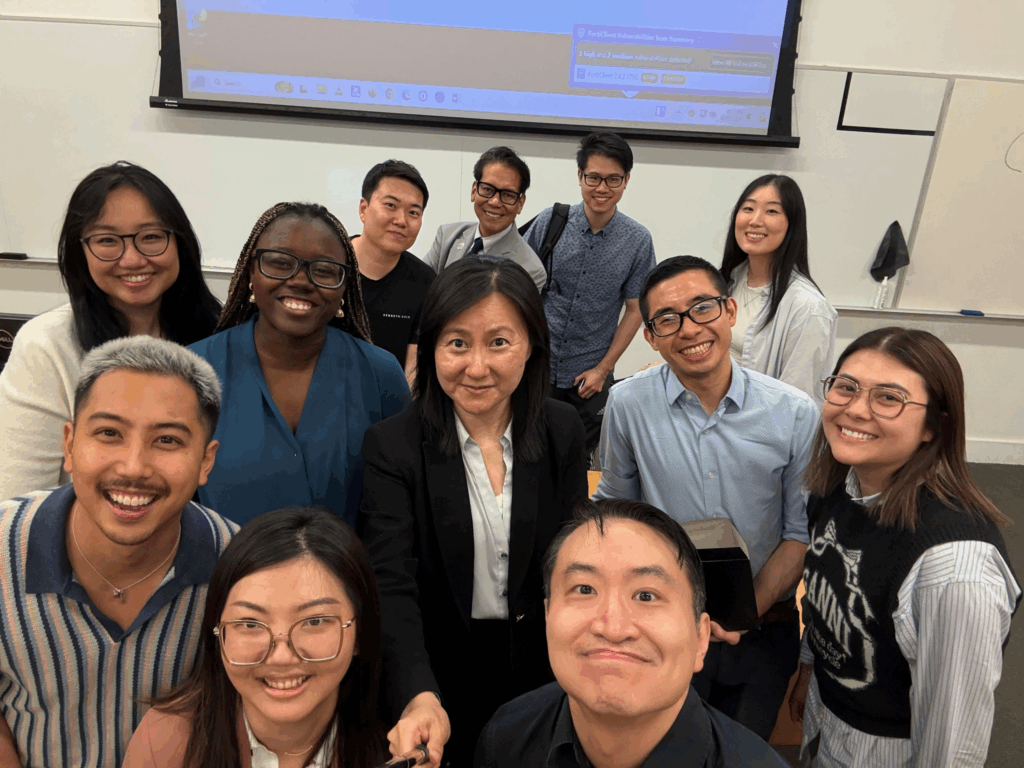
On April 15, 2026, the Asian American Bar Association of New York (AABANY)’s LGBTQ Committee, in collaboration with the Solo and Small Firm Practice Committee, hosted a dynamic and insightful panel at Fordham Law School titled “Table Talk: Careers Beyond Big Law.” Generously co-sponsored by Fordham APALSA and Fordham OUTLaws, with support from AABANY’s Student Outreach Committee, the event brought together an accomplished group of legal professionals and an engaged audience of students and early-career professionals eager to explore alternative pathways within the legal profession.
Mina Yi, a Fordham Law student representing Fordham APALSA, served as moderator and kicked off the discussion by asking the panelists to introduce themselves, their practice areas, and their current roles. Then, she asked them to share their advice on how students can pursue non-traditional or non-Big Law career paths.
The panel featured a diverse lineup of speakers, including Gregory Hom (Nixon Peabody), Kayla Lucia (Mintz), Yen-Yi Anderson (Anderson & Associates), Thomas Wu (New York State Housing Finance Agency), Daobo Wang (New York State Unified Court System), and Glenn Magpantay (U.S. Commission on Civil Rights). Almost all the speakers were AABANY leaders: Gregory is the current Co-Chair of the LGBTQ Committee. Kayla was Co Chair during the last fiscal year, and Daobo is Co-Chair this fiscal year. Yen-Yi is Co-Chair of the Solo and Small Firm Practice Committee. Glenn is a Director on AABANY’s Board.
The speakers’ careers spanned public finance, employment litigation, immigration, small law firm practice, government service, judicial clerkships, and civil rights policy. Their varied trajectories illustrated a central theme of the evening: legal careers are rarely linear. The panelists conveyed that professional fulfillment often emerges from adaptability in one’s circumstances, persistence, and meaningful relationships.
From the outset, panelists demystified the notion of a singular “Big Law path.” Gregory Hom offered a nuanced perspective on large-firm practice, noting that not all firms operate under the same high-turnover model often associated with the industry. He mentioned that instead, firms like Nixon Peabody prioritize sustained interest in specialized practice areas, such as his own work in public finance, and rely heavily on faculty recommendations and personal connections in hiring. In his daily practice, he acts as a “watchdog” for state agencies and investment banks, meticulously reviewing documents to ensure securities law disclosures are consistent and avoid SEC investigations. Gregory shared that he secured his role after heavily leaning on a professor for guidance, and he recommended that students not shy away from doing the same.
Kayla Lucia echoed this sentiment, reflecting on her own nontraditional journey, starting in Legal Aid, then moving to “Midlaw,” and eventually to a major firm specializing in employment law. She noted that she transitioned into private practice to find a more sustainable professional life and to avoid the burnout she felt in the public interest sector. Kayla encouraged students to think critically about the kind of professional and personal life they hope to build, and to consider factors like team size and environmental competitiveness, rather than defaulting to prestige-driven choices. Her current work involves bridging the gap between poorly written statutes and the concise answers employers need, while also assessing the factual viability of litigation claims.
Yen-Yi Anderson provided a compelling account of forging an independent path to starting her own small firm practice. She recounted that her career did not follow a direct route after law school, spending years in nonprofit and media work before returning to the legal field and building her own practice through relationships she had developed with foreign entrepreneurs. In a small-firm setting, she emphasized that attorneys must “wear many hats,” balancing legal work with responsibilities such as managing hiring, payroll, office management, and client development. At the same time, she noted that her practice areas in immigration and commercial litigation require constant attention to evolving laws and policies, which makes adaptability essential. Despite the challenges, Yen-Yi relished the autonomy that comes with running her own firm. She is able to choose her clients, shape her workload, and maintain flexibility in her schedule to allow her to prioritize family alongside her career.
The discussion was further enriched by perspectives from the public sector, illustrating how legal work can directly shape public policy and address community needs. Thomas Wu detailed his role at the New York State Housing Finance Agency, where legal practice operates at the intersection of law and urban development. In this capacity, attorneys work alongside policymakers and financial institutions to structure deals that support affordable housing initiatives across the state. He described the work as both technical and mission-driven as it requires attorneys to translate legal frameworks into practical tools that enable large-scale development projects. Thomas also emphasized the importance of fellowship programs, such as the Excelsior Fellows Program, as accessible and structured entry points into government service for recent graduates seeking substantive experience and long-term pathways into public sector careers.
Similarly, Glenn Magpantay offered a broader, long-term perspective shaped by decades of experience across civil rights enforcement, nonprofit leadership, AABANY, and his current role as a Commissioner on the United States Commission on Civil Rights. Glenn encouraged students to view their careers as evolving journeys that may have uncertainty and deviation from previous expectations. Glenn advised, “Don’t worry too much about getting it right the first time—your career will evolve, and you’ll get where you want to go,” reinforcing the idea that resilience and adaptability with the legal community are often more determinative of long-term success.
The discussion also highlighted the critical role of networking and mentorship. Speakers consistently emphasized that relationships, such as those cultivated through bar associations like AABANY and broader community engagement, are often instrumental in securing opportunities. Glenn noted that in a competitive field where many candidates appear equally qualified on paper, it is frequently personal connections and trusted recommendations that set applicants apart.
During the Q&A portion, one student asked how the law is actually applied in day-to-day practice as opposed to the case-based learning emphasized in law school. Speakers responded by illustrating their actual responsibilities in vivid detail. Whether it was Gregory ensuring regulatory compliance in complex financial disclosures, Kayla interpreting ambiguous statutes to advise clients, or Daobo drafting judicial opinions grounded in meticulous legal research, each speaker illustrated how legal reasoning operates in real-world contexts. These insights helped bridge the gap between classroom learning and professional application where students were able to gather a clearer understanding of what legal work truly entails.
The evening concluded with an interactive session in which attendees also introduced themselves and shared their aspirations, followed by informal networking over pizza. Thank you to AABANY’s LGBTQ Committee and Solo and Small Firm Practice Committee for organizing and hosting this thoughtful and engaging program, as well as to Fordham APALSA and Fordham OUTLaws for their generous co-sponsorships and collaboration. Special appreciation also goes to the Student Outreach Committee for their continued support in creating meaningful opportunities for students to engage with practitioners across diverse areas of the legal profession.