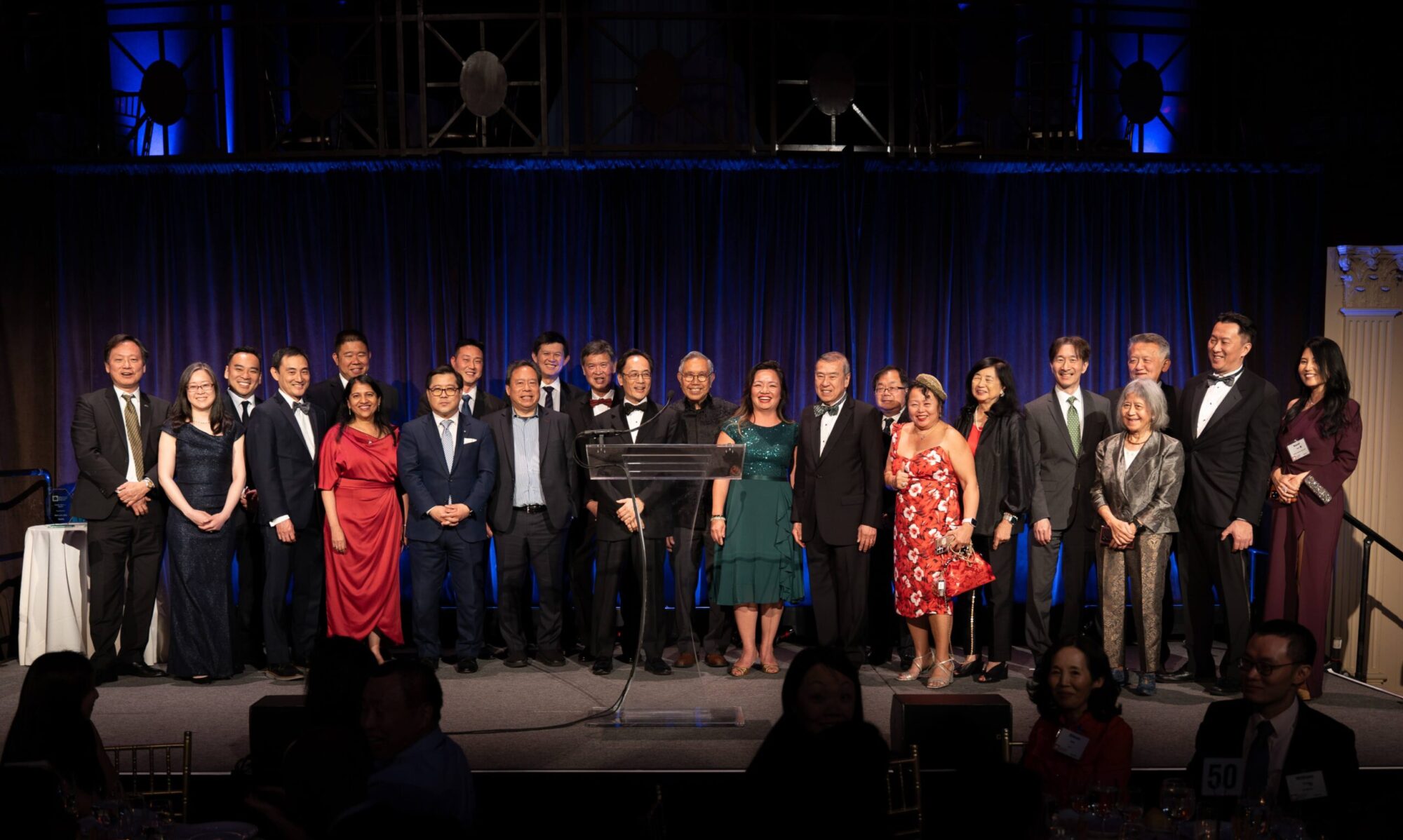

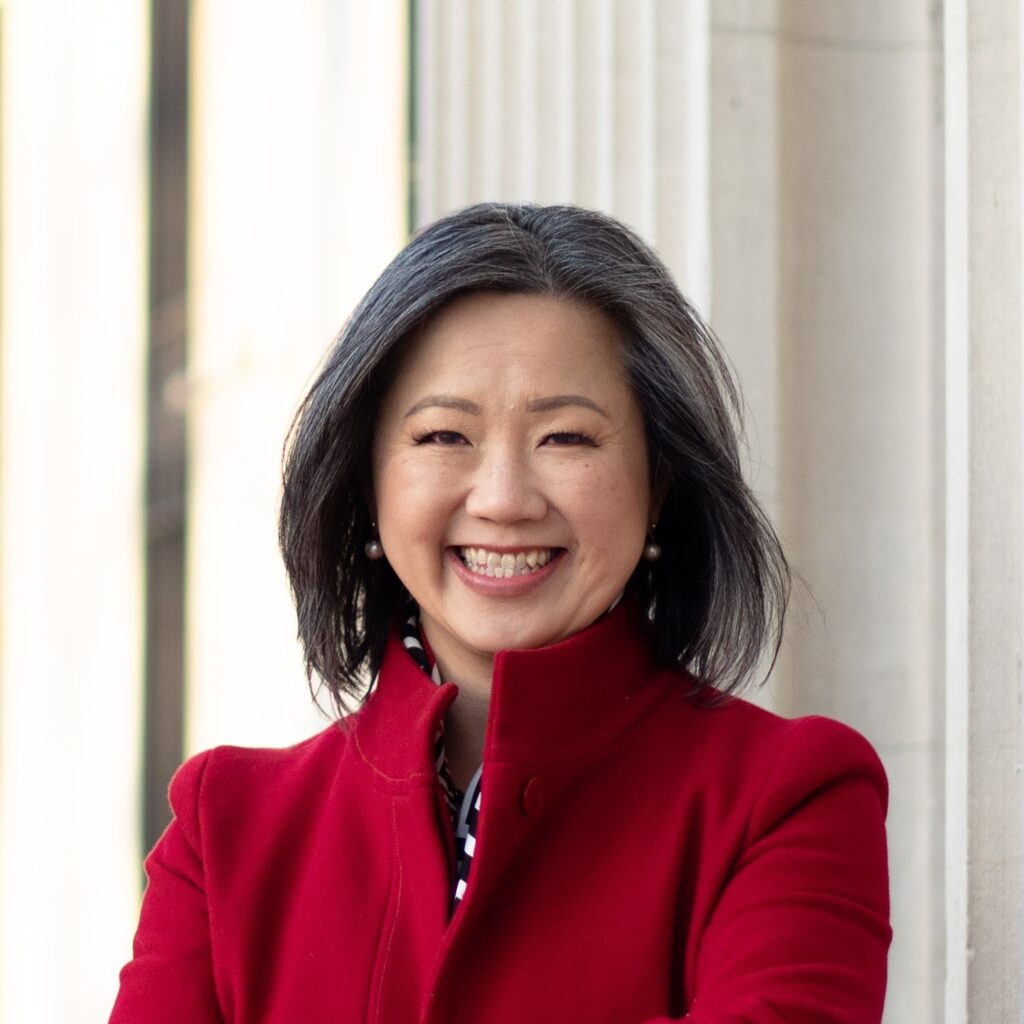
AABANY Member Profile: Justice Karen Lin Makes History with Her Appointment to Appellate Term, Second Department

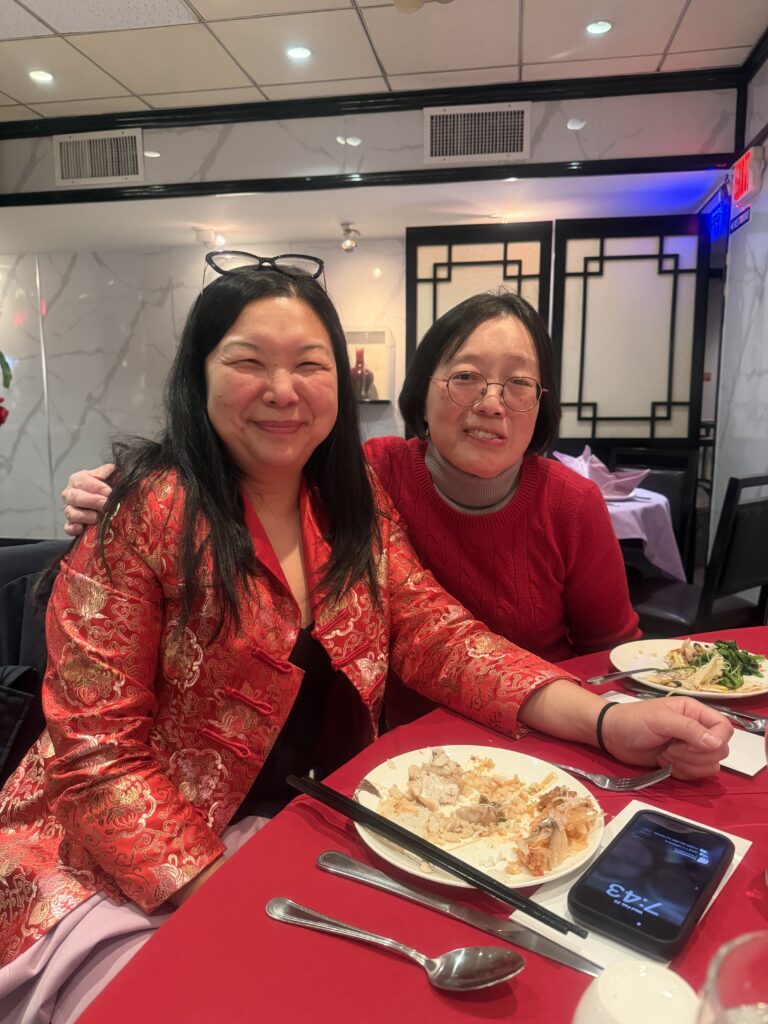
Justice Karen Lin, a longtime member of AABANY and former Co-Chair of the Pro Bono and Community Service Committee (PBCS), has been appointed to the Appellate Term for the Second Department of the New York State Supreme Court. This appointment marks a historic milestone as Justice Lin is the first Asian American woman to serve in this role. As a lifelong public servant and sitting Second Department Justice, she brings decades of experience and a deep commitment to justice to one of the most impactful appellate tribunals for everyday New Yorkers.

Breaking Barriers: The Significance of “the First”
Justice Lin’s appointment to the Appellate Term for the Second Department carries historic significance. Yet, for Justice Lin, the meaning of this milestone is inseparable from the community that shaped her.

Born and raised in Queens by her immigrant parents, Justice Lin’s story is rooted in the borough she now serves. At a time when Asian Americans were significantly underrepresented in both civic and professional spaces within Queens County, her early experiences acutely instilled in her a heightened awareness of the importance of being seen and heard. As a child, she recalls helping interpret for her parents who spoke limited English. She also recalls attending school events where she was one of the few Asian American faces in the room. These moments made her realize the significance of representation, or the lack thereof. Coupled with her parents’ tireless work ethic and emphasis on community, these experiences profoundly shaped her sense of justice and responsibility to her community. 

Despite Asian Americans comprising more than 27 percent of the population in Queens, they have historically remained underrepresented on the bench. While precise figures vary by dataset, estimates by the Brooklyn Daily Eagle suggest that fewer than 10 percent of judges in Queens County identify as Asian. This number is even lower statewide as according to the New York State Unified Court System’s 2024 Judicial Demographics Report, only about 5 percent of judges statewide identify as Asian. These figures highlight the persistent gap between the Asian American community and their representation within the judiciary.


For Justice Lin, the awareness of this disparity came into sharper focus back in 2022, when she grappled with these demographic realities during her campaign for Queens Civil Court. She recognized both the urgency and the responsibility to step forward. 

Now, in 2026, as Justice Lin assumes her role on the Appellate Term, she reflects on both the progress made and the work that remains. While her appointment marks a historic milestone, Justice Lin is candid about what the broader implications of her distinction as “the first” means.

“We shouldn’t still be talking about ‘firsts’ in 2026,” she notes. “It matters to break that ceiling—but it matters even more that we are not the only ones.” Justice Lin maintains that her appointment is part of a larger trajectory which she hopes will continue to open doors for others who will follow and ultimately surpass her.

“I may be the first,” she reflects, “but I certainly do not want to be the last. And I won’t.”

Diversity and Perspective at the Appellate Term
In her run for the Queens Civil Court in 2022, Justice Lin noted, “The air in the room changes depending on who is in it.” Now, as Justice Lin assumes her seat at the Appellate Term for the Second Department, she brings her philosophy into a new and vastly different judicial environment.

The nature of judging at the appellate level is necessarily collaborative. Rather than presiding over a single courtroom, justices at the Appellate Term engage in a rigorous discussion of the law. The presence or absence of diverse perspectives can play a significant role in the nature of judicial decision-making.

“The lens through which we interpret the law is shaped by our lived experiences,” Justice Lin explains. “It matters who is in that room.”

The Appellate Term occupies a uniquely consequential position within New York’s judicial system. For many New Yorkers navigating housing disputes, consumer debt matters, and low-level criminal cases arising from the Civil Court and Criminal Court, the Appellate Term often represents the primary avenue for reviewing decisions made in those courts. As such, this court plays a critical role in ensuring public confidence in the fairness and legitimacy of the judicial process and of everyday challenges faced by many families and individuals. Justice Lin approaches this responsibility with a deep awareness of the communities served by the court. As a lifelong Queens native and an experienced legal professional, Justice Lin brings a grounded perspective to the bench and seeks to ensure that the appellate review is conducted with both rigor and awareness.

A Jurist Grounded in Care
From civil rights attorney to legislative counsel, from Housing Court Judge to Court Attorney-Referee in Surrogate’s Court, Justice Lin has been guided by a single constant: care.

Justice Lin’s decade as a court attorney referee in Surrogate’s Court, where she handled sensitive guardianship matters, reinforced the centrality of due process, particularly for vulnerable individuals. In those proceedings, she understood the risks of presuming incapacity based solely on diagnosis or circumstance. Instead, she stresses that every individual is entitled to a meaningful hearing where their voice is heard.

This philosophy carried directly into Justice Lin’s work on the trial bench, where she implemented practices designed to make the courtroom more accessible. For example, she required in-person appearances in certain matters involving self-represented litigants, recognizing that virtual proceedings—while efficient—can inadvertently exclude individuals who lack access to technology or familiarity with digital platforms. In-person appearances allowed her to better assess credibility, clarify the relief being sought, provide language support, offer flexible scheduling, promote accessibility for litigants with disabilities, and ensure that litigants could express themselves in their own words. Similarly, her practice of inviting court users to indicate their preferred pronouns reinforces the principle that every individual who enters the courtroom is entitled to be treated with respect.

To illustrate, Justice Lin described a family conflict case she dealt with where a father passed away, leaving his home to only two of his children and excluding the others. Justice Lin guided the family through structured discussion by helping each member articulate concerns and expectations by meeting with them individually. This ultimately fostered a mediated resolution that balanced the legal framework with the opportunity for members of the family to retain some control over their outcome. In the end, the siblings reached an agreement to divide the home equally among all of the children.  

“The court cannot advocate,” she notes, “but it can ensure fairness, dignity, and that due process is fully respected.”

A Career Defined by Purpose
Long before she entered the legal field, Justice Lin was already cultivating an ethos of advocacy at the University at Buffalo. As an undergraduate, she noticed that Asian American history and experiences were largely absent from the curriculum. Determined to address this gap, she petitioned the history department to introduce a course on Asian American history which had never previously been offered. Simultaneously, she co-founded the University’s Asian American student organization, the Asian American Students Association (AASA) and served as its first president where she organized cultural programming and panel discussions to highlight the contributions of Asian Americans on campus. These initiatives included guest lectures, heritage month celebrations, and workshops that engaged the broader student body in conversations about diversity and inclusion. Reflecting on these formative years of her life, Justice Lin noted, “I wanted students like me to see themselves in the stories being told and to have a community where our voices mattered.”

A couple years later, Justice Lin championed these same values through her leadership with AABANY’s Pro Bono and Community Service Committee (PBCS), where she served as Co-Chair. During the COVID-19 pandemic, when the need for legal services increased significantly, she played an instrumental role in promoting access to legal services by expanding Pro Bono Clinics to underserved communities in Queens. Building on this work, Justice Lin highlights that meaningful legal assistance requires the ability to communicate effectively, especially with individuals who struggle to find services in a language they understand. She speaks of her time with PBCS, describing it as the “best committee ever” and her service as both a “great joy and privilege.” Additionally, she praises AABANY’s Pro Bono Clinics as an invaluable resource for individuals with limited English proficiency.

Ultimately, in each stage of her professional journey, Justice Lin has consistently asked herself: “Where can I be helpful?” 

Lifting the Next Generation
As a mentor and active participant in programs such as the The Sonia & Celina Sotomayor Judicial Internship Program, Justice Lin is deeply committed to cultivating the leaders of tomorrow. She suggests that a successful legal career rests on a foundation of competence and character. She encourages students and young professionals to strive for mastery in their chosen field. “Be as good at it as you can be,” she advises, because when opportunities arise, “you better be ready to hit the ground running.” Competence, she notes, is central to reputation as it ensures that professionals are prepared to perform effectively in any high-stakes environment.

Justice Lin also stresses that technical skill alone is not enough. Equally important is how one treats others. “Your competence shapes your reputation,” she explains, “but so does how you treat people.” She believes in a  universal standard of decency and she encourages individuals from all paths of life to treat everyone—from the janitor to the judge—the way they would want themselves or a loved one treated. She reminds us that “people may forget what you did but they will remember how you made them feel.” 

Throughout her career, Justice Lin has also rejected narrow stereotypes of what a lawyer must be. Justice Lin has challenged the notion that success requires aggression. Many assumed she was “too nice” to be an effective lawyer or justice, but she believes there are many ways to practice law successfully without abandoning one’s nature. She encourages young professionals, especially those from underrepresented backgrounds, to embrace their individuality. “What makes us different is really what makes us strong,” she says. Avoiding the temptation to contort oneself to fit an expected mold, she emphasizes that professional growth is most meaningful when it is shared: “It is purposeless to rise alone; we rise together.”

Through her guidance and example, Justice Lin seeks to create spaces where future generations can thrive with confidence and authenticity. Now at the Appellate Term, her role amplifies this impact as she continues to shape the culture of the judiciary itself. Please join AABANY in congratulating Justice Karen Lin on this historic milestone. We look forward to seeing more noteworthy contributions from her public service.
AABANY’s Labor & Employment Law Committee and Issues Committee Host “Navigating DEI Into 2026: Practical Takeaways & Industry Observations” CLE Program

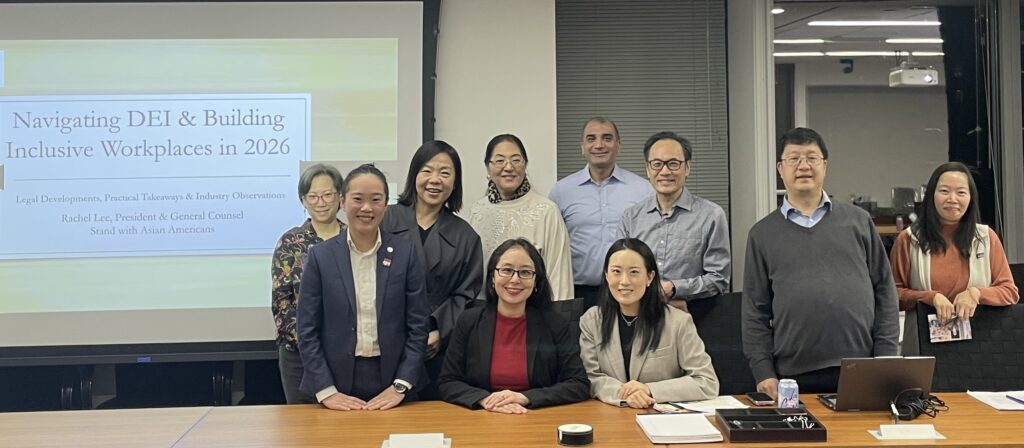
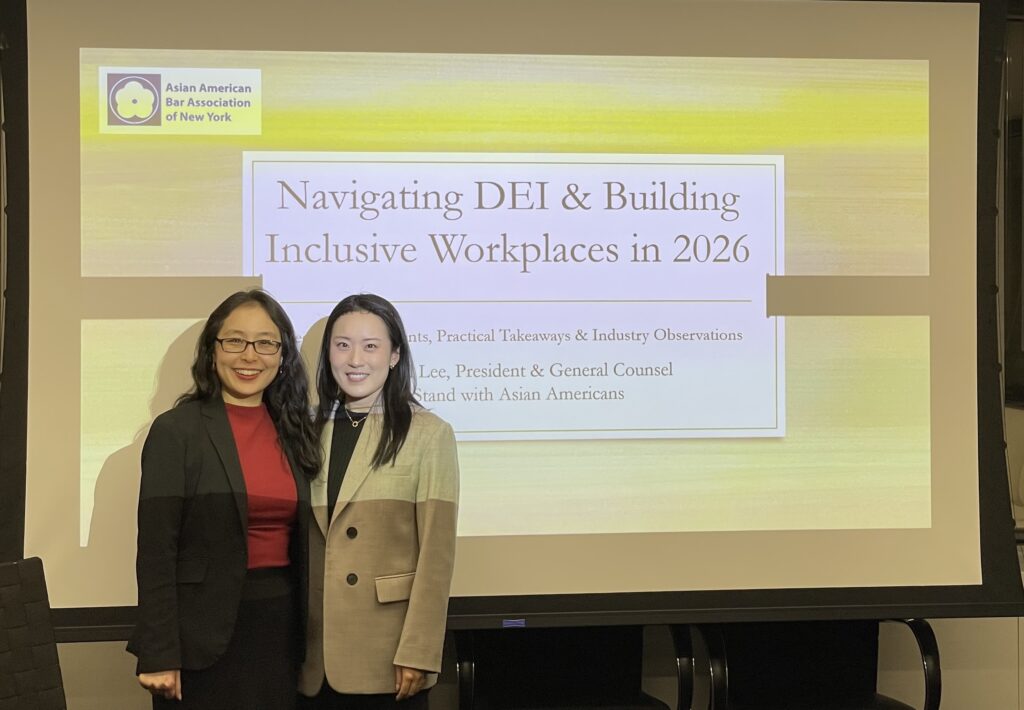
On March 25, 2026, AABANY’s Labor & Employment Law Committee, with co-sponsorship from the Issues Committee, hosted a timely and thought‑provoking CLE program, Navigating DEI Into 2026: Practical Takeaways & Industry Observations, at Littler Mendelson P.C. in New York City.

The program featured Rachel Lee, President and General Counsel of Stand With Asian Americans and Co‑Chair of AABANY’s Issues Committee, who shared insights on the evolving legal and cultural landscape surrounding diversity, equity, and inclusion efforts.  Rachel drew from her work with organizations seeking to build and sustain inclusive workplaces amid shifting regulatory and societal expectations.  She also offered practical, compliant strategies for fostering inclusive work environments in the years ahead.

The discussion was moderated by Jennifer Kim of Littler Mendelson, Chair of AABANY’s Labor & Employment Law Committee, who guided the conversation and facilitated audience engagement on the real‑world challenges employers and practitioners face when navigating DEI initiatives.

Attendees earned 1.0 NY CLE credit in Diversity, Inclusion, and Elimination of Bias and benefited from an engaging exchange of ideas that balanced legal guidance with practical application. The Committees thank Rachel Lee, the Professional Development Committee, and all attendees for making this program a success.

If you are interested in attending future Labor & Employment Law Committee or Issues Committee events, please check the AABANY calendar.

– Written by Shreya Mantrala, Vice Chair of the Labor & Employment Law Committee

AABANY Volunteer Appreciation Dinner Celebrates Commitment to Pro Bono Service

On March 26, 2026, the Pro Bono & Community Service Committee and the Government Service & Public Interest Committee continued their tradition of hosting a Volunteer Appreciation Dinner to recognize the volunteer attorneys, law students, AABANY staff, AALFNY board members, and community partners who make our Pro Bono Clinics possible. Together, we celebrated our shared mission of serving the public and promoting access to justice for those who cannot afford legal services.

The backbone of AABANY’s public service initiatives is its dedicated volunteers. We extend our deepest gratitude to the attorneys who generously devote their time and expertise to assisting members of the community. These Pro Bono Clinics also serve as valuable learning opportunities for law students, providing hands-on experience across various areas of law while allowing them to give back through direct service.

We also express our sincere appreciation to the Asian American Law Fund of New York (AALFNY) for its continued support, as well as to the AABANY staff, whose administrative efforts are essential to making this work possible.

Finally, we thank our long-standing community partners, including the Chinese-American Planning Council (CPC) and Asian Americans for Equality (AAFE), for consistently providing space, staff, and support for our clinics.

To learn more about the Pro Bono Clinics, go to probono.aabany.org.
To support the Pro Bono Clinics through your tax-deductible donations, please visit AALFNY’s donation page: https://www.asianamericanlawfund.org/donate/.

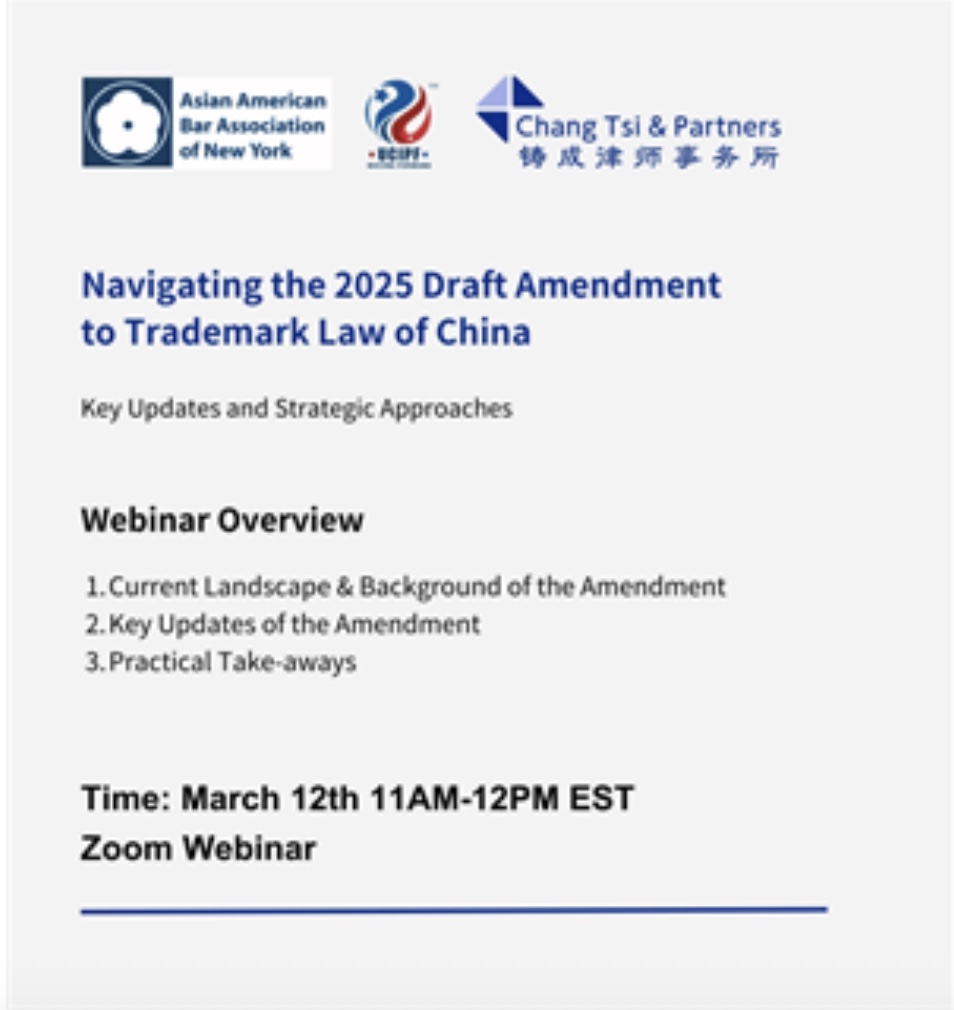
Recap of Webinar: Navigating the 2025 Draft Amendment to the Trademark Law of China

On March 12, 2026, the US-China Intellectual Property Exchange and Development Foundation (UCIPF) together with the AABANY Intellectual Property Committee hosted an informative webinar entitled “Navigating the 2025 Draft Amendment to the Trademark Law of China.”

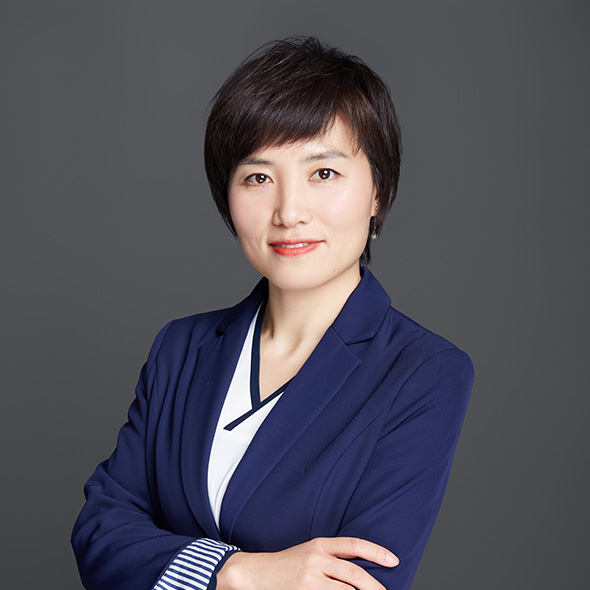
The session featured insights from trademark attorneys Tracy Shen (who stepped in last minute for original speaker Spring Chang) and Lilian Qiu, Partners from Chang Tsi and Partners. Twelve attendees were given a summary on the upcoming legislative developments affecting China’s trademark office laws. As the market in China continues to grow and cater to more global business, it is important for legal professionals protecting their clients’ trademarks in this area to stay well-informed and on top of changes to the trademark filing process and rules. This webinar aimed to dissect the latest draft amendment to the trademark law, likely to be enacted this year, offering actionable insights and strategies that participants can implement in their trademark portfolio management and enforcement strategies.

Key Discussions and Highlights
Both Tracy and Lilian shared their expertise in the field, walking attendees through the significant proposed changes outlined in the draft amendment. They provided a clear analysis of the policy background, explaining how these legislative shifts signal a more robust trademark regime in China and how the trademark office is attempting to fix existing difficulties by trademark holders and filers.

The speakers outlined the changes introduced in the new draft amendment, focusing on several focal points:

  • Changes Addressing Bad Faith Filings: One of the pivotal aspects of the discussion was centered on new provisions designed to inhibit bad faith trademark filers and malicious filings, such as by levying harsher penalties. Tracy and Lilian emphasized how these changes are set to enhance protections for genuine trademark owners, addressing long-standing dilemmas faced by businesses navigating China’s trademark system.
  • Efficiency Improvements: The speakers highlighted improvements brought forth by the draft amendment, showcasing how the streamlined processes would make the application and enforcement of trademarks more efficient. Such efficiencies, designed to reduce the opposition period and expanding protection for well-known trademarks, are expected to make a significant difference for foreign entities operating in China, providing clearer pathways to securing and maintaining trademark rights.
  • Unpacking Prior Amendments: The discussion also delved into analyzing which proposed changes from the prior draft amendment were not included in the latest version. Tracy and Lilian provided industry context that illuminated the rationale behind these omissions, guiding participants in understanding the current legislative climate.
  • Strategies for Portfolio Management and Risk Mitigation: Perhaps most importantly, the webinar concluded with actionable strategic advice for firms gearing up to adapt to these upcoming changes. Tracy and Lilian shared essential insights on proactive measures that businesses can take to protect their intellectual property rights in light of the new framework.

This was a specialized session for trademark attorneys who conduct trademark work in China and provided valuable insights to help navigate the upcoming changes.

We extend our gratitude to Tracy Shen and Lilian Qiu for their expert contributions to this webinar and encourage attendees to stay connected with UCIPF for future discussions on intellectual property developments.

For those interested in gaining more details from this session or joining future webinars and topics, and networking events, please join AABANY’s Intellectual Property Committee and reach out to Committee Chairs Greg Pan, Jeffrey Mok, and Ada Wang for with questions.

Prosecutors Committee Celebrates 17th Anniversary Reception at the Daniel Patrick Moynihan United States Courthouse

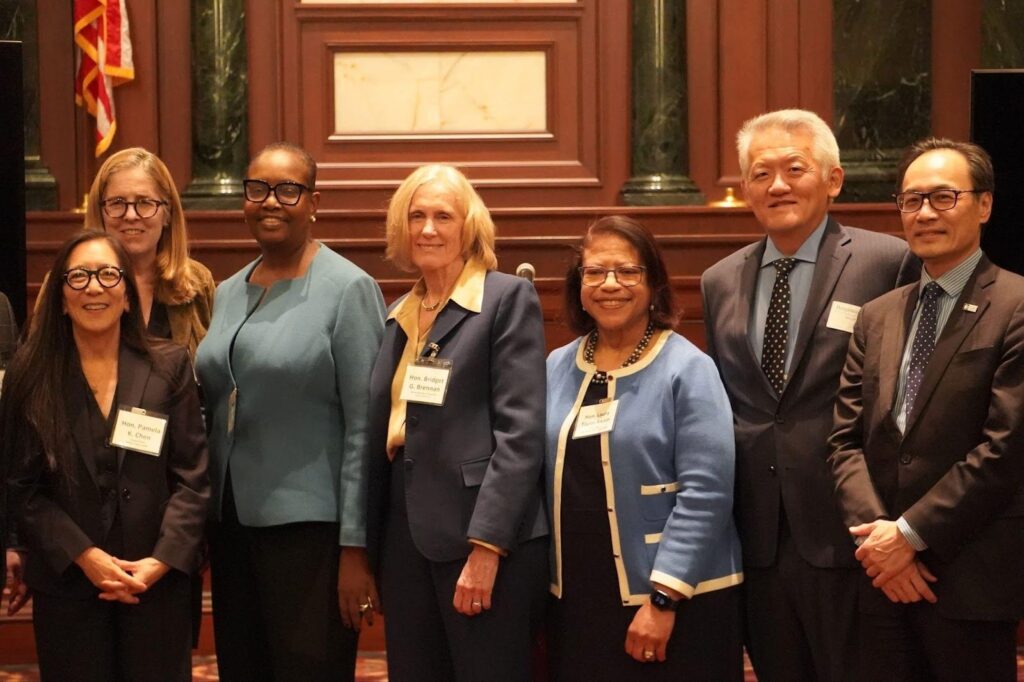
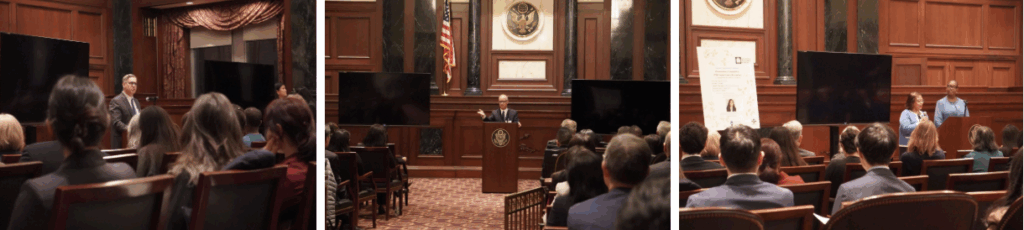
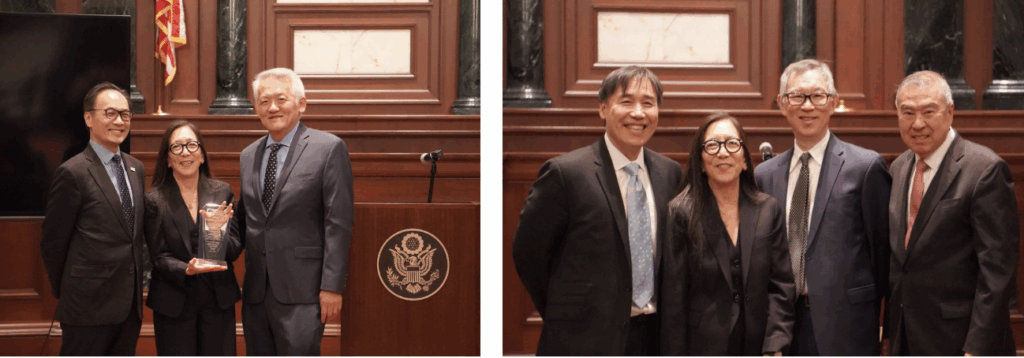
The Asian American Bar Association of New York (AABANY)’s Prosecutors Committee, together with its Judiciary Committee, celebrated the 17th Anniversary of the Prosecutors Committee on March 5, 2026, at the Daniel Patrick Moynihan United States Courthouse in Lower Manhattan. The evening honored Pamela K. Chen, United States District Judge for the Eastern District of New York, with a Lifetime Achievement Award in recognition of her exemplary service to the Federal judiciary and her longstanding dedication to justice.

Judge Chen was nominated to the Federal bench in January 2013 by President Barack Obama and confirmed by the Senate in March 2013. Since her appointment to the bench, Judge Chen has presided over a wide array of civil and criminal cases, including a civil lawsuit challenging New York’s ban on the possession of nunchuks. 

Judge Chen began her legal career at the law firm of Arnold & Porter in Washington, D.C. In 1991, she joined the Special Litigation Section of the U.S. Department of Justice’s Civil Rights Division, where she litigated matters relating to conditions of confinement for individuals in state and local institutions, as well as cases involving the enforcement of the Freedom of Access to Clinic Entrances (FACE) Act of 1994.

In 1998, Judge Chen moved to New York City and joined the U.S. Attorney’s Office for the Eastern District of New York, where she worked until March 2013, except for a brief period in 2008, when she served as Deputy Commissioner for Enforcement in the New York State Division of Human Rights. As an Assistant U.S. Attorney, Judge Chen investigated and prosecuted cases involving terrorism, gang violence, drug trafficking, human trafficking, official misconduct, and civil rights crimes. She also served as the Chief of the Criminal Civil Rights Section and oversaw the development of the Office’s anti-human trafficking program, which resulted in the investigation and prosecution of hundreds of traffickers and the identification, rescue, and restoration of hundreds of survivors of trafficking. In 2015, Judge Chen and then-Attorney General Loretta E. Lynch were honored by Sanctuary for Families for the anti-human trafficking work done by the U.S. Attorney’s Office under Attorney General Lynch’s leadership as the U.S. Attorney for the Eastern District of New York.

Judge Chen has also served for nearly ten years on the Board of the Sonia & Celina Sotomayor Judicial Internship Program where she mentors the next generation of legal professionals. 

The evening began in the courthouse’s Ceremonial Courtroom, where approximately 150 attendees from across the legal community gathered. The event brought together a wide range of members from our shared communities, including state and Federal judges and prosecutors, government attorneys, private practitioners, law students, law clerks, professors, community advocates, and supporters of AABANY.

The formal program commenced at approximately 6:15 p.m., with opening remarks from the evening’s Masters of Ceremonies, Teri Chung, Major Case Assistant District Attorney at the Bronx County District Attorney’s Office, and Eun Bi Kim, Assistant District Attorney at the Manhattan District Attorney’s Office. Distinguished heads of the Federal judiciary offered warm greetings and reflections on Judge Chen’s career, including Hon. Laura Taylor Swain, Chief Judge of the United States District Court for the Southern District of New York, and Hon. Margo K. Brodie, Chief Judge of the United States District Court for the Eastern District of New York.

Following Chief Judges Swain and Brodie, additional remarks were delivered by Benjamin Hsing, President of AABANY; Hon Joseph Nocella Jr., United States Attorney for the Eastern District of New York; Hon Bridget G. Brennan, Special Narcotics Prosecutor for the City of New York; Joseph P. Alexis, Chief of the Trial Division at the Kings County District Attorney’s Office; and Karl Metzner, Associate United States Attorney for the Southern District of New York. During the program, each speaker highlighted the breadth and significance of Judge Chen’s judicial and prosecutorial careers. Their words were a tribute to her leadership and dedication to public service.
After the array of accolades was given from many who have worked with Judge Chen, she was formally introduced by Hon. Ann Donnelly, United States District Judge for the Eastern District of New York, who described Judge Chen as the embodiment of a trailblazer.

In her acceptance remarks, Judge Chen delivered a thoughtful and compelling reflection of her career and the importance of representation in public service within the legal profession. Citing data on Asian American participation in public service roles, she observed that “by the end of 2022, approximately 7.5% of Asian American lawyers entered government service directly from law school,” while noting similarly modest percentages entering law school and prosecutorial offices. She posed a critical question: “Why does it matter that Asian Americans are not fully represented in public service?”

Judge Chen explained that the answer lies not only in numbers, but in perception and belonging. She remarked that in this country, there remains an undercurrent that views Asian Americans as perpetual foreigners. Such perceptions have, at times, surfaced most painfully during moments of national hardship, including the COVID-19 pandemic, when anti-Asian sentiment manifested in acts of violence.

Emphasizing the importance of visibility in public roles, Judge Chen reflected on the symbolic power of serving as a prosecutor: “When you stand up in court and say, ‘I represent the People of New York’ or ‘I represent the United States of America,’ you are affirming, every day, that Asian Americans are part of this nation—not outsiders to it.” Judge Chen emphasized how greater participation in public service, specifically institutions of justice, helps achieve equity for all, and simultaneously challenges stereotypes and reinforces the fundamental truth of belonging.

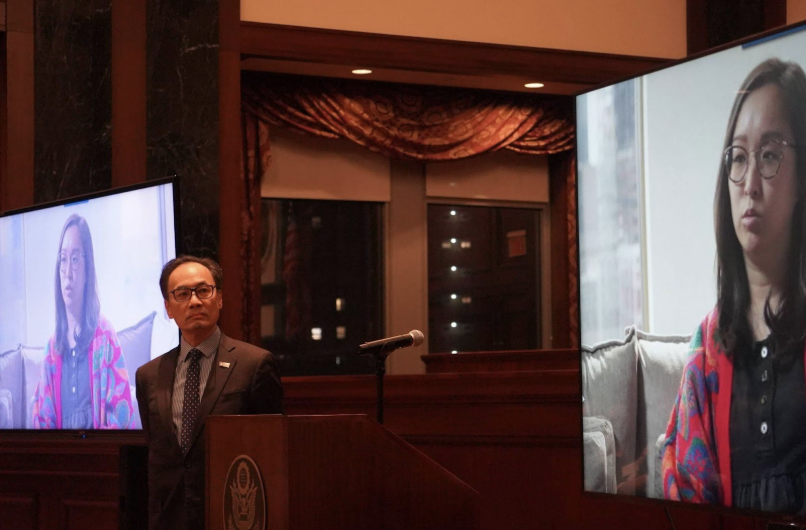
These themes of representation and belonging were echoed in the broader program. Before its conclusion, AABANY Executive Director Yang Chen introduced a trailer for Voices Against Anti-Asian Hate, an AABANY documentary highlighting the surge in anti-Asian hate incidents during the pandemic and the community’s response. The trailer highlighted the importance of continued vigilance and advocacy against anti-Asian violence and hate crimes and described the ongoing work of AABANY’s Anti-Asian Violence Task Force. Yang Chen further expressed gratitude for the role played by members of the Task Force in producing the documentary. In particular, Yang called up St. John’s University School of Law Professor Elaine Chiu, past Chair of the Task Force, and James Lin, retired veteran prosecutor of the Manhattan and Brooklyn DA’s Offices, as well as Daphne Mei, Program Manager for the Task Force, for their contributions to AABANY’s work combatting anti-Asian violence and hate. 

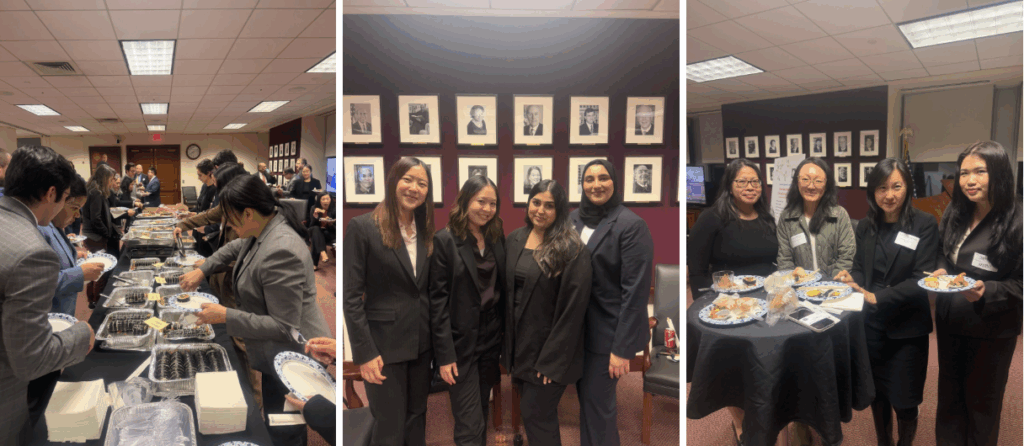
The program concluded with closing remarks from Kin Ng before guests proceeded to a networking reception in suite 850. The reception featured an array of delicious food including a variety of kimbap, samosas and dumplings, and provided an opportunity for attendees to connect and celebrate Judge Chen and the continued impact of the Prosecutors Committee within the legal community. 

A Second Circuit Judge who attended the event described it as “warm, informative, and fun,” a sentiment that captured the spirit of collegiality and shared purpose that defined the celebration.

AABANY thanks Prosecutors Committee Co-Chairs Grace Vee, Appeals Division Civil Litigation Unit Chief and Associate General Counsel at the Manhattan District Attorney’s Office, and Kin Ng, Bureau Chief at the Kings County District Attorney’s Office, as well as Judiciary Committee Co-Chairs David Mou, founding attorney of Mou Legal PLLC, and Mark Son, Vice President of the Central Investigations Function at Deutsche Bank, for their leadership in organizing this memorable evening. AABANY also thanks the United States District Court for the Southern District of New York for graciously hosting the celebration at the SDNY courthouse. To view photos from the event, click here.

AABANY Trusts & Estates Committee Celebrates the Year of the Horse at Tang Pavilion

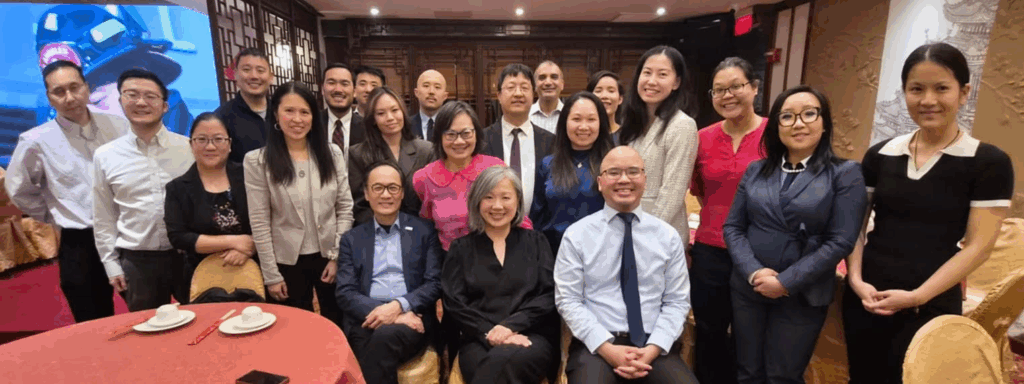
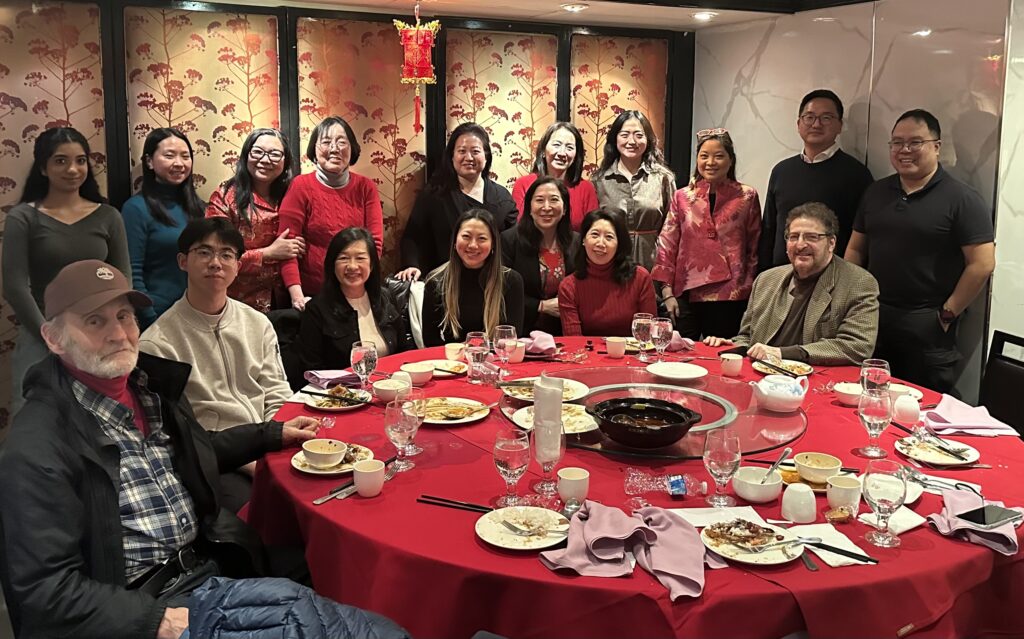
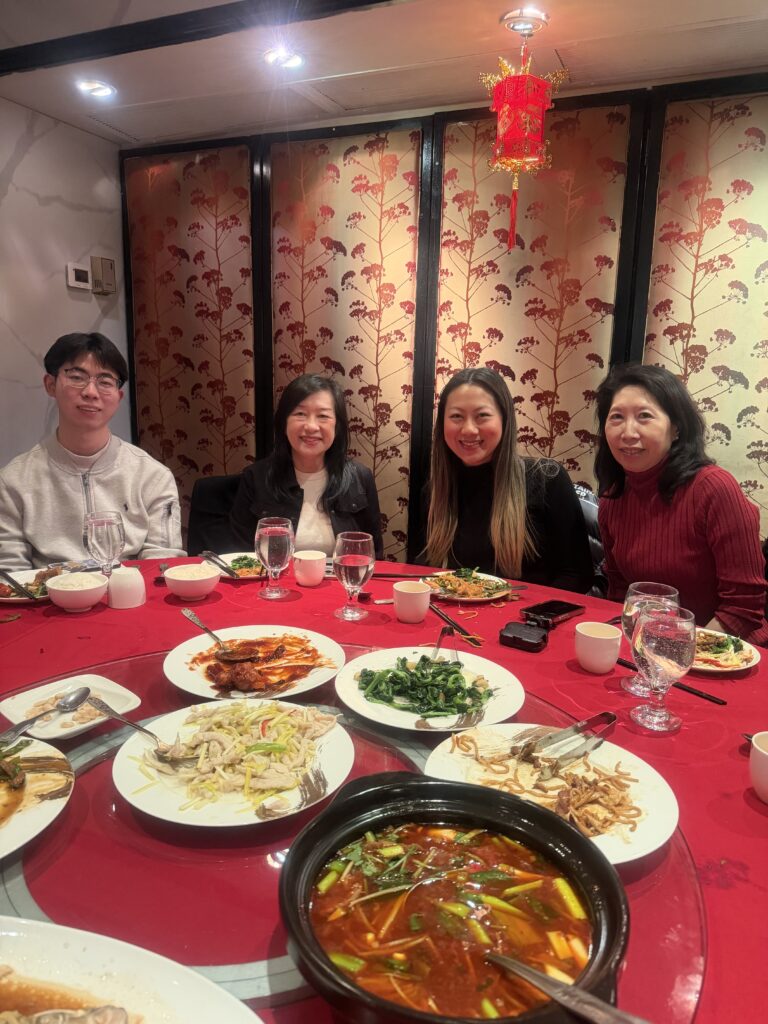
On Wednesday, February 25, 2026, AABANY’s Trusts & Estates Committee gathered to celebrate the Year of the Horse with a festive dinner in Midtown Manhattan. Held at Tang Pavilion, the evening brought together 18 attendees for a lively night of yummy food and community-building.

As guests arrived, they were directed to a separate private room reserved for the Committee, creating an intimate setting for the celebration. Co-Chair Natasha Chang thoughtfully ordered a wide-ranging selection of dishes for everyone to share, ensuring the table was filled with a delectable and generous spread. The meal began with scallion pancakes, cucumber salad, and frosted peanuts, followed by familiar favorites including Orange Chicken, Shredded Beef with Small Hot Peppers, Assorted Noodles, Beef Noodle Soup, Sweet & Sour Pork Ribs, Boneless Chicken Feet, and Smoked Fish. The steady arrival of dishes encouraged camaraderie as attendees around the table’s central lazy susan spun the glass turntable to share each dish and sample a bit of everything.

Beyond the delicious food, the dinner served as a valuable networking opportunity. Attendees went around the table introducing themselves and sharing their practice areas and career paths. The conversation evolved into a thoughtful reflection on the attendees’ respective law journeys. Many shared what they might have done differently, including whether taking one or more gap years before law school or gaining more practical experience earlier on. Some also talked about how the practice of law is changing with new technologies like AI and how future lawyers will need to adapt to these shifts.

Adding to the festive spirit, attendee Julie Min Chayet from Fiduciary Trust International passed around traditional red envelopes to all of the attendees. Inside were $2 bills and chocolate gold coins representing prosperity and good fortune for the year ahead. The thoughtful gesture sparked smiles and appreciation around the tables.

As we move forward into the Year of the Horse, AABANY’s Trusts & Estates Committee looks ahead with enthusiasm and renewed energy for the year’s programming and initiatives. Thank you to everyone who joined us for an evening of celebration and camaraderie. 

The Solo and Small Firm Practice, Litigation, Judiciary, and Membership Committees Host “Solo & Small Law Firm Litigators: Strategies for Success and Why Clients Should Care” 

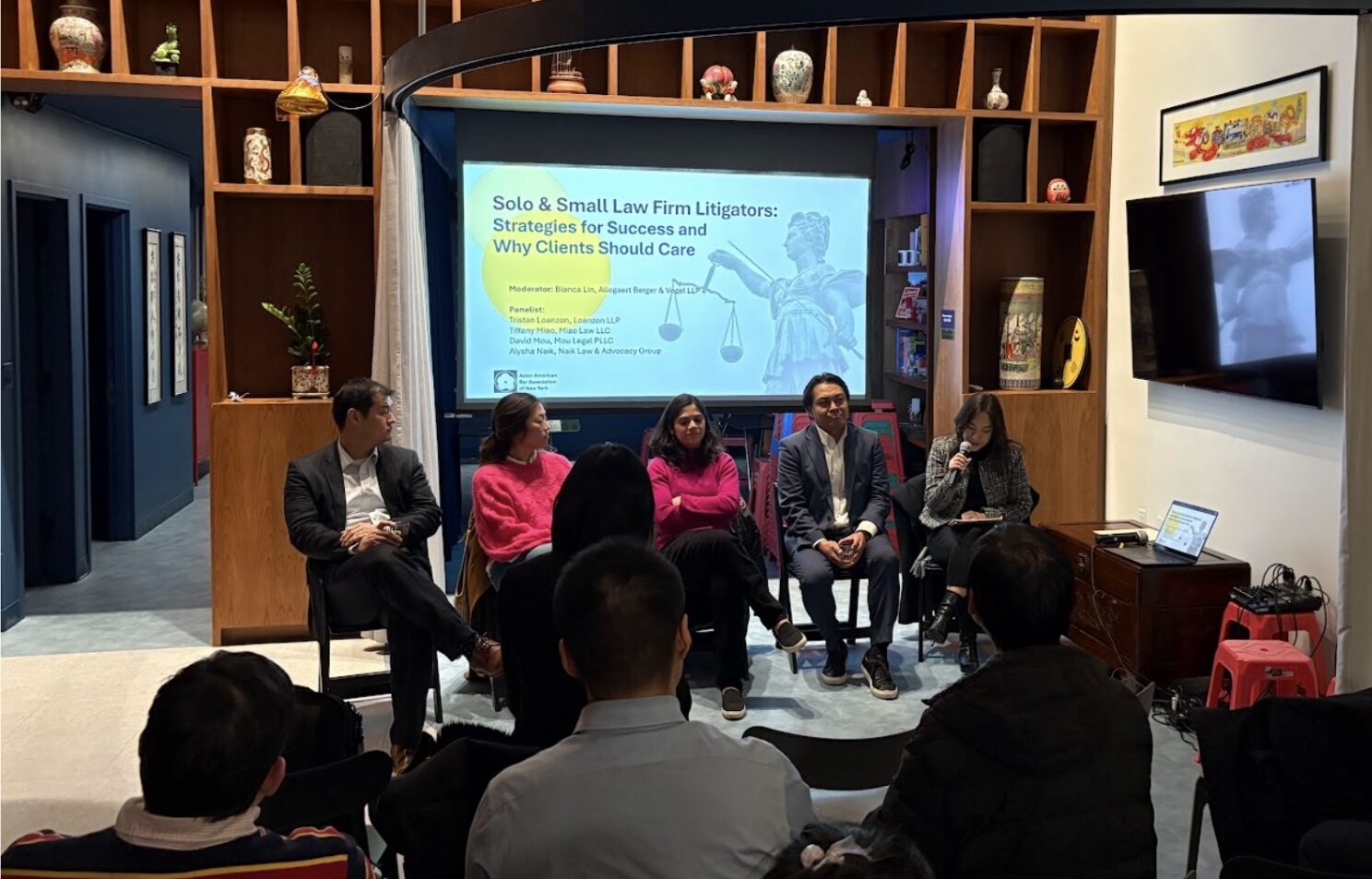
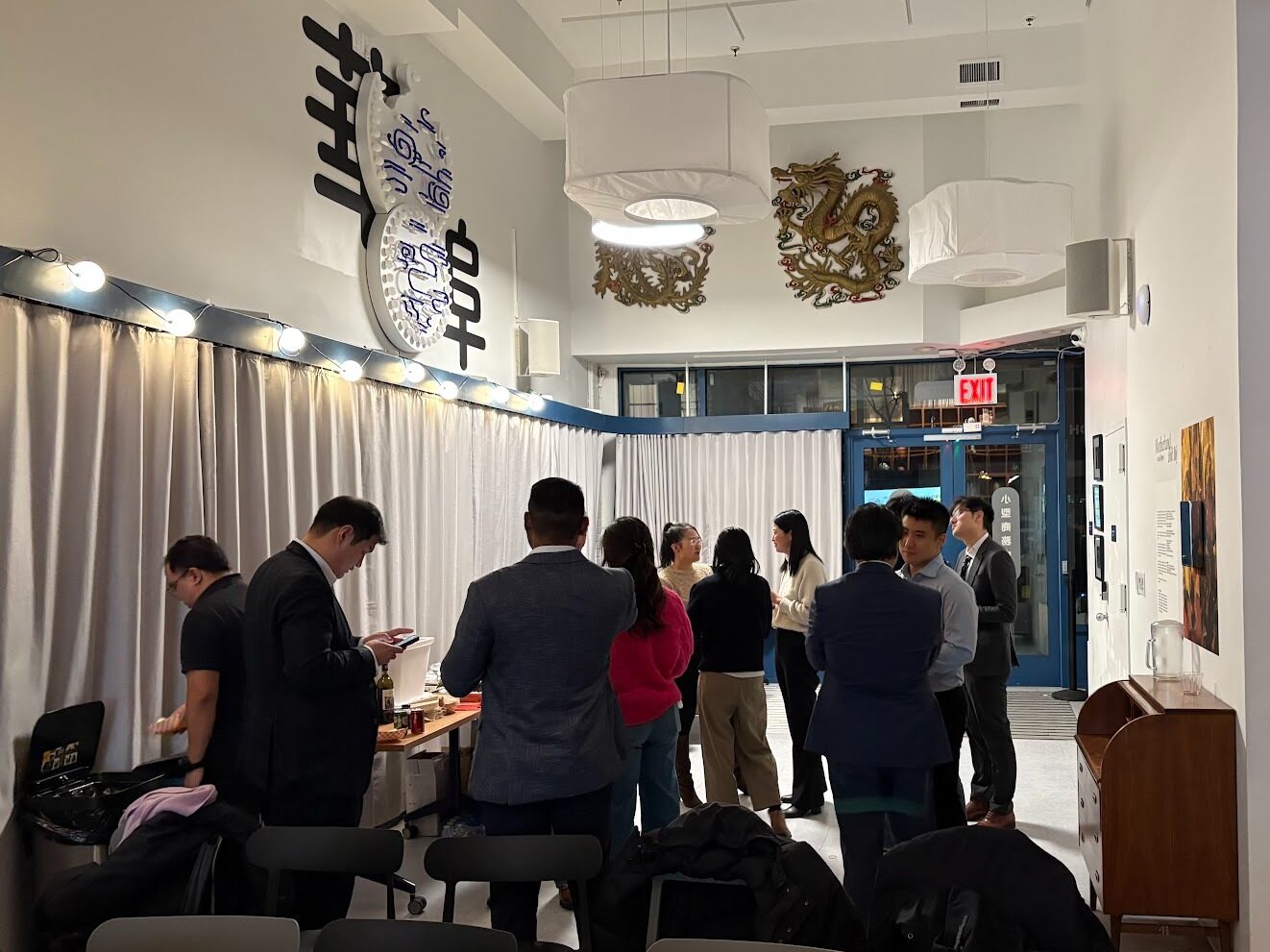
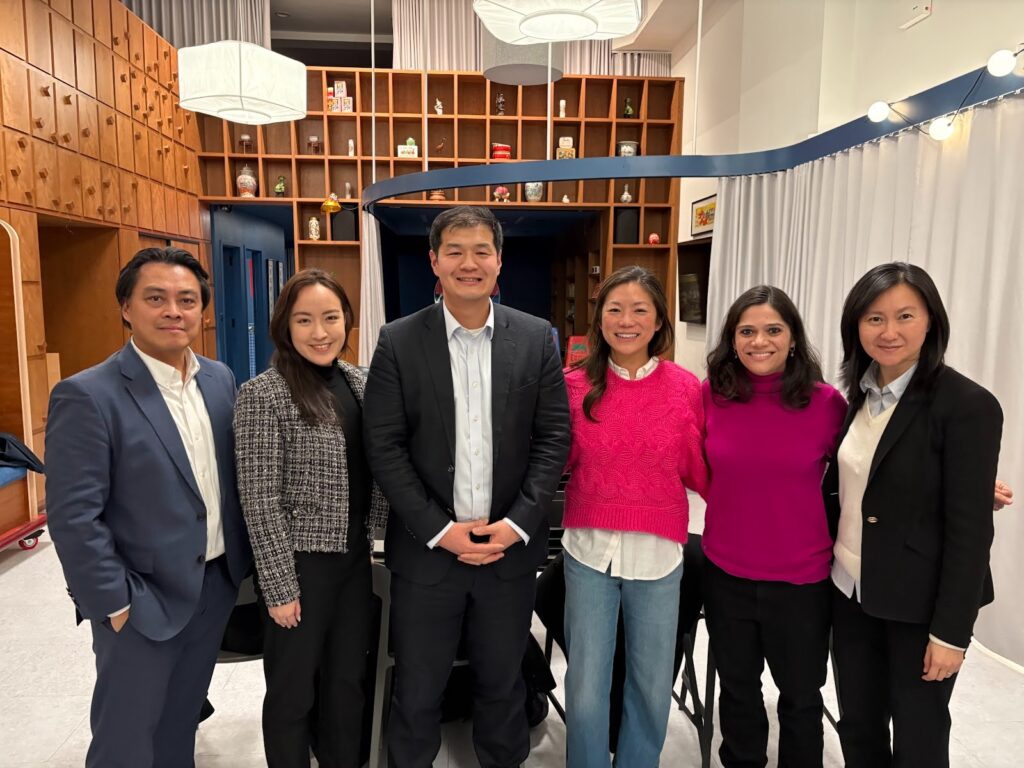
On January 21, 2026, AABANY’s Solo and Small Firm Practice, Litigation, Judiciary, and Membership Committees hosted “Solo & Small Law Firm Litigators: Strategies for Success and Why Clients Should Care” at the Welcome to Chinatown Hub, at 115 Bowery, bringing together attorneys and non-attorneys for a dynamic and engaging discussion. 

Panelists Tristan Loanzon, David Mou, Tiffany Miao, and Alysha Naik shared valuable insights and perspectives on building and sustaining successful solo and small-firm litigation practices, highlighting both career paths and the real value these firms offer clients.

The conversation was expertly guided by moderator Bianca Lin, Co-Chair of the Solo and Small Firm Committee, whose thoughtful questions and discussion topics prompted a lively and meaningful exchange. Audience members were highly engaged, asking insightful questions that added depth to the conversation and demonstrated strong interest in the panelists’ practical takeaways.

The program also included dedicated networking time before and after the panel, which gave  attendees a meaningful opportunity to connect, meet new faces, and continue the discussion. The evening was complemented by delicious food catered by Nom Wah, generously made possible by our corporate sponsors, DocketBird, AmeriJudge, and Legal Consultants for Everyone.

AABANY extends its deepest thanks to our panelists, moderator, sponsors, and attendees for making this event such a memorable and rewarding experience.

AABANY’s Solo and Small Firm Practice, Litigation, Judiciary, and Membership Committees encourage interested individuals to attend future events and visit the Committees’ subpages on the AABANY website for more information.

– Written by: Tiffany Miao, Vice Chair of AABANY’s Solo and Small Firm Practice Committee

Thank You to Our Volunteers at the Queens Pro Bono Clinic in February

Thank you to the Asian American Law Fund of New York (AALFNY), Asian Americans for Equality (AAFE), Pro Bono & Community Service (PBCS) Committee and our dedicated volunteers for your collaboration and contribution to the success of our Pro Bono Clinic in Queens on February 4, 2026. 

At the Clinic, our volunteers met with 12 clients and provided guidance on a range of legal issues, including housing, immigration, wills and trusts, fraud and discrimination matters. The collective efforts of our volunteers ensured that each client received personalized support and answers to their pressing legal questions. We are deeply grateful for everyone’s presence and contributions, and look forward to continuing this important work together!

Volunteer attorneys:

Wendy (Wen-Hsien) Cheng

Hung Yi Chien 

Ivy (Ting-Yu) Chien 

Jingjuan (Max) Guo 

Kevin Hsi 

Richard In 

Evonne Lee-Bach 

Grace Ouyang 

Anthony Wong 

May Wong 

Gary Yeung

Interpreters/shadowers:

Nikita Kohli

Sinbay Tan

Wendy Zeng

We invite all interested individuals to attend Pro Bono & Community Service (PBCS) Committee’s 30-minute Housing Law training (Non-CLE) on February 18 from 6:00–6:30 PM at the AAFE Community Center. Led by Jack Hsia, Esq. and Deng Lin, Esq., the training will review common housing questions participants may encounter, including eviction timelines, defenses to nonpayment and holdover cases, and legal options related to housing repairs and landlord harassment. To register for the training, click here.

To continue supporting our community, join us at our upcoming Pro Bono Clinics:

  • February 18 [Manhattan link here] from 6:30-8:30pm, AAFE Community Center, 111 Norfolk Street, NY, NY 10002
  • March 14 [Brooklyn link here], from 12:30 – 3:30pm, CPC Brooklyn Community Services, 4101 8th Avenue, Brooklyn, NY 11232
  • April 1 [Queens link here], from 6:30 – 8:30pm, AAFE One Flushing Community Center, 133-29 41st Ave, 2nd Floor, Flushing, NY 11355

Thanks once again to all our volunteers for attending the Pro Bono Clinic.

We look forward to your participation in our future clinics!

To learn more about the Pro Bono & Community Service Committee, visit probono.aabany.org.

AABANY Hosts its 2026 Winter Soiree for In-House Counsel and Law Firm Attorneys at Le Chalet 

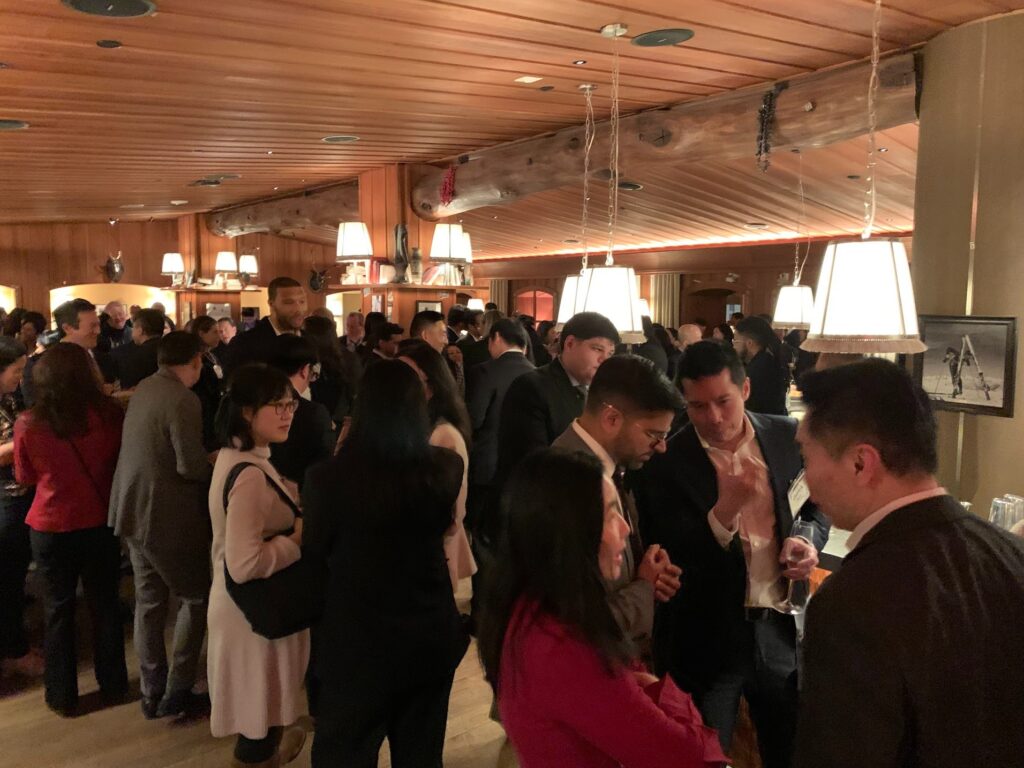
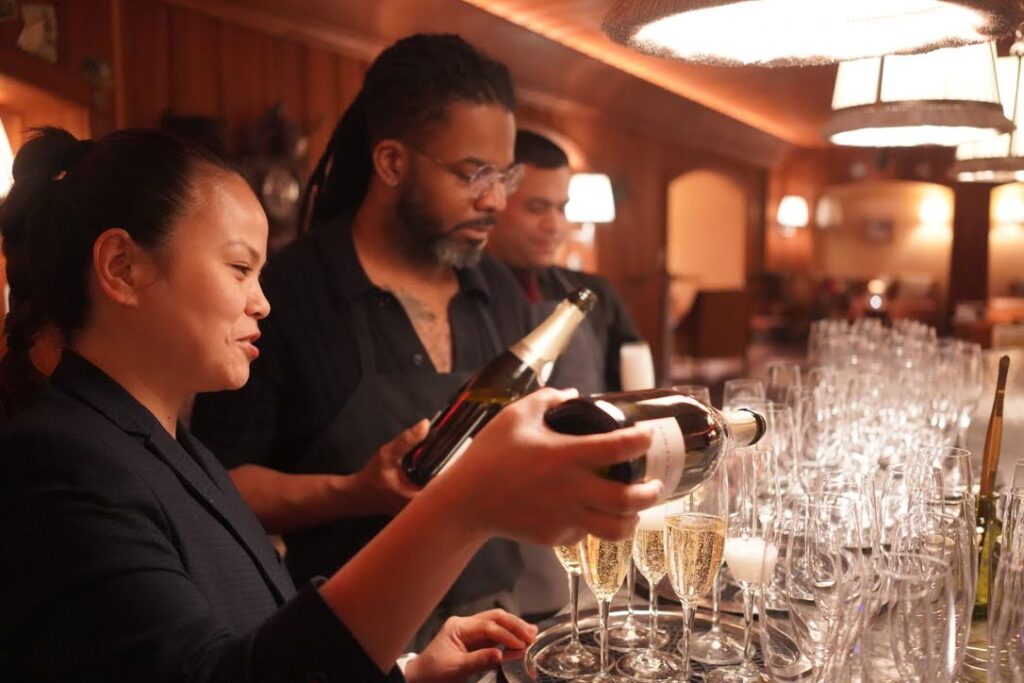
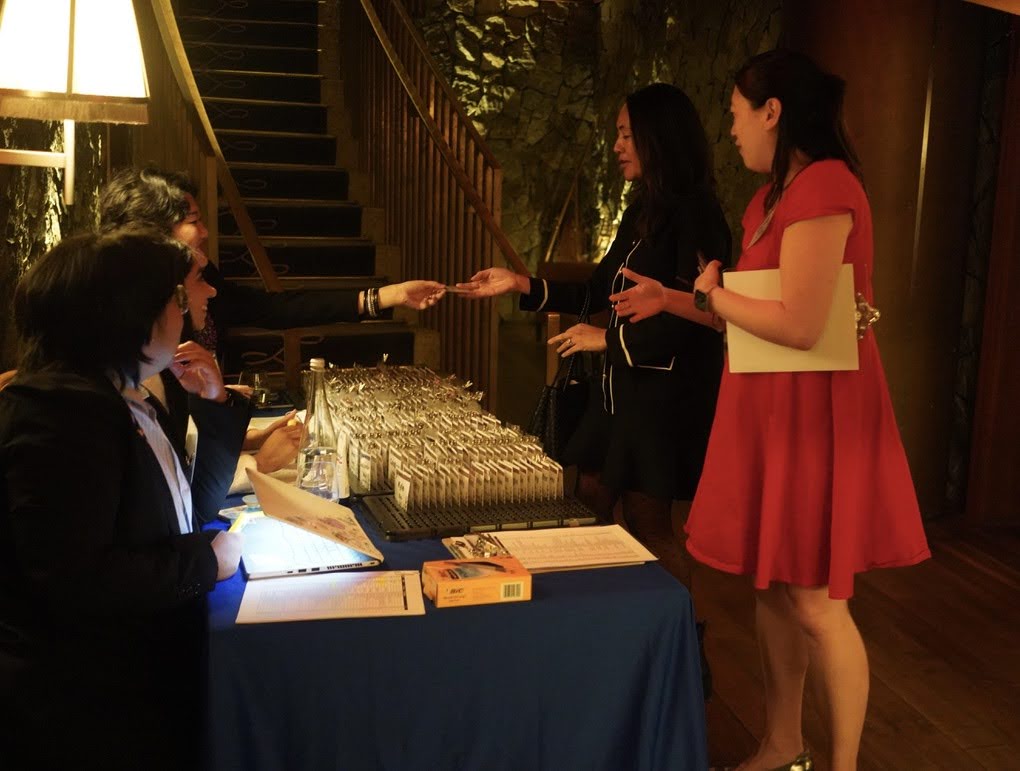
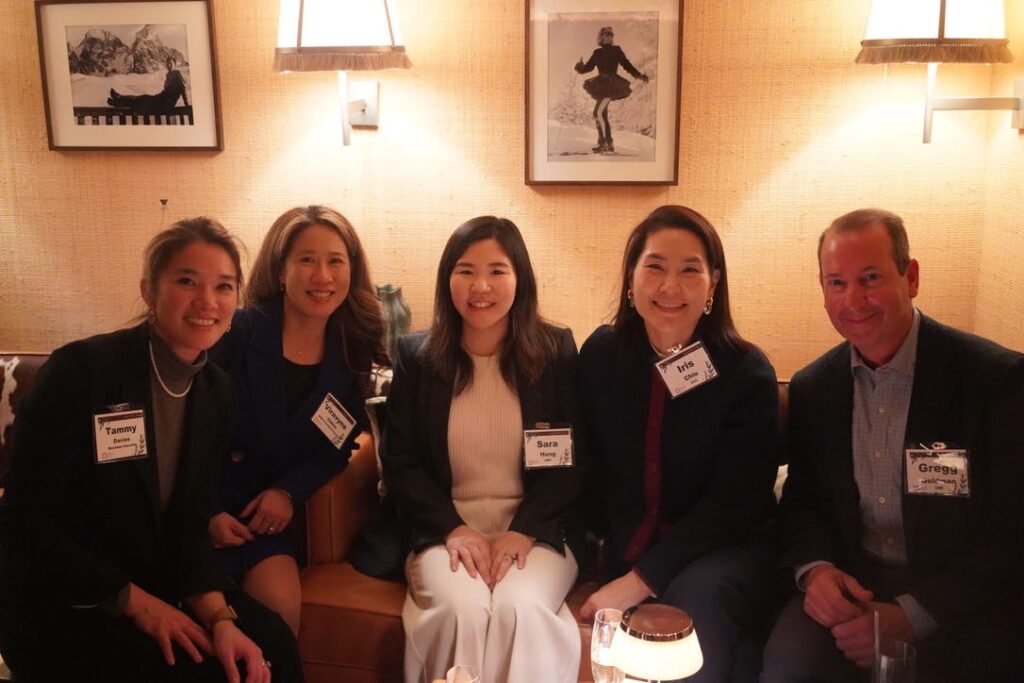
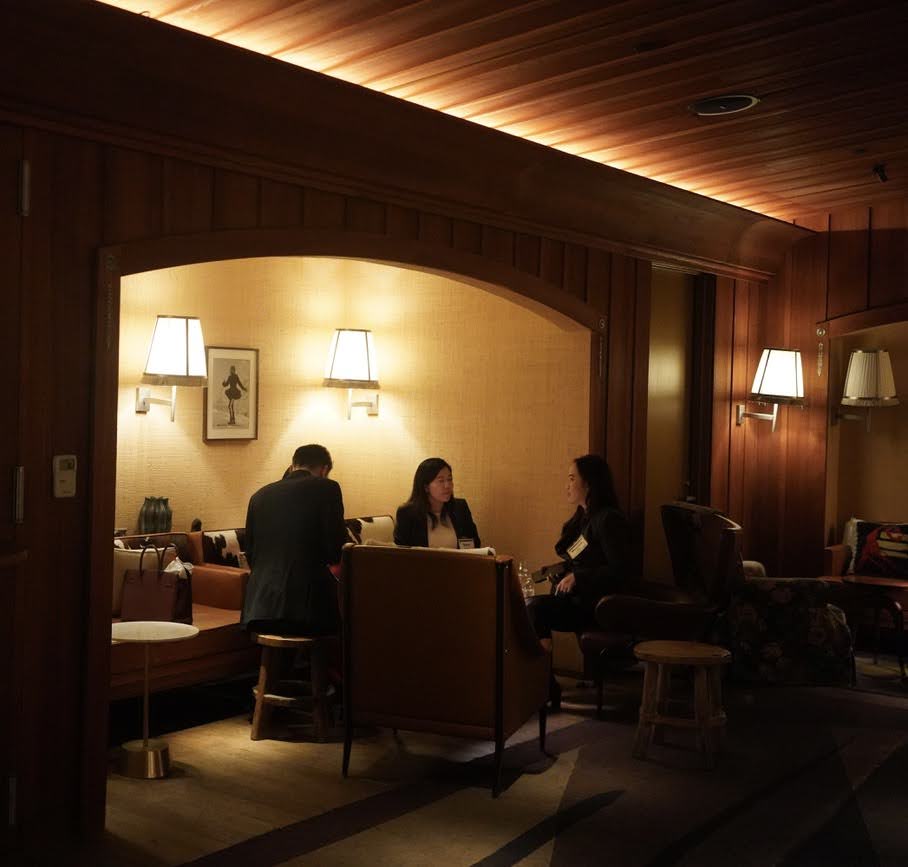
On Thursday, January 22, 2026, AABANY’s In-House Counsel Committee and the Corporate Law Committee hosted its annual Winter Soiree. Returning once again to Le Chalet at Saks Fifth Avenue, the event transformed the heart of midtown into a warm, alpine-inspired venue where members came together for one of AABANY’s most well-attended and successful Winter Soirees to date. 

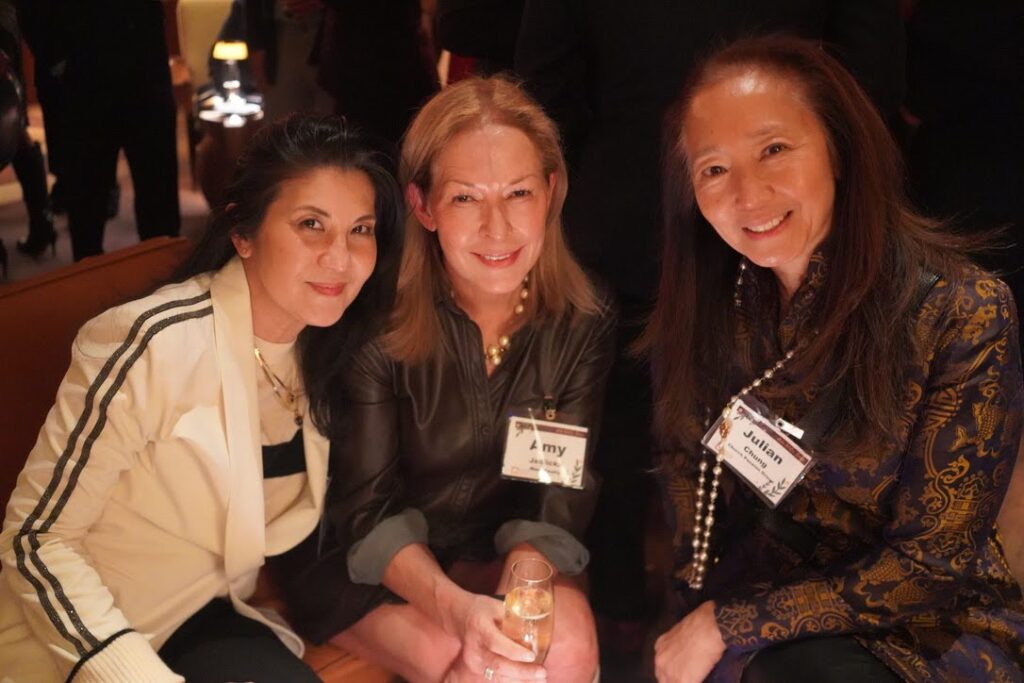
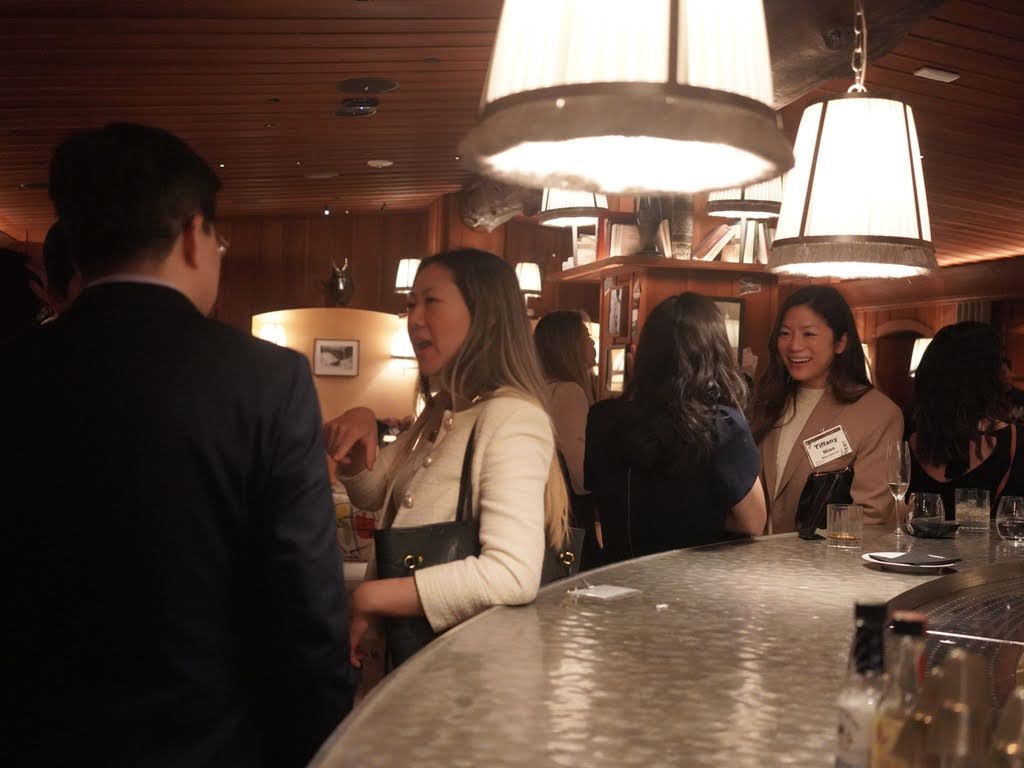
The Winter Soiree, one of AABANY’s marquee events, proved more vibrant than ever this year. With nearly 200 attendees and a record 25 sponsors, attendees roared with chatter and laughter, while strengthening professional relationships, forging new connections, and celebrating the collaborative spirit that exemplifies AABANY’s legal network. 

Guests started to arrive around 6:00 p.m. and were embraced by Le Chalet’s warm interior and balcony view of the city skyline. The intimate and collegial setting provided an ideal backdrop for meaningful dialogue among distinguished senior attorneys, partners, and the senior in-house counsel that represented a wide variety of sectors including financial services, technology and software development, healthcare, investment banking, insurance, real estate, media and entertainment, sports and licensing, consumer electronics, retail luxury goods, food and beverage, aviation, oil and gas, utilities, and environmental services. The companies represented included Mastercard, Pfizer, Con Edison, Wells Fargo, Morgan Stanley, Meta, Tiffany & Co., JP Morgan Chase, American Express and Johnson & Johnson.

Over 20 General Counsels were in attendance this year, representing some of the largest corporations in the country. Representing a remarkably diverse cross-section of the corporate and legal landscape, attendees engaged in thoughtful conversations on a wide range of topics while enjoying an assortment of hors d’oeuvres, wines, cocktails, and other refreshments as the evening unfolded.

Shortly after 7:00 pm, David Sohn of J.P. Morgan Chase, Co-Chair of the In-House Counsel Committee, delivered opening remarks. He highlighted his Committee’s work in advancing the legal profession and advocating for the AAPI legal community, and thanked Saks, all our sponsors, and the guests for helping to make the event a success through their presence. He then invited Ken McClure, representing Broadridge Financial Solutions and AABANY’s’ Diamond Sponsor, to address the audience.

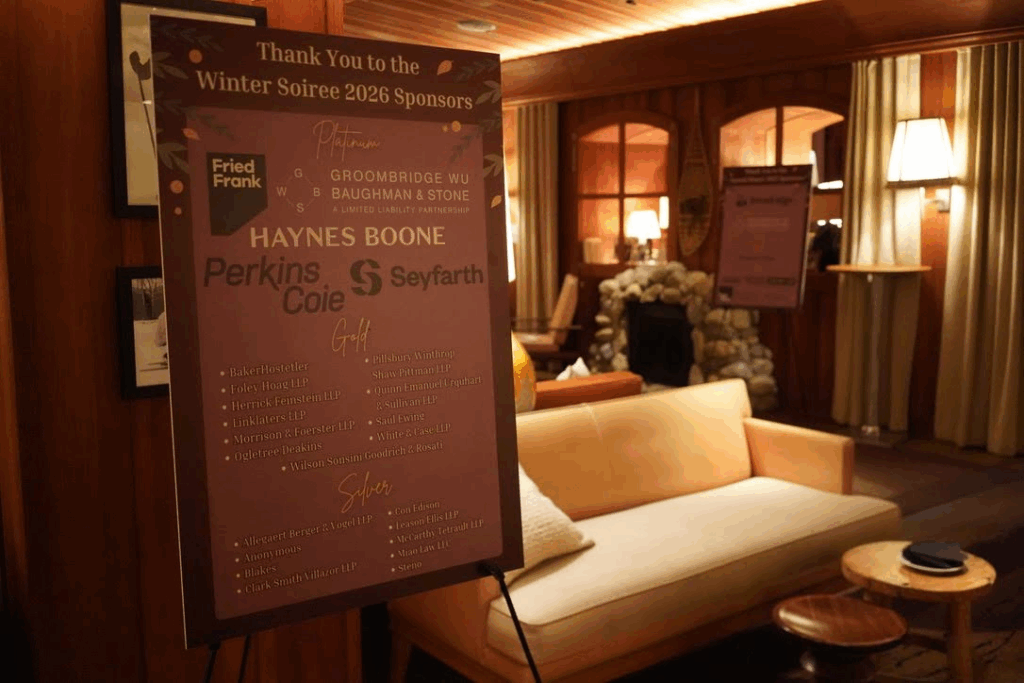
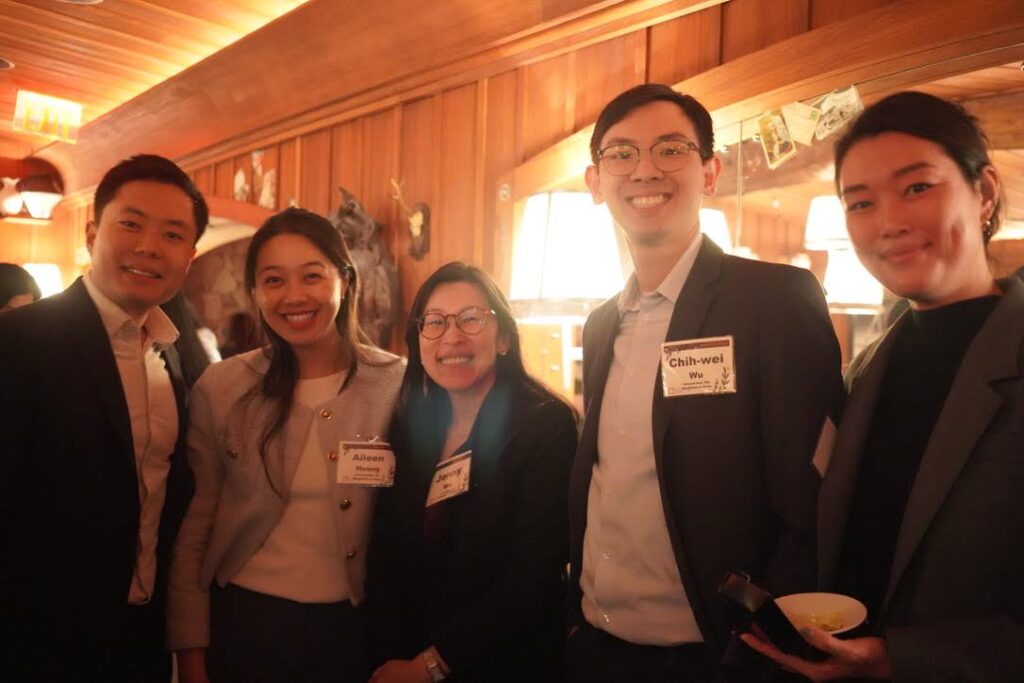
Co-Chairs Peter Wei and Jack Jiaqi Chen joined David to introduce the AABANY Winter Soiree’s Platinum Sponsors: Haynes Boone (represented by Brian Sung); Perkins Coie (represented by Dennis Hopkins); Fried, Frank, Harris, Shriver & Jacobson LLP (represented by Phil Richter); Groombridge, Wu, Baughman & Stone LLP (represented by Jennifer Wu and Jenny Wu); and Seyfarth Shaw LLP (represented by Varuna Bhattacharyya, AABANY’s President-Elect).

The speakers expressed the importance of AABANY’s role in shaping a more diverse, supportive, and forward-looking legal profession. They spoke to the value of investing in the organization’s mission and noted AABANY’s lasting influence on the professional development and advancement of Asian American attorneys. 

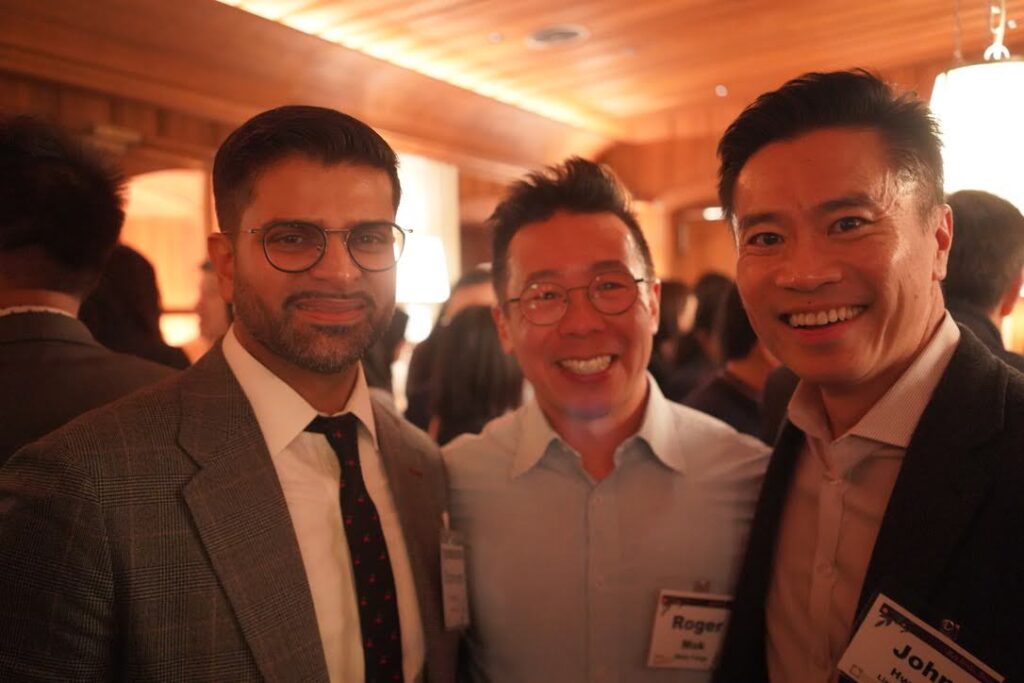
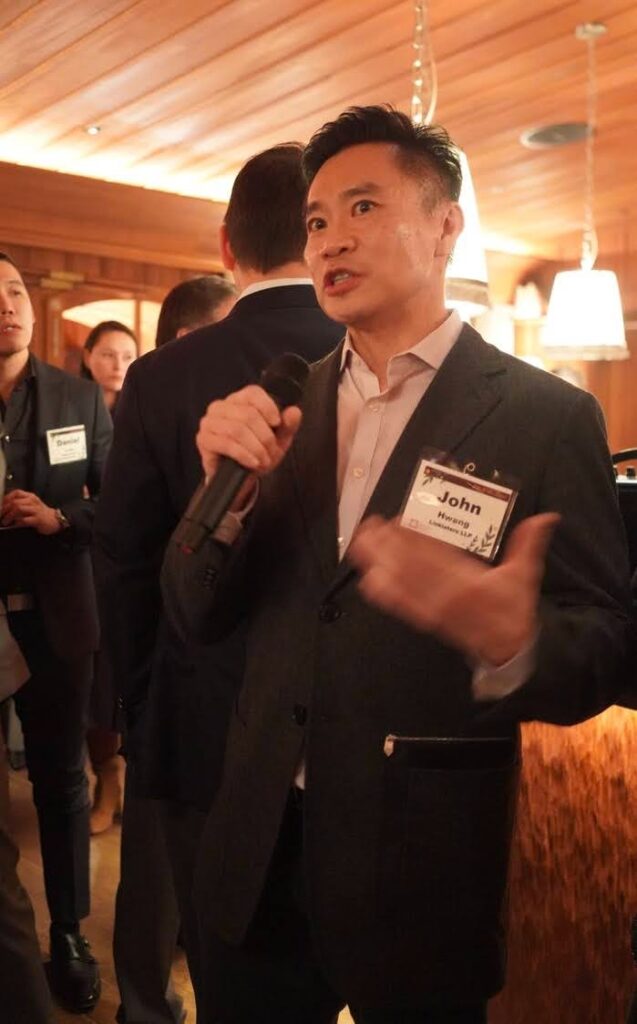
Closing out the remarks, Corporate Law Committee Co-Chair John Hwang, Partner at Linklaters LLP, explained the Committee’s mission to provide a forum for corporate law firm attorneys where they can exchange ideas and experiences as AAPI attorneys in that practice area. John also acknowledged his Co-Chairs, Tracy Feng, Partner at Paul Hastings and Keli Huang, Partner at Kirkland & Ellis, as well as Vice-Chairs Kyle Zhu, Associate at Orrick, and Ashley Wong, in-house counsel at Amazon, for their leadership and contributions to the Committee. John concluded by expressing gratitude to the Winter Soiree’s Gold and Silver Sponsors, after which the guests returned to mingling and networking.

AABANY extends its deepest gratitude to the 2026 Winter Soiree sponsors, whose generous support made the event possible:

Diamond Sponsor
Broadridge

Platinum Sponsors
Fried, Frank, Harris, Shriver & Jacobson LLP
Groombridge, Wu, Baughman & Stone LLP
Haynes Boone LLP
Perkins Coie LLP
Seyfarth Shaw

Gold Sponsors
BakerHostetler
Foley Hoag LLP
Herrick Feinstein LLP
Linklaters
Morrison Foerster LLP
Ogletree Deakins
Pillsbury Winthrop Shaw Pittman
Quinn Emanuel Urquhart & Sullivan, LLP
Saul Ewing LLP
White & Case LLP
Wilson Sonsini Goodrich Rosati

Silver Sponsors
Allegaert Berger & Vogel LLP
Anonymous
Blakes
Clark Smith Villazor LLP
Con Edison
Leason Ellis LLP
McCarthy Tetrault
Miao Law LLC
Steno

AABANY also extends its sincere appreciation to the Co-Chairs of the co-sponsoring Committees—David Sohn, Peter Wei, Jack Chen, of the In-House Counsel Committee, and Tracy Feng, John Hwang, and Keli Huang, of the Corporate Law Committee—for their dedication and leadership. Special thanks are due to the organization’s staff, Yang Chen, Executive Director; Carrey Wong, Deputy Executive Director; and Apollo Baltazar, Administrative Assistant, as well as interns Eva Lee and Aleasha Wattoo, and former intern Kirin Moy, whose hard work and support contributed to the evening’s success.

The Winter Soiree started to wind down around 8:30 pm., as guests left the warm embrace of Le Chalet to brave the winter evening, bringing an energetic and memorable night to a close. AABANY thanks all who attended and looks forward to continuing this festive tradition and welcoming the community back for future events.

To access photos from the event click here. For more information about the In-House Counsel Committee, please visit https://www.aabany.org/page/149. For more information about the Corporate Law Committee, please visit https://www.aabany.org/page/128.

Upcoming NLF Fellowship and Scholarship Opportunities

The NAPABA Law Foundation offers many ways to advance your legal journey and strengthen your connection to the legal community. Be sure to mark your calendars for upcoming deadlines!

2026–2028 Community Law Fellowship

Application Deadline: Sunday, February 15, 2026, 5 pm ET

About the Fellowship:

This two-year fellowship supports early-career attorneys as they gain hands-on legal experience at a nonprofit or community-based organization. The Fellowship provides:

  • A $60,000 annual salary, paid directly to the host organization
  • Health and fringe benefits provided by the host
  • A $10,000 completion bonus for the Fellow
  • Opportunities to work on behalf of underserved communities and grow as a public interest leader

Details and Instructions
2026-2028 Fellowship Application

Han C. Choi Scholarship

Application Deadline: Friday, March 20, 2026, 5 pm ET

About the Scholarship:

The NAPABA Law Foundation has partnered with the Choi Family to create the Han C. Choi Scholarship to honor a NAPABA Trailblazer, mentor, and leader who embodies grit and courage in the face of great adversity. The Scholarship Fund will benefit a 1L or 2L law student who exhibits academic excellence, leadership, volunteerism, mentorship experience, and demonstrates an interest in AAPI civic issues. Special consideration will also be given to applicants who have been adversely affected by cancer (as a survivor, or family member of a victim or survivor).

2026 Application

Fred T. Korematsu Summer Fellowship

Application Deadline: Friday, March 20, 2026, 5 pm ET

About the Fellowship

In partnership with the Fred T. Korematsu Institute, NLF will be accepting applications for the Fred T. Korematsu Summer Fellowship Program. The program will provide $6,000 to a law student for a meaningful summer internship at a public interest organization. The fellow will work to further Fred T. Korematsu’s legacy as a civil rights pioneer. Initial funding was provided by Parkin Lee and The Rockefeller Group.

2026 Application Guide

2026 Application

SAIL Scholarship

Application Deadline: Tuesday, June 30, 2026, 5 pm ET

About the Scholarship

The SAIL Scholarship is a scholarship awarded to an individual who will be a 2L student starting in the 2026 Fall Semester (current 1L students should apply) who has outstanding professional promise and leadership potential. The amount awarded is $7,500, split equally over 2 years.  

FAQ

2O26 Application

Questions? Contact NAPABA at [email protected].