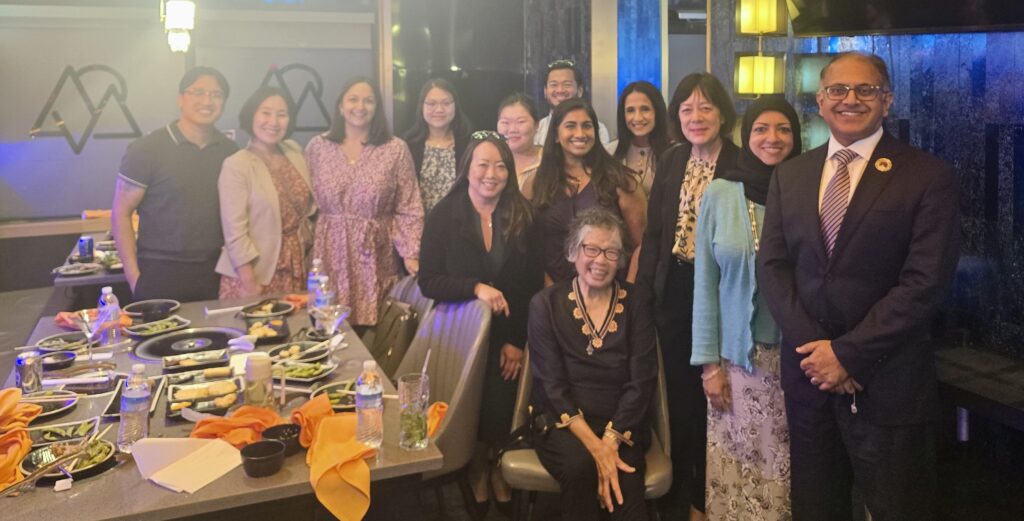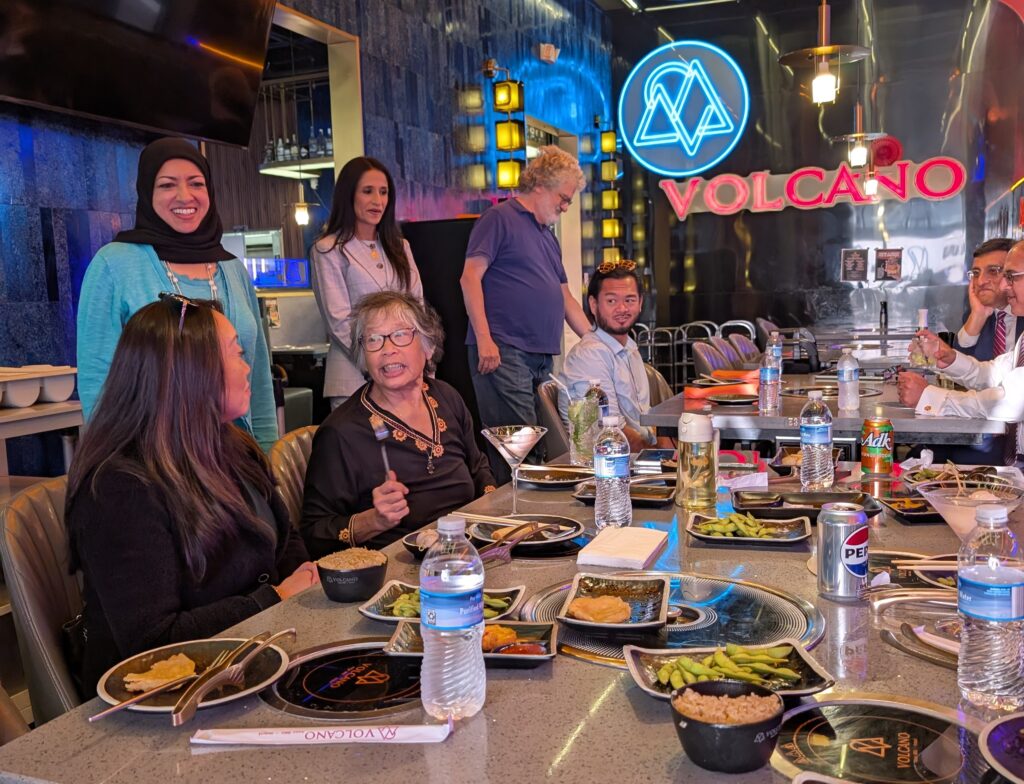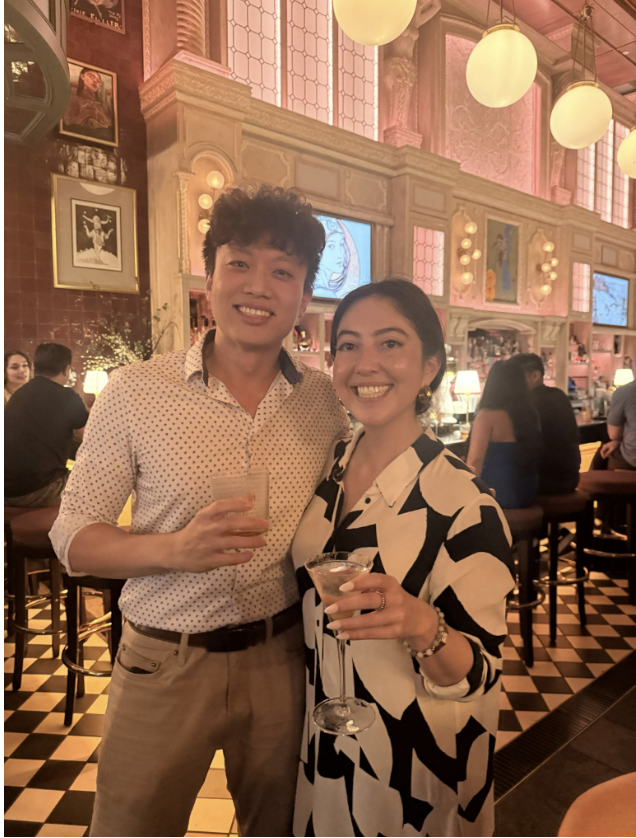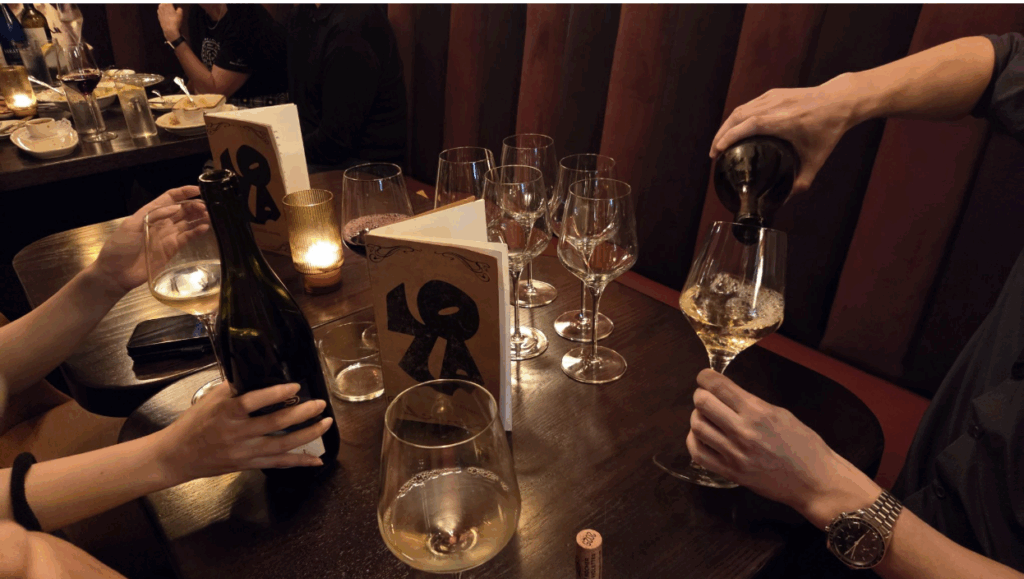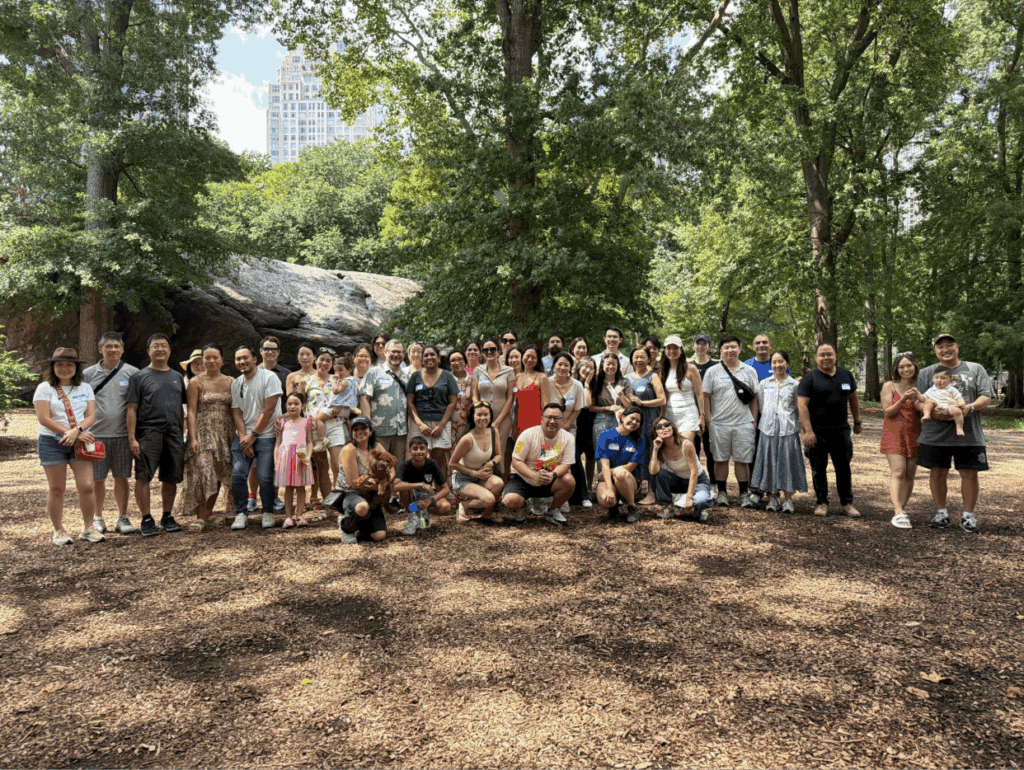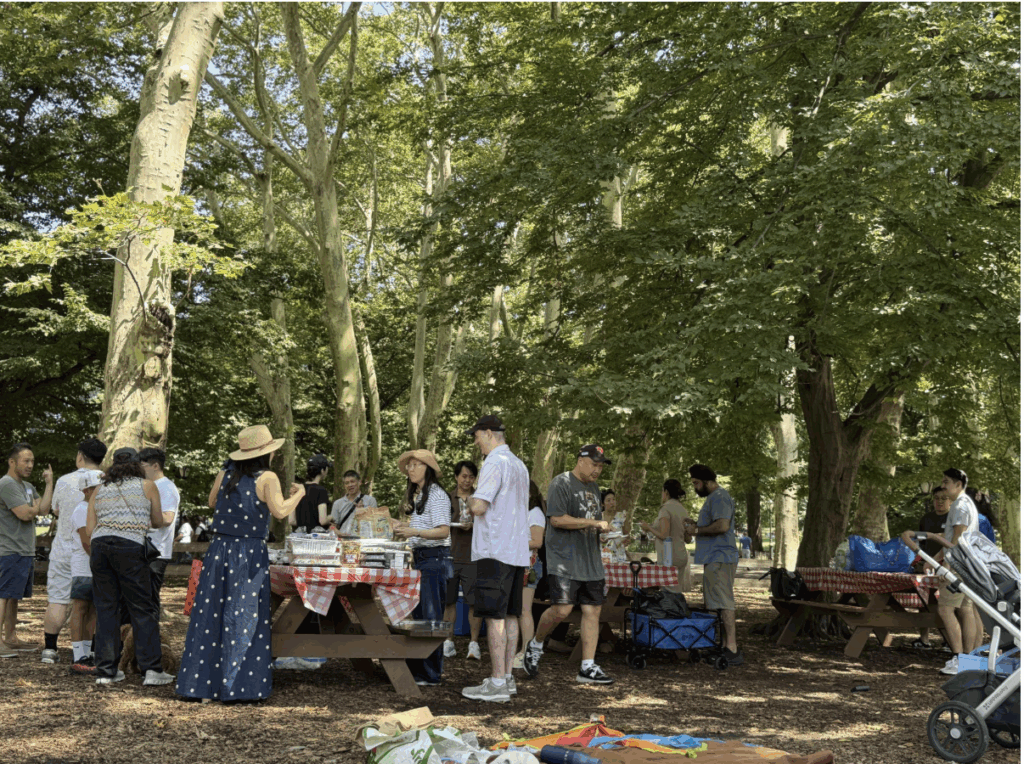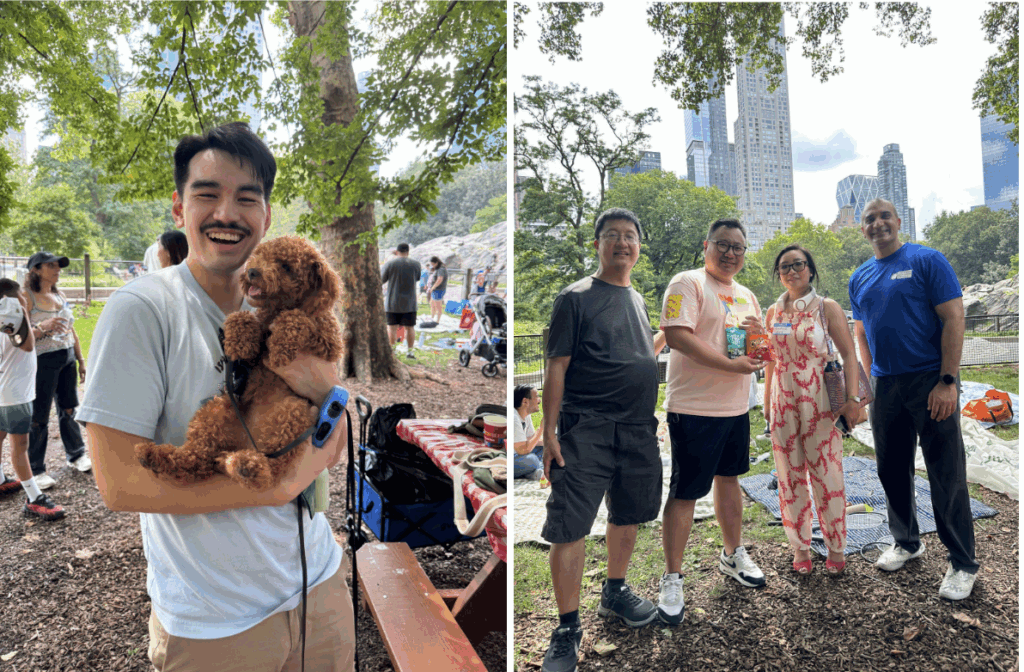

On Monday, March 16, 2026, the AABANY Intellectual Property (IP) Committee gathered for its final dinner of the 2025-2026 fiscal year at CHILI, a Michelin-recognized Sichuan restaurant in Midtown Manhattan.
The evening served as a festive conclusion to a productive year, bringing together a diverse mix of legal professionals—from seasoned IP attorneys, in-house and government attorneys, to law students—to network and reflect on the year’s achievements before the new fiscal year begins on April 1. The gathering offered the attendees, all AABANY members at different stage of their careers, an opportunity to share insights and forge connections that extend well beyond the courtroom or office. Conversations flowed easily between the fourteen attendees, from those who have spent decades navigating the complexities of intellectual property law to those just beginning to find their footing in the profession, creating a sense of mentorship and mutual inspiration. As the evening drew to a close, attendees departed with renewed energy and a shared sense of purpose, ready to carry the momentum of the past year into the promising opportunities that the new fiscal year is sure to bring.
A heartfelt thank you to everyone who joined us for this special evening. We look forward to many more meals, meaningful conversations, and moments of connection in the new fiscal year.
If you’re interested in future dinners, keep an eye on the AABANY calendar for upcoming events. To learn more about the IP Committee, visit their subpage on the AABANY website.
– Written by Ada Wang, AABANY Intellectual Property Committee Co-Chair
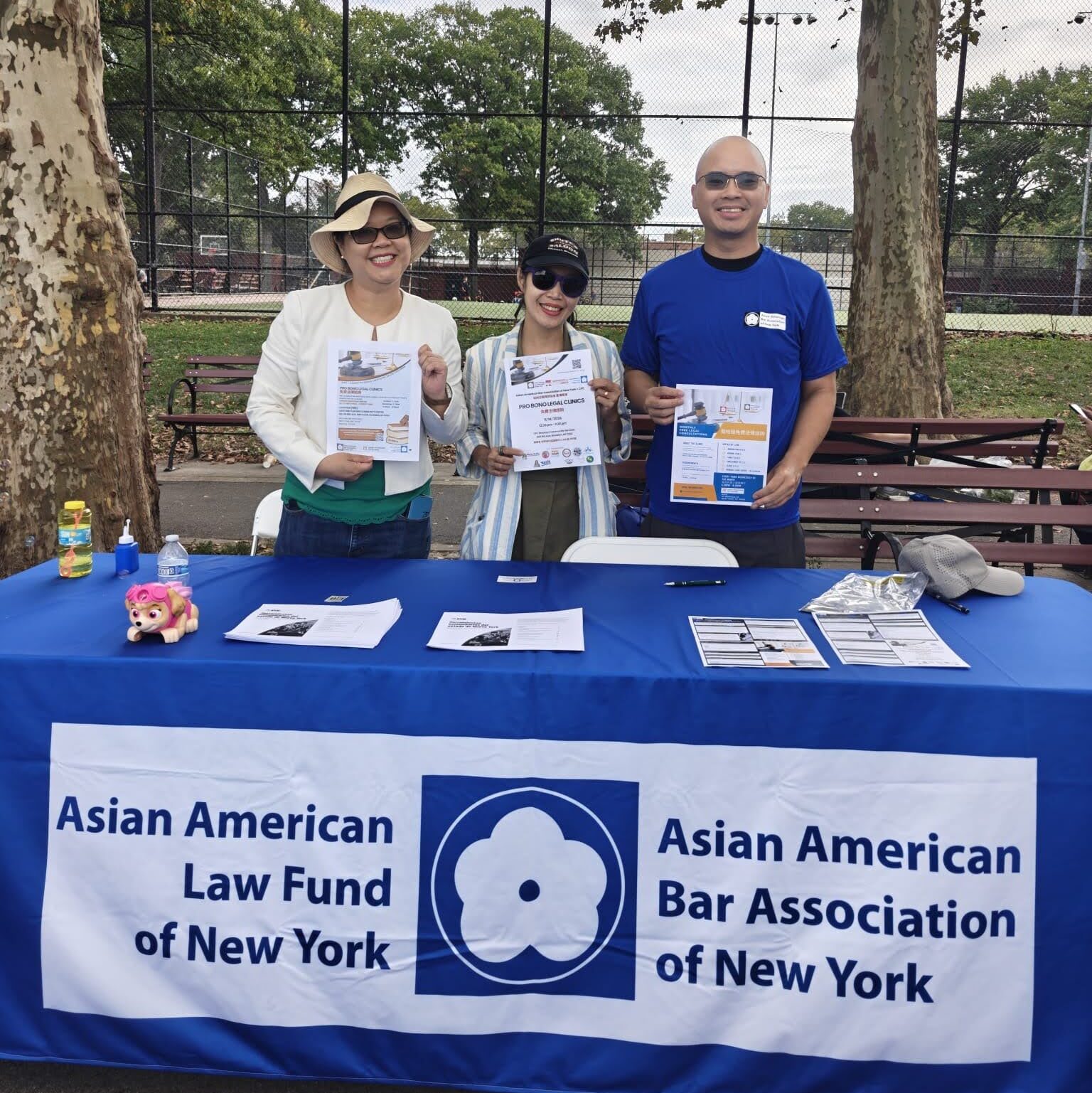
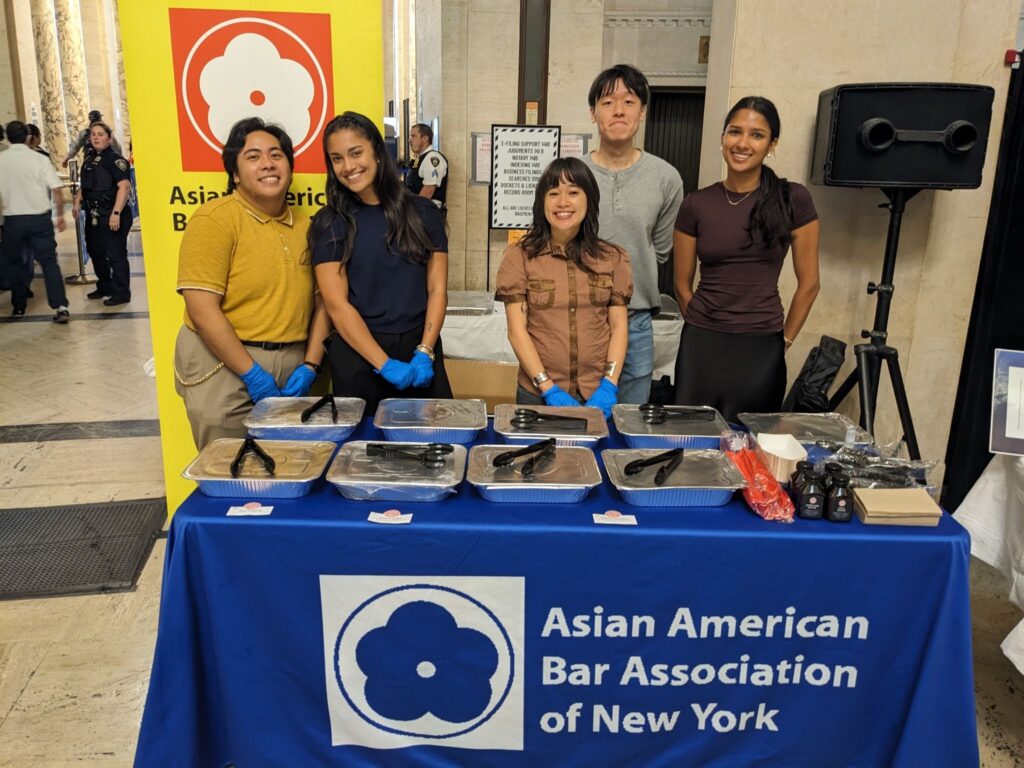
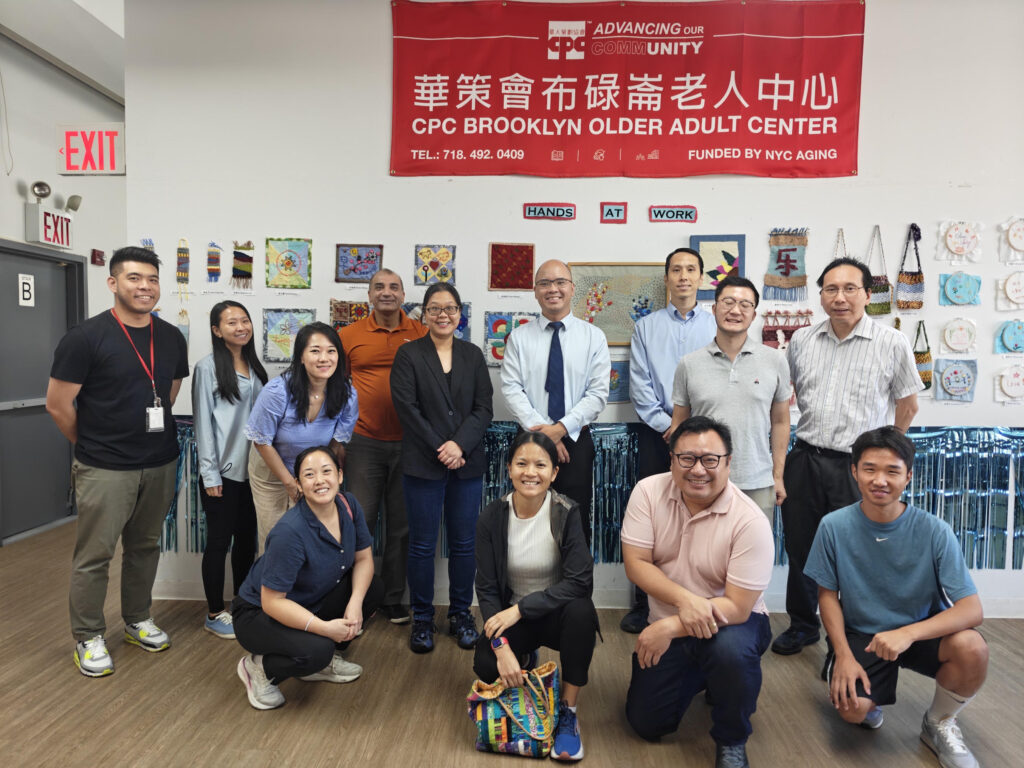
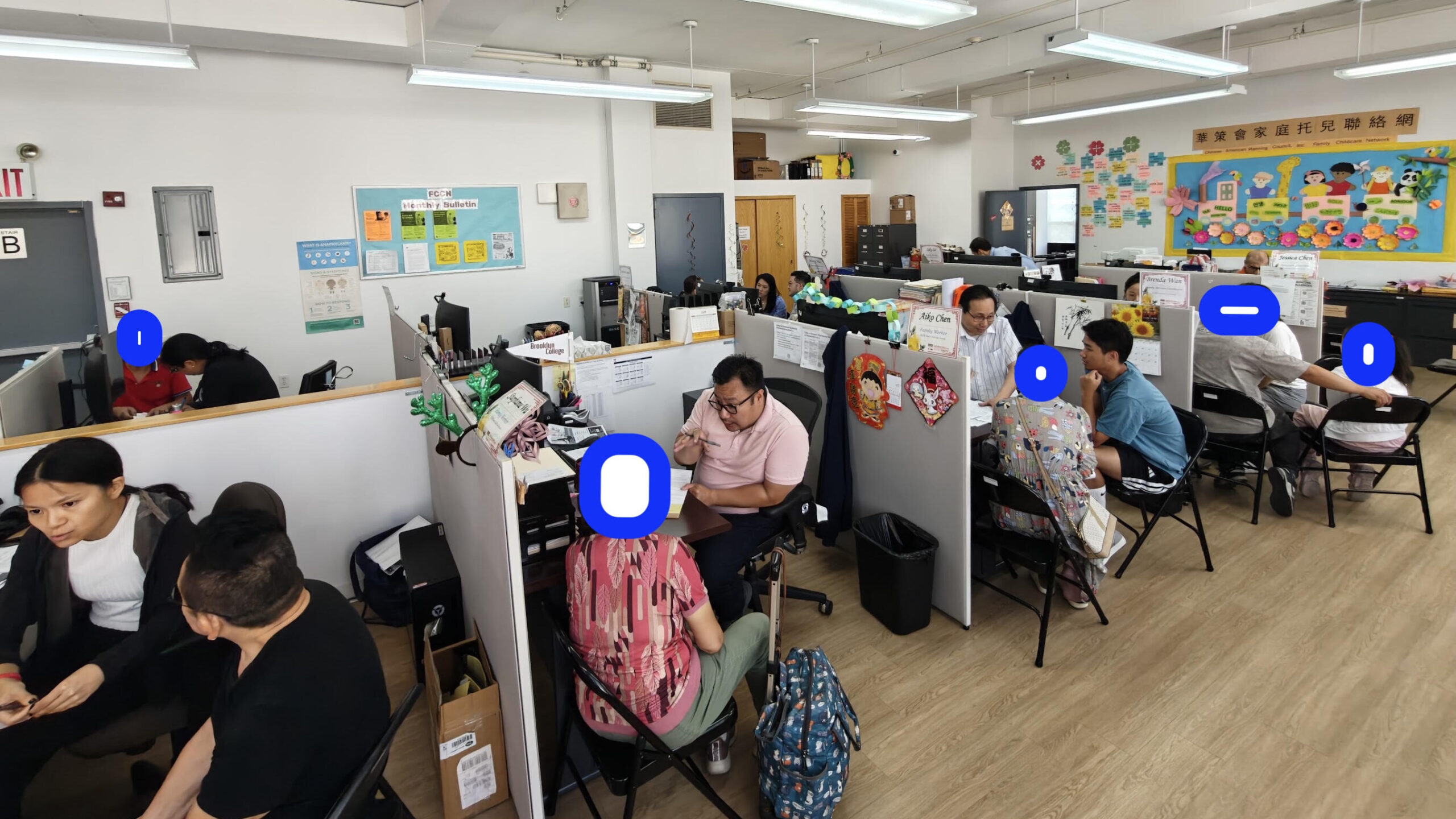
Thank you to the Asian American Law Fund of New York (AALFNY), CPC Brooklyn, our community partners, and Rachna Agarwal (SABANY Pro Bono Chair). A special thank-you goes to all the volunteer attorneys and law students who stayed late to ensure every client was seen.
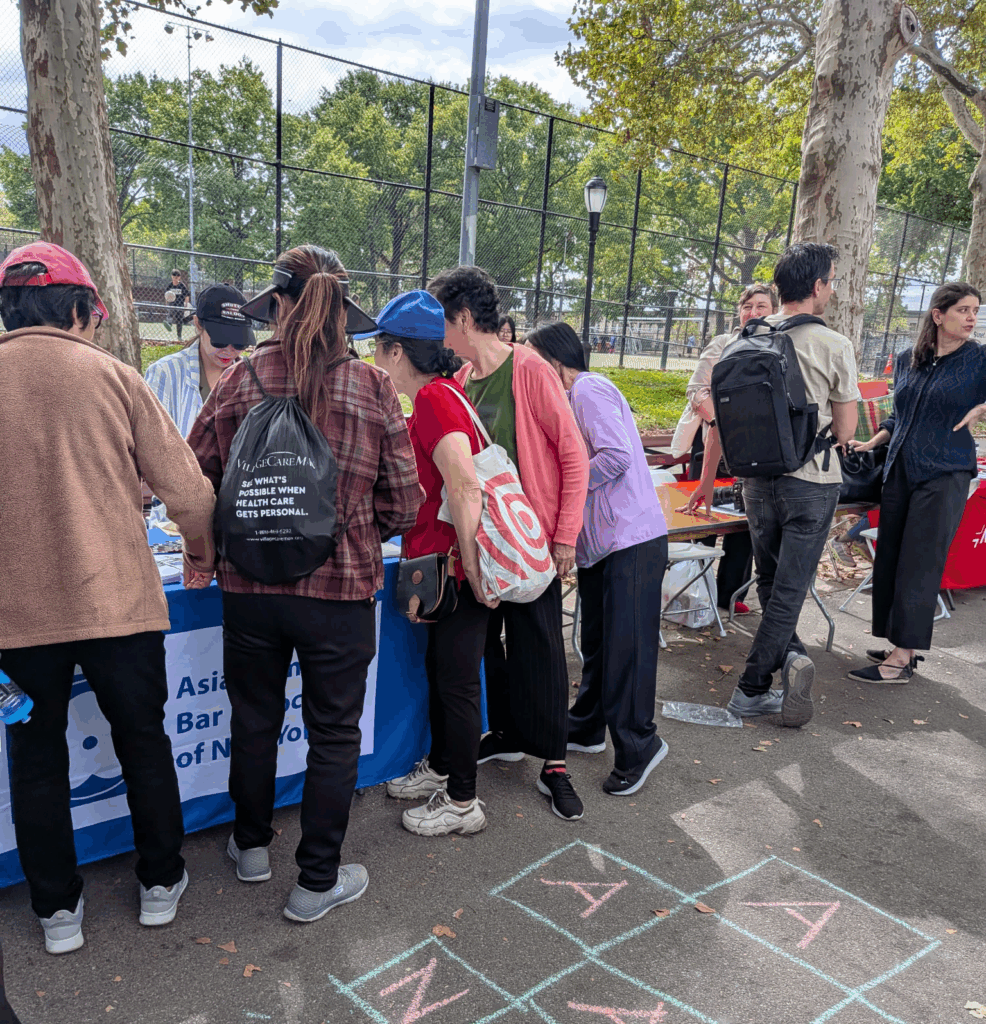
Our volunteers assisted 27 clients with matters including identity theft, wills and trusts, employment, family, matrimonial, housing, and real estate.
In addition to providing vital legal guidance, Pro Bono Clinics serve as a training ground for law students and young attorneys to practice communicating complex legal concepts in layman’s terms. We appreciate our volunteers for taking the time to listen to clients’ stories and giving them a space to be heard. The dedication of our volunteers continues to bridge the justice gap in our community.
Finally, at the Pro Bono Clinic, we celebrated the birthday of AABANY member and long-standing Pro Bono Clinic volunteer, May Wong! May was also the AABANY 2022 Member of the Year. Happy Birthday, May!
Volunteer attorneys:
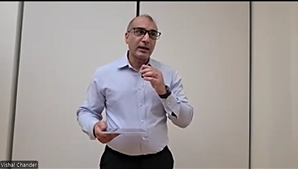
Vishal Chander
Natalie Moulton-Levy
Rachna Agarwal
Wendy Zeng
Kwok Kei Ng
May Wong
Sanketh Bhaskar
Olivia Mao
Francis Chin
Helen Ding
Arthur Lin
Minyao Wang
Beatrice Leong
Law students:
Sam Chen
Eva Zhou
Yining Pan
– Written by Kwok Kei Ng, AABANY PBCS Committee Co-Chair
On March 12, 2026, AABANY’s Tax Committee and Asia Practice Committee co-hosted a vibrant dinner event at Chi Restaurant & Bar. The gathering brought together a diverse group of attendees, including seasoned attorneys, young professionals, and NYU tax LLM students, all eager to connect and share insights. Conversations ranged from emerging trends in Asian markets to recent developments in tax law, fostering both professional growth and community building. Guests enjoyed an array of Asian-inspired dishes while networking with new acquaintances and reconnecting with familiar colleagues in a welcoming atmosphere.
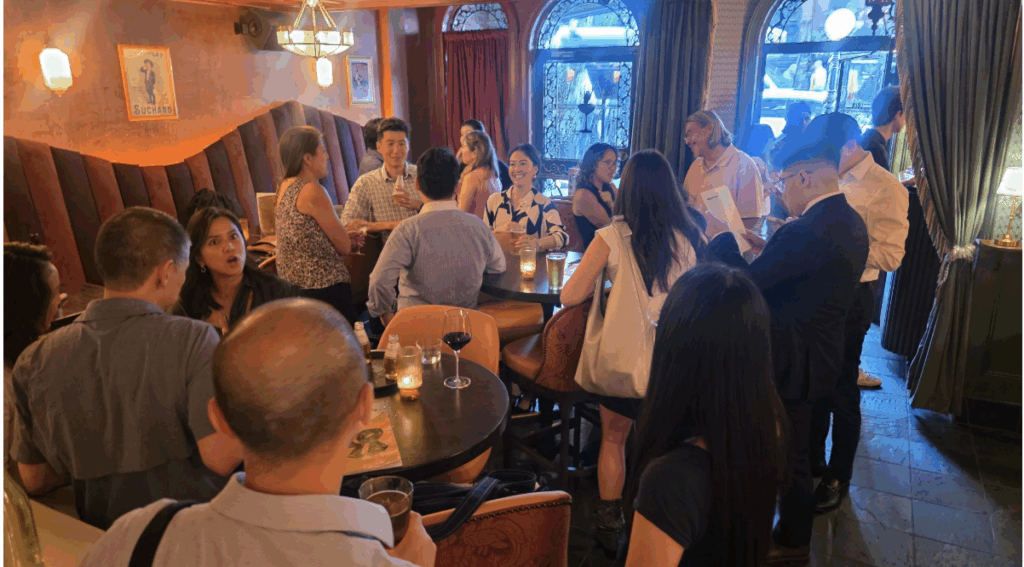
Building on the success of this event, the Tax Committee intends to host additional networking events throughout the year, collaborating with other AABANY Committees to broaden participation. We warmly invite professionals from all backgrounds to join our future gatherings and stay connected with our growing community.
For more information on AABANY’s Tax Committee, click here. For more information on AABANY’s Asia Practice Committee, click here. You can also check out AABANY’s website for information on other committees, as well as a calendar of upcoming events.
– Written by Eric Min, Co-Chair of AABANY’s Tax Committee
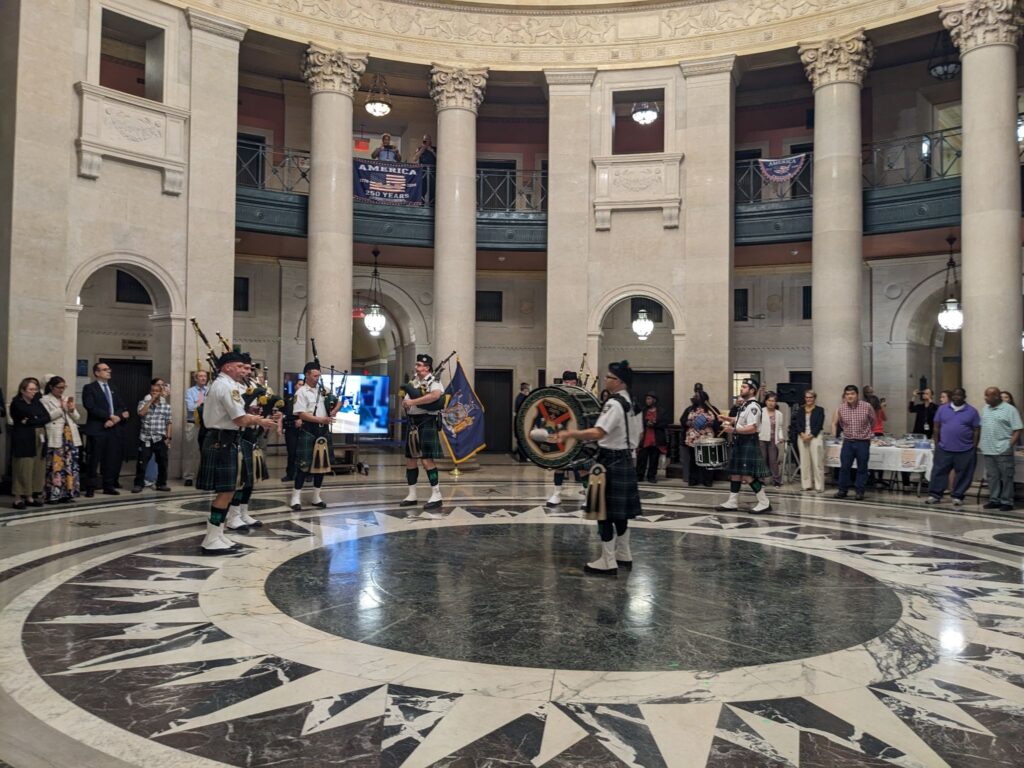
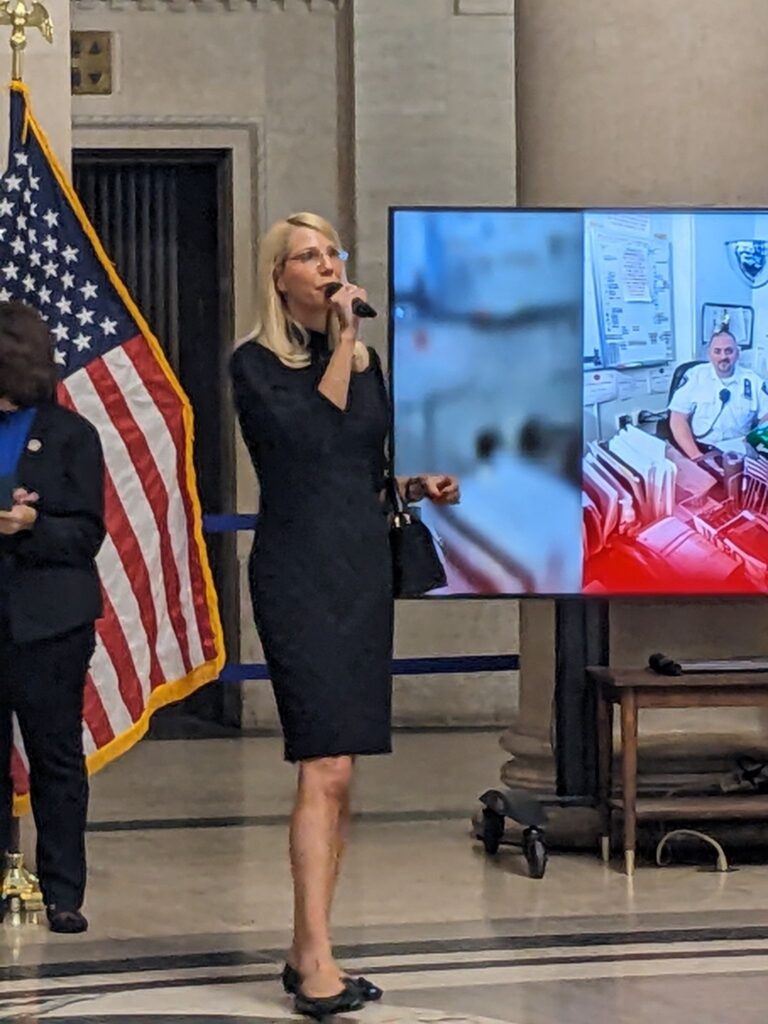
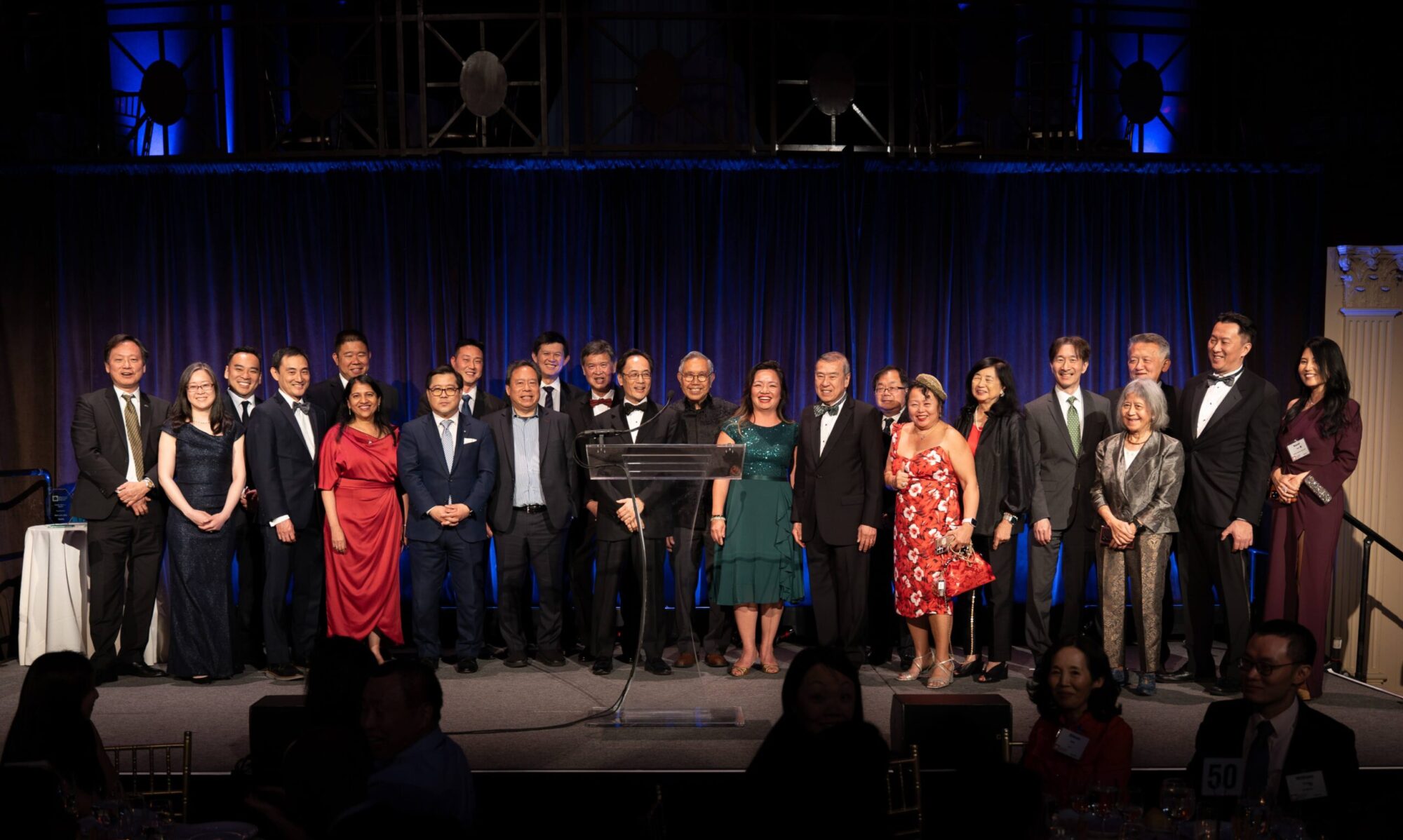
The Asian American Bar Association of New York (AABANY)’s Prosecutors Committee, together with its Judiciary Committee, celebrated the 17th Anniversary of the Prosecutors Committee on March 5, 2026, at the Daniel Patrick Moynihan United States Courthouse in Lower Manhattan. The evening honored Pamela K. Chen, United States District Judge for the Eastern District of New York, with a Lifetime Achievement Award in recognition of her exemplary service to the Federal judiciary and her longstanding dedication to justice.
Judge Chen was nominated to the Federal bench in January 2013 by President Barack Obama and confirmed by the Senate in March 2013. Since her appointment to the bench, Judge Chen has presided over a wide array of civil and criminal cases, including a civil lawsuit challenging New York’s ban on the possession of nunchuks.
Judge Chen began her legal career at the law firm of Arnold & Porter in Washington, D.C. In 1991, she joined the Special Litigation Section of the U.S. Department of Justice’s Civil Rights Division, where she litigated matters relating to conditions of confinement for individuals in state and local institutions, as well as cases involving the enforcement of the Freedom of Access to Clinic Entrances (FACE) Act of 1994.
In 1998, Judge Chen moved to New York City and joined the U.S. Attorney’s Office for the Eastern District of New York, where she worked until March 2013, except for a brief period in 2008, when she served as Deputy Commissioner for Enforcement in the New York State Division of Human Rights. As an Assistant U.S. Attorney, Judge Chen investigated and prosecuted cases involving terrorism, gang violence, drug trafficking, human trafficking, official misconduct, and civil rights crimes. She also served as the Chief of the Criminal Civil Rights Section and oversaw the development of the Office’s anti-human trafficking program, which resulted in the investigation and prosecution of hundreds of traffickers and the identification, rescue, and restoration of hundreds of survivors of trafficking. In 2015, Judge Chen and then-Attorney General Loretta E. Lynch were honored by Sanctuary for Families for the anti-human trafficking work done by the U.S. Attorney’s Office under Attorney General Lynch’s leadership as the U.S. Attorney for the Eastern District of New York.
Judge Chen has also served for nearly ten years on the Board of the Sonia & Celina Sotomayor Judicial Internship Program where she mentors the next generation of legal professionals.
The evening began in the courthouse’s Ceremonial Courtroom, where approximately 150 attendees from across the legal community gathered. The event brought together a wide range of members from our shared communities, including state and Federal judges and prosecutors, government attorneys, private practitioners, law students, law clerks, professors, community advocates, and supporters of AABANY.
The formal program commenced at approximately 6:15 p.m., with opening remarks from the evening’s Masters of Ceremonies, Teri Chung, Major Case Assistant District Attorney at the Bronx County District Attorney’s Office, and Eun Bi Kim, Assistant District Attorney at the Manhattan District Attorney’s Office. Distinguished heads of the Federal judiciary offered warm greetings and reflections on Judge Chen’s career, including Hon. Laura Taylor Swain, Chief Judge of the United States District Court for the Southern District of New York, and Hon. Margo K. Brodie, Chief Judge of the United States District Court for the Eastern District of New York.
Following Chief Judges Swain and Brodie, additional remarks were delivered by Benjamin Hsing, President of AABANY; Hon Joseph Nocella Jr., United States Attorney for the Eastern District of New York; Hon Bridget G. Brennan, Special Narcotics Prosecutor for the City of New York; Joseph P. Alexis, Chief of the Trial Division at the Kings County District Attorney’s Office; and Karl Metzner, Associate United States Attorney for the Southern District of New York. During the program, each speaker highlighted the breadth and significance of Judge Chen’s judicial and prosecutorial careers. Their words were a tribute to her leadership and dedication to public service.
After the array of accolades was given from many who have worked with Judge Chen, she was formally introduced by Hon. Ann Donnelly, United States District Judge for the Eastern District of New York, who described Judge Chen as the embodiment of a trailblazer.
In her acceptance remarks, Judge Chen delivered a thoughtful and compelling reflection of her career and the importance of representation in public service within the legal profession. Citing data on Asian American participation in public service roles, she observed that “by the end of 2022, approximately 7.5% of Asian American lawyers entered government service directly from law school,” while noting similarly modest percentages entering law school and prosecutorial offices. She posed a critical question: “Why does it matter that Asian Americans are not fully represented in public service?”
Judge Chen explained that the answer lies not only in numbers, but in perception and belonging. She remarked that in this country, there remains an undercurrent that views Asian Americans as perpetual foreigners. Such perceptions have, at times, surfaced most painfully during moments of national hardship, including the COVID-19 pandemic, when anti-Asian sentiment manifested in acts of violence.
Emphasizing the importance of visibility in public roles, Judge Chen reflected on the symbolic power of serving as a prosecutor: “When you stand up in court and say, ‘I represent the People of New York’ or ‘I represent the United States of America,’ you are affirming, every day, that Asian Americans are part of this nation—not outsiders to it.” Judge Chen emphasized how greater participation in public service, specifically institutions of justice, helps achieve equity for all, and simultaneously challenges stereotypes and reinforces the fundamental truth of belonging.
These themes of representation and belonging were echoed in the broader program. Before its conclusion, AABANY Executive Director Yang Chen introduced a trailer for Voices Against Anti-Asian Hate, an AABANY documentary highlighting the surge in anti-Asian hate incidents during the pandemic and the community’s response. The trailer highlighted the importance of continued vigilance and advocacy against anti-Asian violence and hate crimes and described the ongoing work of AABANY’s Anti-Asian Violence Task Force. Yang Chen further expressed gratitude for the role played by members of the Task Force in producing the documentary. In particular, Yang called up St. John’s University School of Law Professor Elaine Chiu, past Chair of the Task Force, and James Lin, retired veteran prosecutor of the Manhattan and Brooklyn DA’s Offices, as well as Daphne Mei, Program Manager for the Task Force, for their contributions to AABANY’s work combatting anti-Asian violence and hate.
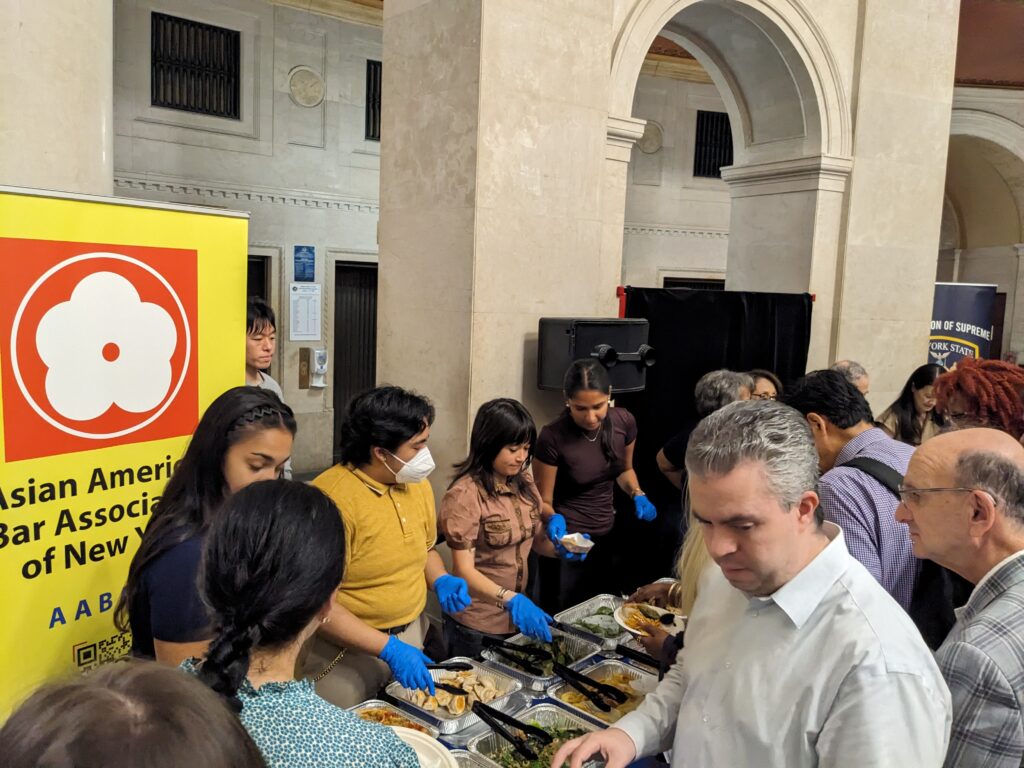
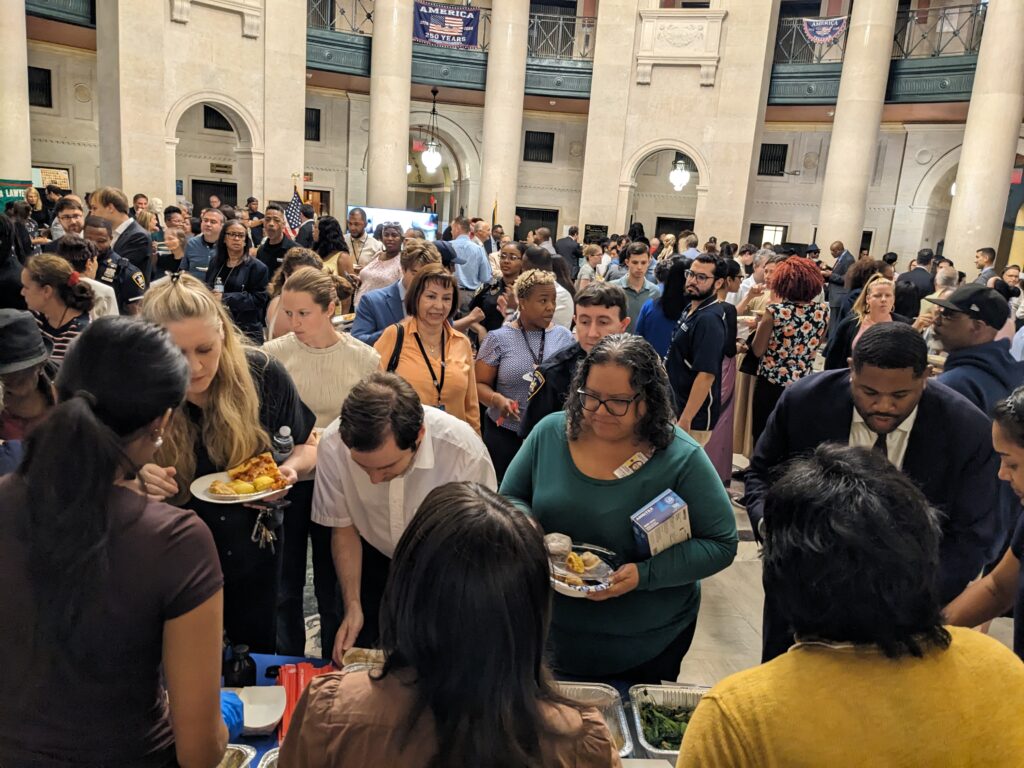
The program concluded with closing remarks from Kin Ng before guests proceeded to a networking reception in suite 850. The reception featured an array of delicious food including a variety of kimbap, samosas and dumplings, and provided an opportunity for attendees to connect and celebrate Judge Chen and the continued impact of the Prosecutors Committee within the legal community.
A Second Circuit Judge who attended the event described it as “warm, informative, and fun,” a sentiment that captured the spirit of collegiality and shared purpose that defined the celebration.
AABANY thanks Prosecutors Committee Co-Chairs Grace Vee, Appeals Division Civil Litigation Unit Chief and Associate General Counsel at the Manhattan District Attorney’s Office, and Kin Ng, Bureau Chief at the Kings County District Attorney’s Office, as well as Judiciary Committee Co-Chairs David Mou, founding attorney of Mou Legal PLLC, and Mark Son, Vice President of the Central Investigations Function at Deutsche Bank, for their leadership in organizing this memorable evening. AABANY also thanks the United States District Court for the Southern District of New York for graciously hosting the celebration at the SDNY courthouse. To view photos from the event, click here.
The Asian American Bar Association of New York (AABANY) congratulates member and past Labor & Employment Law Committee Co-Chair Siyan (Joane) Wong on her first solo exhibition, Mother Warriors, on view at Equity Gallery in New York City from March 12 through April 11, 2026. An opening reception was held on March 12 from 6-8 p.m., with an artist talk scheduled for March 21. The exhibition features a series of paintings portraying the lives and labor of immigrant Chinese women.
Wong, a first-generation Chinese immigrant and self-taught artist, draws inspiration from the everyday experiences of immigrant workers, including those in garment factories, restaurants, homecare, and street vending. Through richly patterned compositions and expressive figures, her work seeks to make visible the resilience, dignity, and humanity of working-class Chinese women navigating life in the United States.
In addition to her artistic practice, Wong previously worked as a workers’ rights lawyer and recently transitioned to focus on painting full-time. Her exhibition also highlights community engagement: accompanying gallery spaces feature works by contemporary artists exploring themes of migration and labor, as well as contributions from local high school students reflecting on the immigrant experience.
AABANY is proud to celebrate her artistic achievements and continued commitment to amplifying the voices and stories of immigrant communities.
For more information about the exhibition, please read the full press release here.
The National Asian Pacific American Bar Association (NAPABA) will host a webinar titled “SCOTUS Oral Argument Preview: Who is Allowed to be a U.S. Citizen? Defending Birthright Citizenship and the Role of Asian American History” on Thursday, March 26 at 3:00 p.m. ET.
The program will preview the upcoming U.S. Supreme Court oral arguments in Trump v. Barbara, a case addressing the scope of birthright citizenship under the Fourteenth Amendment. On April 1, 2026, the Court is scheduled to hear arguments concerning Executive Order 14160, which declared that only children born to U.S. citizens or lawful permanent residents would automatically receive citizenship at birth. The executive order immediately faced legal challenges across the country.
NAPABA joined a broad coalition of bar associations in filing amicus briefs opposing the order. The March 26 webinar will discuss NAPABA’s role in defending birthright citizenship in the lower federal courts and before the Supreme Court, as well as the broader legal and historical context surrounding the issue.
The panel will feature Professor Beth Lew-Williams, Director of the Program in Asian American Studies and Professor of History at Princeton University. Professor Lew-Williams is the author of The Chinese Must Go: Violence, Exclusion, and the Making of the Alien in America (Harvard University Press, 2018), a widely acclaimed work examining the history of anti-Chinese violence and exclusion in the United States.
Also joining the discussion is Wendy M. Feng, Counsel at Seyfarth Shaw LLP and lead outside counsel for the legal team representing NAPABA in the litigation. The program will be moderated by Edgar Chen, NAPABA Special Policy Advisor.
Together, the panelists will examine the legal arguments in Trump v. Barbara, the historical foundations of birthright citizenship, and the role Asian American legal history plays in shaping contemporary constitutional debates.
Registration for the webinar is free and open to the public. Click here to learn more and register for the event.
The ABA Law Student Division invites you to serve as a volunteer client for the virtual 2025-2026 Client Counseling Competition National Finals on March 20-21, 2026, held via Zoom!
We are currently seeking volunteers to participate as clients in the National Client Counseling Competition. Volunteers will receive a short client script and a short orientation to help prepare for the round. Each client will also be provided with a packet that includes instructions for participants, the consultation scenario, and a detailed confidential memorandum outlining the client’s background and concerns.
On March 2, 2026, AABANY’s Solo & Small Firm Practice Committee and Prosecutors Committee hosted a book reading and discussion featuring Strangers in the Land, the critically acclaimed 2025 book by Michael Luo, Executive Editor at The New Yorker. The event was moderated by the Honorable Marilyn Go (Ret.), the first Asian American woman to serve as a federal judge in the United States, and was hosted by Groombridge, Wu, Baughman & Stone LLP.
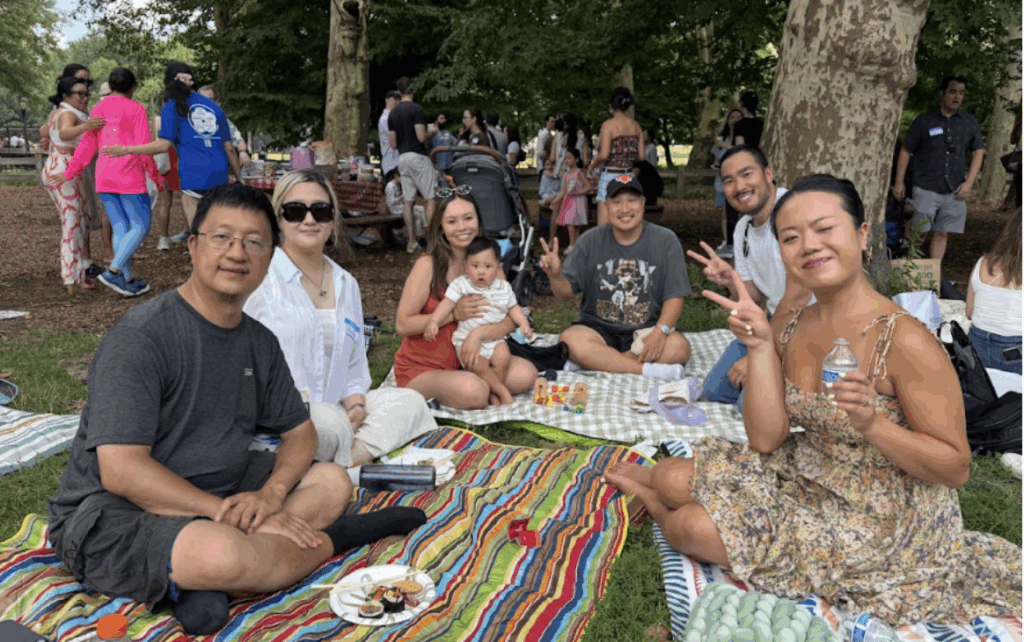
During the event, Luo shared stories from his book, tracing various aspects of Chinese and Chinese-American history from the Gold Rush era to the rise in anti-Asian hate during the COVID-19 pandemic. One story described an early Chinese immigrant who came to America after attending a missionary school in China, where the head of the school invited students to accompany him back to the United States. The individual later faced the harsh effects of the Chinese Exclusion Act, which barred Chinese immigrants from naturalization, and his citizenship was revoked. Despite these barriers, he managed to reenter the United States and even attempted to volunteer for the Union Army during the Civil War, though he was turned away.
Reflecting on the broader themes of the book, Luo noted, “This question of who gets to be an American is one that is going on right now – who belongs in America. I don’t know what it would take for this representation to reach that tipping point.”
During the audience Q&A, attendees raised questions about the absence of Asian American history in mainstream education and discussed how recent anti-Asian hate and geopolitical tensions continue to shape perceptions of Asian Americans today, focusing on how the People’s Republic of China is an increasingly powerful country and enemy to the United States. Luo shared similar concerns, highlighting how the history recounted in his book was during a period of weakness for China and that the historical developments are likely to impact the law dealing with the social issues raised by the audience.
We thank Michael Luo for sharing his work and insights, and the Honorable Marilyn Go (Ret.) for moderating the discussion. Please visit AABANY’s website for more upcoming events like this one, such as AABANY’s first book club meeting on March 19, 2026. To learn more about the Solo & Small Firms Practice Committee click here. To learn more about the Prosecutors Committee, click here.
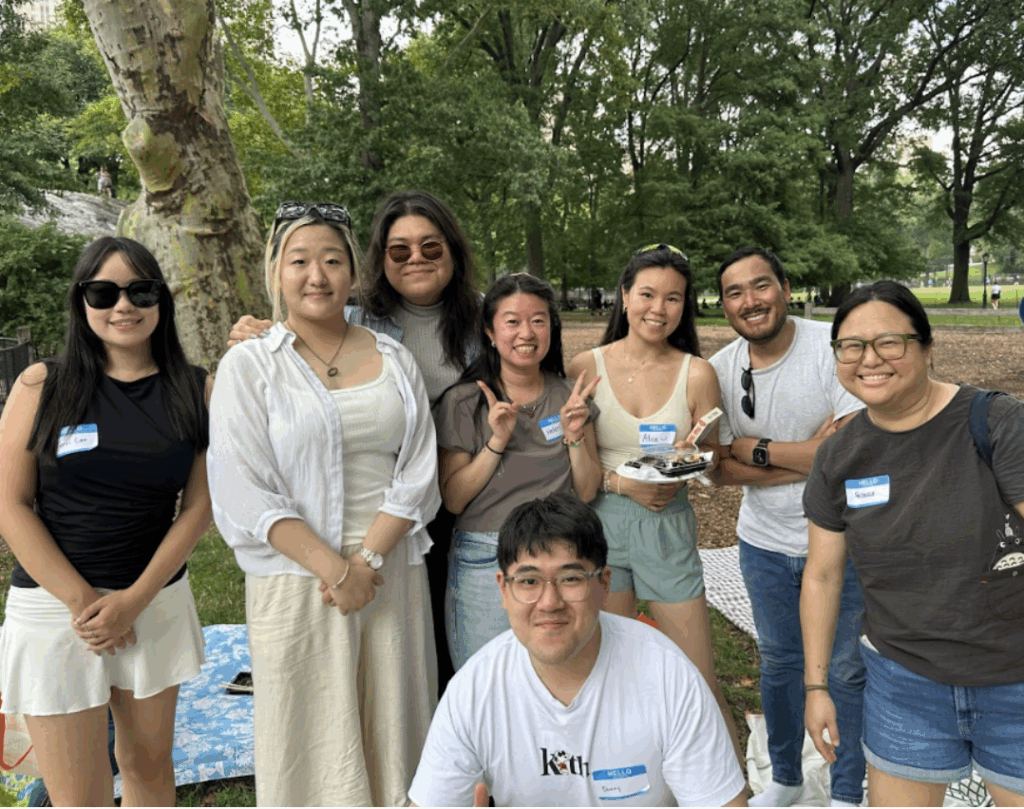
On February 25, 2026, the Asian American Bar Association of New York (AABANY), together with the Asian American Law Fund of New York (AALFNY), the Coalition of Asian Pacific Americans (CAPA), and the Filipino American Lawyers Association of New York (FALA NY), joined the Philippine Consulate General in New York for a screening of Voices Against Anti-Asian Hate. The documentary, produced by AABANY and AALFNY, shares the experiences of individuals and families affected by anti-Asian violence in New York and highlights the legal and community responses that followed.
Philippine Consul General Senen Mangalile opened the evening by emphasizing the importance of confronting hate through unity and truth, thanking AABANY and AALFNY for documenting the community’s experiences. As he reflected on the documentary’s purpose, he reminded attendees that hate cannot be fought with more hate, but by showing that it has no basis or merit.
The film featured deeply personal stories from Justin Go, father of Michelle Go; Sungkon Lee, father of Christina Yuna Lee; and Noel Quintana, a survivor of a violent subway slashing to his face. Their accounts highlighted the lasting impact of anti-Asian violence, the challenges victims face in seeking recognition and support, and the critical role of pro bono legal advocacy.
Following the screening, a panel discussion moderated by AABANY Executive Director Yang Chen featured Noel Quintana, U.S. Commission on Civil Rights Commissioner Glenn D. Magpantay, and Groombridge Wu Co-Founder and Partner Jennifer H. Wu. Panelists reflected on the ongoing presence of anti-Asian hate, the cultural barriers that sometimes prevent victims from speaking out, and the complexities of representing victims navigating trauma, media attention, and systemic barriers.
Throughout the discussion, speakers emphasized the importance of solidarity and coalition-building with other communities confronting hate and discrimination. The evening concluded with closing remarks from AALFNY President Sylvia Chin, who highlighted AALFNY’s Anti-Asian Violence Task Force, scholarship programs, and AABANY’s ongoing pro bono initiatives supporting the community.
The program ended with a reception where attendees continued reflecting on the documentary’s message and the ongoing work needed to combat anti-Asian hate.
We extend our sincere gratitude to the Co-Sponsors who supported the screening:
We thank the nearly 100 attendees who came, representing different facets of the New York community, despite the difficult travel conditions presented by the snowstorm.
If anyone is interested in hosting their own screening of this documentary, contact Daphne Mei, Program Manager of the AABANY Anti-Asian Violence Task Force, at [email protected].
The conversation highlighted the rapid pace of immigration policy changes during the Trump administration and their continuing impact on immigration practice. Shafiqullah noted that more than 1,000 immigration policy changes were implemented through executive action during Trump’s first term, and that similar patterns appear to be emerging again, alongside proposals such as the Laken Riley Act, which would significantly expand mandatory detention.
Despite these developments, Shafiqullah emphasized that federal courts remain an important avenue for relief. Through habeas corpus petitions, federal District Courts can review unlawful detention and order new bond hearings or release when appropriate. He noted that “District Court judges are understanding that due process won’t permit arbitrary action.”
The program concluded with a discussion about the emotional toll of immigration practice. Because many asylum clients have experienced severe trauma, attorneys often face vicarious trauma as well. The Legal Aid Society supports its staff by providing trainings on handling burnout, secondary trauma, and sustainable public interest practice.
AABANY thanks Hasan Shafiqullah and the Legal Aid Society for sharing their insights, and thanks APALSA and the co-sponsoring committees for organizing this timely and informative program.