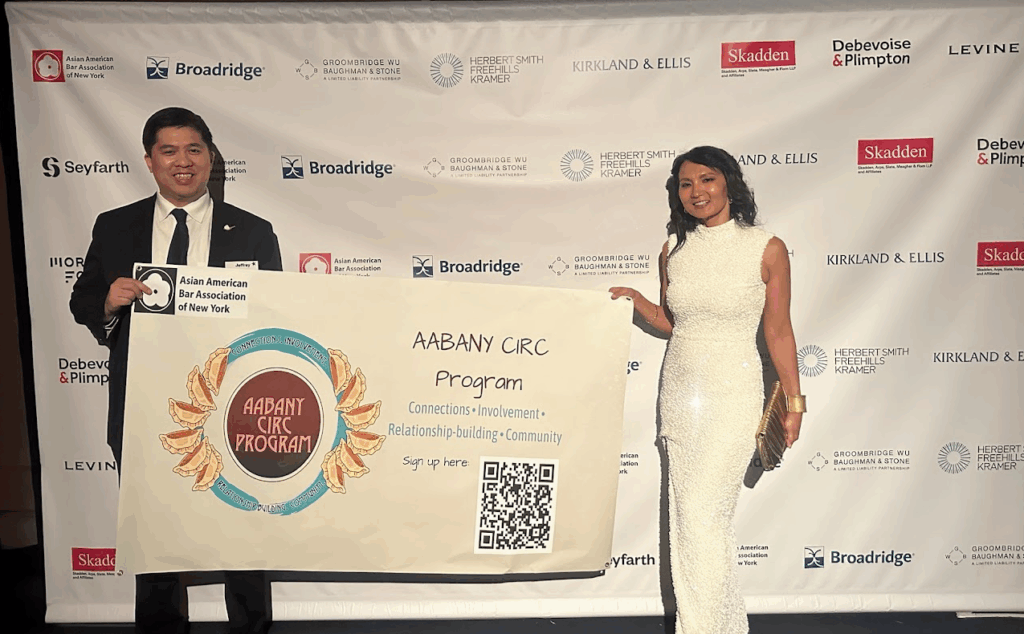
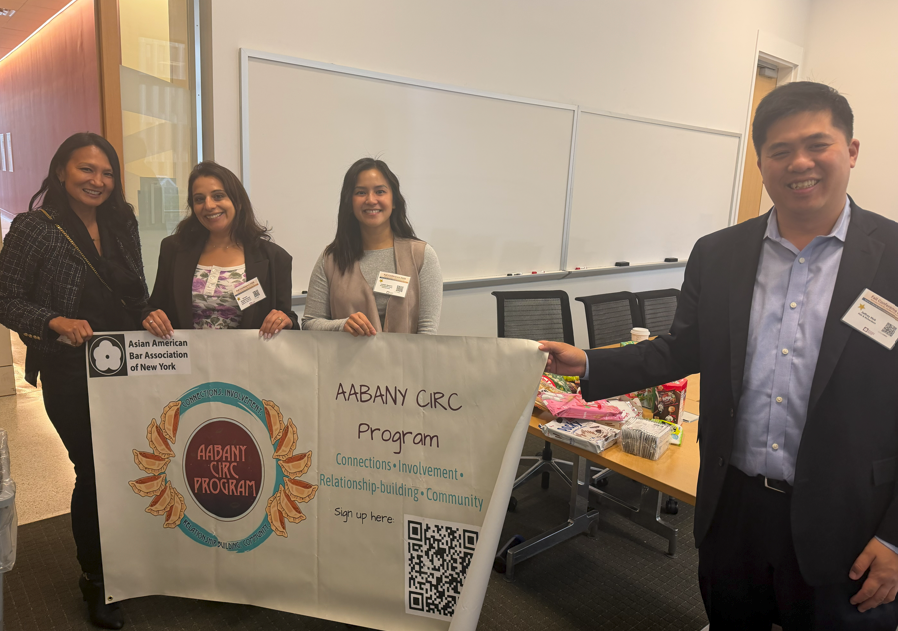
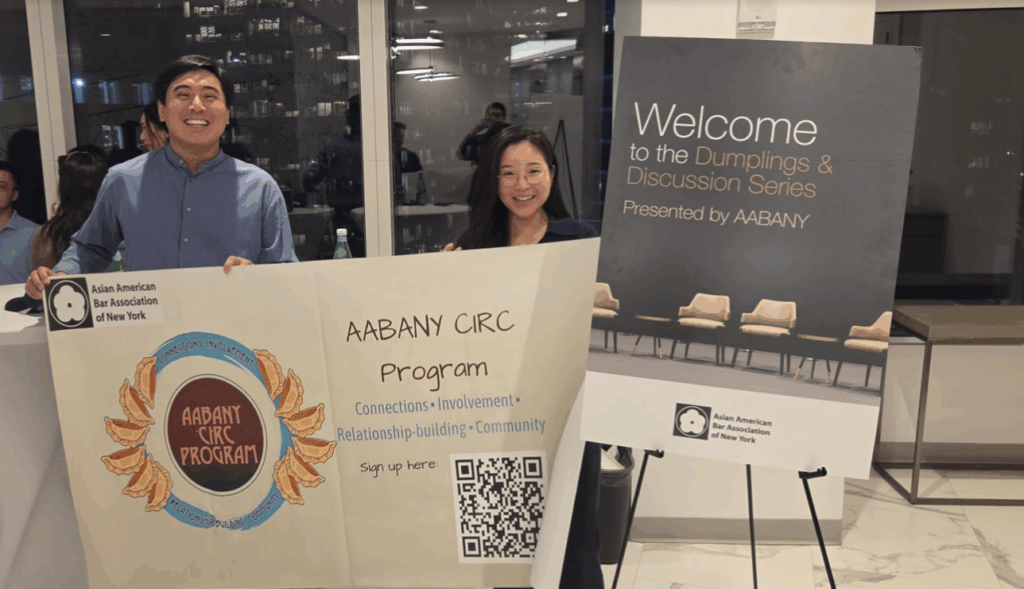
We launched the AABANY CIRC (Connections ∙ Involvement ∙ Relationship-building ∙ Community) Program in May, and we’re excited to share how it’s going. There are already more than 15 pods, and two prizes have been awarded! Sign-up is still open, so you can still be part of it!
It is an easy way to connect with other AABANY members and stay involved. The program brings members together in small pods. Think of it as a fun and low-pressure way to meet people and engage with AABANY as a group. CIRC is run by AABANY board members Jeffrey Mok and Gilyana Jones.
CIRC has a friendly, points-based component. Pods earn points for:
Meeting up Attending AABANY events Helping bring in new AABANY members Posting about AABANY on social media …and more
Each prize period, prizes go to pods based on points, along with some bragging rights. Our first two prizes were a group lunch and a meditation session. Also, CIRC participants get access to exclusive events!
Whether you’re a new, returning, or longtime AABANY member, CIRC is open to you. It’s designed to be easygoing, flexible, and what you make of it.
Ready to jump in? Sign up today to be placed in a pod and start connecting here.
– Written by Jeffrey Mok, AABANY Board Director and Co-Chair of the Intellectual Property Committee
The Honorable Dora L. Irizarry, U.S. District Judge for the Eastern District of New York, is accepting applications for Spring 2027 internships.
Below are details regarding this job opportunity:
Qualifications:
Must be a rising second or third year law student.
Must have good grades.
Must have good research, writing, and analytical skills, although participation in Law Review or a Journal is not a prerequisite.
Military and/or other life/career experience is a plus.
Interested law students should forward their application package in PDF format as a single document via email to [email protected].
Application package must include:
One-page cover letter briefly describing why you are interested in a legal career and why you are interested in an internship with Judge Irizarry specifically.
Resume.
Official law school transcript.
One recent writing sample no longer than 10 pages, double spaced. Journal or research articles will not be accepted.
Two to three letters of recommendation. Letters of recommendation may be submitted directly to chambers by the recommender.
The deadline for receipt of materials is November 13, 2026.
Please note that, while these are not paid internships, the Judge will participate in any appropriate sponsored program that provides academic credit or stipends for interns. If you have questions, please contact chambers at: 718-613-2150.
This summer, NAPABA launched the 2026 Civic Engagement Challenge, inviting Affiliates and National Associates to develop innovative, measurable, and sustainable initiatives that engage and empower AANHPI communities.
From nonpartisan voter engagement and education to immigration resources and community legal services, organizations across the NAPABA network answered the call.
Today, NAPABA is proud to announce the recipients of the 2026 Civic Engagement Challenge and celebrate the innovative work they are undertaking in AANHPI communities across the country.
2026 NAPABA Civic Engagement Challenge Champions
Asian Bar Association of Washington (ABAW)
Beyond the Citizenship Interview: An Educational Video Project
ABAW will develop a multilingual educational video series to help aspiring citizens prepare for the U.S. naturalization process, covering civics education, citizenship interviews, and immigrant contributions to American history.
Georgia Asian Pacific American Bar Association (GAPABA)
Mobilizing and Protecting Georgia’s AAPI Voters
In partnership with Asian Americans Advancing Justice-Atlanta, GAPABA will expand nonpartisan voter education, multilingual outreach, and election protection efforts to support AAPI voter participation across Georgia during the 2026 election cycle.
Greater Orlando Asian American Bar Association (GOAABA)
GOAABA AAPI Civic Education & Engagement Series
GOAABA will partner with community organizations to expand nonpartisan voter education, registration, and civic engagement opportunities for AAPI residents in Central Florida, building a sustainable network for participation beyond the 2026 election.
National Filipino American Lawyers Association (NFALA)
Safeguarding the AANHPI Vote
NFALA will partner with Hoosier Asian American Power to strengthen voter protection for AANHPI communities with limited English proficiency across Indiana, Ohio, and Nevada through translated voter education materials, volunteer poll monitoring, and educational webinars.
South Asian Bar Association of Northern California (SABA-NC)
Community Legal Access & Know-Your-Rights Initiative
SABA-NC will expand access to legal information and assistance for South Asian, AANHPI, and immigrant communities across Northern California through free webinars, legal clinics, and community programs addressing immigration, citizenship, and other essential legal rights.
Southern California Chinese Lawyers Association (SCCLA)
Know Your Rights: Immigration Rights Education Series
SCCLA will host an immigration rights education series featuring attorney-led discussions and interactive outreach at Lunar New Year festivals to help community members understand their rights.
You may have seen recent news about AALDEF’s lawsuit challenging the Trump administration over its threats to deploy federal agents at or around polling sites. Election protection is absolutely critical in this year’s election—and AALDEF needs your help.
Every election cycle, the Asian American Legal Defense & Education Fund (AALDEF) mobilizes volunteers to meet voters where they are, solve problems in real time, and help ensure everyone can participate. This November, AALDEF needs you. They are recruiting volunteers in Georgia, Massachusetts, Michigan, Minnesota, New Jersey, New York, North Carolina, Pennsylvania, Texas, and Virginia.
Whether on the ground or online,join AALDEF and help protect the vote by signing up here. They will give you the training and tools you need to ensure voters feel informed, welcomed, and empowered to cast their ballots freely, safely, and without interference.
Prefer to volunteer virtually? You can support the national Election Protection hotline— including language assistance hotlines serving Asian American voters. Have any questions? Email Marlena Truong at [email protected].
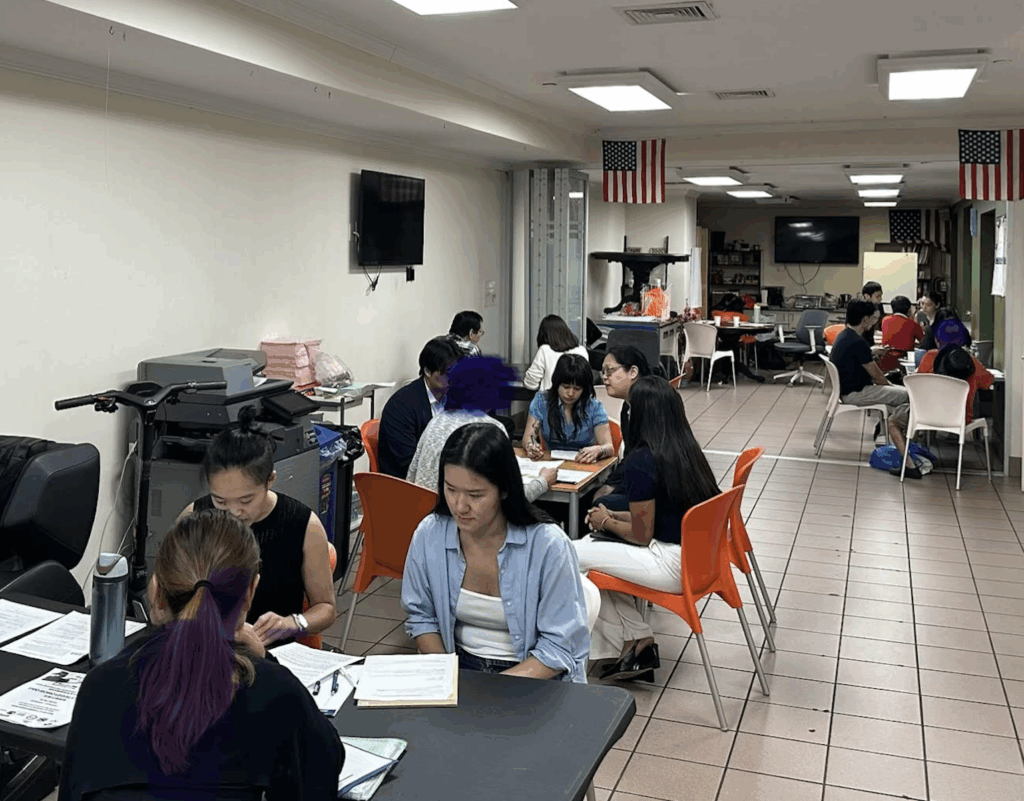
PBCS volunteers, comprising volunteer attorneys and law students, met with 7 clients and provided guidance on a range of legal issues, including housing, torts, and civil litigation.
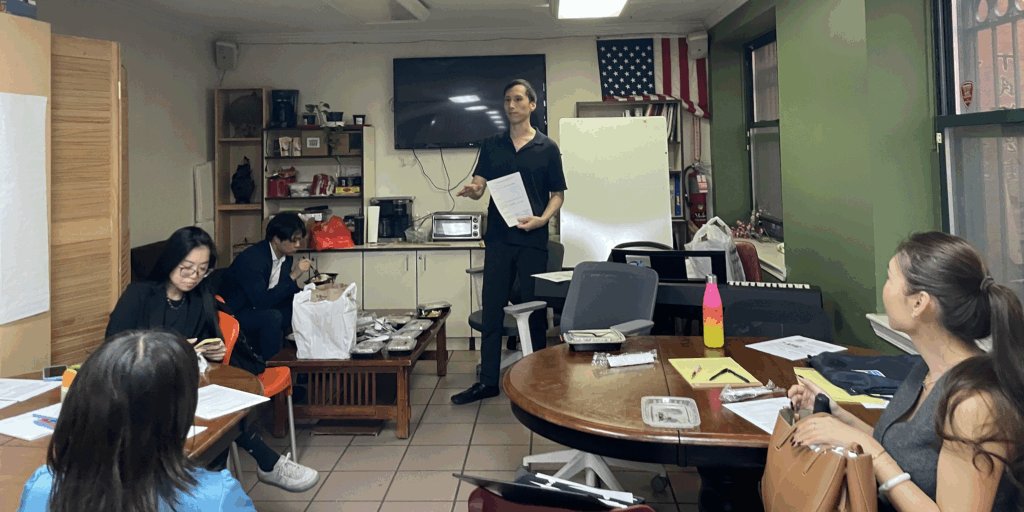
A huge, heartfelt thank you to our wonderful PBCS Vice-Chair, Arthur Lin, for delivering such a fantastic orientation!
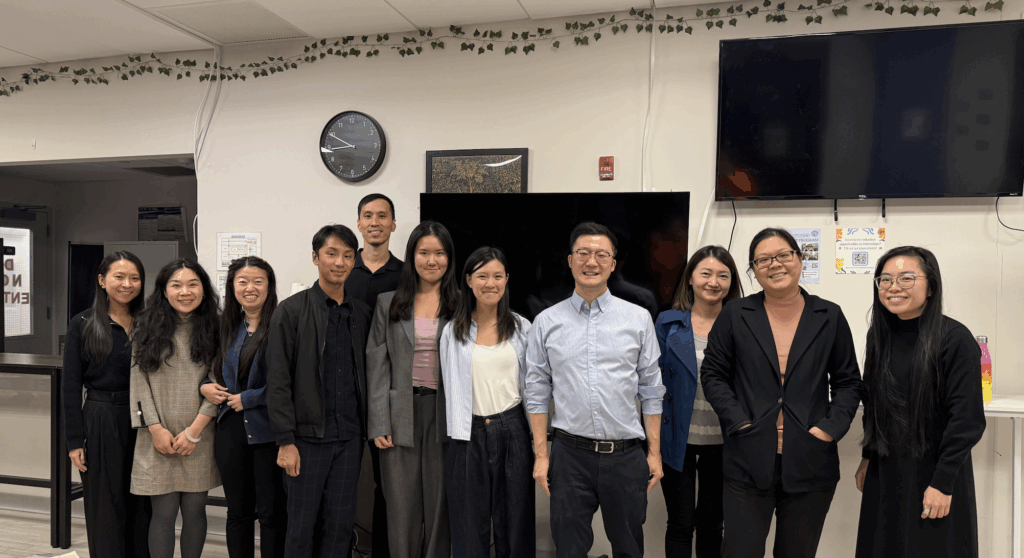
We sincerely thank the following volunteers who attended the clinic:
Attorneys:
Francis Chin
Jack Hsia
Carmen Huang
Daniel Kim
Beatrice Leong
Arthur Lin
May Wong
Interpreters/Shadowers:
Cheri Chaibut
Helen Ding
Nandar Win Kerr
Celine Lee
Pan Pan
Ria Punukollu
Ellyse Ramos
Suzie Yu
Jingjing Wang
Wendy Zeng
Thank you again for your commitment to pro bono service and for making a meaningful difference in our community.
We invite you to continue supporting our community by joining us at our upcoming Pro Bono Clinics:
PBCS volunteers, comprising volunteer attorneys and law students, met with 16 clients and provided guidance on a range of legal issues, including housing, immigration, real property, trusts & estates, family & matrimonial, litigation and civil claims.
One client commented: “Very helpful. Passionate in helping.”
Great thanks to our small but mighty team of volunteers for attending the Queens Pro Bono Clinic and for their dedicated service:
Attorneys:
Jingjuan (Max) Guo
Kevin Hsi
Carmen Huang
Arthur Lin
Sinbay Tan
May Wong
Gary Yeung
Meng Zhang
Interpreters/shadowers:
Helen Ding
Renato Pangan
Jingjing Wang
Suzie Yu
Wendy Zeng
We invite you to continue supporting our community by joining us at our upcoming Pro Bono Clinics: – October 21st [Manhattan link here] from 6:30-8:30pm, AAFE Community Center, 111 Norfolk Street, NY, NY 10002
The NAPABA President’s Award recognizes individuals and organizations that demonstrate an exceptional commitment to the Asian American, Native Hawaiian, and Pacific Islander community. Selected annually by the NAPABA President, the award celebrates those whose leadership and service have made a meaningful impact on our community.
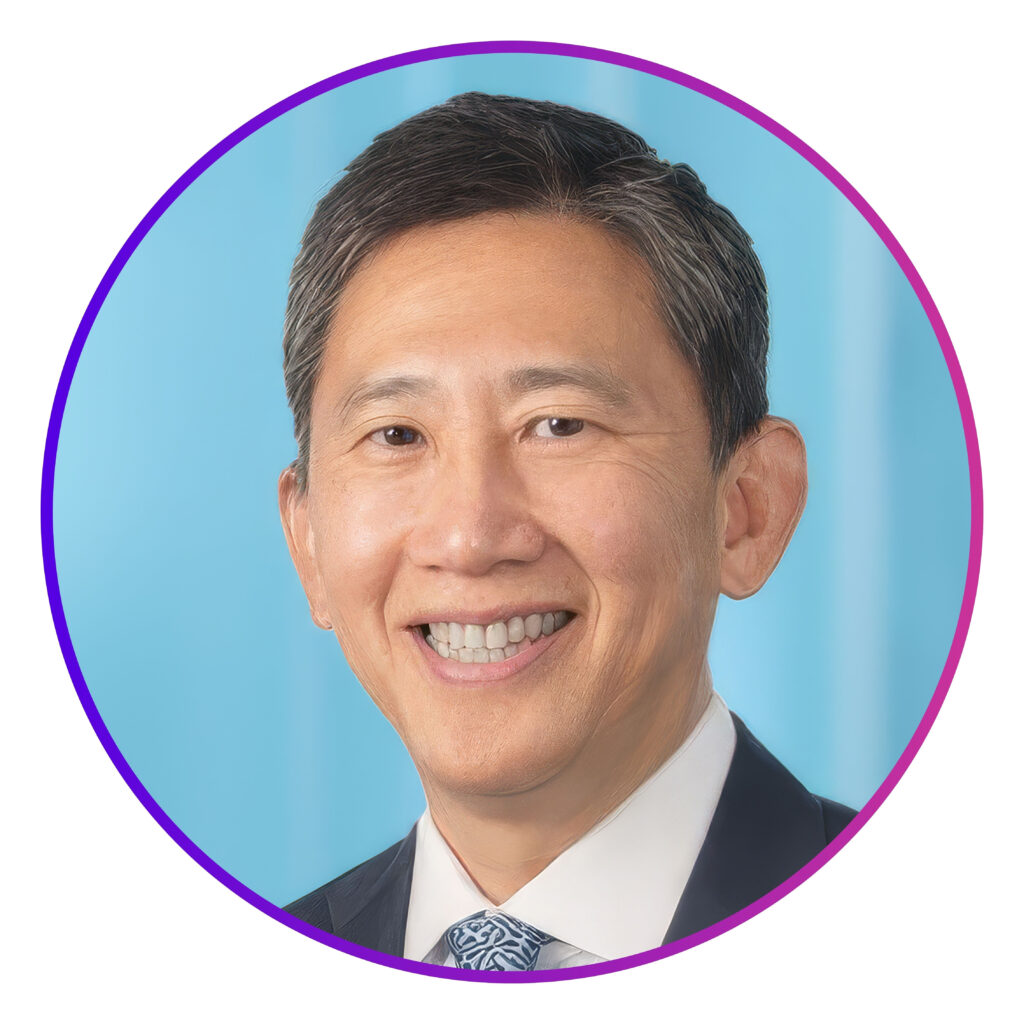
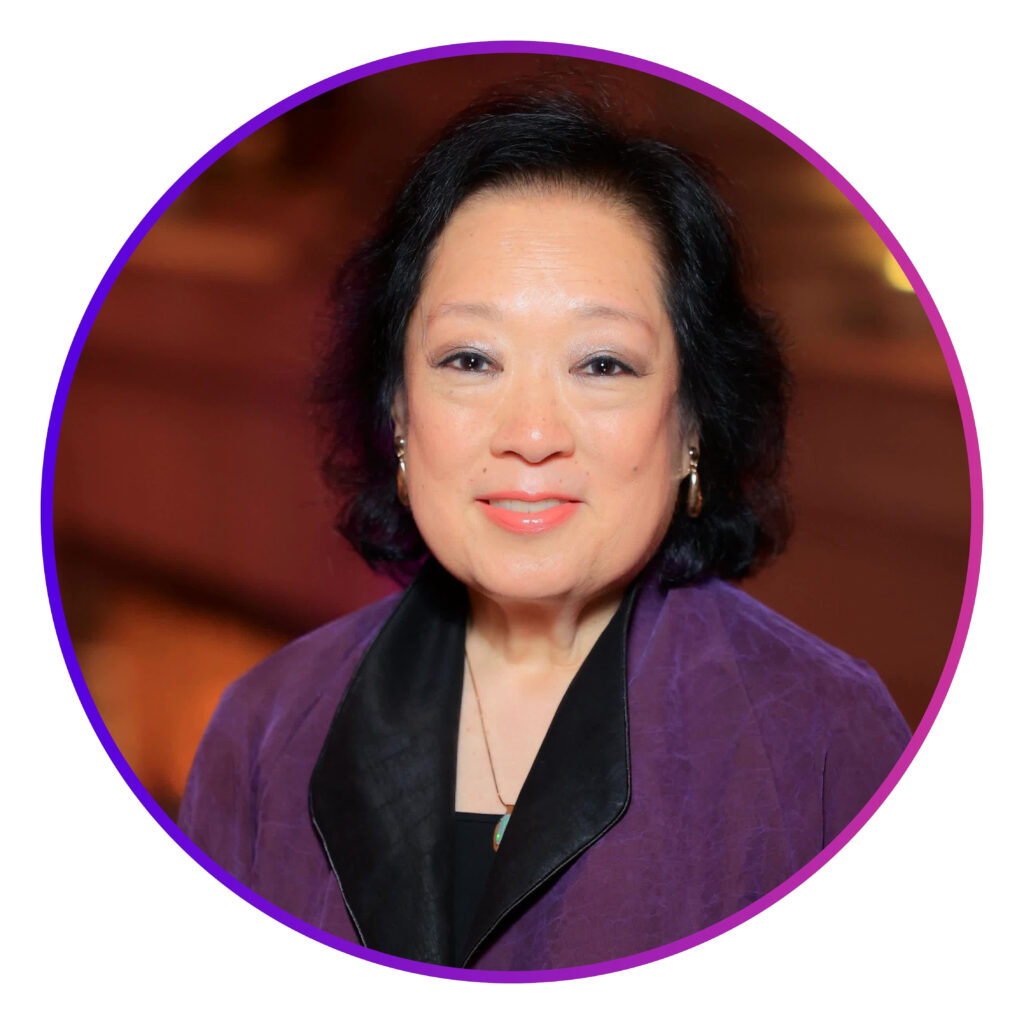
This year, NAPABA honors Wilson Chu and Sandra Yamate, two longtime leaders in the AANHPI legal community. Over the course of their careers, Wilson and Sandra have contributed their time and leadership to NAPABA and initiatives serving the legal profession and AANHPI community. Their decades of service reflect a longstanding commitment to supporting and uplifting others in the legal community.
NAPABA is honored to celebrate Wilson and Sandra and recognize their achievements at the 2026 NAPABA Convention in Los Angeles on Friday, November 13, at the President’s & Trailblazer Awards Reception.
Wilson Chu Senior Counsel, Dechert
Wilson Chu is a strategic advisor to boardrooms and C-suites, known for a collaborative, creative, business-minded approach to complex transactions and corporate governance. His practice is heavily weighted toward technology, especially superintelligence. Matters include advising Tesla’s Special Committee on Elon Musk’s trillion-dollar pay package, serving as Texas counsel on Amazon’s $13b acquisition of Whole Foods, and advising a 50% co-founder in Mailchimp’s $12b sale to Intuit.
He chaired the ABA M&A Committee (world’s largest), under which he created the game-changing Deal Points Studies and The MAC Cup national law student competition.
With his partner-in-crime, Don Liu, he co-founded many of NAPABA’s cornerstone initiatives, including the Best Under 40 Award, IHC and Partners Networks, and the 50×30 Initiative/Pipeline Program, as well as The Alliance for Asian American Justice (delivering over $10m in pro bono to victims of anti-Asian violence).
Sandra Yamate Chief Executive Officer, Institute for Inclusion in the Legal Profession
Sandra S. Yamate is the CEO of the Institute for Inclusion in the Legal Profession. She was a founder of both AABA-Chicago and NAPABA, where she was the first Central Region Governor and organized NAPABA’s first regional conference.
Currently, Sandra is the 99th President of the National Association of Women Lawyers (“NAWL”), the first Asian American in its 125+ year history. As President, she wrote/produced a video on the history and achievements of Asian American women lawyers, launched an Activation Summit in Honolulu, and spearheaded the renewed and expanded joint advocacy effort by the national affinity bars.
Sandra serves on the Board of the Chicago Bar Foundation and as DEI columnist for Chicago Lawyer magazine. By special appointment, she is a member of the New York City Bar Association’s DEI Committee. Sandra designed a law school course, “Diversity and Inclusion: A Social and Professional Responsibility” that was awarded the E. Smythe Gambrell Professionalism Award by the ABA Standing Committee on Professionalism.
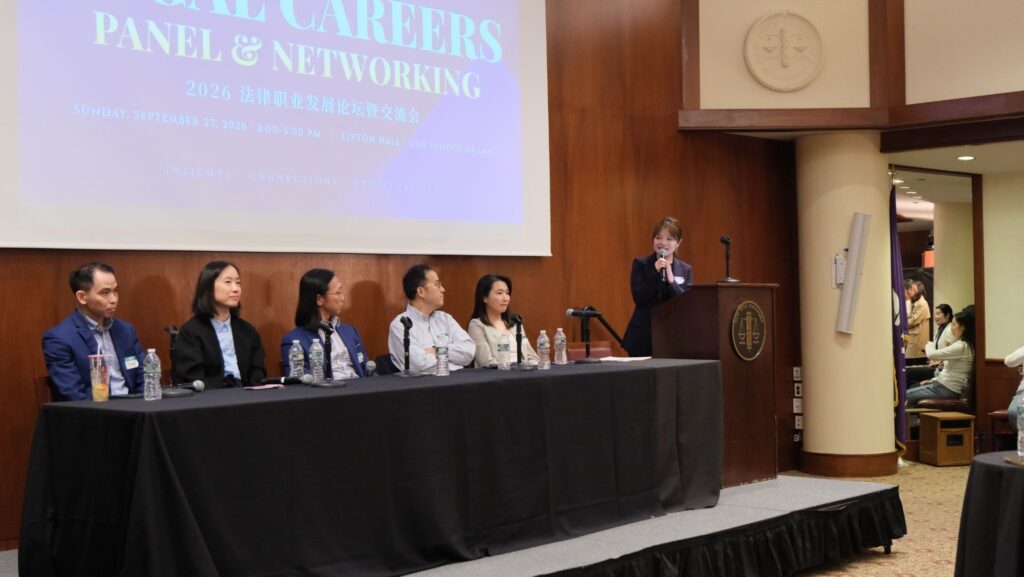
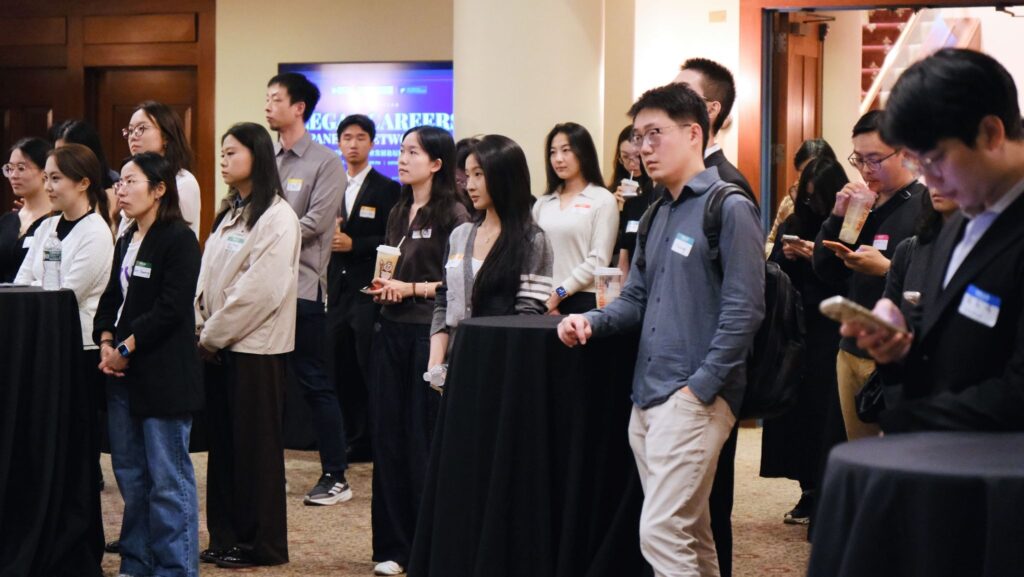
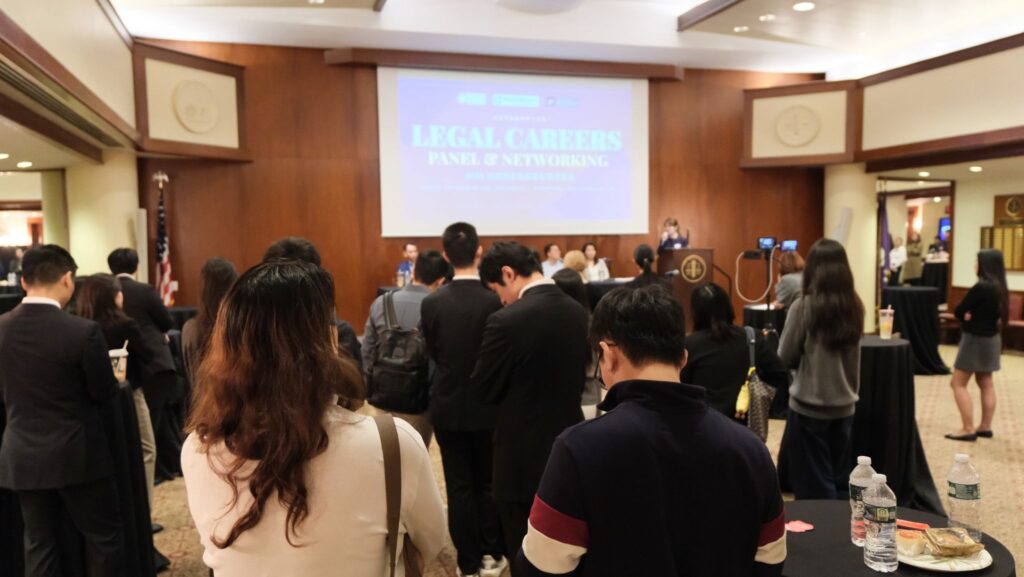
On Sunday, September 27, 2026, AABANY’s Asia Practice Committee (APC), together with the NYU Chinese Law Students Association (CLSA) and the Chinese American Lawyers Forum (CALF), hosted “Career Panel Insights from the Bar: 2026 Legal Careers Panel & Networking” at Lipton Hall, New York University School of Law. The afternoon brought together more than 100 law students, LL.M. candidates, recent graduates, and practicing attorneys for a candid conversation about launching and building a legal career in New York.
Hardy Zhou, Tax Associate, Cooley LLP; Co-Chair, AABANY Asia Practice Committee
The panelists reflected on the paths that led them to their current roles, from in-house practice at a global financial institution (Lian Duan) and partnership at an international law firm (Jonathan Zhou), to co-founding a law firm (Angus Ni) and practicing litigation (Simona Xu) and tax at a national law firm (Hardy Zhou). Their stories showed that legal careers are rarely linear and that the skills, relationships, and reputation built early on carry forward across very different settings.
The conversation also addressed questions of particular interest to the audience, including choosing a practice area, making the transition from law school to practice, cross-border and China-related work, and considerations facing internationally trained lawyers and LL.M. graduates entering the U.S. legal market. Panelists also shared practical advice on mentorship, networking, and professional development.
After the panel, attendees put their own questions to the speakers in an open Q&A before the event moved into a networking reception. Over refreshments and mooncakes – a nod to the Mid-Autumn Festival just days earlier – students and attorneys continued the conversation, exchanged contacts, and connected with the panelists one-on-one.
AABANY and the Asia Practice Committee thank Lian Duan, Jonathan Zhou, Angus Ni, Simona Xu, and Hardy Zhou for generously sharing their time and insights; our co-hosts, NYU CLSA and CALF; and NYU School of Law for hosting us. To learn more about the Asia Practice Committee and its upcoming programs, visit this page and keep an eye on the AABANY calendar.
– Written by Ruixi Fu, Vice Chair, AABANY’s Asia Practice Committee
On September 17, 2026, the Asian American Bar Association of New York (“AABANY”) presented “Public Charge – What We Need to Know About Upcoming Changes,” a hybrid CLE program, at the Chinese-American Planning Council (“CPC”) Manhattan Community Center. The program addressed significant changes to the public charge ground of inadmissibility scheduled to take effect on September 18, 2026.
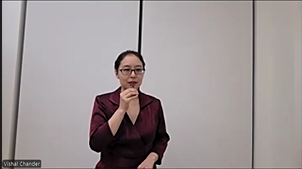
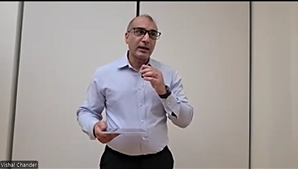
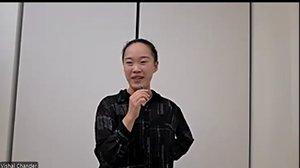
Rachel S. Lee, AABANY Board Director and Issues Committee Co-Chair and President & General Counsel of Stand with Asian Americans, moderated the program. Vishal Chander, AABANY Board Director and Issues Committee Co-Chair and Managing Attorney of The Chander Law Firm, P.C., served as the presenter. The program provided one hour of New York CLE credit in the Areas of Professional Practice category, with 24 people attending both online and in person. (Only those who attended in person received the CLE credit.)
A central focus of the presentation was the 2026 Final Rule and revised USCIS guidance, which removed much of the 2022 regulatory framework and shifted operational standards to the USCIS Policy Manual. Vishal explained that public charge determinations remain individualized, totality-of-the-circumstances inquiries, with officers considering factors such as finances, employment, education, health, household composition, and benefit use. He also discussed the broader treatment of means-tested public benefits, the continuing but non-dispositive role of Form I-864, the renewed use of public charge bonds, and the differing roles of USCIS, the Department of State, and CBP. The presentation concluded with an overview of pending litigation challenging the new framework and the legal questions surrounding DHS’s authority and use of subregulatory guidance.
Jack Hsia, Senior Attorney at CPC and a Vice Chair of the AABANY Issues Committee, joined after Vishal’s presentation to share information about CPC’s programs and resources for the community. Jack thanked the speakers and attendees for being part of an informative discussion. AABANY thanks CPC for co-hosting the program and everyone who attended in person and online. To learn more about the Issues Committee and how you can get involved, go here.
Written by Rachel Lee, AABANY Board Director and Issues Committee Co-Chair
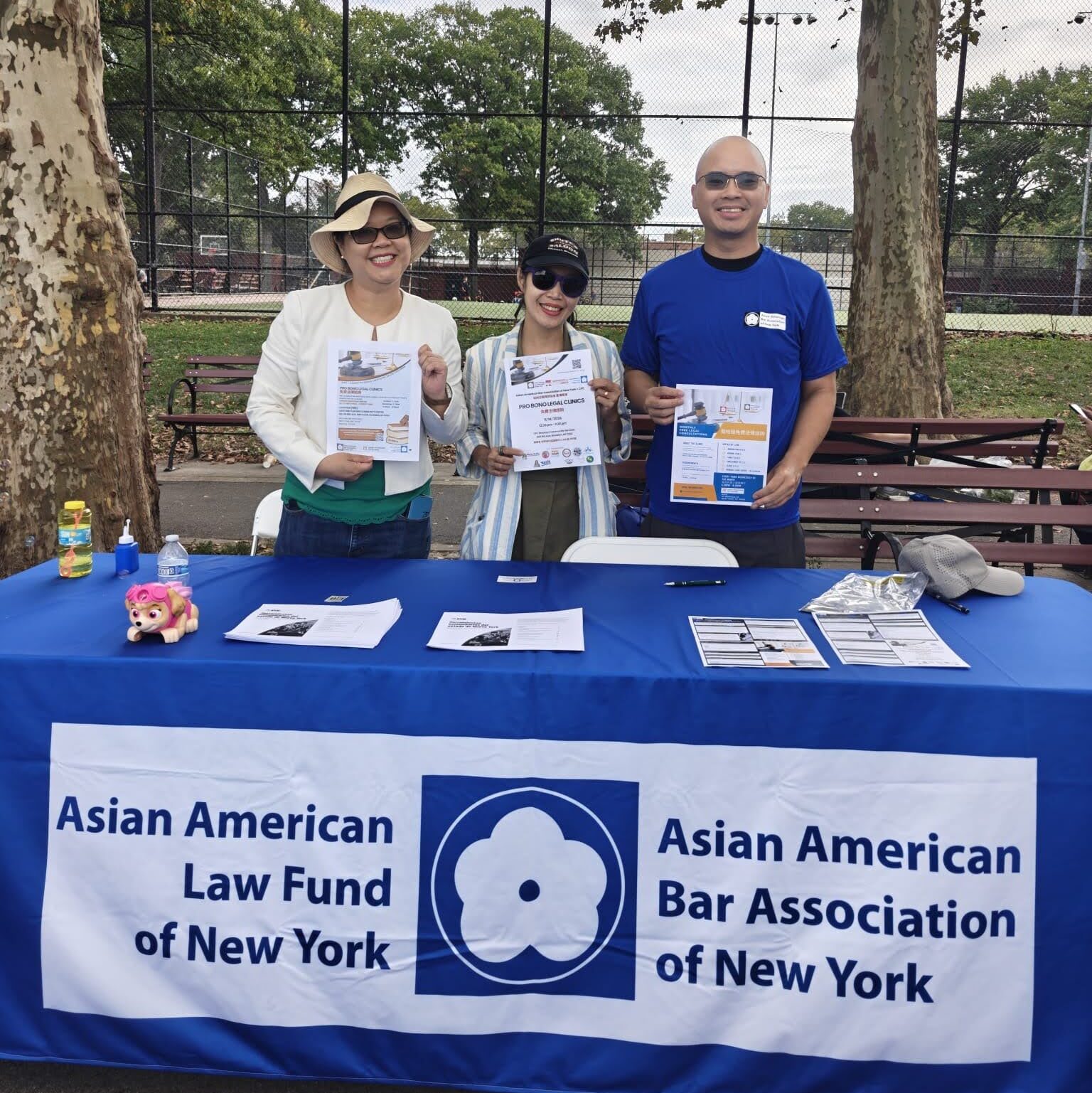
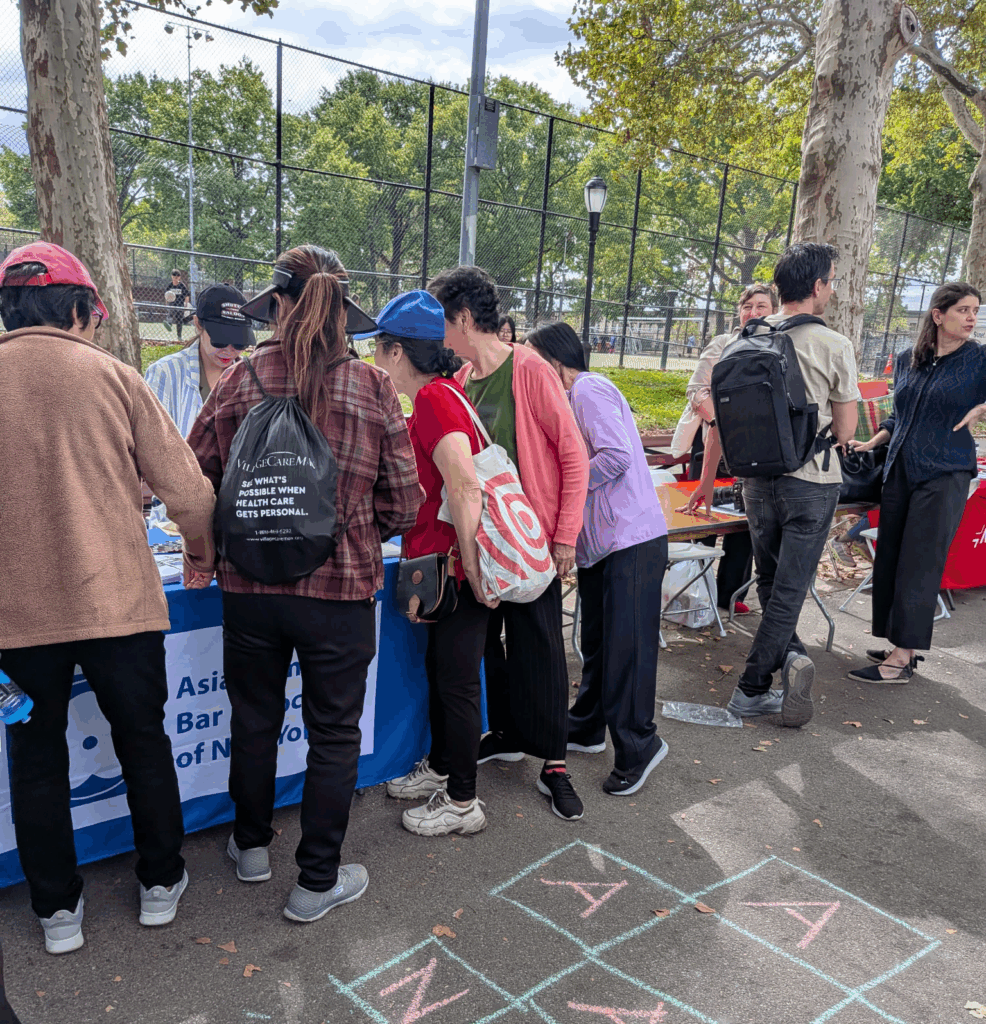
On September 19, 2026, the Asian American Law Fund (AALFNY) and AABANY’s Pro Bono & Community Service (PBCS) Committee co-hosted a community outreach table at RaisingHealth’s 11th Annual Health Empowerment Celebration Event in Sunset Park, Brooklyn. The event brought together community organizations and offered free health exams, hot meals, groceries, and other resources for local residents. RaisingHealth, formerly known as the Academy of Medical & Public Health Services, is a nonprofit health service organization founded in 2010 that supports underserved communities through culturally competent health, education, and community-building programs.
Community Outreach and Legal Resources
At the health fair, AABANY volunteers, including Kwok Ng, Co-Chair of the AABANY’s PBCS Committee, and May Wong, past Co-Chair of the PBCS Committee, along with Nandar Win Kerr, AALFNY’s Pro Bono and Grant Consultant, set up a table to pass out important resources, including:
Know-Your-Rights brochures on immigration law in Chinese and Spanish,
Throughout the fair, volunteers shared legal resources, flyers and Pro Bono Clinic promotional materials with more than 200 attendees. Volunteers also distributed Public Charge Guidance Info Sheets about the current changes to the public charge rule that took effect on September 18, 2026. A shout-out to the Asian American Federation (AAF), Chinese-American Planning Council (CPC) and Issues Committee (Co-Chairs Vishal Chander and Rachel Lee) for providing training, toolkits and resources that helped volunteers share accurate information with the community members in their native languages.
The Public Charge materials were provided by the New York Immigration Coalition and Asian American Federation. The materials are available in 13 Asian languages: Arabic, Bangla, Burmese, Khmer, Chinese (Traditional and Simplified), Hindi, Japanese, Karen, Korean, Nepali, Urdu, and Vietnamese.
Community members seeking assistance can contact the Mayor’s Office of Immigrant Affairs’ hotline at (800) 354-0365 or by calling 311 or the New York State Office of New Americans Hotline at (800) 566-7636. For more information, please visit Public Charge Guidance Info Sheets.
Upcoming Pro Bono Clinics
October 7th – Queens: Interested volunteers should registerhere. 6:30 – 8:30pm, AAFE One Flushing Community Center, 133-29 41st Ave, 2nd Floor, Flushing, NY 11355
October 21st – Manhattan: Interested volunteers should registerhere. 6:30-8:30pm, AAFE Community Center, 111 Norfolk Street, NY, NY 10002
November 14th – Brooklyn: Interested volunteers should registerhere. 12:30 – 3:30pm, CPC Brooklyn Community Services, 4101 8th Avenue, 3rd Floor, Brooklyn, NY 11232