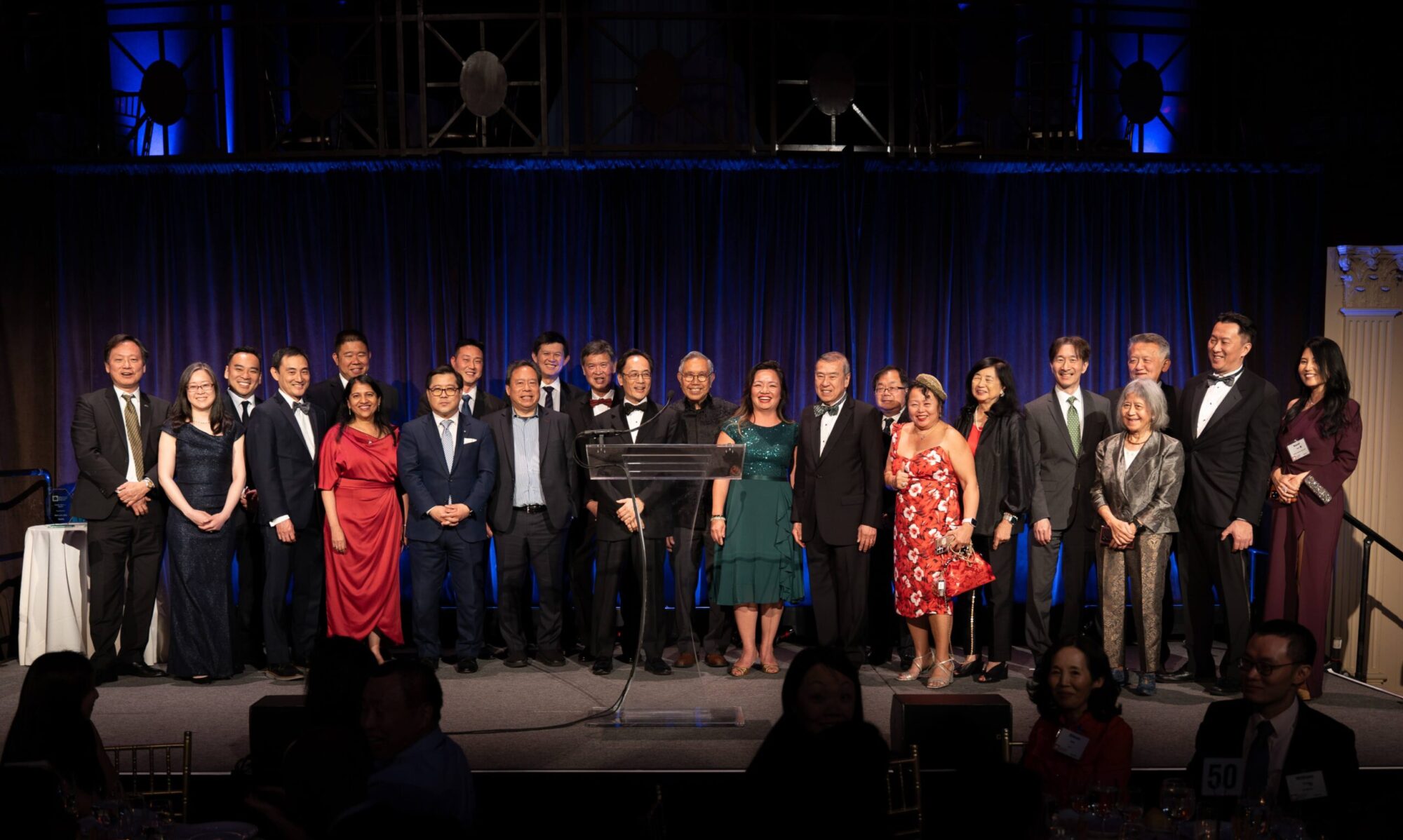
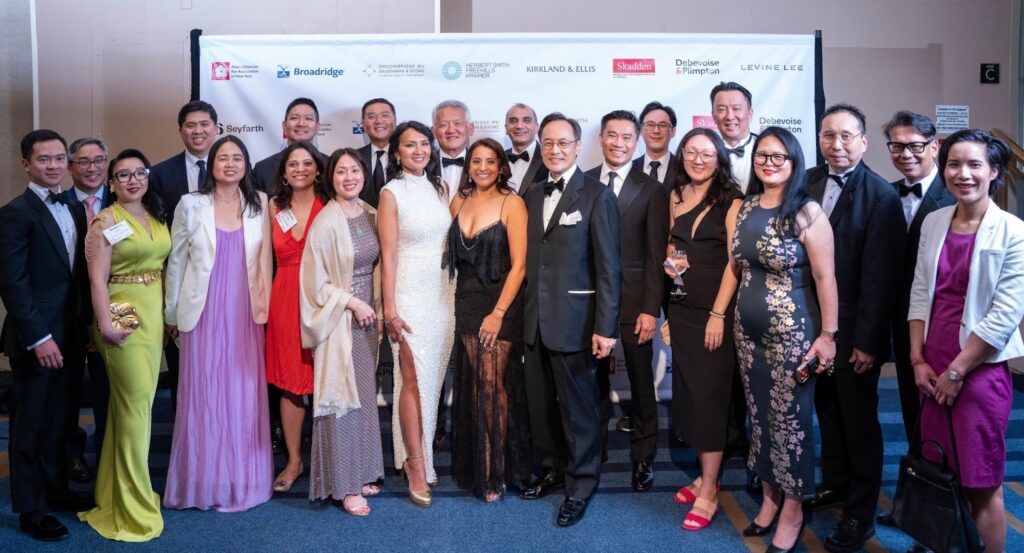
NAPABA is proud to announce the 2026-27 Board of Governors, who will be sworn in during the 2026 NAPABA Convention in Los Angeles.
Our NAPABA community thrives because of dedicated members who step into leadership roles across the organization. From the national Board of Governors to our affiliate leaders, substantive committees, affinity networks, and professional development programs, NAPABA’s impact is fueled by the vision, energy, and service of our volunteers.
We are grateful for all of our leaders and their commitment to advancing NAPABA’s mission and strengthening the AANHPI legal community.
If you are interested in serving and shaping the future of NAPABA, please contact Priya Purandare to learn more.
2026-27 NAPABA Board of Governors
Executive Committee President | Jason DeJonker, Seyfarth Shaw LLP
President-Elect | Sapna Palla, White & Case LLP
Treasurer | Arlene Yang, Center for Employment Opportunities, Inc.
Secretary | Brian Wong, ServiceNow, Inc.
Immediate Past President | Joseph Yao, Retired
Executive Director | Priya Purandare, Ex-Officio, NAPABA
Regional Governors Central | Beth Olivera, Cozen O’Connor
Central California | Jason Liang, Liang Ly LLP
Eastern California/Nevada | Glicel Sumagaysay, Law Office of Glicel Sumagaysay
Northeast | Alan Y. Wong, KabaFusion
Northeast | Jack Yu, Fasken
Northern California | Raymond Rollan, State Bar of California
Northwest | Lily Zhang, Owen Bird Law Corporation
Southeast | Onchantho Am, University of Central Florida
Southern California | Julie Houth, Thomas Jefferson School of Law
Southwest | Phil Kim, Jackson Walker LLP
At-Large Board Members Benes Aldana, Judicial Pathways and Leadership Strategies, LLC
Kainoa Asuega, Crowell & Moring
Anushree Bagrodia, Starbucks
Phil Bautista, Taft Stettinius & Hollister LLP
Vishal Chander, The Chander Law Firm, P.C.
Eemaan Jalili, Jalili Law PC
Eugene Kim, Vanguard Cleaning System
Alicia Limtiaco, Former Attorney General of Guam & U.S. Attorney for Guam and NMI
The Daniel K. Inouye Trailblazer Award is NAPABA’s highest honor, celebrating the outstanding achievements of lawyers whose leadership and dedication have left a profound mark on both the legal profession and the Asian American, Native Hawaiian, and Pacific Islander (AANHPI) community. This lifetime achievement award recognizes those whose vision, courage, and commitment have opened doors and paved the way for future generations of attorneys.
Trailblazers are leaders who have not only excelled in their practice but have also made enduring contributions to advancing equity, opportunity, and justice within the legal community and beyond.
NAPABA is honored to celebrate the 2026 Trailblazer Award recipients and their extraordinary impact at this year’s NAPABA Convention in Los Angeles.
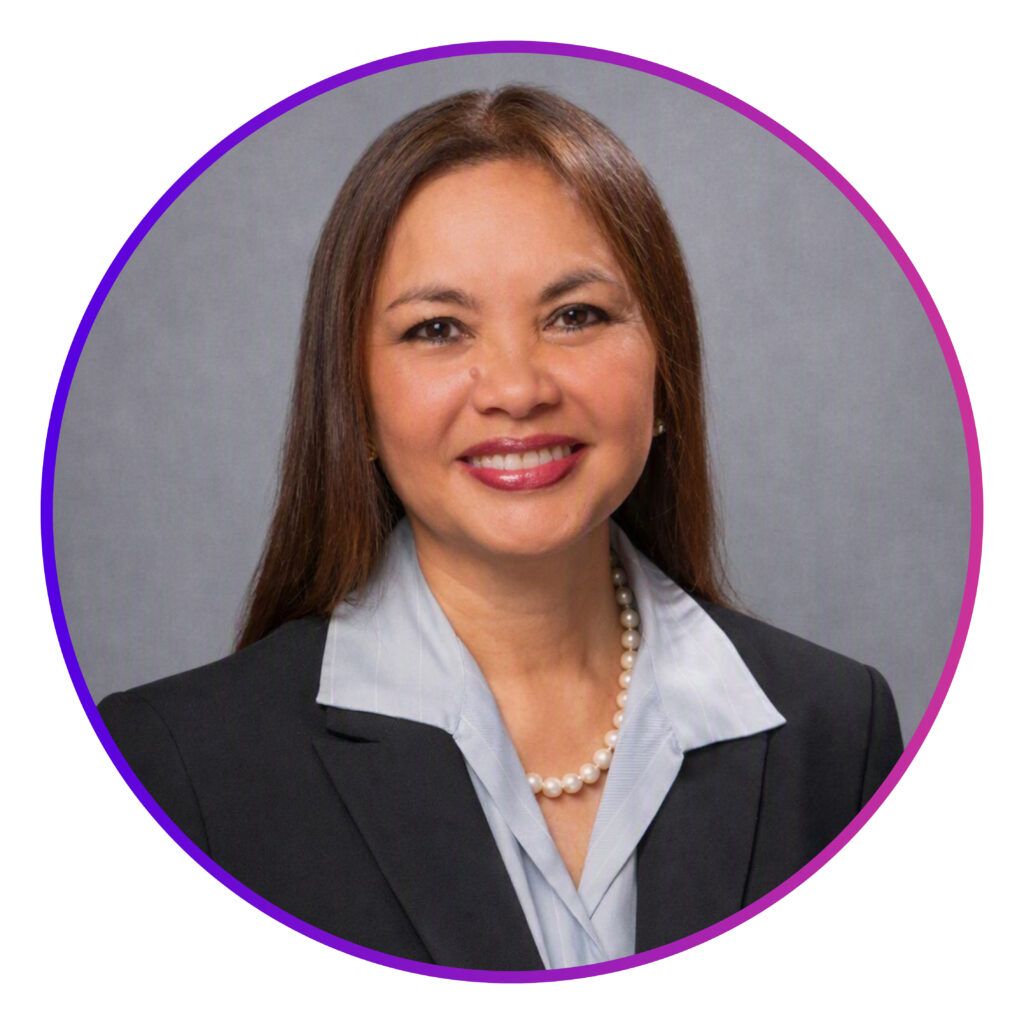
Alicia Garrido Limtiaco, Esq. Former Attorney General of Guam & U.S. Attorney for Guam and NMI, NAPABA At-Large Board Member, ABA Representative to UN ECOSOC
Alicia Limtiaco’s distinguished career in public service has been marked by historic firsts and an enduring commitment to justice, representation, and the communities she serves. She made history as the first woman elected Attorney General of Guam and later as the first woman appointed United States Attorney for the Districts of Guam and the Northern Mariana Islands. Throughout her career, Alicia has championed protections for vulnerable communities, including efforts addressing family violence, human trafficking, child exploitation, civil rights, and public safety. Her leadership has also brought the experiences and perspectives of Pacific and Indigenous communities to national and international forums. Within the AANHPI legal community, Alicia broke another barrier as the first Pacific Islander and first attorney from Guam to serve on NAPABA’s Board of Governors, helping ensure that Pacific Islander voices have a place in national legal leadership.
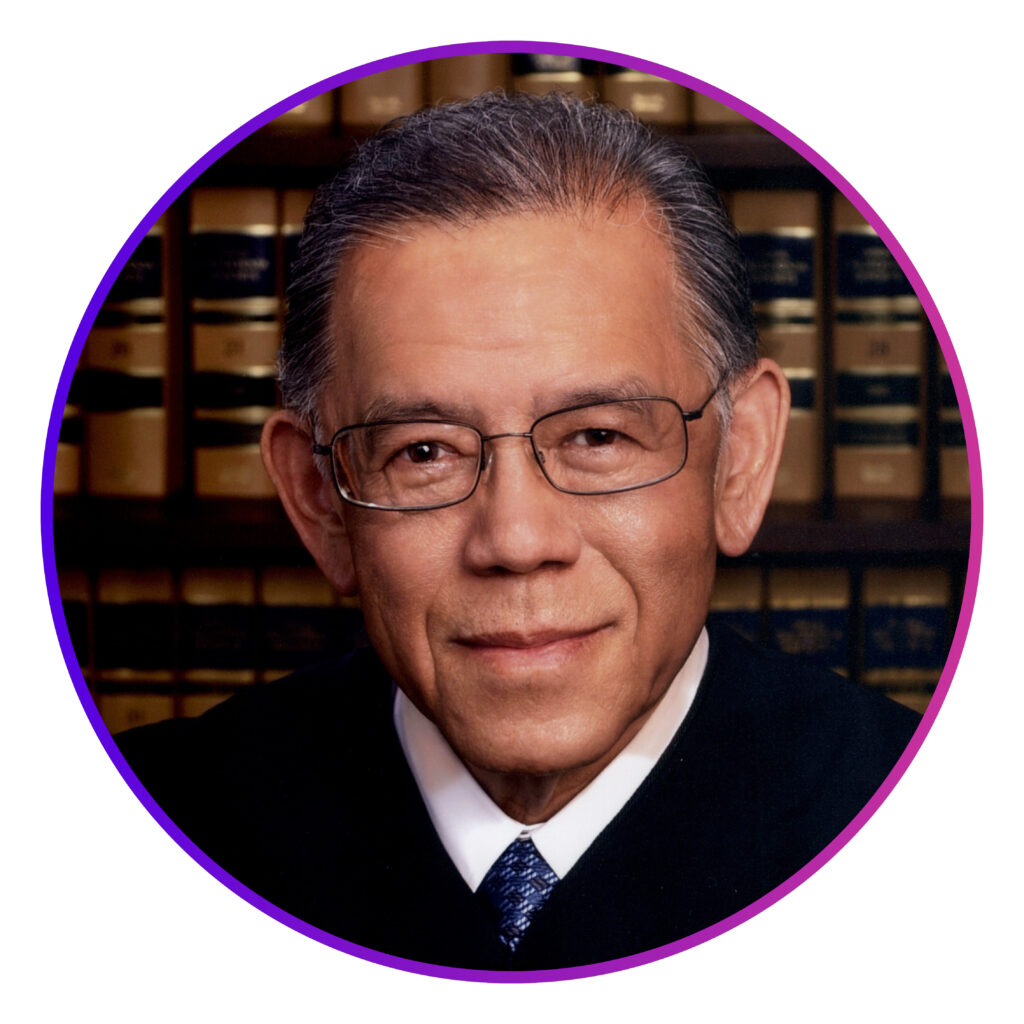
The Honorable Elwood Lui Administrative Presiding Justice, California Court of Appeal, Second Appellate District
Justice Elwood Lui’s more than five decades of service have left an enduring mark on California’s judiciary and AANHPI legal community, opening doors and building institutions for generations of attorneys and judges. In 1981, he became the first Chinese American appellate judge in California and later became the first Asian American to serve as Administrative Presiding Justice of any California Court of Appeal. His influence extends well beyond his own historic appointments. Justice Lui co-founded the Southern California Chinese Lawyers Association in 1975 and founded the California Asian Pacific American Judges Association in 1981, creating institutions that have supported and connected generations of AANHPI attorneys and judicial officers. Throughout his career on the bench, in private practice, in public service, and as an educator and mentor, Justice Lui has consistently opened doors that were previously closed to Asian American attorneys and judges and helped build the infrastructure for future generations to lead.
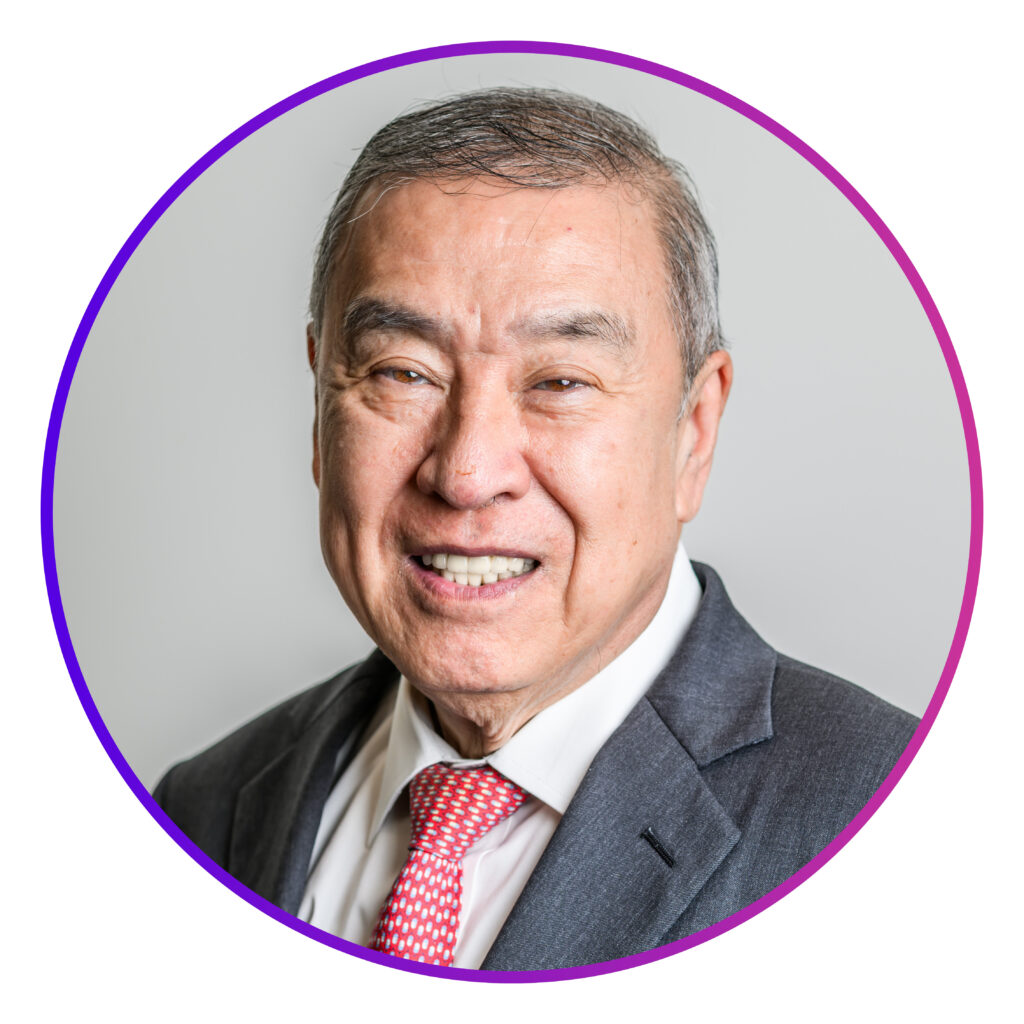
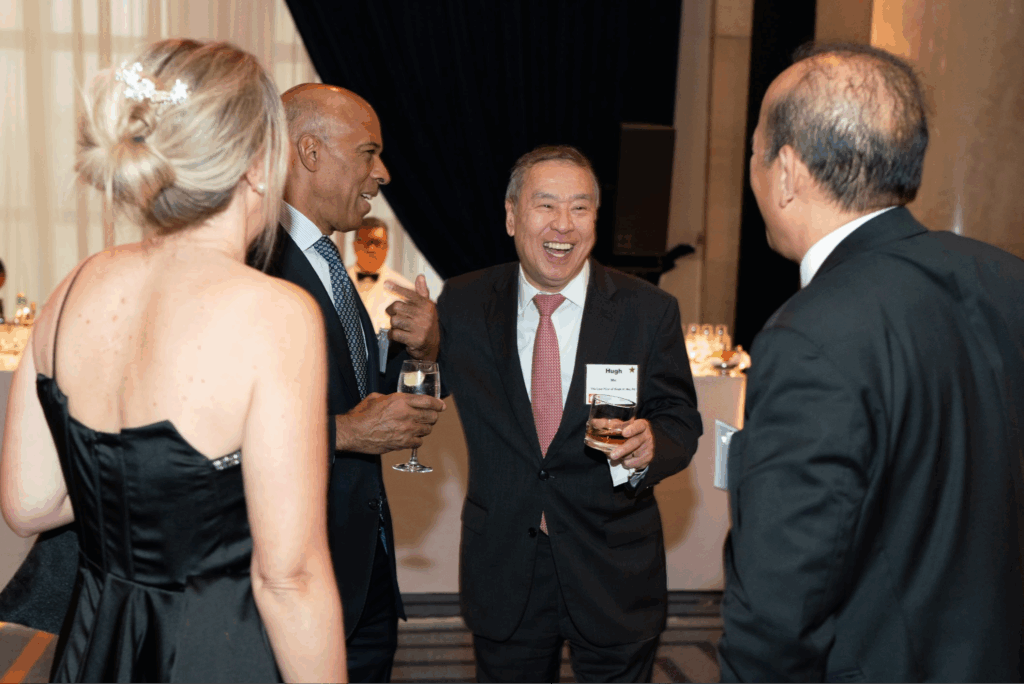
Hugh H. Mo Founder & Principal, The Law Firm of Hugh H. Mo, P.C. (“Mo Law”) Hugh H. Mo has spent nearly five decades shaping Asian American representation in law, government, and civic life through a career marked by historic firsts, institution-building, and service to his community. He broke significant barriers as the first Asian American Assistant District Attorney in the Manhattan District Attorney’s Office and later as the first Asian American Deputy Commissioner in Charge of Trials for the New York City Police Department, becoming, at the time, the highest-ranking Asian American official in New York City government. Just as significant has been his commitment to creating opportunities and institutions for those who followed. Hugh co-founded the Asian American Bar Association of New York, the Chinatown Health Clinic, now the Charles B. Wang Community Health Center, and the NYPD Asian American Police Executives Council. Throughout his career, he has paired professional achievement with sustained civic leadership, mentorship, and advocacy, leaving an enduring legacy within New York’s AANHPI legal community and beyond.
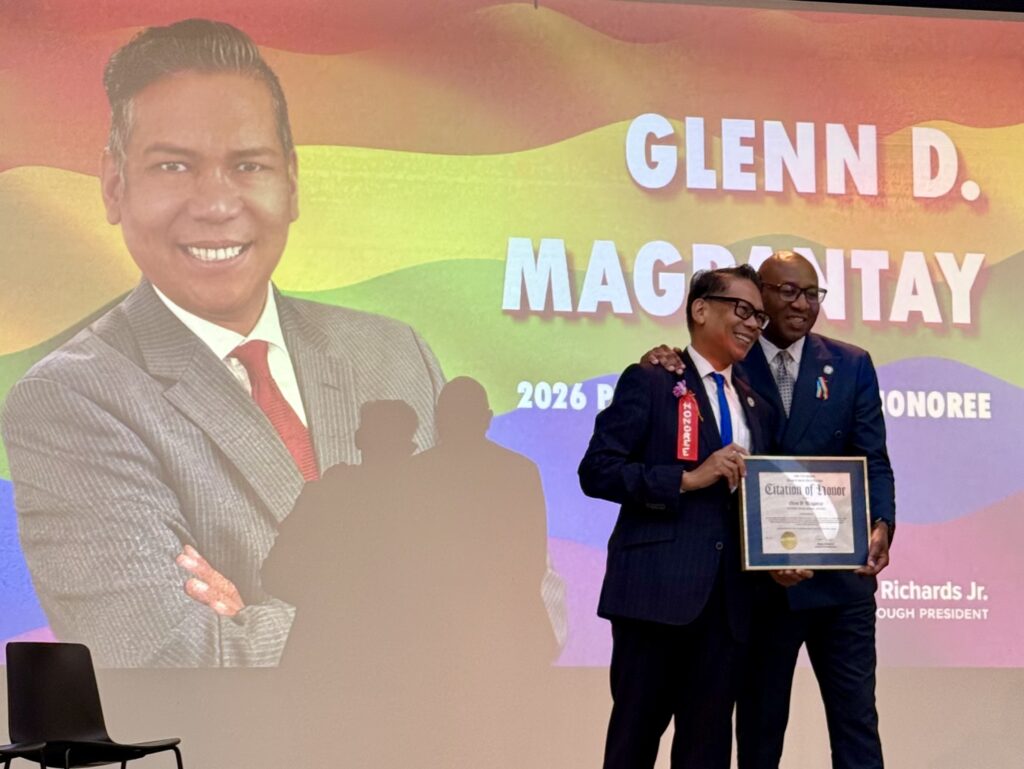
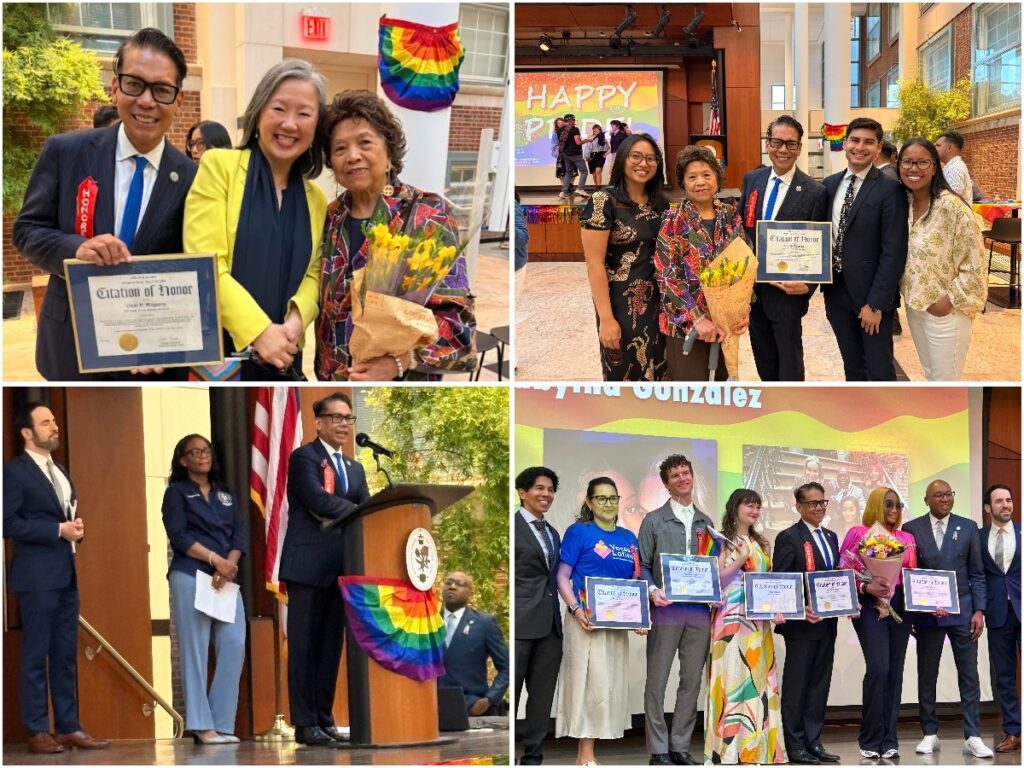
On June 24th, 2026, Glenn D. Magpantay, a Commissioner on the United States Commission on Civil Rights (USCCR), was honored at Queens Borough President Donovan Richards Jr. ‘s Annual Pride Month Celebration at Queens Borough Hall. Glenn is the first openly LGBTQ and Asian American commissioner in the USCCR since its founding in 1957. Glenn is a longtime member and leader at AABANY and a current Board Director. Recently, we took this opportunity to meet with Glenn to interview him about his lifelong work as a civil rights attorney and an LGBTQ rights activist.
In a distinguished and storied career, Glenn has been recognized with a variety of awards, including NAPABA’s Daniel K. Inouye Trailblazer Lifetime Achievement Award and the AALAM Community Service Award. However, Glenn reflects that his award from BP Richards feels different because of the incredible support he has received from others in the local community. Being a Queens native—a borough bursting with diversity—Glenn has experienced firsthand how important diversity within communities is. For Glenn, the community recognition is what makes this honor deeply personal and truly special.
In his acceptance remarks, Glenn reflected on the difficulties of coming out as a gay man during the peak of the HIV epidemic. He extended deep gratitude to his family and supporters in both the LGBTQ and legal communities, noting that their unwavering support was vital during this challenging period of his life and the successes he achieved throughout his career. He also highlighted his impactful advocacy on the USCCR, including his efforts to ensure that the Commission acknowledges violence against transgender women of color. Glenn called upon those in attendance to persistently speak out and advocate for justice. As his remarks drew to a close, he extended his sincere thanks to the community for offering their continuous support throughout his journey.
“I would have never achieved all of this, were it not for so many of you who are here in the audience today. You all have supported me and have given me poise. You have lifted me up, even though I know I’m a little heavy,” he quipped. Click here to listen to Glenn’s speech.
Glenn is a Co-Founder of the National Queer Asian Pacific Islander Alliance (NQAPIA), an organization that aims to create a world where queer and trans Asian American, Native Hawaiian, and Pacific Islander (AANHPI) people can flourish. Through this work, underrepresented communities continue to tackle ever-changing political and societal issues. Glenn claims that the changes the new administration implemented—the dismantling of Diversity, Equity, and Inclusion (DEI) programs, Temporary Protected Status (TPS), and cutbacks on transgender healthcare and services for the poor—have affected millions of minority populations across the U.S., including AANHPI and LGBTQ communities.
Glenn credits affirmative action for his success as an LGBTQ Asian American. Following the government rollback of the policies supporting underrepresented communities, many feel the current legal and political landscape is stacked against them. Faced with these issues, Glenn shares how individuals and organizations can navigate this shifting landscape:
Vote in every election
Protest injustice
Engage with your community
Cultivate allies from those not in your communities
Be more open-minded to diverse perspectives
To achieve meaningful progress, according to Glenn, it is essential to transform hearts and minds. For many AANHPI and LGBTQ individuals, this transformation begins at home and involves finding a healthy balance between traditional expectations of family duty and the fundamental right to live authentically. Glenn observes a distinct tension between traditional, collectivist, and conformist Asian values and the emphasis on individualism in America, leading to the conflict that arises between parents and their second-generation children.
Glenn maintains that such cultural tenacity served as a way of survival for previous generations. It remains equally essential for navigating today’s challenges. While this cultural friction often causes painful divides, bridging these two worlds requires a slow, empathetic dialogue. “Coming out in Asian cultures is a process, not an event,” Glenn stated. “Parents have struggled and sacrificed for us. We should honor and respect them with patience.”
As a parent himself, Glenn states that his choices are guided by a desire to provide the very best for his child—similar to his own parents and many other Asian parents in America. American interactions are often transactional, while Asian interactions are deliberate and transformative—something AANHPI and LGBTQ youth must be mindful of while balancing their identities. “Unfortunately, everything that is beautiful and fulfilling in this world is a struggle to get to,” Glenn declared.
Teaching has also played a significant part in Glenn’s life. His teaching journey began when his friend, the late Professor Gary Okihiro, professor of international and public affairs at Columbia University, suggested that he teach, recognizing the unique insights the Commissioner had to share with students. Glenn chose to begin teaching as a personal mission to give back to the community with the ultimate goal of showing that students from underserved communities can also become accomplished lawyers. Many of them—first–generation immigrants or poor—have never met a brown gay attorney before. They thought that all the successful lawyers were white, male, and Jewish.
He hopes that he can help his students find a potential greater than they have ever imagined for themselves. The mentor and mentee relationships that teaching has enabled him to form motivate him to continue. He imparts his personal knowledge while the students keep him updated on current social media lingo, allowing them to form meaningful and relevant connections. Although Glenn no longer teaches, he hopes to return to the classroom sometime in the future. He is beloved and admired by his students, as his “Rate My Professor” reviews show.
Ultimately, Glenn intends to continue leveraging his role in the USCCR and his position as an LGBTQ and Asian American civil rights pioneer to help underrepresented communities achieve their fullest potential.
Please join AABANY in congratulating Glenn on his most recent recognition from Queens BP Richards during the Annual Pride Month Celebration in June.
WASHINGTON – As we commemorate the 61st anniversary of the Voting Rights Act of 1965, the Asian Pacific American Lawyers Association of New Jersey (APALA-NJ), the South Asian Bar Association of New Jersey (SABA-NJ), and the National Asian Pacific American Bar Association (NAPABA) applaud the recent enactment of the John R. Lewis Voter Empowerment Act of New Jersey. As one of the most comprehensive state-level voting rights laws in the country, the Act strengthens and enhances language access rights for all New Jersey voters, which includes a large and growing Asian American, Native Hawaiian, and Pacific Islander (AANHPI) population.
As we collectively noted in our written testimony to the New Jersey Legislature, New Jersey is one of the most diverse states in the country, which is due in large part to the AANHPI communities in the state. AANHPIs—the fastest growing demographic group in the country—make up more than 11% of the state’s residents. New Jersey is home to the nation’s fourth largest Asian American population, accounting for an 83% share of the state’s overall growth over the past two decades.
Barriers to voting, however, persist for the Asian American population. Approximately one third of all Asian Americans in this country are limited English proficient, with over 100 distinct languages and dialects spoken amongst over 50 AANHPI ethnic groups.
The Act, which builds on the language access provisions of Section 203 of the Voting Rights Act, strengthens and enhances language rights for Asian American communities in New Jersey. It represents one of the strongest language access protections for voters in the country. At a time when the federal government has removed certain language access guarantees in the delivery of critical federal services, New Jersey’s choice to improve meaningful access to the ballot box for limited English proficient voters is a welcome action for the AANHPI communities that we serve.
We thank Governor Mikie Sherrill for signing the Act into law. We also thank the New Jersey Legislature for passing the legislation ahead of this year’s midterm elections along with all of the sponsors and champions of the law.
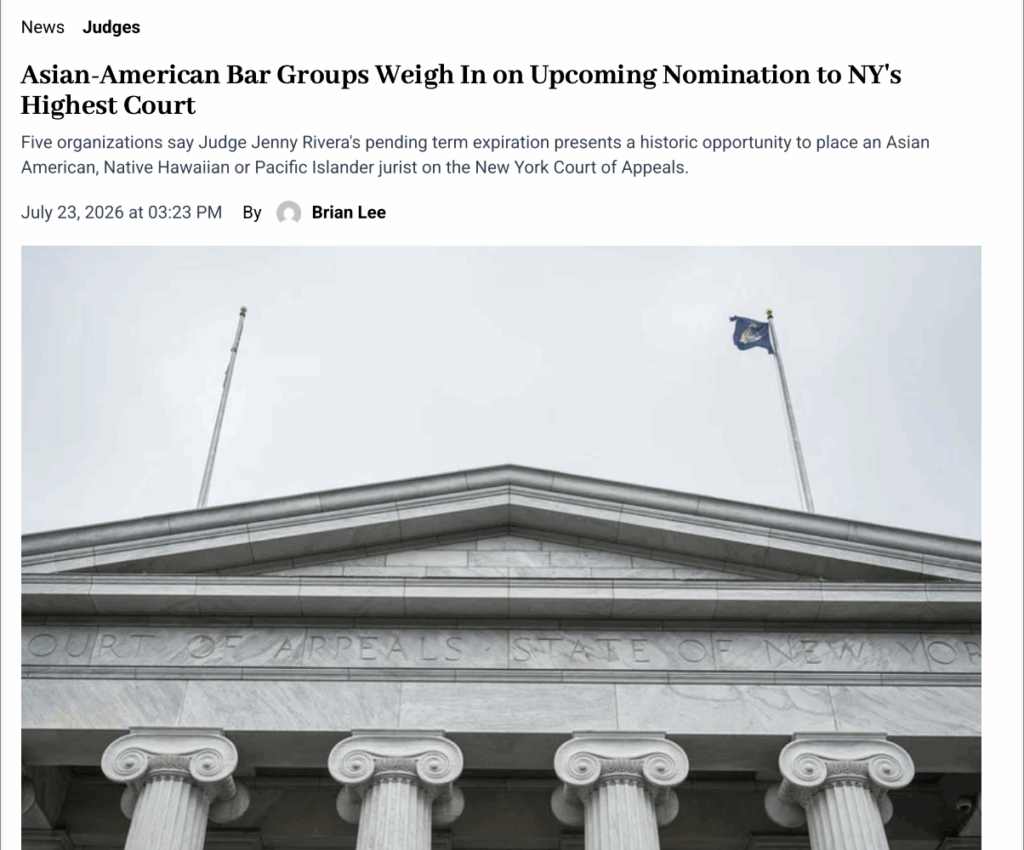
On July 23, 2026, five New York-based Asian American, Native Hawaiian or Pacific Islander (AANHPI) bar associations released a joint statement calling for Gov. Kathy Hochul to appoint the first AANHPI jurist to the state’s highest court following the expiration of New York Court of Appeals Senior Associate Judge Jenny Rivera’s term on February 10, 2027. The release was covered by TheNew York Law Journal.
The statement was issued by the Asian American Bar Association of New York (AABANY), the Filipino American Lawyers Association of New York (FALA New York), the Korean American Lawyers Association of Greater New York (KALAGNY), the South Asian Bar Association of New York (SABANY), and the South Asian Indo-Caribbean Bar Association of Queens (SAICBA-Q).
The organizations noted that no AANHPI jurist has served on the Court of Appeals in its nearly 180-year history, despite New York being home to more than 2 million AANHPI residents.
“Appointing an AANHPI judge is both timely and long overdue,” the organizations declared.
Brian Lee, writing for the NYLJ, noted that: “The most recent Asian-American candidate to reach the final stages of the Court of Appeals selection process was former Appellate Division, First Department Justice Jeffrey Oing” on the 2022 shortlist for Chief Judge.
“We urge Gov. Hochul to seize the opportunity and make a historic appointment of the first AANHPI judge to serve on the Court of Appeals,” the groups stated.
Click to view the full article here (subscription required).
WASHINGTON, D.C. – Today, the Supreme Court of the United States upheld the fundamental constitutional guarantee of birthright citizenship. In Trump v. Barbara, the Court found that Executive Order 14160, which sought to limit the scope of birthright citizenship, did not comply with the Citizenship Clause of the Fourteenth Amendment.
The National Asian Pacific American Bar Association (NAPABA) applauds the Court’s decision. It upheld what NAPABA has emphasized throughout the litigation: a constitutional right that the Asian American, Native Hawaiian, and Pacific Islander (AANHPI) community has understood and relied upon for nearly 130 years—ever since a young Chinese American fought for his birthright citizenship in United States v. Wong Kim Ark, 169 U.S. 649 (1898). The Fourteenth Amendment promises every person equal treatment under the law and includes an equal claim of citizenship for persons born in the United States, regardless of the circumstances of their parents. EO 14160 attempted to upend that promise, and we are grateful that the Court invalidated it.
In three federal courts of appeals and in the Supreme Court, NAPABA led a nationwide coalition of its affiliates and national associates to defend birthright citizenship in this litigation. We underscored the significance of Wong Kim Ark, the crucial role of Asian Americans in shaping our nation’s immigration and civil rights jurisprudence, and the disproportionate impacts that EO 14160 would have on AANHPI communities. NAPABA highlighted how the congressional debates over the Fourteenth Amendment contemplated that the children of Chinese migrants, despite being heavily despised and vilified, would receive birthright citizenship. Lastly, we maintained that the federal government distorted the holding of Wong Kim Ark and created a faulty legal and historical analogy that Chinese migrants in the late 19th century were akin to today’s lawful permanent residents (i.e., green card holders).
NAPABA is thankful to its legal team for their exemplary work: Rahat N. Babar, who serves as NAPABA’s Deputy Executive Director and General Counsel, Edgar Chen, who serves as NAPABA’s Special Policy Advisor, Chris M. Kwok, who formerly served as co-chair of NAPABA’s Dispute Resolution Committee, and Seyfarth Shaw LLP (Wendy M. Feng, Owen Wolfe, and Lori Chen).
On Thursday, May 21, 2026, during AANHPI Heritage Month, the NYC Office of Special Narcotics brought together staff and community members for a screening of Voices Against Anti-Asian Hate, a documentary co-produced by the Asian American Bar Association of New York (AABANY) and the Asian American Law Fund of New York (AALFNY). The film centers on the deeply personal experiences of individuals and families impacted by anti-Asian violence. The event presented a moment to sit with America’s history of anti-Asian violence and its haunting legacy: from the exclusion laws of the 19th century, to the internment camps of World War II, to the waves of attacks that surged during the COVID-19 pandemic and continues today.
Throughout the documentary, the phrase, “This was not charged as a hate crime” was repeated again and again in multiple stories. One of the most striking stories was an interview with Patricia, who spoke candidly about her own experience navigating the system after being assaulted. Patricia did everything she could, seeking every available avenue, and still found no justice. After months without any response, she discovered AABANY’s Pro Bono Clinic, which provided actionable steps and legal advice to address her situation. For survivors who arrive vulnerable and unsure where to turn, that kind of grounded, practical guidance is as necessary as it is rare. Patricia pointed to what she identified as one of the most pressing and underappreciated challenges facing the AANHPI community: not a lack of willingness to report, but a lack of response from law enforcement.
Following the screening, a panel discussion brought the film’s themes into direct conversation with legal experience and community advocacy. Moderated by Kay Nguyen, Deputy Chief of the Alternatives to Incarceration Unit for the Office of the Special Narcotics Prosecutor for the City of New York, the panel featured James Lin, a career prosecutor recently retired from the Brooklyn District Attorney’s Office, and Yang Chen, Executive Director of the Asian American Bar Association of New York.
Photo by Alexandra Bergin
During the discussion, in response to a question, James Lin explained the intended effect of repeating, “This was not charged as a hate crime.” James Lin drew on his decades of experience in Brooklyn to speak to the ways that bias-motivated violence can be invisible within the bureaucratic logic of charging decisions. While it’s relatively straightforward to prove a crime occurred, proving the intent behind it is far harder. Yang Chen discussed the long history of anti-Asian violence, going back to the 19th century, and how to this day, charging such attacks criminally as hate crimes remains elusive, leading to a heightened sense of frustration and futility in the face of what seems to the AANHPI community to be obvious racially-motivated hate.
What emerged from the event was not despair but a sense of shared responsibility. The law has tools. Hate crime statutes exist. The question the film poses and the question the panel returns to again and again is whether those tools are being used, and how we can all develop a better understanding of the forces at work, and what changes are needed to prevent future recurrence of hate and violence against vulnerable and marginalized communities.
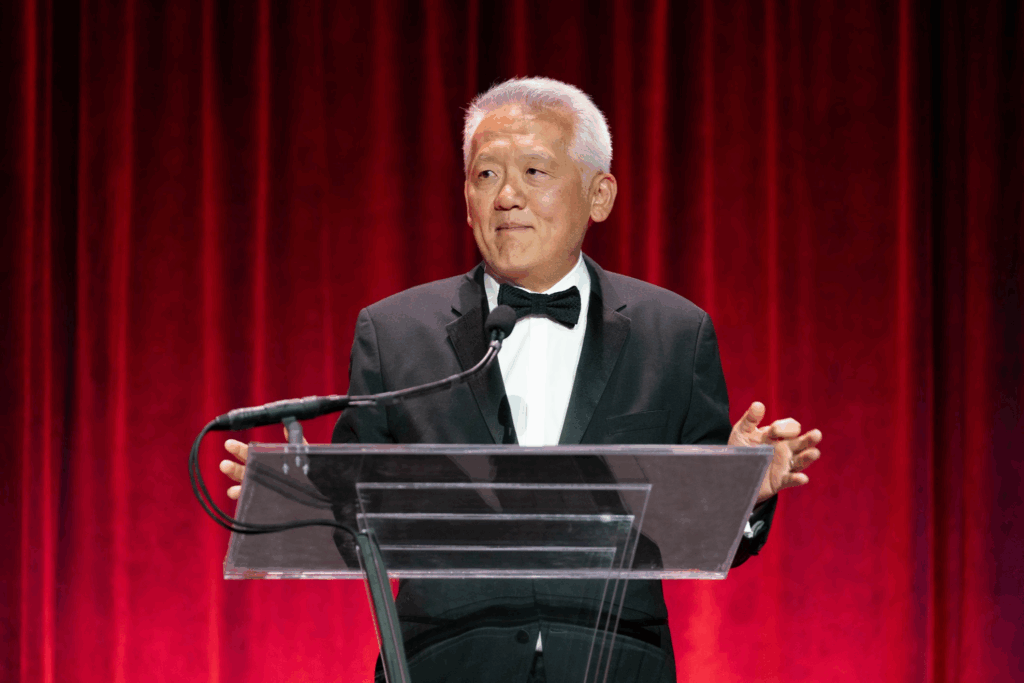
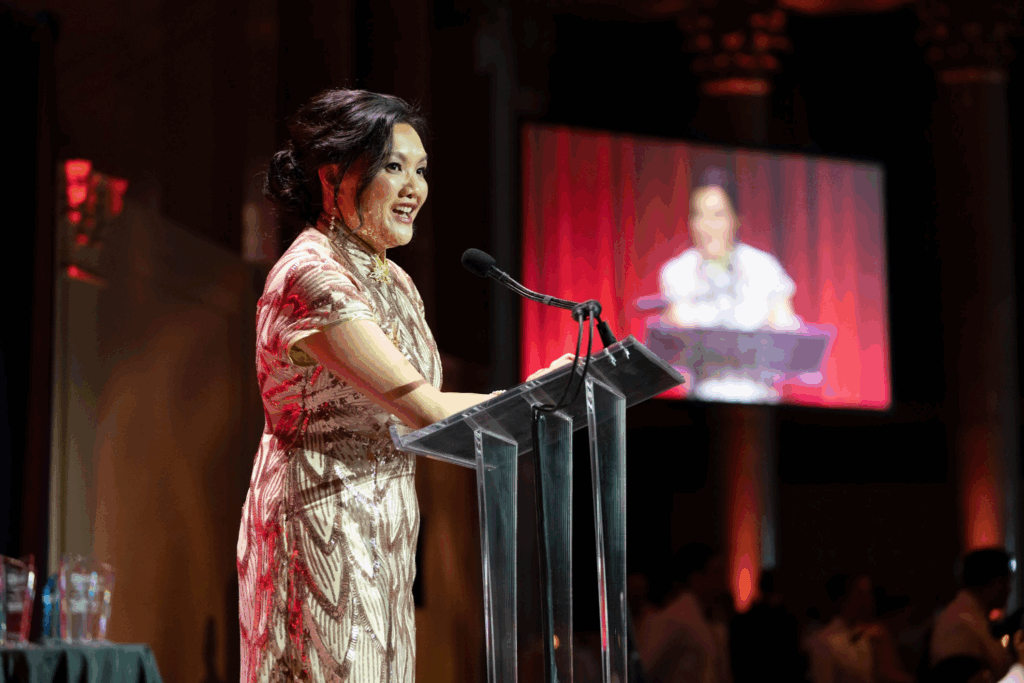
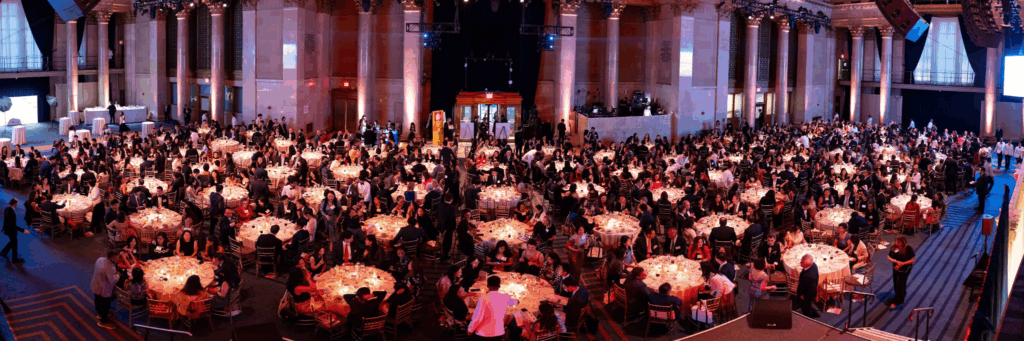
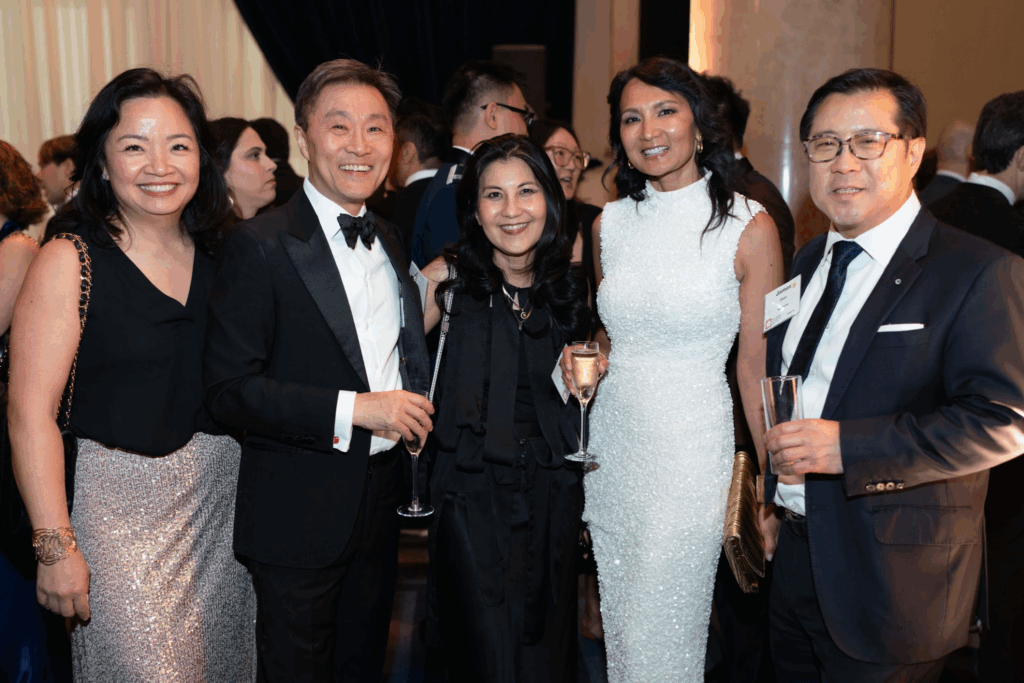
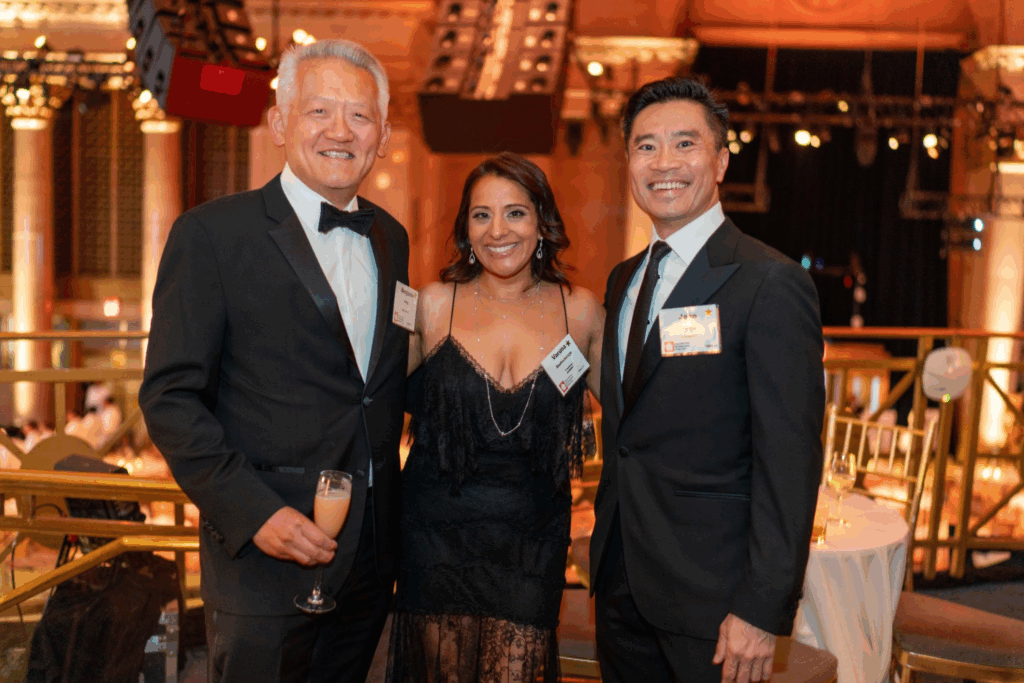
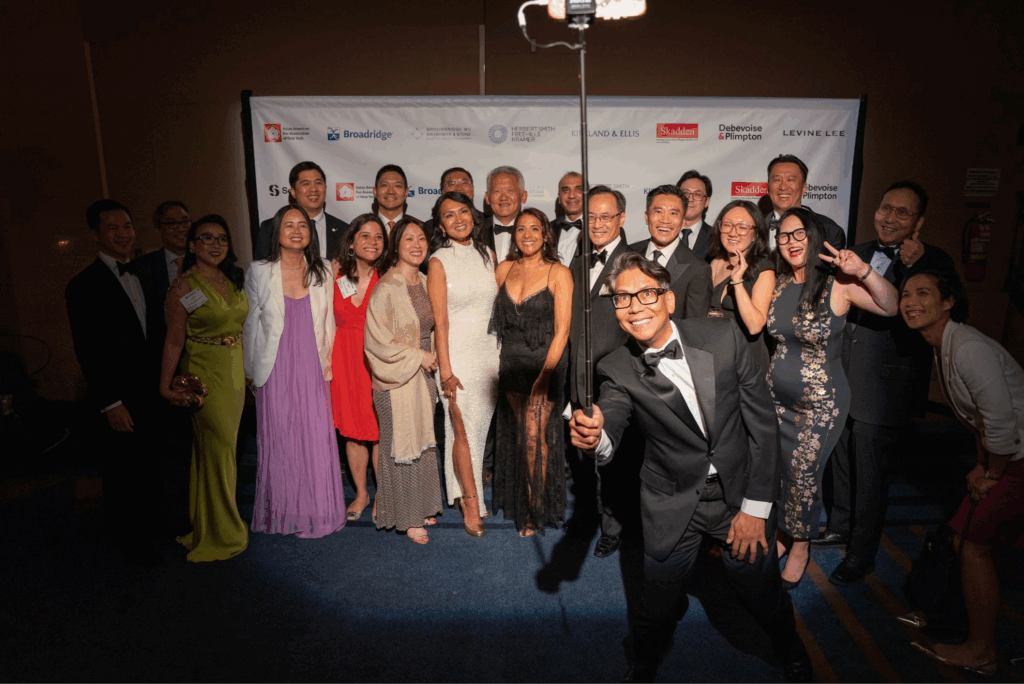
On May 28, 2026, the Asian American Bar Association of New York (AABANY) hosted its Annual Dinner under the theme: “Rising up to Meet the Future: Cultivating Tomorrow’s Leaders Today.” Held once again during Asian American, Native Hawaiian, and Pacific Islander (AANHPI) Heritage Month and at Cipriani Wall Street, the event welcomed more than 800 guests, including attorneys, judges, prosecutors, in-house counsel, government officials, and community leaders.
The evening began with an invitation-only General Counsel Reception in the Mezzanine. Shattering the records of prior years, around 70 General Counsels accepted AABANY’s invitation this year, along with many distinguished guests. We extend our deepest thanks to the General Counsel Reception sponsor, Groombridge, Wu, Baughman & Stone LLP, for helping us launch the evening on a high note. We also thank Michael Wu, former General Counsel of Bath & Body Works, for helping us with reaching out to General Counsels to join the event.
Attendees who were not attending the General Counsel Reception gathered in the West Ballroom for the Cocktail Reception, where they reconnected and made new connections over hors d’oeuvres and drinks, including Cipriani’s signature bellini.
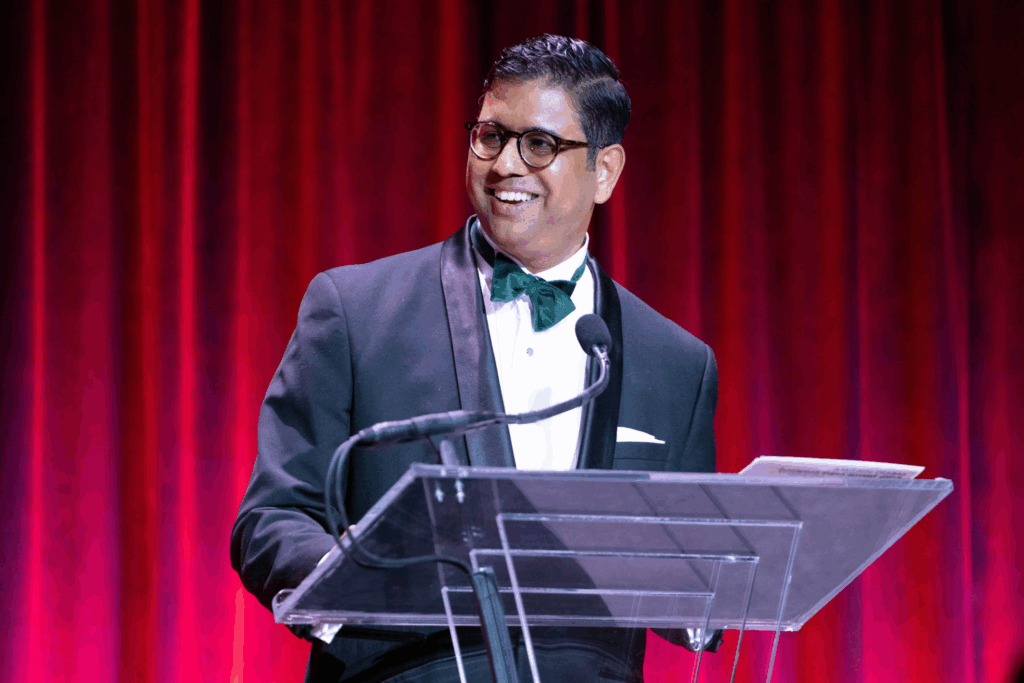
Our Master of Ceremonies Richard Lui, anchor at MS NOW and filmmaker, kicked off the program by highlighting AABANY’s myriad initiatives in the past year. Richard then invited Immediate Past President Benjamin C. Hsing, Senior Counsel at Bayes PLLC, to the stage for the Immediate Past President’s remarks. Ben welcomed everyone to the dinner and officially opened the dinner on a high note, reflecting on the prior fiscal year’s successes and achievements.
Industry Leadership Award
Following Ben’s remarks, AABANY proudly presented the 2026 Industry Leadership Award to Alvina Lo, Head of Advice, Planning, and Fiduciary Services at BNY Wealth. A tribute video introduced her as a thoughtful, pragmatic, and enthusiastic mentor and community builder. One colleague highlighted her innate “ability to connect with people” as vital to her many contributions in the trusts and estates legal field.
In her speech, Alvina began with a historical fact about Alexander Hamilton: he founded Bank of New York (BNY) in 1784, entrusting it with his family’s future assets and also making it the oldest continuously operating bank in America. As the leader of BNY Wealth’s strategic direction, Alvina continues that legacy by upholding the importance of trusts and estates law to the American Dream. She spoke of inheriting both “opportunity” and “responsibility” and the importance of building wealth in communities, because “[n]o one builds their wealth on their own.” Fittingly, she closed her remarks with another quote from the musical Hamilton: “What is a legacy? It’s planting seeds in a garden you never get to see.”
The Law Firm Leadership Award
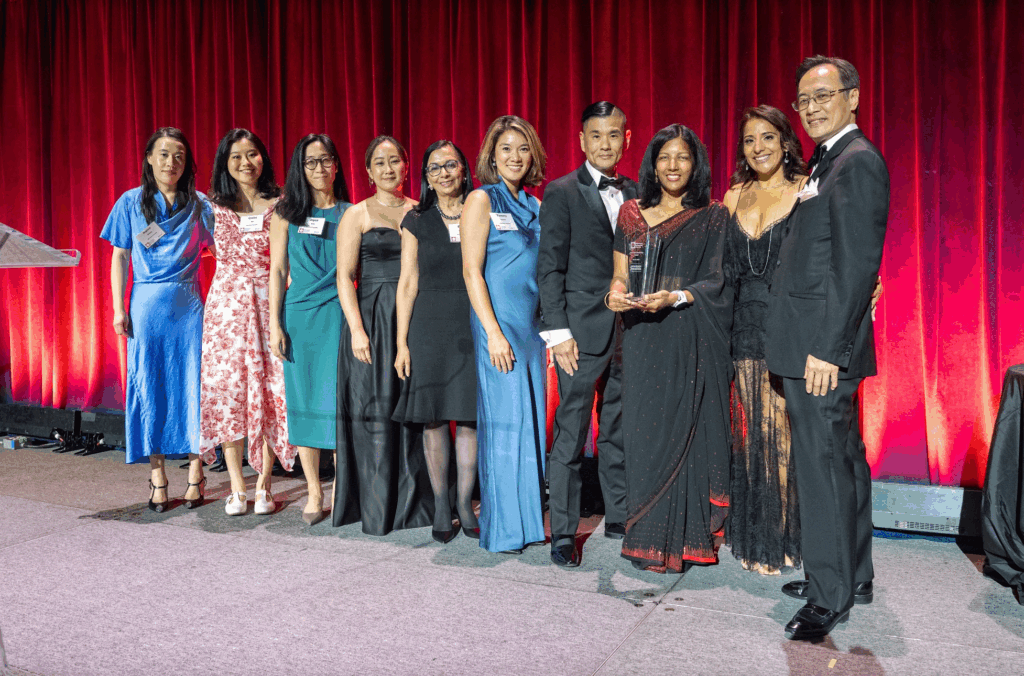
Then, the AABANY Law Firm Leadership Award was presented to Morrison Foerster (MoFo), honoring their intentional and sustained efforts to mentor and sponsor attorneys, create meaningful leadership pathways, and support a culture of equal opportunity and professional development. MoFo is a global firm known for its work across litigation, transactions, and regulatory matters, with a longstanding commitment to diversity and inclusion. The firm’s holistic approach to talent development begins with its Keith Wetmore Fellowship for Excellence, Diversity, and Inclusion, and continues through the Wetmore Bridge Program, a two-year apprenticeship-style initiative.
Haima Marlier, a partner in MoFo’s Investigations + White Collar Defense Group, accepted the award alongside a group of MoFo attorneys. Haima described her pride in working at a “firm where everyone can belong.”
Celebration and Recognition
As guests enjoyed a delicious dinner of lamb, salmon, or vegetable peperonata, they took the opportunity to network and connect with fellow attendees. Yang Chen, Executive Director of AABANY, returned to the stage to recognize the many judges and dignitaries in attendance.
The event then took a moment to publicize the AABANY Leadership Development Program, a 6-month long interactive training course designed for AABANY members who are senior attorneys navigating the promotion process within their law firms and companies. A video presentation introduced the program and highlighted it as a candid, confidential, and community-building environment.
Public Service Award
Next, AABANY proudly presented the 2026 Public Service Award to Hon. L. Austin D’Souza, recognizing his role as a lifelong public servant. Justice D’Souza is Supervising Judge of New York County Civil Court and an Acting Justice of the New York Supreme Court, Civil Term. A moving tribute video emphasized his devotion to his work, community, and family, and highlighted his ability to expand people’s views.
In his speech, Justice D’Souza honored his mother as his first mentor, who told him at a young age to “Never stop helping.” Another role model told him early in his career that “You must be a judge,” a milestone he has achieved in the New York County Civil Court and as an appointee to multiple statewide judicial commissions addressing racial equity and anti-Asian hate. He emphasized the importance of mentorship, and how “interconnectedness is reflected in our personal lives,” because, importantly, “[w]e rise together.”
Corporate Leadership Award
The evening’s final honoree, Grace Fu, received the 2026 AABANY Corporate Leadership Award. Grace is currently a Chief Legal & Administrative Officer at Nanit, an AI-powered technology company based in New York City. The video tribute highlighted Grace as extremely capable, curious, kind, thoughtful, and as someone who “projects calmness and confidence” with a “genuine warmth.”
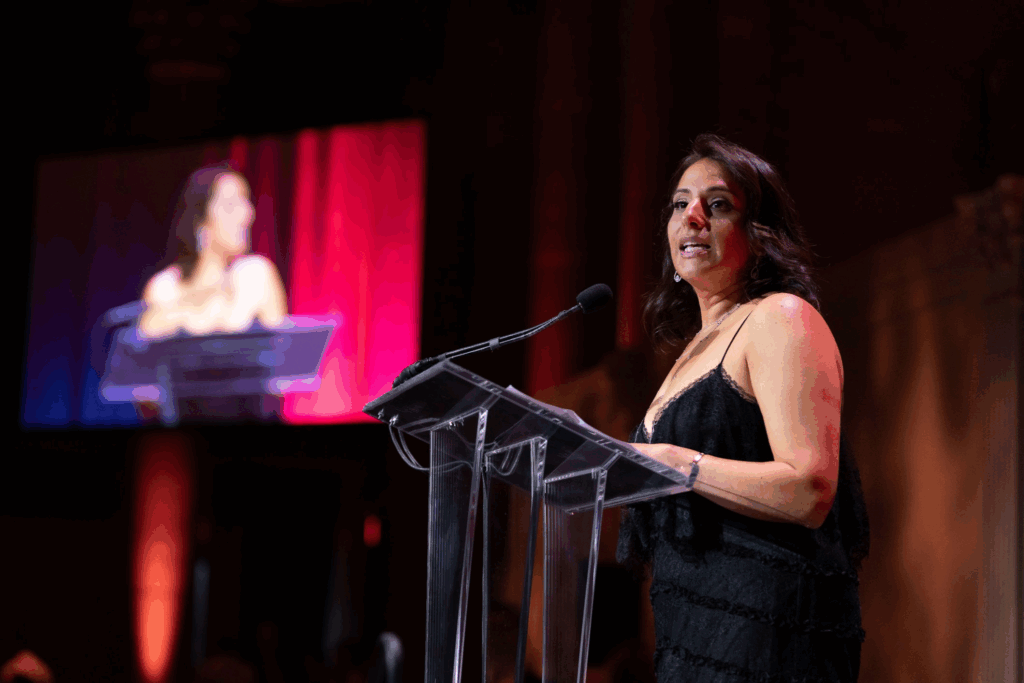
Meaningful participation in community was a recurring theme in Grace’s speech, in which she described joining AABANY 10 years ago. Drawing upon experiencing anti-Asian hate as a child, she emphasized the importance of “meaningful participation” at every level of work and community, including AABANY’s Pro Bono Clinics and the AABANY Leadership Program. As a former member of AABANY’s Board of Directors, concluding her term at the end of fiscal year 2026, and Co-Chair of AABANY’s In-House Counsel Committee between 2016 and 2023, she closed with an impactful comment about her “renewed commitment to keep leading with integrity.”
Don H. Liu Scholars
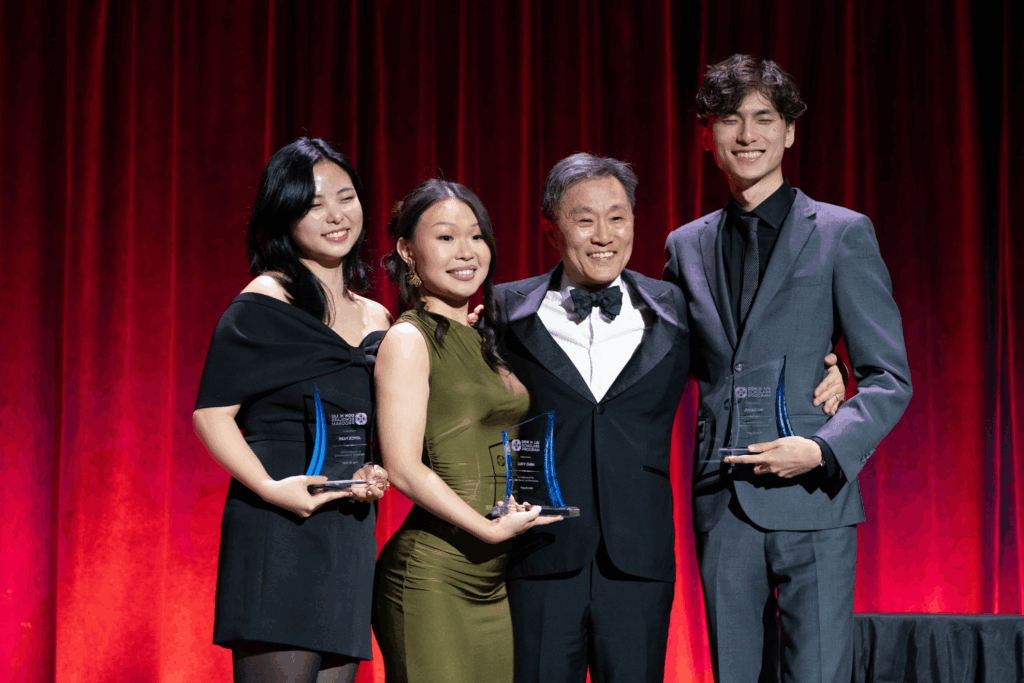
After Grace was honored, the 2026-27 Don H. Liu Scholars—Junao Lin, Lucy Chen, and Joyce Park—were recognized for their academic excellence and leadership potential. Don Liu introduced each scholar and described their personal stories and journey into the legal field. The audience was moved by the resilience and determination woven through each of their paths, which included navigating first-generation experiences, finding belonging across two worlds, and transforming the challenges of the AANHPI immigrant life into purpose. In choosing law, each scholar spoke to something larger than a career—a commitment to advocacy, representation, and opening doors for the communities that shaped them.
President’s Remarks
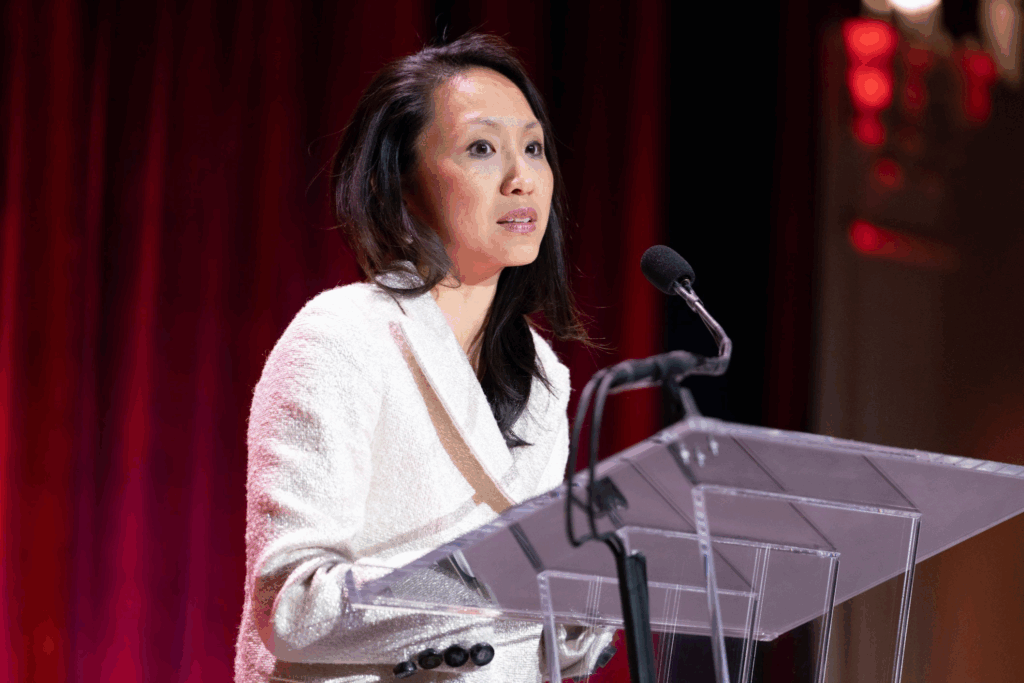
To bring the program to a close, AABANY President Varuna Bhattacharyya, Partner at Seyfarth Shaw LLP, delivered her speech, reflecting on a memorable evening, thanking the sponsors, presenters, and honorees who made the night possible, and celebrating the collective strength of the AABANY community. She explained that the theme for AABANY’s upcoming year, “Rising Up to Meet the Future: Cultivating Tomorrow’s Leaders Today,” originated from Oscar-winning animated movie K-Pop Demon Hunters. The movie’s viral song, “Golden,” has the lyrics “We’re going up, up, up,” which inspired AABANY’s theme this year. Looking to the coming year, Varuna spoke of embracing what’s to come: the “future is not abstract. It is here.” She noted that, “living in a time when the American Dream is being tested,” it becomes more important to “lift as we climb.”
Performance by Nai-Ni Chen Dance Company
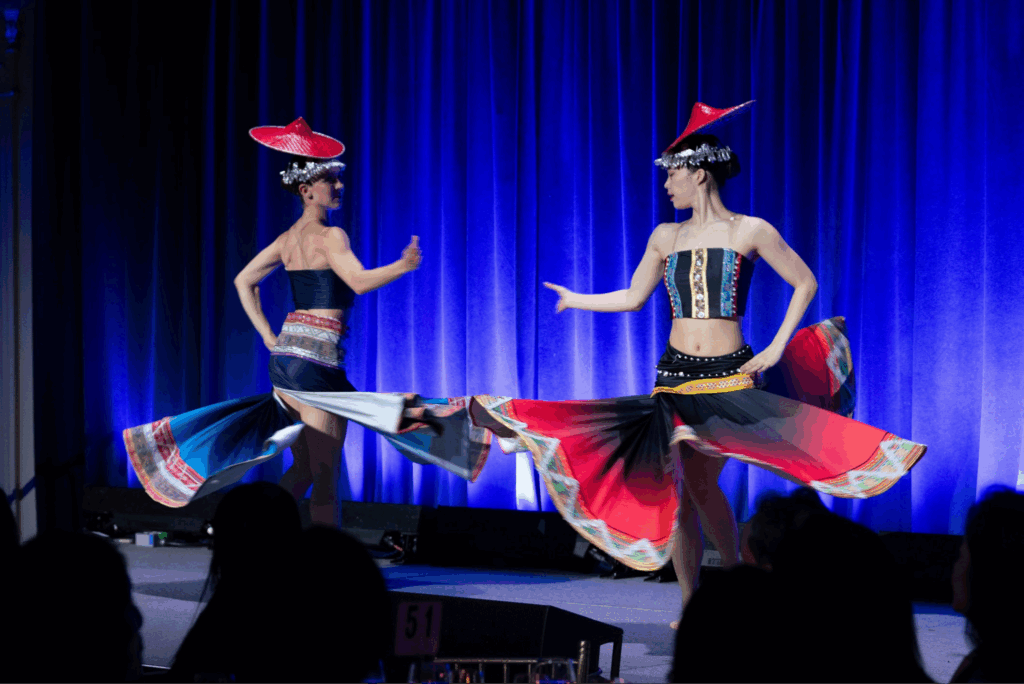
At the end of the evening, the Nai-Ni Chen Dance Company took the stage, mesmerizing the audience with their blend of traditional and innovative contemporary dance. A leading AAPI professional dance company, they are known for bridging the grace of Asian elegance and American dynamism, fusing contemporary dance with martial arts, folk rhythms, Tai Chi, and Qigong.
Closing Remarks and Acknowledgements
Following the performance, AABANY President-elect John Hwang, Partner at Linklaters, took the stage to thank the many sponsors, officers, Board members, and Committee Chairs who made the night possible, expressing his excitement for the year to come.
The celebration continued with an afterparty in the Mezzanine, where guests mingled into the night.
We thank the 2026 Annual Dinner Planning Committee, chaired by AABANY President Varuna Bhattacharyya, as well as our staff and volunteers for their tireless work in making the evening a success.
We are especially grateful to our generous sponsors, whose support enables AABANY to continue its vital work on behalf of the AANHPI legal community and the broader community we serve. Special thank-yous and acknowledgement to our Diamond, GC Reception, Platinum, and Gold Sponsors:
Lastly, we thank everyone who attended the 2026 Annual Dinner for making it so special and memorable. Please find the event program here. Photo albums from the 2026 Annual Dinner can be found here (on stage) and here (off stage). Thanks to J. McClinton Photography for the wonderful photos. Watch the videos from the Annual Dinner here. Thank you to Peter Chin for the wonderful videography.
As Asian American, Native Hawaiian, and Pacific Islander Heritage (AANHPI) Month wound down, attendees gathered on May 27, 2026 in downtown Manhattan to watch the latest historical trial reenactment produced by the Asian American Bar Association of New York (AABANY) entitled Born American: United States v. Wong Kim Ark.
United States v. Wong Kim Ark, which established birthright citizenship as a Constitutional right in 1898, is AABANY’s 17th trial reenactment. This project brings to life notable cases involving Asian Americans, Native Hawaiians and Pacific Islanders, to spotlight significant ways that AANHPI individuals contributed to the legal, social, and political history of the United States. Reenactments are first performed at the National Asian Pacific American Bar Association (NAPABA) Convention in November, then again in May during AANHPI Heritage Month in New York.
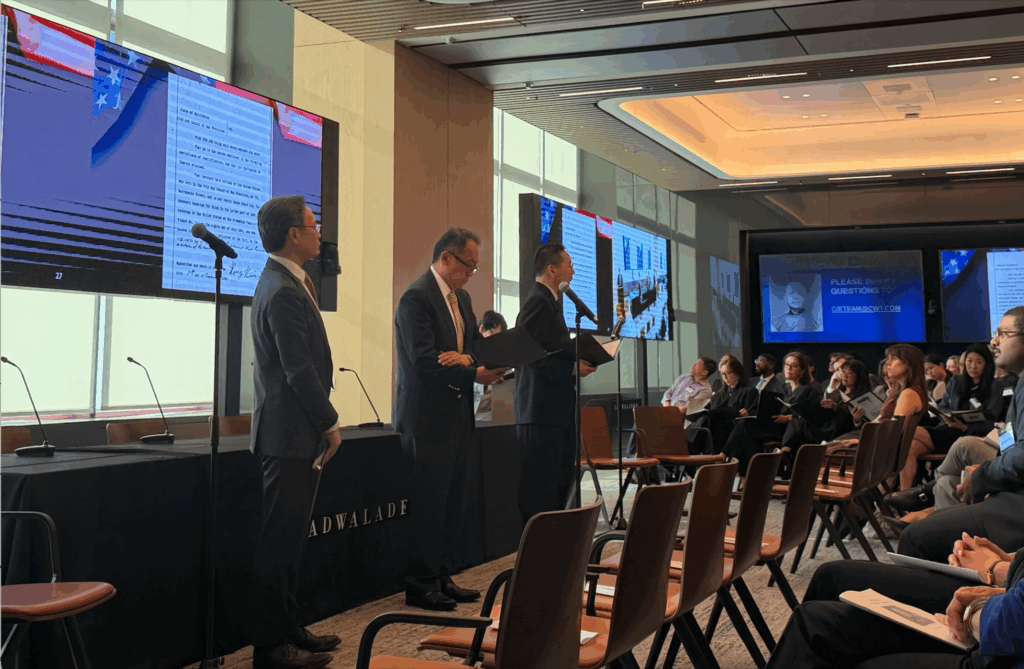
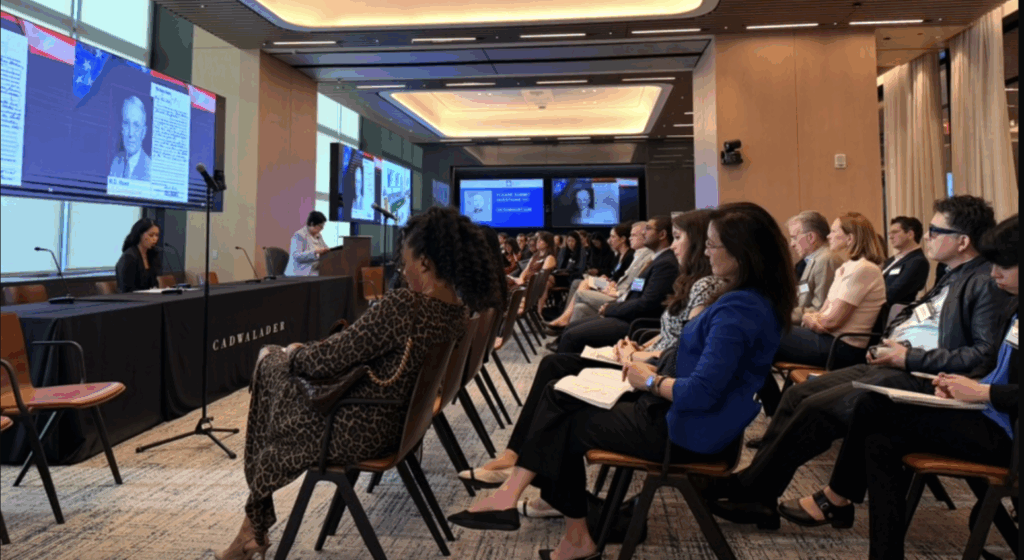
AABANY’s latest trial reenactment made its New York debut at Cadwalader, Wickersham & Taft LLP. Attendees settled in to watch a cast of 37 characters played by some 17 lawyers, including many AABANY members.
The reenactment had two narrators, who are also the writers, producers, and leaders of the AABANY Trial Reenactment team: Hon. Denny Chin, Senior United States Circuit Judge for the U.S. Court of Appeals for the Second Circuit, and Kathy Hirata Chin, a retired Partner of Crowell & Moring LLP and previously a retired Cadwalader Partner.
Other cast members included:
Anna Mercado Clark, Phillips Lytle LLP, Partner and Chief Information Security Officer (past NAPABA President, former AABANY Board Officer)
Vincent T. Chang, Law Clerk for Hon. James d’Auguste, Supreme Court, New York County, Commercial Division (former AABANY President)
Andrew T. Hahn, Hawkins, Delafield & Wood LLP, General Counsel (former AABANY, KALAGNY, and NAPABA President)
Yasuhiro Saito, Saito Law Group PLLC, Managing Partner
Francis H. Chin, Opensity Solutions, Senior Systems Engineer (AABANY Membership Director)
Yang Chen, Asian American Bar Association of New York, Executive Director (former AABANY President)
Pamela K. Chen, United States District Judge, Eastern District of New York
Concepcion A. Montoya, Hinshaw & Culbertson, Partner
Lauren U.Y. Lee, Korean American Family Service Center, Board of Directors; Cadwalader, Wickersham & Taft LLP, former Special Counsel
Kiyo A. Matsumoto, Senior United States District Judge, Eastern District of New York
Rose Cuison Villazor, Rutgers Law School, Professor of Law and Chancellor’s Social Justice Scholar
Jacob Chen, DGW Kramer LLP, Litigation Partner
Jane Kim, Wigdor LLP, Partner; former clerk for Hon. Denny Chin
Janicelynn Asamoto Park, Proskauer Rose LLP, Partner; former clerk for Hon. Denny Chin
Jessica C. Wong, Cadwalader, Wickersham & Taft LLP, Special Counsel
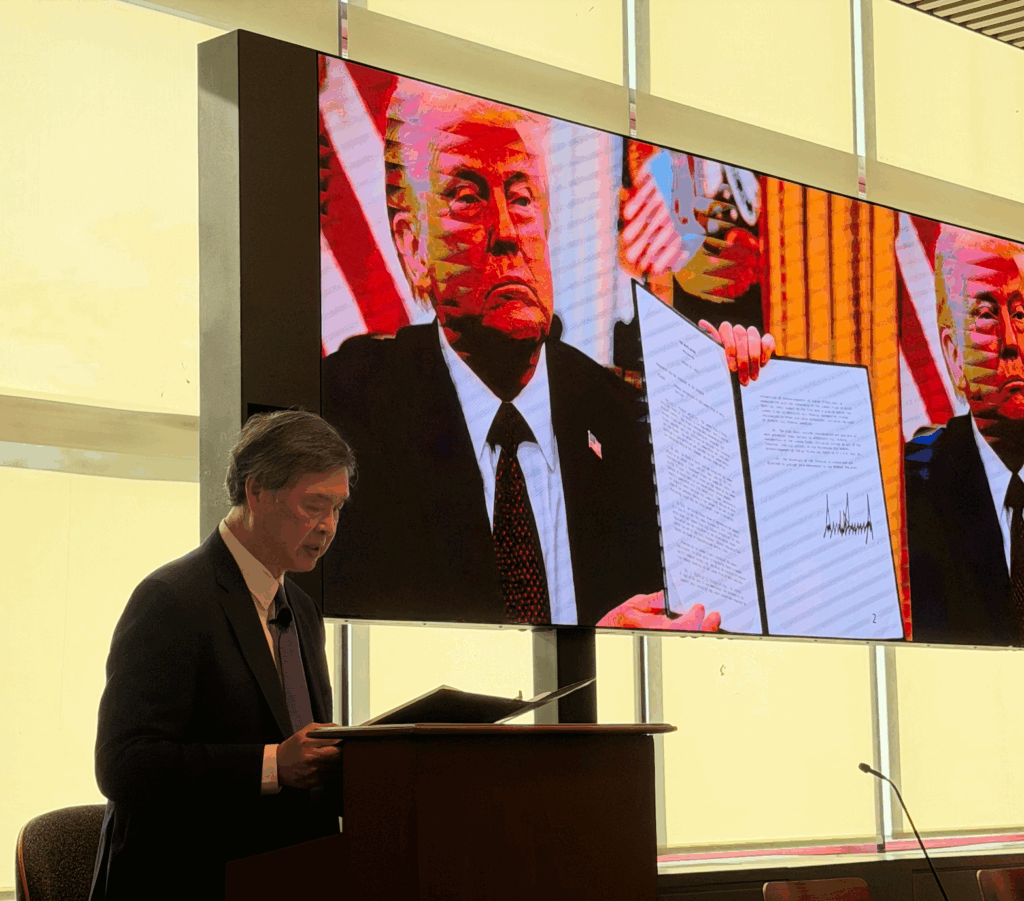
This reenactment was bookended by the case’s connection to current events. The narrators described President Donald Trump’s January 2025 Executive Order 14160, “Protecting the Meaning and Value of American Citizenship,” which sought to remove birthright citizenship from US-born children of parents who are undocumented or in the country temporarily.
This case follows the story and life of Wong Kim Ark, who was born in San Francisco to Chinese immigrant parents in 1870, one of only 518 ethnic Chinese born in the United States that year. Wong took multiple trips back to China, before returning to America in 1894, at which point he was denied entry on the grounds of not being a citizen.
That denial was appealed all the way to the United States Supreme Court. The question before the Court was whether Wong should follow the citizenship of his parents or of where he was born. The reenactment reconstructed the Supreme Court argument, for which no transcript exists, using the briefs, the resulting court opinions, news reports, and other historical documents. Arguments revolved around whether children born in the U.S. are “subject to the jurisdiction thereof,” under its plain meaning as stated in the Fourteenth Amendment. The original intent of Congress with regard to children born to foreign-born parents, as well as the implications of barring Wong Kim Ark’s birthright citizenship upon existing immigrant communities—European immigrants—and children of other nationalities, were also explored in the reenactment.
United States v. Wong Kim Ark affirmed Wong’s citizenship in a 6-2 decision in 1898, setting a legal precedent for more than a century. The majority ruling held that the 14th Amendment’s “ancient and fundamental rule of citizenship by birth within the territory” and its “peremptory and explicit language” all made Wong an American citizen.
However, Wong’s immigration troubles did not stop there, for either himself or his children. He lived in a time when anti-Chinese sentiment was rampant. Even within the decision itself, Justice John Marshall Harlan, for the dissent, wrote that “There is a race so different from ours that we do not permit those belonging to it to become citizens of the United States.” This captures the discrimination that society had at the time towards Chinese immigrants in America.
The reenactment further explored Wong’s life, as well as his family’s, after the Supreme Court’s ruling. Wong was later arrested in 1901 upon crossing the US-Mexico border, though the case was eventually dismissed—because of United States v. Wong Kim Ark. His four sons, born in China, faced intense scrutiny when they sought to come to the United States seeking citizenship as sons of a U.S. citizen. They faced heightened suspicion and interrogation that stretched over weeks or months of detention and aimed to determine their familial relationship to Wong, a form of scrutiny common to Chinese immigrants in the early 20th century.
The end of the reenactment returned to Trump’s executive order. The many lawsuits and preliminary injunctions that responded to Trump’s January order make frequent reference to United States v. Wong Kim Ark as well-settled precedent for birthright citizenship. The reenactment shares the responses to Trump’s Executive Order, including one from Judge Deborah Boardman in Maryland, who said that the executive order “conflicts with the plain language of the 14th Amendment [and] contradicts 125-year old binding Supreme Court precedent.”
In this context, it becomes vitally important to revisit Wong Kim Ark’s life and times. Amid the prevalence of anti-immigrant rhetoric during the 1890s, United States v. Wong Kim Ark set precedent for generations of immigrants, including Asian Americans, and was reaffirmed throughout a series of 20th century Supreme Court cases, including INS v. Errico, 385 U.S. 214 (1966) and Plyler v. Doe, 457 U.S. 202 (1982).
A discussion panel and Q&A session followed the reenactment, where questions of relevance to current times were at the forefront. Attendees questioned and discussed how America would change if birthright citizenship gets overturned. Mere months ago, the Supreme Court heard oral arguments for Barbara v. Donald J. Trump, the class action against President Trump’s executive order banning birthright citizenship. It was especially enlightening to hear Judge Chin talk about how putting together this reenactment made him understand his own family’s immigration history better and shined a light on often unspoken parts of the Chinese immigrant experience.
The reenactment highlighted the reaction from Wong Kim Ark’s great-grandson Norman Wong. Norman said in an interview for a documentary, “We thought [birthright citizenship] was a dead issue. These were rights we did not have to fight for anymore. It wasn’t something that anybody would have to worry about. … Now I’m glad [my great-grandfather] stood up.”
Following the reenactment, guests and participants enjoyed a networking and dinner reception, which included hors d’oeuvres, a dinner buffet, and a delicious handroll bar. Attendees mingled as they ate, reflecting on the reenactment and congratulating the actors for a job well done.
AABANY’s reenactment of United States v. Wong Kim Ark will be made available on AABANY’s trial reenactment website, where the script and materials can be shared upon request. AABANY’s past trial reenactment scripts are also available upon request. In fact, our most popular reenactment, “The Murder of Vincent Chin,” has been performed over 30 times globally.
We are grateful to all of the participants in the reenactment for dedicating their time to this project. To learn more about the other trial reenactments AABANY has organized, please visit our reenactments website.
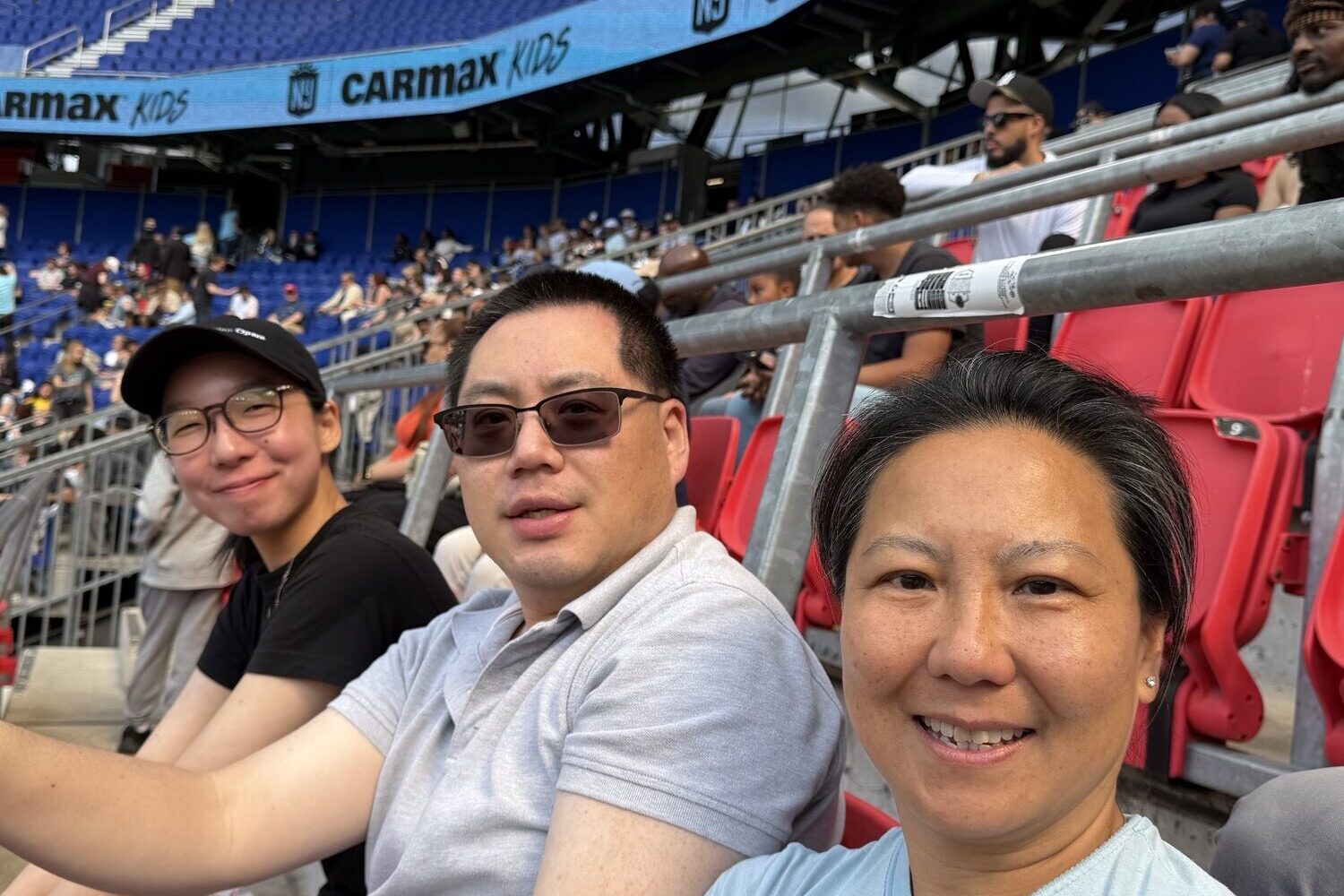
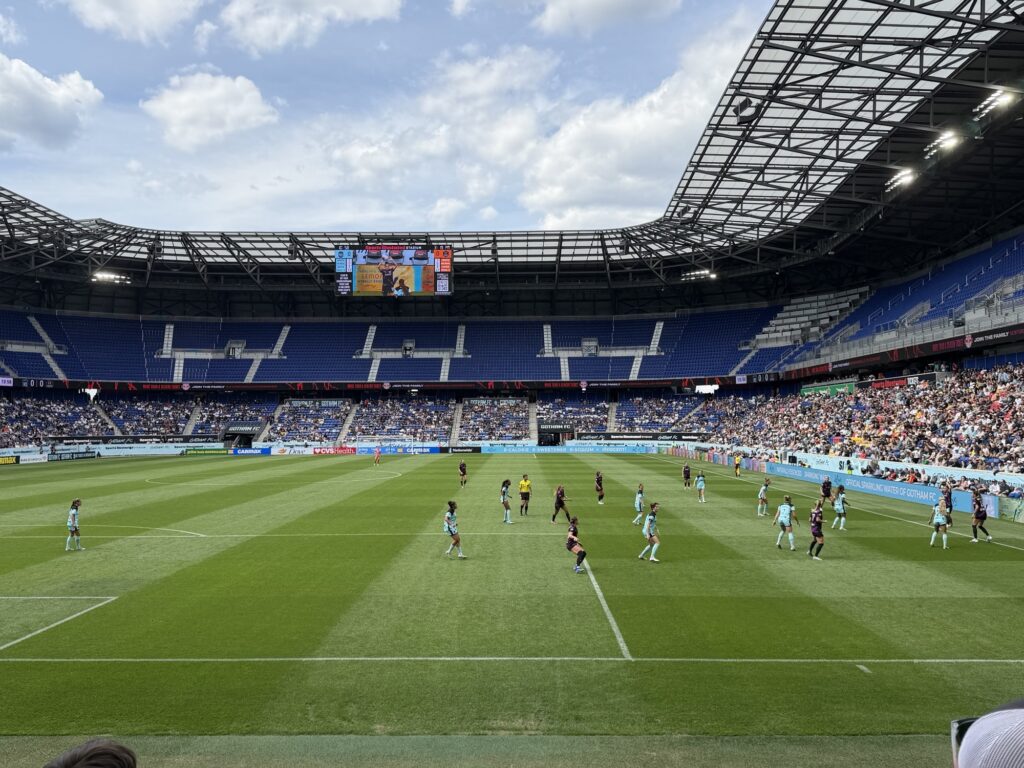
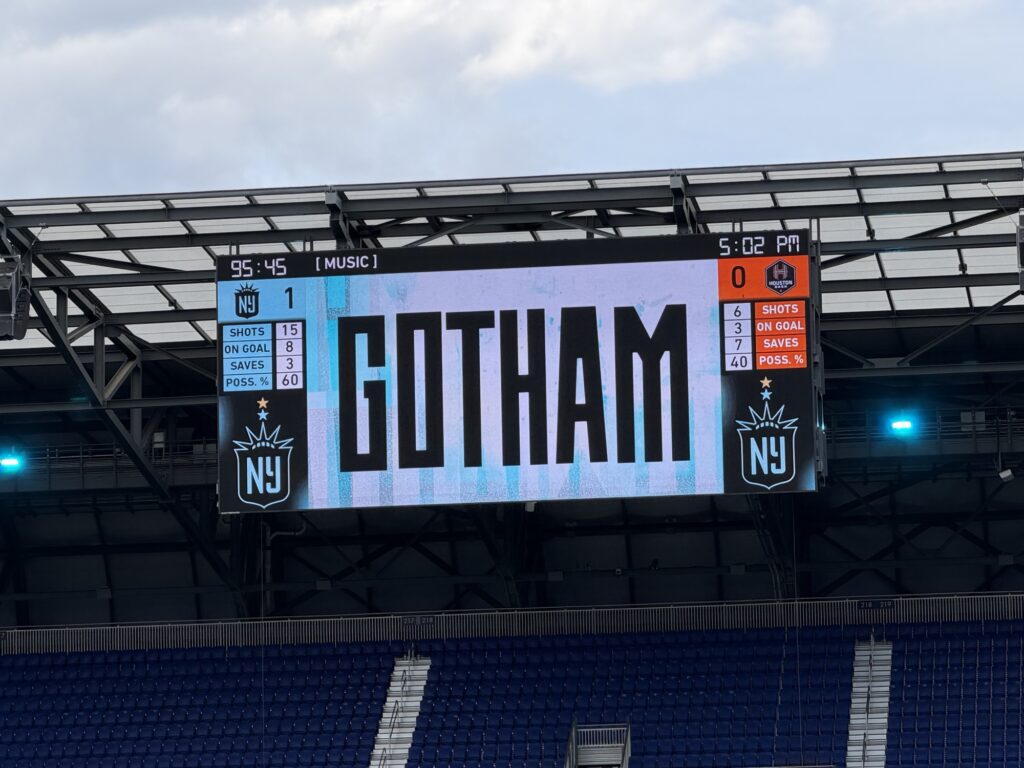
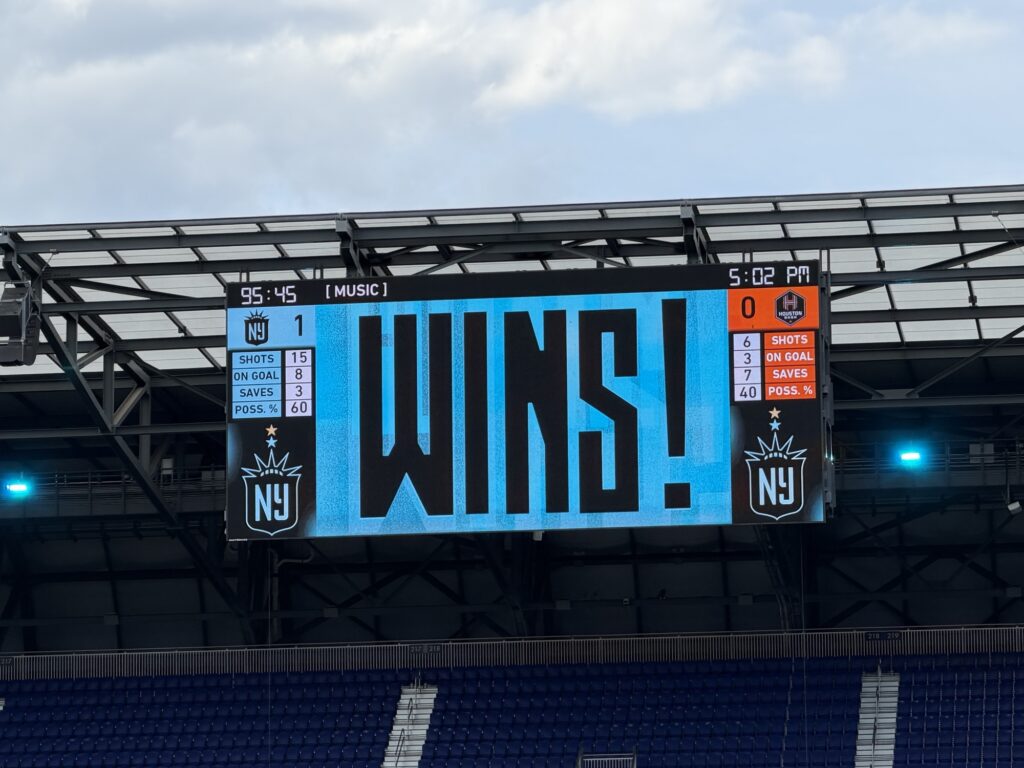
On May 31, 2026, AABANY’s Membership Committee hosted members and friends at the Gotham FC vs Houston Dash match as we celebrated the end of Asian American Native Hawaiian Pacific Islander (AANHPI) Heritage Month. It was exhilarating to watch the reigning NWSL champions, Gotham FC, secure a 1-0 victory in a match where the energy across the stadium was truly incredible.
Gotham FC controlled the flow of the entire match, providing our group with close-up views of several sophisticated offensive maneuvers and tactical plays. Beyond the action on the pitch, the event served as a wonderful opportunity to gather fellow members outside of a formal business setting to enjoy a beautiful Sunday at a professional sports game.
The afternoon also featured a meaningful pre-game celebration where many AAPI talents were highlighted, including a special performance by Filipina actress and singer Natalie Bourgeois, which underscored the community spirit of the occasion.
To learn more about AABANY’s Membership Committee, click here.
To see upcoming AABANY events, check out AABANY’s calendar.
-Written by Gloria Tsui-Yip, Co-Chair, AABANY’s Membership Committee