
ADR Committee Co-Sponsors “Pathways to Court‐Connected ADR” CLE at NY County Courthouse in January

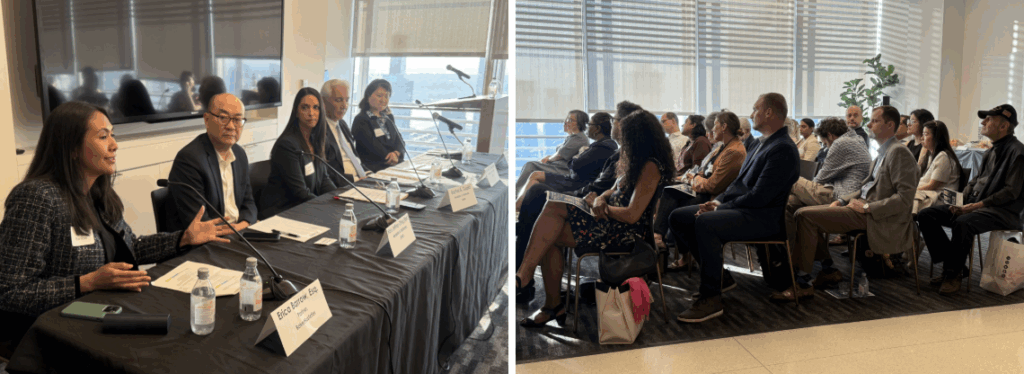
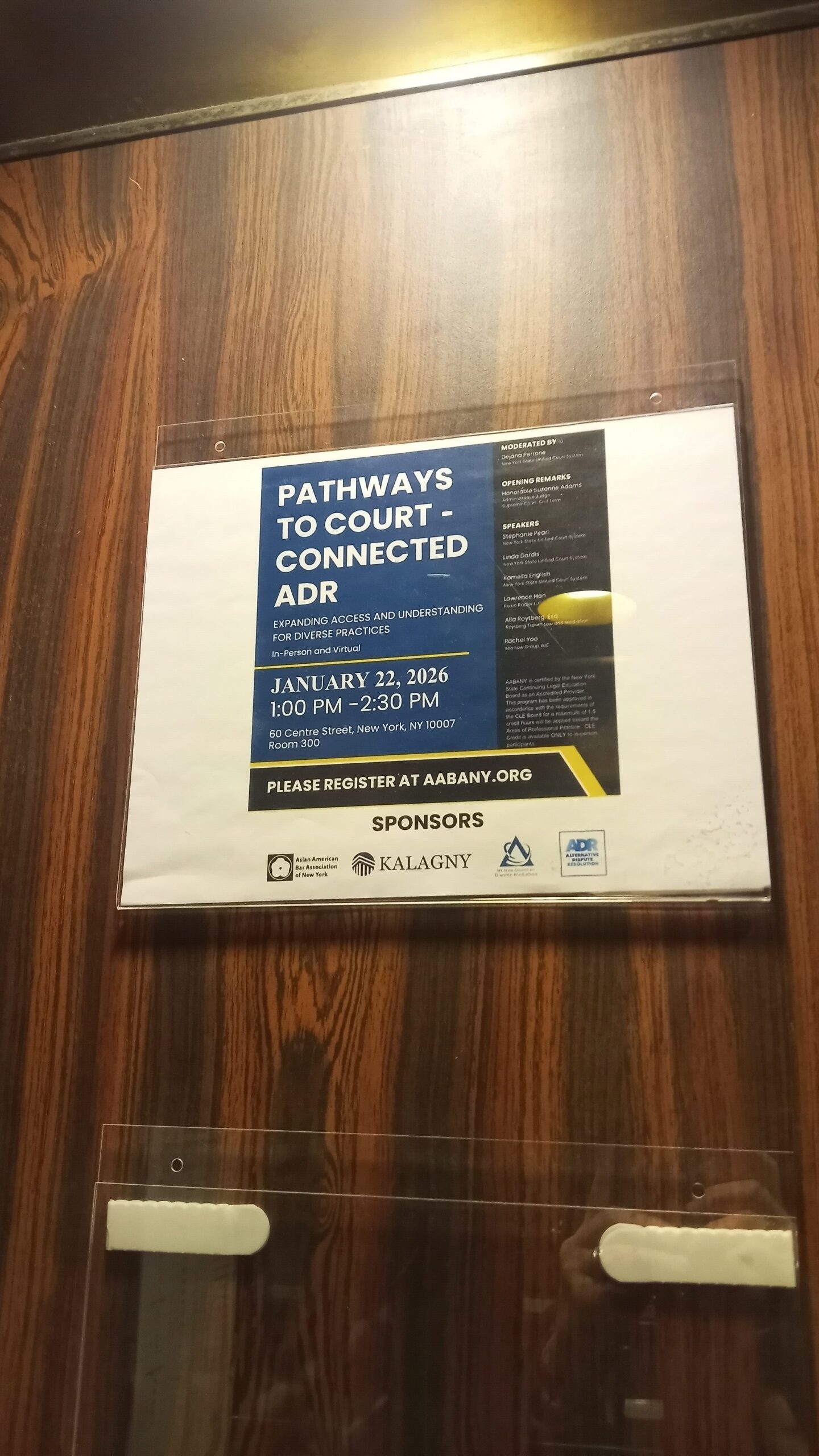
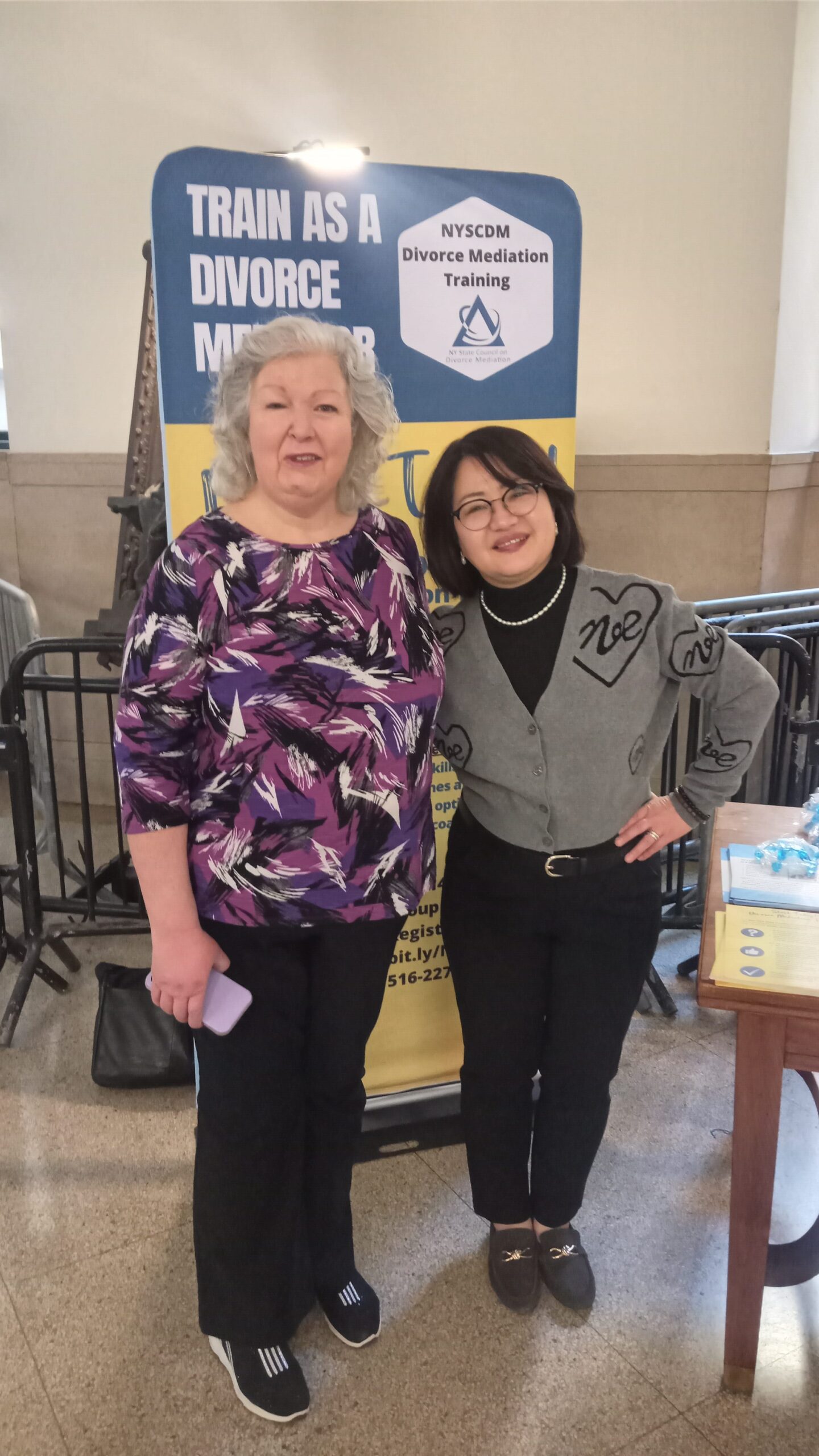
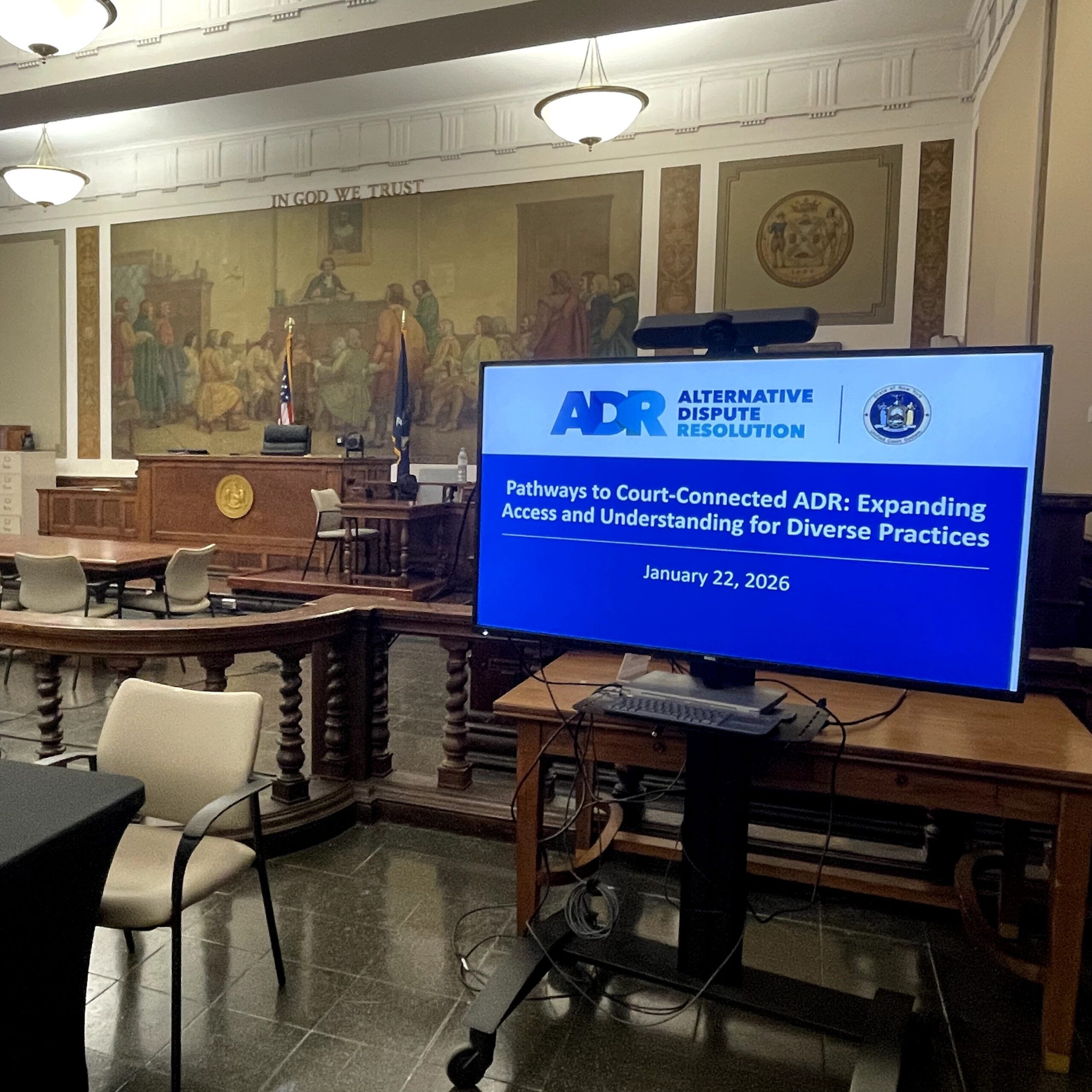
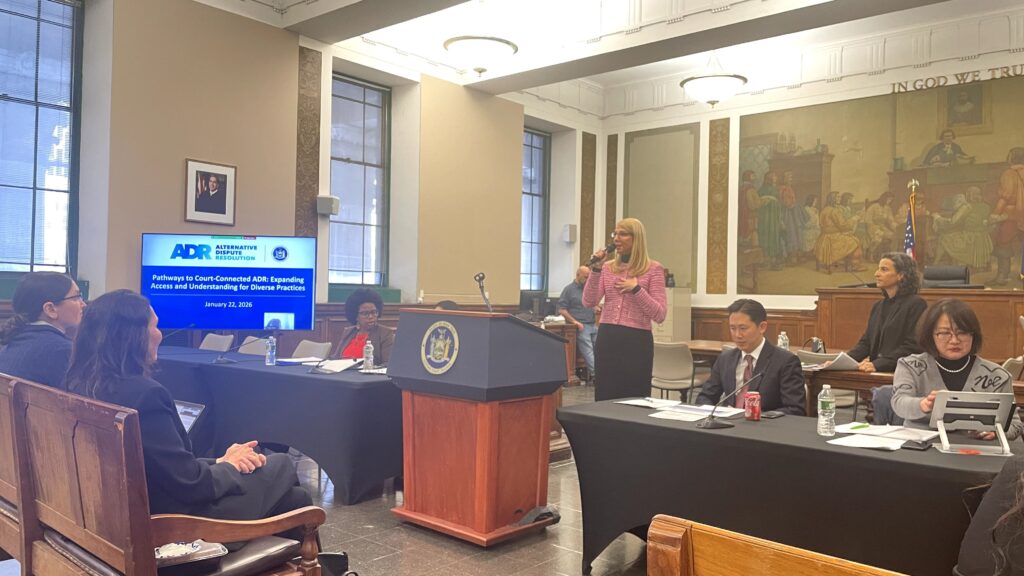
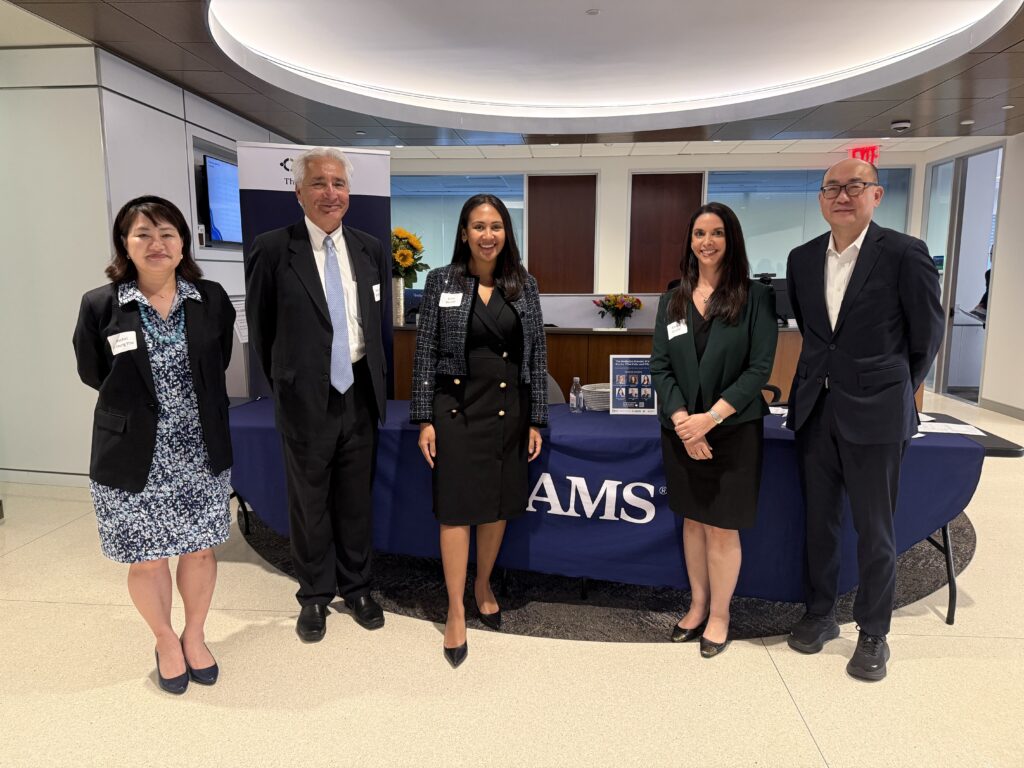
On Thursday, January 22, AABANY welcomed nearly 40 attorneys, mediators, and law students to 60 Centre Street for “Pathways to Court‐Connected ADR,” a 90‐minute CLE program designed to expand understanding of New York’s court‐sponsored mediation programs. Co‐sponsored by KALAGNY, NYSCDM, and the New York County Supreme Court Civil Branch ADR Team, the program offered both in‐person and virtual attendance, drawing a diverse and engaged audience eager to learn more about the growing landscape of court‐connected dispute resolution.

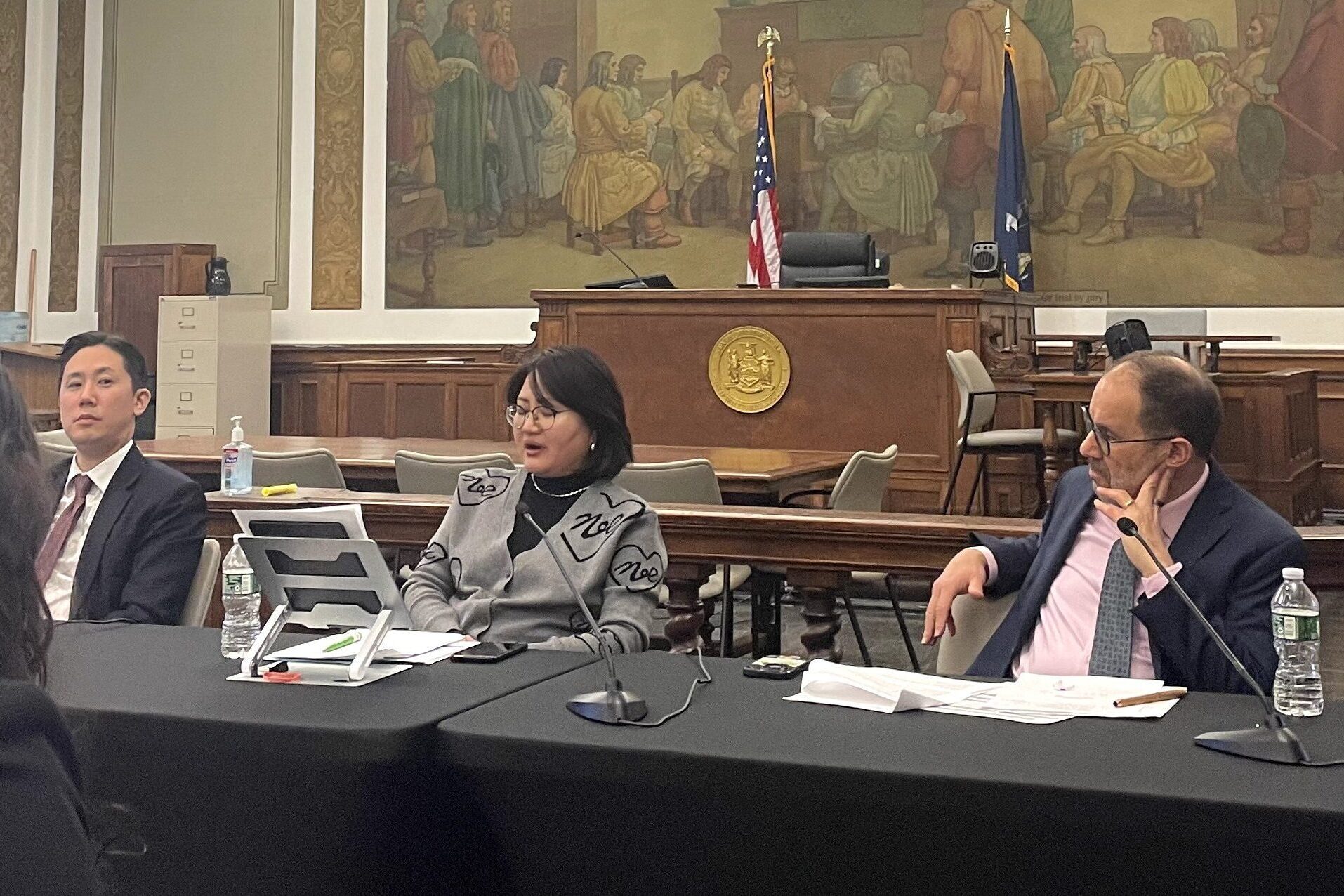
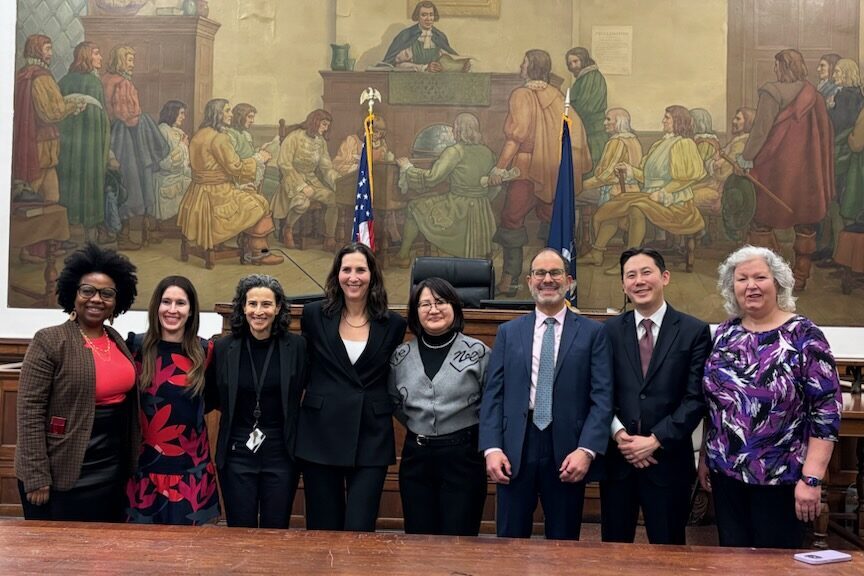
The session featured a robust lineup of panelists — Stephanie Pearl, Kamella English, Lawrence Han, Michael Henry, and Rachel Yoo — with Dejana Perrone moderating the discussion. Together, they delivered a candid, practical, and often inspiring look at how ADR functions inside the courts and how practitioners can meaningfully participate.

A Deep Dive into Court-Sponsored ADR

The program opened with an overview of court‐sponsored ADR, including the purpose of Part 160, the types of cases eligible for mediation, and the benefits of early intervention. Speakers provided helpful context on how ADR has evolved across districts and why mediation continues to play a critical role in improving access to justice.

From there, attendees heard directly from ADR Coordinators Kamella English and Stephanie Pearl, who walked through the day‐to‐day responsibilities of their roles and offered guidance on how practitioners can connect with coordinators when seeking case information or exploring volunteer opportunities.

Practical Guidance for Advocates and Mediators

The conversation then shifted to the role of advocates and mediators in the mediation process. Panelists Lawrence Han, Rachel Yoo, and Michael Henry shared insights on how mediation compares to litigation, how to prepare clients for the process, and how to navigate the court’s roster of neutrals. Their reflections highlighted the importance of preparation, empathy, and clear communication — qualities that shape both client experience and case outcomes.

The panel also addressed when a case is “ready” for mediation, including timing considerations under Part 160 and practical perspectives from mediators handling professional liability and other complex matters.

Pathways to Joining a Roster

In the second half of the CLE, panelists outlined the steps to join a court roster, the qualities that define an effective neutral, and the ongoing efforts to expand and diversify ADR panels across New York. Speakers emphasized the need for mediators who bring cultural competence, multilingual abilities, and varied professional backgrounds — all essential to serving New York’s diverse communities.

The panel closed with success stories from ADR programs, illustrating how early mediation, skilled neutrals, and thoughtful program design can lead to meaningful resolutions for litigants. These stories underscored the human impact of ADR and the value of continued investment in court‐connected mediation.

Thank You from AABANY

AABANY extends its sincere thanks to all panelists and to the New York County Supreme Court Civil Branch ADR Team for their partnership and generosity. We are grateful to KALAGNY and NYSCDM for co‐sponsoring the program, and to every attendee who joined us for an afternoon of learning, connection, and community building.

The enthusiasm in the room — and online — reflected a shared commitment to expanding access to justice through thoughtful, culturally responsive ADR practices. It was a vibrant and memorable event, and we look forward to continuing the conversation in future programs.

To learn more about the ADR Committee, click here.

Written by: Rachel Ji-Young Yoo, Co-Chair of AABANY’s ADR Committee

ADR Committee Presents CLE Program on Mental Health and Divorce Disputes: Integrating Litigation and Mediation

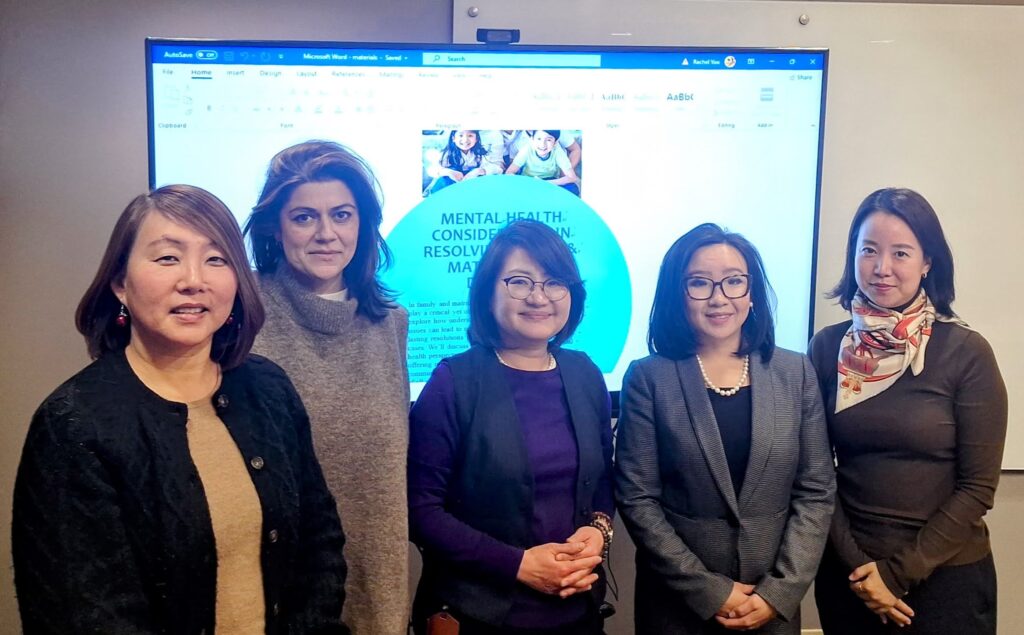
On January 22, 2025, the AABANY Alternative Dispute Resolution (ADR) Committee held a CLE event at the Yoo Law Group’s NY office. The session was moderated by Rachel J. Yoo, Co-Chair of the ADR Committee.

The event featured four highly respected professionals, including matrimonial lawyers, mediators, and psychologists, who are experienced in the intersection of mental health and family disputes. 

Speakers:

  • Jihee Cho, Ph.D., Co-Founder of Mind in Motion Psychological Services
  • Beatrice Leong, Esq, Partner, Law Office of Beatrice Leong
  • Megan Rha, Esq, Partner, Rha Kim Grossman & McIlwain, LLP
  • Talaiya Safdar, Esq & Mediator, Safdar Law & Mediation Group, P.C.

Historically, mental health factors have often been overlooked in family and matrimonial disputes. This CLE program, offering 1.0 credits in the Areas of Professional Practice category, explored how recognizing and addressing these issues can foster more effective, compassionate, and lasting resolutions.

One of the speakers, Dr. Jihee Cho, co-founder of Mind in Motion Psychological Services, shared her expertise on the impact of emotional-regulating disorders in decision-making during disputes. She also provided insights into strategies for helping parties move forward in such challenging situations.

Thanks to the panelists for a timely and insightful presentation, and thanks to all the attendees. To learn more about the ADR Committee, click here

AABANY Prosecutors, ADR and Women’s Committees Host Self-Defense Class

On November 19, 2022, the Prosecutors, ADR & and Women’s Committees teamed up to learn self defense at the NY Wutang Chinese Martial Arts Institute (“NY Wutang”) in downtown Flushing.

During these times of anti-Asian violence, AABANY members wanted to be prepared. Prosecutors Committee Co-Chair Joe Gim first taught members about the New York laws on the justification defense, particularly in connection with the use of physical force in defense of a person.

Next, the Master of NY Wutang and Prosecutors Committee Co-Chair Dave Chiang trained the attendees. Here, Dave wore his ADA hat as well as his Master Chiang hat.

Master Chiang taught the group that the first step is to be aware of one’s surroundings: “Don’t keep your head down looking at your phone.”  The group also learned how to quickly turn their camera on to try to capture photos or video of the perpetrator. 

Next, Master Chiang warmed everyone up with stretching exercises and the group practiced shouting, “Stay away! Leave me alone!” so that witnesses will know that you are not the initial aggressor.

The group then learned that the three weakest parts of an attacker are their eyes, throat and groin. Master Chiang taught attendees how to strike and target those body parts during an attack. The group practiced with each other and took away valuable information we will not soon forget. 

If you want to take lessons at NY Wutang see:  http://wutang.org/

To donate to NY Wutang: http://Paypal.me/nywutang

Thanks to all the co-sponsoring Committees for putting together an informative and useful program on self-defense during these challenging times, and thanks to Prosecutors Committee Co-Chair Joe Gim for teaching us the law on self-defense and Prosecutors Committee Co-Chair (and Kung Fu Master) David Chiang for teaching those who attended how to protect themselves while following the law.


To learn more about the Prosecutors Committee, click here. To learn more about the ADR Committee, click here. To learn more about the Women’s Committee, click here.