
AABANY Immigration Law Committee Gathers for its Second Virtual Monthly Meeting

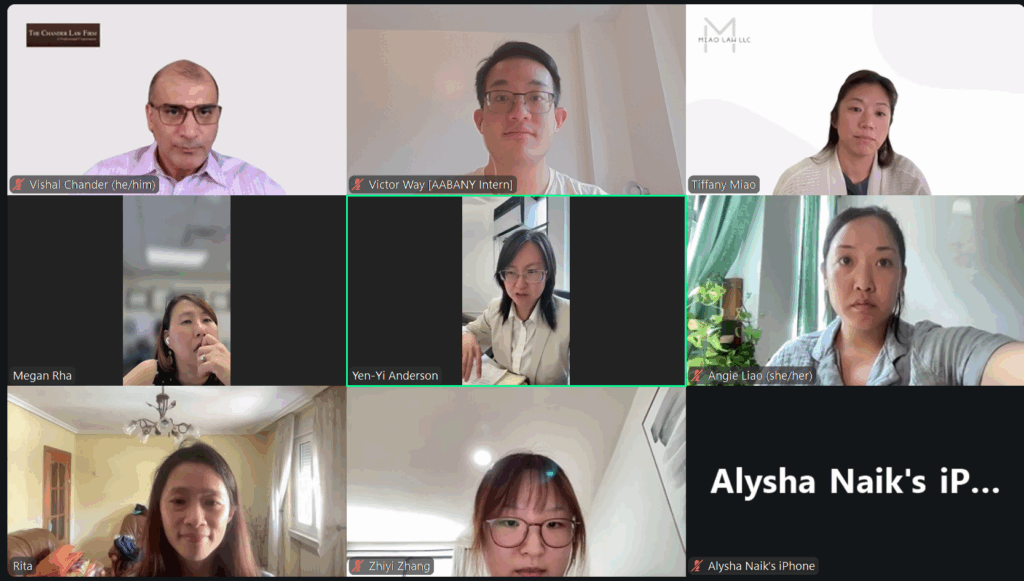
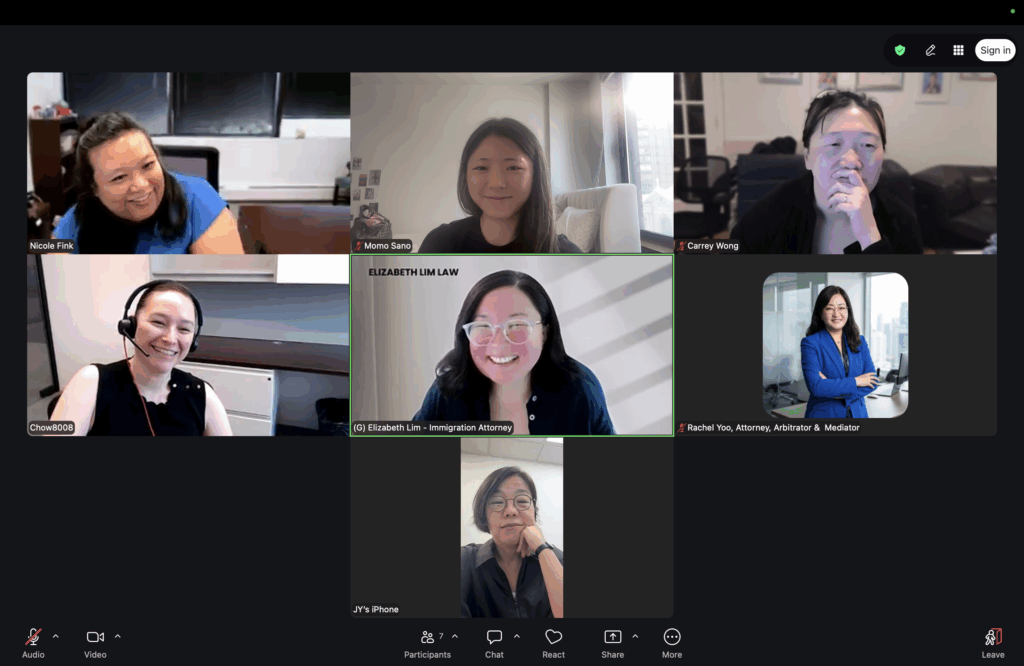
On July 31, 2026, the Immigration Law Committee of the Asian American Bar Association of New York (AABANY) held its second meeting of the fiscal year on Zoom. Nicole Fink, Chair of the Immigration Law Committee, took the opportunity to generate interest in future events, including the Committee’s upcoming educational programming, and opened the floor to new ideas from participants. 

Welcoming old and new participants alike, the meeting opened with self-introductions and an overview of the Immigration Law Committee’s objectives. Next, the group turned to forthcoming programs. Nicole emphasized the webinar on August 27 in Temporary Protected Status (TPS), which will discuss how new laws will affect immigration processes and legal practice.

Another exciting event mentioned was the Committee’s program at the 2026 Fall Conference on Saturday, September 26, titled “Beyond Forms & Filings: How Tomorrow’s Immigration Attorneys Build Power Through Tech, Data, and Storytelling.” Nicole highlighted the program’s themes of AI in storytelling, data, and program management. She also introduced the panelists: Emily Ryo, a Duke Law School faculty member who uses data analysis in immigration courts; Joseph Lin, a staff member at the Asian American Legal Defense and Education Fund (AALDEF); and Rick Liu, a Director at Epiq Global for AI Solution Architecture. The program will offer 1.5 CLE credits in skills (pending approval).

Next, the attendees talked about a potential in-person CLE event in the fall. The group hopes to partner with local law schools and law student associations. The event will likely occur in September or October, including a panel and time for lively mingling and networking.

The meeting moved on to cover the Committee’s possible future wellness-themed event, including ideas for chair or spa massages for immigration attorneys. The Committee is currently seeking partnerships with individuals or organizations interested in sponsoring the event or who have connections to massage therapists. “It would be a good way to end the year,” said Lizabeth Chow, a meeting participant and business immigration practitioner at Ogletree Deakins

Nicole concluded the meeting by opening the floor to receiving requests from the attendees for future projects. Committee members expressed their interest in more high-level informational discussions, including topics on I-751 Conditional Residency, in collaboration with family law or trusts & estates professionals; and also creating a forum for case strategy discussions. Nicole proposed sending a survey to gauge interest in this initiative. Nicole expressed openness to hearing these ideas and was gratified by everyone’s enthusiasm.

To learn more about the Committee and get involved, please visit the Immigration Law Committee page.
Kenneth Chin Named President of the American College of Commercial Finance Lawyers

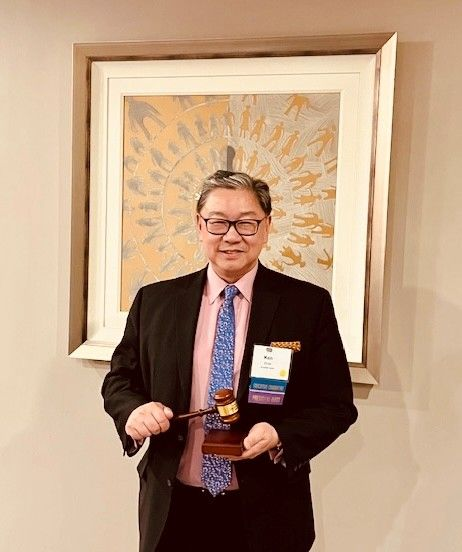
Kenneth Chin, Head of Banking and Finance, US, at Herbert Smith Freehills Kramer (HSFK) and a longtime active member of AABANY, has been elected President of the American College of Commercial Finance Lawyers (ACCFL). ACCFL is a distinguished organization dedicated to advancing the practice and ethical standards of commercial finance law. Prior to assuming the presidency, Ken served on the Executive Committee, as a Regent on the Board of Regents, and as Chair of the Nominating Committee. AABANY congratulates Ken on his election as President, effective April 2026.

Ken’s path to the presidency reflects years of thoughtful and sustained engagement with the organization. Service on the Board of Regents, a prerequisite for any officer position, along with his leadership of the Nominating Committee, gave Ken a deep familiarity with the ACCFL’s mission and membership. Though he was invited on multiple occasions to join the Executive Committee, Ken chose to accept only when he was confident he could devote the time and attention necessary to serve effectively in that capacity.

As President, one of Ken’s central priorities is strengthening the bonds among ACCFL’s Fellows. Fellowship is by invitation only, extended in recognition of demonstrated expertise in commercial finance law. In an era increasingly defined by digital communication, Ken holds firmly to the belief that in-person connection remains indispensable. To that end, the ACCFL convenes semi-annually alongside the American Bar Association’s Business Law Section and hosts Fellows briefing sessions at which members with specialized expertise share their knowledge with the broader Fellowship. Ken envisions these gatherings as a living resource network, enabling Fellows to draw on one another’s depth of knowledge beyond the boundaries of their own specific practice areas.

Ken speaks from personal experience about the tangible value of the ACCFL network. He recounted an instance in which a Fellow, technically out of the office, returned his call within ten minutes to offer guidance on an out-of-state legal matter, a response Ken attributes directly to the strength of their personal connection. “It is the ability to not only be an expert in the area of law, but also to draw on other experts who may have more in-depth knowledge about particular subjects that you do not have,” Ken explained. This philosophy runs throughout his professional approach: Ken consistently prioritizes cultivating genuine personal relationships over institutional ones, recognizing that a trusted colleague, wherever their career may take them, represents an invaluable and enduring resource.

That same emphasis on human expertise, Ken observes, is being tested by the rapid rise of artificial intelligence in the legal field. Ken acknowledges that AI has meaningfully accelerated legal practice, reducing the need for lawyers to conduct manual research or rely on colleagues for preliminary answers. At the same time, he underscores the importance of human oversight, noting that while AI is advancing at an unprecedented pace, it remains susceptible to error. Ken draws a historical parallel to the transformation of the legal workplace that accompanied the widespread adoption of word processing software: just as attorneys began drafting their own documents directly, reducing reliance on secretarial staff, the integration of AI is likely to reshape legal support roles in similarly significant ways. Rather than viewing this shift with apprehension, Ken urges the next generation of lawyers to develop fluency in AI tools while remaining clear-eyed about AI’s fundamental limitations and its inability to fully replicate the judgment and responsibility of an experienced attorney.

Expanding the ACCFL’s membership is another of Ken’s key priorities as President. He was moved by concerns raised by former ACCFL President Sylvia Chin (also a past AABANY President) during her 2017–2018 tenure regarding declining membership and participation. Ken has since worked to bring about a meaningful shift in how the organization identifies and admits new Fellows. Looking beyond the traditional concentration of Fellows in the financial centers of New York, Los Angeles, and Chicago, Ken has championed geographic diversification to ensure that the network reflects the full breadth of commercial finance practice across the country. Because clients frequently have legal needs spanning multiple jurisdictions, Fellows with local expertise are essential to making the ACCFL’s membership genuinely comprehensive. The results have already been significant: this past year, the ACCFL welcomed 18 new Fellows. This is the largest incoming class in the organization’s history, a milestone attributable in no small part to Ken’s commitment to expanding the ACCFL’s reach. Whether reflecting on the culture he has helped shape or looking ahead to the membership he aims to expand, Ken’s tenure as President embodies a steadfast conviction that the ACCFL’s greatest strength lies in its Fellows.

Please join AABANY in congratulating Kenneth Chin on his election as President of the American College of Commercial Finance Lawyers.

AABANY Immigration Law Committee Holds its First Virtual Monthly Meeting on 6/16/2026

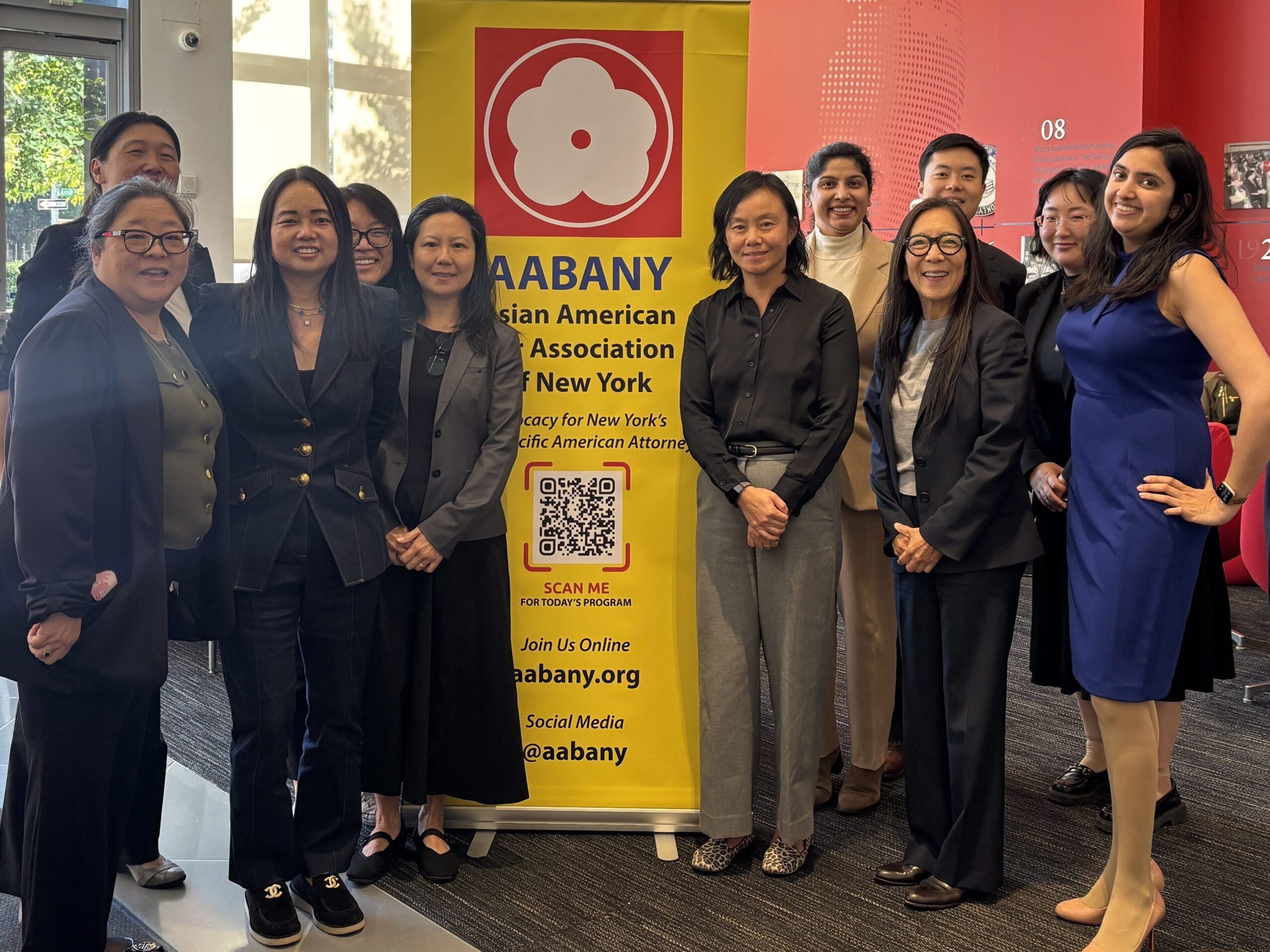
On June 16th, 2026, the  Immigration Law Committee of the Asian American Bar Association of New York (AABANY) held its first meeting of the year on Zoom. Nicole Fink, Chair of the Immigration Law Committee, used this occasion as an opportunity to reconnect with fellow immigration attorneys and to gauge interest in potential events later this year. 

At the start of the meeting, Yang Chen, the Executive Director of AABANY, sought applications for  AABANY’s Legal Referral and Information Services (LRIS) program. Currently, the LRIS program is looking for experienced lawyers to join its panel due to high demand for qualified immigration lawyers.

Next, the meeting focused on plans for the Immigration Law Committee’s growth and potential topics of interest for the near future. Nicole Fink made a request for more participation in AABANY’s Pro Bono Clinics, especially from immigration lawyers. The Pro Bono Clinics take place in community settings, to create a more welcoming environment for those seeking legal advice. Lawyers serving in the Clinic provide limited scope representation and would only give brief advice and refer clients to legal resources, and are thus not committed to representing any client after the consultation at the Clinic ends. As an  incentive, Fink offered to buy a free meal for any lawyers on the call who volunteered at the Clinic. 

The meeting also covered  continued legal education (CLE) programs. After AABANY’s well received training on habeas corpus on June 4th, meeting attendees expressed interest in more CLE opportunities on immigration-related issues and other topics, such as AI usage in the legal field. The discussion also focused on overlapping areas such as matrimonial law and legal issues affecting juveniles. The group talked about the need to connect lawyers with different areas of expertise, and who may be able, for example, to aid conditional residence cases or special immigrant juvenile status cases.  

The meeting concluded with a reminder about the 2026 Fall Conference on Saturday, September 26th, in which the Immigration Law Committee is presenting a panel on AI and data analytics in the immigration field, “Beyond Forms & Filings: How Tomorrow’s Immigration Attorneys Build Power Through Tech, Data, and Storytelling.” The meeting attendees also brainstormed on possible wellness opportunities for immigration lawyers, to combat the tough legal environment they operate in by offering more relaxing options to connect and refresh. Committee members were encouraged to reach out in the weeks ahead with additional ideas or interest in getting involved with Pro Bono Clinics, wellness opportunities, or networking across practice areas.

To learn more about the Committee and get involved, please visit the Immigration Law Committee page

AABANY Solo & Small Firm Practice Committee Reflects on a Changing Legal Landscape at June Virtual Networking Event

On Wednesday, June 10, 2026, the AABANY Solo & Small Firm Practice Committee hosted a virtual networking event. The event offered busy practitioners an accessible way to socialize and connect with fellow members directly from their home workspaces, offices, and for one of the attendees, even from abroad. The informal virtual setting encouraged the attendees to discuss whatever topic they liked, and soon the conversation flowed to one of the most pressing topics in the legal industry today: the rise of artificial intelligence.

Members shared how AI is reshaping the landscape of solo and small firm practice from multiple angles. A growing challenge has been managing client expectations. Clients increasingly arrive having already consulted a chatbot, presenting AI-generated summaries of their legal situation. Members noted that these outputs are often riddled with hallucinations: citations to laws that do not exist, statutes that are not applicable, or legal frameworks that have no bearing on the client’s actual circumstances.

The problem is not always as simple as the AI being flatly wrong. In some cases, AI tools do surface something relevant, but bury it beneath so much extraneous information that clients themselves struggle to identify what actually matters. This creates an additional layer of work for attorneys, who must not only address the legal issue at hand but also untangle the misinformation and misplaced confidence that clients bring with them into consultations.

The conversation also touched on what AI means for the next generation of legal professionals trying to break into the industry. As AI tools take on more of the research and drafting tasks that once served as entry points for new associates, new recruits face a shifting landscape where the traditional pathways into legal practice look increasingly uncertain.

The Solo & Small Firm Practice Committee looks forward to continuing these conversations at the next virtual networking session on Wednesday, July 16, 2026. Registration details can be found here. To learn more about the Committee and get involved, visit the Solo & Small Firm Practice Committee page.

From the Courtroom to the C-Suite: Lessons from Linda Lu, Chief Legal and Risk Officer, Zip Co Limited

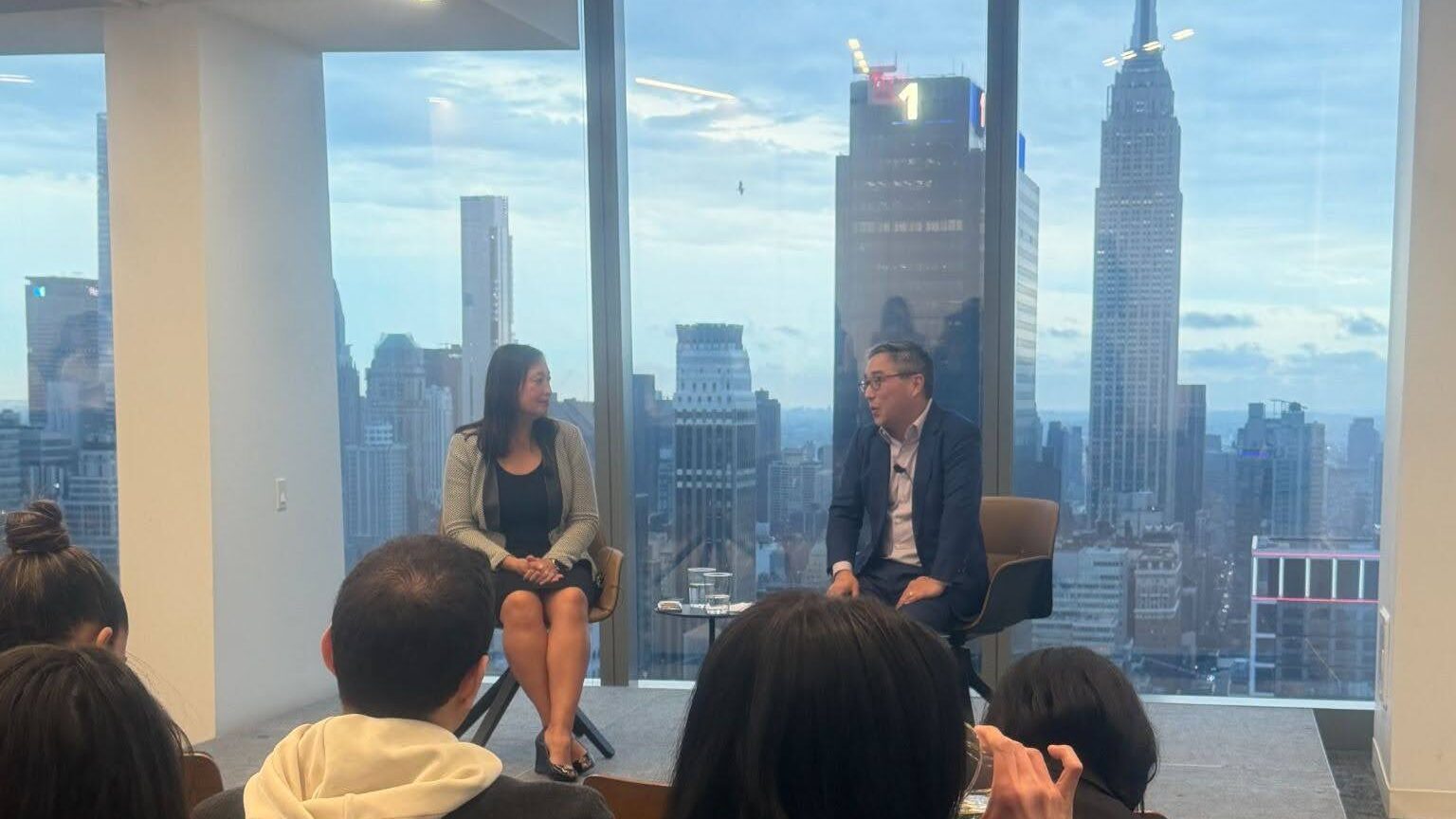
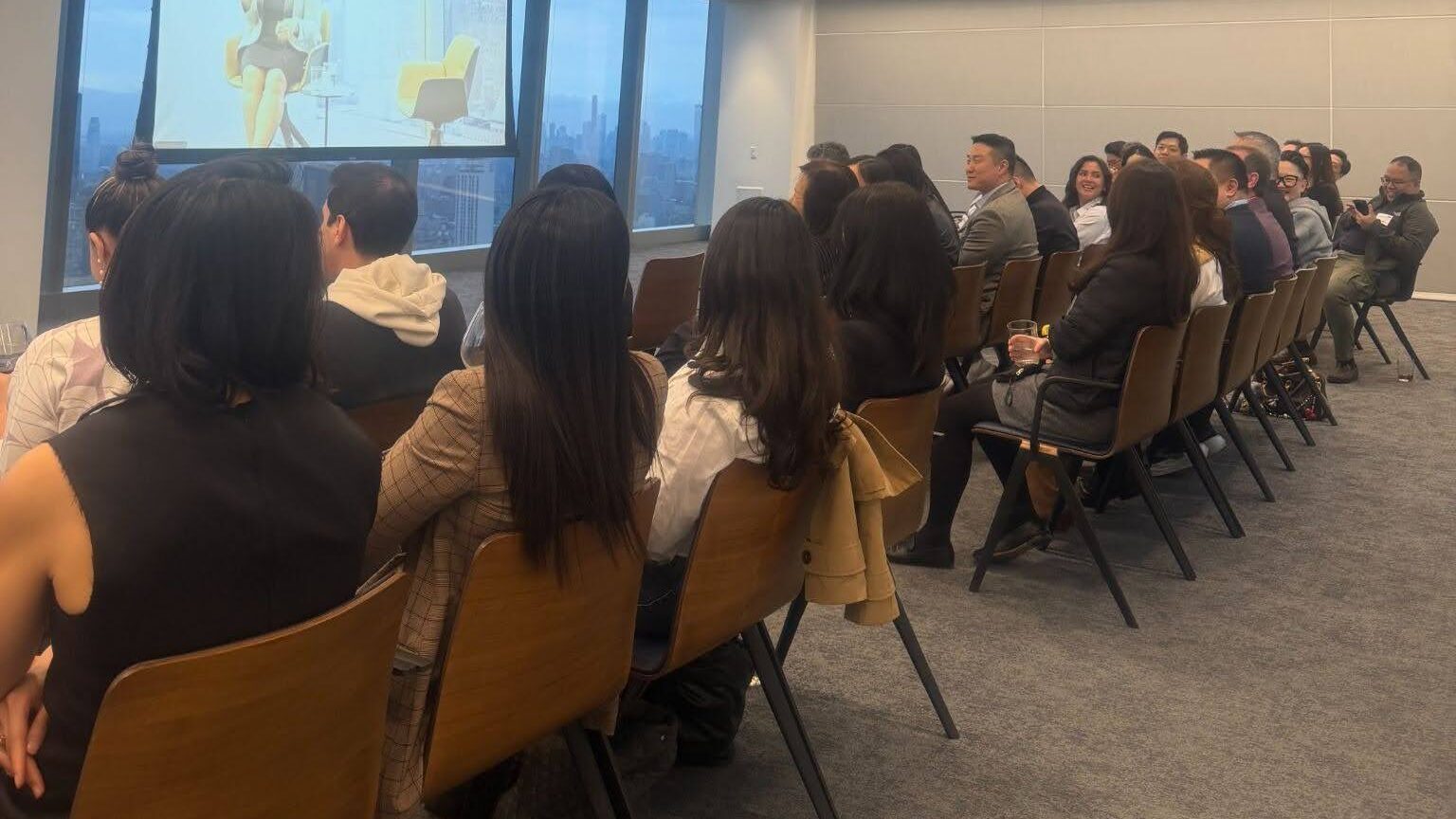
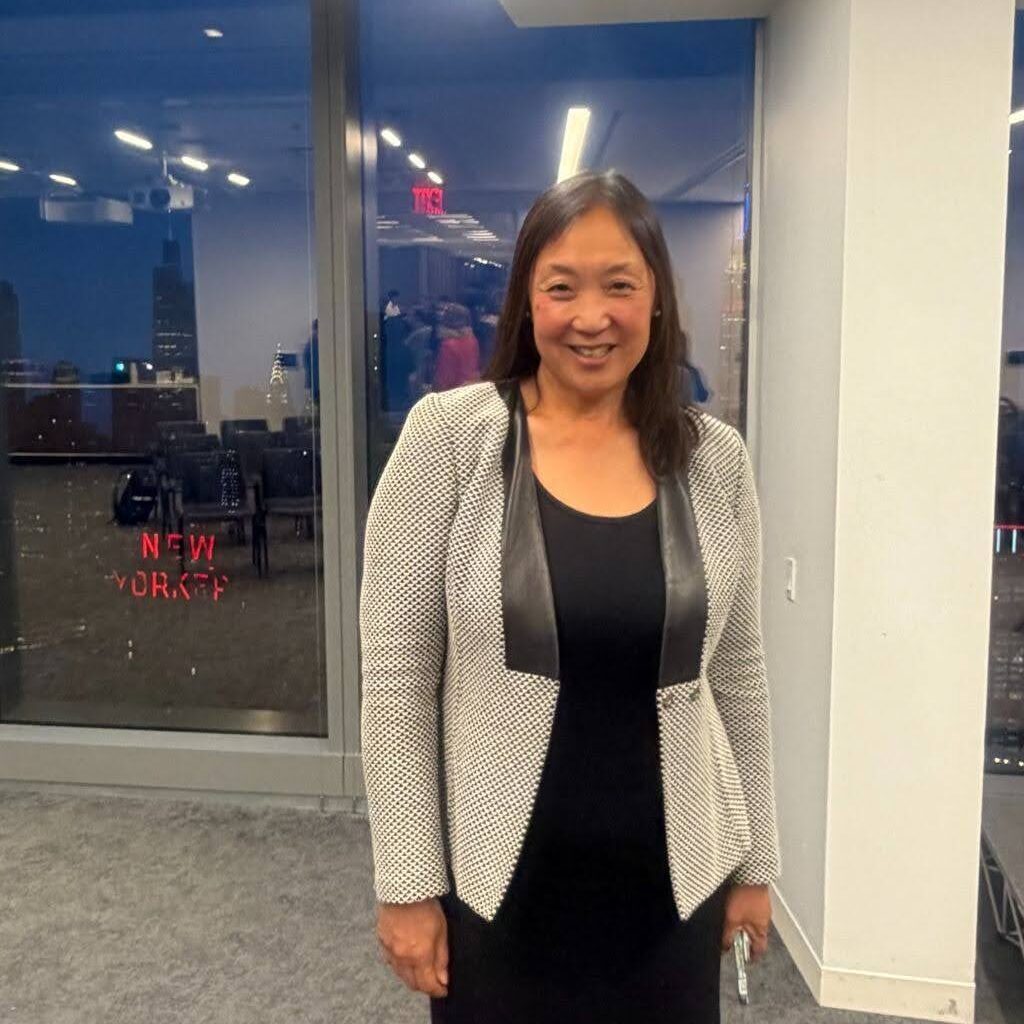
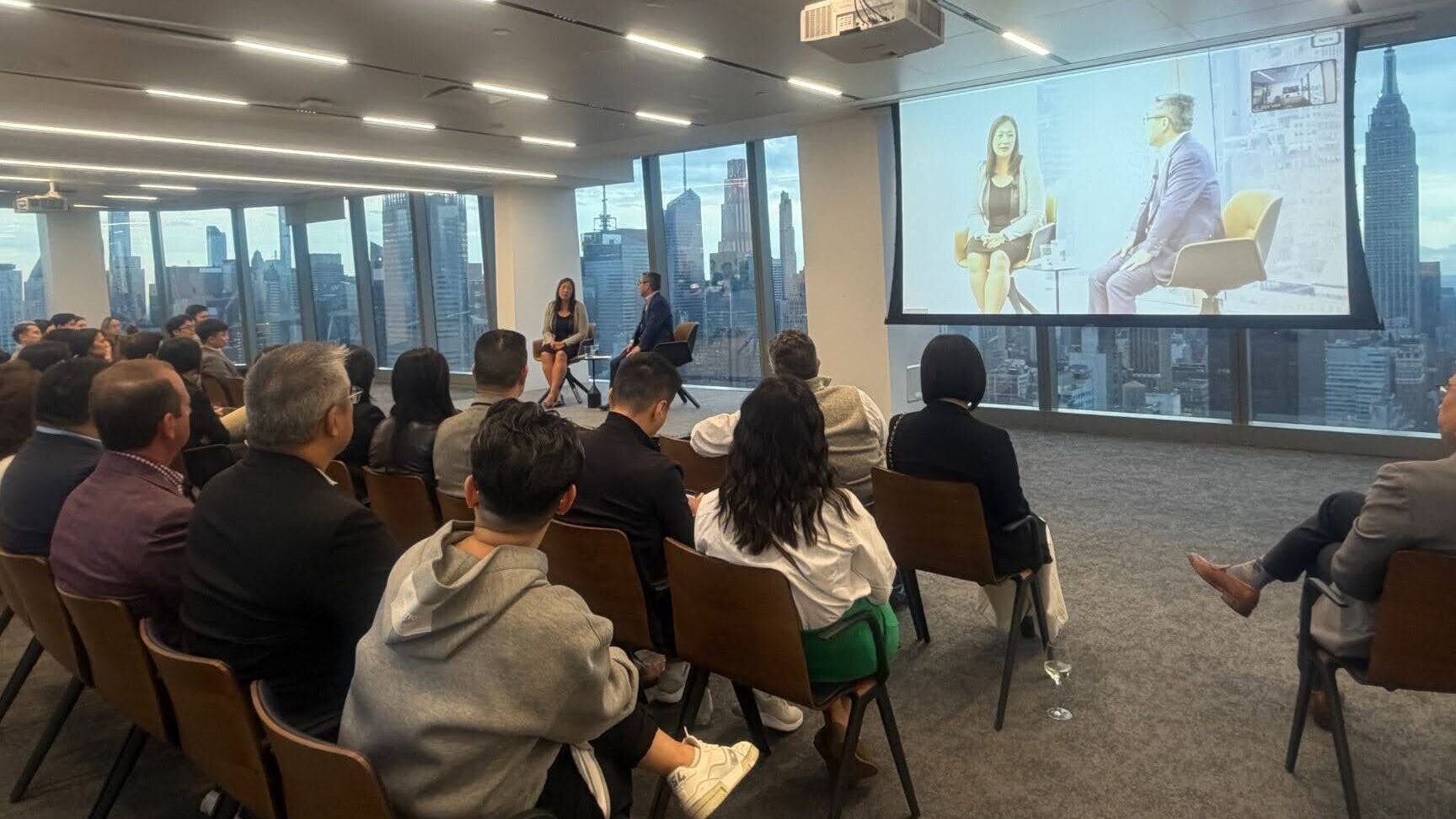
On April 29, 2026, AABANY’s In-House Counsel Committee hosted a fireside chat with Linda Lu, Chief Legal and Risk Officer of Zip Co Limited, at offices of Skadden, Arps, Slate, Meagher & Flom LLP. Over 40 attendees gathered to hear Lu discuss her 25-year career across prominent financial services and insurance companies, offering insights into reaching the top as an Asian American woman.

Moderated by Dwight Yoo, Partner at Skadden and AABANY Board Director, the conversation covered Lu’s strategic career pivots, self-promotion, identity in corporate settings, and the role of AI in law. Lu structured her retrospective in reverse, starting with her current role at Zip, drawn by its female leadership and “low ego” culture. She recounted leaving TransUnion after a promised CLO succession plan failed for the second time in her career, reinforcing the need to remain open to outside opportunities.

Earlier, at Nationwide Mutual Insurance Company, Lu transitioned from Chief Litigation Officer to General Counsel for the largest business unit after mentors stressed the need for CLOs to understand the business. This period, marked by intense corporate politics, shaped her “integrity line” philosophy—the point where a professional must decide if a workplace battle compromises personal values.

Lu introduced the PIE model for career advancement: Performance (10%), Image (30%), and Exposure (60%). She cautioned that brilliance without exposure is insufficient. Lu also addressed the specific challenges she faced as an Asian American woman, including being mistaken for a court reporter, and shared a moment of “overcorrecting” with aggressive assertiveness. She emphasized that the integrity line is a personal threshold for deciding when to leave a toxic environment.

Regarding leadership, Lu distinguished between the operational work of an individual contributor and the strategy and influence of a leader, warning that promotion means less substantive legal work. On the subject of sponsorship, which was a recurring theme in diversity conversations, Linda offered practical guidance. She suggested to the audience to take risks, raise their hand, and above all, make their boss look good. Sponsors are not recruited through eloquent requests, they are earned through visible and reliable performance that reflects well on the people above you.

Lu also shared the personal costs of her ambition, including returning to work six weeks after her first child’s birth—a mistake that she believed set an unhealthy precedent. Perhaps the most poignant moment of the evening involved Lu’s reflections on the personal trade-offs of her career trajectory. She recounted an episode when her second-grade son won a school contest for a story that was later staged as a play. Arriving early to secure a front-row seat, Lu expected a whimsical performance. The play, entitled My Day at the Zoo, began with a mother turning away from her child to answer a work call, leading to the boy getting lost. While the narrative eventually shifted toward a happy ending with talking animals, the image of the mother’s distraction remained a haunting symbol of the professional struggles and the “integrity line” Lu negotiated throughout her journey as a parent and a leader.

The discussion concluded with AI. Lu reported that Zip uses AI tools company-wide with a policy of no headcount reduction associated with use of the technology. She views AI as accelerating “Performance” but unable to replace human judgment, trust, and relationship-building. Her final message was: “People who use AI will survive more than people who don’t.”

The evening closed with further networking. AABANY’s In-House Counsel Committee thanked Linda Lu for her candor and Skadden for hosting. To learn more about AABANY’s In-House Counsel Committee, click here

AABANY’s Student Outreach Committee and Women’s Committee Host a Careers in Media Law Panel at Perkins Coie

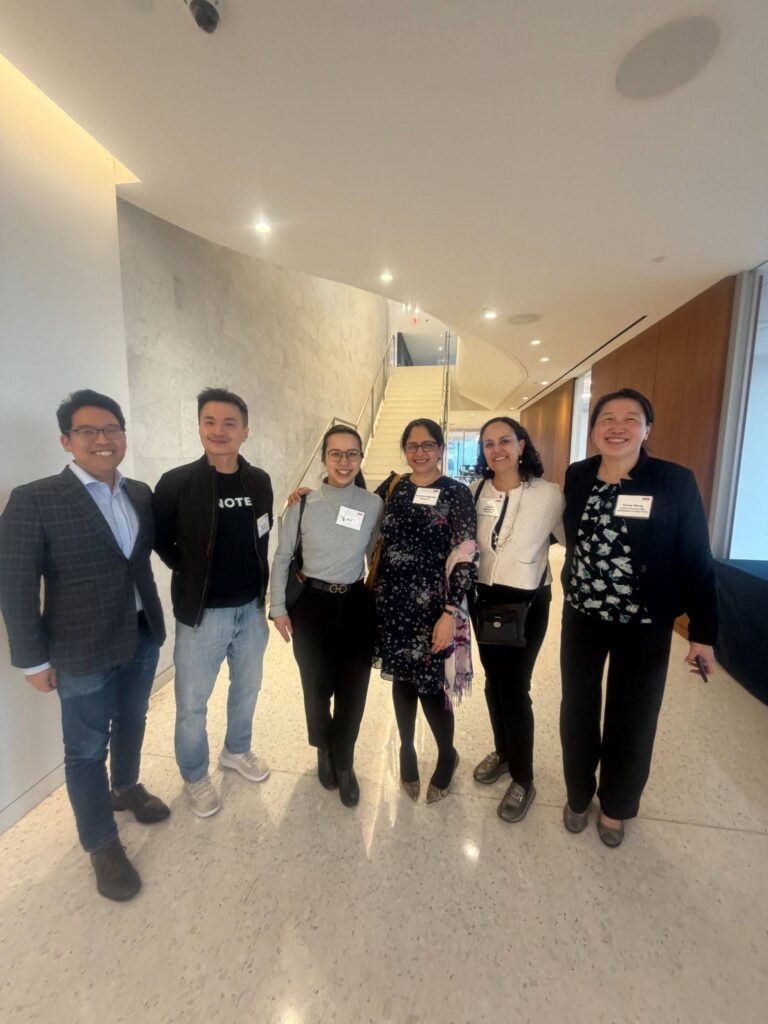
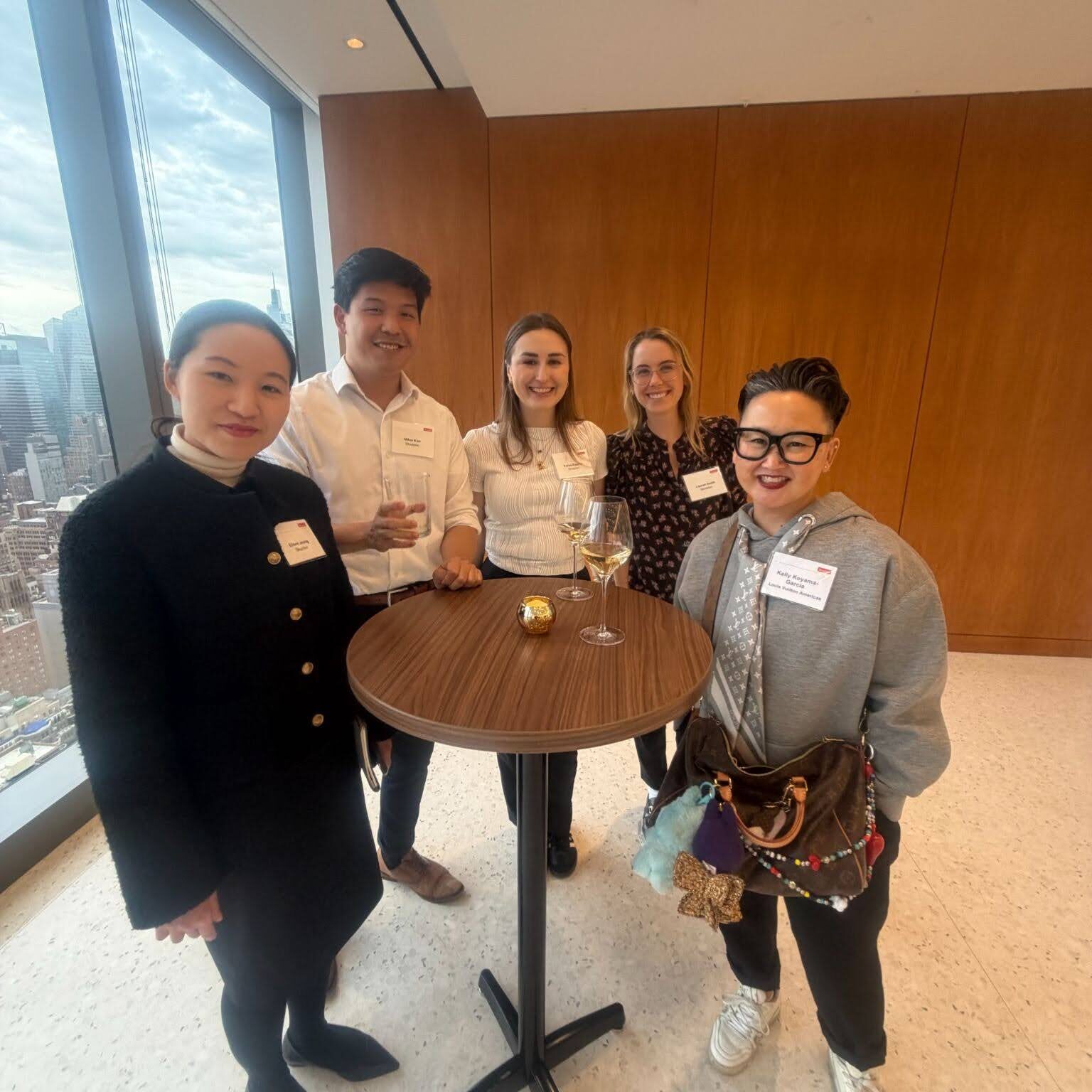
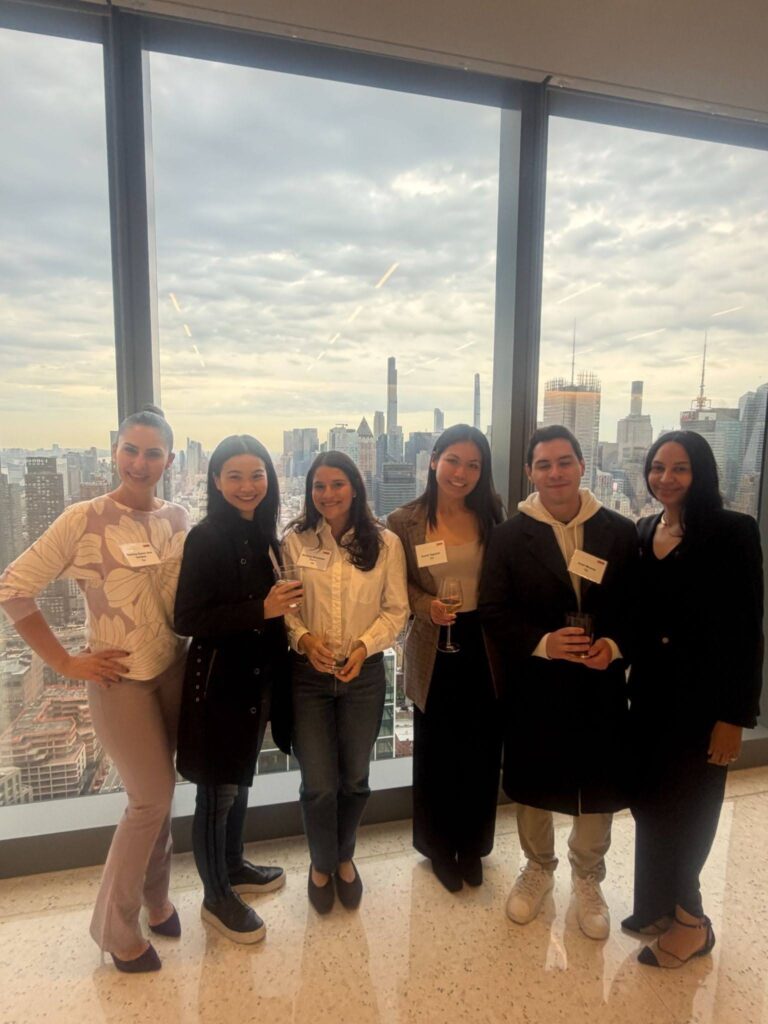
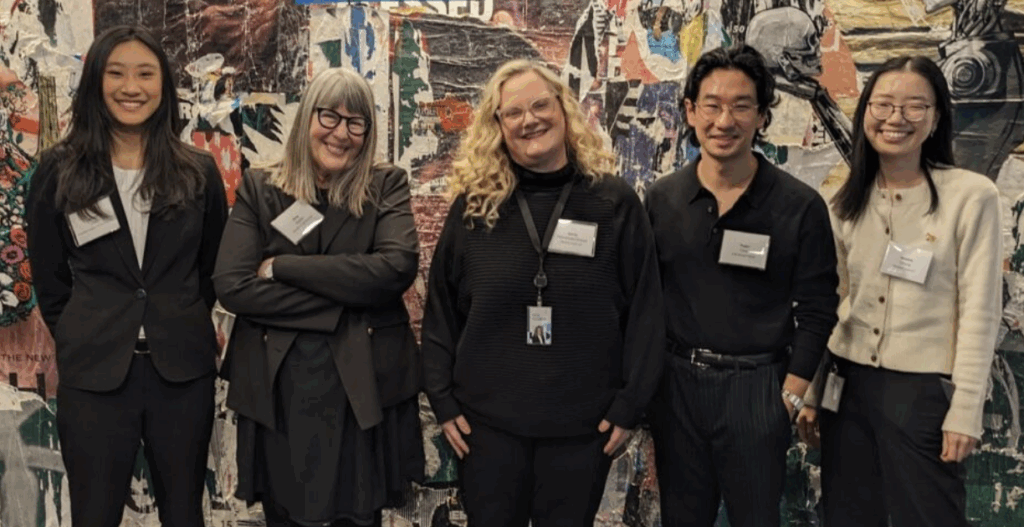
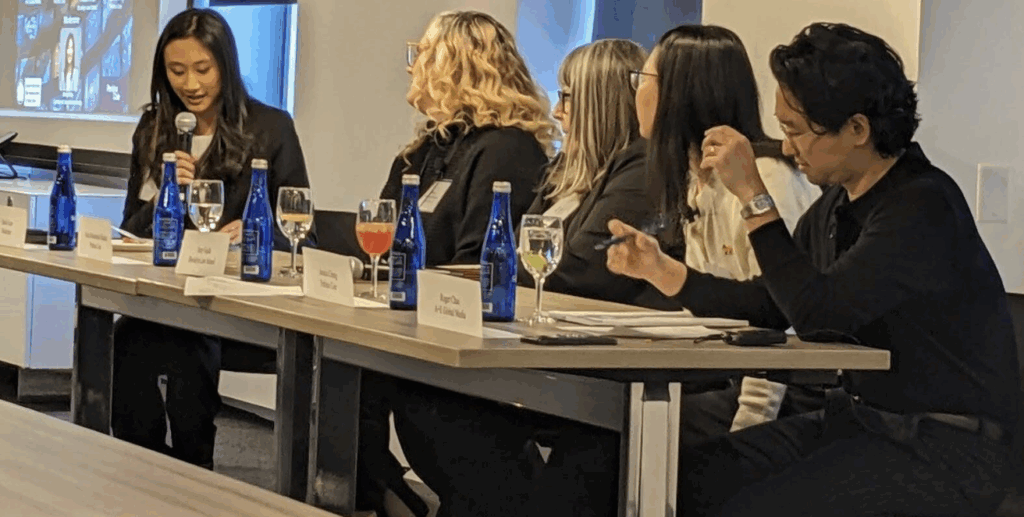
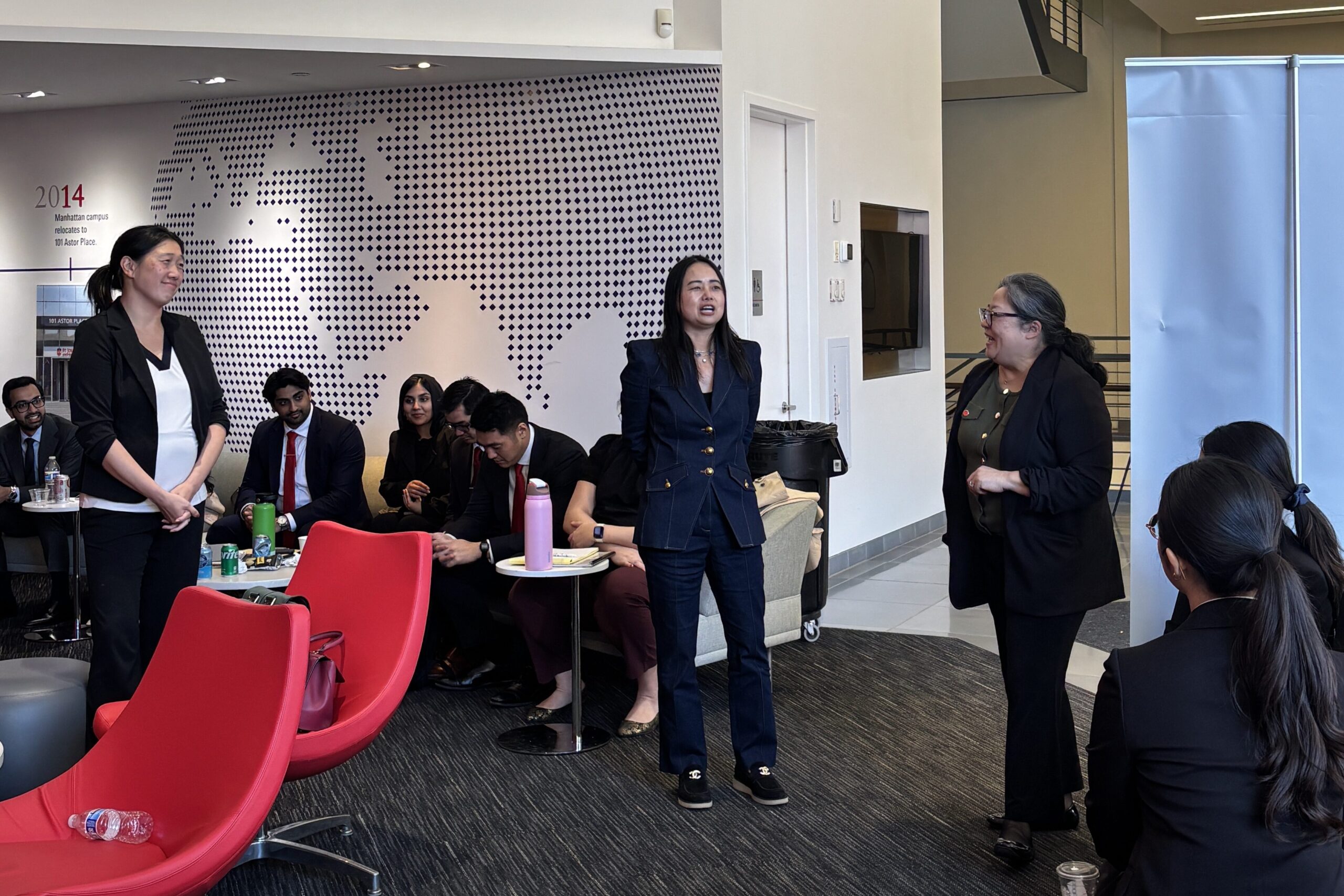
On Wednesday, March 18th, AABANY’s Student Outreach Committee and Women’s Committee organized the Careers in Media Law Panel, hosted by Perkins Coie. The panel featured a diverse group of professionals in media law: Roger Chao (Senior Counsel at A+E Global Media), Jessica Cheng (Associate at Perkins Coie), Amy Gajda (Jeffrey D. Forchelli Professor at Brooklyn Law School), and Alicia Matusheski Khaled (Senior Counsel at Perkins Coie). The event was held at Perkins Coie’s midtown Manhattan office in the SoHo conference room, where around 15-20 lawyers, students, and other registrants attended.

The panelists engaged in a riveting discussion of media law, the field’s niches, and the influence of AI on their work. Topics such as the First Amendment and privacy were brought into the conversation, specifically how these areas were being put in jeopardy and questioned by AI’s emergence. The panelists also engaged in a lighthearted, realistic discussion about the challenges of working within media law, as well as the rewards. They found the work they did to be stressful sometimes. One example included the stress in getting a contract or agreement through as a deadline looms, because not closing the deal can mean delays in production and content that was waiting to be used or seen by millions of people. But what the panelists found most rewarding was seeing the shows, games, or other media they worked on in the news and loved by fans.

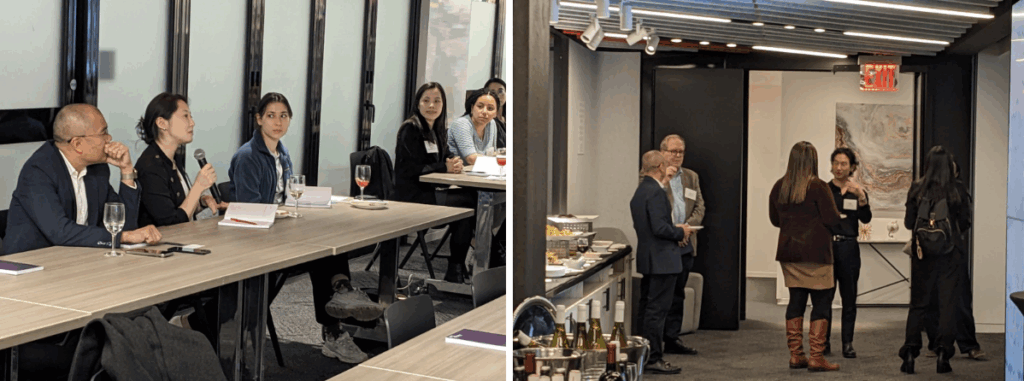
The audience was incredibly engaged and interested in what was shared. Attendees asked questions generally about the field of law, but also specific questions, including discussion of AI and its impact. After the panel discussion and Q&A, the attendees and panelists networked over a spread of hors d’oeuvres featuring lime-and-garlic-grilled shrimp and truffled potato croquettes as well as strawberries dipped in chocolate for dessert. Those who attended in the hopes of gaining more insight into media law left with a deeper understanding of the field’s intricacies and the stories of the experts who worked within it.

​AABANY thanks Perkins Coie for the refreshments and the beautiful space. Thank you also to our panelists, who were deeply engaged in conversation and who passionately shared stories, information, and tips about media law.

To learn more about AABANY’s Student Outreach Committee, click here. To learn more about AABANY’s Women’s Committee, click here. You can find out more about upcoming events by visiting the calendar on AABANY’s website.

 — Written by Emily Kam, AABANY Student Outreach Committee Vice-Chair

Request for Public Comment from NY Courts on Proposed Rule Changes Regarding AI and Equal Rights Amendment

The Administrative Board of the Courts is soliciting public comments on the following proposed amendments to court rules:
 

  • Artificial Intelligence:  Proposal to add a new Part 161 to the Rules of the Chief Administrator of the Courts regarding the use of generative artificial intelligence in preparing court documents
  • Equal Rights Amendment:  Proposal to amend Section 100.3(B) of the Code of Judicial Conduct, Rule 8.4(g) of the Rules of Professional Conduct, and Section 1210.1(10) of the Statement of Clients Rights, to conform those provisions to the language contained in the Equal Rights Amendment

Copies of both requests are also available on the UCS website at https://ww2.nycourts.gov/rules/comments/index.shtml.

Any comments on these proposed rule changes should be sent by email to rulecomments@nycourts.gov by December 29, 2025. 


Please feel free to reach out to David Nocenti at dnocenti@nycourts.gov if you have any questions. 

Thank You to the Participants of the 2025 Thomas Tang Moot Court Competition

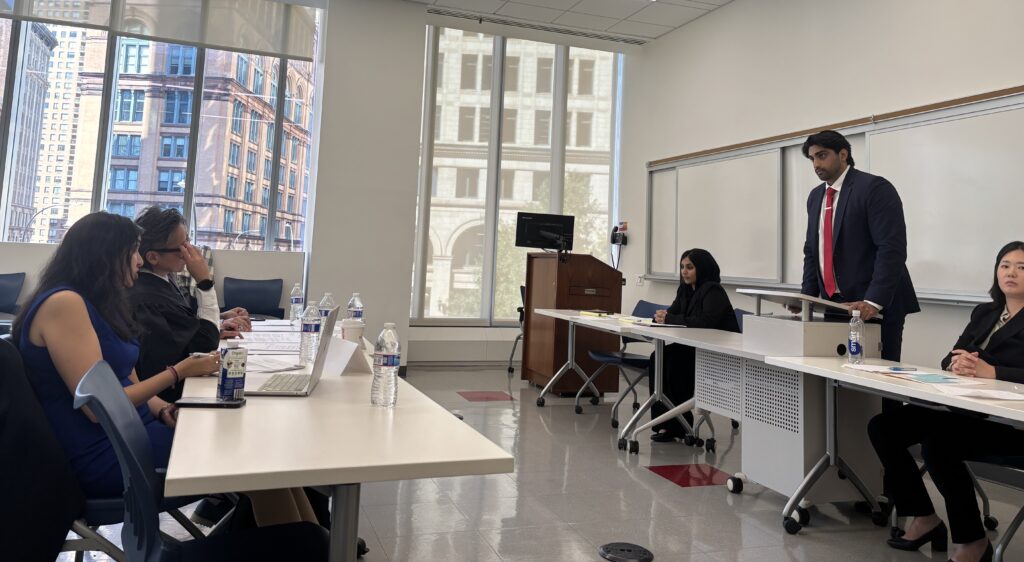
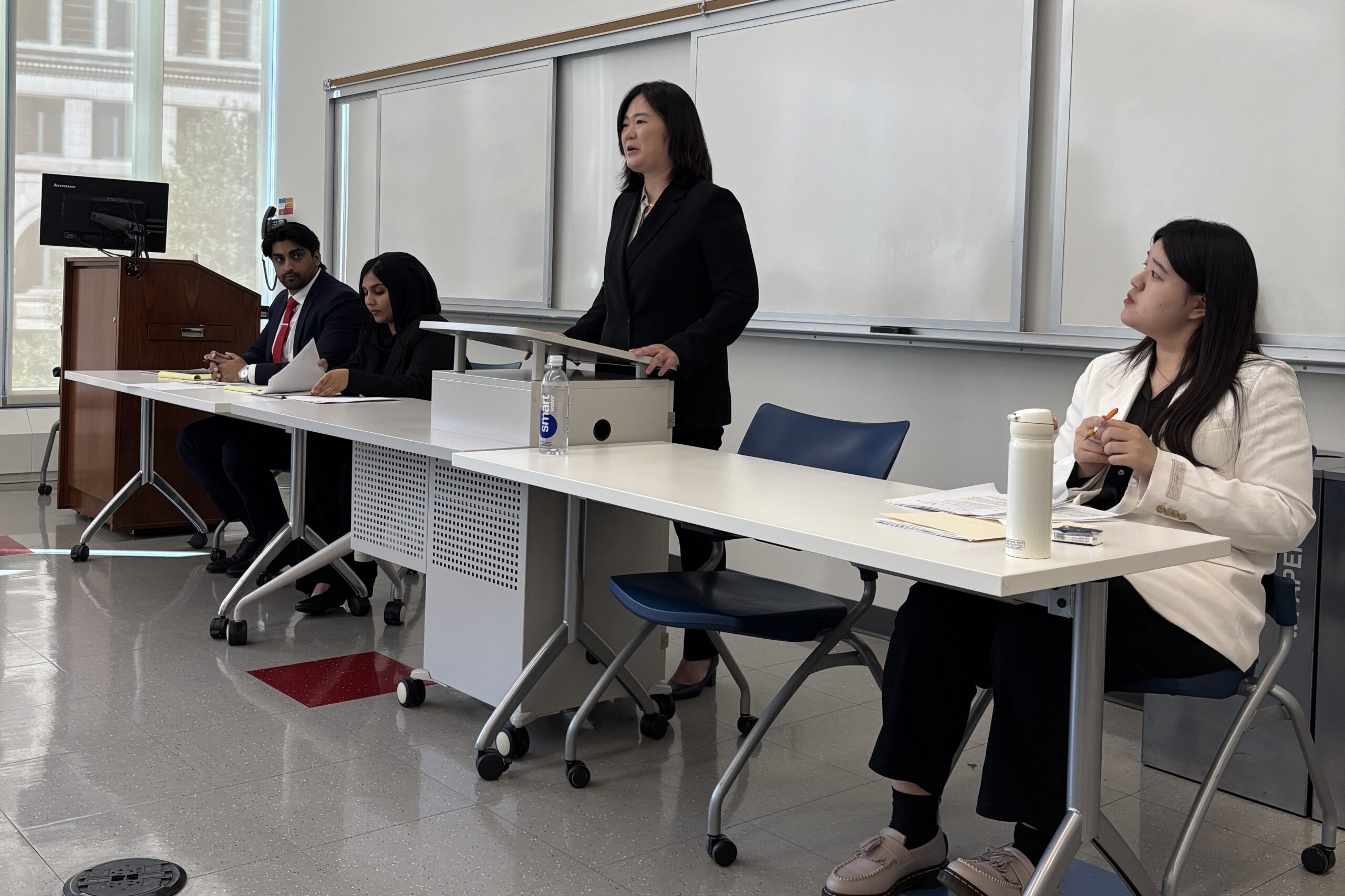
Over the course of two days – in-person on October 17, and over Zoom on October 18 – law students from across the country participated in the 2025 Thomas Tang Moot Court Competition (TTMC).  A total of 28 teams from 11 states competed in three regional competitions, showcasing exceptional advocacy, composure, and legal reasoning. To make these competitions possible, 78 members of the bench and bar marked a total of 133 score sheets across 12 rounds.


Background

The Thomas Tang Moot Court Competition was named in honor of Judge Thomas Tang of the U.S. Court of Appeals for the Ninth Circuit and Dr. Pearl Tang. The competition provides law students with a platform to hone their advocacy skills while engaging with the Asian Pacific American legal community. The competition was sponsored by the NAPABA Law Foundation and NAPABA Judicial Council, and remains one of NAPABA’s signature programs for fostering mentorship, excellence, and representation among the next generation of advocates.

AABANY’s Contributions

AABANY is proud to share that many of our members volunteered as judges and bailiffs for the Regional, held on October 17, 2025 at the St. John’s University campus in New York City. Our members generously devoted their time and mentorship to the aspiring attorneys, providing detailed feedback to the law students, asking provoking and critical questions about the case. 

The volunteer judges included federal and state judges, as well as seasoned litigators and practitioners. They offered meaningful advice in vital areas such as argument construction, speaking, composure, and presentation. Many students shared that the feedback and support they received from practitioners were among the most meaningful parts of their competition experience.

AABANY also co-sponsored the luncheon with the law firm of Groombridge, Wu, Baughman & Stone LLP, where participants enjoyed a spread of delicious sandwiches, beverages, and snacks. 

During the lunch, Jennifer Wu (AABANY Board Director), Judge Pamela Chen (AABANY Member), and Judge Jennifer Choe Groves shared their experience and advice with the students. Jennifer Wu recalled her own time as a competitor in the Thomas Tang Moot Court Competition, where several judges had told her, “You should be a litigator.” She humorously noted that one of the things she did particularly well was conceding at the right time, a small but important skill in advocacy. Reflecting on those memories, she spoke about the lasting mentorship she received during her time as a law student and her wish to pass that mentorship forward to the next generation.

Judge Chen and Judge Choe Groves echoed those sentiments, encouraging students to approach advocacy with confidence, humility, and openness to learning. Their words underscored the importance of community and the enduring relationships that the Thomas Tang Moot Court Competition helps build among judges, practitioners, and students.

About This Year’s Competition

The participants of this year’s regional rounds showcased exceptional preparation and professionalism. The participants shared creative arguments, thoughtful responses to questioning by judges, and showcased quick critical reasoning, as well as composed presentation. The atmosphere reflected the shared commitment of both students and volunteers to learning, growth, and community-building.

This year’s moot court problem addressed an interesting issue at the intersection of many current issues surrounding technology, intellectual property, copyright, and art: Who owns the copyright of an artwork created with the assistance of artificial intelligence? The case challenged participants to wrestle with questions of authorship, originality, and the evolving role of human creativity in the age of AI.

The top 18 teams from the regional competitions have advanced to the National Competition, which took place during the NAPABA Convention on November 7–8, 2025. The team that won the national competition was Audrey La and Josh Shimabukuro from Loyola University Chicago School of Law. They were the same team that won the regional competition round in New York.

We extend our gratitude to all those who made this competition possible, from the volunteers, judges, attorneys, and law student, to the TTMC National Committee and local coordinators. Your generosity of time and spirit continues to uphold the legacy of Judge Thomas Tang and ensures that mentorship, excellence, and inclusion remain at the heart of this program.

Intellectual Property Committee and Student Outreach Committee Present “Careers in Intellectual Property” Panel

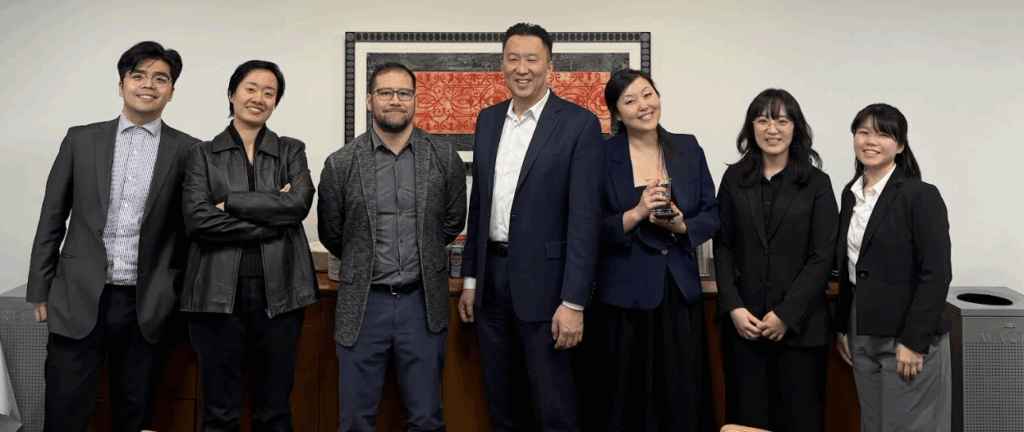
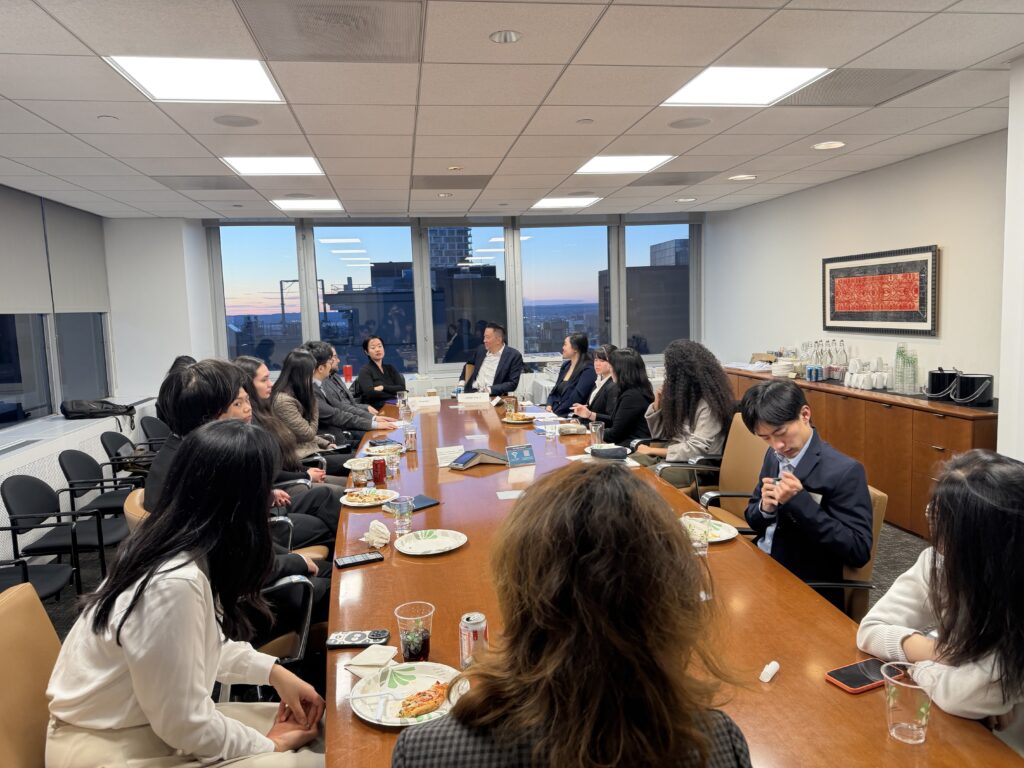
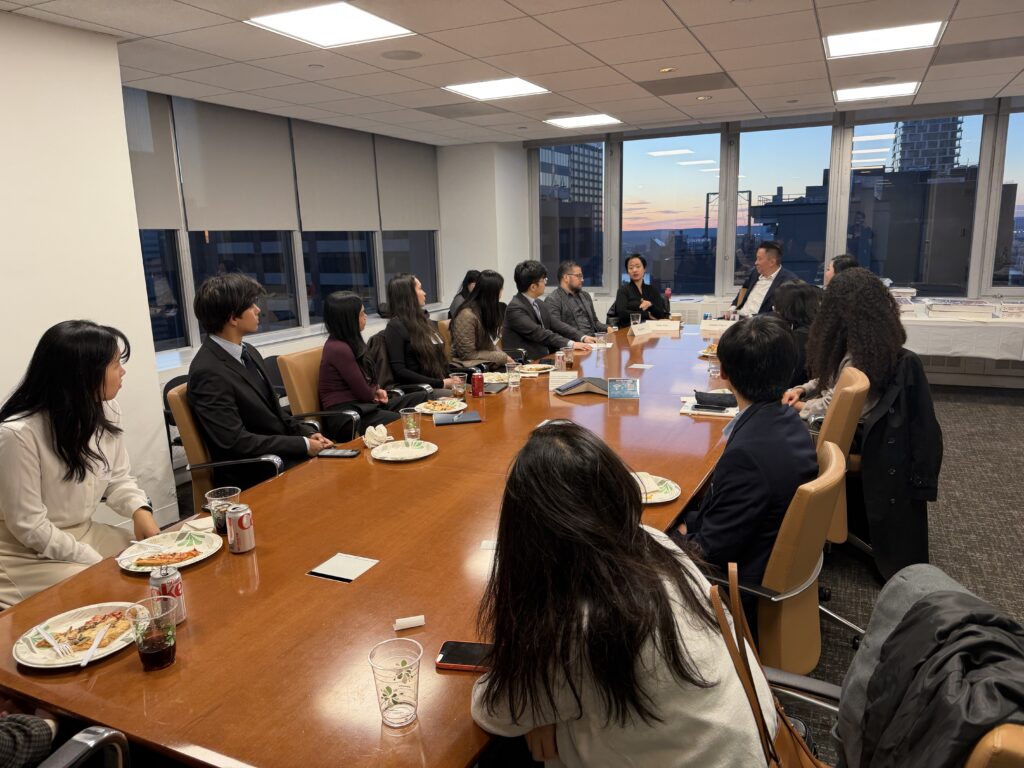
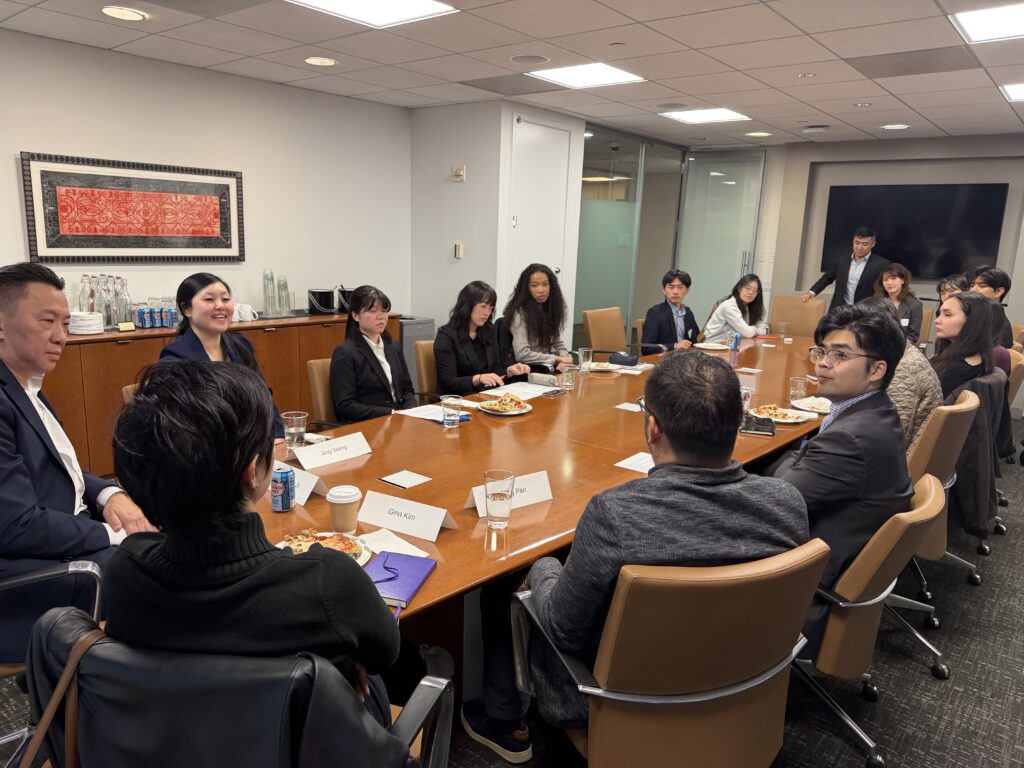
On the evening of October 17, the AABANY Student Outreach and Intellectual Property Committees presented the Careers in Intellectual Property Panel, held at Wilson Sonini Goodrich & Rosati. The program featured Gregory Pan (Nolan Heimann; Co-Chair of the Intellectual Property Committee) specializing in consumer products and entertainment, Joseph Eng (King & Spalding; Immediate Past President of AABANY) specializing in patent litigation, Jing Wang (Wilson Sonsini) specializing in patent prosecution, and Gina Kim (Zoetis) who shared her in-house patent experience.

All panelists spoke about their career paths into intellectual property and the work they handle day to day. Joseph and Jing, who both have PhDs in Chemistry, talked about their transition into pursuing law. Gregory and Gina shared their experiences working both in-house and in firms. In addition, Gregory and Jing shared their thoughts on the impact of emerging technologies such as AI on intellectual property.

Students not only learned about the wide spectrum of intellectual property work but also gained valuable and practical advice that included important skills worth building as junior level associates and qualities that help candidates stand out in the job process. At the end of the program, all of the panelists shared what they found most rewarding from their work and networked with attendees.

AABANY’s Student Outreach and Intellectual Property Committees extend their gratitude to Wilson Sonsini for the venue, everyone who made this event possible, and to the panelists for sharing their time and experience.

To learn more about AABANY’s Student Outreach Committee, click here. To learn more about AABANY’s Intellectual Property Committee, click here. To find out about upcoming events like this, please visit the calendar on AABANY’s website.

written by Ariel Zhang, AABANY Student Outreach Committee Vice-Chair

Intellectual Property Committee Hosts Dinner at Mama Fina’s on June 20

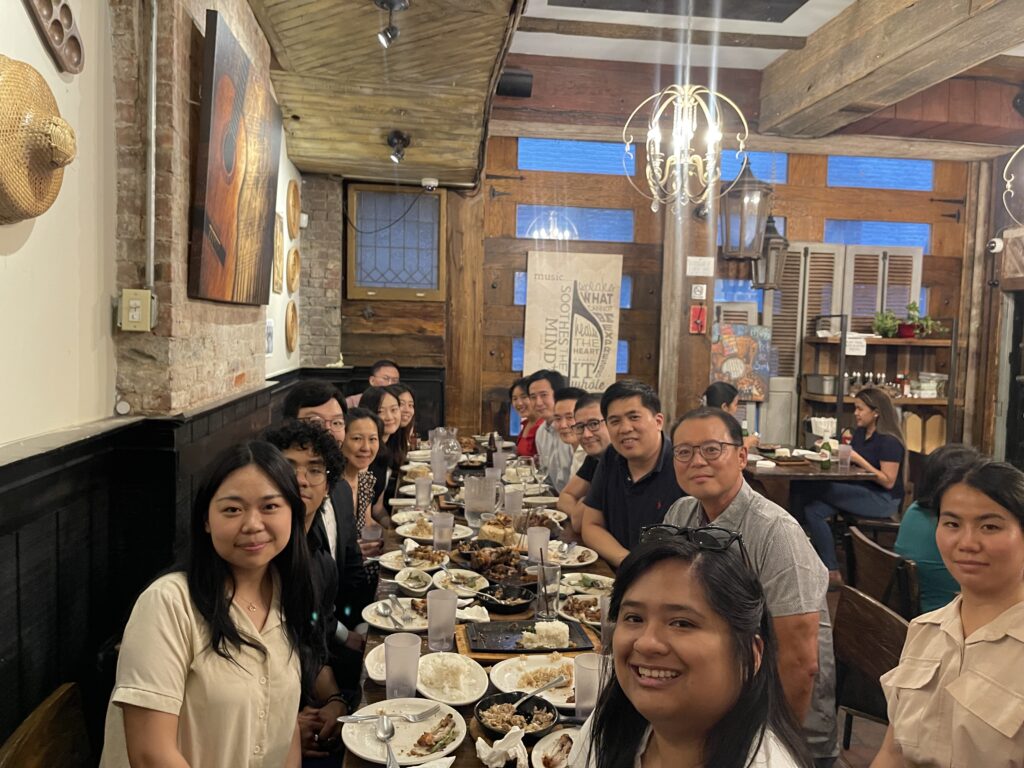
On Thursday, June 20, the Asian American Bar Association of New York’s Intellectual Property (IP) Committee hosted a dinner at Mama Fina’s, renowned as the House of Filipino Sisig. New and returning members attended the dinner, eager to meet and catch up with one another.

For some attendees, the dinner was an eye-opening experience as this was their first time exploring Filipino cuisine. Attendees enjoyed Filipino classics such as their light and flavorful lumpia, unforgettable crispy lechon, and of course, their famous fragrant and savory sisig, all shared family style. Safe to say, many attendees left Mama Fina’s as newfound lovers of the cuisine.

At the dinner, members bonded over endless discussions on various intriguing topics such as hometowns, pop culture, and AI. Some Canadian members of the committee had an unexpected encounter with one another, and gave travel advice to committee members that have travel plans in Canada. From there, discussions ensued on music and the use of AI in recent songs. Practicing lawyers gave their two cents on the use of AI in music, and how AI has and will continue to affect the legal field. Attendees conversed for about two hours at the dinner, leaving content and well-fed.

Thank you to those who joined us for the wonderful evening. To learn more about the IP Committee and how to get more involved, click here.