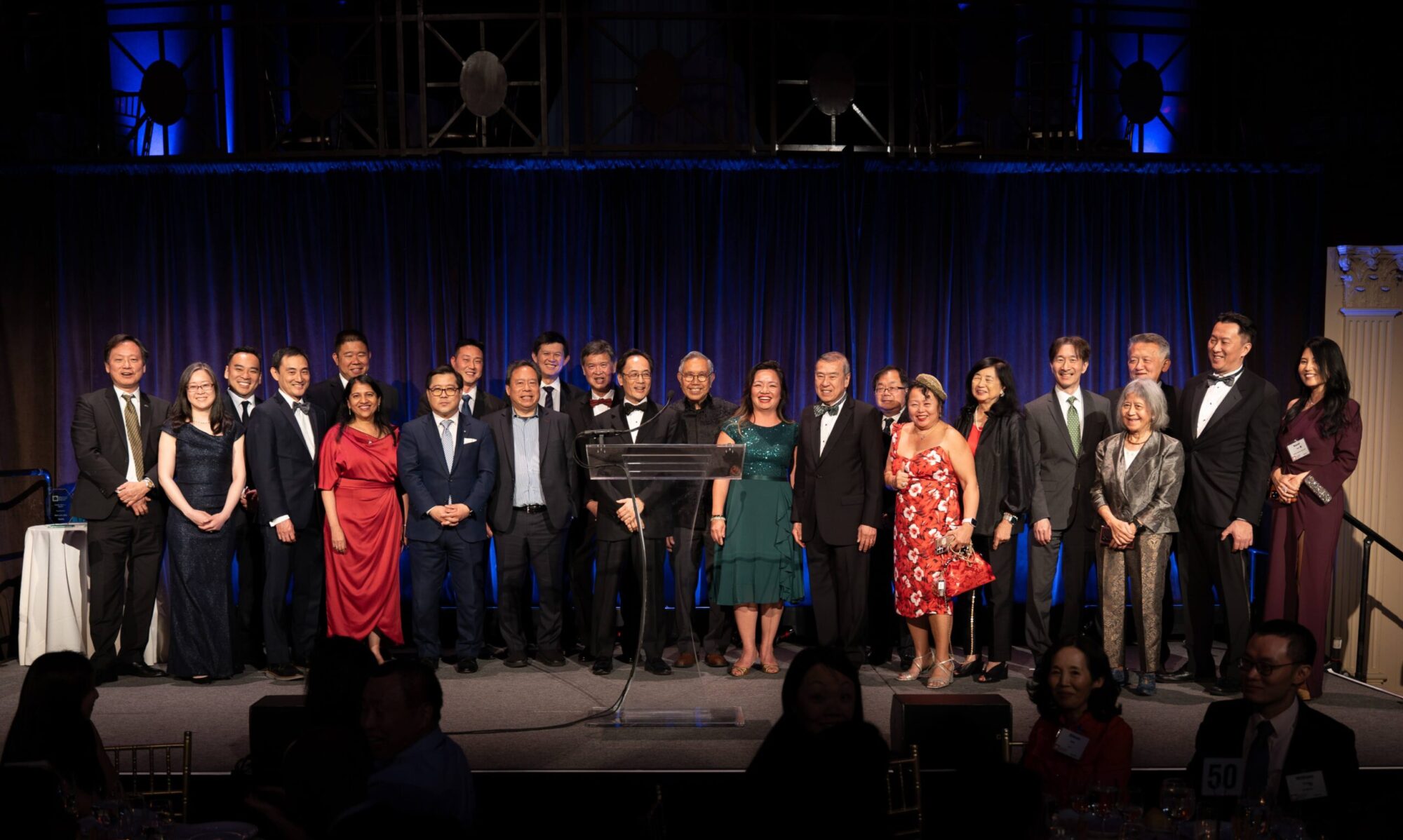

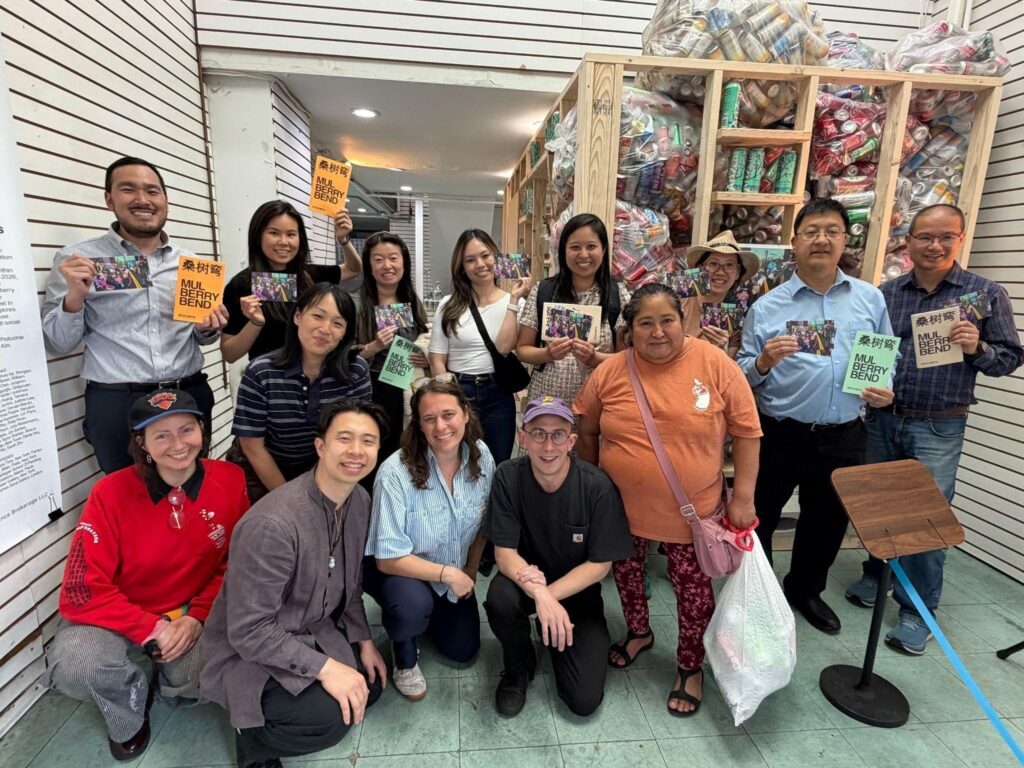
On May 26, 2026, the AABANY Government Service and Public Interest Committee (GSPI) attended the “Make It 10 Cents!” Community Panel in Chinatown at the ISS Storefront for Ideas, located at 127 Walker Street. The panel followed a one-day, pop-up redemption event at the Columbus Park Pavilion, hosted by Sure We Can in collaboration with artist and advocate Siyan (Joane) Wong and local organizations NYC Connect, Welcome to Chinatown, Immigrant Social Services, and Canal Street Research Association. There, all bottles and cans were redeemed at a 10-cent rate to simulate the passage of the Bigger Better Bottle Bill, which updates the 1982 New York State Container Law. This pending environmental legislation would double the current redemption rate from 5 to 10 cents and expand the categories of containers eligible for return, providing critical support to canners, who are predominantly elderly and immigrant workers across New York City.
The panel, which featured Ryan Castalia (Executive Director of Sure We Can), Harry Trinh (Head of Creatives at Welcome To Chinatown), Siyan (Joane) Wong (artist and workers’ rights lawyer) and Ah Xim Chan (Chinatown canner) and Josefa Marin (canner and President of the Alliance of Independent Recyclers of New York City), examined the history of bottle and can redemption in New York, the stories and experiences of canners, and the significance of the proposed reform in the Bigger Better Bottle Bill. The panelists noted that the redemption rate in New York has remained unchanged at 5 cents since 1982, even as other states have moved to 10 cents and broadened the categories of redeemable containers. Meanwhile, the cost of nearly everything else, including rent, utilities, subway fares, and groceries, has risen substantially over those four decades. Wong explained that canners are not protected by any labor and employment laws, because they are not employees of any employer, making them particularly vulnerable workers.
The panel estimated that there are between 10,000 and 20,000 canners working across New York City. The canners are diverse and speak different languages, including Spanish, French, and various Chinese dialects. Despite the demanding nature of the work, which often requires early morning rushes to particular buildings, canners frequently help one another, sharing tips and knowledge, and demonstrate a strong sense of community and mutual support.
Siyan Wong shared a personal reflection on her work with the canner community. She described how getting to know canners has made her world richer and how she has been moved by the way they thrive despite considerable hardship. She observed that many canners are motivated by a desire to contribute to their families and to avoid becoming a burden on others. Siyan recounted a story in which she realized she had forgotten her wallet when she was at the parking garage and in need to pay so she could promptly pick up her children from their after school program. A stranger gave her twenty dollars, asking only that she pays it forward. That experience gave her the idea to dedicate half of all proceeds from her canner paintings to support canners. She had put cash in red envelopes to give to canners and donated to Sure We Can to support the “Make It 10 Cents” Pop-up Redemption at Columbus Park. Passing the Bigger Better Bottle Bill, she explained, is one concrete way to ensure that this community is seen and valued, and an act of responsibility toward the future and a way of paying it forward.
The panel also highlighted the environmental impact of the bill. Expanding the categories of beverages and containers eligible for redemption would help reduce contamination, keep the city cleaner, and prevent waste. The panelists urged collaboration across communities to advance the bill and offered a simple, practical reminder for everyone: keep recycling separate from garbage to support the canners and the broader recycling ecosystem.
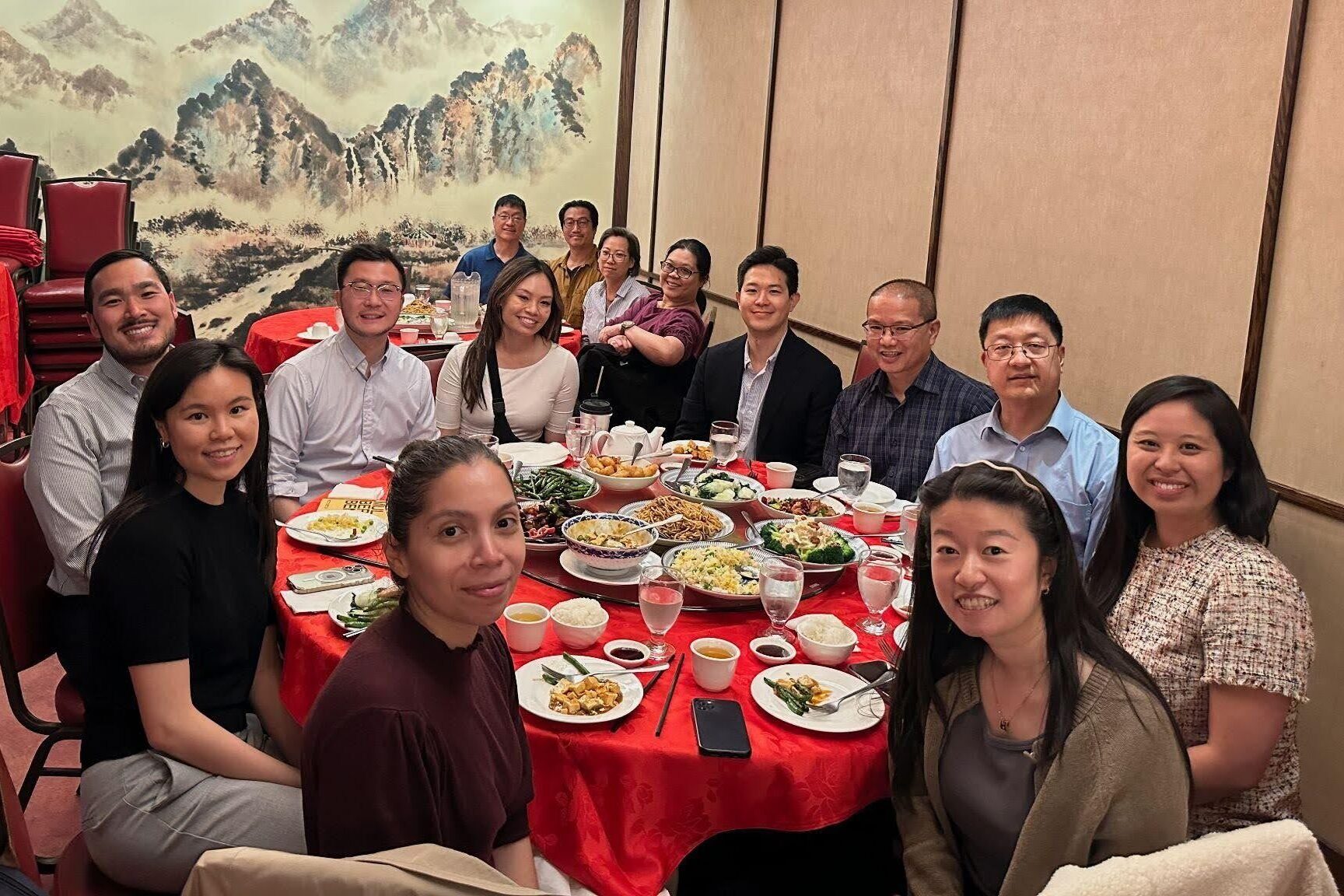
Following the panel, GSPI members walked together to Jing Fong at 202 Centre Street, where the Committee held its first Committee meeting and dinner of the new fiscal year. The dinner provided an opportunity for old and new members to connect, discuss upcoming GSPI events, and reflect on the issues raised at the panel. GSPI was joined by Siyan, who spoke about her journey from being a workers’ rights lawyer for 25 years at the National Labor Relations Board (NLRB) to painting and teaching. She also spoke about the broader “Make It 10 Cents!” initiative, how her painting exhibition raised awareness and the funds to support the one-day, pop-up redemption event, and her work which depicts historically marginalized workers who collect cans to survive remained on view in the Welcome to Chinatown Hub on 115 Bowery until Friday, May 29, 2026. Siyan said she will continue to advocate for them to update the bottling law to ensure a more economically just system for canners and an environmentally sound system for our future generations.
GSPI members learned that dinner attendees Siyan Wong, Nelson Mar, and Kevin Hsi, went to the same college and law school, and that they had a shared history of fighting for economic justice for all and especially in the Chinatown community. They shared their experience fighting to end slave labor conditions at the Jing Fong Restaurant when it was previously located at 20 Elizabeth Street and was the largest Chinese restaurant on the East Coast. They recounted how in the early 1990s, restaurant workers at Jing Fong were being paid less than $1 per hour with no overtime pay. Siyan, Nelson and Kevin helped lead a student hunger strike in 1995 that helped bring national and international awareness to the existence of modern sweatshops in the US economy. With the support of the community, the workers at Jing Fong won a $1.1 million settlement through the NYS Attorney General’s office. The national attention also forced the US Department of Labor and the NYS Department of Labor to form a joint task force to investigate labor conditions in the restaurant and apparel industries. The stirring victory at Jing Fong also had an immediate impact by pushing many restaurant employers in Chinatown to stop their illegal labor practices of nonpayment of minimum wage and overtime.
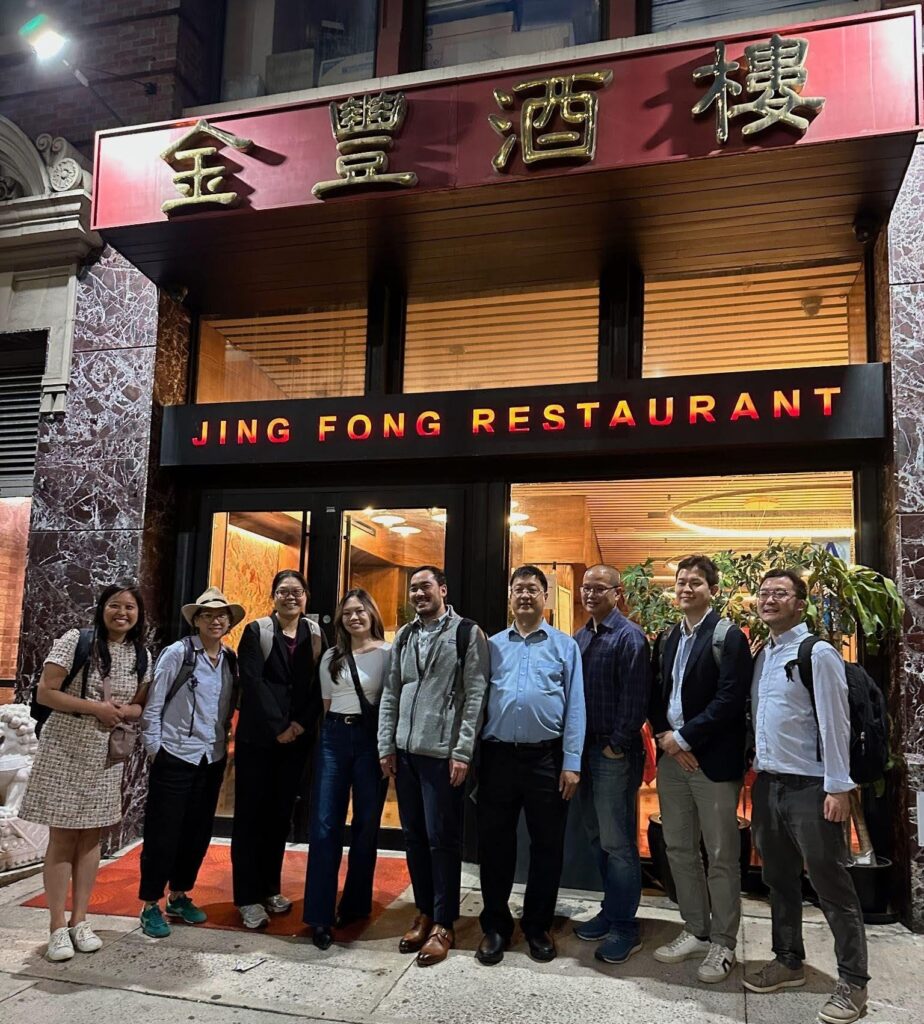
GSPI is grateful to Siyan Wong, Nelson Mar, and the members who came to the meeting and dinner to learn and share their perspectives on the local events and ongoing issues affecting Chinatown, and network and build community across different government service and public interest sectors.
To learn more about AABANY’s Government Service & Public Interest Committee, click here. To see upcoming events on the AABANY calendar, click here.
–Written by Johnny Thach, Co-Chair, AABANY’s Government Service & Public Interest Committee