
A Rainbow Colored Legal Eagle: Glenn D. Magpantay Honored at Queens Borough President Donovan Richards Jr.’s Annual Pride Month Celebration

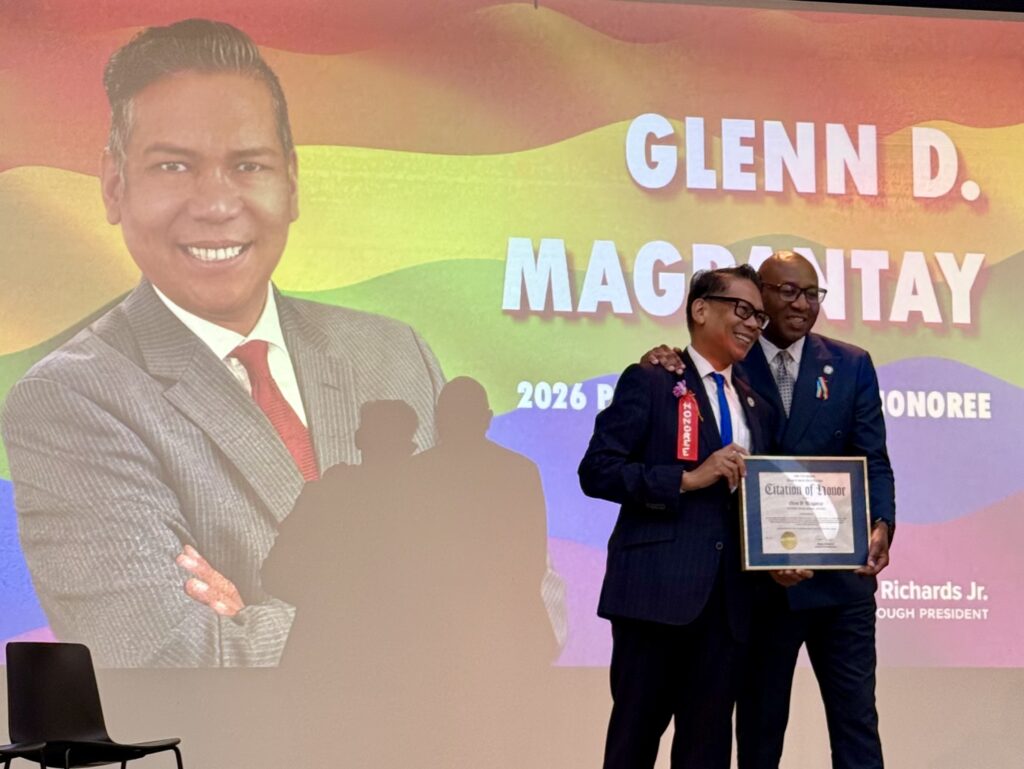
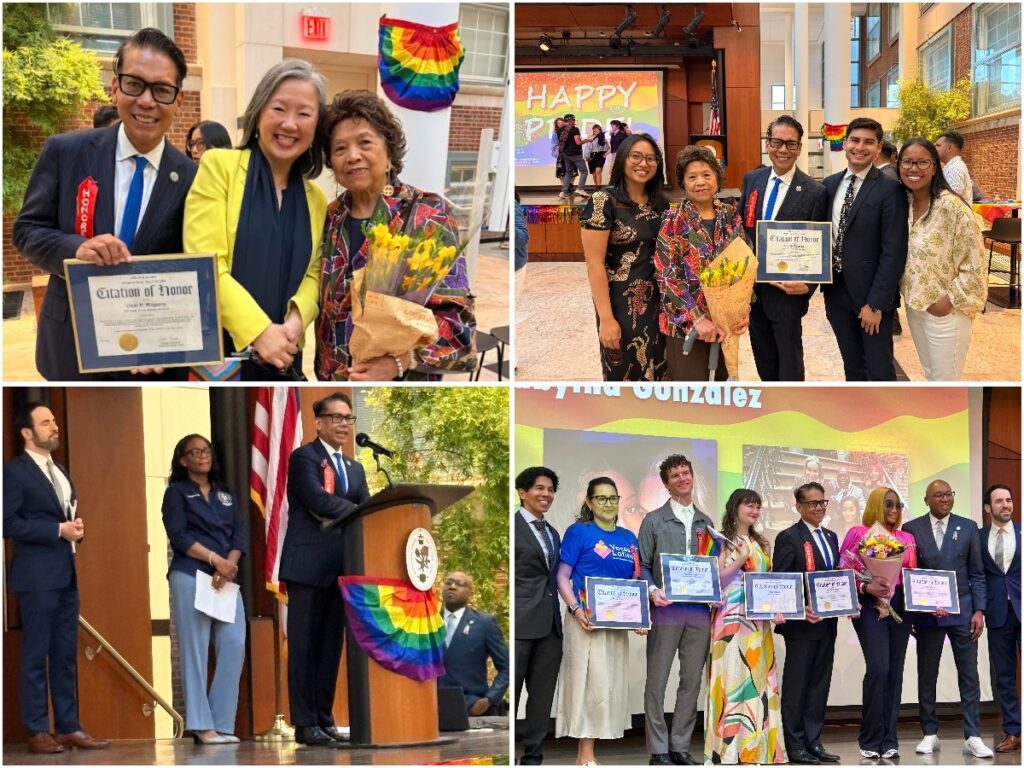
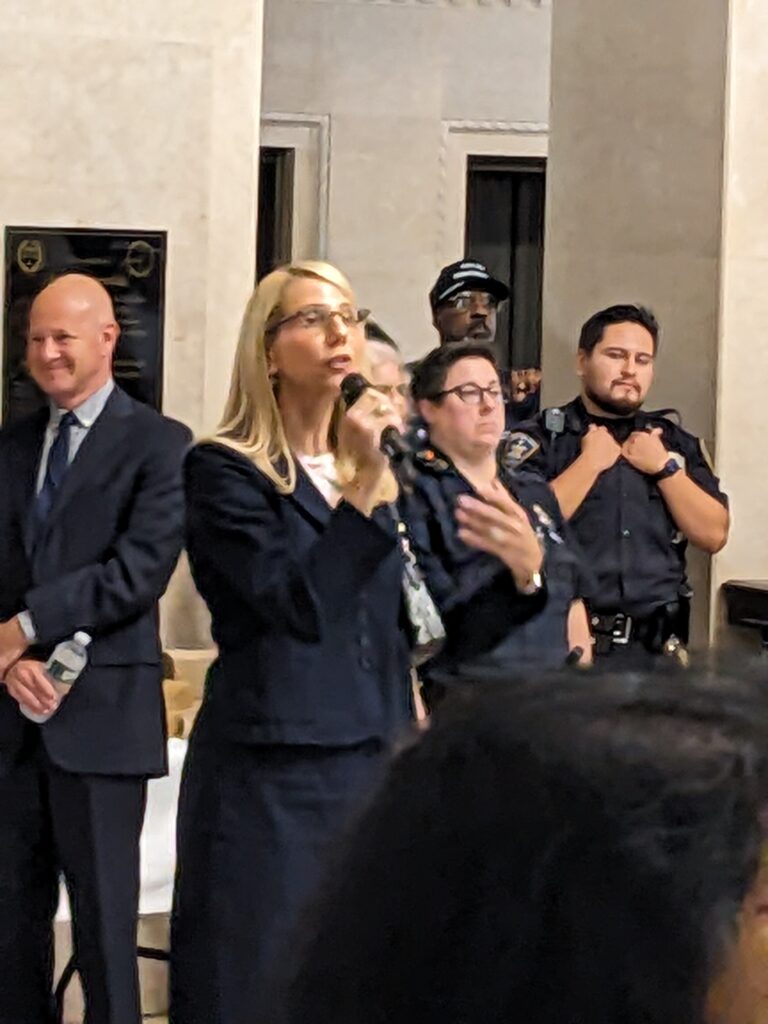
On June 24th, 2026, Glenn D. Magpantay, a Commissioner on the United States Commission on Civil Rights (USCCR), was honored at Queens Borough President Donovan Richards Jr. ‘s Annual Pride Month Celebration at Queens Borough Hall. Glenn is the first openly LGBTQ and Asian American commissioner in the USCCR since its founding in 1957. Glenn is a longtime member and leader at AABANY and a current Board Director. Recently, we took this opportunity to meet with Glenn to interview him about his lifelong work as a civil rights attorney and an LGBTQ rights activist. 

 In a distinguished and storied career, Glenn has been recognized with a variety of awards, including NAPABA’s Daniel K. Inouye Trailblazer Lifetime Achievement Award and the AALAM Community Service Award. However, Glenn reflects that his award from BP Richards feels different because of the incredible support he has received from others in the local community. Being a Queens native—a borough bursting with diversity—Glenn has experienced firsthand how important diversity within communities is. For Glenn, the community recognition is what makes this honor deeply personal and truly special. 

In his acceptance remarks, Glenn reflected on the difficulties of coming out as a gay man during the peak of the HIV epidemic. He extended deep gratitude to his family and supporters in both the LGBTQ and legal communities, noting that their unwavering support was vital during this challenging period of his life and the successes he achieved throughout his career. He also highlighted his impactful advocacy on the USCCR, including his efforts to ensure that the Commission acknowledges violence against transgender women of color. Glenn called upon those in attendance to persistently speak out and advocate for justice. As his remarks drew to a close, he extended his sincere thanks to the community for offering their continuous support throughout his journey.

“I would have never achieved all of this, were it not for so many of you who are here in the audience today. You all have supported me and have given me poise. You have lifted me up, even though I know I’m a little heavy,” he quipped. Click here to listen to Glenn’s speech.

Glenn is a Co-Founder of the National Queer Asian Pacific Islander Alliance (NQAPIA), an organization that aims to create a world where queer and trans Asian American, Native Hawaiian, and Pacific Islander (AANHPI) people can flourish. Through this work, underrepresented communities continue to tackle ever-changing political and societal issues. Glenn claims that the changes the new administration implemented—the dismantling of Diversity, Equity, and Inclusion (DEI) programs, Temporary Protected Status (TPS), and cutbacks on transgender healthcare and services for the poor—have affected millions of minority populations across the U.S., including AANHPI and LGBTQ communities. 

Glenn credits affirmative action for his success as an LGBTQ Asian American. Following the government rollback of the policies supporting underrepresented communities, many feel the current legal and political landscape is stacked against them. Faced with these issues, Glenn shares how individuals and organizations can navigate this shifting landscape:

  1. Vote in every election
  2. Protest injustice
  3. Engage with your community
  4. Cultivate allies from those not in your communities
  5. Be more open-minded to diverse perspectives 

To achieve meaningful progress, according to Glenn, it is essential to transform hearts and minds. For many AANHPI and LGBTQ individuals, this transformation begins at home and involves finding a healthy balance between traditional expectations of family duty and the fundamental right to live authentically. Glenn observes a distinct tension between traditional, collectivist, and conformist Asian values and the emphasis on individualism in America, leading to the conflict that arises between parents and their second-generation children. 

Glenn maintains that such cultural tenacity served as a way of survival for previous generations. It remains equally essential for navigating today’s challenges. While this cultural friction often causes painful divides, bridging these two worlds requires a slow, empathetic dialogue. “Coming out in Asian cultures is a process, not an event,” Glenn stated. “Parents have struggled and sacrificed for us. We should honor and respect them with patience.” 

As a parent himself, Glenn states that his choices are guided by a desire to provide the very best for his child—similar to his own parents and many other Asian parents in America.  American interactions are often transactional, while Asian interactions are deliberate and transformative—something AANHPI and LGBTQ youth must be mindful of while balancing their identities. “Unfortunately, everything that is beautiful and fulfilling in this world is a struggle to get to,” Glenn declared.

Teaching has also played a significant part in Glenn’s life. His teaching journey began when his friend, the late Professor Gary Okihiro, professor of international and public affairs at Columbia University, suggested that he teach, recognizing the unique insights the Commissioner had to share with students. Glenn chose to begin teaching as a personal mission to give back to the community with the ultimate goal of showing that students from underserved communities can also become accomplished lawyers. Many of them—first–generation immigrants or poor—have never met a brown gay attorney before.  They thought that all the successful lawyers were white, male, and Jewish.  

He hopes that he can help his students find a potential greater than they have ever imagined for themselves. The mentor and mentee relationships that teaching has enabled him to form motivate him to continue. He imparts his personal knowledge while the students keep him updated on current social media lingo, allowing them to form meaningful and relevant connections. Although Glenn no longer teaches, he hopes to return to the classroom sometime in the future. He is beloved and admired by his students, as his “Rate My Professor” reviews show.  

Ultimately, Glenn intends to continue leveraging his role in the USCCR and his position as an LGBTQ and Asian American civil rights pioneer to help underrepresented communities achieve their fullest potential.

Please join AABANY in congratulating Glenn on his most recent recognition from Queens BP Richards during the Annual Pride Month Celebration in June.

Breaking Barriers, Building Community: A Fireside Chat with Sandra Leung

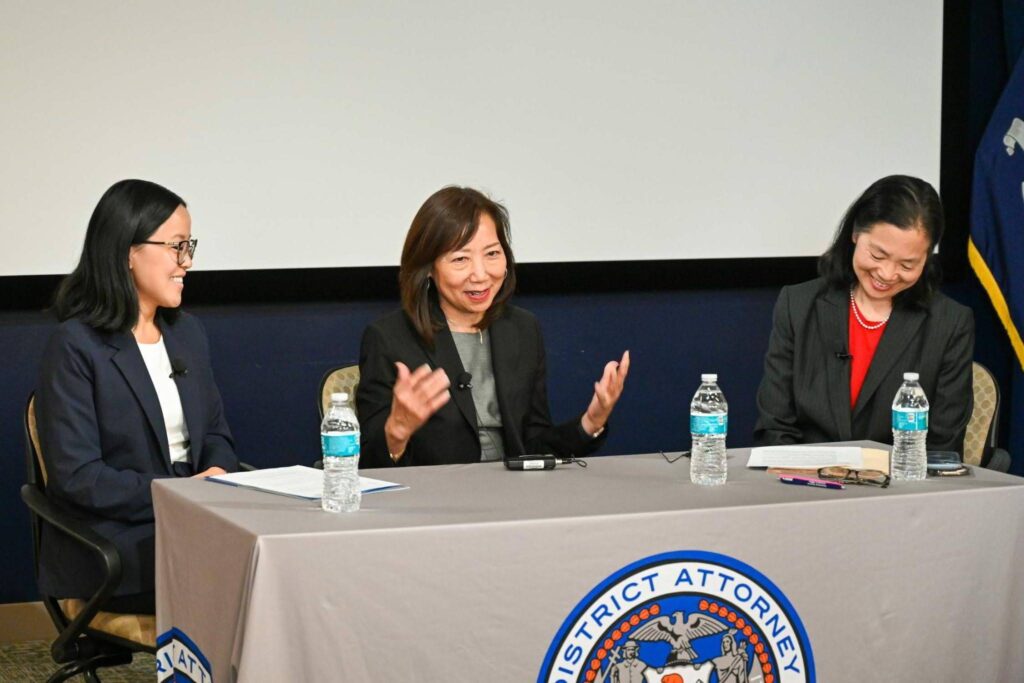
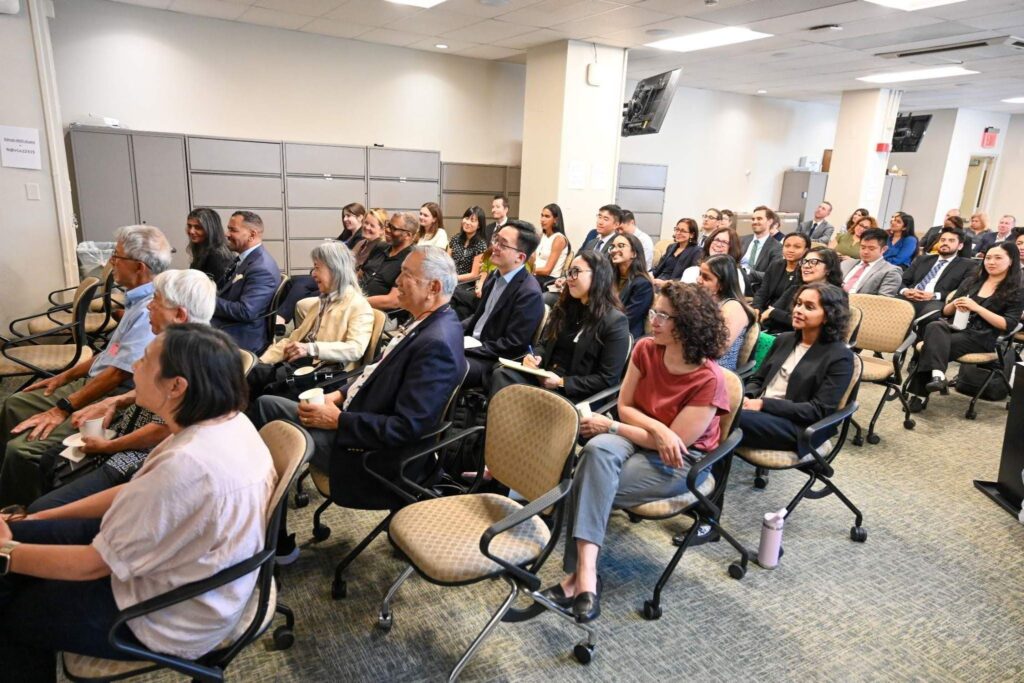
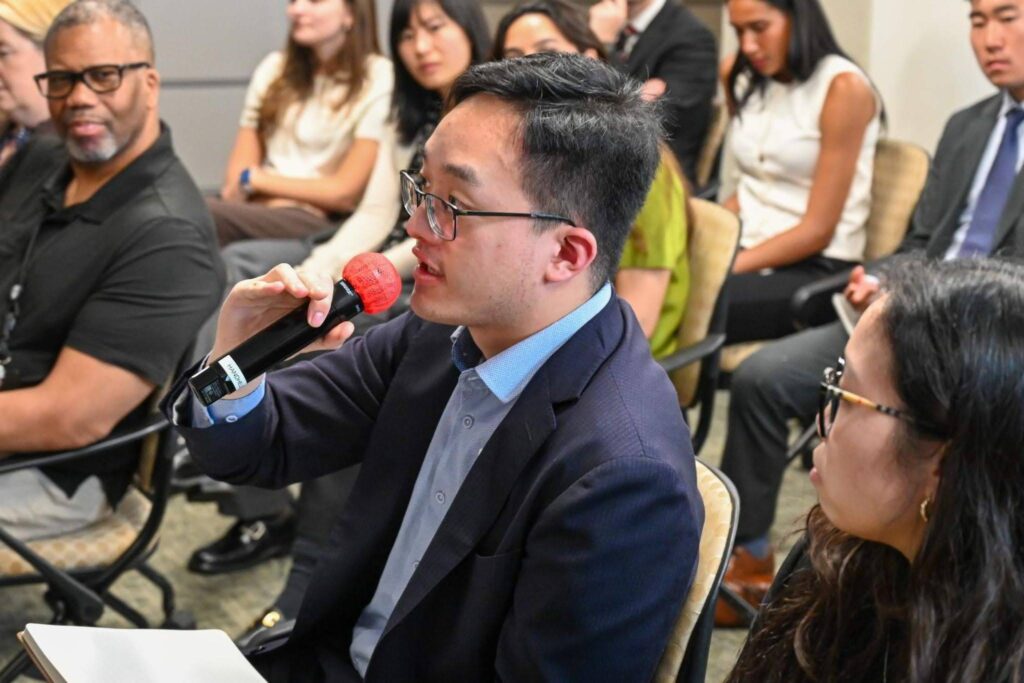
On June 2, the Asian Employee Resource Group of the Manhattan District Attorney’s Office (DANY) hosted a fireside chat with DANY alum Sandra Leung in honor of Asian Pacific Islander Desi American (APIDA) Heritage Month. Leung is an Independent Director of Bausch Health Companies and recently retired as Executive Vice President and General Counsel (GC) of Bristol Myers Squibb, where she was the first Asian American and first woman to hold the role. Moderated by Grace Vee (Co-Chair of AABANY’s Prosecutors Committee; Associate General Counsel and Chief, State Civil Litigation Unit, Appeals Division, at Manhattan District Attorney’s Office)  and Emily Abrams, the event brought together prosecutors, attorneys, and members of the legal community for a conversation about Leung’s career and the lessons she’s carried from the DA’s office to the boardroom.

Leung credited her career to both her family history and her time at DANY, where she chose prosecution after a stint in legal aid exposed her to criminal justice firsthand. When she first started, diversity wasn’t yet something the profession really talked about. Despite that, she pushed through imposter syndrome, a feeling she said never fully goes away.  Leung learned to recognize it and work past it when it counted.

Eventually the hours and the need for more stability for a growing family pulled her toward in-house work, a path that led her to the GC role at Bristol Myers Squibb. From her time at the company, she learned that diversity was not only about being fair and ethical, but it was also good for business, because it prevents groupthink. She pointed to the National Asian Pacific American Bar Association’s model of mentorship and allyship as a blueprint for what the room could keep building. She closed by urging everyone not to let their differences divide them but to remember that the profession moves further when it moves together.

Leung’s decades of leadership have earned national recognition. Earlier this year, the ABA Commission on Racial and Ethnic Diversity in the Profession honored her with the 2026 Spirit of Excellence Award. At last year’s NAPABA Annual Conference, Leung received the Daniel K. Inouye Trailblazer Award, NAPABA’s highest honor, for her achievements and leadership in advancing Asian Pacific, Native Hawaiian, and Pacific Islander lawyers. 

AABANY thanks Sandra Leung for sharing her insights and her journey, and thanks the Asian Employee Resource Group of the Manhattan District Attorney’s Office for hosting this celebration of APIDA Heritage Month.

NAPABA Applauds Judge Reynaldo Aligada’s Appointment to the Minnesota Supreme Court

For Immediate Release:
May 27, 2026
Contact:
press@napaba.org

WASHINGTON – The National Asian Pacific American Bar Association (NAPABA) congratulates Judge Reynaldo A. Aligada, Jr. on his appointment to the Minnesota Supreme Court. Judge Aligada becomes the first Asian Pacific American justice in Minnesota’s history.

“Judge Reynaldo Aligada’s historic appointment to the Minnesota Supreme Court marks a milestone for the Asian American, Native Hawaiian, and Pacific Islander (AANHPI) legal community and beyond,” said NAPABA President Joseph Yao. “As NAPABA’s Portrait Project 2.0 found, Asian American jurists are underrepresented on state high courts. Judge Aligada has broken barriers, and his appointment marks an incredible achievement for our legal community and beyond.”

Judge Aligada currently serves on Minnesota’s Second Judicial District Court. Prior to joining the bench, he served as First Assistant Federal Defender in Minneapolis and previously practiced at Robins, Kaplan, Miller & Ciresi LLP. He clerked for Judge Michael J. Davis of the U.S. District Court for the District of Minnesota and Judge Wilhelmina M. Wright of the Minnesota Court of Appeals. Judge Aligada earned his B.A. from Saint John’s University and his J.D. from William Mitchell College of Law, now the Mitchell Hamline School of Law.

“Through his many roles in the community, including with the Community Outreach Committee of the Federal Bar Association and many bar associations like the Minnesota Asian Pacific American Bar Association (MNAPABA), Judge Aligada has demonstrated a deep commitment public service,” said Priya Purandare, Executive Director of NAPABA. “His groundbreaking appointment highlights the importance of ensuring that those in the AANHPI legal community are recognized, supported, and elevated to positions of leadership across the country.”

“Judge Aligada is a brilliant and skilled jurist and, importantly, a wonderful human being. These qualities, along with his background and experience, make him a phenomenal choice to serve as a justice on the Minnesota Supreme Court,” said Valerie Narcy, President of MNAPABA. “This moment comes against the backdrop of a long and challenging history for AANHPI communities. From legislation excluding Chinese immigrants, to the incarceration of Japanese Americans during World War II, to anti-Asian hate during the COVID-19 pandemic, to the more recent actions against birthright citizenship, our community has often been left to wonder about our place in American society. Judge Aligada’s appointment is a reminder that our place is here and that our community is well-woven into the historic tapestry of Minnesota and this country.”

NAPABA extends its sincere congratulations to Judge Reynaldo Aligada and wishes him success in his service on the Minnesota Supreme Court.

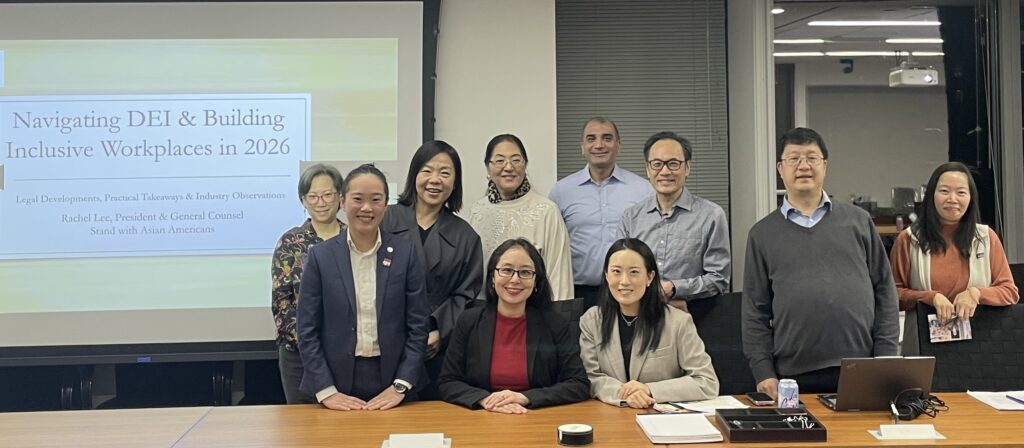
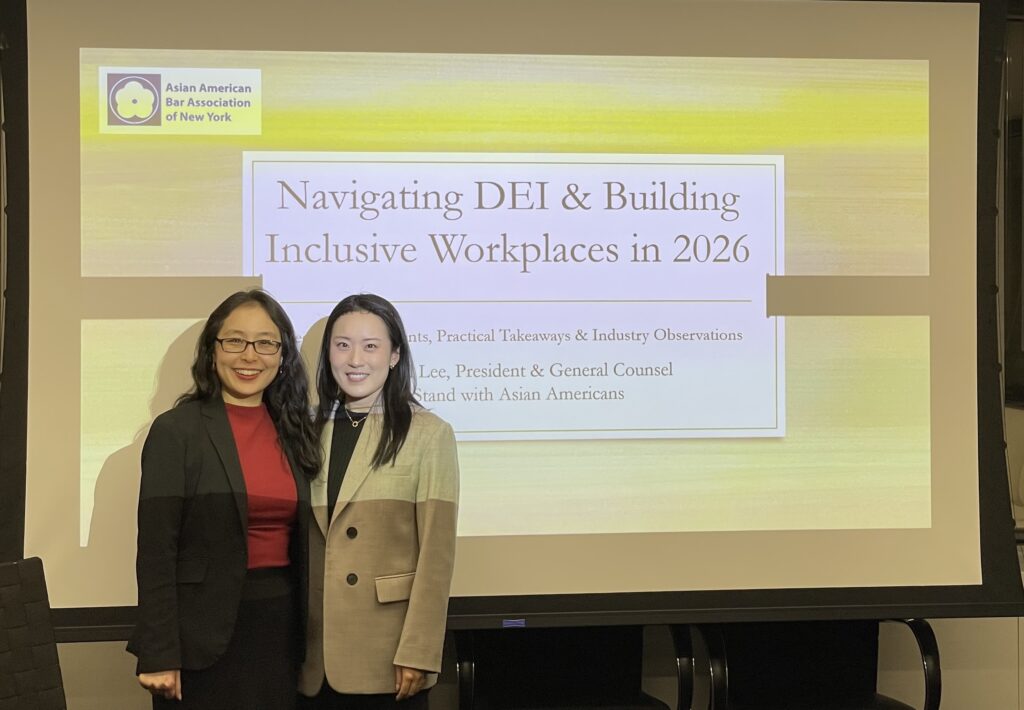
AABANY’s Labor & Employment Law Committee and Issues Committee Host “Navigating DEI Into 2026: Practical Takeaways & Industry Observations” CLE Program

On March 25, 2026, AABANY’s Labor & Employment Law Committee, with co-sponsorship from the Issues Committee, hosted a timely and thought‑provoking CLE program, Navigating DEI Into 2026: Practical Takeaways & Industry Observations, at Littler Mendelson P.C. in New York City.

The program featured Rachel Lee, President and General Counsel of Stand With Asian Americans and Co‑Chair of AABANY’s Issues Committee, who shared insights on the evolving legal and cultural landscape surrounding diversity, equity, and inclusion efforts.  Rachel drew from her work with organizations seeking to build and sustain inclusive workplaces amid shifting regulatory and societal expectations.  She also offered practical, compliant strategies for fostering inclusive work environments in the years ahead.

The discussion was moderated by Jennifer Kim of Littler Mendelson, Chair of AABANY’s Labor & Employment Law Committee, who guided the conversation and facilitated audience engagement on the real‑world challenges employers and practitioners face when navigating DEI initiatives.

Attendees earned 1.0 NY CLE credit in Diversity, Inclusion, and Elimination of Bias and benefited from an engaging exchange of ideas that balanced legal guidance with practical application. The Committees thank Rachel Lee, the Professional Development Committee, and all attendees for making this program a success.

If you are interested in attending future Labor & Employment Law Committee or Issues Committee events, please check the AABANY calendar.

– Written by Shreya Mantrala, Vice Chair of the Labor & Employment Law Committee

NAPABA Trailblazer Sandra Leung to Receive ABA Spirit of Excellence Award

For Immediate Release:
October 20, 2025
Contact:
Priya Purandare
Executive Director, NAPABA

WASHINGTON — The American Bar Association’s Commission on Racial and Ethnic Diversity in the Profession has announced that past NAPABA President Sandra Leung will receive the 2026 Spirit of Excellence Award. Each year, the ABA honors lawyers who have excelled in their fields and who have demonstrated an abiding commitment to promoting diversity and inclusion in the legal profession. Earlier this year, NAPABA announced Sandra Leung as a recipient of its highest honor, the Daniel K. Inouye Trailblazer Award, in recognition of her achievements, commitment, and leadership in paving the way for advancement of other Asian Pacific, Native Hawaiian, and Pacific Islander lawyers.

An accomplished attorney, prosecutor, C-suite advisor, and champion for justice, Sandra Leung has broken down barriers in a distinguished career that saw her become the first Asian American woman to serve as an Assistant District Attorney in the Manhattan District Attorney’s office, and the first Asian American and the first woman to serve as general counsel for the global biopharmaceutical giant Bristol Meyers Squibb. As one of ten children born to Chinese immigrant parents who operated a Chinese restaurant in Stamford, Connecticut, and whose neighbors had circulated a petition in an attempt to block her family from moving in, Sandra Leung has displayed a lifelong commitment to speaking up for those facing inequality and prejudice.  

“Sandy Leung has blazed trails and set a remarkably high standard of achievement and excellence for our bar,” said NAPABA President Thy B. Bui. “Not only has she walked the talk in terms of her dedication to uplifting attorneys of all backgrounds in the legal profession, but her unapologetic public commitment to diversity and justice has been an inspiration for me as president of NAPABA and for so many others.”

Over more than a three-decade long career at Bristol Meyers Squibb, Sandra built and led a world class team of approximately 200 attorneys and 480 professionals across 35 countries. Among her many accomplishments, she takes greatest pride in her unwavering commitment to nurturing diverse talent at every level of the profession—beginning with the BMS internship program she helped cultivate and which has now been aptly renamed the Sandra Leung Program on Law and Leadership in recognition of her enduring impact.

In addition to her tenure at Bristol Myers Squibb, Sandra has devoted her time, energy, and expertise to advancing the mission of numerous nonprofit organizations. She served on NAPABA’s Board of Governors from 2021 to 2024 and as NAPABA President from 2022 to 2023, where she worked to strengthen and expand the organization’s reach.

“Sandy’s deep commitment to our bar and the legal profession derives from a lifetime of advocacy for diversity and underserved communities,” said Priya Purandare, Executive Director of NAPABA. “I am grateful to Sandy for her leadership in not only guiding NAPABA with steady wisdom through a tremendous period of growth but also her dedication to advancing AANHPI lawyers and the communities they serve.”

Also receiving the 2026 Spirit of Excellence Award are:

  • Hon. Marcella Holland, Circuit Administrative Judge, Baltimore City (ret.);
  • Loren Kieve, Principal, Kieve Law Offices;
  • Rosevelie Márquez Morales, Chief Inclusion Officer, Hogan Lovells;
  • Hector Villagra, Vice President of Policy Advocacy and Community Education, Mexican American Legal Defense and Education Fund (MALDEF).

The 2026 Spirit of Excellence Awards will be presented during a ceremony at the 2026 ABA Midyear Meeting on February 7, 2026, in San Antonio, Texas.

AABANY Co-Sponsors 18th Annual Caren Aronowitz Unity in Diversity Event at the New York State Supreme Court

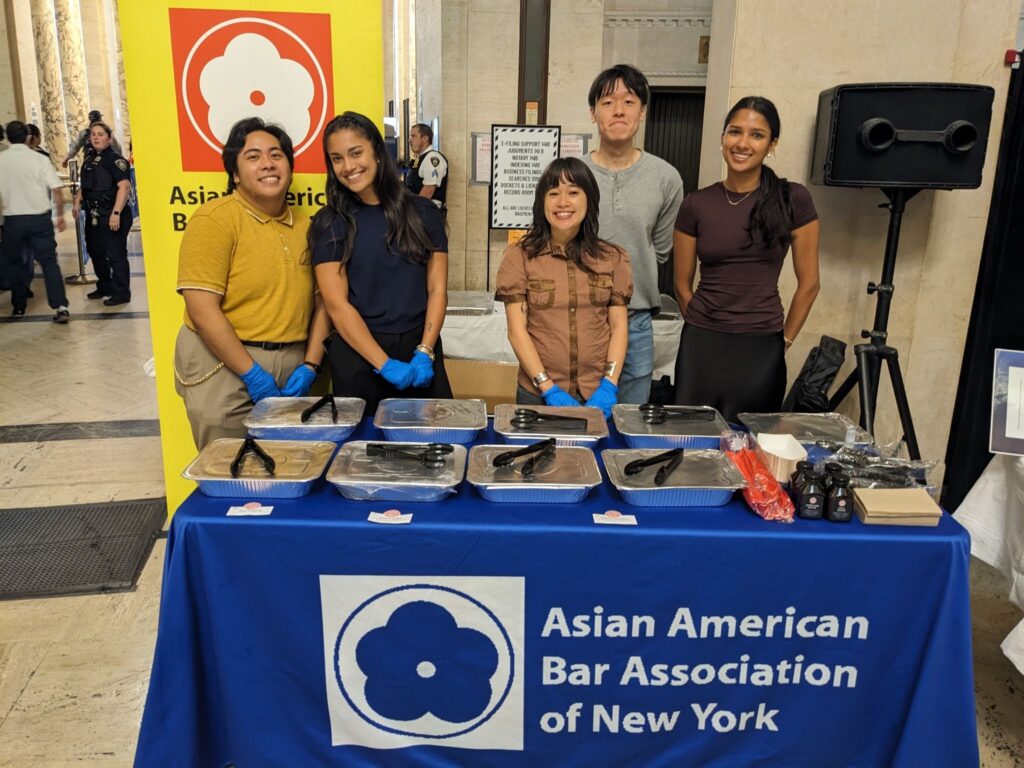
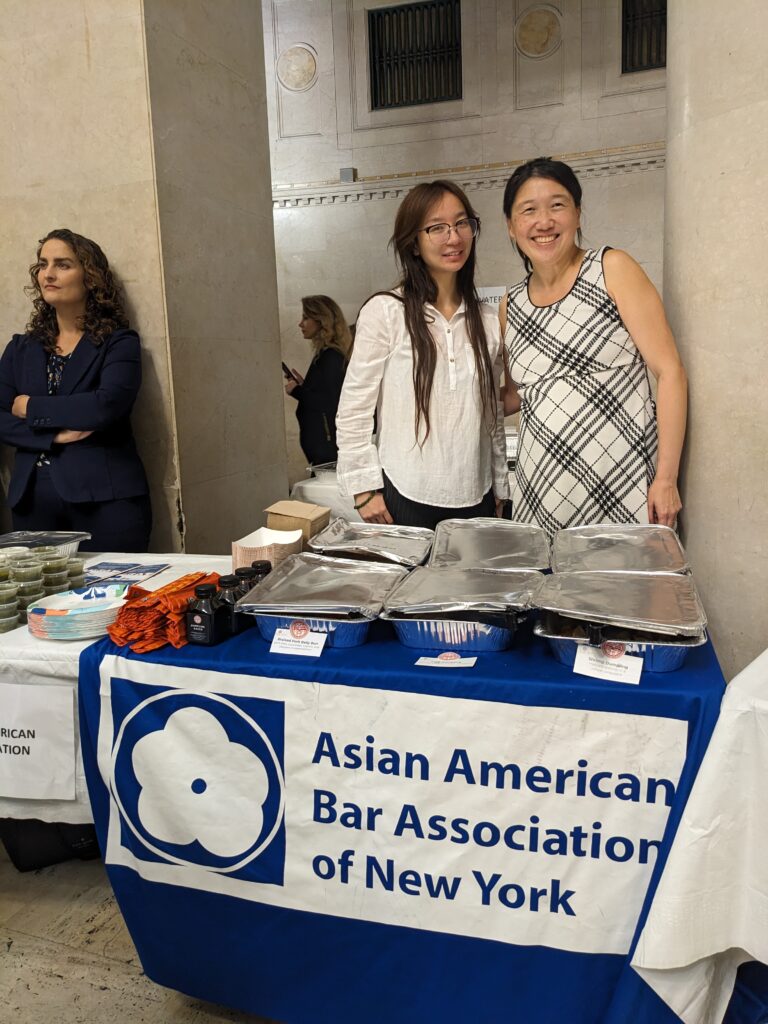
On Friday, September 19th, 2025, the New York State Supreme Court hosted the 18th Annual Caren Aronowitz Unity in Diversity Event, co-sponsored by more than 25 bar associations, court committees, and professional organizations. Among the co-sponsors was the Asian American Bar Association of New York, represented by Yang Chen (Executive Director), Carrey Wong (Deputy Executive Director), and Jessie Zhou (Legal Intern). 

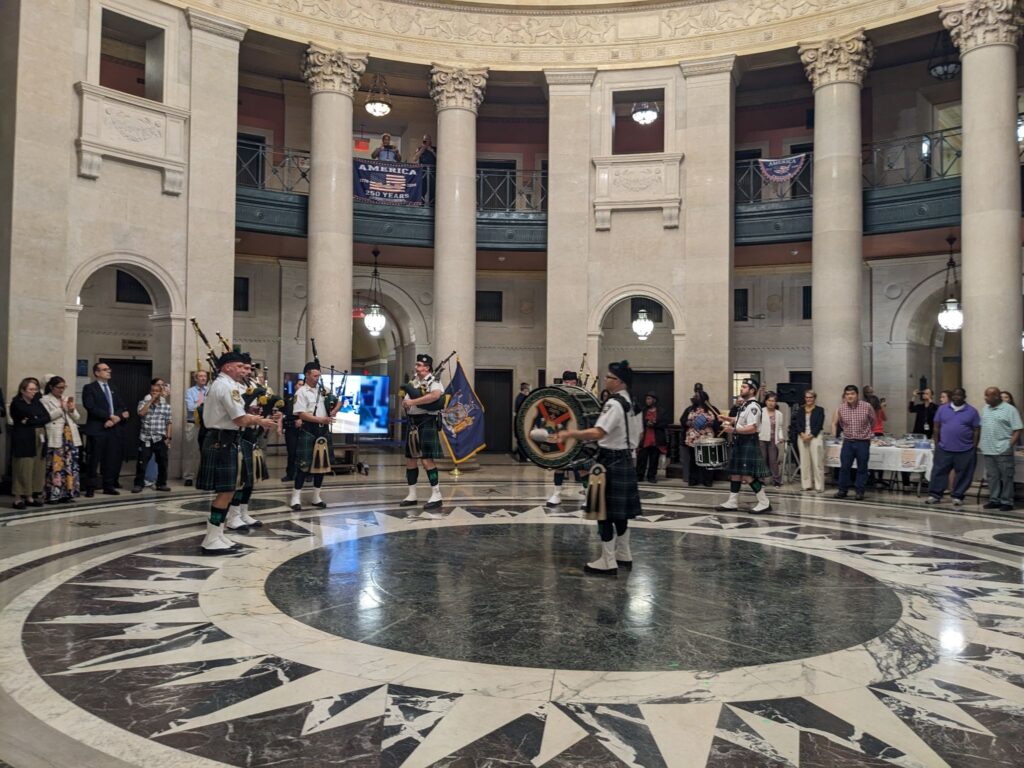
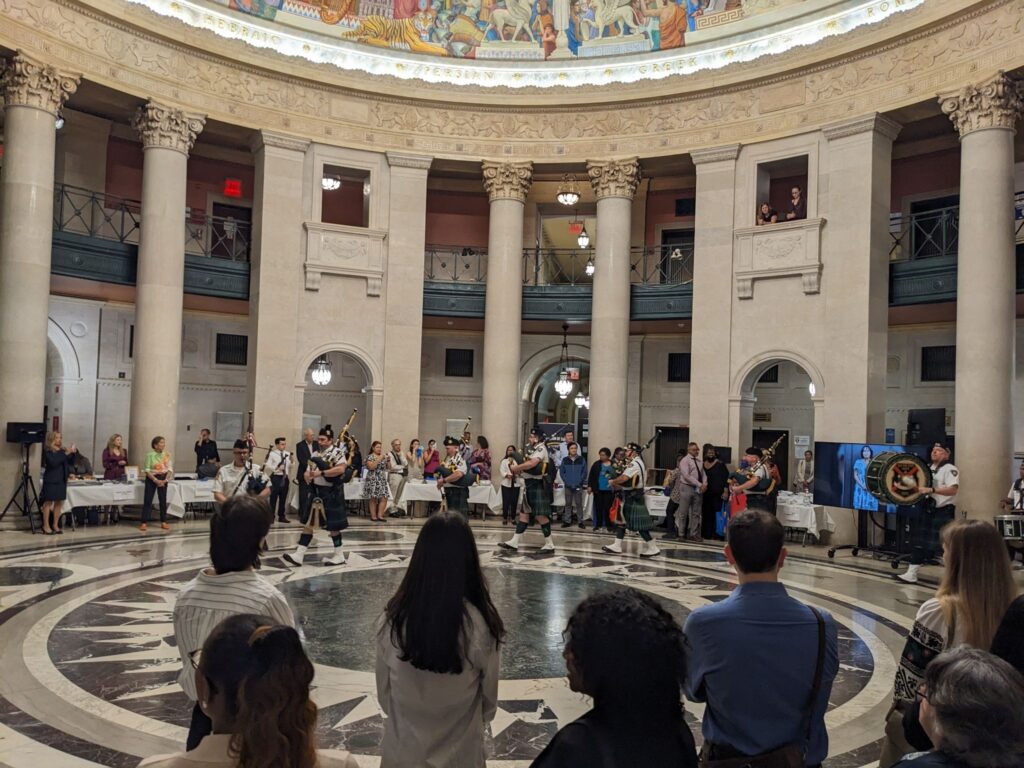
The event opened with a majestic performance by the New York State Courts Pipes and Drums, dressed in full Scottish attire. Their music, solemn yet celebratory, created an atmosphere of reverence and set the stage for a program honoring both tradition and community.

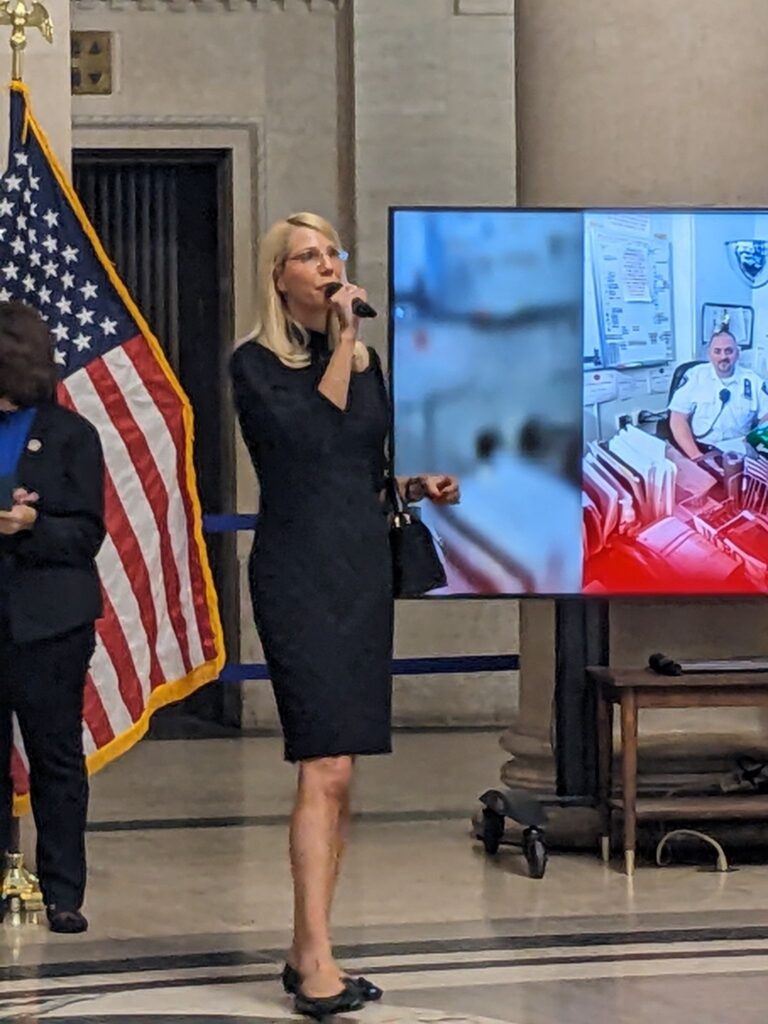
Hon. Suzanne J. Adams (Administrative Judge of the New York County Supreme Court Civil Term) offered welcome remarks, affirming the court’s commitment to diversity and inclusion. Then, she introduced Ukrainian singer Valeriia Kuzmuk, who moved the audience with her renditions of traditional and contemporary Ukrainian songs.

The program then continued with a dedication by Hon. Deborah A. Kaplan (Justice of the New York County Supreme Court), who reflected on the legacy of the late Caren Aronowitz. Known for her tireless dedication to cultural programming at the courthouse, Aronowitz was remembered as a beloved colleague whose vision continues to inspire annual celebrations of unity. Special recognition was given to Simone Abrams and Yesenia Herrera (members of the New York County Clerk’s Office) for their efforts in planning the program. 

The event concluded with closing remarks by Hon. Adam Silvera (Deputy Chief Administrative Judge of the New York City Courts). Justice Silvera highlighted the importance of building unity through diversity, reminding all attendees that the legal profession is strengthened when it embraces every community it serves. 

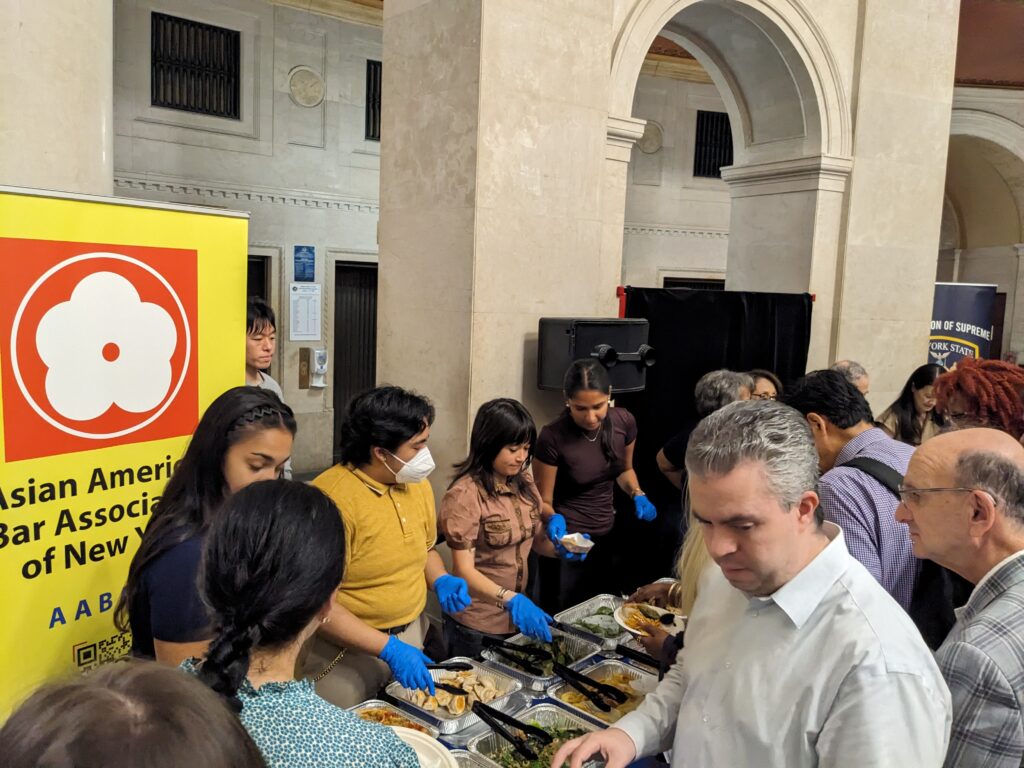
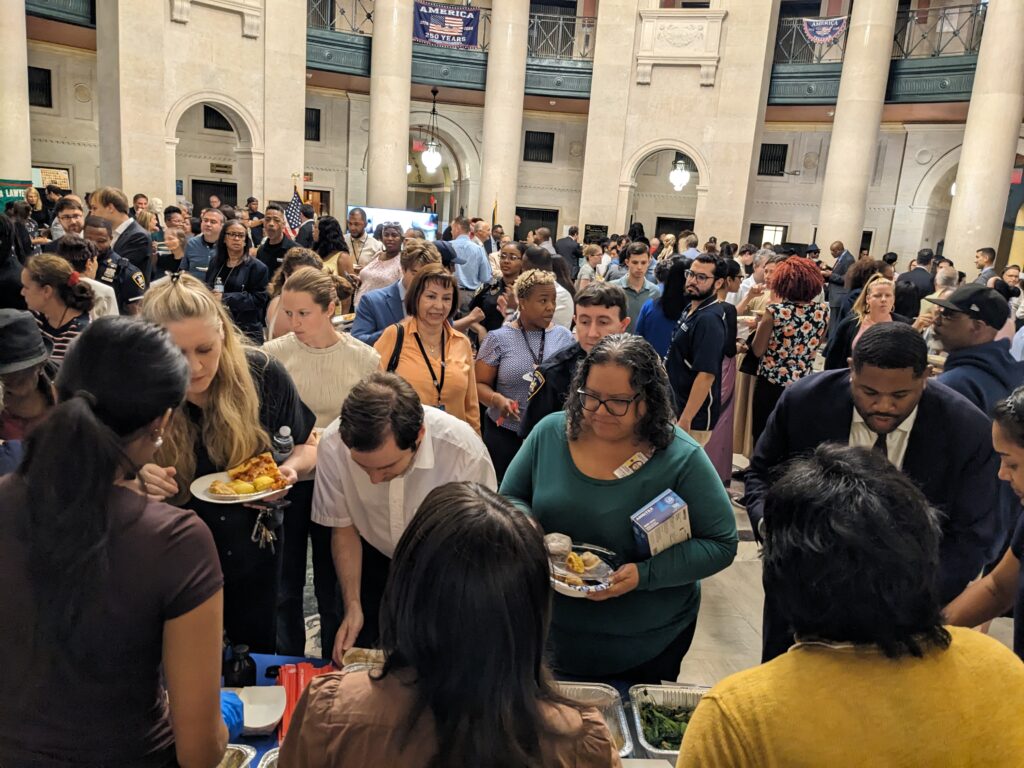
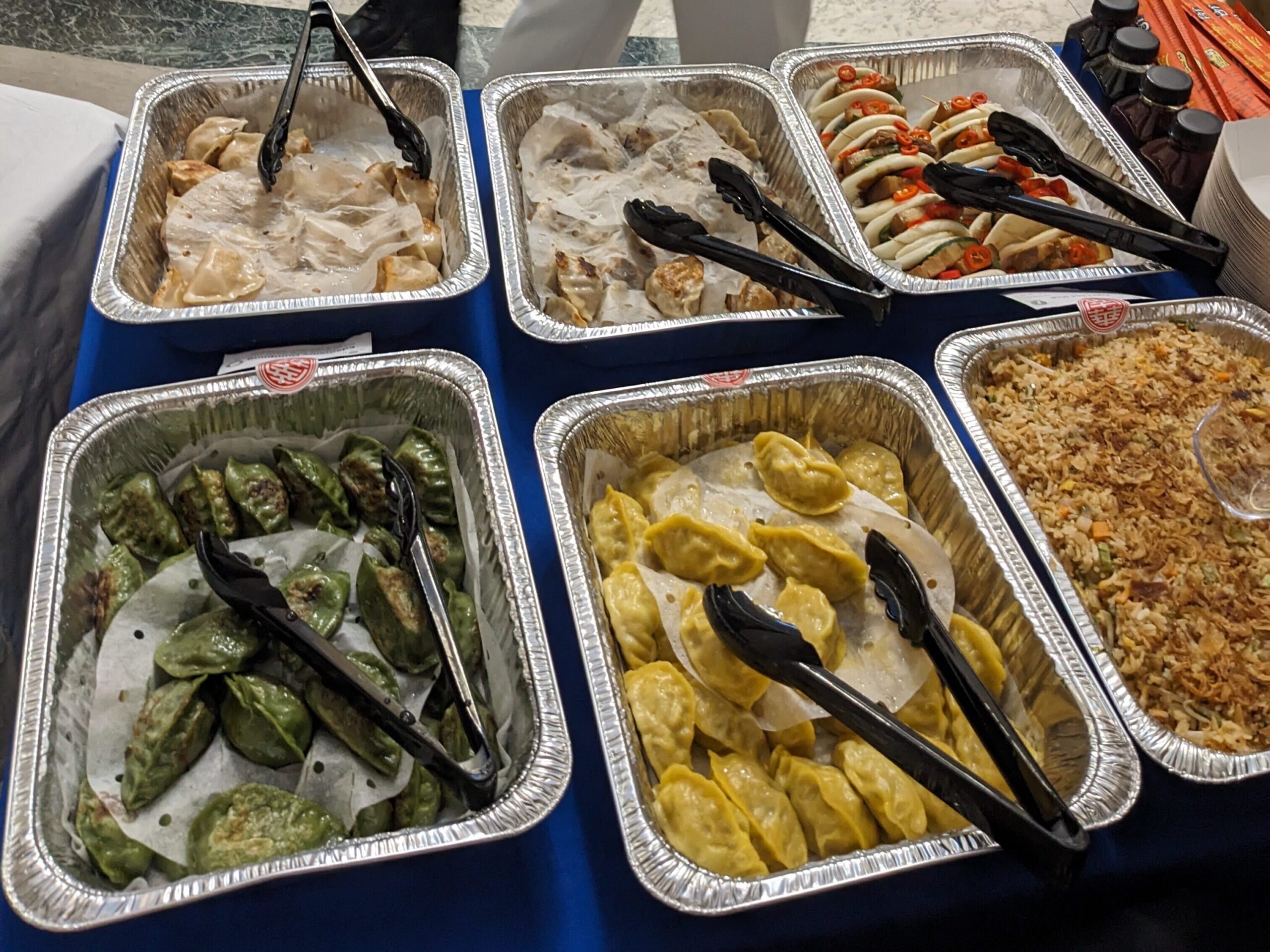
Following the program, attendees were invited to enjoy a reception featuring a wide variety of dishes contributed by all co-sponsoring associations and committees. From savory entreés to sweet desserts, the tables offered a vibrant display of cuisines that showcased the rich cultural traditions across many diverse communities.   AABANY’s spread was a true highlight—an array of of pork, shrimp, chicken, and edamame dumplings; pillowy pork and duck buns; egg fried rice; savory noodles; and Chinese greens. The aromas filled the room, drawing attendees to the tables again and again.

As the event drew to a close, the Unity in Diversity program once again achieved its purpose — to celebrate the richness of difference, to honor those who paved the way, and to strengthen the bonds of communities.

We thank the Gender Fairness Committee, Supreme Court, Civil Term, New York County, the New York County Supreme Court, Civil Term Equal Justice in the Courts Committee and the Cultural Diversity Sub Committee, and the New York County Clerk’s Office for their organization and continued commitment to inclusion and diversity. We thank all co-sponsoring associations, committees, and societies for their dedication and generosity in tabling, and we honor the memory of Caren Aronowitz, whose vision continues to unite the court and community year after year. 

Portrait Project: NAPABA’s Groundbreaking Study of Asian Americans in the Law is More Crucial Than Ever

At the NAPABA Convention, you’ll experience unmatched opportunities to grow, connect, and be inspired. On Friday, November 7, join NAPABA for a plenary session featuring trailblazing leaders who will examine the key issues shaping the future of the legal profession.

This year’s plenary will spotlight the Portrait Project, NAPABA’s groundbreaking study of Asian Americans in the law, and offer candid insights on how the legal community can advance representation and leadership in a time of change.

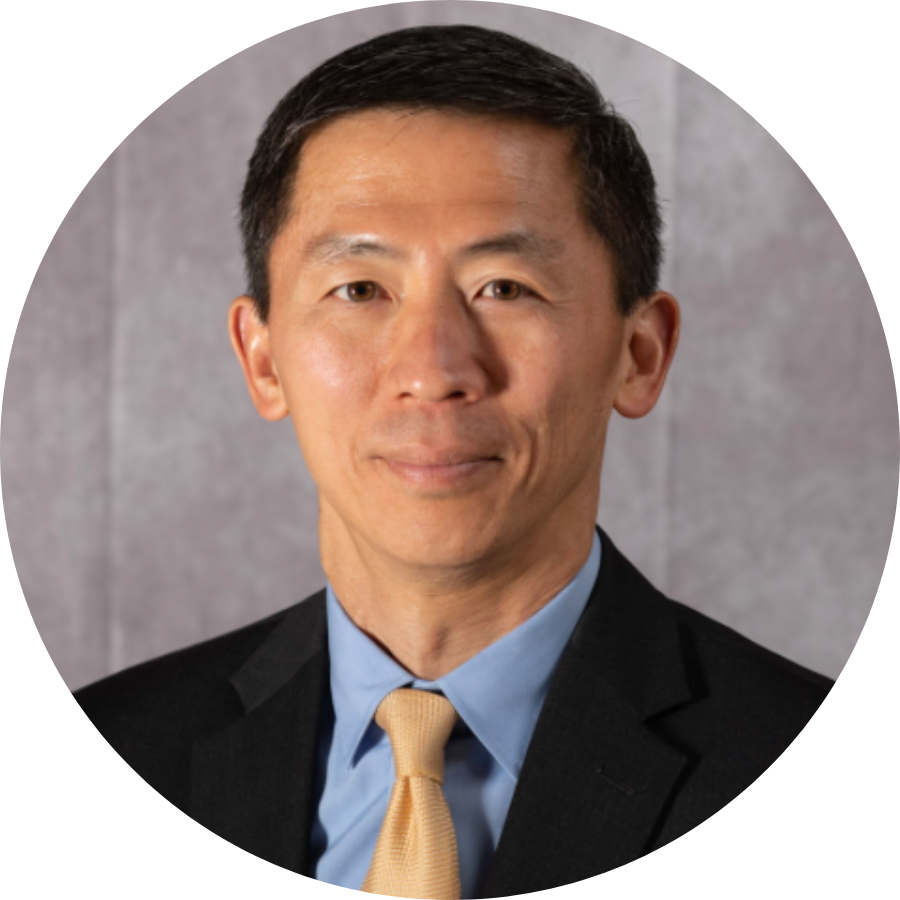
Don’t miss this chance to hear directly from Justice Goodwin Liu, Sandra Leung, Kalpana Srinivasan, and Professor Ajay K. Mehrotra as they unpack the Portrait Project and share perspectives on the challenges facing our profession.

Secure your spot today—add this a la carte session to your Convention registration and be part of this vital conversation.

This image has an empty alt attribute; its file name is image-17.png
Sandra Leung
Executive Vice President and General Counsel (ret.), Bristol-Myers Squibb Company
Justice Goodwin Liu
California Supreme Court
Kalpana Srinivasan
Managing Partner, Susman Godfrey LLP
Professor Ajay K. Mehrotra
Moderator

Northwestern Pritzker School of Law

Diversity and inclusion efforts are facing mounting pressure. Across the nation, they face legal and political challenges across the board, whether in the government sector, the private sector, or on university campuses. The legal profession has not escaped the backlash. In its wake, the Portrait Project, supported by the American Bar Foundation and the National Asian Pacific American Bar Association (NAPABA), provides invaluable perspectives. It explores critical empirical research to explain why the Asian American legal community continues to face persistent barriers to advancement and endure underrepresentation in the top ranks of the profession.

NAPABA works to achieve optimal representation and visibility of Asian American, Native Hawaiian, and Pacific Islander (AANHPI) attorneys in every facet and level of the legal field and beyond. But how do we pursue this goal in the current polarized atmosphere, where employee resource groups and affinity organizations face enormous pressures and where employers are wavering on commitments to diversity, equity, and inclusion? Join us for a lively conversation with the architects of the Portrait Project and leaders of the legal profession to hear what the latest data tells us about the state of AANHPIs in the profession. Discover how their findings can cut through the heated political rhetoric to show a better understanding of the factors that have contributed to attrition and retention, and the policies and practices that can boost representation at the leadership levels.

Military & Veteran Service Award

During the Plenary Luncheon, we will also be recognizing this year’s Military & Veteran Service Awardee. This award honors NAPABA members who have served in the United States Armed Forces and demonstrated exceptional dedication to advancing justice, supporting service members and veterans, and strengthening our community.

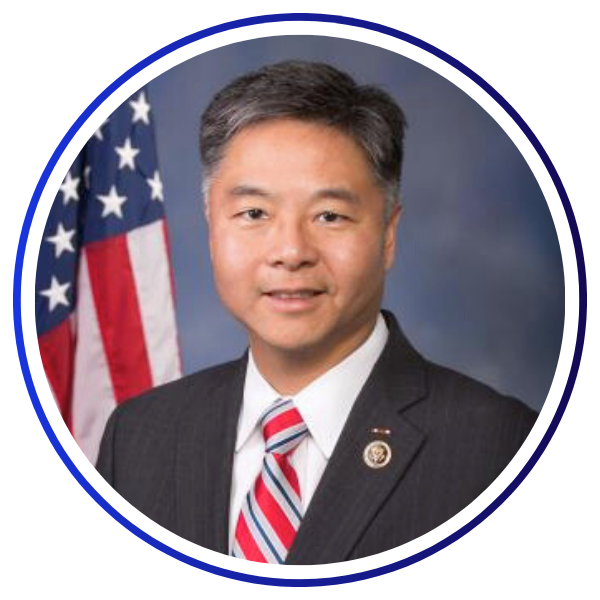
Congressman Ted W. Lieu (CA-36)
U.S. House of Representatives

NAPABA Names Susman Godfrey LLP Recipient of the 2025 NAPABA President’s Award

WASHINGTON — The 2025 National Asian Pacific American Bar Association (NAPABA) President’s Award will be presented to Susman Godfrey LLP. The award recognizes the firm’s steadfast commitment to uplift the legal profession and the rule of law in the United States.

The NAPABA President’s Award is given annually to individuals or entities who demonstrate an exceptional commitment to NAPABA and the broader legal community.

“I am proud to confer the President’s Award to Susman Godfrey LLP,” said NAPABA President Thy Bui. “As both a legal professional and civil rights organization with a core commitment to diversity and upholding the rule of law, NAPABA knows the vital importance of standing up against the wave of attacks against the legal community and upholding our values. Susman Godfrey LLP not only shares our commitment but also lives it. I am thrilled to commend the firm for its unwavering focus to defend the legal profession and the rule of law when it mattered the most.”

Susman Godfrey LLP is a nationally leading boutique litigation law firm founded in Houston, Texas. Today, with additional offices in New York, Los Angeles, and Seattle, the firm has a reputation as one of the “nation’s most impressive – and most feared – litigation boutiques.” Kalpana Srinivasan, a 2014 recipient of the NAPABA Best Under 40 Award, and Vineet Bhatia lead the firm as managing partners.

Earlier this year, the current Administration issued an executive order against Susman Godfrey LLP and endeavored to strip the firm’s ability to function. The executive order, among other things, criticized the firm’s espousal of diversity, equity, and inclusion efforts. It also disagreed with the firm’s work pertaining to elections. For example, in April 2023, Susman Godfrey LLP secured a $787.5 million settlement for its client, Dominion Voting Systems, to resolve Dominion’s claim of defamation against a prominent media outlet for its statements pertaining to the 2020 presidential election.

Susman Godfrey LLP challenged the executive order, and in June 2025, the firm succeeded when the District Court permanently enjoined the executive order. The court found that the executive order amounted to “unlawful retaliation…for activities that are protected by the First Amendment, including [the firm’s] representation of certain clients…and its expression of its beliefs regarding diversity.” An independent judiciary, as the court recognized, presumes an “informed, independent bar,” which is a “necessity for the rule of law.”

We agree. The firm, in advancing those principles, currently represents the American Bar Association in a lawsuit against the current Administration that challenges the unwarranted attacks against lawyers and law firms.

NAPABA congratulates Susman Godfrey LLP as this year’s recipient of the NAPABA President’s Award, which will be bestowed on Friday, November 7, 2025, during the President’s and Trailblazer Awards Reception at the 2025 NAPABA Convention in Denver, Colorado.

###

The National Asian Pacific American Bar Association (NAPABA) represents the interests of over 80,000 Asian Pacific American (APA) legal professionals and over 90 national, state, and local APA bar associations. NAPABA is a leader in addressing civil rights issues confronting Asian American, Native Hawaiian, and Pacific Islander communities. Through its national network, NAPABA provides a strong voice for increased diversity of the federal and state judiciaries, advocates for equal opportunity in the workplace, works to eliminate hate crimes and anti-immigrant sentiment, and promotes the professional development of people of all backgrounds in the legal profession.

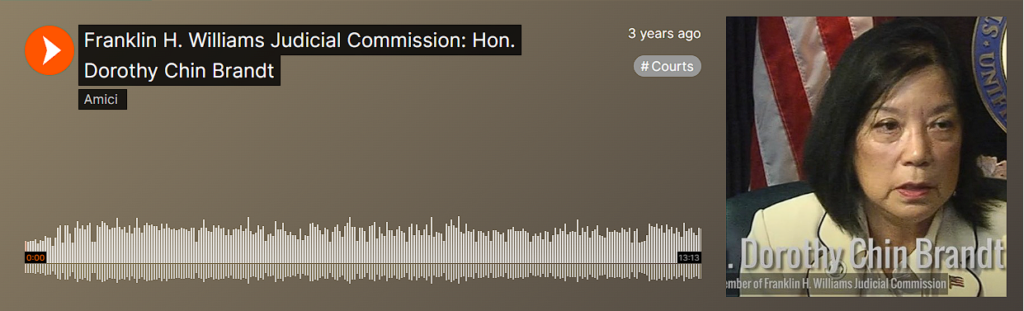
Hon. Dorothy Chin Brandt Looking Back at the Founding and Legacy of the Franklin H. Williams Judicial Commission

Three years ago, the Franklin H. Williams Judicial Commission (originally known as the New York State Judicial Commission on Minorities) released a series of interviews with the Commission’s founding mothers and fathers on the New York Courts Amici podcast site. The series, assembled and organized by John M. Caher, Senior Advisor for Strategic and Technical Communications, concluded with an interview of the Hon. Dorothy Chin Brandt. Justice Brandt passed away on January 27, 2025, and we take this opportunity to look back at her interview and appreciate her legacy of promoting diversity in the judiciary. 

Hon. Dorothy Chin Brandt was the first female Asian American Judge to be elected in the state of New York when she was elected to the New York City Civil Court in 1987. Shortly after being elected, she became a founding member of the Franklin H. Williams Judicial Commission. Brandt said that “the [New York] courts were perceived as unfriendly or not friendly to minorities,” which paved the way for establishing the Commission, with a mission to “find out what was the perception and how it could be remedied.” Brandt was ecstatic to be part of a commission that would help eradicate racism in the courts. Her personal experiences of discrimination throughout her career would provide valuable context and information for this endeavor.

The Commission collected anecdotes from around New York state to figure out the perception of the courts rather than investigating the courts themselves, because, according to Brandt, “perception is different from reality, but in a lot of ways it’s stronger than reality because that’s what people think and feel is going on, and maybe it’s harder to counteract.”

To combat this perception, the Commission immediately put mandatory diversity and sensitivity training in place for the whole court system. They also looked towards legal education and tried to get more minorities interested in and learning about law because there was such little diversity in the courts at the time. She noted happily that now there are many more minority lawyers, talking specifically about Asian Americans by saying, “We have a lot more Asian-American lawyers. We didn’t have an Asian-American bar at that time in 1988…but now we have a full-fledged bar association, Asian American Bar [of New York], and very full force, very active.”

Lastly, Brandt attributed much of the major progress in the United States regarding equality in the courts to the work the Commission has done in  New York on the perception of racism in the courts. Through the Commission’s work, they “got people’s attention and presented examples of what was not right, and everybody recognized this is not right.” She further noted that many other states followed New York and set up minority commissions of their own. Brandt ultimately emphasized the importance of the work of the Commission, remarking how if it was not for them, people might still be treated just based on their race, religion, ethnicity, etc. when they enter into the court system. 

To listen to the full podcast, please click here.

Congratulations, Lillian M. Moy, 2025 Recipient of New York State Bar Association’s Haywood Burns Award, Honoring a Legacy of Justice

Lillian M. Moy, a lifelong advocate for civil rights and justice, is this year’s recipient of the prestigious Haywood Burns Award. Named after the legendary civil rights lawyer who collaborated with Rev. Martin Luther King Jr. and fought tirelessly for justice, the award honors individuals dedicated to social justice.

As Executive Director of the Legal Aid Society of Northeastern New York since 1995, Moy has spent decades expanding access to legal representation for low-income communities. A nationally recognized leader in civil legal aid, she has championed diversity and inclusion. Yet, in a moment that speaks to both her humility and her respect for those who paved the way, Moy admitted: “I still feel, in a way, I’m not worthy.” But if you have followed Moy’s career or had the privilege of speaking with her, she is more than worthy of this recognition.

Moy’s legal career has been defined by her constant dedication to those who need representation the most. For decades, she has fought for low-income individuals, advocating for tenants facing eviction, disabled children seeking the education they deserve, and survivors of domestic violence in need of legal protection. “I understand in a very daily way that I used my skills as a lawyer to try and level the playing field and provide justice to people who otherwise would not have gotten it,” she shared. Sometimes, that work was as simple yet significant as helping a client navigate complex paperwork to keep their home. Other times, it meant standing in a courtroom to ensure that someone with disabilities received the support they were entitled to. It was about recognizing the gaps in the system and then building the programs necessary to fill them.

Moy’s leadership in legal aid spanned Georgia, Massachusetts, and New York. As Executive Director of the Legal Aid Society of Northeastern New York, she led with integrity for twenty-seven years before retiring in 2022, creating the foundation for programs that continue to serve marginalized communities today. “My work as a legal aid lawyer really only existed because lawyers like Haywood Burns existed…. He exemplified the quest for social justice and racial justice before we even knew those words.” Through her tireless advocacy, Moy has carried forward that legacy, ensuring that the fight for justice remains as important and urgent as ever.

For Moy, receiving the Haywood Burns Award is not just an acknowledgment of past achievements; it is a challenge to continue the work, even as structural injustices remain deeply rooted. She recognizes that today’s political and legal landscape makes civil rights work even more difficult, with efforts to dismantle the very policies and programs she helped build. “In this era, our greatest work will be vilified and made invisible by the current administration. That’s a commonality I wish we didn’t have.” Despite these challenges, Moy remains hopeful. Her words reflect both realism and optimism: “I hope –I believe – that the legal community would not let [this work] die.” She believes in the power of legal aid, community organizing, and the next generation of advocates to continue the fight for justice.

Beyond her professional accomplishments, Moy’s advocacy is deeply personal. As the daughter of an immigrant father who ran a commercial laundry in New York, she understands firsthand the barriers that marginalized communities face. Her work has always been about breaking those barriers down, ensuring that economic and educational opportunities are not reserved for the privileged few. Even in retirement, Moy remains engaged in teaching, mentoring, and continuing her advocacy through pro bono work and community organizing: “I can do political work now. I can help people raise money…. In some ways, retirement is kind of freeing.”

When asked what she hoped her lasting impact would be, she did not point to the organizations she has built or the policies she has helped shape. Instead, she spoke about her family, her community, and the work that will continue beyond her own career. “Family is as big to me now as it was to my parents. The work too.” Lillian’s legacy is not just in the cases she has won or the programs she has developed; it is in the people she has inspired, the mentees she has guided, and the communities she has strengthened. So today, we do not just congratulate her. We celebrate her. We honor her. We commit to continuing the work she has spent her life fighting for.

Congratulations, Lillian M. Moy, on this well-deserved honor. Her lifelong commitment to justice, leadership, and compassion has transformed countless lives and strengthened the legal community. The world is a fairer and more equitable place because of her relentless pursuit of civil rights and belief in the power of the law to create meaningful change.

Join the celebration honoring Lillian M. Moy, Esq., at the Haywood Burns Memorial Award Ceremony on April 3 at CUNY Law School. Be sure to register here by March 27 to attend.