In a democracy, criticism of court decisions is protected by the right to free expression. It can be vital for informing public debate.
However, in recent years, threats of violence, intimidation, and disinformation directed at federal judges, and defiance of court orders have gone far beyond healthy criticism and are fundamentally threatening judicial independence. The volume, intensity, and character of recent attacks on federal judges is profoundly eroding the rule of law in the United States.
Drawing on thirty-four interviews with an equal number of federal judges appointed by presidents of both major political parties and research of publicly available materials, this study assesses the four categories of threats identified in Chief Justice John Roberts’ Year End Report (2024) while situating them in historical perspective. It examines the impact of these threats on the federal bench and proposes recommendations for safeguarding the judicial independence that is a foundation of America’s constitutional order.
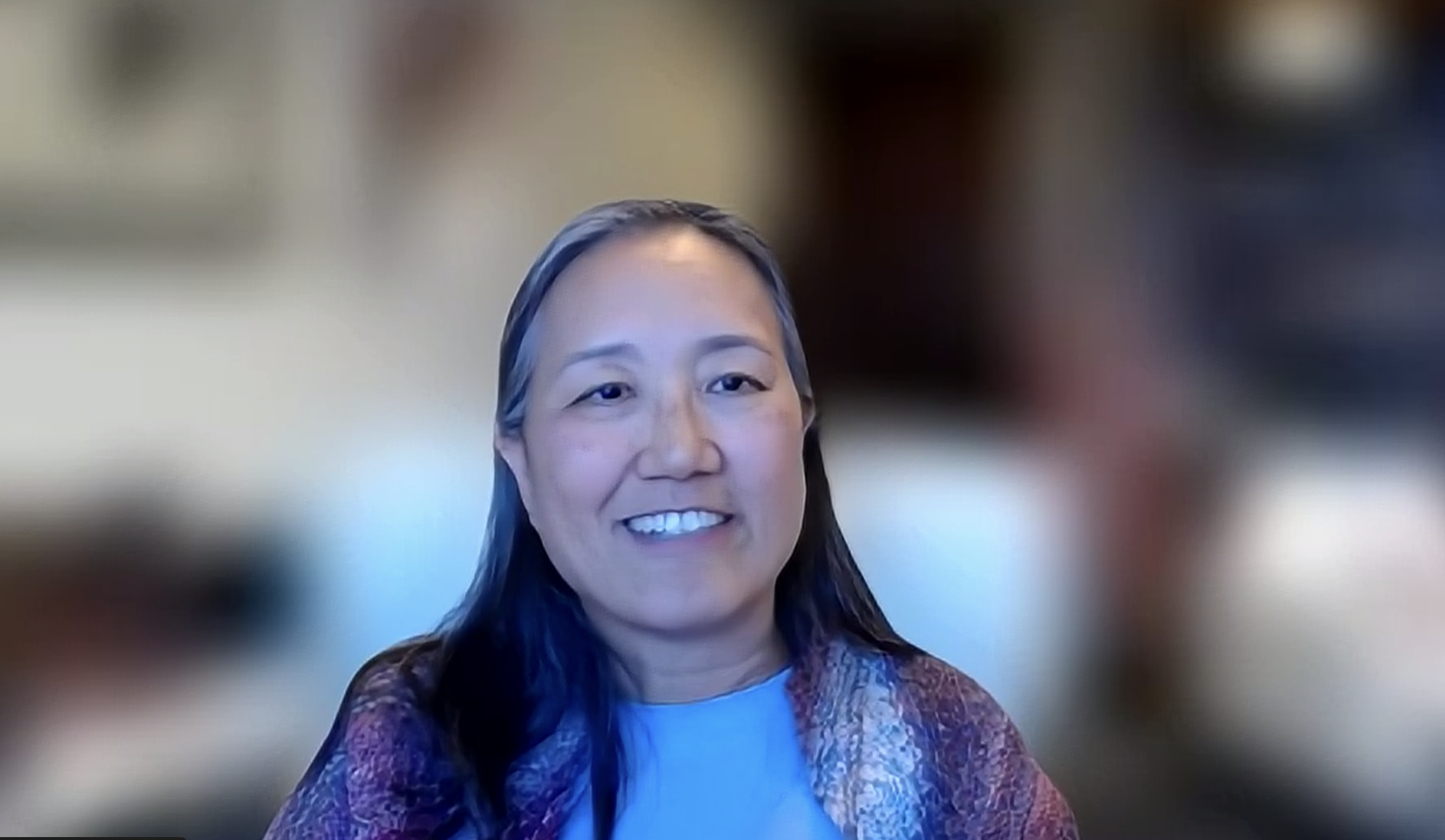
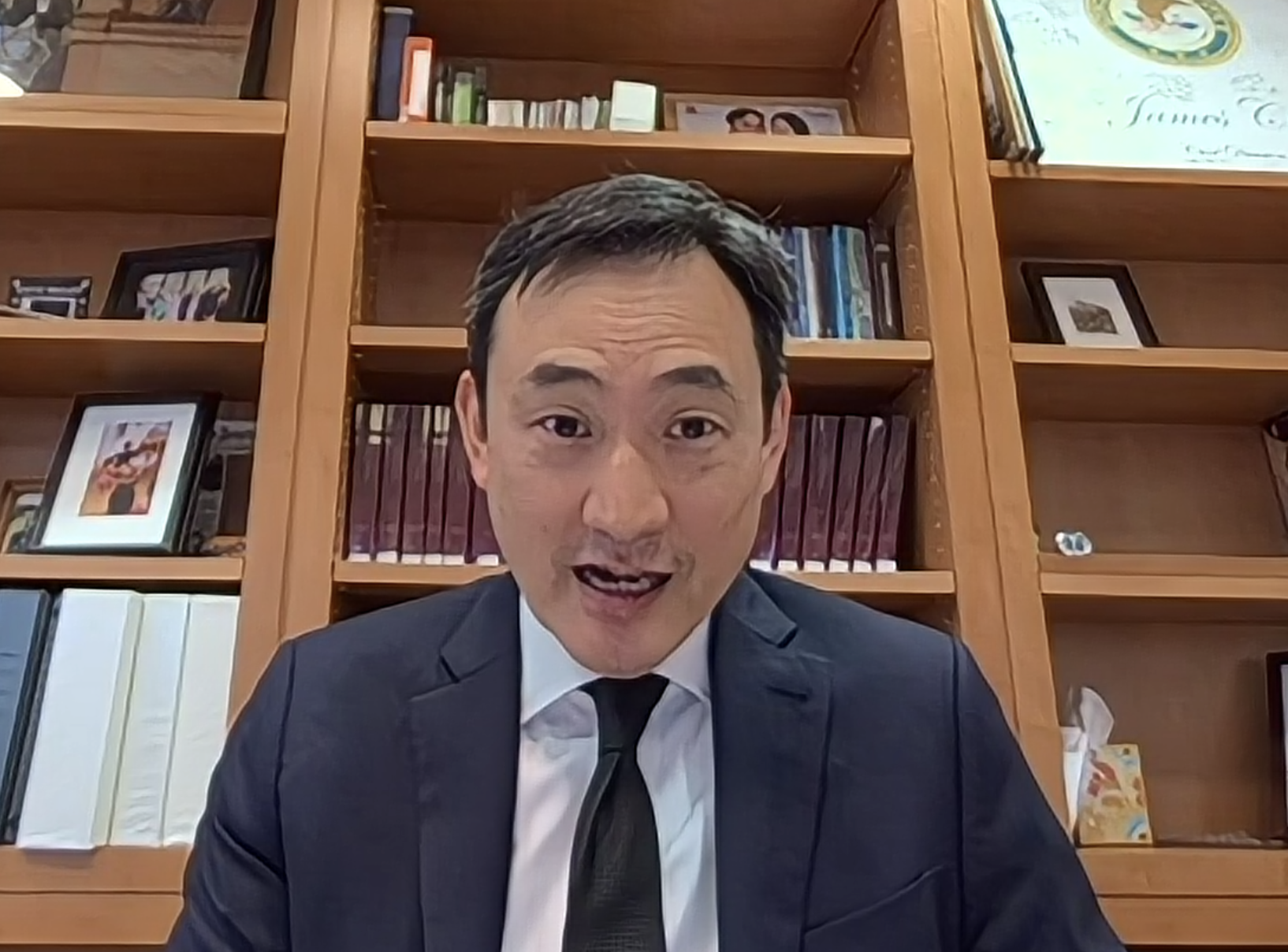
The panel featured two sitting Federal Magistrate Judges: Hon. Ona T. Wang of the Southern District of New York (SDNY) and Hon. James Cho of the Eastern District of New York (EDNY). Both judges shared candid reflections on their paths to the bench and practical advice for prospective applicants looking to apply.
Judge Wang, the first Asian Magistrate Judge in the history of the SDNY, opened by describing how Magistrate Judges work within the federal judiciary. Magistrate Judges are Article I judges who serve eight-year renewable terms and their authority is derived primarily from 28 U.S.C. § 636 and Rule 72 of the Federal Rules of Civil Procedure. On the civil side, they can exercise the full authority of a District Judge when all parties consent to their jurisdiction. On the criminal side, they handle initial appearances, bail and detention hearings, and search warrant applications, though they are not authorized to preside over Federal felony jury trials.
Judge Wang described criminal duty in the SDNY as being “on call in the ER” because for approximately one week once a quarter, a Magistrate Judge handles every Federal arrest, presentment, and search warrant application arising out of Manhattan. This can include complex multi-jurisdictional investigations reaching across the globe. At the same time, she manages a civil docket of approximately 200 to 300 cases, handling scheduling, discovery disputes, settlement conferences, and reports and recommendations on dispositive motions.
Judge Cho, who has served in Brooklyn since 2021, highlighted several important distinctions between the two districts. In the EDNY, Magistrate Judges are assigned to nearly every civil case filed and handle all pretrial supervision from the outset and with a direct consent track that allows parties to proceed without a District Judge entirely. In the SDNY, by contrast, Magistrate Judges only begin to work on a civil case once a District Judge issues a referral order. The scope of that referral may be for general pretrial matters, settlement only, or specific motions, and fundamentally shapes the Magistrate Judge’s involvement.
Judge Cho also noted that EDNY Magistrate Judges conduct jury selection for other judges and take guilty pleas which are tasks generally not performed by SDNY Magistrate Judges. Meanwhile, SDNY Magistrate Judges handle a higher volume of Social Security and habeas corpus cases.
Judge Cho and Judge Wang provided a detailed roadmap of the selection process. The written application includes a 11-page fillable form on the SDNY website and asks candidates to identify significant cases from the past five years, along with adversaries who may be contacted as references. Both Judge Wang and Judge Cho advised candidates to be selective in listing cases and to choose matters that were meaningful and that demonstrate the breadth of their experience. They also recommended giving adversaries a professional heads-up that they may receive a call because the committee is also evaluating professional conduct.
The selection process unfolds in two rounds. First, a Merit Selection Panel of practicing lawyers reviews applications and conducts interviews lasting typically 20 to 30 minutes in length. This Selection Panel then recommends five finalists per vacancy to the Board of Judges. In the SDNY, these interviews are conducted strictly in person. Second, the five finalists interview with the full Board of Judges. Both rounds move quickly and are tightly scheduled.
Judge Cho emphasized that the interview can be decisive, even for candidates who may not appear to be frontrunners on paper. He advised candidates to use the first question, invariably some version of “Why do you want to be a Magistrate Judge?” as an opportunity to tell their authentic story and to weave together themes of their relevant experience to public service and personal motivation. His own opening, for example, drew on his background as the son of immigrants, his experience teaching legal writing, and his years as a Federal civil litigator and Assistant United States Attorney.
Judge Wang offered a note of calibration for SDNY interviews specifically. Given that the Panel moves on time, a lengthy opening is not feasible. She recommended a focused, one-to-two-minute answer that signals a clear theme and invites follow-up questions. Her own theme was being a “helper,” a thread she drew through her clerkship and her extensive settlement and mediation experience.
Both Judges stressed that no candidate is a perfect fit on paper. In fact, Judge Wang had not conducted a trial before joining the bench and Judge Cho had no criminal experience. The Board of Judges is not administering a knowledge test. They are evaluating the candidates’ temperament and genuine motivation for public service. Candidates should acknowledge any gaps in their backgrounds honestly and then redirect toward their strengths.
Judge Cho and Judge Wang were also candid about the value of professional networks at key stages in the process. Once a candidate gains traction after securing a first-round interview, they encourage applicants to reach out to well-connected mentors and colleagues who might be willing to speak on their behalf to members of the Selection Panel or the Board of Judges. Judge Wang shared a memorable lesson from her own process when a close personal contact who was a sitting District Judge learned of her application through a reference call for another candidate and independently volunteered a strong endorsement. She advised candidates not to leave that kind of advocacy to chance.
For those who may feel their background does not fit a traditional mold or who did not succeed in a prior application cycle, both judges offered genuine encouragement. Judge Wang noted that it is not unusual for candidates to apply more than once and that a changed political environment may make the current cycle particularly competitive. Yet, this should not deter anyone from applying. The advice is to focus on each stage as its own challenge, prepare thoroughly for interviews with mock sessions – Judge Wang mentioned AABANY as a great source that can help candidates coordinate these – lean into your network, and to approach the process with the utmost authenticity and confidence.
To learn more about the AABANY Judiciary Committee, gohere.
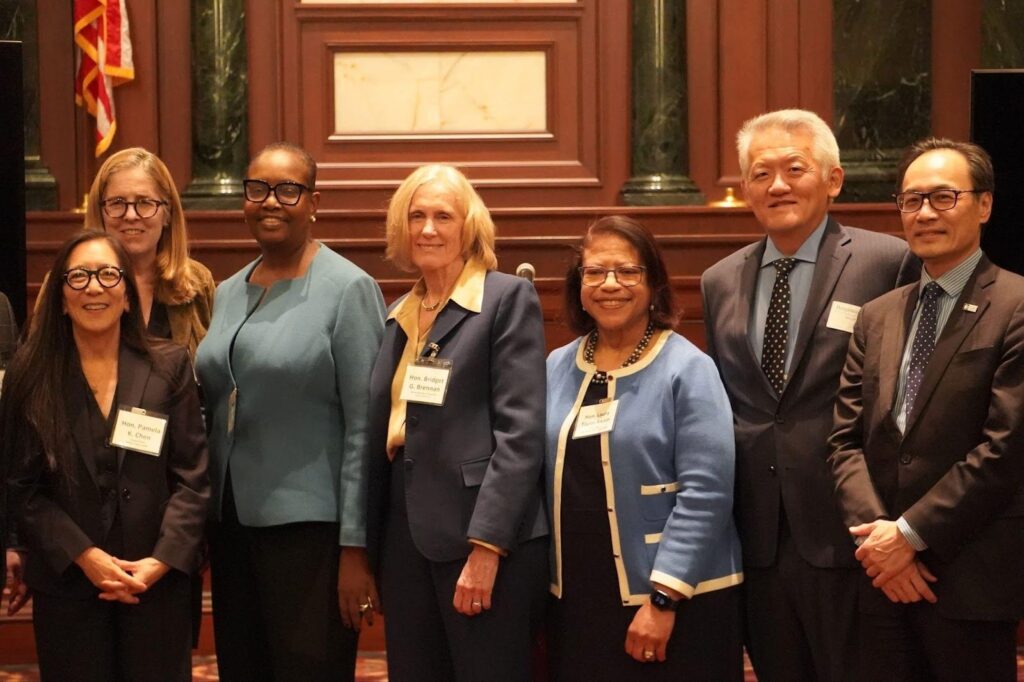
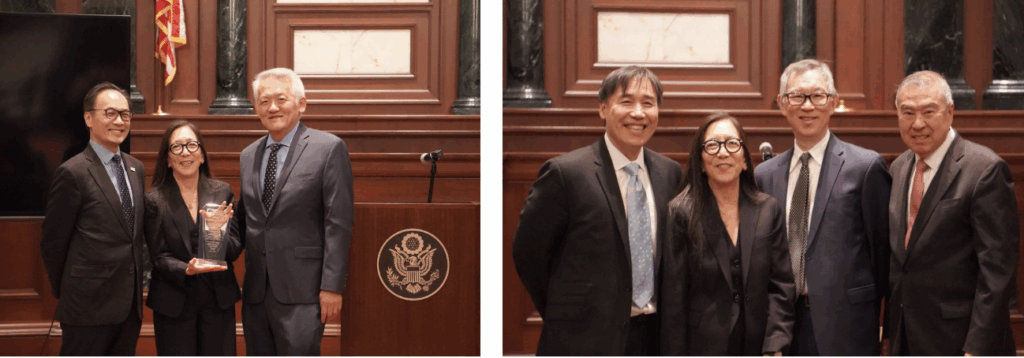
The Asian American Bar Association of New York (AABANY)’s Prosecutors Committee, together with its Judiciary Committee, celebrated the 17th Anniversary of the Prosecutors Committee on March 5, 2026, at the Daniel Patrick Moynihan United States Courthouse in Lower Manhattan. The evening honored Pamela K. Chen, United States District Judge for the Eastern District of New York, with a Lifetime Achievement Award in recognition of her exemplary service to the Federal judiciary and her longstanding dedication to justice.
Judge Chen was nominated to the Federal bench in January 2013 by President Barack Obama and confirmed by the Senate in March 2013. Since her appointment to the bench, Judge Chen has presided over a wide array of civil and criminal cases, including a civil lawsuit challenging New York’s ban on the possession of nunchuks.
Judge Chen began her legal career at the law firm of Arnold & Porter in Washington, D.C. In 1991, she joined the Special Litigation Section of the U.S. Department of Justice’s Civil Rights Division, where she litigated matters relating to conditions of confinement for individuals in state and local institutions, as well as cases involving the enforcement of the Freedom of Access to Clinic Entrances (FACE) Act of 1994.
In 1998, Judge Chen moved to New York City and joined the U.S. Attorney’s Office for the Eastern District of New York, where she worked until March 2013, except for a brief period in 2008, when she served as Deputy Commissioner for Enforcement in the New York State Division of Human Rights. As an Assistant U.S. Attorney, Judge Chen investigated and prosecuted cases involving terrorism, gang violence, drug trafficking, human trafficking, official misconduct, and civil rights crimes. She also served as the Chief of the Criminal Civil Rights Section and oversaw the development of the Office’s anti-human trafficking program, which resulted in the investigation and prosecution of hundreds of traffickers and the identification, rescue, and restoration of hundreds of survivors of trafficking. In 2015, Judge Chen and then-Attorney General Loretta E. Lynch were honored by Sanctuary for Families for the anti-human trafficking work done by the U.S. Attorney’s Office under Attorney General Lynch’s leadership as the U.S. Attorney for the Eastern District of New York.
Judge Chen has also served for nearly ten years on the Board of the Sonia & Celina Sotomayor Judicial Internship Program where she mentors the next generation of legal professionals.
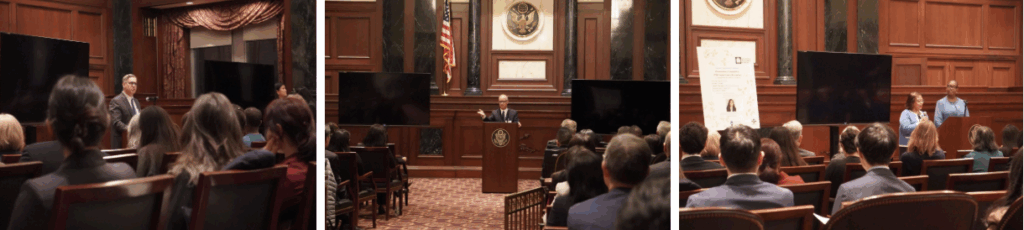
The evening began in the courthouse’s Ceremonial Courtroom, where approximately 150 attendees from across the legal community gathered. The event brought together a wide range of members from our shared communities, including state and Federal judges and prosecutors, government attorneys, private practitioners, law students, law clerks, professors, community advocates, and supporters of AABANY.
The formal program commenced at approximately 6:15 p.m., with opening remarks from the evening’s Masters of Ceremonies, Teri Chung, Major Case Assistant District Attorney at the Bronx County District Attorney’s Office, and Eun Bi Kim, Assistant District Attorney at the Manhattan District Attorney’s Office. Distinguished heads of the Federal judiciary offered warm greetings and reflections on Judge Chen’s career, including Hon. Laura Taylor Swain, Chief Judge of the United States District Court for the Southern District of New York, and Hon. Margo K. Brodie, Chief Judge of the United States District Court for the Eastern District of New York.
Following Chief Judges Swain and Brodie, additional remarks were delivered by Benjamin Hsing, President of AABANY; Hon Joseph Nocella Jr., United States Attorney for the Eastern District of New York; Hon Bridget G. Brennan, Special Narcotics Prosecutor for the City of New York; Joseph P. Alexis, Chief of the Trial Division at the Kings County District Attorney’s Office; and Karl Metzner, Associate United States Attorney for the Southern District of New York. During the program, each speaker highlighted the breadth and significance of Judge Chen’s judicial and prosecutorial careers. Their words were a tribute to her leadership and dedication to public service.
After the array of accolades was given from many who have worked with Judge Chen, she was formally introduced by Hon. Ann Donnelly, United States District Judge for the Eastern District of New York, who described Judge Chen as the embodiment of a trailblazer.
In her acceptance remarks, Judge Chen delivered a thoughtful and compelling reflection of her career and the importance of representation in public service within the legal profession. Citing data on Asian American participation in public service roles, she observed that “by the end of 2022, approximately 7.5% of Asian American lawyers entered government service directly from law school,” while noting similarly modest percentages entering law school and prosecutorial offices. She posed a critical question: “Why does it matter that Asian Americans are not fully represented in public service?”
Judge Chen explained that the answer lies not only in numbers, but in perception and belonging. She remarked that in this country, there remains an undercurrent that views Asian Americans as perpetual foreigners. Such perceptions have, at times, surfaced most painfully during moments of national hardship, including the COVID-19 pandemic, when anti-Asian sentiment manifested in acts of violence.
Emphasizing the importance of visibility in public roles, Judge Chen reflected on the symbolic power of serving as a prosecutor: “When you stand up in court and say, ‘I represent the People of New York’ or ‘I represent the United States of America,’ you are affirming, every day, that Asian Americans are part of this nation—not outsiders to it.” Judge Chen emphasized how greater participation in public service, specifically institutions of justice, helps achieve equity for all, and simultaneously challenges stereotypes and reinforces the fundamental truth of belonging.
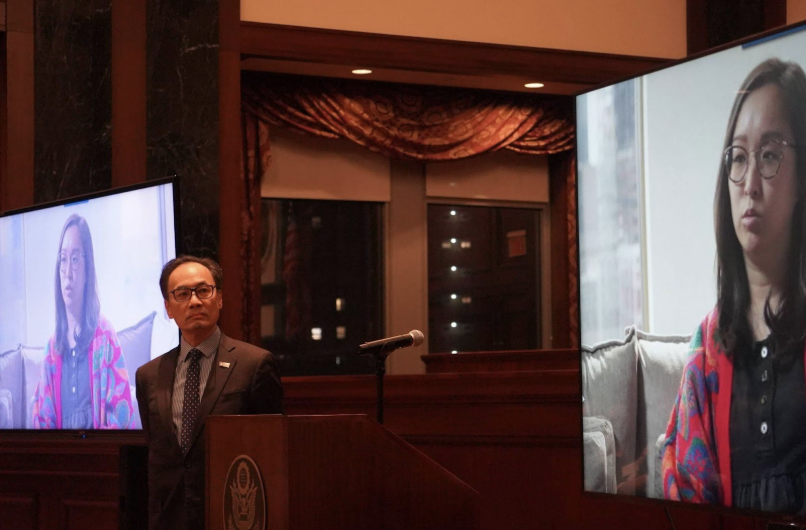
These themes of representation and belonging were echoed in the broader program. Before its conclusion, AABANY Executive Director Yang Chen introduced a trailer for Voices Against Anti-Asian Hate, an AABANY documentary highlighting the surge in anti-Asian hate incidents during the pandemic and the community’s response. The trailer highlighted the importance of continued vigilance and advocacy against anti-Asian violence and hate crimes and described the ongoing work of AABANY’s Anti-Asian Violence Task Force. Yang Chen further expressed gratitude for the role played by members of the Task Force in producing the documentary. In particular, Yang called up St. John’s University School of Law Professor Elaine Chiu, past Chair of the Task Force, and James Lin, retired veteran prosecutor of the Manhattan and Brooklyn DA’s Offices, as well as Daphne Mei, Program Manager for the Task Force, for their contributions to AABANY’s work combatting anti-Asian violence and hate.
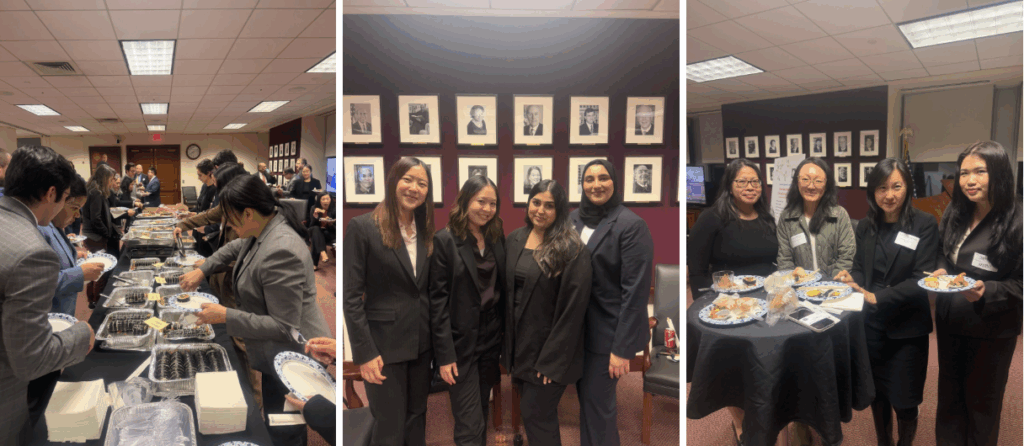
The program concluded with closing remarks from Kin Ng before guests proceeded to a networking reception in suite 850. The reception featured an array of delicious food including a variety of kimbap, samosas and dumplings, and provided an opportunity for attendees to connect and celebrate Judge Chen and the continued impact of the Prosecutors Committee within the legal community.
A Second Circuit Judge who attended the event described it as “warm, informative, and fun,” a sentiment that captured the spirit of collegiality and shared purpose that defined the celebration.
AABANY thanks Prosecutors Committee Co-Chairs Grace Vee, Appeals Division Civil Litigation Unit Chief and Associate General Counsel at the Manhattan District Attorney’s Office, and Kin Ng, Bureau Chief at the Kings County District Attorney’s Office, as well as Judiciary Committee Co-Chairs David Mou, founding attorney of Mou Legal PLLC, and Mark Son, Vice President of the Central Investigations Function at Deutsche Bank, for their leadership in organizing this memorable evening. AABANY also thanks the United States District Court for the Southern District of New York for graciously hosting the celebration at the SDNY courthouse. To view photos from the event, click here.