
AABANY’s Student Outreach Committee and Women’s Committee Host a Careers in Media Law Panel at Perkins Coie

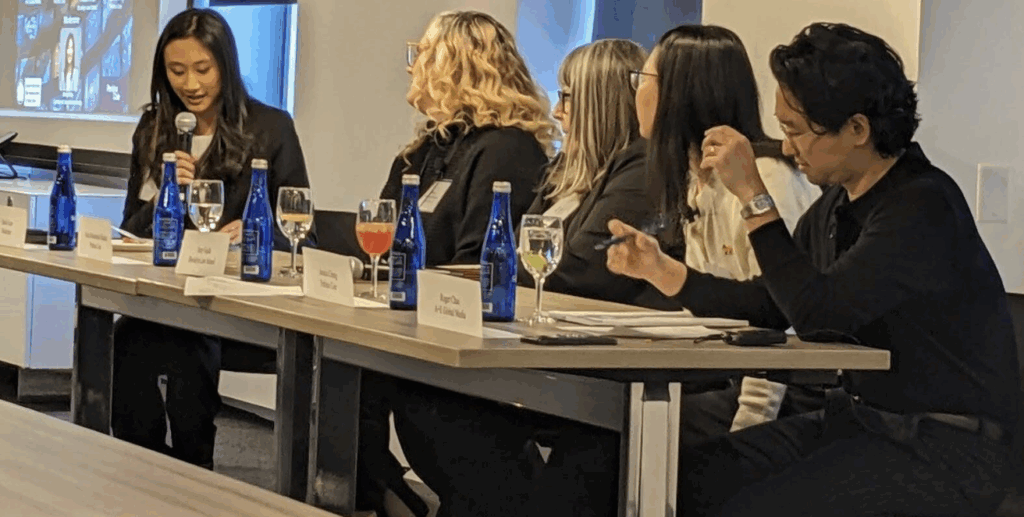
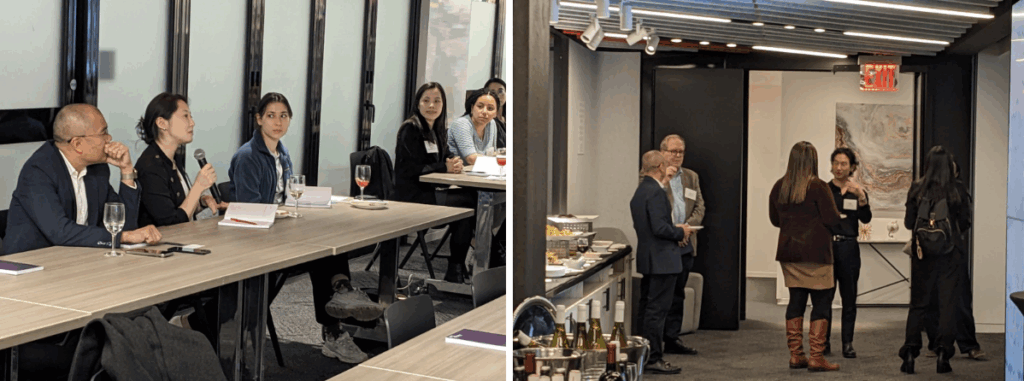
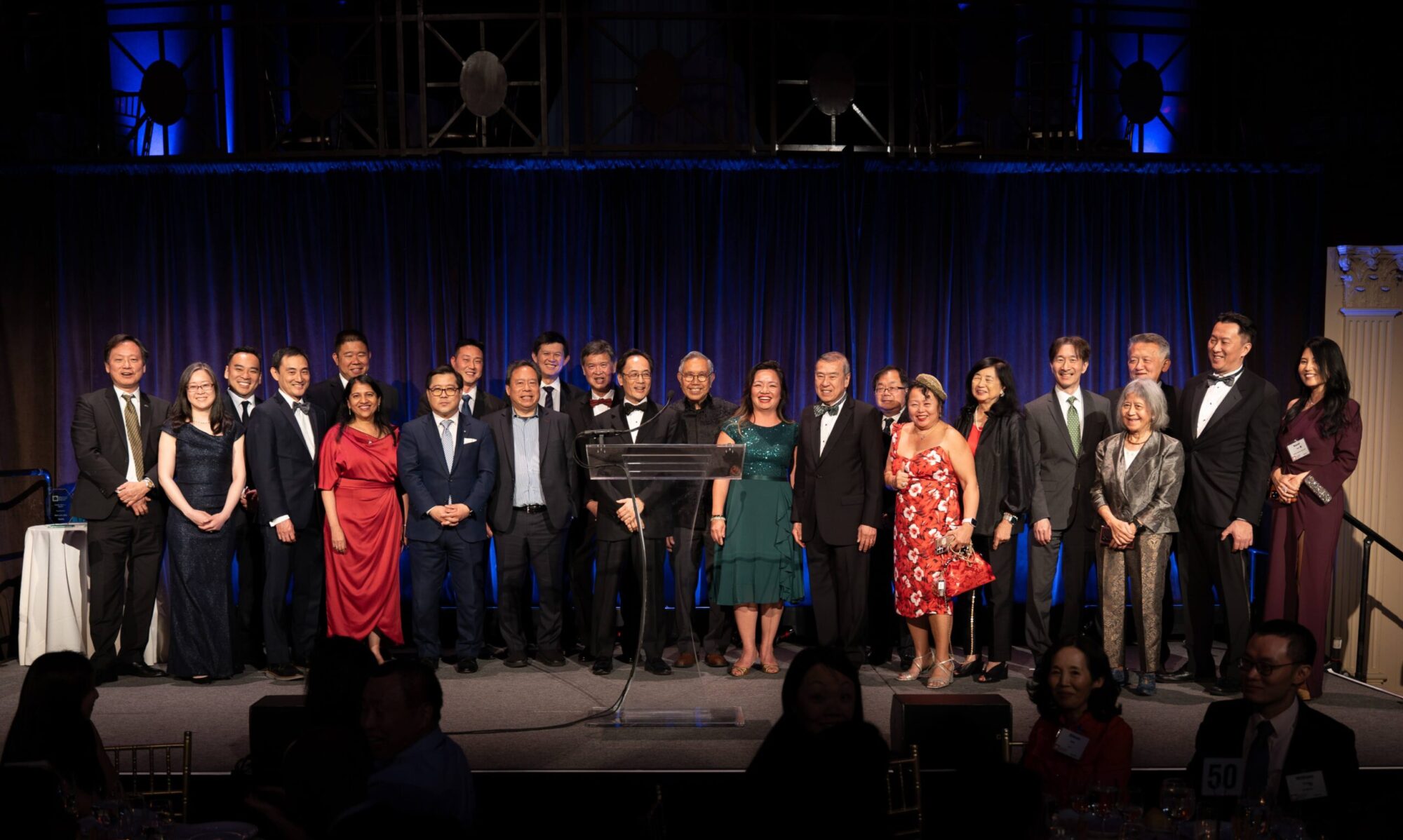
On Wednesday, March 18th, AABANY’s Student Outreach Committee and Women’s Committee organized the Careers in Media Law Panel, hosted by Perkins Coie. The panel featured a diverse group of professionals in media law: Roger Chao (Senior Counsel at A+E Global Media), Jessica Cheung (Associate at Perkins Coie), Amy Gajda (Jeffrey D. Forchelli Professor at Brooklyn Law School), and Alicia Matusheski Khaled (Senior Counsel at Perkins Coie). The event was held at Perkins Coie’s midtown Manhattan office in the SoHo conference room, where around 15-20 lawyers, students, and other registrants attended.

The panelists engaged in a riveting discussion of media law, the field’s niches, and the influence of AI on their work. Topics such as the First Amendment and privacy were brought into the conversation, specifically how these areas were being put in jeopardy and questioned by AI’s emergence. The panelists also engaged in a lighthearted, realistic discussion about the challenges of working within media law, as well as the rewards. They found the work they did to be stressful sometimes. One example included the stress in getting a contract or agreement through as a deadline looms, because not closing the deal can mean delays in production and content that was waiting to be used or seen by millions of people. But what the panelists found most rewarding was seeing the shows, games, or other media they worked on in the news and loved by fans.

The audience was incredibly engaged and interested in what was shared. Attendees asked questions generally about the field of law, but also specific questions, including discussion of AI and its impact. After the panel discussion and Q&A, the attendees and panelists networked over a spread of hors d’oeuvres featuring lime-and-garlic-grilled shrimp and truffled potato croquettes as well as strawberries dipped in chocolate for dessert. Those who attended in the hopes of gaining more insight into media law left with a deeper understanding of the field’s intricacies and the stories of the experts who worked within it.

​AABANY thanks Perkins Coie for the refreshments and the beautiful space. Thank you also to our panelists, who were deeply engaged in conversation and who passionately shared stories, information, and tips about media law.

To learn more about AABANY’s Student Outreach Committee, click here. To learn more about AABANY’s Women’s Committee, click here. You can find out more about upcoming events by visiting the calendar on AABANY’s website.

 — Written by Emily Kam, AABANY Student Outreach Committee Vice-Chair

MNAPABA and NAPABA Statement in Support of AANHPI and Immigrant Communities

For Immediate Release: January 19, 2026Contact: Rahat N. Babar, Deputy Executive Director

MINNEAPOLIS / WASHINGTON – The Minnesota Asian Pacific American Bar Association (MNAPABA) and the National Asian Pacific American Bar Association (NAPABA) stand firmly in support of the Asian Pacific American and the broader immigrant communities in Minnesota. 

On Wednesday, January 7, a federal immigration enforcement agent in Minneapolis shot and killed Renee Good. We send our heartfelt condolences to her family and loved ones. Press reports indicate that a federal investigation of the tragedy is underway.

The horrific shooting has exacerbated the existing fear and apprehension within immigrant communities across the state, especially as the national discourse recently turned to disparaging comments against immigrants and refugees in Minnesota and elsewhere across the country. 

On Friday, January 16, Kaohly Her – the mayor of Saint Paul, Minnesota, and the first woman and first Asian American in the role – stated that her office “received reports of federal law enforcement officers going door-to-door asking people where the Asian people live right now in our very own city.”

The allegations in these reports are immensely disturbing. While the residents of Minnesota have the right to engage in First Amendment activities, and as the federal government increases its presence in the region, MNAPABA and NAPABA unequivocally oppose any instances of racial profiling by government enforcement agents, actions that are incompatible with the rule of law. Instead, such actions endanger the public and diminish trust in law enforcement. 

The Minneapolis–Saint Paul region has a vibrant Asian Pacific American community, including one of the largest Hmong populations in the nation. The diverse communities of immigrants and refugees add to the strength and rich tapestry of Minnesota.  Their dignity and constitutional rights must be respected.

For additional information, please see MNAPABA’s supplementary statement, which can be found here.

###

The National Asian Pacific American Bar Association (NAPABA) represents the interests of more than 80,000 Asian Pacific American (APA) attorneys, judges, law professors, and law students, as well as over 90 national, state, and local APA bar associations. Founded in 1988, NAPABA promotes justice, equity, and opportunity for APA legal professionals and Asian American, Native Hawaiian, and Pacific Islander communities. We foster professional development, advocacy, and community involvement.

Volunteer for Thomas Tang Northeast Regional Moot Court Competition

image

The National Asian Pacific American Bar Association Law Foundation presents its 2018 Thomas Tang Northeast Regional Moot Court Competition, and is in need of volunteers. This competition provides a unique and memorable experience for student appellate advocates. The event allows law students to showcase their writing and oral advocacy skills, and also to compete for scholarships totaling $10,000. In summary, this year’s problem is on whether a state university has the right to impose disciplinary sanctions on a student for non-curricular expressive conduct, and if it may expel a law student for off-campus expressive activity. For more information on this year’s problem, click here

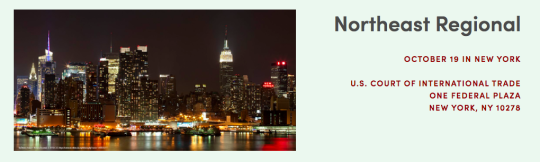
The event will be held on Friday, October 19, 2018, from 9:00 A.M. to 5:00 P.M. at the United States Court of International Trade, One Federal Plaza, New York, New York. NAPABA seeks volunteers for grading briefs and for day-of. Brief graders will review and score briefs submitted by the student teams before the competition, and the time commitment is flexible. Day-of volunteers are welcome to assist for either part of the event or the entire day, and will serve as bailiffs or judges for the oral argument rounds. For a complete schedule of the day’s events, click here. If you are interested in volunteering, please contact Zoe Wong, the Northeast Regional Coordinator, at T[email protected]. For more information, please visit NAPABA’s website here

Vinoo Varghese in NYLJ: Lawyer Claims D.A. Subpoena Could Impact Defense Counsel

Vinoo Varghese in NYLJ: Lawyer Claims D.A. Subpoena Could Impact Defense Counsel

Thomas Tang Moot Court Judges Needed for NAPABA Convention

We need your help to serve as judges for the Thomas Tang Moot Court Competition on Friday, November 8, 2013, during the NAPABA Convention in Kansas City, MO.  The rounds will take place from 9:15 to 10:15 and 10:30 to 11:30 at the Convention Hotel, Kansas City Marriott Downtown.  

Please sign up to judge either one or both of the preliminary rounds via Wejoinin.   (http://wejoinin.com/sheets/usknvhttp://wejoinin.com/sheets/usknv).  

This year’s problem addresses the following issues:

I.  Whether § 66.04 of the Apalsa Revised Statutes (“ARS”) precluding a public defender from withdrawing on the basis of excessive workload or lack of resource violates the right to effective assistance of counsel guaranteed by the Sixth Amendment to the Constitution of the United States.

 A.  Whether ARS § 66.04 is facially unconstitutional.     

 B.  Whether ARS § 66.04 is unconstitutional as applied in this case.

 II.  Whether the sanctions imposed on Appellant by the Professional Ethics Board of the State Bar of Apalsa violated her rights under the Constitution of the United States.

A.  Whether the sanctions imposed for refusing to comply with a court order to represent a criminal defendant violate the Fifth Amendment right to due process.

B.  Whether the sanctions imposed for Appellant’s public statement regarding her refusal to comply with a court order to represent a criminal defendant violate the First Amendment’s guarantee of freedom of expression.