
On April 22, 2026, the AABANY’s Judiciary Committee hosted a virtual panel discussion titled “Pathway to the Bench: Federal Magistrate Judges” which offered valuable firsthand insight into the process of becoming a Federal Magistrate Judge. The program was co-sponsored by the Korean American Lawyers Association of Greater New York (KALAGNY), the South Asian Bar Association of New York (SABANY), and the Filipino American Lawyers Association of New York (FALA-NY). The event was timed to coincide with a recent vacancy announcement for a new Magistrate Judge in the Southern District of New York (SDNY).
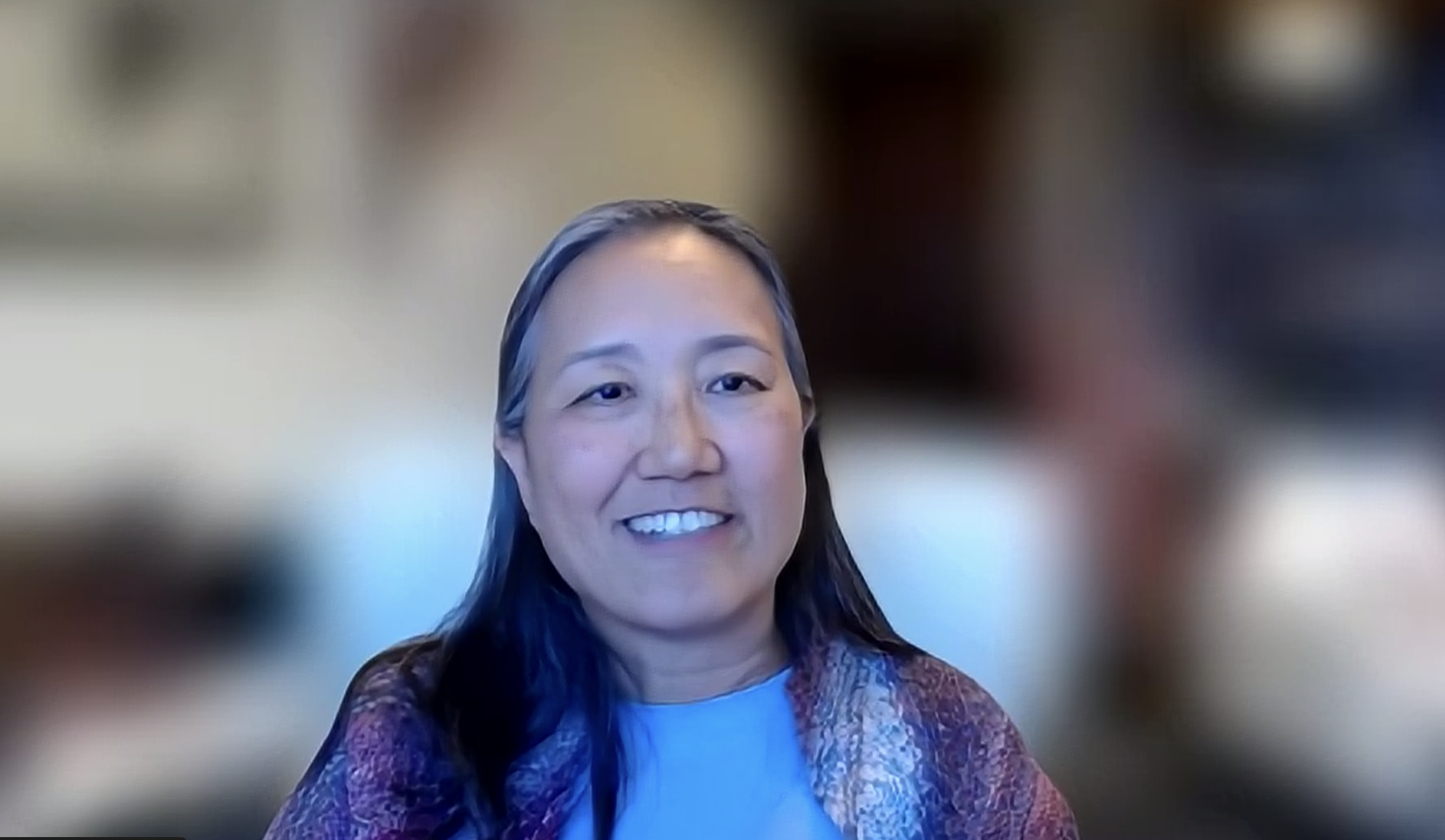
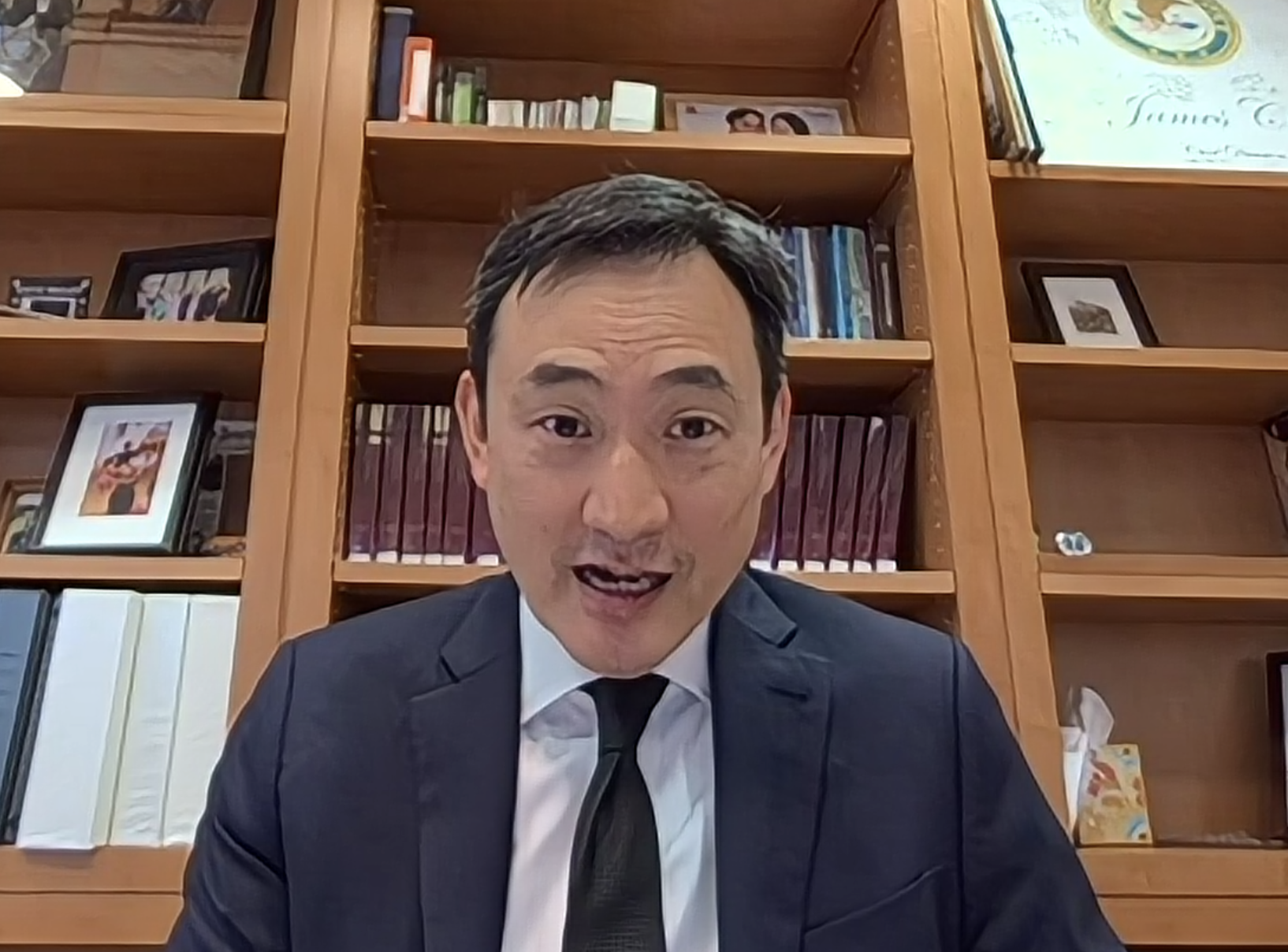
The panel featured two sitting Federal Magistrate Judges: Hon. Ona T. Wang of the Southern District of New York (SDNY) and Hon. James Cho of the Eastern District of New York (EDNY). Both judges shared candid reflections on their paths to the bench and practical advice for prospective applicants looking to apply.
Judge Wang, the first Asian Magistrate Judge in the history of the SDNY, opened by describing how Magistrate Judges work within the federal judiciary. Magistrate Judges are Article I judges who serve eight-year renewable terms and their authority is derived primarily from 28 U.S.C. § 636 and Rule 72 of the Federal Rules of Civil Procedure. On the civil side, they can exercise the full authority of a District Judge when all parties consent to their jurisdiction. On the criminal side, they handle initial appearances, bail and detention hearings, and search warrant applications, though they are not authorized to preside over Federal felony jury trials.
Judge Wang described criminal duty in the SDNY as being “on call in the ER” because for approximately one week once a quarter, a Magistrate Judge handles every Federal arrest, presentment, and search warrant application arising out of Manhattan. This can include complex multi-jurisdictional investigations reaching across the globe. At the same time, she manages a civil docket of approximately 200 to 300 cases, handling scheduling, discovery disputes, settlement conferences, and reports and recommendations on dispositive motions.
Judge Cho, who has served in Brooklyn since 2021, highlighted several important distinctions between the two districts. In the EDNY, Magistrate Judges are assigned to nearly every civil case filed and handle all pretrial supervision from the outset and with a direct consent track that allows parties to proceed without a District Judge entirely. In the SDNY, by contrast, Magistrate Judges only begin to work on a civil case once a District Judge issues a referral order. The scope of that referral may be for general pretrial matters, settlement only, or specific motions, and fundamentally shapes the Magistrate Judge’s involvement.
Judge Cho also noted that EDNY Magistrate Judges conduct jury selection for other judges and take guilty pleas which are tasks generally not performed by SDNY Magistrate Judges. Meanwhile, SDNY Magistrate Judges handle a higher volume of Social Security and habeas corpus cases.
Judge Cho and Judge Wang provided a detailed roadmap of the selection process. The written application includes a 11-page fillable form on the SDNY website and asks candidates to identify significant cases from the past five years, along with adversaries who may be contacted as references. Both Judge Wang and Judge Cho advised candidates to be selective in listing cases and to choose matters that were meaningful and that demonstrate the breadth of their experience. They also recommended giving adversaries a professional heads-up that they may receive a call because the committee is also evaluating professional conduct.
The selection process unfolds in two rounds. First, a Merit Selection Panel of practicing lawyers reviews applications and conducts interviews lasting typically 20 to 30 minutes in length. This Selection Panel then recommends five finalists per vacancy to the Board of Judges. In the SDNY, these interviews are conducted strictly in person. Second, the five finalists interview with the full Board of Judges. Both rounds move quickly and are tightly scheduled.
Judge Cho emphasized that the interview can be decisive, even for candidates who may not appear to be frontrunners on paper. He advised candidates to use the first question, invariably some version of “Why do you want to be a Magistrate Judge?” as an opportunity to tell their authentic story and to weave together themes of their relevant experience to public service and personal motivation. His own opening, for example, drew on his background as the son of immigrants, his experience teaching legal writing, and his years as a Federal civil litigator and Assistant United States Attorney.
Judge Wang offered a note of calibration for SDNY interviews specifically. Given that the Panel moves on time, a lengthy opening is not feasible. She recommended a focused, one-to-two-minute answer that signals a clear theme and invites follow-up questions. Her own theme was being a “helper,” a thread she drew through her clerkship and her extensive settlement and mediation experience.
Both Judges stressed that no candidate is a perfect fit on paper. In fact, Judge Wang had not conducted a trial before joining the bench and Judge Cho had no criminal experience. The Board of Judges is not administering a knowledge test. They are evaluating the candidates’ temperament and genuine motivation for public service. Candidates should acknowledge any gaps in their backgrounds honestly and then redirect toward their strengths.
Judge Cho and Judge Wang were also candid about the value of professional networks at key stages in the process. Once a candidate gains traction after securing a first-round interview, they encourage applicants to reach out to well-connected mentors and colleagues who might be willing to speak on their behalf to members of the Selection Panel or the Board of Judges. Judge Wang shared a memorable lesson from her own process when a close personal contact who was a sitting District Judge learned of her application through a reference call for another candidate and independently volunteered a strong endorsement. She advised candidates not to leave that kind of advocacy to chance.
For those who may feel their background does not fit a traditional mold or who did not succeed in a prior application cycle, both judges offered genuine encouragement. Judge Wang noted that it is not unusual for candidates to apply more than once and that a changed political environment may make the current cycle particularly competitive. Yet, this should not deter anyone from applying. The advice is to focus on each stage as its own challenge, prepare thoroughly for interviews with mock sessions – Judge Wang mentioned AABANY as a great source that can help candidates coordinate these – lean into your network, and to approach the process with the utmost authenticity and confidence.
To learn more about the AABANY Judiciary Committee, go here.