
On June 13, 2026, AABANY hosted its Fourth Annual Wellness Day at Brooklyn Law School. This successful event was made possible through the generous support of AABANY’s engaging speakers and generous sponsors, enabling participants to learn about crucial issues related to mental and physical well-being among members of the legal profession.
AABANY held its inaugural Wellness Day during former AABANY President Karen Kim’s 2023-2024 term, which focused on highlighting mental health and well-being in the legal profession. Since then, Wellness Day has continued as an annual event. Mental health and well-being are often overlooked and under-discussed. With programs like Wellness Day, AABANY aims to break down barriers and recognize mental health issues within the legal profession, creating a safe and supportive space for people to share their stories. At Wellness Day this year, participants learned about topics such as managing stress, the importance of resilience, and keeping physically fit.
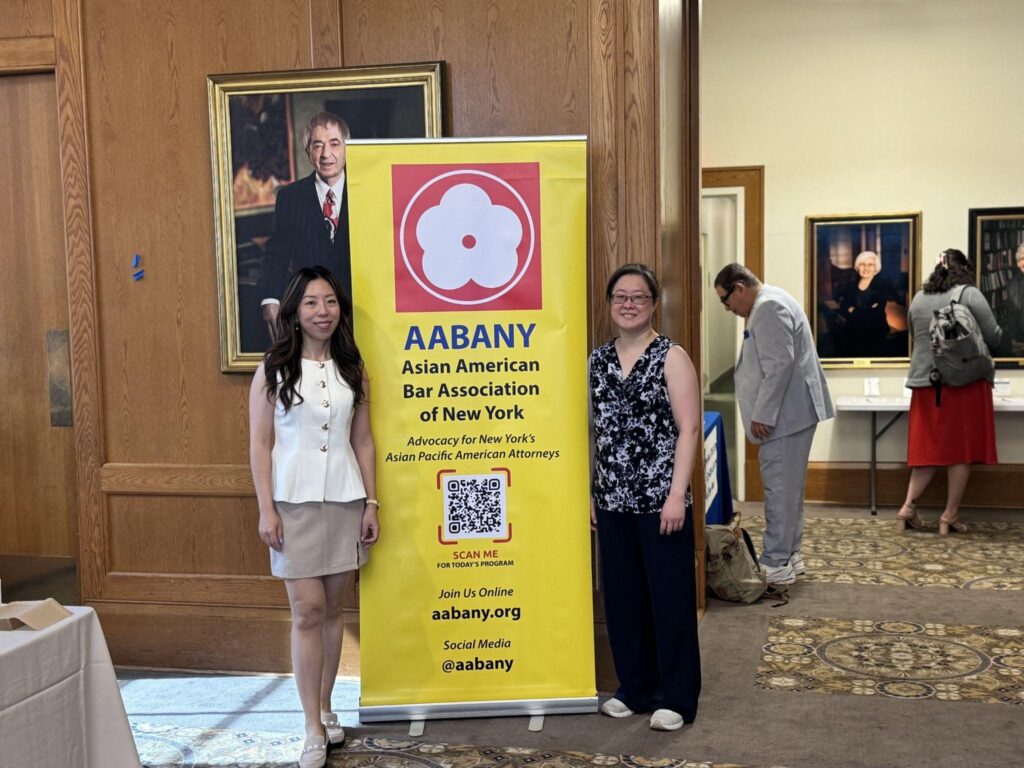

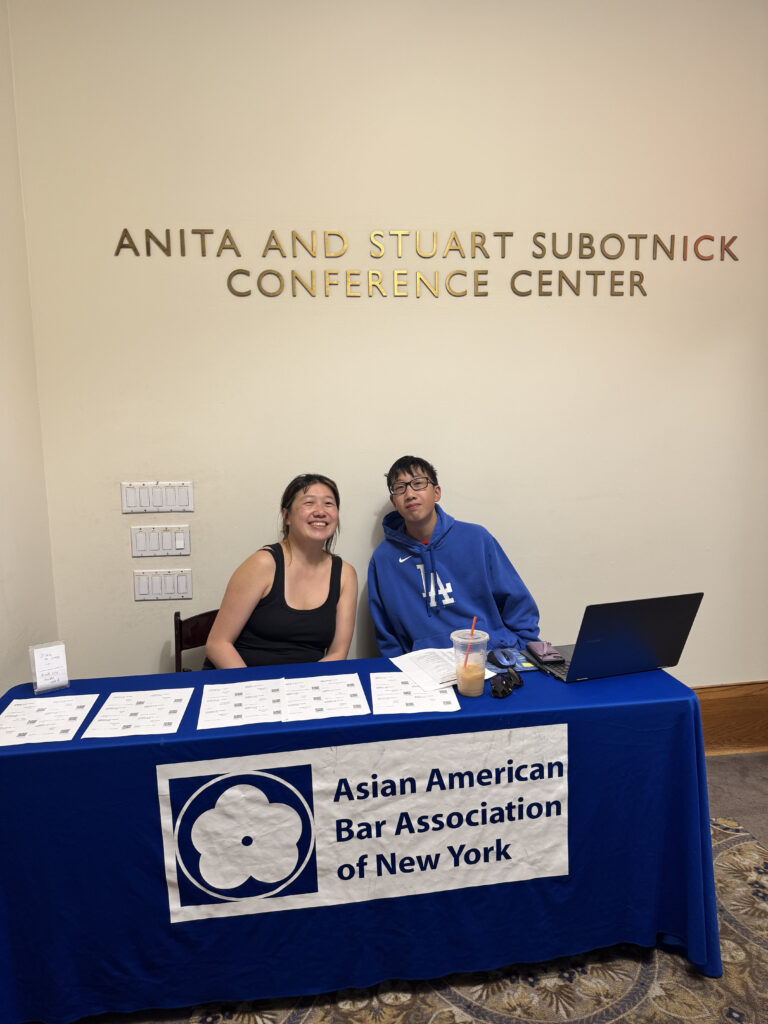
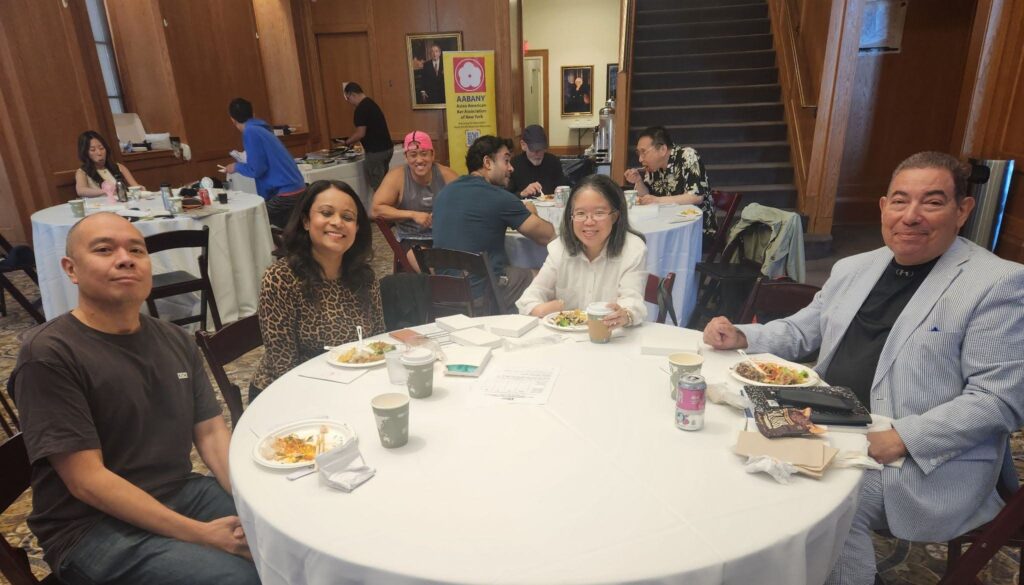
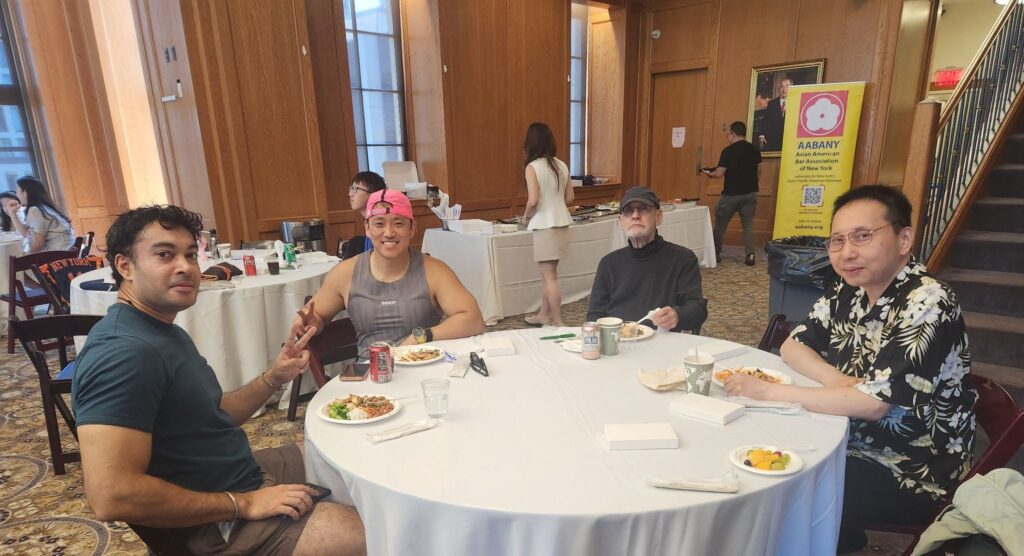
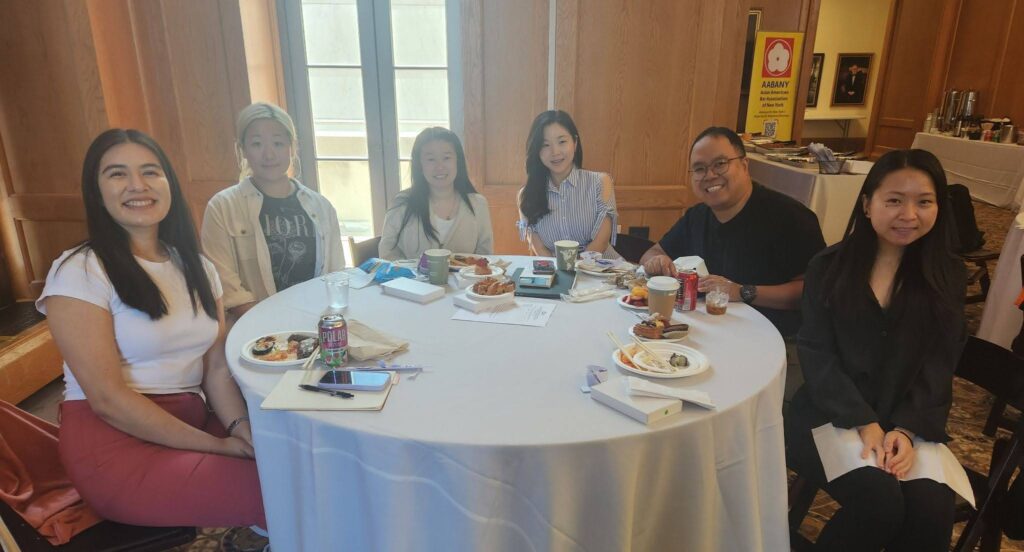
Doors for Wellness Day opened at 9:30 am. The event started with a Meet and Greet Breakfast, where attendees connected with one another as well as with former and current Wellness Day speakers and sponsors, and eased into the morning with pastries from Paris Baguette. Attendees who checked in early were also eligible to enter a raffle to win prizes designed to support wellness and well-being. The prizes included a complimentary intake session with Anise Health; a Time-Management Intensive Session with Dr. Michelle Thompson, CEO of Resistant Vision; 1:1 Coaching Session with Celina Lee, an executive and career coach, and founder of the Live Your Dream Club; Laser Focus Power Pitch Session with the Perfect Pitch Group; and Rainmaking 101 from Day 1, a book by Precious L. Williams.
AABANY President Varuna Bhattacharyya officially kicked off the programming with welcoming remarks, thanking AABANY’s sponsors, speakers, and attendees who made the event possible.
8 Pillars of Attorney Well-Being
The first morning session featured Jennifer Clayton from the New York State Bar Association and Niti Parthasarathy from Generation SOS. Ms. Clayton highlighted the problems in the legal profession surrounding stress and how it builds. She introduced the “8 Pillars of Attorney Well-Being” as a strategic way to deal with stress in the workplace, which are: Emotional, Spiritual, Intellectual, Physical, Occupational, Financial, Environmental, and Social. Ms. Parthasarathy shared her story as a burned out attorney at her law firm. What helped Ms. Parthasarathy was realizing that everything would be fine if you let go and that self care is not selfish. She emphasized the importance of being kind to yourself. To amplify the point, Ms. Clayton shared an example of being kind to yourself by recounting a story about a biker and a bike chain, where the biker thought that she was slow because she was unathletic, when the real problem turned out to be the bike chain that was broken, showing how some things happen for external reasons. Ms. Parthasarathy shared how doing things like going outside, trying new things, and taking just a little time to meditate improved her overall quality of life, giving her free time and actual hobbies beyond just working. In sharing these lessons, Ms. Clayton and Ms. Parthasarathy helped the audience learn the importance of being kind to yourself and taking time for yourself when needed.
The materials for this CLE session can be found at: https://wellness2026.aabany.org/AABANYWellnessDay2026.pdf
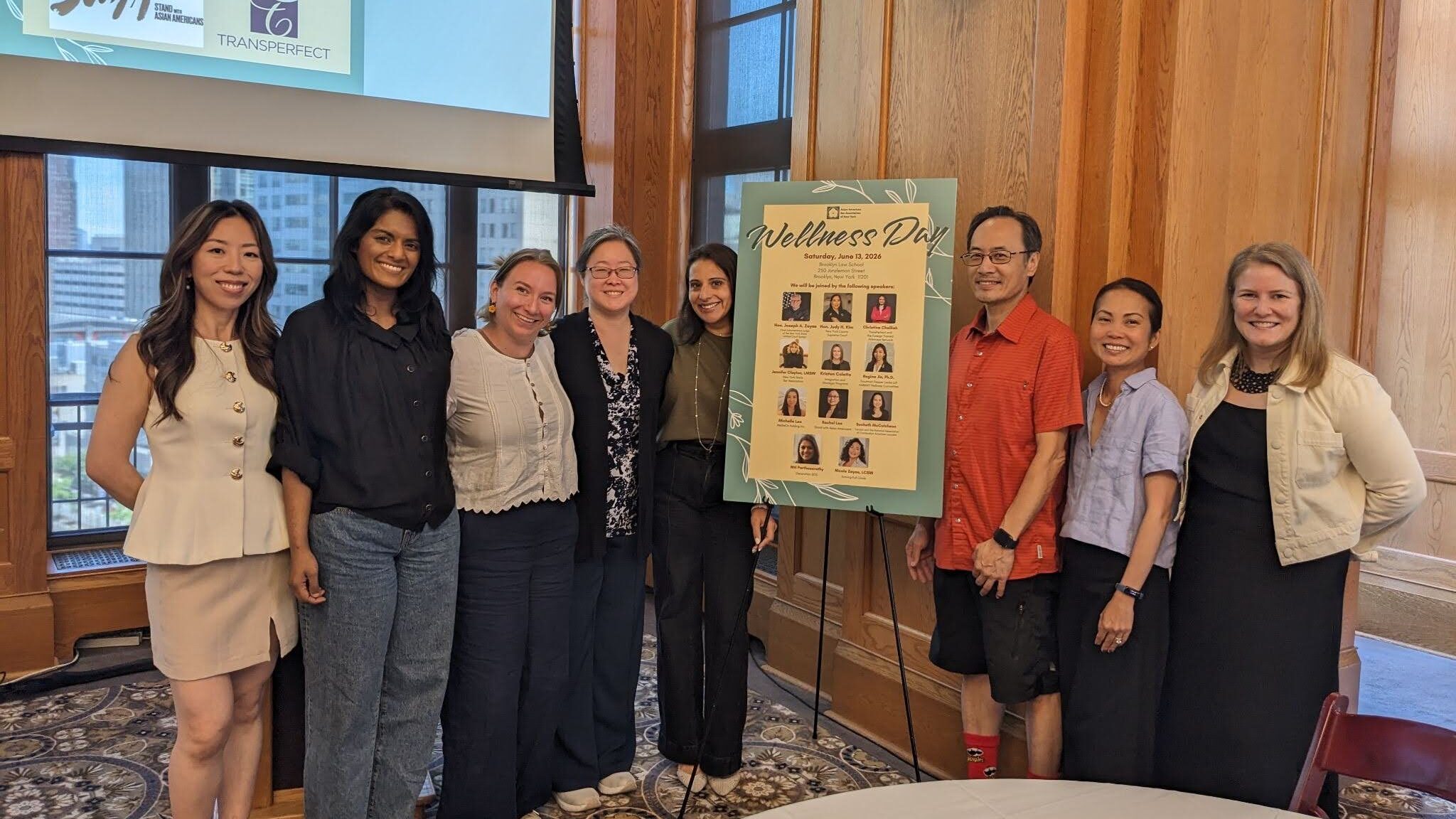
Fireside Chat with Socheth McCutcheon
Next, Socheth McCutcheon, Associate General Counsel at Verizon and Founder of the National Association of Cambodian American Lawyers, together with Kristin Coletto, Vice President of Integration and Strategic Programs, engaged in a fireside chat to share the importance of listening to your body. Ms. McCutcheon talked about serious health problems she developed as a hardworking lawyer and parent. She noted how work took a toll on her physically, and how she didn’t want to take time off, even through severe weight loss. Ms. McCutcheon recounted how she eventually took time off through the encouragement of her friend, and afterwards, she discovered that she needed a blood transfusion. Even though she was able to get help, Ms. McCutcheon reflected on how long it took her to admit that she needed help. In their discussion, Ms. McCutcheon and Ms. Coletto highlighted the need to listen to your body and the need to ask for help rather than pushing through despite pain and discomfort. The fireside chat closed with an engaging Q&A session where attendees shared personal experiences further emphasizing how important health should be prioritized before serious health issues arise.
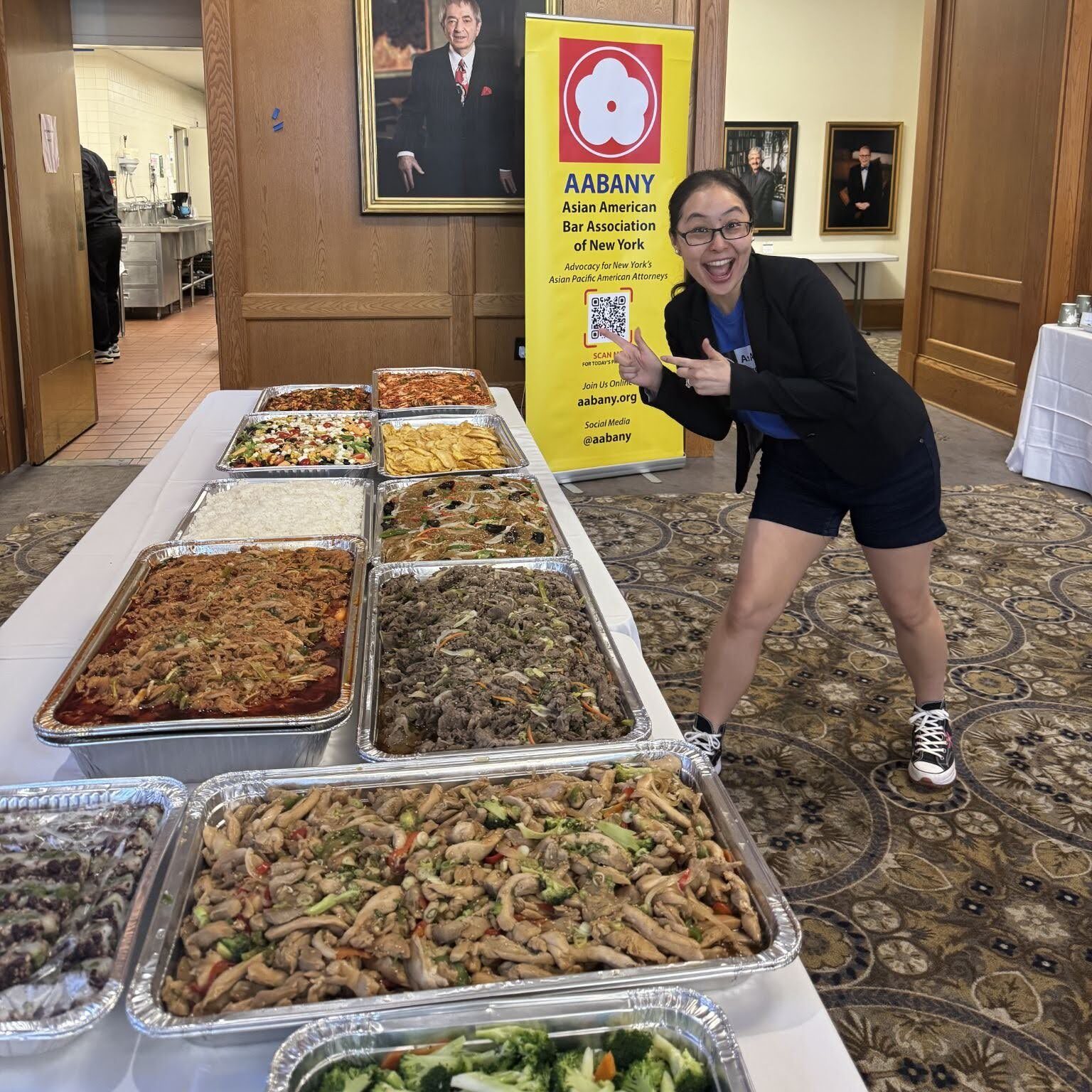
After the morning sessions, attendees enjoyed a delicious and healthy lunch featuring a variety of Korean dishes. Raffle winners were selected and announced through a random wheel spin. All speakers and attendees received handheld fans to beat the summer heat as a Wellness Day giveaway. Throughout the day, attendees also enjoyed healthy snacks to help stay focused and energized. Attendees made new connections and re-connected with prior Wellness Day attendees during the break, before diving back into the afternoon session.
Pivot with Purpose: Navigating Career Transitions with Resilience
The afternoon kicked off with a panel on career transitions with Michelle Lee, General Counsel and Corporate Secretary at MediaCo; Christina Chelliah, Corporate Counsel for TransPerfect and founder of the Foreign Trained Attorneys Network; and Rachel Lee, President and General Counsel for Stand with Asian Americans. The panel was moderated by Regina Jin, Associate at Troutman Pepper Locke, and Co-Chair of AABANY’s Wellness Committee. Each member of the panel shared their unique experiences with career change and offered advice to other lawyers considering a career change.
Michelle Lee opened up about how she filed a discrimination lawsuit against her former company, in order to uphold her rights, even if it meant losing her job in the process. Ms. Lee shared how she used the time she had after losing her job to begin exercising to focus on her physical health. She recommended everyone to take time to work out, especially in the context of the legal profession where lawyers do not have much time to focus on their physical fitness. She also advised lawyers to think twice about quitting before trying to switch careers, noting that interviewing while unemployed is challenging.
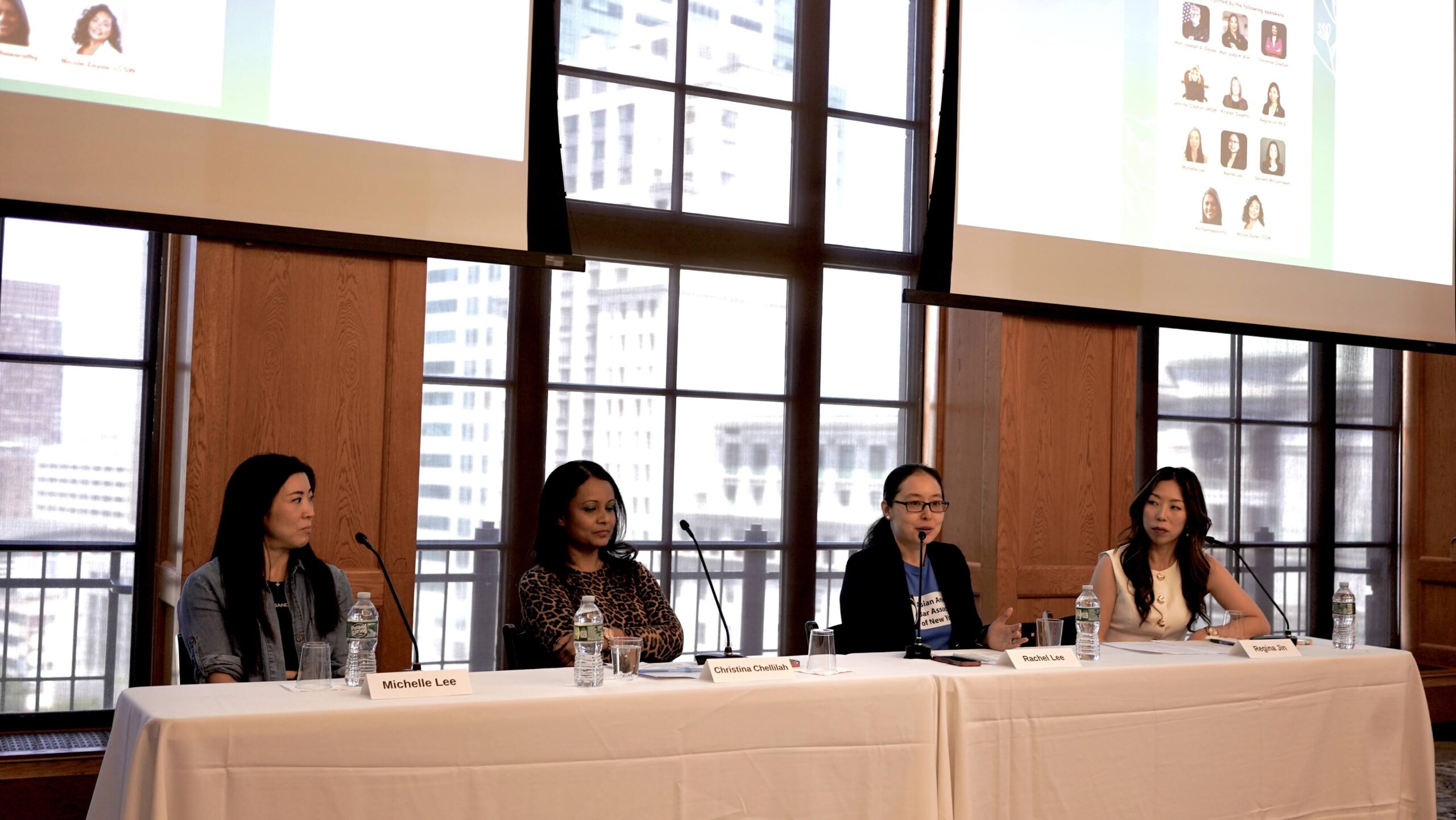
Christina Chelliah shared her story about being a successful, practicing attorney in Malaysia before moving to the United States. Although her family and peers were surprised by her decision to leave Malaysia in the midst of a successful career, Ms. Chelliah ultimately decided to move to the United States in the pursuit of greater career achievement. As a foreign-trained attorney, she experienced struggles in proving her skills to law firms in the United States. Ms. Chelliah also discussed the sense of duty many Asian American women experience, noting a tendency to prioritize the well-being of others over their own. Consequently, her choice to pursue a new career path represented a significant departure from deeply rooted cultural norms. She urged those in attendance to prioritize their own aspirations rather than focusing solely on the expectations of those around them.
Rachel Lee talked about working at big law firms and then transitioning to a non-profit organization. She spoke about how she disagreed with her firm’s withdrawal from supporting DEI, causing her to ultimately decide to leave the firm. Ms. Lee noted that the transition to non-profit was a financial sacrifice, but it was the right thing to do. She encouraged attendees to have the courage to acknowledge when things aren’t always perfect or right and to stay connected to their passion.
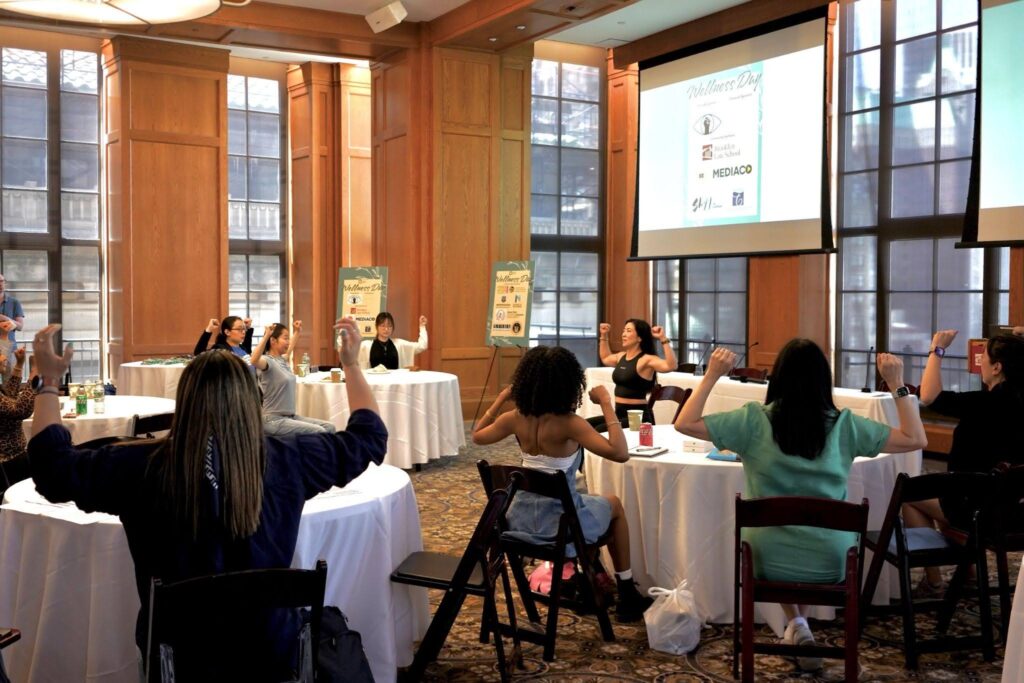
After the first afternoon session, the audience took a quick stretch break led by Michelle Lee. Ms. Lee guided participants through several convenient exercises to do any time during the day from their seats. The stretch break was greatly appreciated after a long day of sitting.
Demystifying the Bench
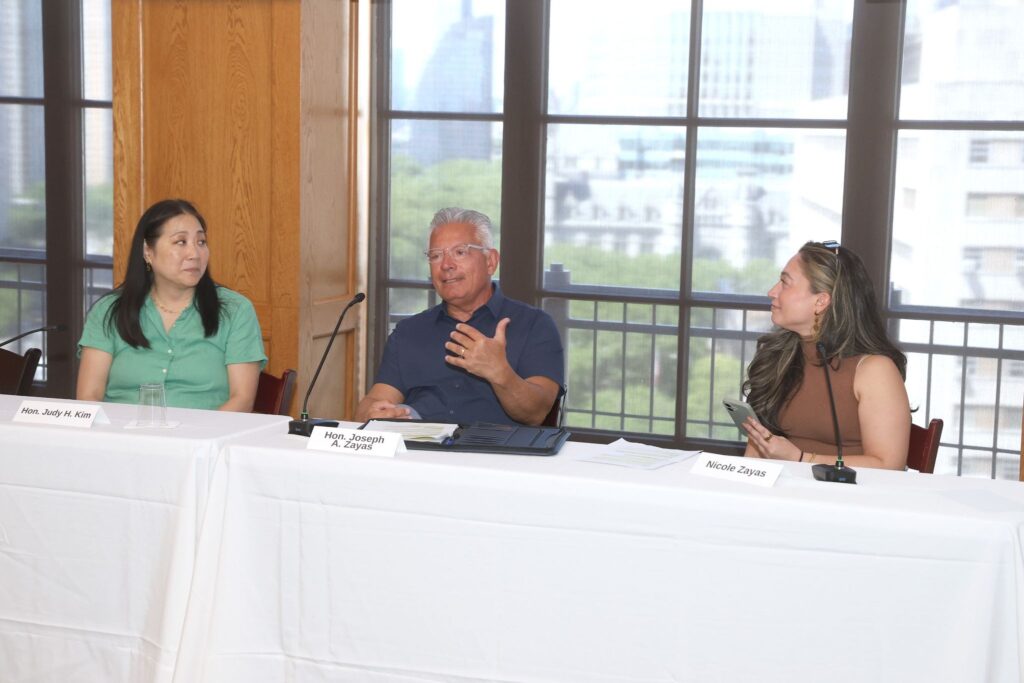
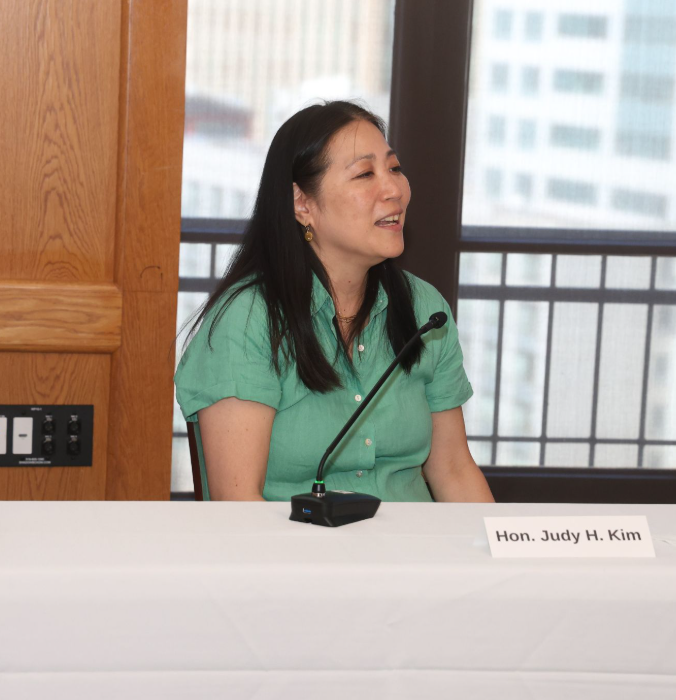
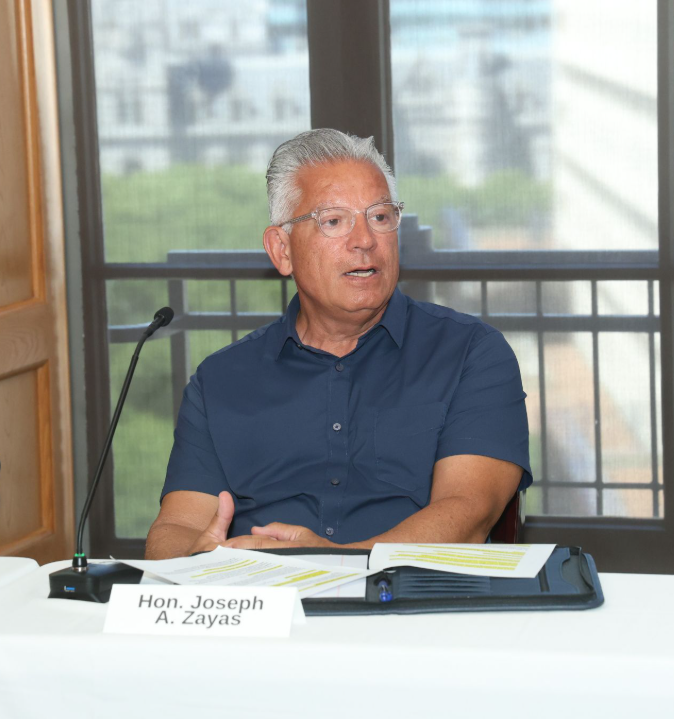
From the stretch break, we moved to a panel on demystifying the bench, with Judge Judy Kim, Justice of the New York County Supreme Court, and Judge Joseph Zayas, Chief Administrative Judge of the New York State Unified Court System, moderated by Nicole Zayas, LCSW, CEO, Arriving Full Circle (and daughter of Judge Zayas).
Judge Kim talked about being the first Korean American justice elected to the New York County Supreme Court. Reflecting on her journey as an immigrant to the United States, Judge Kim discussed her judicial responsibility to support the community and ensure the court system remains accessible and user-friendly. She talked about her choice to go into the legal profession instead of going to medical school, choosing a profession that actually impacted the real world. Judge Kim reflected on the moment when she decided she didn’t want to be a private sector lawyer and instead transitioned to public service to serve a greater purpose. In response to what advice she would have given her younger self, she highlighted the importance of having self confidence.
Judge Zayas recounted his story as a young boy who would skip class and who almost failed gym. He reflected that he had no idea that one day he would end up in such an important role. Even as a Justice of the New York State Supreme Court, Judge Zayas admitted that he didn’t always feel absolutely confident. He recalled a time when he went to an event and admitted that he felt a little scared in his role, but he was later told by others that he shouldn’t admit his vulnerability and should appear as completely confident. Judge Zayas disagreed, telling the audience that it was important to be true to yourself, including admitting when things are hard. Judge Zayas offered some key pieces of advice, such as working hard, treating everyone with kindness, and being resilient. Judge Zayas emphasized persistence, noting that anyone, even an almost-failing student like himself, could work hard and contribute to society in a meaningful way. He also gave the audience advice on being in touch with your emotions – even if sometimes obstacles get you upset, you need to learn how to calm down and go back later to reflect on why something made you mad in the first place.
To read a blog post about this panel from Judge Kim’s intern, Devashani Sharma, go here.
Reclaiming Your Life Without Burning It Down: The Journey Back to Yourself
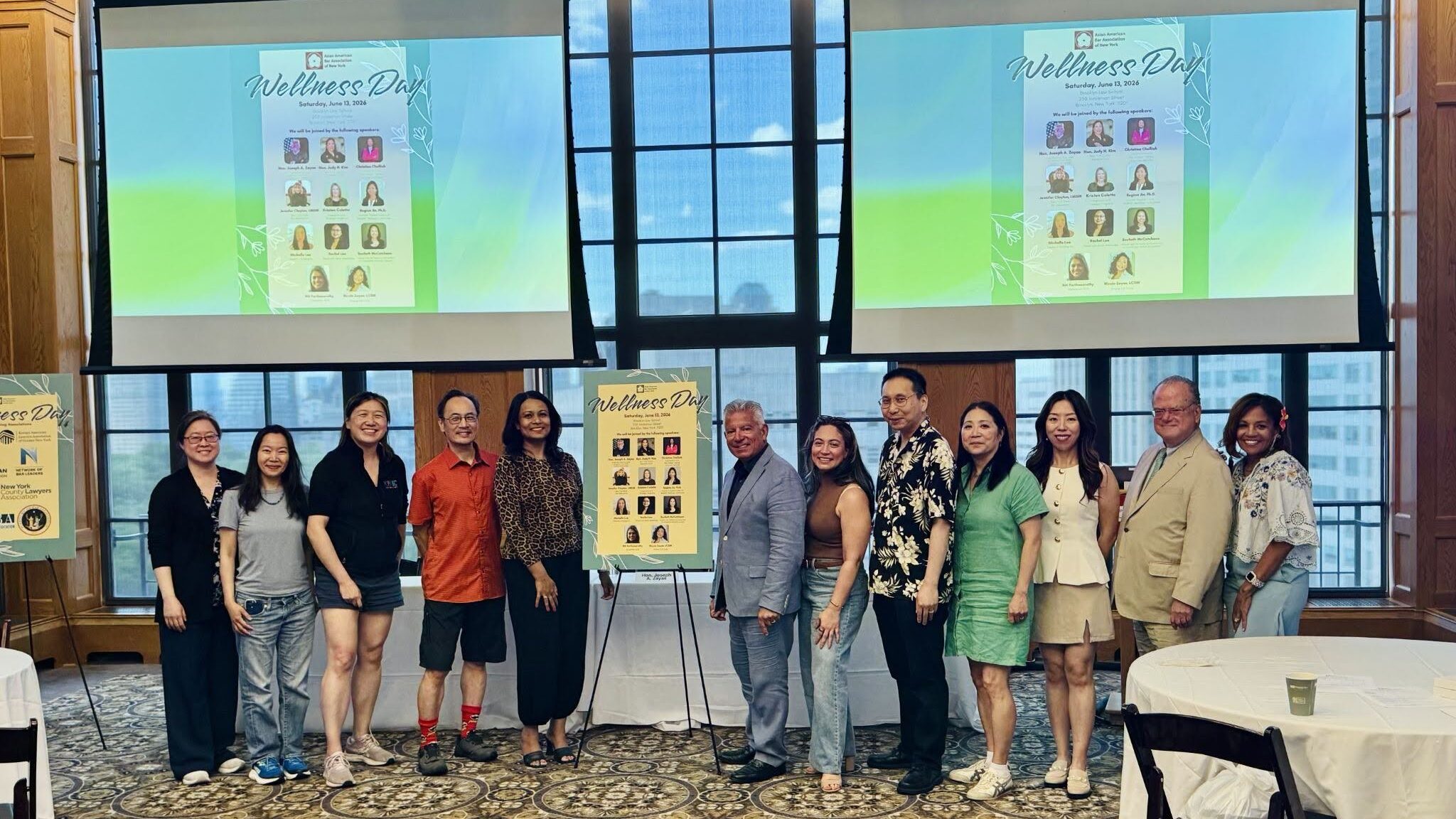
The day ended with a session from Nicole Zayas, LCSW, CEO of Arriving Full Circle. She began by involving everyone in a mindfulness exercise that included a Hershey’s Kiss, where participants felt, heard, smelled, and even tasted the Kiss before finally eating it. The exercise slowed down the attendees and focused them on being present in the moment.
Ms. Zayas began her presentation by telling her story of being a young woman who did “everything right,” going to school, working hard, and finding a job. Then, she suddenly became a mother from two unexpected pregnancies, feeling overwhelmed and disconnected. She managed to find her way back to herself through therapy, breathing exercises, and yoga. Ms. Zayas then proposed that “broken” people aren’t really broken; rather, they are in survival mode, trying to just survive (instead of thriving), and reacting (instead of responding). Ms. Zayas gave three steps to getting back in the driver’s seat:
- Believing it is possible
- Investing in yourself
- Finding your purpose
These three steps shaped what Ms. Zayas called the “Power Pass,” a step-by-step program to get people back in the driver’s seat of their lives. She gave the analogy of a surfer, where the person is the surfer and the waves are their thoughts. The person can either ride the waves or let the waves ride them. Ms. Zayas ended the session by promoting her Power Pass series in August, inviting anyone interested to sign up for a wait list to join the sessions.
Closing Remarks
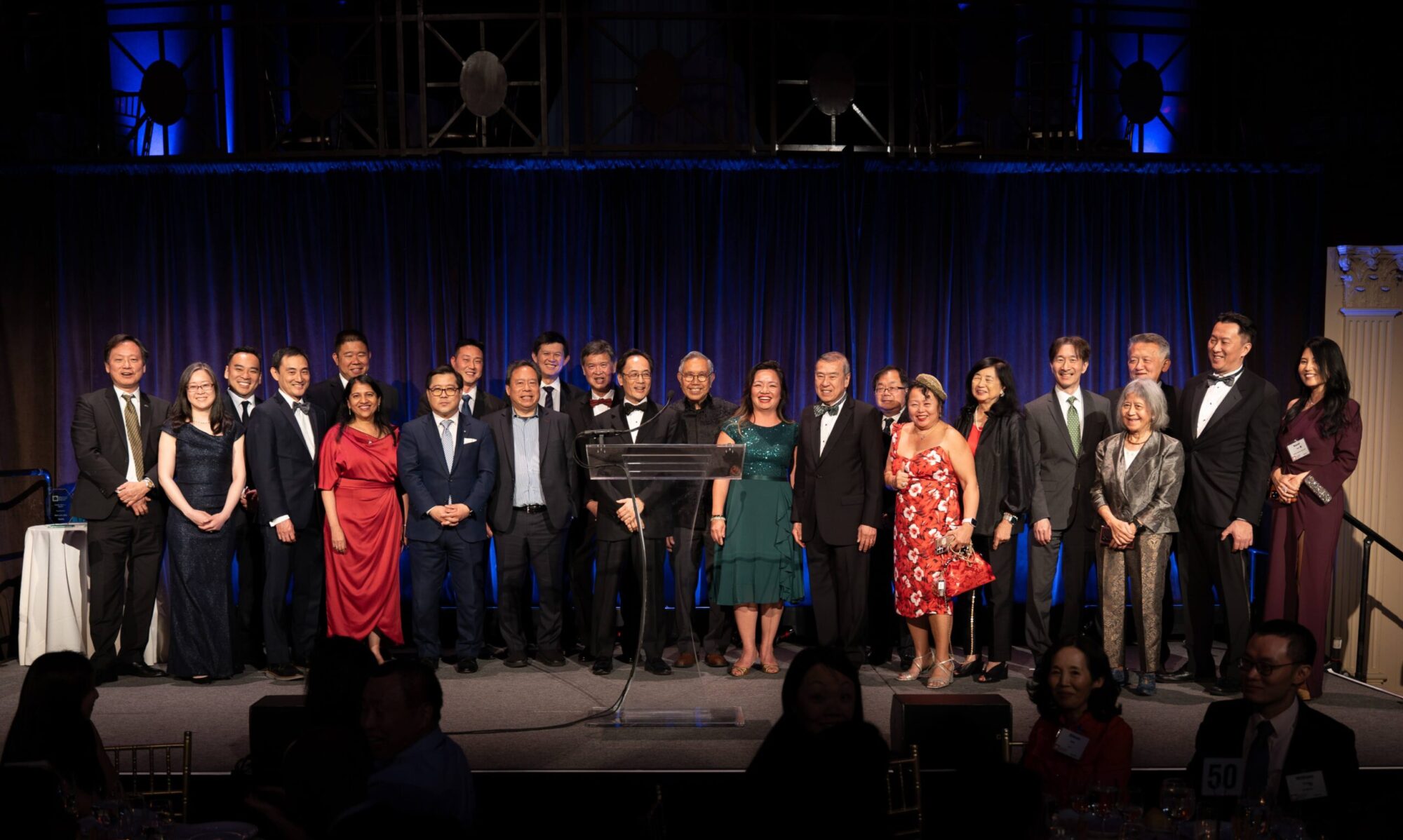
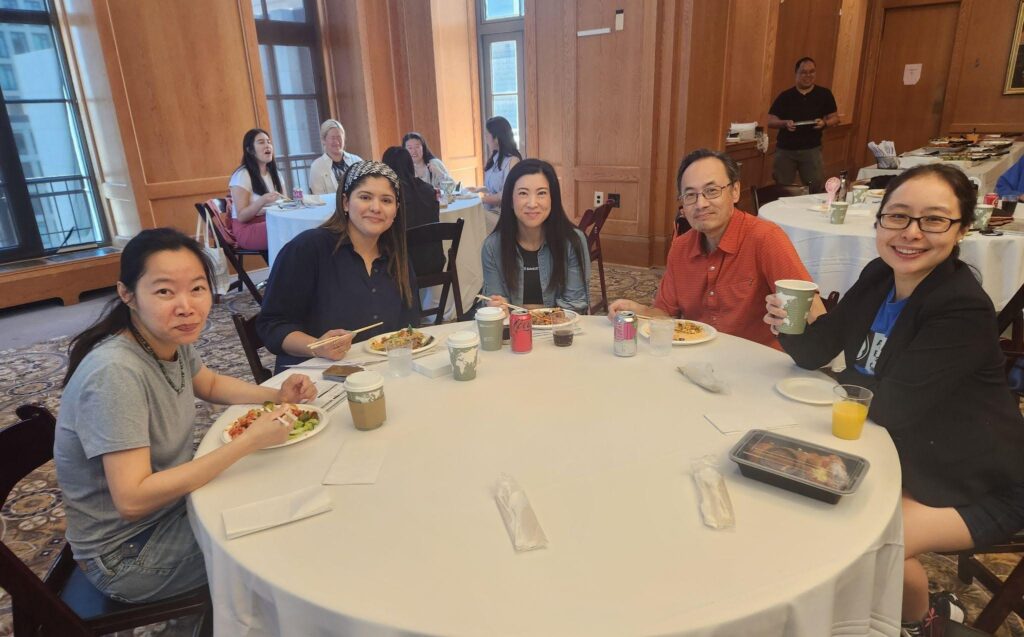
AABANY Executive Director Yang Chen delivered closing remarks, thanking all of the speakers, sponsors, and participants who made the day possible. Attendees then enjoyed the remaining time to connect with each other before leaving the event, bringing AABANY’s Fourth Annual Wellness Day to a close.
We would like to thank the following sponsors for generously supporting this year’s Wellness Day:
- Friend Sponsor: Resistant Vision
- General Sponsor: Perfect Pitch Group
- Co-Sponsoring Associations
- Asian American Judges Association of New York (AAJANY)
- Judges & Lawyers Breast Cancer Alert (JALBCA)
- Korean American Lawyers Association of Greater New York (KALAGNY)
- Metropolitan Black Bar Association (MBBA)
- New York County Lawyers Association (NYCLA)
- New York Women’s Bar Association (NYWBA)
- Network of Bar Leaders (NoBL)
- Puerto Rican Bar Association (PRBA)
- Community Partners
- Meet and Greet Breakfast Raffle Participants
To learn more about the Wellness Committee, go here. To join the e-mail list of the Wellness Committee, email [email protected]. For more information about this year’s Wellness Day speakers, go to the website: https://wellness2026.aabany.org/, where you can also find a drop down for previous Wellness Day webpages and blog posts. AABANY’s list compiling Wellness Resources can be found here.
–Written by Samuel Yu, incoming 9th grade student of Livingston Public Schools, New Jersey