
AABANY Student Outreach Committee and Government Service and Public Interest Committee Co-Host Panel on Public Defense and Public Interest Sector Careers

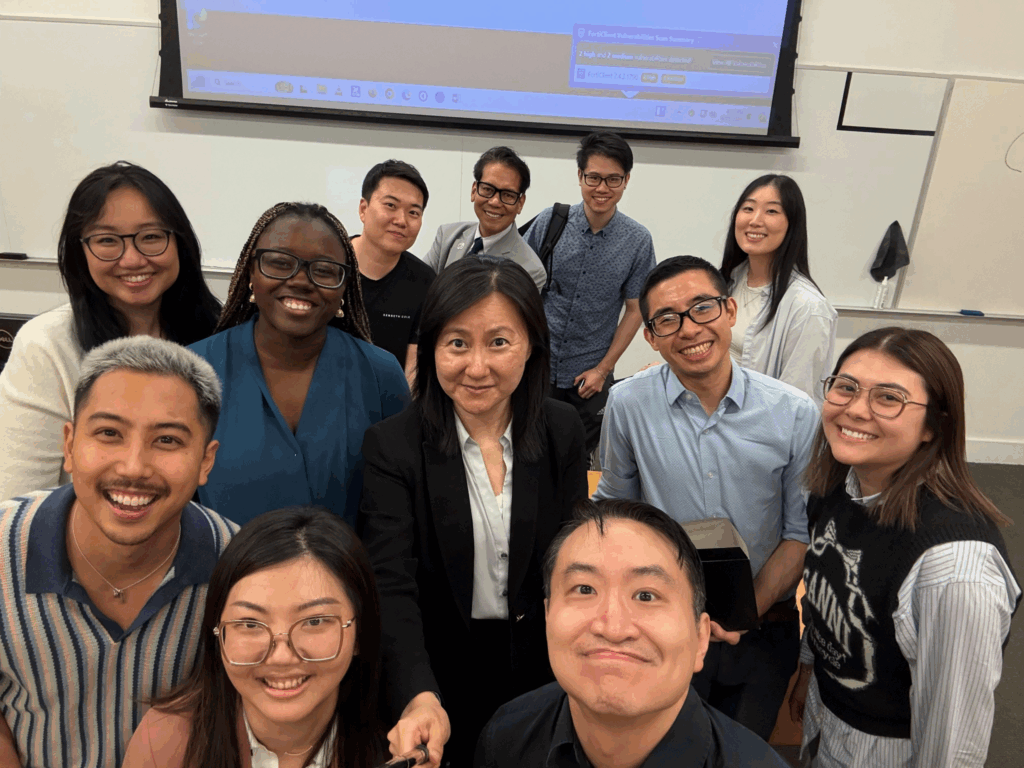
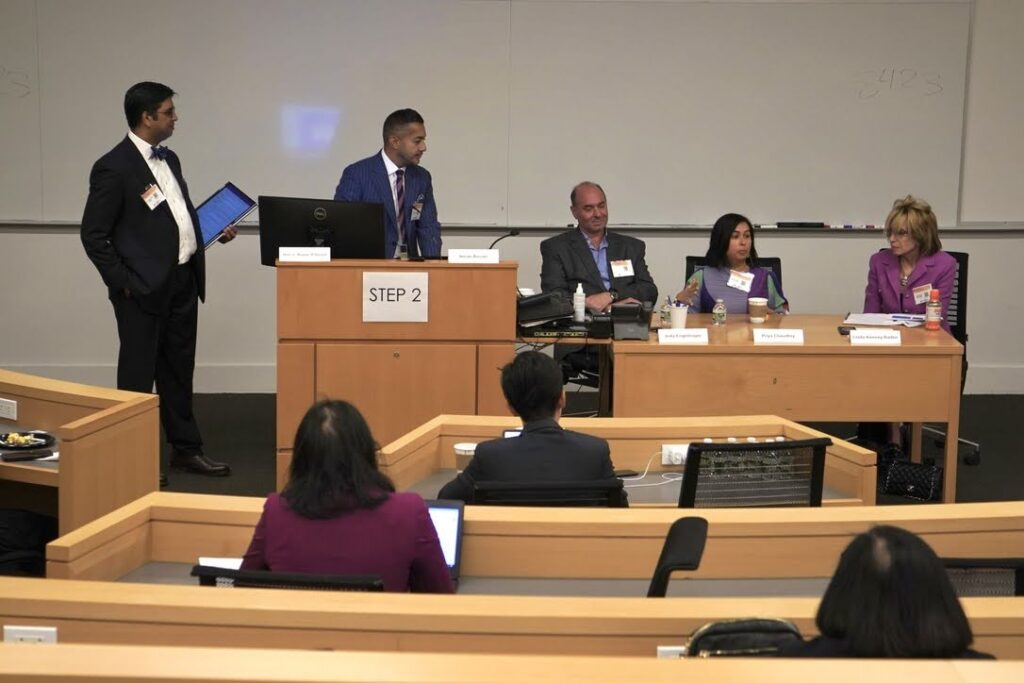
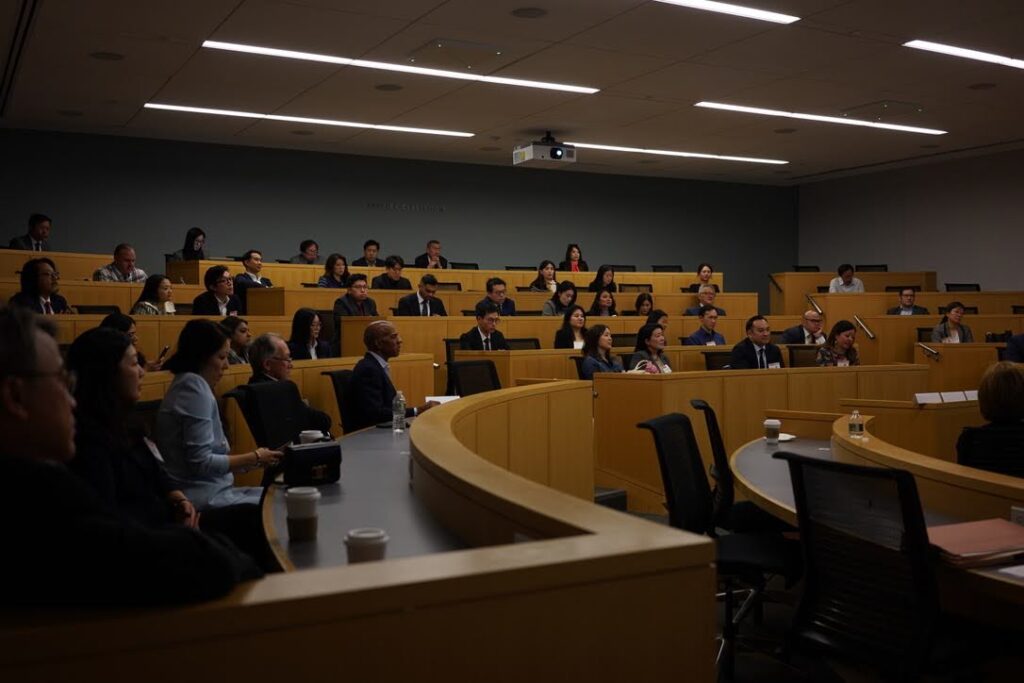
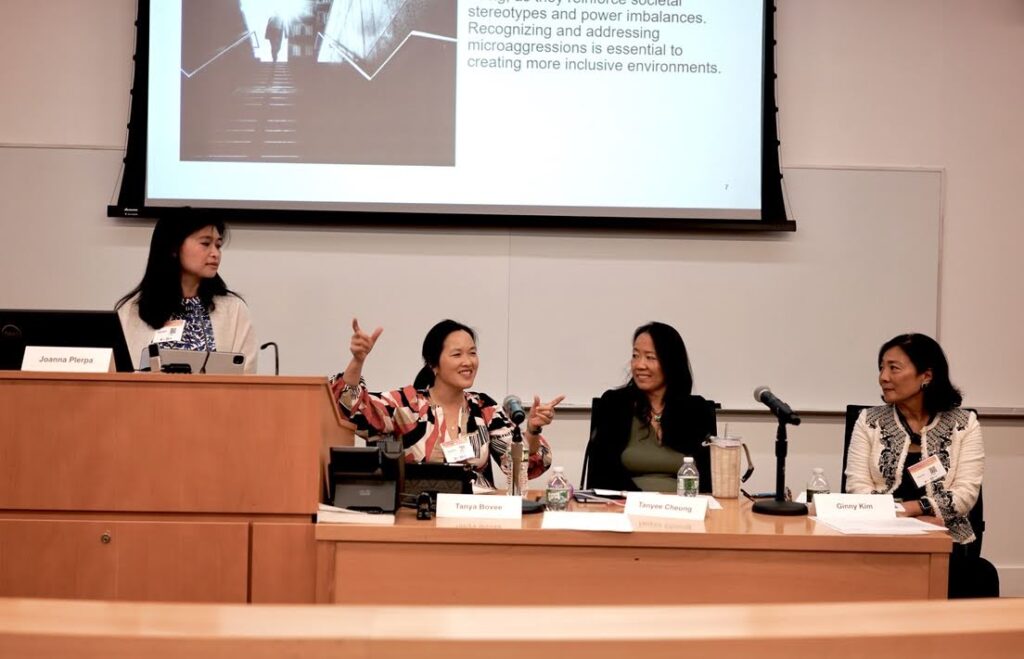
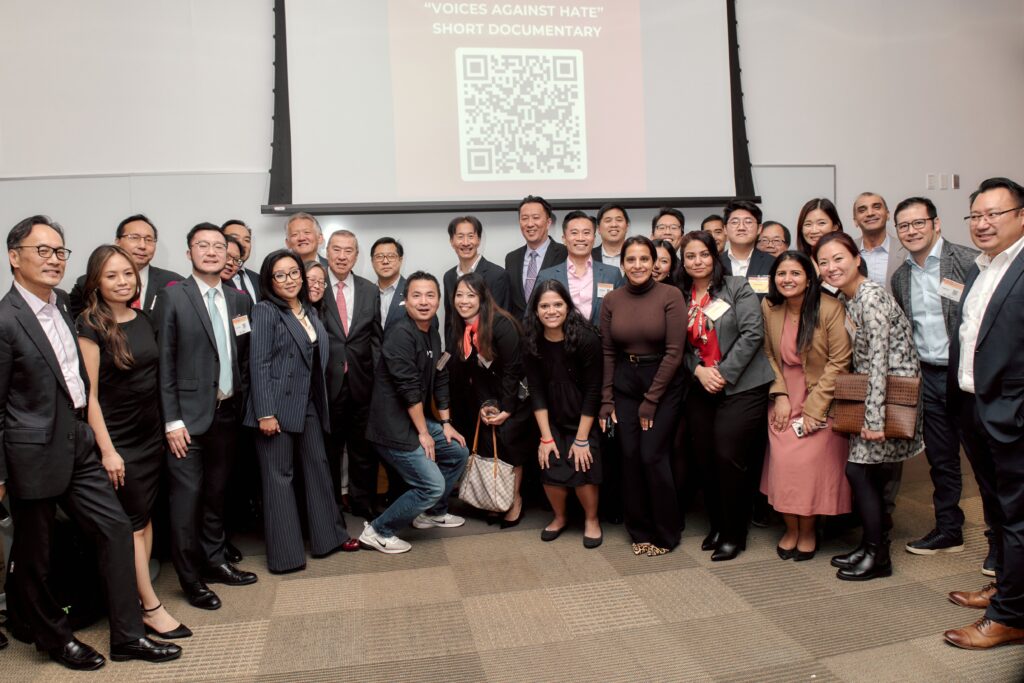
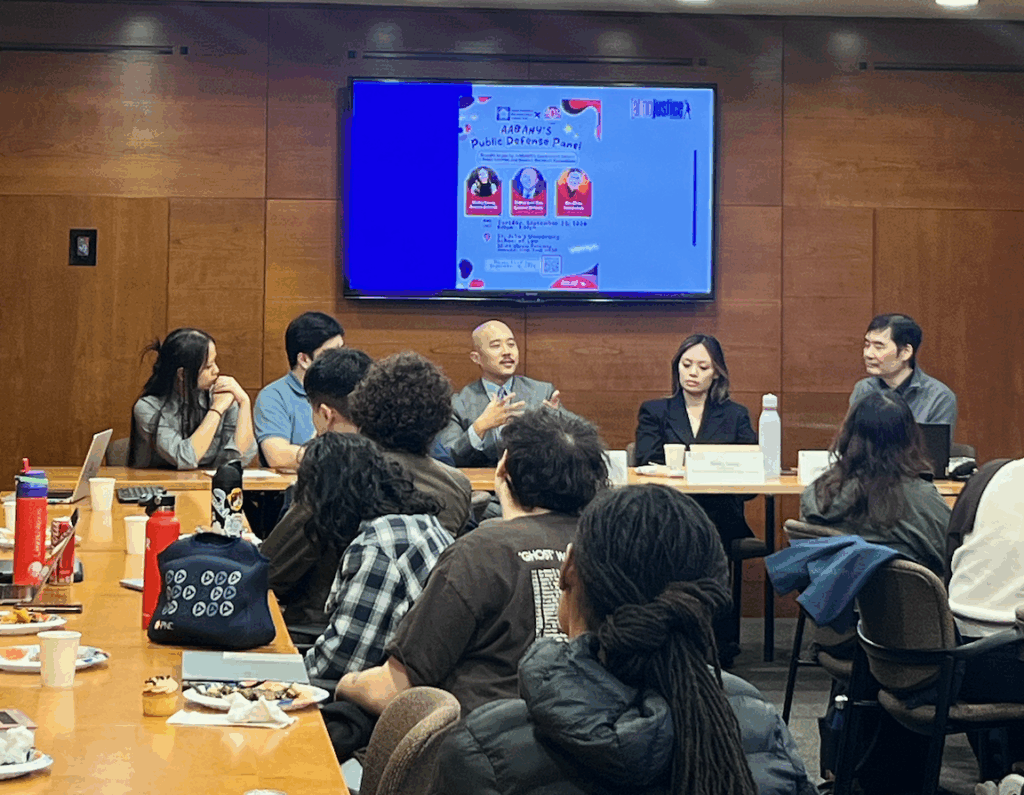
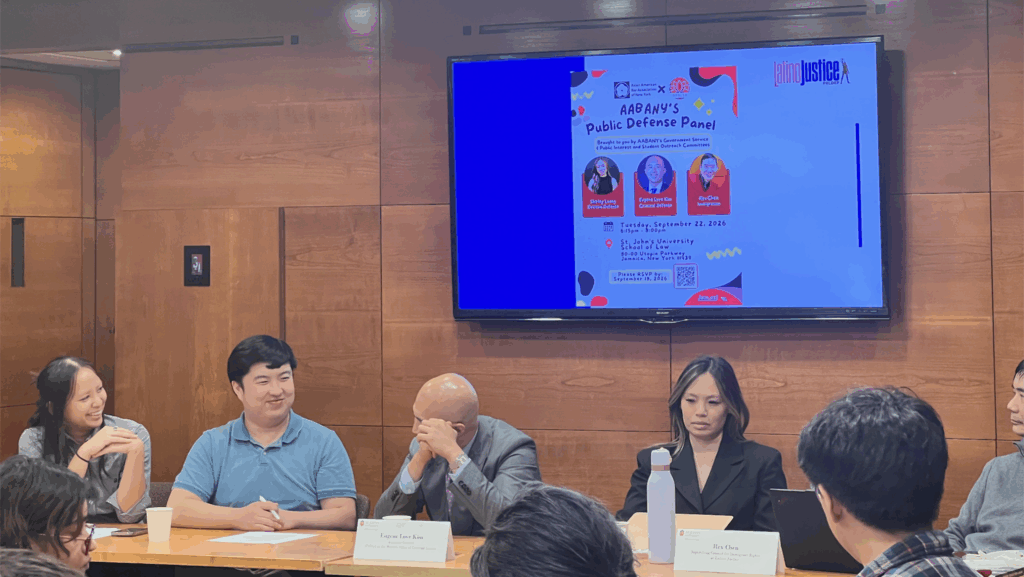
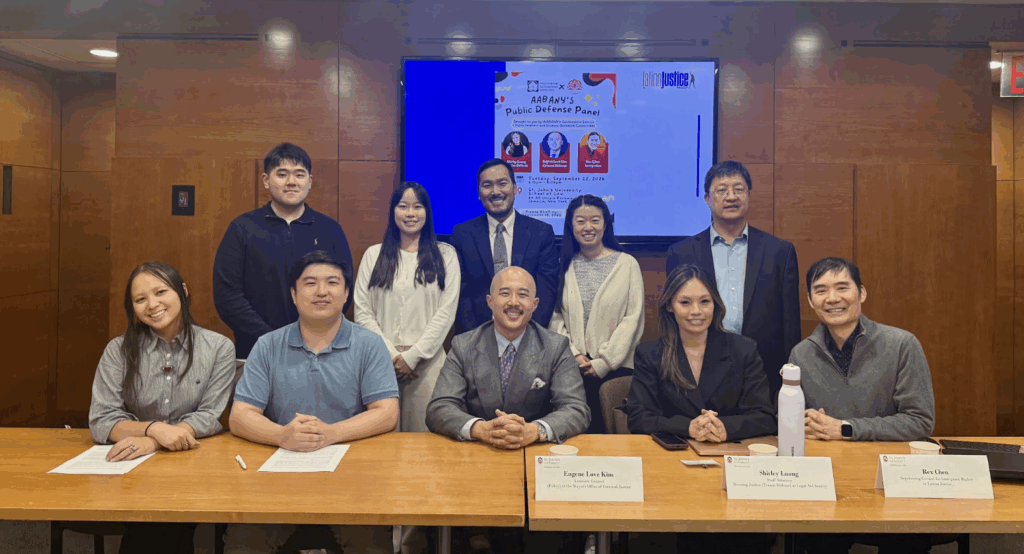
On September 22, 2026, AABANY’s Student Outreach Committee and Government Service and Public Interest Committee co-hosted a panel discussion at St. John’s University School of Law on public defense and public interest careers, bringing together law students, attorneys, and community members. Three lawyers –  Eugene Kim, Criminal Defense; Shirley Luong, Tenants’ Rights; and Rex Chen, Immigration – provided insight on their day-to-day, the work that keeps them going, and how their practices confront systemic struggles while serving and representing the Asian American Pacific Islander (AAPI) community. 
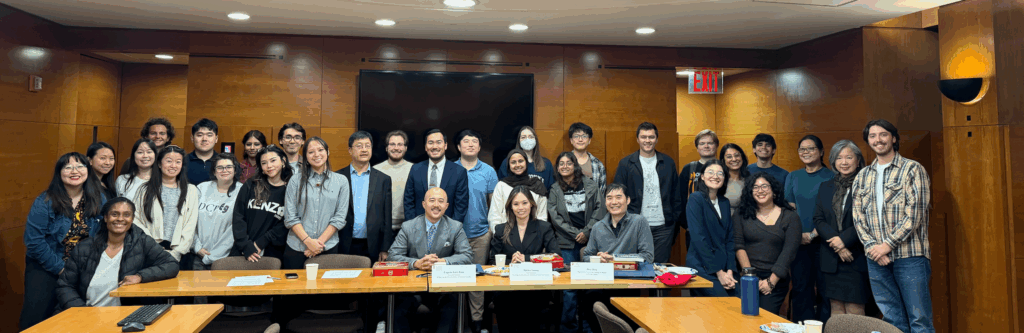
Criminal Defense: Eugene Kim

After graduating from Northeastern University School of Law, Eugene began his career at the Legal Aid Society, where he spent many years representing approximately 3,000 clients. He went on to  work in the Mayor’s Office, but during the panel, Eugene reflected on his time at the Legal Aid Society. He has also served previously as Vice Chair and Co-Chair of AABANY’s Pro Bono & Community Service Committee. 

When asked to describe what his typical day at work looked like, he talked about time spent staffing the courtroom, moving between court appearances, legal research, and visits to Rikers Islands to take on new cases. 

Eugene described both the challenges and rewards of his practice. The biggest challenge, he said,  was that there are “no moral victories in court,” especially in criminal defense. For Eugene, the most rewarding aspect is “winning for a client when their family is in the room,” which he said is what kept him going. 

On the issue of racism in his profession, Eugene was direct: In the criminal justice system, racism is unfortunately a “feature” of it. As a public defender, his goal was to provide “the best defense that money can’t buy.” Turning to the AAPI community, Eugene expressed his belief that AAPI residents are underrepresented because there are fewer  attorneys who share their backgrounds and can understand them, and he called for greater advocacy towards proper representation. His advice for attorneys entering the profession: leadership cannot be forced. “Figure out who you are and stay true to it, because people will notice if you don’t.” 
Tenants’ Rights: Shirley Luong 

A lifelong New Yorker born and raised in Flushing, Shirley attended Brooklyn Law School. From 2024-25, she served as Vice Chair of AABANY’s Pro Bono & Community Service Committee and is currently Vice Chair of AABANY’s Government Service & Public Interest Committee. She is a Staff Attorney in housing justice and tenant defense at the Legal Aid Society, where she has worked for the past decade. Shirley is passionate about pursuing justice for her clients’ housing circumstances. For example, just before the pandemic struck, she compelled a landlord to build a wheelchair-accessible ramp so that her client could safely and conveniently access his own home. 

For Shirley, secondary trauma is the greatest challenge of her direct service work. As a client’s first line of defense, she found it difficult to balance sympathy with maintaining the emotional distance needed for her profession. The reward is the flip side: the impact on people’s lives is immediate and tangible. 

When asked about racism in her area of practice and how her work addresses it, she describes it as systemic and deeply rooted – a theme all the panelists shared. Housing policies like redlining, she explained, historically excluded communities of color from homeownership and, with it, generational wealth. This turns into exclusion from employment opportunities, education, and other benefits, rights, and privileges. Though such practices are now illegal, they have lasting effects, and minority communities continue to be targeted in housing court today. To Shirley, tenants’ rights form an essential aspect of  racial justice work. For AAPI clients specifically, language access remains a barrier, as housing law is difficult to understand, even for attorneys, and interpretation often can’t accurately communicate legal terminology. 
Immigration Law: Rex Chen 

Rex Chen has over 20 years of immigration law experience. After graduating from New York University School of Law, he worked at the Legal Aid Society and the Safe Passage Project, later served as Director of Immigration at Legal Services NYC, and now serves as Supervising Attorney for Immigrant Rights at LatinoJustice PRLDEF, where his work includes impact litigation meant to benefit whole groups of people. His days mix client consultations, tracking constant shifts in immigration law, and mentoring pro bono attorneys on their own cases.

For Rex,  keeping a moral compass when everything is changing has presented his biggest challenge. His reward is knowing that he and his work are on what he deems “the right side of history.” Rex spoke candidly about the systemic racism rooted in immigration law and how his team responds: commenting on proposed rules, prioritizing antiracist projects, and educating communities. On AAPI communities specifically, he pointed to how criminal convictions can lead to deportation, including Southeast Asian community members for offenses committed when they were young, and increasingly racist policies aimed at South Asians and Muslims. Stereotypes, he noted, affect AAPI attorneys and inevitably enter public interest spaces – something that continued community engagement and advocacy will help address. 
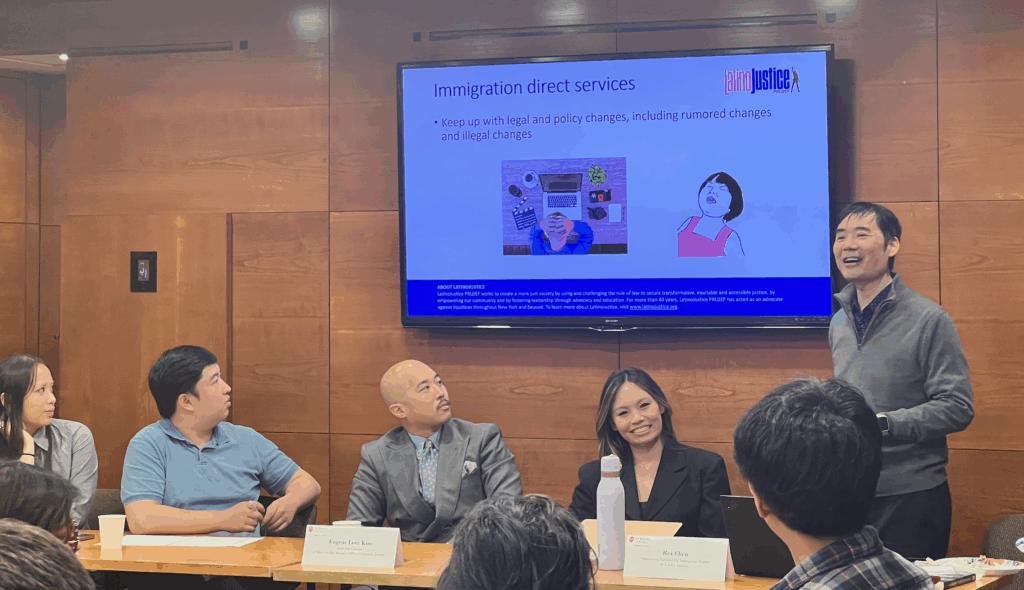
Together, the three panelists offered an introspective and candid look at what it takes to sustain a career in public defense and public interest law: the emotional weight of the work, the systemic issues it addresses, and the communities it serves. 

AABANY thanks Eugene, Shirley, and Rex for sharing their perspectives and for the work they do, and Victoria Elise and Nathan Cao of St. John’s University School of Law for moderating. AABANY also thanks St. John’s University School of Law for hosting this event and gratefully acknowledges Student Outreach Committee Co-Chairs, Helen Ding and Joseph D. Eng Jr., and the Government Service & Public Interest Committee Co-Chairs, Kevin Hsi and Johnny Thach, for organizing this event. To learn more about the Student Outreach Committee and how you can get involved, go here. To learn more about the Government Service and Public Interest Committee go here.
Crafting Connections with AABANY’s Student Outreach and Government Service & Public Interest Committees 

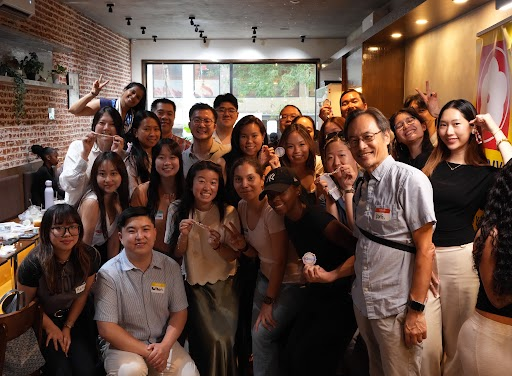
On July 31, 2026, AABANY’s Student Outreach Committee and Government Service & Public Interest Committee partnered to host Crafting Connections, a friendship bracelet-creating event. This event celebrated International Friendship Day and took place at On Lab in New York’s Lower East Side. While making bracelets, AABANY members conversed, connected, and crafted over a variety of food and drink. This event drew numerous attendees, with registration filling up very quickly after the event was announced.  

The Crafting Connections event featured a beautiful selection of beads, string, and crafting templates spread across multiple tables in the cafe. Upon arrival, attendees were able to choose from a large selection of beads and charms, as well as their desired string type. They then chose their seat and began an evening of crafting, laughter, and connections. Law students had the opportunity to connect with a variety of legal professionals, including practicing attorneys and a law professor. 

The environment fostered a relaxed atmosphere that encouraged a range of conversations between new people and long-time AABANY members alike.  Topics of conversation included attendees sharing their own legal paths and laid-back discussions on upcoming vacations or bonding over connections made by pet owners. Attendees helped others choose charms and beads, and even made bracelets for each other, truly embracing the spirit of International Friendship Day. 

The event concluded with new bracelets, full stomachs, and most importantly, new connections. 

The photos from this event capture the joyful nature of the evening. To see the full photo album, click here. 

Beyond Big Law: AABANY Panel Explores Diverse Legal Career Paths at Fordham Law

On April 15, 2026, the Asian American Bar Association of New York (AABANY)’s LGBTQ Committee, in collaboration with the Solo and Small Firm Practice Committee, hosted a dynamic and insightful panel at Fordham Law School titled “Table Talk: Careers Beyond Big Law.” Generously co-sponsored by Fordham APALSA and Fordham OUTLaws, with support from AABANY’s Student Outreach Committee, the event brought together an accomplished group of legal professionals and an engaged audience of students and early-career professionals eager to explore alternative pathways within the legal profession.

Mina Yi, a Fordham Law student representing Fordham APALSA, served as moderator and kicked off the discussion by asking the panelists to introduce themselves, their practice areas, and their current roles. Then, she asked them to share their advice on how students can pursue non-traditional or non-Big Law career paths.

The panel featured a diverse lineup of speakers, including Gregory Hom (Nixon Peabody), Kayla Lucia (Mintz), Yen-Yi Anderson (Anderson & Associates), Thomas Wu (New York State Housing Finance Agency), Daobo Wang (New York State Unified Court System), and Glenn Magpantay (U.S. Commission on Civil Rights). Almost all the speakers were AABANY leaders: Gregory is the current Co-Chair of the LGBTQ Committee. Kayla was Co Chair during the last fiscal year, and Daobo is Co-Chair this fiscal year. Yen-Yi is Co-Chair of the Solo and Small Firm Practice Committee. Glenn is a Director on AABANY’s Board.

The speakers’ careers spanned public finance, employment litigation, immigration, small law firm practice, government service, judicial clerkships, and civil rights policy. Their varied trajectories illustrated a central theme of the evening: legal careers are rarely linear. The panelists conveyed that professional fulfillment often emerges from adaptability in one’s circumstances, persistence, and meaningful relationships.

From the outset, panelists demystified the notion of a singular “Big Law path.” Gregory Hom offered a nuanced perspective on large-firm practice, noting that not all firms operate under the same high-turnover model often associated with the industry. He mentioned that instead, firms like Nixon Peabody prioritize sustained interest in specialized practice areas, such as his own work in public finance, and rely heavily on faculty recommendations and personal connections in hiring. In his daily practice, he acts as a “watchdog” for state agencies and investment banks, meticulously reviewing documents to ensure securities law disclosures are consistent and avoid SEC investigations. Gregory shared that he secured his role after heavily leaning on a professor for guidance, and he recommended that students not shy away from doing the same.

Kayla Lucia echoed this sentiment, reflecting on her own nontraditional journey, starting in Legal Aid, then moving to “Midlaw,” and eventually to a major firm specializing in employment law. She noted that she transitioned into private practice to find a more sustainable professional life and to avoid the burnout she felt in the public interest sector. Kayla encouraged students to think critically about the kind of professional and personal life they hope to build, and to consider factors like team size and environmental competitiveness, rather than defaulting to prestige-driven choices. Her current work involves bridging the gap between poorly written statutes and the concise answers employers need, while also assessing the factual viability of litigation claims.

Yen-Yi Anderson provided a compelling account of forging an independent path to starting her own small firm practice. She recounted that her career did not follow a direct route after law school, spending years in nonprofit and media work before returning to the legal field and building her own practice through relationships she had developed with foreign entrepreneurs. In a small-firm setting, she emphasized that attorneys must “wear many hats,” balancing legal work with responsibilities such as managing hiring, payroll, office management, and client development. At the same time, she noted that her practice areas in immigration and commercial litigation require constant attention to evolving laws and policies, which makes adaptability essential. Despite the challenges, Yen-Yi relished the autonomy that comes with running her own firm. She is able to choose her clients, shape her workload, and maintain flexibility in her schedule to allow her to prioritize family alongside her career. 

The discussion was further enriched by perspectives from the public sector, illustrating how legal work can directly shape public policy and address community needs. Thomas Wu detailed his role at the New York State Housing Finance Agency, where legal practice operates at the intersection of law and urban development. In this capacity, attorneys work alongside policymakers and financial institutions to structure deals that support affordable housing initiatives across the state. He described the work as both technical and mission-driven as it requires attorneys to translate legal frameworks into practical tools that enable large-scale development projects. Thomas also emphasized the importance of fellowship programs, such as the Excelsior Fellows Program, as accessible and structured entry points into government service for recent graduates seeking substantive experience and long-term pathways into public sector careers.

Similarly, Glenn Magpantay offered a broader, long-term perspective shaped by decades of experience across civil rights enforcement, nonprofit leadership, AABANY, and his current role as a Commissioner on the United States Commission on Civil Rights. Glenn encouraged students to view their careers as evolving journeys that may have uncertainty and deviation from previous expectations. Glenn advised, “Don’t worry too much about getting it right the first time—your career will evolve, and you’ll get where you want to go,” reinforcing the idea that resilience and adaptability with the legal community are often more determinative of long-term success.

The discussion also highlighted the critical role of networking and mentorship. Speakers consistently emphasized that relationships, such as those cultivated through bar associations like AABANY and broader community engagement, are often instrumental in securing opportunities. Glenn noted that in a competitive field where many candidates appear equally qualified on paper, it is frequently personal connections and trusted recommendations that set applicants apart.

During the Q&A portion, one student asked how the law is actually applied in day-to-day practice as opposed to the case-based learning emphasized in law school. Speakers responded by illustrating their actual responsibilities in vivid detail. Whether it was Gregory ensuring regulatory compliance in complex financial disclosures, Kayla interpreting ambiguous statutes to advise clients, or Daobo drafting judicial opinions grounded in meticulous legal research, each speaker illustrated how legal reasoning operates in real-world contexts. These insights helped bridge the gap between classroom learning and professional application where students were able to gather a clearer understanding of what legal work truly entails.

The evening concluded with an interactive session in which attendees also introduced themselves and shared their aspirations, followed by informal networking over pizza. Thank you to AABANY’s LGBTQ Committee and Solo and Small Firm Practice Committee for organizing and hosting this thoughtful and engaging program, as well as to Fordham APALSA and Fordham OUTLaws for their generous co-sponsorships and collaboration. Special appreciation also goes to the Student Outreach Committee for their continued support in creating meaningful opportunities for students to engage with practitioners across diverse areas of the legal profession.

Inside the Bench: AABANY Panel Explores Pathways to Careers in the State Judiciary

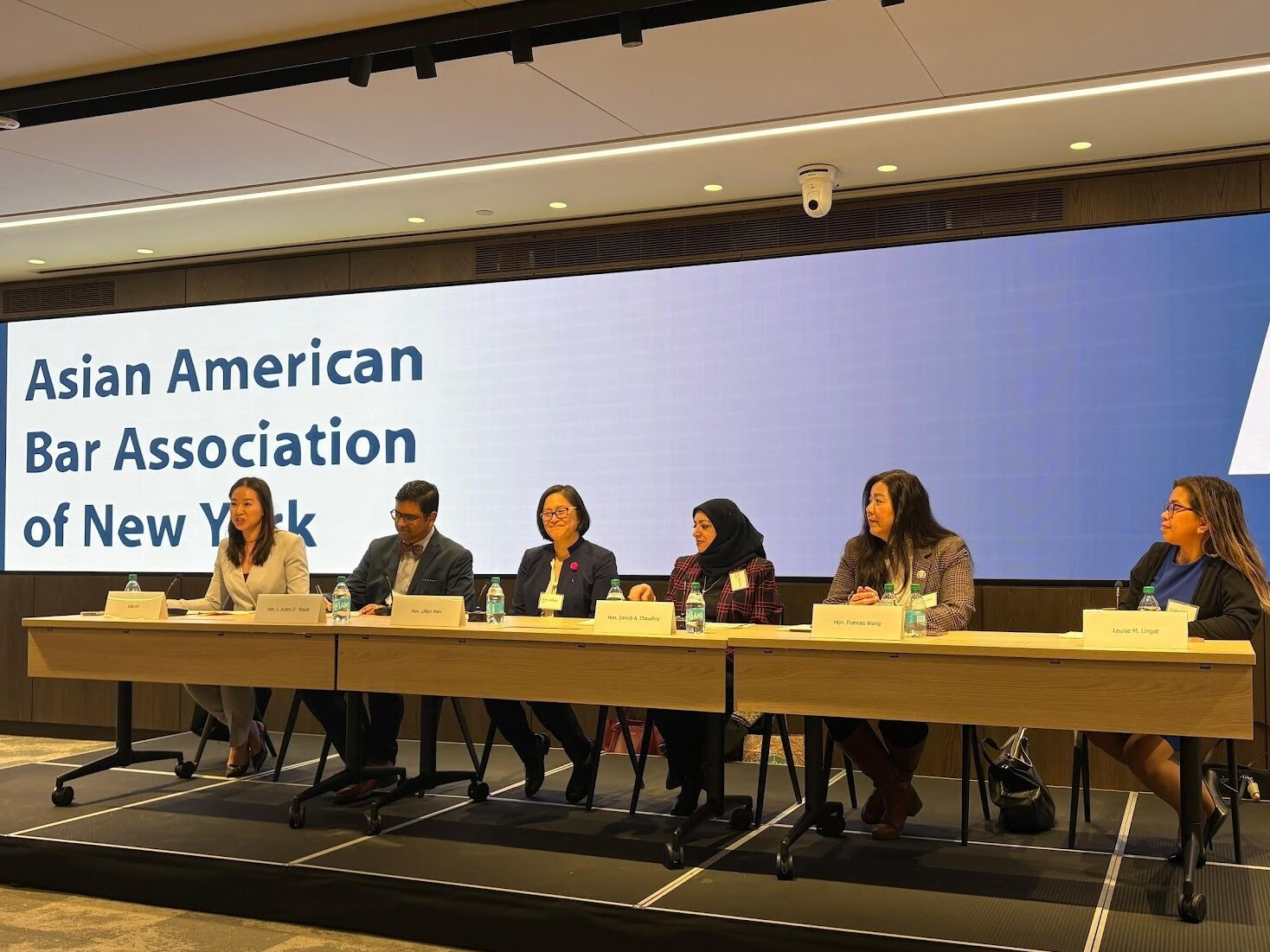
On Thursday, April 2, 2026, AABANY’s Student Outreach Committee and Judiciary Committee co-hosted a panel titled: Careers in the State Judiciary at King & Spalding. At the panel discussion, attendees heard from the following experienced and accomplished panelists within the state judiciary:

● Honorable Lillian Wan – Associate Justice, New York State Appellate Division, Second Department
● Honorable Frances Wang – Justice, New York State Supreme Court, Queens County, Criminal Term
● Honorable Zainab A. Chaudhry – Judge, New York State Court of Claims
● Honorable L. Austin D’Souza – Supervising Judge, New York City Civil Court, New York County
● Louise M. Lingat – Court Attorney to the Hon. Adetokunbo O. Fasanya, Judge of the Family Court, Queens County

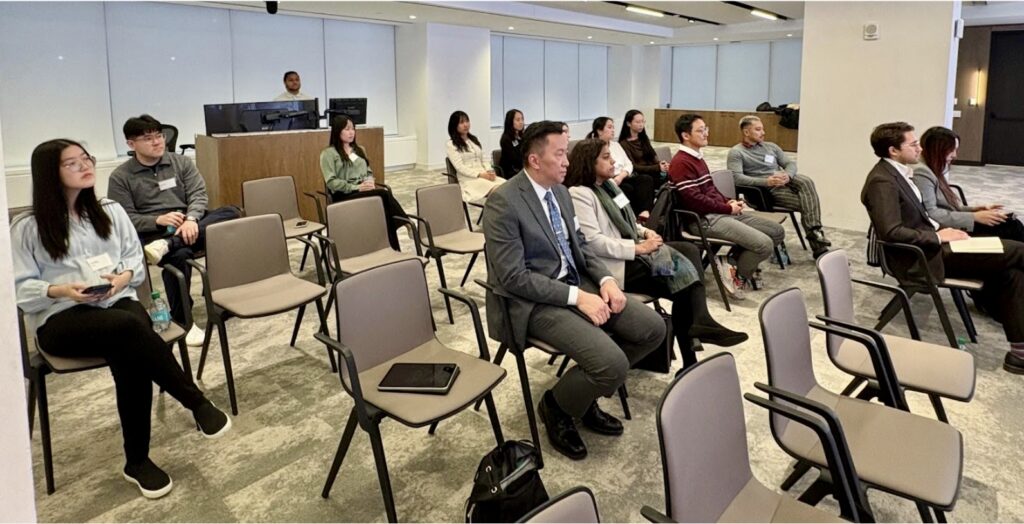
The discussion was moderated by Lisa Lin, Principal Law Clerk to Acting Justice Joanne Watters (Queens Supreme Court, Civil Term). Approximately 20 attendees gathered in King & Spalding’s conference space to engage with the panel.

The discussion opened with each panelist sharing their journey to the judiciary. Several panelists reflected on how the mentorship of judges they once served under as law clerks helped guide them toward this path. Panelists also spoke candidly about the limited Asian American representation in the judiciary earlier in their careers, noting that becoming a judge had not initially felt attainable without the support and encouragement of their mentors.

As trailblazers, these panelists help pave the way for future Asian Americans to pursue careers in the state judiciary. Their presence in the judiciary reflects the diversity of the communities they serve and helps expand what future generations of Asian American attorneys see as possible. Panelists shared that even the simple act of appearing before a judge who shares one’s background can be meaningful for community members. 

The discussion also included practical guidance for aspiring attorneys. Panelists stressed to the audience the importance of building strong professional relationships, maintaining a solid reputation, and mastering court rules and procedures. They also emphasized attention to detail, particularly careful proofreading, and cautioned against taking shortcuts in legal practice.

The program concluded with an engaging Q&A session, during which attendees asked thoughtful questions about pathways into the judiciary and opportunities for involvement in the legal community. Following the panel, attendees and speakers continued conversations over refreshments.

AABANY’s Student Outreach Committee and Judiciary Committee thanks our panelists for sharing their time, insights, and experiences. We also would like to thank King & Spalding for the refreshments and gorgeous space.

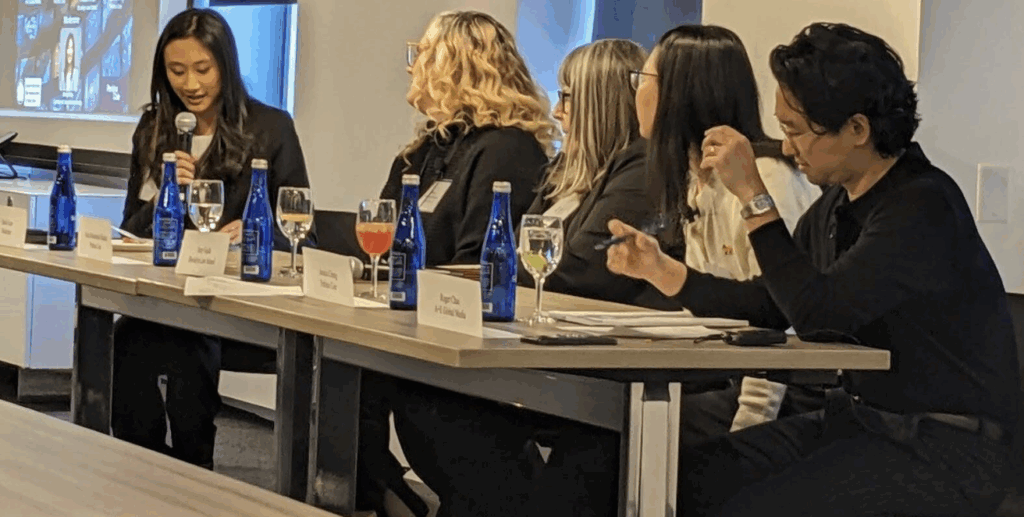
AABANY’s Student Outreach Committee and Women’s Committee Host a Careers in Media Law Panel at Perkins Coie

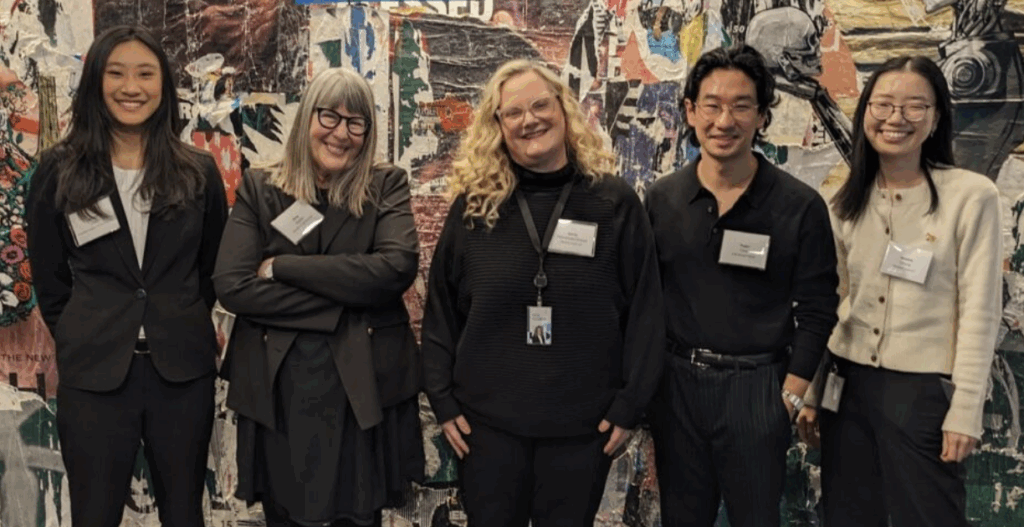
On Wednesday, March 18th, AABANY’s Student Outreach Committee and Women’s Committee organized the Careers in Media Law Panel, hosted by Perkins Coie. The panel featured a diverse group of professionals in media law: Roger Chao (Senior Counsel at A+E Global Media), Jessica Cheng (Associate at Perkins Coie), Amy Gajda (Jeffrey D. Forchelli Professor at Brooklyn Law School), and Alicia Matusheski Khaled (Senior Counsel at Perkins Coie). The event was held at Perkins Coie’s midtown Manhattan office in the SoHo conference room, where around 15-20 lawyers, students, and other registrants attended.

The panelists engaged in a riveting discussion of media law, the field’s niches, and the influence of AI on their work. Topics such as the First Amendment and privacy were brought into the conversation, specifically how these areas were being put in jeopardy and questioned by AI’s emergence. The panelists also engaged in a lighthearted, realistic discussion about the challenges of working within media law, as well as the rewards. They found the work they did to be stressful sometimes. One example included the stress in getting a contract or agreement through as a deadline looms, because not closing the deal can mean delays in production and content that was waiting to be used or seen by millions of people. But what the panelists found most rewarding was seeing the shows, games, or other media they worked on in the news and loved by fans.

The audience was incredibly engaged and interested in what was shared. Attendees asked questions generally about the field of law, but also specific questions, including discussion of AI and its impact. After the panel discussion and Q&A, the attendees and panelists networked over a spread of hors d’oeuvres featuring lime-and-garlic-grilled shrimp and truffled potato croquettes as well as strawberries dipped in chocolate for dessert. Those who attended in the hopes of gaining more insight into media law left with a deeper understanding of the field’s intricacies and the stories of the experts who worked within it.

​AABANY thanks Perkins Coie for the refreshments and the beautiful space. Thank you also to our panelists, who were deeply engaged in conversation and who passionately shared stories, information, and tips about media law.

To learn more about AABANY’s Student Outreach Committee, click here. To learn more about AABANY’s Women’s Committee, click here. You can find out more about upcoming events by visiting the calendar on AABANY’s website.

 — Written by Emily Kam, AABANY Student Outreach Committee Vice-Chair

AABANY and KALAGNY Host 2025 Summer Associate Mixer

On Tuesday, July 22, the Asian American Bar Association of New York (AABANY) and the Korean American Lawyers Association of Greater New York (KALAGNY) co-hosted the Summer Associate Mixer at TapHaus 33 in Midtown Manhattan, bringing together a lively group of summer associates, law students, and practicing attorneys for an evening of networking, conversation, and community building.

A range of beers was featured, including eclectic flavors like piña colada and apple cider.  The mixer created a relaxed and welcoming environment for young lawyers and students navigating the early stages of their legal careers. Surrounded by tables laden with fries and nachos, the more than 70 attendees, from incoming law students to experienced law firm partners, filled the air with a steady buzz of laughter and conversation.

Midway through the evening, AABANY President Benjamin Hsing and KALAGNY President Lawrence Han addressed the crowd. They offered a warm welcome and encouraged attendees to take full advantage of the gathering. “As aspiring lawyers, connecting with people is extremely important,” President Han said. “This is exactly the kind of space where you should feel comfortable doing that. Everyone’s here to meet new people, so don’t be afraid to start a conversation.”

Law student attendees to the event will receive a complimentary annual membership to both AABANY and KALAGNY. A big thank you to the organizers and to everyone who joined us. We’re excited to continue building meaningful connections through events like this.

As you explore ways to stay involved with AABANY, we invite students and summer associates to visit the Student Outreach Committee (SOC) webpage to learn more about upcoming events, mentorship opportunities, and how to get connected with our vibrant community of Asian American legal professionals. Check out more photos from the mixer in our Google Photo album!

AABANY Prosecutors Committee and Student Outreach Committee Co-Hosts Summer Welcome Event at TapHaus 33

On June 24, 2025, AABANY’s Prosecutors Committee and Student Outreach Committee held their Summer Welcome Event in collaboration with the New York Chapter of the National Asian Pacific Islander Prosecutors Association (NAPIPA) at TapHaus 33, a bar in Midtown Manhattan. Attendees had the opportunity to connect with Assistant District Attorneys (ADAs) and judges over great drinks and small bar bites. 

Prosecutors from all over the city attended this casual gathering that perfectly blended professional enrichment with summer socializing, highlighting the strong sense of camaraderie within the prosecutor community. The energetic and community-focused setting enabled conversations on everything from the unique challenges prosecutors face to the importance of mentorship in the profession. 

The event also provided a great opportunity for Committee members to catch up and for law students to make meaningful new connections. Students were able to engage in thought-provoking discussions with ADAs and judges about career paths, courtroom experiences, and the motivation behind pursuing public service. Many expressed how these candid conversations offered valuable insight into the realities of a prosecutor’s role and what life is like in public service. 

With over 50 attendees, the event was a great success, especially given the sweltering summer heat wave. Thank you to everyone who joined us and helped make the evening so special. The Prosecutors Committee looks forward to hosting more events in the coming months. Join us next time and bring a friend!

To learn more about the Student Outreach Committee and how you can get involved, visit their page here. To learn more about the Prosecutors Committee and how you can get involved, visit their page here.

Thank You for Joining AABANY at our 15th Annual Fall Conference: “Building a Strong Foundation for a Brighter Future”

On Saturday, October 12, 2024, AABANY hosted its 15th Annual Fall Conference, “Building a Strong Foundation for a Brighter Future,” at Fordham University of Law. The Conference was co-sponsored by Fordham Law School’s Center on Asian Americans and the Law, and AABANY greatly appreciates Fordham’s support of this event.

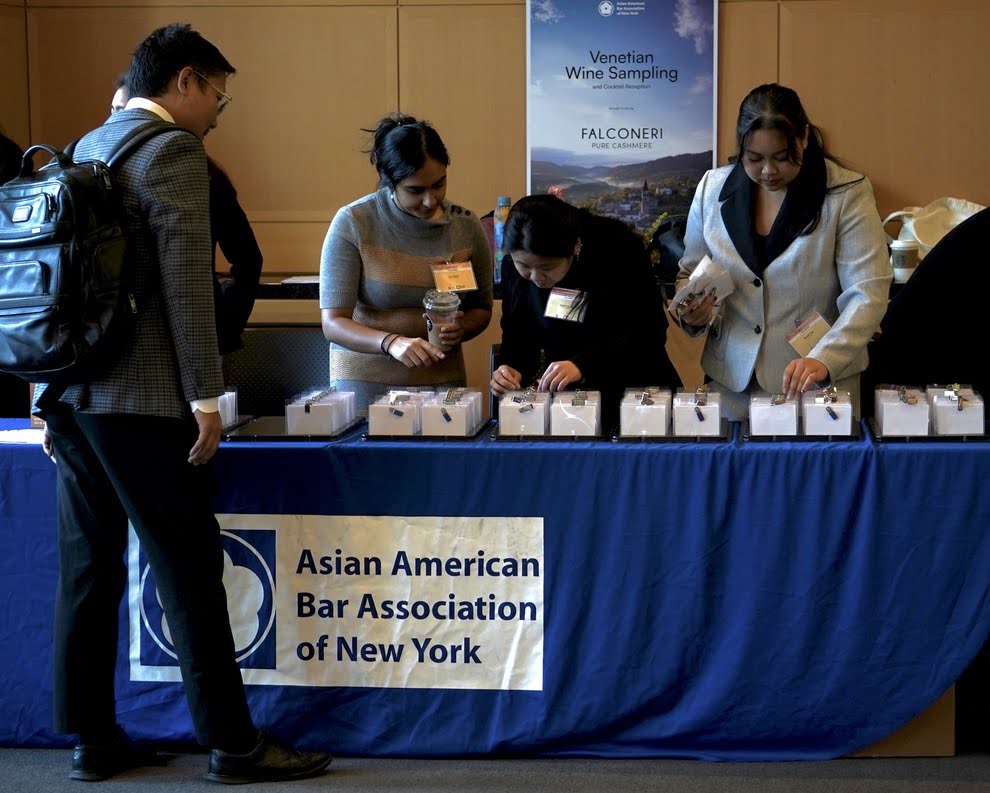
The conference began with a buffet-style breakfast. Attendees chatted over pastries, coffee, bagels, and other assorted breakfast items, reconnecting with colleagues, while also introducing themselves to unfamiliar faces. 

The first part of the morning programs began at 9:00am and ran until 10:30am, presenting upon a diversity of topics, including: 

This year’s conference theme was “Building a Strong Foundation for a Brighter Future,” and the morning programs explored this topic in great detail. “Problem-Solving Courts and Person-Centered Justice,” for example, discussed the emergence and proliferation of problem-solving courts within the New York judiciary, their impacts on recidivism, and the judiciary’s vision to further expand the breadth of problem-solving courts within New York. Another program, “Artificial Intelligence in the Legal Profession: Transforming Practices and Future Trends,” considered the impact of AI and Generative AI on the legal profession. By promoting innovation, adaptability, and responsible use of AI, the program sought to foster a forward-thinking legal community.

After a 15 minute break, the second part of the morning programs, scheduled between 10:45am and 12:15pm, commenced, exploring the following topics:

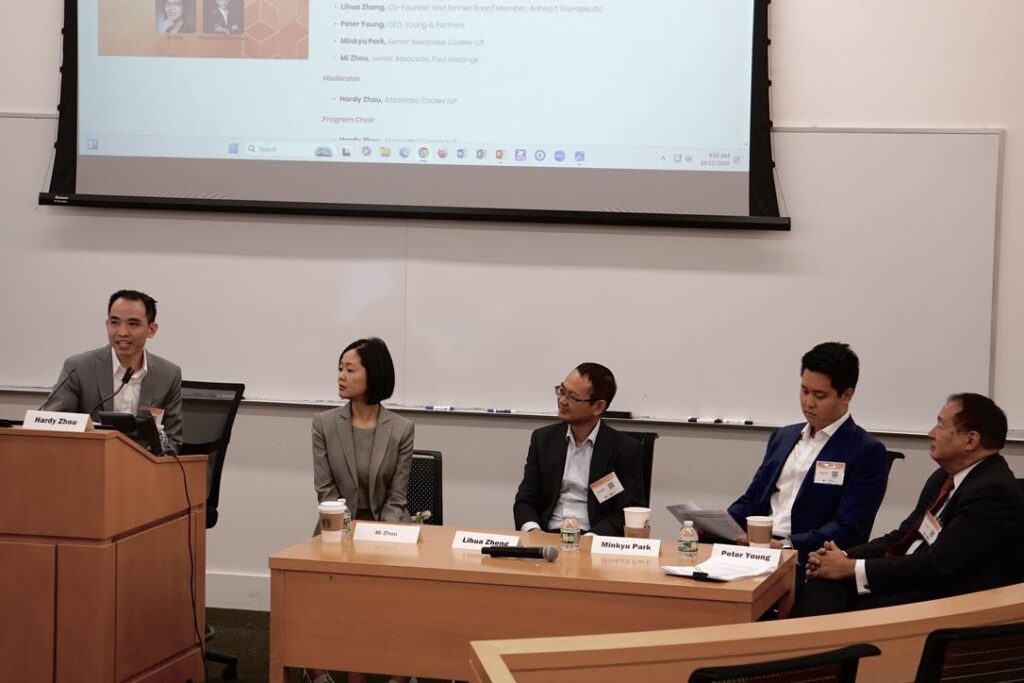
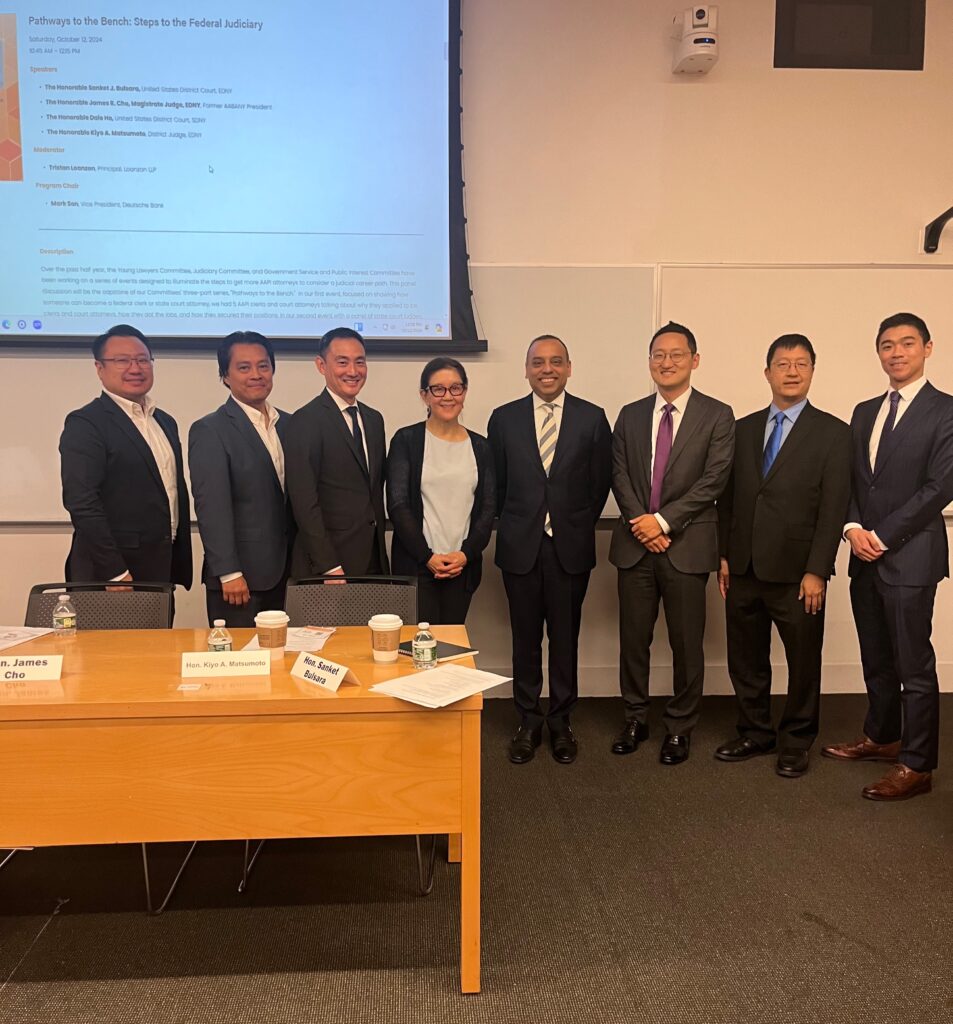
The third and final installation of AABANY’s “Pathways to the Bench” series, coordinated by the Young Lawyers Committee, Judiciary Committee, and Government Service and Public Interest Committee, was also held during the latter half of the morning session. While the first two segments of the series had focused on showing how someone can become a federal clerk or state court attorney and explaining the nuances of landing on the bench, this capstone program, titled “Pathways to the Bench: Steps to the Federal Judiciary,” centered around four AAPI judges, who each shared their particular pathways to the bench, hoping to inspire others to follow in their footsteps and to give them the tools to do so.

To see photos from the morning session please click here.

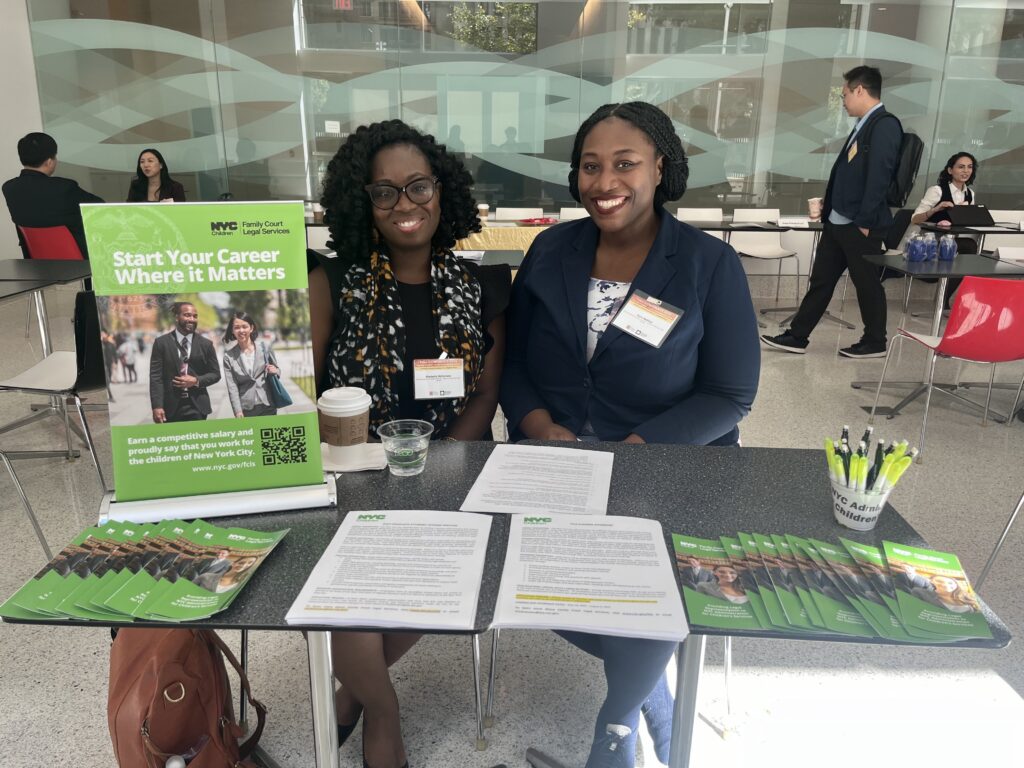
Opening at 10:30am, the Fall Conference offered its annual Diversity Career Fair, organized by the Career Advancement Committee, featuring public sector, corporate, and law firm employers, each hosting informational sessions, meet-and-greets, and more. Participating employers included the Law Firm of Hugh H. Mo, P.C., the Office of the New York State Attorney General, Rupp Pfalzgraf LLC, the U.S. Securities and Exchange Commission, and several District Attorneys’ offices. Employers and prospective employees conversed extensively, exchanging questions and learning more about one another. Some employers also collected resumes and conducted on-site first round interviews, allowing candidates to express their interest in working for participating employers. To see photos from the Diversity Career Fair, please click here.

Throughout the day, AABANY also hosted Link-Up Sessions, organized by the In-House Counsel Committee and Corporate Law Committee, which provided an opportunity for participants to engage in live meetings with in-house counsel who had indicated a current or future need for outside legal services. Applicants were pre-screened by in-house counsel based on their needs, and selected participants were then invited to join one or more Link-Up Sessions at the Fall Conference. These sessions facilitated connections between corporate law firm attorneys and in-house counsel.

After the morning programs concluded, attendees grabbed lunch boxes and headed to the Costantino Room, where the Plenary Lunch Session began at 12:30pm. The program, titled “Organizing to be Heard: The Importance of Redistricting and Coalition Building in the NYC Asian American Community,” featured five speakers: 

  • Hon. Marilyn D. Go (Ret.), Commissioner, New York City Districting Commission
  • Zohran Kwame Mamdani, Assemblymember, New York State Assembly
  • Elizabeth R. OuYang, Coordinator, APA VOICE Redistricting Task Force
  • Grace Pyun, Acting Executive Director and General Counsel, New York City Districting Commission
  • John Park, Executive Director, MinKwon Center

Vishal Chander, Managing Attorney, the Chander Law Firm PC, moderated this timely and important discussion.

Attendees listened attentively as the panelists discussed the impacts of congressional, state, and local district lines on communities, ranging from their influence on election results to the distribution of government funds. They then discussed the 2020 Redistricting Cycle and how it brought into attention the importance of redistricting due to the significant growth of Asians in New York, laying out the legal framework of districting and the impacts of voting rights laws on redistricting. Being that many of the panelists played influential roles within the 2020 Redistricting Cycle, they also shared personal anecdotes and experiences from that time. With preparations for the 2030 Redistricting Cycle beginning soon, the speakers emphasized the importance of continuing to educate the community on this topic and how the AAPI community can be heard in that process. To see photos from the Plenary Lunch Session, please click here.

The afternoon session began at 2:30pm, running in two segments. The first segment went from 2:30pm to 4pm and included the following programs: 

The second segment then took place from 4:15pm to 5:45pm, including the following programs:

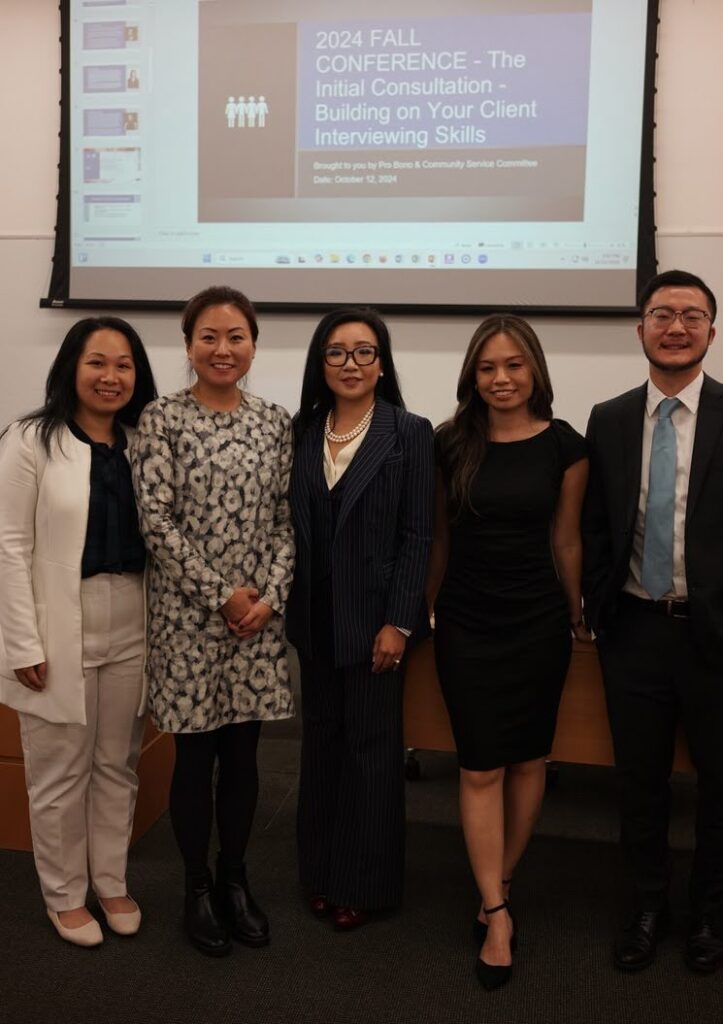
Topics covered included diversity, equity, and inclusion within the legal profession, how to interview clients, and how to understand implicit biases in the workplace. These programs exemplified the diversity of discourse that the Fall Conference sought to facilitate, providing crucial insights and exposing attendees to a broad range of ideas and perspectives. To see photos from the afternoon session, please click here.

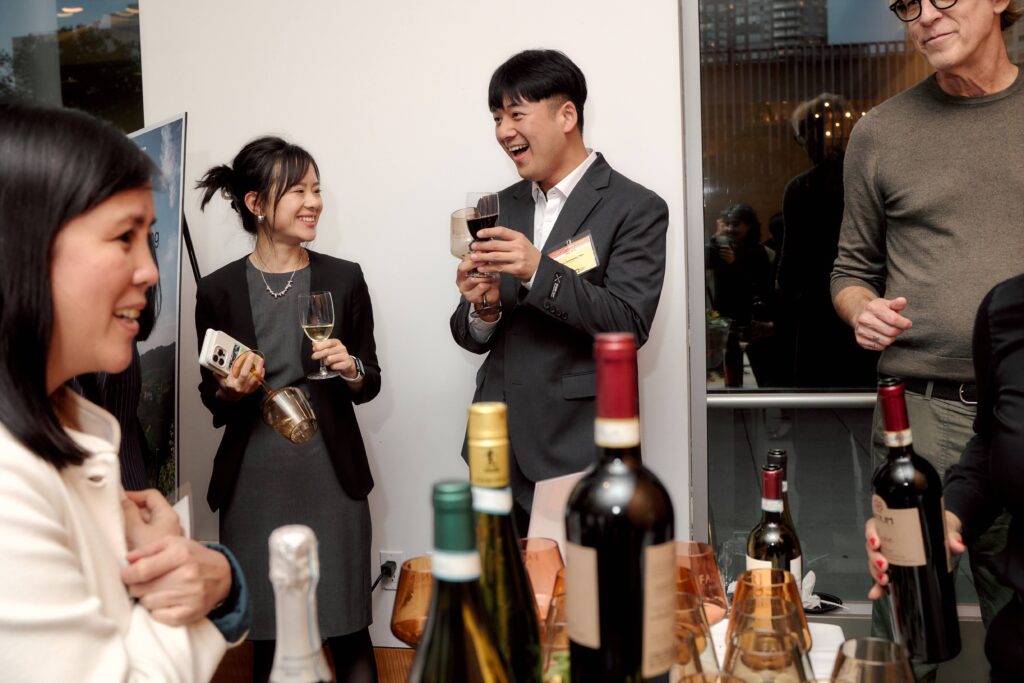
After a packed day of learning, the Fall Conference concluded with a Cocktail Reception, sponsored by Falconeri, held in the Soden Lounge and Bateman Room. Attendees networked with one another, connecting over drinks and hors d’oeuvres.

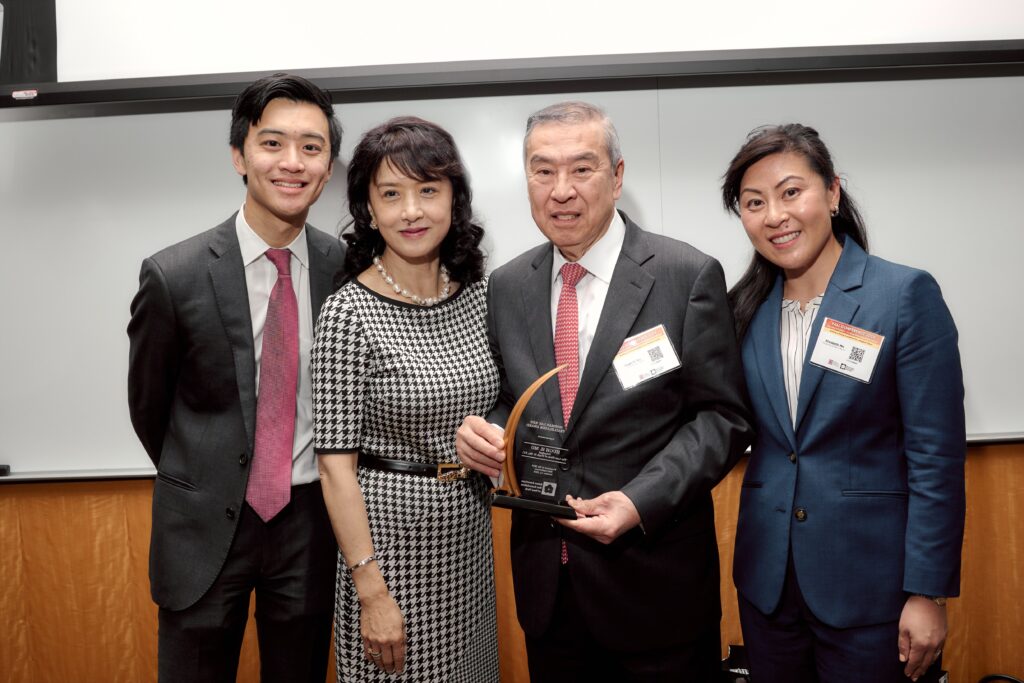
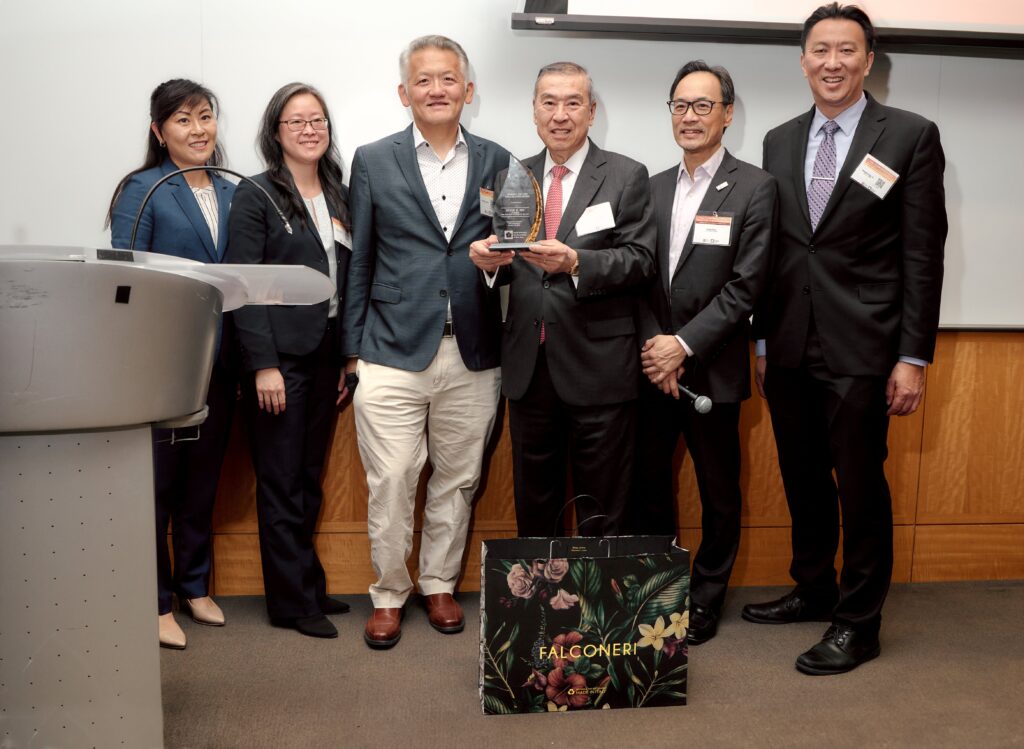
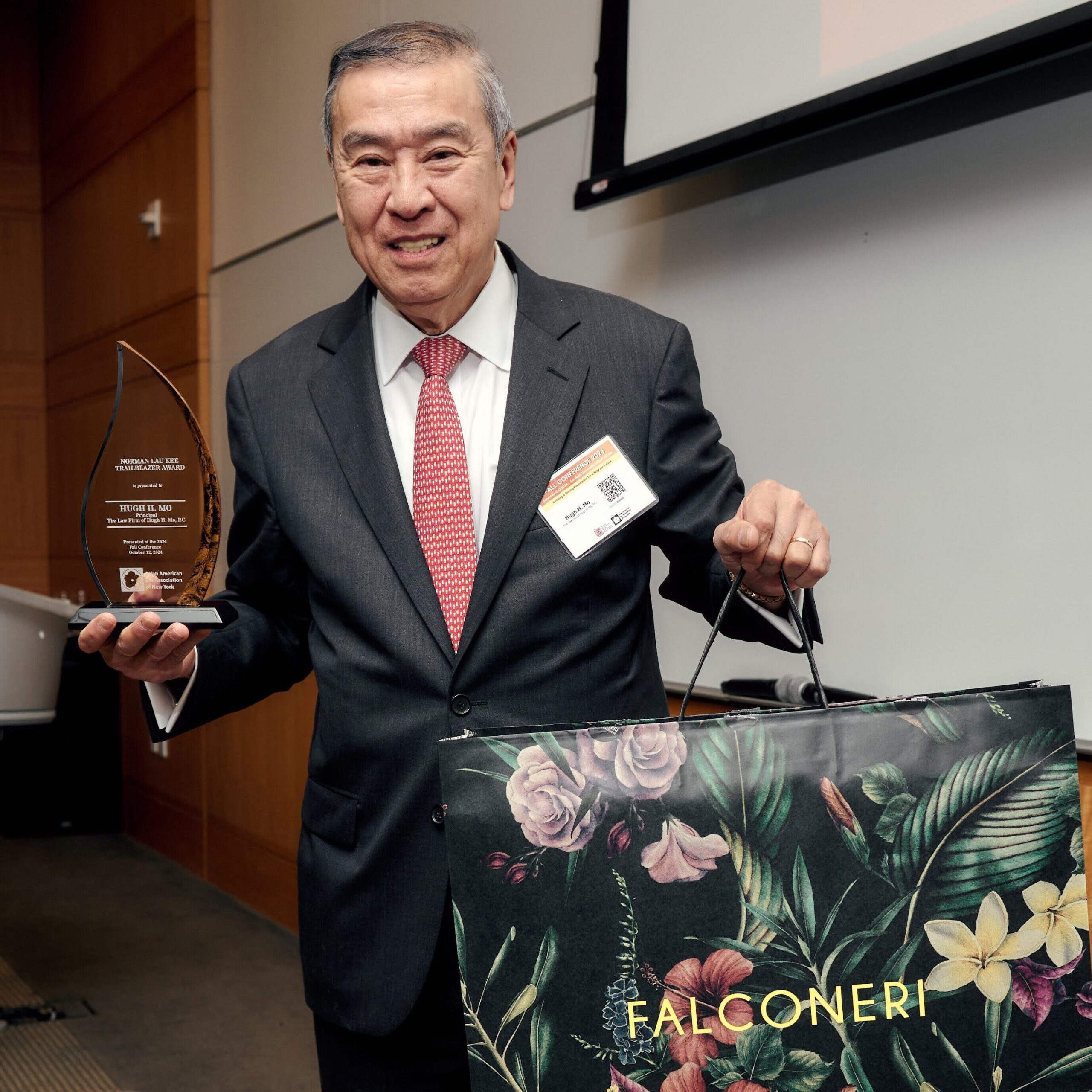
During the Cocktail Reception, AABANY honored Hugh H. Mo with the 2024 Norman Lau Kee Trailblazer Award, bestowed annually to “an individual who has carved a path for others to follow, served the community as a mentor and role model, and made a lasting impact on the AAPI community through his or her dedication and commitment.” Hugh H. Mo, Founder and Principal of Mo Law and a co-founder of AABANY, perfectly exemplifies the award’s mission, having been a leader in the AAPI community and legal profession for nearly five decades. To read the full press release about Mr. Mo receiving this honor, please click here.

To see photos from the Cocktail Reception, go here and here.

AABANY thanks several groups for making the Fall Conference possible. First, we would like to thank the approximately 40 student volunteers who ensured that the CLE programs ran smoothly and without delay. They hailed from schools all across New York City and the northeast region, including:

  • Brooklyn Law School
  • Cardozo School of Law
  • Columbia Law School
  • CUNY School of Law
  • Fordham College at Lincoln Center
  • Fordham School of Law 
  • Hunter College
  • New York Law School
  • Northern Highlands Regional High School
  • Rutgers Law School
  • Seton Hall Law School
  • St. John’s University School of Law
  • Syracuse University College of Law
  • Tufts University

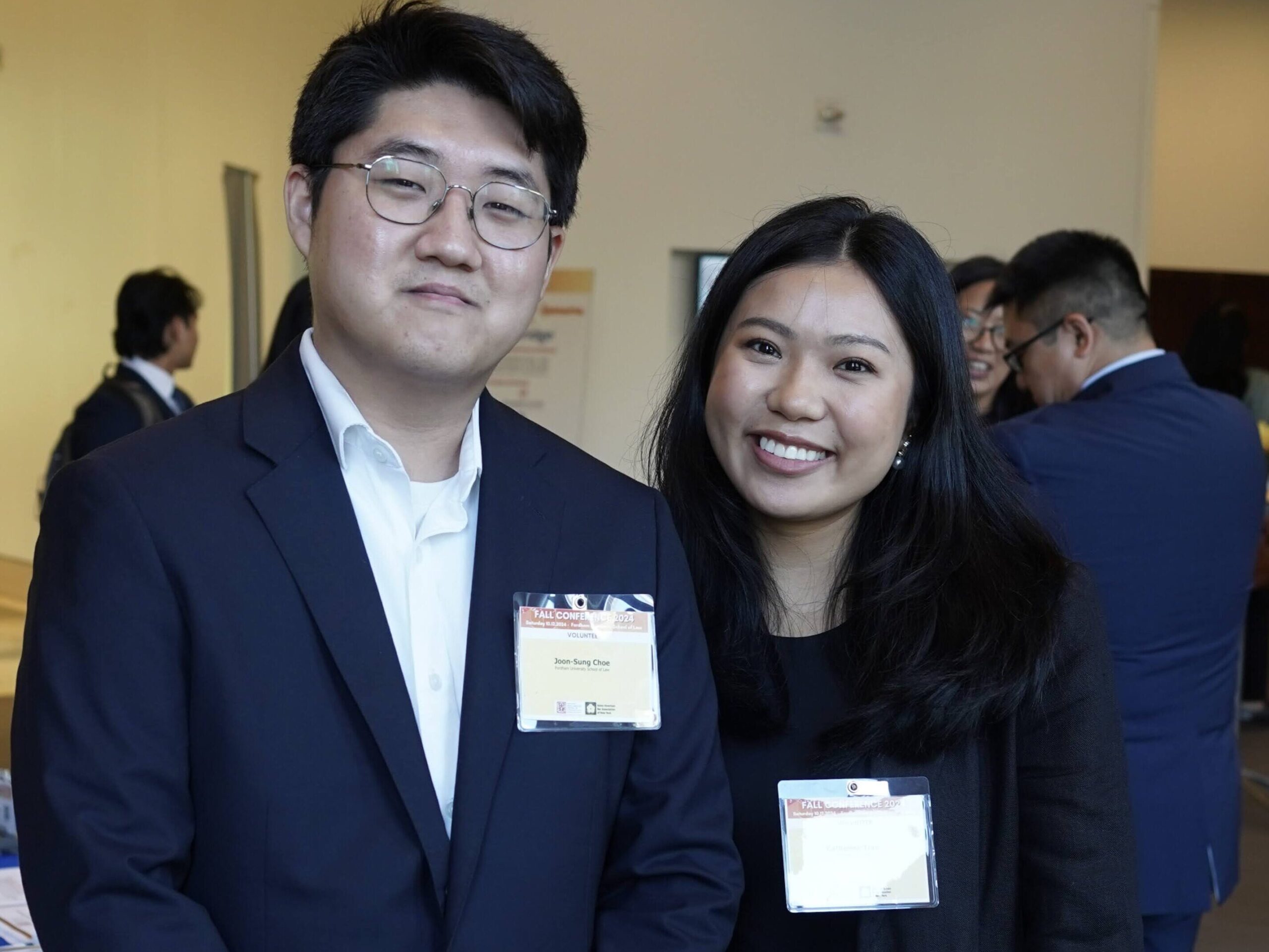
The volunteers assisted with registration, handled inquiries, and checked-in and checked-out attendees for CLE credits. Their support was instrumental in making the Fall Conference a success, and AABANY extends our heartfelt appreciation. We also thank Catherine Tran and Joon Choe, co-chairs of the Student Outreach Committee, for their efforts in recruiting and coordinating these volunteers.

AABANY also thanks our generous sponsors, without whom the Fall Conference would not have been possible:

  • Falconeri (Cocktail Reception Sponsor)
  • Broadridge Financial Solutions (Elite Sponsor)
  • Jackson Lewis PC (Elite Sponsor)
  • Cadwalader, Wickersham & Taft LLP (Gold Sponsor)
  • The Law Firm of Hugh H. Mo, P.C. (Gold Sponsor)
  • Anytime AI (Silver Sponsor)
  • Bryan Cave Leighton Paisner (Silver Sponsor)
  • Cooley LLP (Silver Sponsor)
  • Fish & Richardson P.C. (Silver Sponsor)
  • Milbank LLP (Silver Sponsor)
  • Anderson & Associates Law, P.C. (Bronze Sponsor)
  • Roundblock (Bronze Sponsor)
  • Rupp Pfalzgraf LLC (Bronze Sponsor)
  • Wilson Sonsini Goodrich Rosati (Bronze Sponsor)

To see some photos of our sponsors, go here.
We would also like to acknowledge our 2024 Annual Dinner Sponsors for their generous year-round support of AABANY. In particular, we would like to recognize Broadridge Financial Solutions, our Diamond Sponsor, and Groombridge, Wu, Baughman & Stone LLP, our General Counsel Reception Sponsor. For a full list of the 2024 Annual Dinner Sponsors, please click here. Thanks again for your continued support and commitment to AABANY; it empowers us to fulfill our mission and produce events like the Fall Conference.
Furthermore, AABANY thanks all of our esteemed moderators and panelists for their time and participation in this year’s Fall Conference. We also extend our gratitude to the Program Chairs for organizing such an excellent lineup of programs. And, finally, we sincerely appreciate all the attendees for making this such a special and enlightening experience for the entire AABANY community. We hope to see you at upcoming AABANY events. 

Student Outreach and Corporate Law Committees Host “Navigating OCI with Corporate Attorneys” Panel

On October 28, 2024, the Student Outreach Committee and Corporate Law Committee hosted a panel discussion titled “Navigating OCI with Corporate Attorneys” at Paul Hastings LLP. The event was designed to equip students with practical advice on navigating the On-Campus Interviewing (OCI) process, featuring insights from seasoned corporate attorneys and law firm partners. 

Moderators Joon Choe (Andersen Tax LLC) and Cat Tran (Columbia Law School ‘25) facilitated a dynamic conversation with panelists Kevin Lam (Partner, Kirkland & Ellis LLP), Tracy Feng (Partner, Paul Hastings LLP), Gordon Mak (Partner, Allen Overy Shearman Sterling LLP), and Kyle Zhu (Senior Associate, Orrick, Herrington & Sutcliffe LLP). The discussion covered a range of topics critical to students preparing for OCI. 

The discussion began with panelists sharing what drew them to their practice areas and how their experiences at their firms shaped their careers. They emphasized the importance of exploring different practice areas early on and encouraged students to stay curious. When selecting a law firm, panelists advised considering factors like firm culture, mentorship, and growth opportunities. They suggested attending firm receptions and informational interviews to gain a better sense of each firm’s environment.

As OCI timelines have accelerated in recent years, the panelists recommended that students prepare in advance by updating resumes and starting to network early. They emphasized the importance of proactive engagement, advising candidates to build relationships with attorneys and mentors. To stand out in applications, the panelists suggested tailoring resumes and cover letters to highlight unique experiences and interest in certain law firms. 

Networking and interviewing were other key areas of focus. Panelists shared tips on building authentic connections, suggesting students follow up after events with personalized emails. For virtual interviews, they highlighted the importance of a professional setup and preparing thoughtful questions to ask interviewers. On diversity and inclusion, panelists recommended asking specific questions about firms’ D&I initiatives to gauge their commitment. The event ended with a Q&A session on international work opportunities and networking strategies, followed by a networking reception for further conversation and opportunities for attendees to connect with the panelists and each other.

We hope this event provided attendees with the tools and confidence to navigate the legal recruiting landscape. Thank you again to Paul Hastings LLP for their partnership, our panelists for their insights, and to all who attended, for making the evening a success.

To learn more about the Corporate Law Committee, please click here. To learn more about the Student Outreach Committee, please click here.
AABANY Committees Host a Panel on Pursuing a Specialization in Bankruptcy

What is bankruptcy law? How does it differ from general litigation and transactional practices? Why do people call it “restructuring?” And how do I get a job in this amazing field? 

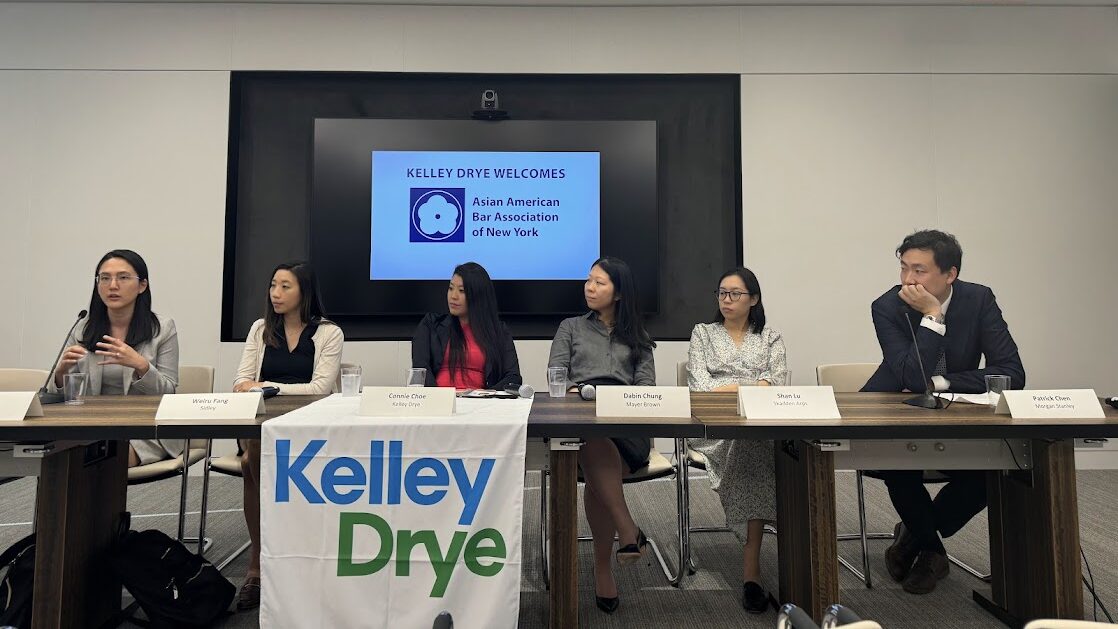
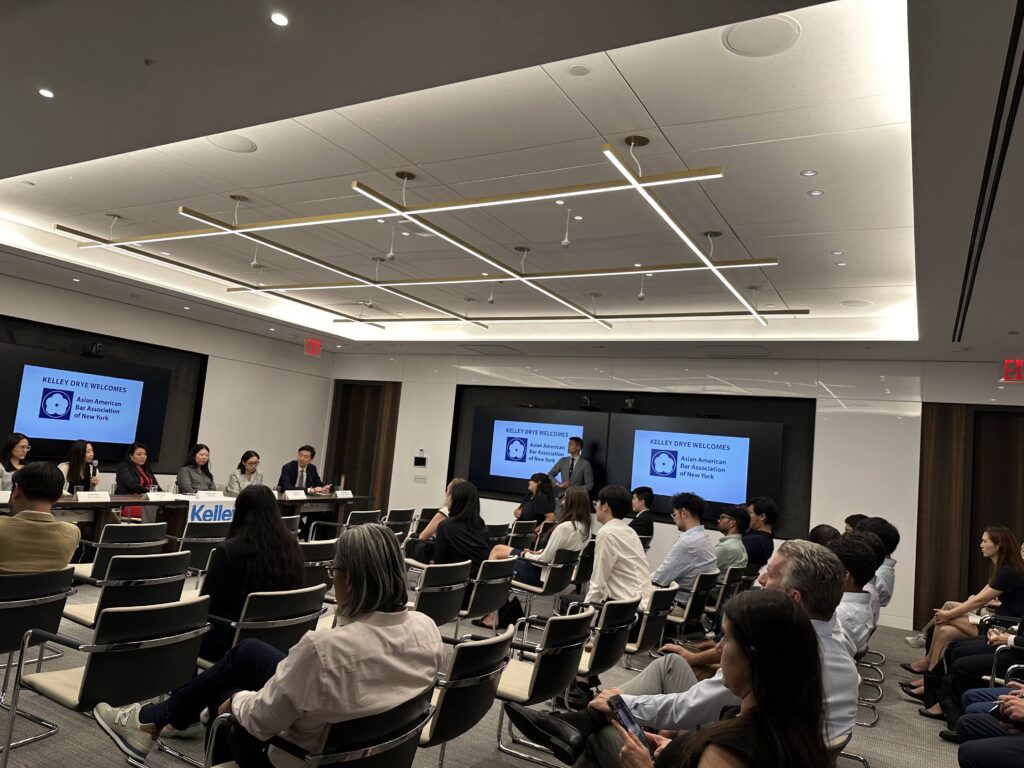
On July 11, 2024, AABANY’s Commercial Bankruptcy and Restructuring, Student Outreach, and Young Lawyers Committees held a panel at the offices of Kelley Drye & Warren LLP to answer these questions—hopefully enticing students and junior attorneys to join the next generation of corporate bankruptcy lawyers and providing added perspectives for the benefit of current legal and non-legal practitioners in the audience. 

Our all-female, all-AAPI panel of attorneys from leading law firms—Cleary Gottlieb, Kelley Drye, Mayer Brown, Sidley, and Skadden Arps—went deep. They talked about the nuances of the corporate bankruptcy and restructuring practice and why it is such an appealing field. It’s a great mix of litigation and transactional work, the panelists emphasized, the work is dynamic and varies based on the nature of one’s representation, and bankruptcy’s faster pace makes it rather exciting and provides hands-on experience earlier on in an attorney’s career. The panel also fielded various questions from the strongly turned-out audience such as what qualities make for an effective bankruptcy lawyer and why the practice tends to concentrate in New York.

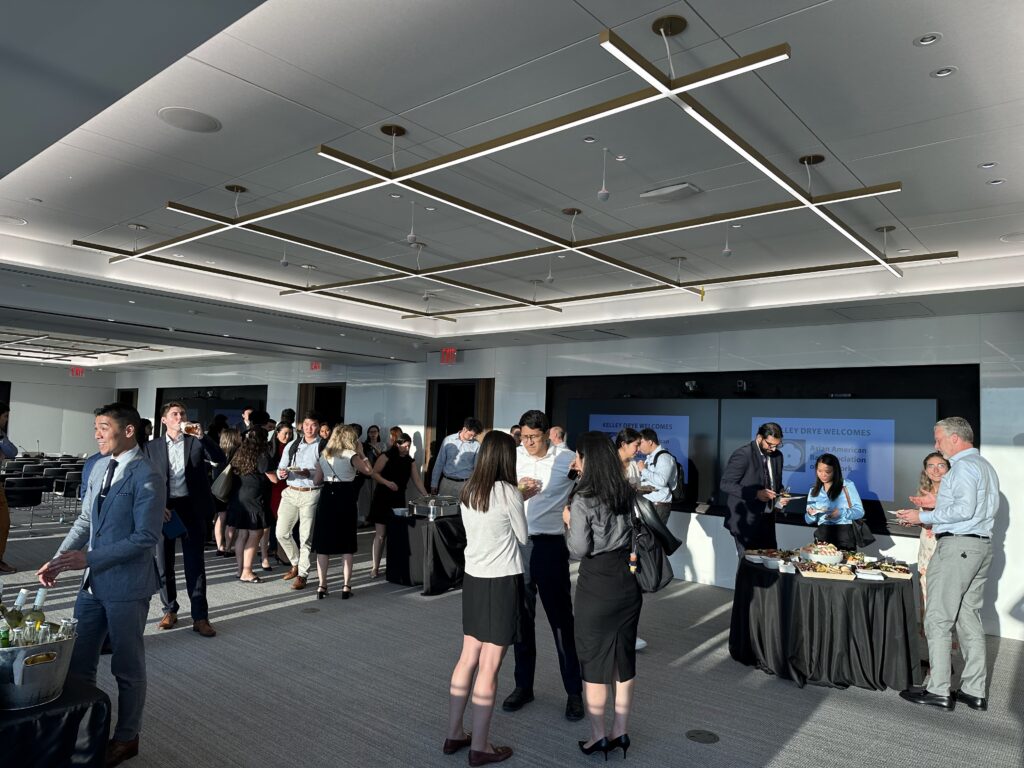
What further came out of the panel and the rest of the evening was just how closely knit the bankruptcy world is. During the reception, attendees caught up with old colleagues at other firms, and new and old friends stayed long after they finished their last glasses of wine. 

Thank you to our panelists Connie Choe, Dabin Chung, Weiru Fang, Hoori Kim, and Shan Lu for their insights, to Patrick Chen and Justin Lee for moderating, and especially to Kelley Drye for hosting our event. 

To find out more about the Commercial Bankruptcy and Restructuring Committee, please click here.
To find out more about the Student Outreach Committee, please click here.
To find out more about the Young Lawyers Committee, please click here.