
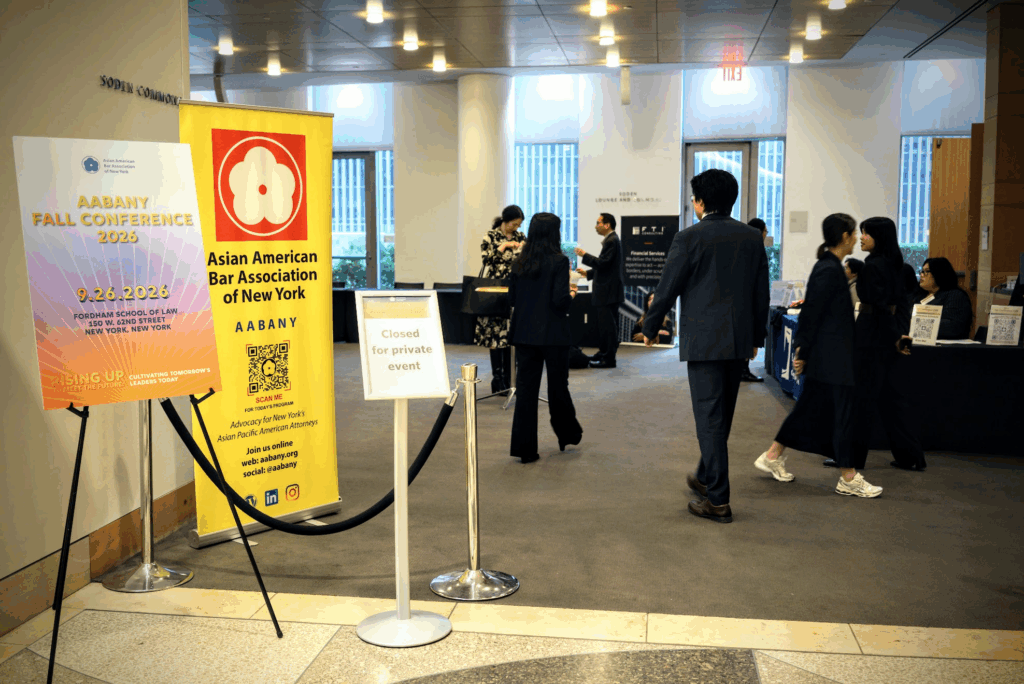
On Saturday, September 26, at Fordham Law School, AABANY hosted its 2026 Fall Conference, with the theme “Rising Up to Meet the Future: Cultivating Tomorrow’s Leaders Today.” Thanks to Fordham Law School for hosting this day-long event. The full-day event offered multi-track CLE programming throughout the morning and afternoon, a plenary lunch session, and different opportunities for professional development, networking, and community-building. In addition to CLE sessions, the Conference also featured the Trial Advocacy Program, Diversity Career Fair, Link-Up Reception, and meetings and gatherings throughout the day hosted by various AABANY Committees.
The day began with an ample breakfast buffet that was most welcome on a wet and stormy morning. Despite the nor’easter brewing outside, the warmth of the food and energy in the room created a welcoming start to the day, bringing together friends and colleagues, old and new, into the AABANY community.
Morning Sessions
From 9:00 to 10:30 AM, participants could choose from the following four CLE panels:
Rising Up to Serve: Leveraging Bar Associations for Community-Centered Lawyering – exploring how attorneys can use bar associations and community organizations to respond to the legal needs of AANHPI and immigrant communities, expand access to legal services, all the while engaging in community-centered advocacy.
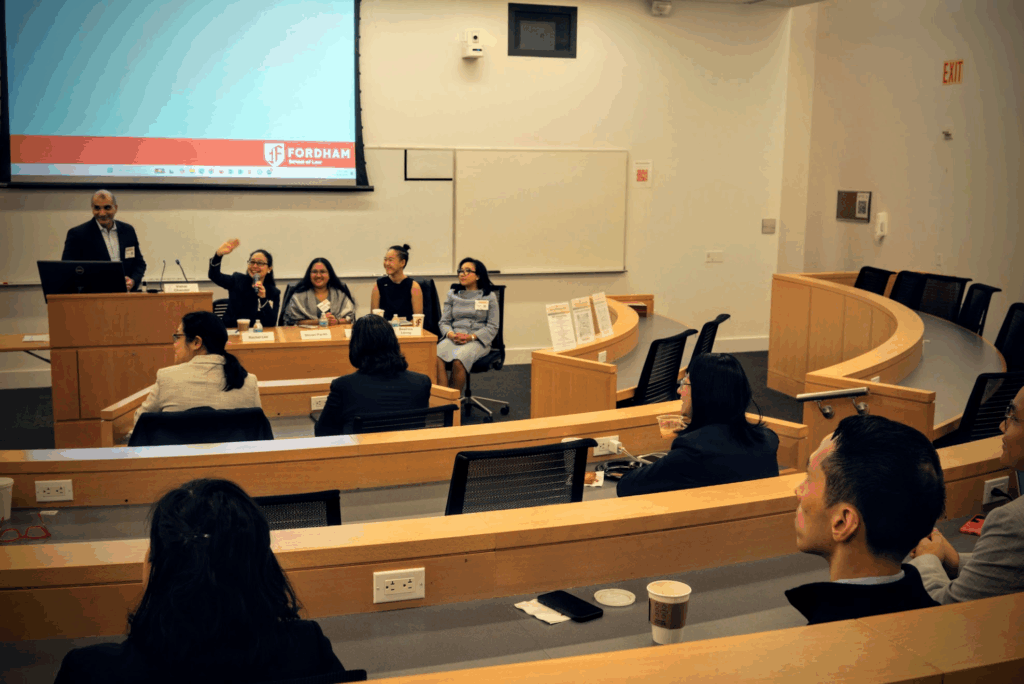
AI, Voice, Likeness and Persona: How Tomorrow’s Lawyers Will Define Ownership, Consent, and Control – examining the rapidly changing legal questions surrounding AI-generated replicas of voices, faces, likeness, and other personal attributes, covering issues of ownership, consent, control, monetization, and misuse.
Bridging the Gap! Transitioning from MPRE to Real-World Ethics – focusing on moving beyond the principles tested on the MPRE to consider how ethical obligations arise in the everyday practice of law and how new attorneys can apply those principles in professional and practical settings.
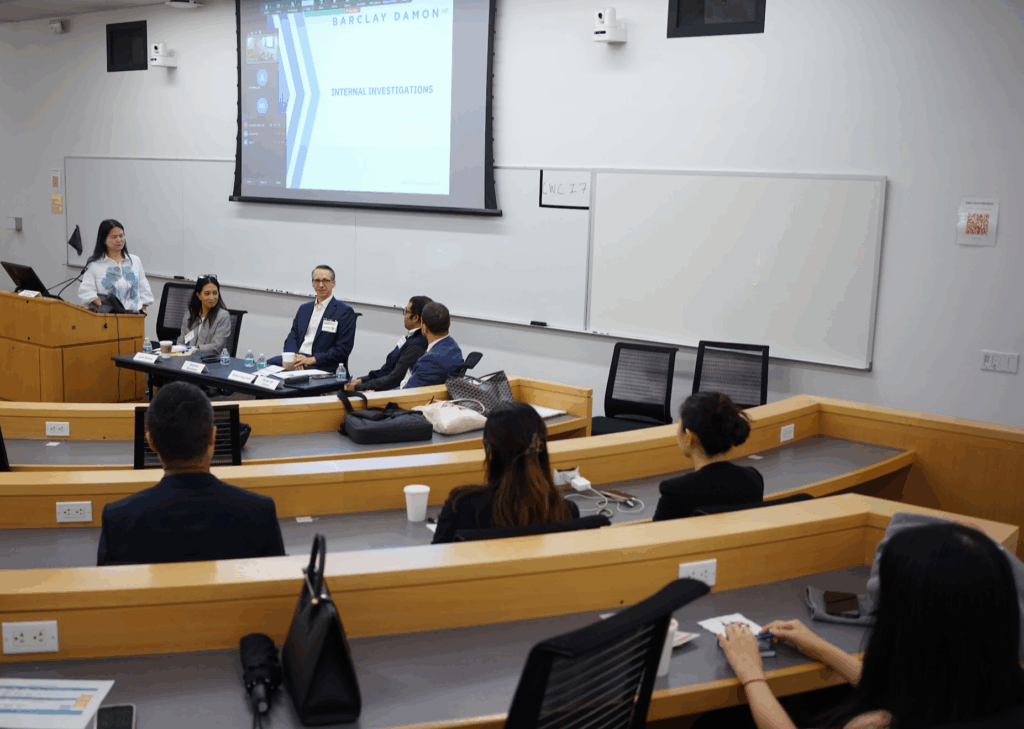
Conducting Effective Internal Investigations – examining the implications involved in managing internal investigations, from establishing protocols and determining scope to working with stakeholders and protecting privilege.
The next block, from 10:45 to 12:15 PM, offered:
How to Lateral: Building a Transferable, and Marketable Skill Set – providing insight into the skills, qualifications, and experiences employers look for in candidates, and how to build transferable skills.
Beyond Forms & Filings: How Tomorrow’s Immigration Attorneys Build Power Through Tech, Data, and Storytelling – examining how immigration attorneys can combine technology, data, and storytelling to strengthen advocacy, address systemic disparities, and better serve AANHPI communities in a rapidly changing policy environment.
The Modern Advocate: Mastering Courtroom Skills in a Changing Legal Landscape – preparing current and aspiring litigators for courtrooms shaped by AI, covering professionalism, oral advocacy, and working with pro se litigants from diverse communities while also discussing the ethical implications of using AI tools in preparing for court.
At the Table: Turning Today’s Great Lawyers into Tomorrow’s Trusted Client Advisors – exploring the judgement, steadiness, and strategic communication skills that enable attorneys to grow from technically excellent lawyers into trusted client advisors.
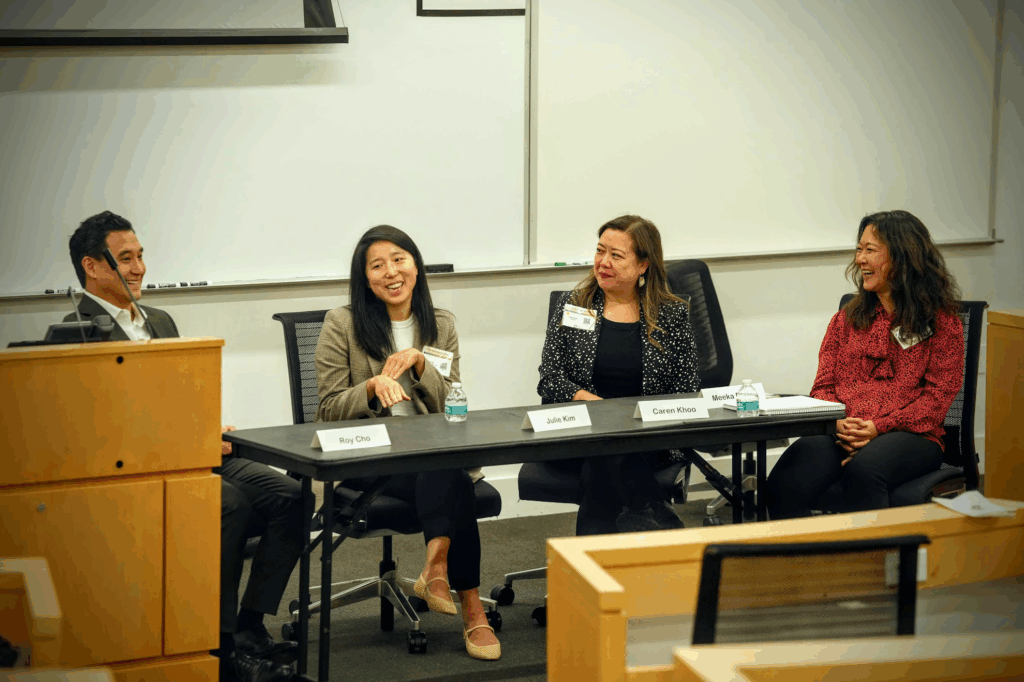
Plenary Lunch Session: Moving Forward After Trump v. Barbara – Constitutional Principles, Immigration Policy, and the American Process
At 12:30 PM, AABANY President Varuna Bhattacharyya gave opening remarks to a filled room for the Plenary Lunch Session: Moving Forward After Trump v. Barbara – Constitutional Principles, Immigration Policy, and the American Process. The lunch session brought together professors, lawyers, and advocates to examine the recent Supreme Court’s decision in Trump v. Barbara and its implications for birthright citizenship, executive authority, and the Fourteenth Amendment. What stood out, however, was not simply the legal analysis of the decision but also the way the panel connected these constitutional questions surrounding birthright citizenship and the Fourteenth Amendment to the people and stories behind them.
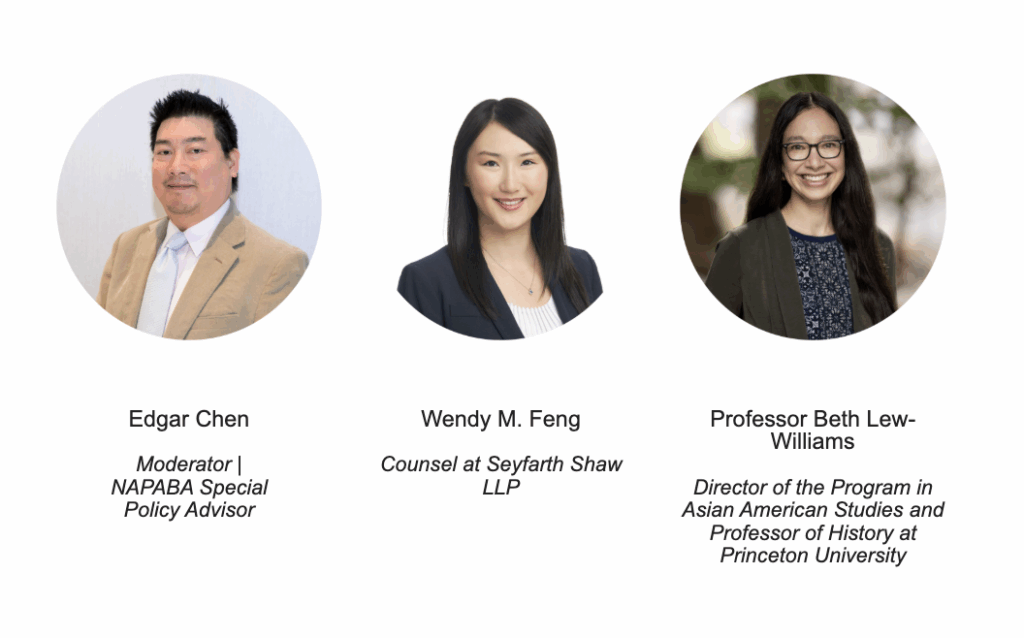
The panel featured Beth Lew-Williams, Professor of History and Director of the Program in Asian American Studies at Princeton University; Edgar Chen, Special Policy Advisor at the National Asian Pacific American Bar Association (NAPABA); Razeen Zaman, Immigrants’ Rights Director at the Asian American Legal Defense and Education Fund (AALDEF); and Gabriel “Jack” Chin, Professor at UC Davis School of Law. The discussion was moderated by Chris M. Kwok, Adjunct Professor at CUNY Hunter College, mediator and arbitrator at JAMS, and Co-Chair of AABANY’s Alternative Dispute Resolution Committee.
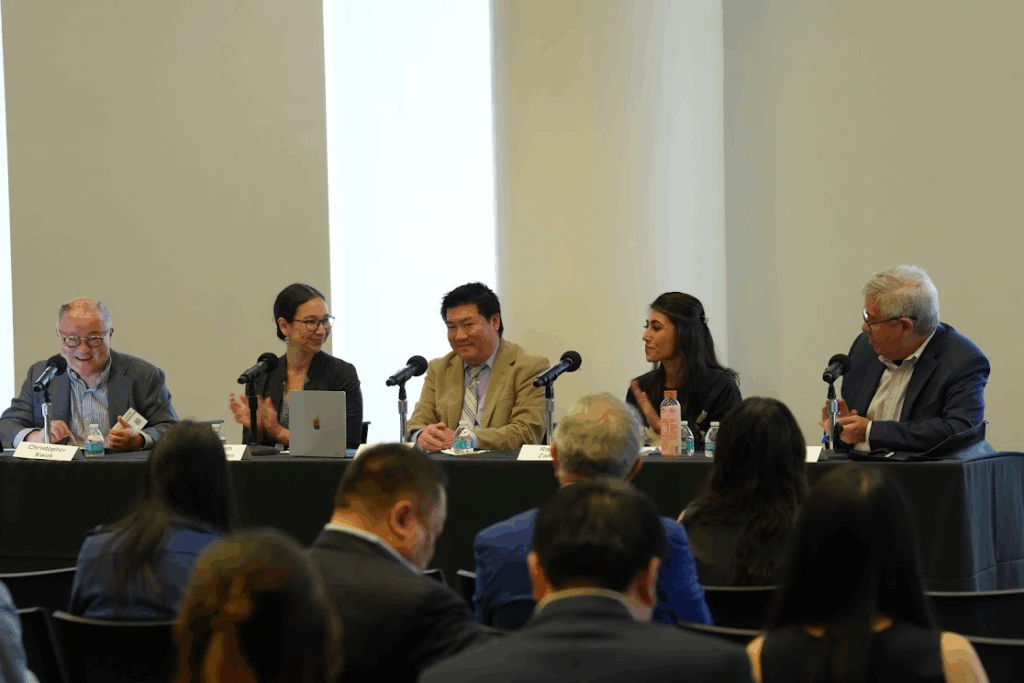
The plenary session deepened the appreciation and understanding for how intertwined constitutional law is to individuals’ everyday lives. Hearing Wong Kim Ark’s story alongside Trump v. Barbara made the Fourteenth Amendment feel less like an abstract piece of legal text and more like something tangible that shapes who is recognized as belonging to this country. That’s what made the lunch session so compelling: exploring how someone’s ordinary choices can become a part of a landmark legal history and examining how, over a century later, the country is still grappling with the questions surrounding the idea of belonging.


AABANY’s Career Advancement Committee Presents: Diversity Career Fair
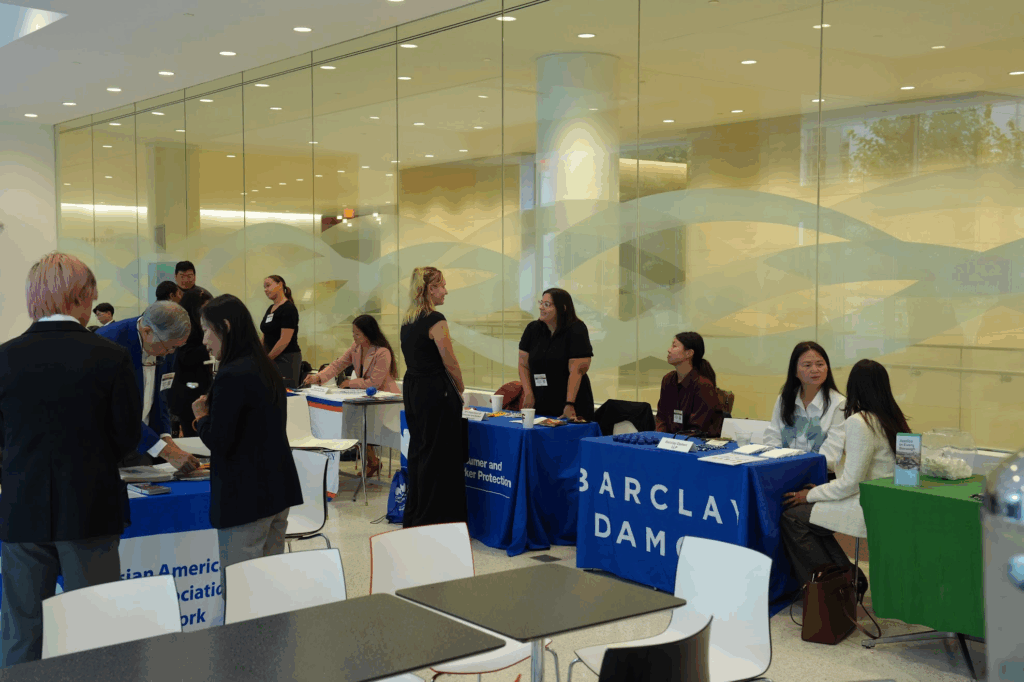
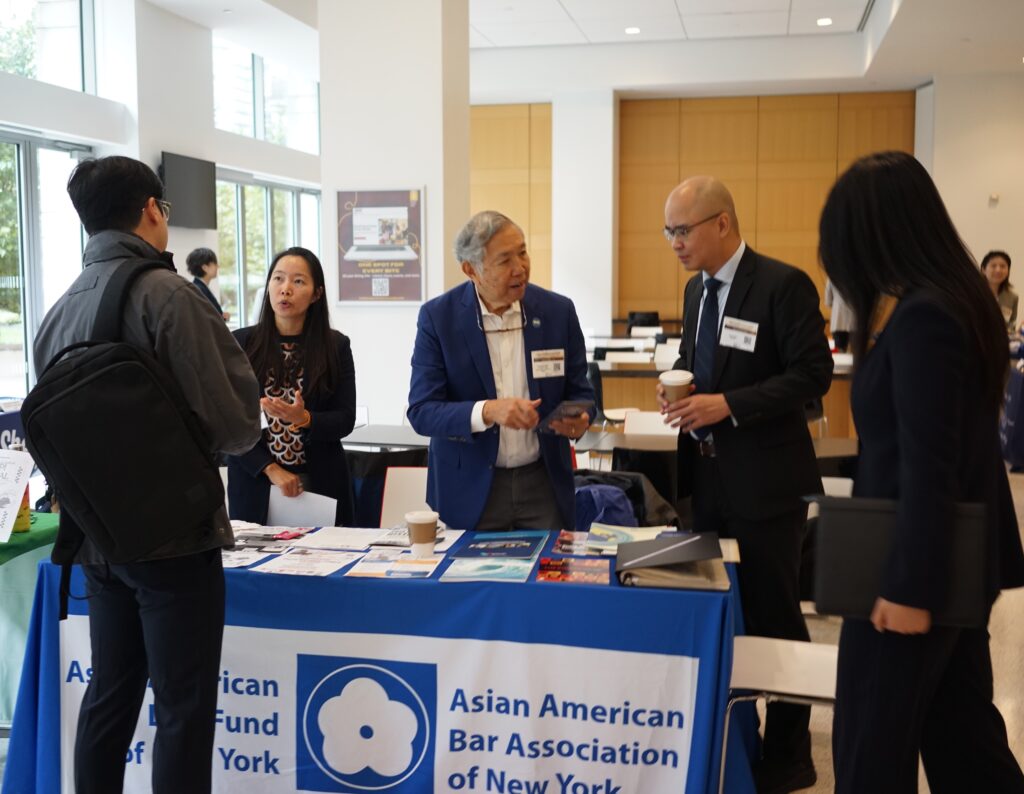
AABANY’s Career Advancement Committee hosted its annual Diversity Career Fair (DCF) at the 2026 Fall Conference, bringing together various public and private sector employers and interested applicants from 10:30 AM to 4:30 PM. Employers hosted informational tables, met with candidates, collected resumes, and conducted first-round on-site interviews. Throughout the day. The room was constantly filled with individuals looking to learn more about available opportunities and meet active members of AABANY in their professional settings.
While some employers were unable to attend due to the weather, the DCF still offered a wide range of career opportunities. Law students and lawyers moved between tables, asked questions, exchanged resumes, and connected directly with employers. At public interest tables, attendees gathered to learn about internships, externships, and volunteer opportunities, including opportunities with The Legal Aid Society. Government and public-sector employers, including the New York City Law Department and District Attorney’s Offices, similarly offered attendees the chance to learn directly from practitioners and representatives about these respective career paths.
In the private sector, employers such as Barclay Damon LLP provided opportunities for one-on-one conversations with one of the partners, allowing attendees to learn about what the firm was looking for while also establishing meaningful professional relationships.
Attendees also had the opportunity to meet members of AABANY’s Career Advancement Committee, receive career advice, and learn about additional career opportunities. The Committee collected resumes and distributed them to all employers after the event.


AABANY’s Litigation Committee Presents: The Trial Advocacy Program (TAP)
From 9:00 AM to 4:15 PM, AABANY’s Litigation Committee presented the 2026 Trial Advocacy Program (TAP) at the Fall Conference, giving junior lawyers an opportunity to strengthen their trial skills under the guidance of experienced judges and trial attorneys. The program focused on essentials of trial skills: opening statements, direct and cross-examinations, and closing statements.
Although TAP is usually held in person, this year’s program was moved to virtual format at the last minute due to the weather. Even with such short notice, the program drew a strong group of participants and maintained the interactive nature of the program. Participants worked through a mock trial scenario and prepared portions of their openings, examinations, and summations with a partner. Through the combination of lectures, practical exercises, and small-group mock trial sessions, participants were able to recreate the experience of an in-person trial as closely as possible. Judges and trial attorneys provided feedback throughout the exercise, allowing participants to strengthen their courtroom skills, receive constructive criticism, and learn strategies they can carry into actual practice. Even in the virtual format, the program fostered productive small break-out group conversations and hands-on participation, showing us how meaningful trial advocacy training could take place both beyond the courtroom and in-person.
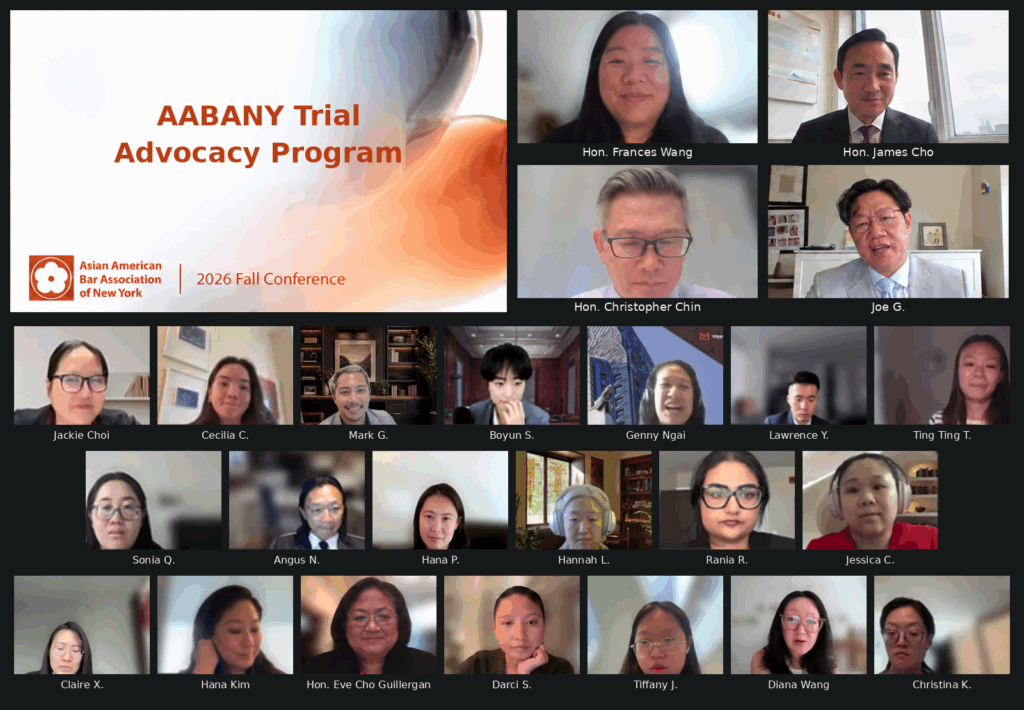
The quality of the faculty was truly impressive. Participants learned from bench and bar alike, including the Hon. James R. Cho of the U.S. District Court of the Eastern District of New York; Hon. Frances Wang of Queens Supreme Court; and the Hon. Christopher Chin of the New York Supreme Court. Prosecutorial experience was well represented by Joe Gim, Chief of Criminal Court at the Kings County District Attorney’s Office; Sara Khan, a Homicide ADA at the Manhattan District Attorney’s Office; and Hana C. Kim, Bureau Chief of the Financial Frauds Bureau at the Queens County District Attorney’s Office. Participants were also able to hear from leaders in the private sector and in-house counsel, including Genny Ngai, Partner at Morrison Cohen; Diana Wang, Counsel at Clark Smith Villazor LLP; Hugh Mo, Principal of The Law Firm of Hugh H. Mo, P.C.; and Jacqueline Choi, In-House Litigation Counsel at Red Apple Group, Inc. Together, they offered participants a well-rounded view of effective trial advocacy from every side of the courtroom, and their generosity in sharing both their time and their depth of experience made the program all the more valuable. AABANY thanks each of them for their commitment to imparting trial advocacy skills to the next generation of lawyers.
Committee Meetings and Gatherings
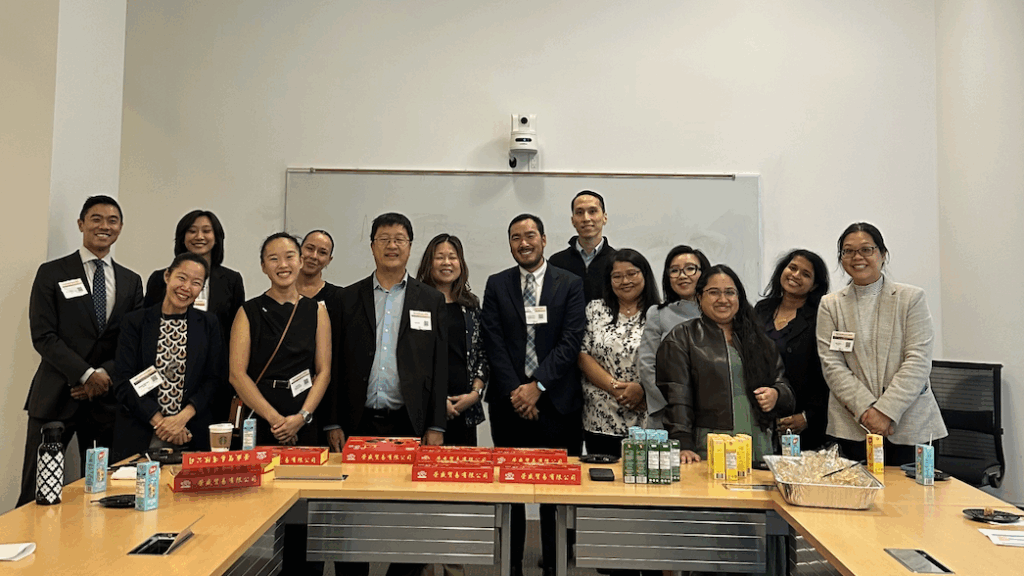
Beyond the main programming, the third floor had its own energy. AABANY opened up rooms for Committees that wanted a space to network and gather, and a few Committees took full advantage, reserving rooms at different points throughout the day. AABANY’s CIRC Program, which is part of the Membership Committee, got things started in the morning, inviting participants to stop by to chat about their program updates, share feedback, and grab some delicious Asian snacks along the way. They brought so many treats that they continued their gathering in the Soden Lounge on the second floor, where Asian sweets and savory favorites disappeared within minutes. The Government Service & Public Interest (GSPI) Committee’s mooncake social stood out, giving members a chance to meet the Co-Chairs, hear about upcoming events, and enjoy a delicious mooncake alongside refreshments in celebration of the Mid-Autumn Festival. The Solo & Small Firm Practice (SSFP) Committee followed in the same room with an assortment of Levain cookies, a relaxed change of pace after a full day of programming where folks got to meet newer members and have a chance to catch up with other colleagues and longtime members. The Pro Bono & Community Service Committee, together with AALFNY, set up a table at the Diversity Career Fair to promote the Pro Bono Clinics and recruit volunteers.
Afternoon Sessions:
From 2:30 PM to 4:00 PM, attendees chose from the following programs:
Rising to the Challenge: A Balancing Act of Caregiving Leaders of the Sandwich Generation – informing potential and future caregivers about basic estate planning tools, long-term care planning, and special needs planning, along with providing them with resources available to help them balance these responsibilities and prepare for any potential crisis.
Clause and Effect: AI Contracting and Vendor Management – focusing on equipping lawyers to lead clients through AI governance by covering the privacy and cybersecurity risks of AI tools and examining the best practices for negotiating vendor agreements on data use, training, security, audit rights, and liability.
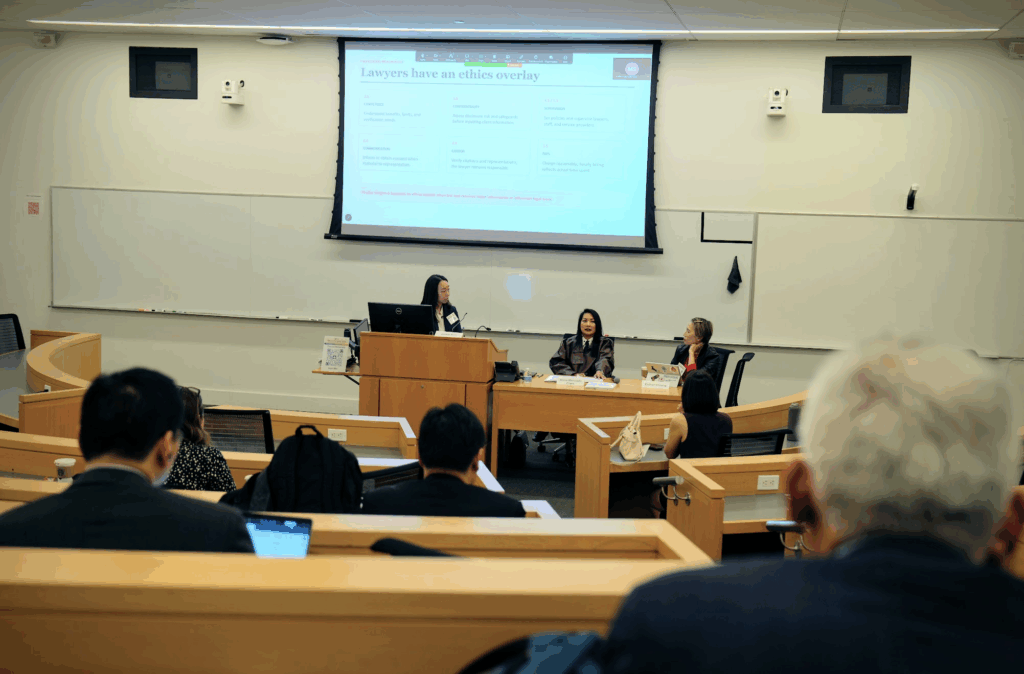
The Gentle and the Assertive: What New Motherhood Teaches About Advocacy – two mom litigators sharing how the dual roles of mother and advocate are strengthening their advocacy and leadership skills, offering AAPI attorneys a framework to leading authentically while making full use of their lived experiences.
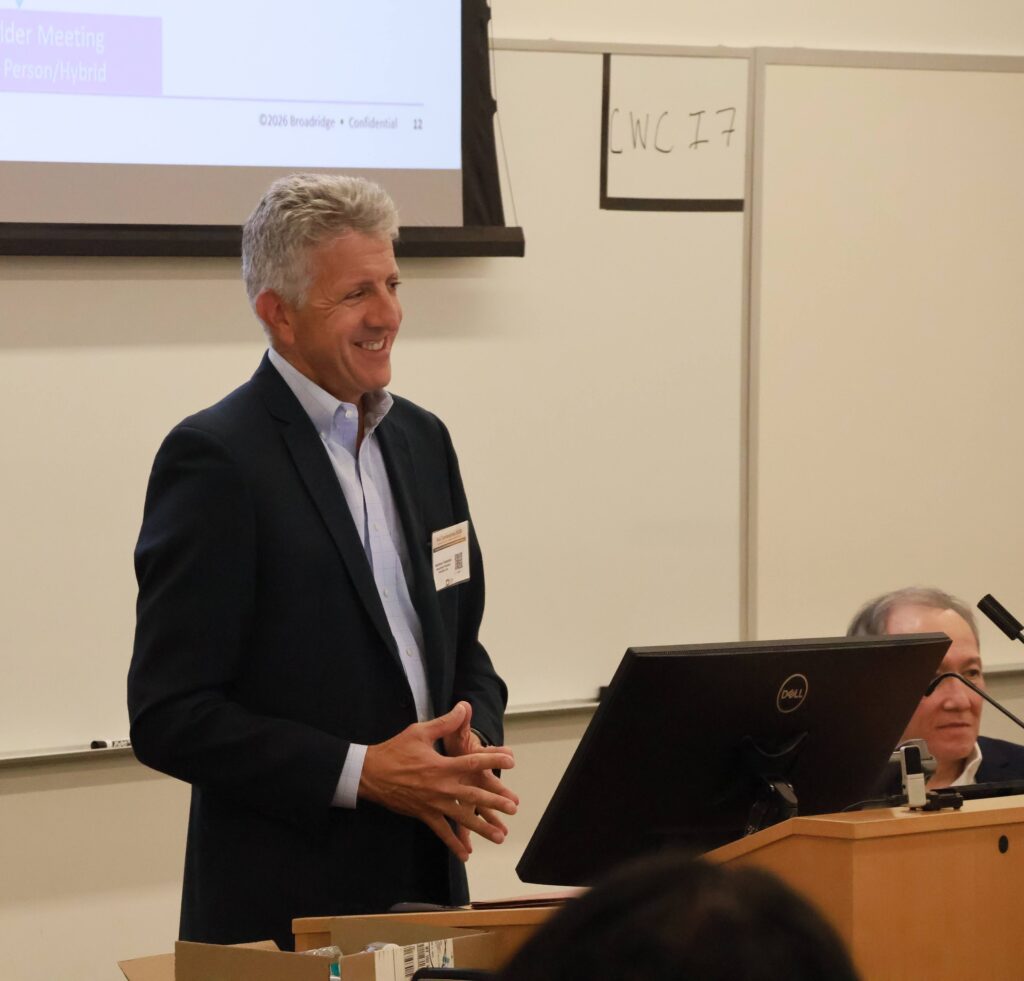
The Mechanics of Public Company Stock Ownership and Voting – introducing proxy plumbing, the infrastructure and process behind shareholder voting, and how Broadridge keeps this process efficient, transparent, and compliant so that shareholders’ voices are heard in corporate governance.
From 4:15 PM to 5:45 PM, attendees could choose from the following programs:
Race and Space: How Laws Create and Impact Asian Spaces – exploring how, despite the promise of Reconstruction, many AANHPI New Yorkers still live and work in racially concentrated spaces, discussing how law and policy created them and what that means for the future of Asian communities.
IP and AI Slop: Why is Pikachu Fighting Darth Vader on My Instagram Feed? – examining the rise of unauthorized generative AI videos, the legal issues and options for IP owners, and what it all means for the future of content.
Building & Using the Diversity Pipeline in Arbitration & Mediation: Why it Matters and How to Participate – focusing on why diversity among arbitrators and mediators matters to the credibility of Alternative Dispute Resolution (ADR) and how lawyers, clients, and institutions can strengthen the pipeline of diverse neutrals, to include AANHPI attorneys interested in becoming neutrals.
No One Teaches This: How Attorneys Actually Build Clients and Become Rainmakers – exploring how attorneys can build credibility and lasting professional relationships that can grow into client development and leadership opportunities.
Link-Up Reception
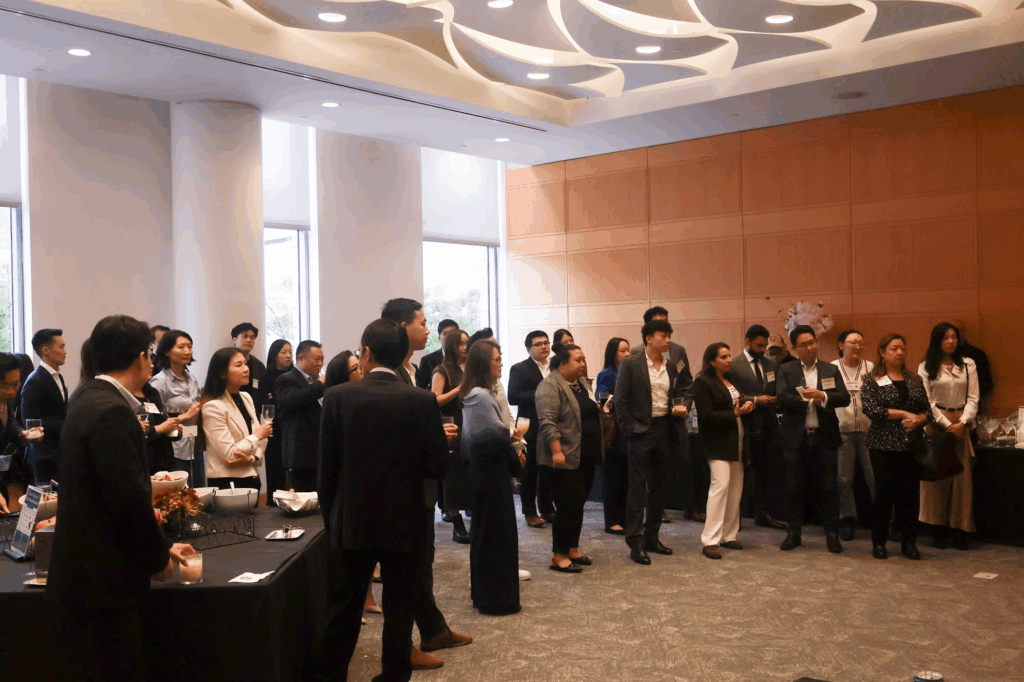
An exciting way to wind down the day was the Link-Up Reception, which provided an opportunity for law firm attorneys and senior in-house counsel to connect and explore potential external legal services. Now in its second year, the invitation-only event was open to select in-house counsel and Gold-level sponsors and above, creating a more intimate setting for sponsors to engage directly with in-house decision-makers and establish professional connections.
With an almost one-to-one ratio of in-house counsel to law firm attendees, the reception felt intentionally intimate and direct. Rather than having brief introductions before moving onto the next conversation, attendees seemed to have the time and space to really listen to one another. Conversations about professional experiences and careers grew deeper as they continued to talk over hors d’oeuvres, creating opportunities for connections that felt more genuine and lasting.
The sense of possibility in the room was palpable. People were exchanging ideas, learning about one another’s work, and finding ways to build relationships that could grow beyond this gathering. It was a great way to bring together the professional connections and collaboration that had been growing throughout the day, and it set an energetic tone for the rest of the evening.


Cocktail Reception and Trailblazer Award Presentation
After the conclusion of the day’s programs, at 6:00 pm, all attendees were invited to the general Cocktail Reception, which provided a relaxed and celebratory setting to connect and unwind. The room was filled with food of every kind, from pigs in a blanket to crab cakes with a variety of dipping sauces, plus a vegetable and fruit platter that stretched across the center of the room, as well as both warm and cold options for any preference. Over appetizers and drinks, attorneys, law students, and other members of the AABANY community reconnected with colleagues and formed new professional relationships, with the buzz of conversation filling the air. The reception brought the conference to a close by creating an exciting space for networking and continued community-building.
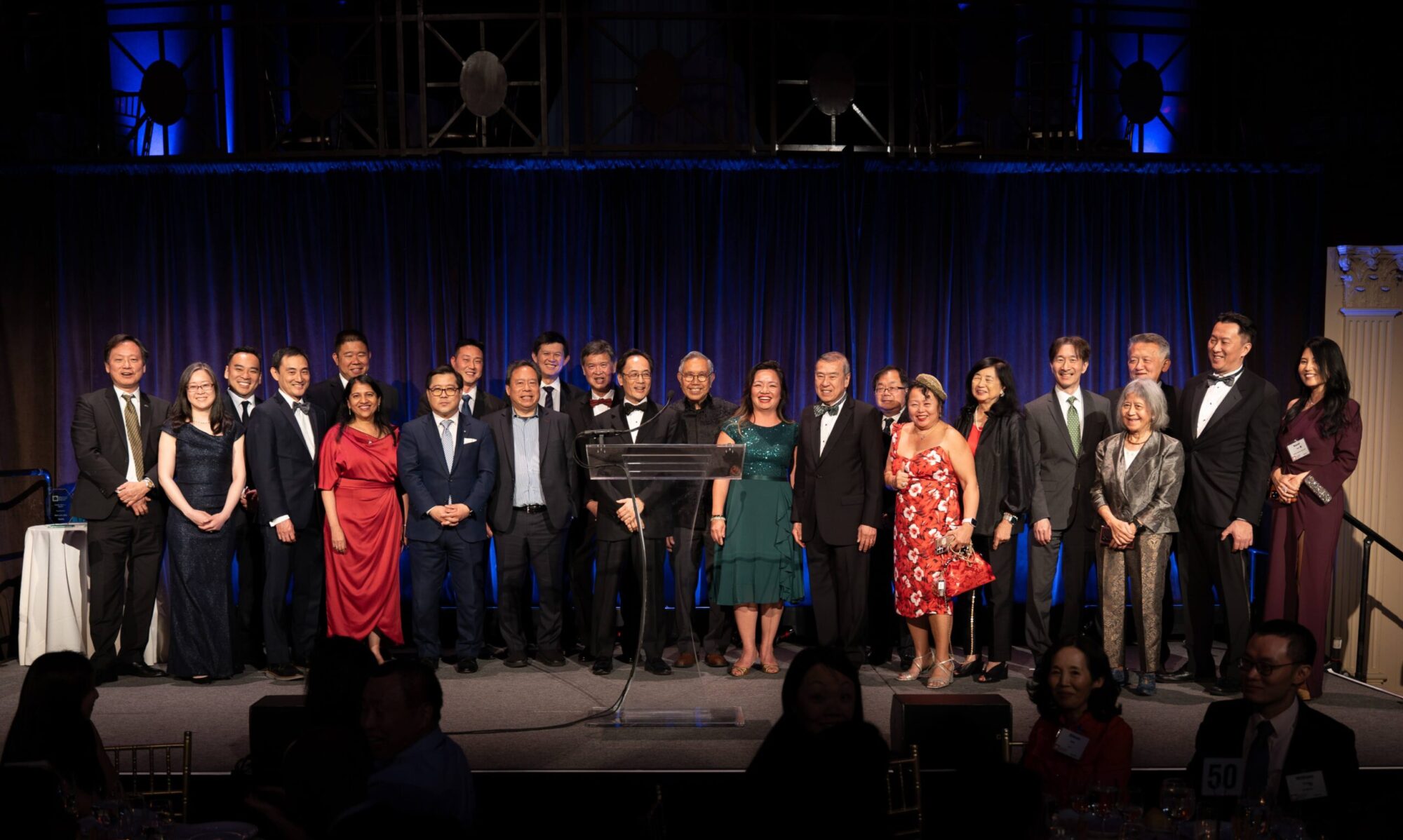
The highlight of the evening was AABANY’s Executive Director Yang Chen presenting the Norman Lau Kee Trailblazer Award to Vincent Chang, former President of AABANY. Named for a legal and community pillar of Chinatown, the award honors a leader and role model in the AANHPI legal community, and Vincent Chang’s career exemplifies the award. Not only has he served as former AABANY President, but he was also the first Asian American to have served as President of NYCLA. He has held important leadership positions with the American Bar Association and the New York State Bar Association, where he currently serves on the Executive Committee.
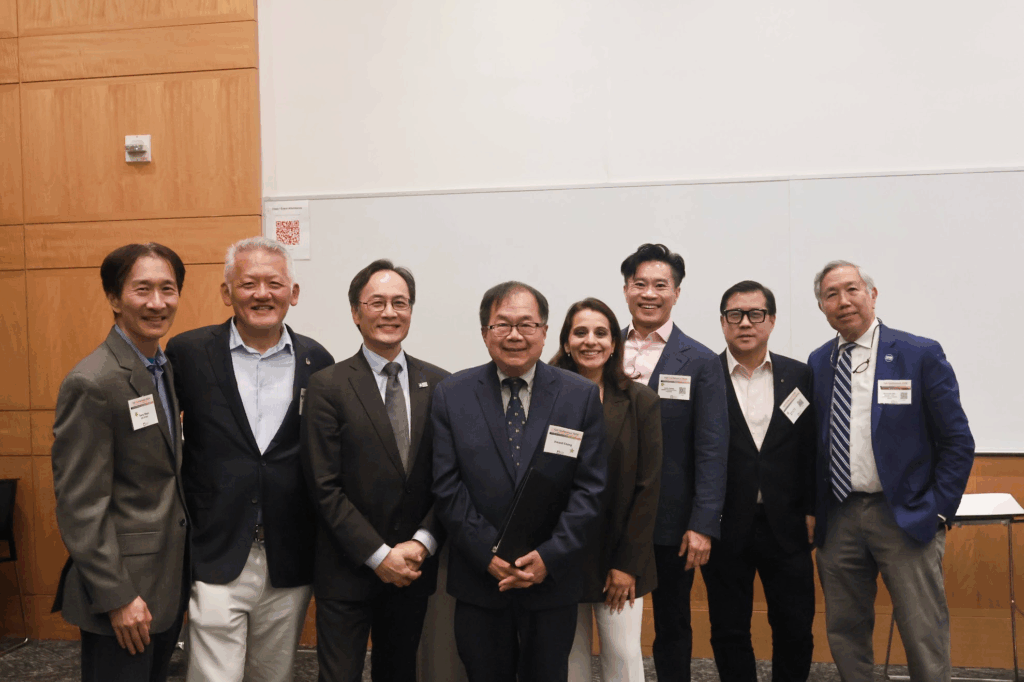
In his acceptance remarks, Vince reflected on his involvement in the AANHPI legal community and the relationships and experiences that have shaped his career both in the private and public sphere. Vince expressed his appreciation for the community that has supported him throughout his career and acknowledged the strides made by AABANY and its leaders over the years. It was especially meaningful to see Vince celebrated alongside so many AABANY members, from past, present, and future Presidents to longtime and newer members, making for an inspiring and fitting way to conclude the 2026 Fall Conference.
Thank You!
We extend our deep thanks to all the volunteers from law schools and colleges for providing support with conference logistics, programming, and registration, and to all the moderators, panelists, Program Chairs, and attendees, whose participation and engagement made the Conference so successful and memorable.
We are also grateful to our sponsors, whose support made the Fall Conference possible:
- Elite Sponsor:
- Gold Sponsors:
- Silver Sponsors:
- Bronze Sponsors:
For more photos of the event, please visit the links below:
- Fall Conference ’26 (programs)
- Fall Conference ’26 (plenary)
- Fall Conference ’26 (DCF)
- Fall Conference ’26 (receptions)
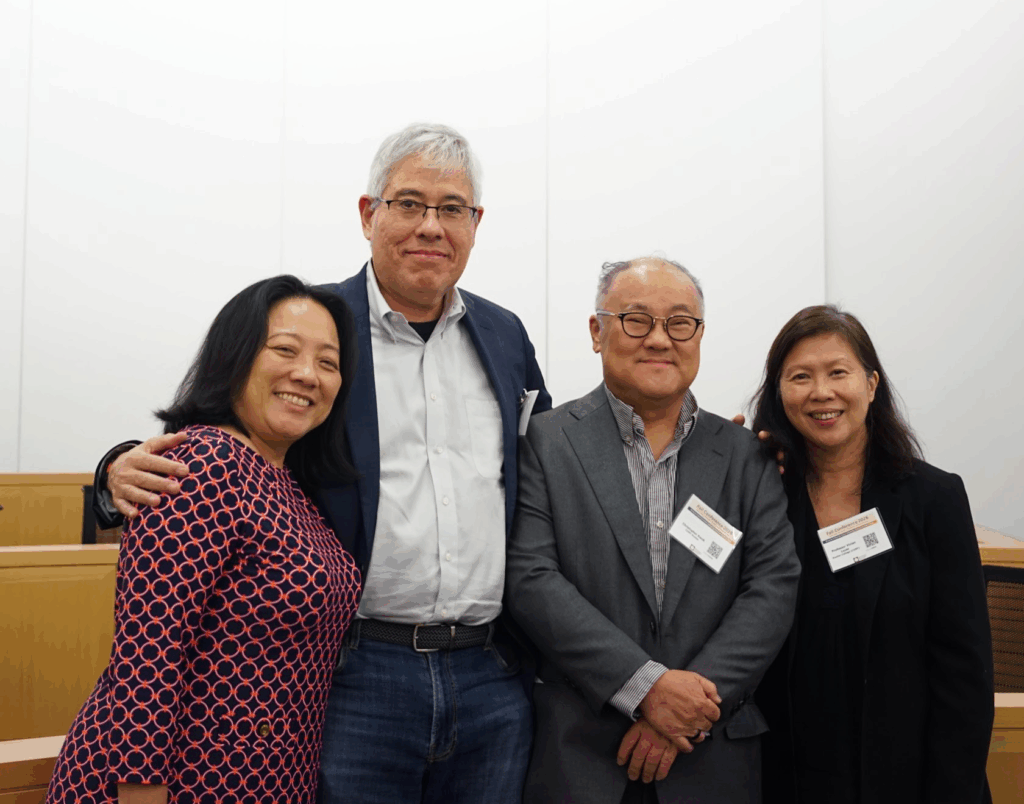
- Fall Conference ’26 (people)
Thanks to our volunteer photographers Alvin, Haoyu, and Zhiqian.
Thank you for joining us at the 2026 AABANY Fall Conference! We hope you found the day inspiring, engaging, and meaningful, and that you left with new connections and a stronger sense of community. We are grateful to have shared this special event with you and look forward to strengthening our engagement at future events.