
A Rainbow Colored Legal Eagle: Glenn D. Magpantay Honored at Queens Borough President Donovan Richards Jr.’s Annual Pride Month Celebration

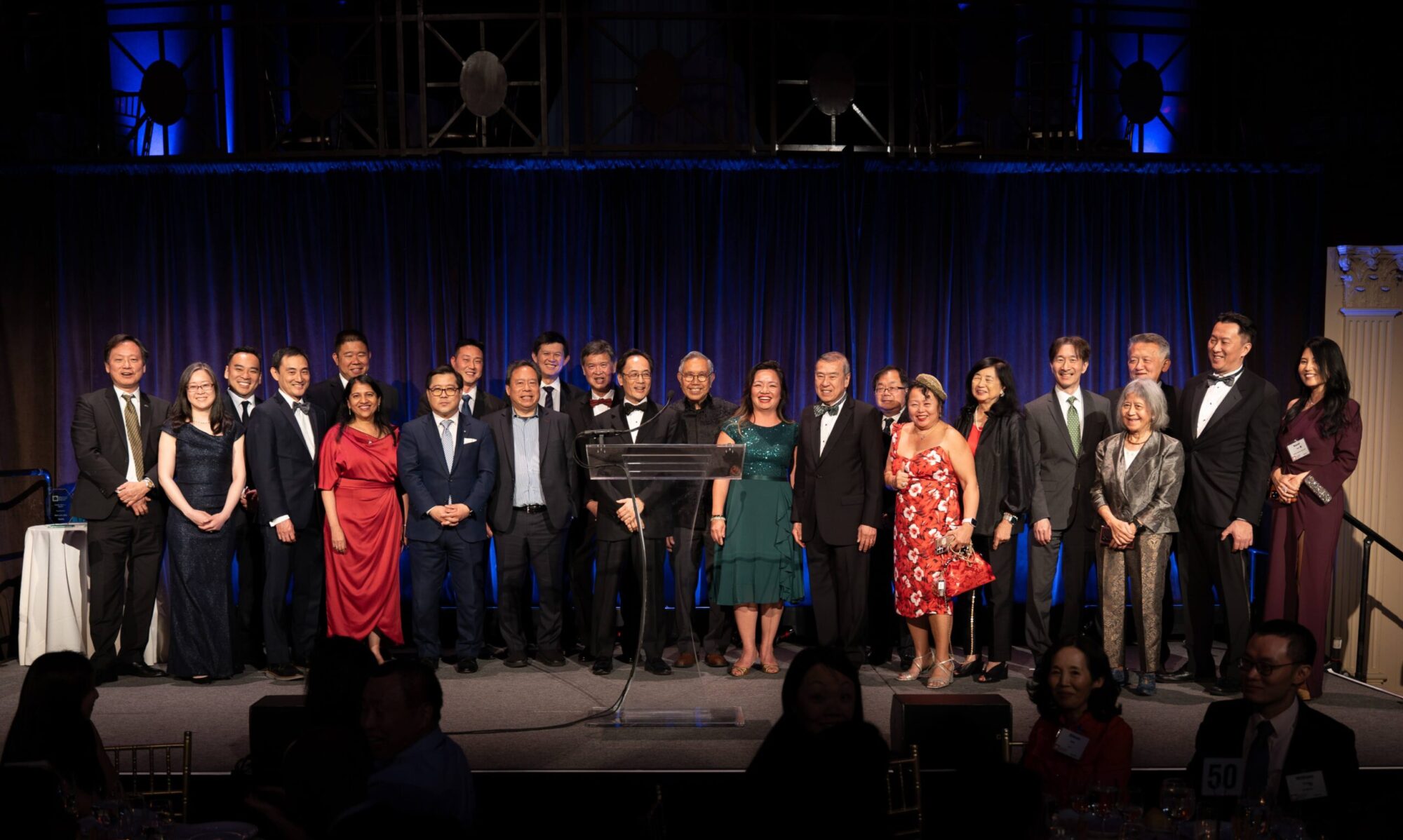
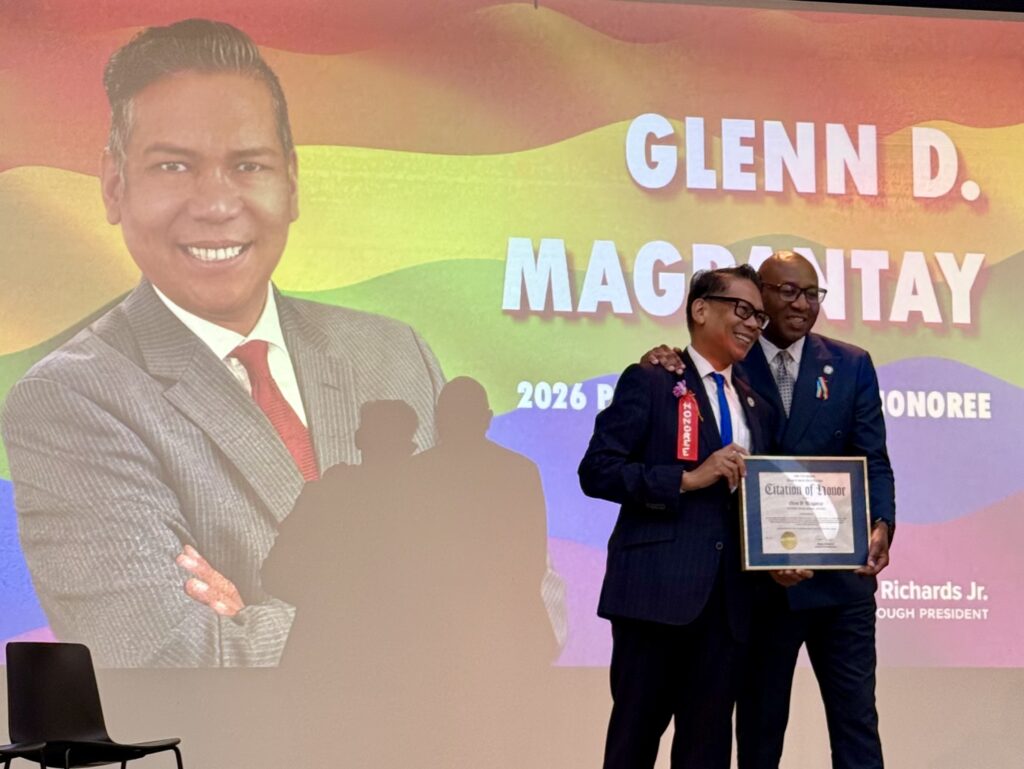
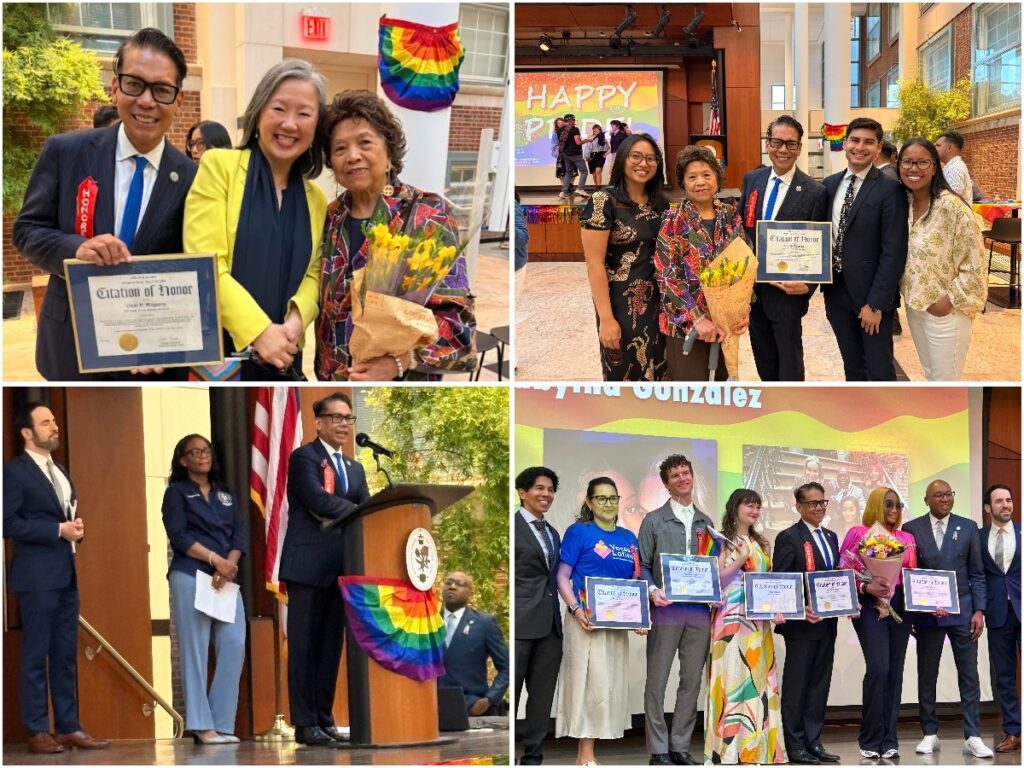
On June 24th, 2026, Glenn D. Magpantay, a Commissioner on the United States Commission on Civil Rights (USCCR), was honored at Queens Borough President Donovan Richards Jr. ‘s Annual Pride Month Celebration at Queens Borough Hall. Glenn is the first openly LGBTQ and Asian American commissioner in the USCCR since its founding in 1957. Glenn is a longtime member and leader at AABANY and a current Board Director. Recently, we took this opportunity to meet with Glenn to interview him about his lifelong work as a civil rights attorney and an LGBTQ rights activist. 

 In a distinguished and storied career, Glenn has been recognized with a variety of awards, including NAPABA’s Daniel K. Inouye Trailblazer Lifetime Achievement Award and the AALAM Community Service Award. However, Glenn reflects that his award from BP Richards feels different because of the incredible support he has received from others in the local community. Being a Queens native—a borough bursting with diversity—Glenn has experienced firsthand how important diversity within communities is. For Glenn, the community recognition is what makes this honor deeply personal and truly special. 

In his acceptance remarks, Glenn reflected on the difficulties of coming out as a gay man during the peak of the HIV epidemic. He extended deep gratitude to his family and supporters in both the LGBTQ and legal communities, noting that their unwavering support was vital during this challenging period of his life and the successes he achieved throughout his career. He also highlighted his impactful advocacy on the USCCR, including his efforts to ensure that the Commission acknowledges violence against transgender women of color. Glenn called upon those in attendance to persistently speak out and advocate for justice. As his remarks drew to a close, he extended his sincere thanks to the community for offering their continuous support throughout his journey.

“I would have never achieved all of this, were it not for so many of you who are here in the audience today. You all have supported me and have given me poise. You have lifted me up, even though I know I’m a little heavy,” he quipped. Click here to listen to Glenn’s speech.
Glenn is a Co-Founder of the National Queer Asian Pacific Islander Alliance (NQAPIA), an organization that aims to create a world where queer and trans Asian American, Native Hawaiian, and Pacific Islander (AANHPI) people can flourish. Through this work, underrepresented communities continue to tackle ever-changing political and societal issues. Glenn claims that the changes the new administration implemented—the dismantling of Diversity, Equity, and Inclusion (DEI) programs, Temporary Protected Status (TPS), and cutbacks on transgender healthcare and services for the poor—have affected millions of minority populations across the U.S., including AANHPI and LGBTQ communities. 

Glenn credits affirmative action for his success as an LGBTQ Asian American. Following the government rollback of the policies supporting underrepresented communities, many feel the current legal and political landscape is stacked against them. Faced with these issues, Glenn shares how individuals and organizations can navigate this shifting landscape:

  1. Vote in every election
  2. Protest injustice
  3. Engage with your community
  4. Cultivate allies from those not in your communities
  5. Be more open-minded to diverse perspectives 

To achieve meaningful progress, according to Glenn, it is essential to transform hearts and minds. For many AANHPI and LGBTQ individuals, this transformation begins at home and involves finding a healthy balance between traditional expectations of family duty and the fundamental right to live authentically. Glenn observes a distinct tension between traditional, collectivist, and conformist Asian values and the emphasis on individualism in America, leading to the conflict that arises between parents and their second-generation children. 

Glenn maintains that such cultural tenacity served as a way of survival for previous generations. It remains equally essential for navigating today’s challenges. While this cultural friction often causes painful divides, bridging these two worlds requires a slow, empathetic dialogue. “Coming out in Asian cultures is a process, not an event,” Glenn stated. “Parents have struggled and sacrificed for us. We should honor and respect them with patience.” 

As a parent himself, Glenn states that his choices are guided by a desire to provide the very best for his child—similar to his own parents and many other Asian parents in America.  American interactions are often transactional, while Asian interactions are deliberate and transformative—something AANHPI and LGBTQ youth must be mindful of while balancing their identities. “Unfortunately, everything that is beautiful and fulfilling in this world is a struggle to get to,” Glenn declared.

Teaching has also played a significant part in Glenn’s life. His teaching journey began when his friend, the late Professor Gary Okihiro, professor of international and public affairs at Columbia University, suggested that he teach, recognizing the unique insights the Commissioner had to share with students. Glenn chose to begin teaching as a personal mission to give back to the community with the ultimate goal of showing that students from underserved communities can also become accomplished lawyers. Many of them—first–generation immigrants or poor—have never met a brown gay attorney before.  They thought that all the successful lawyers were white, male, and Jewish.  

He hopes that he can help his students find a potential greater than they have ever imagined for themselves. The mentor and mentee relationships that teaching has enabled him to form motivate him to continue. He imparts his personal knowledge while the students keep him updated on current social media lingo, allowing them to form meaningful and relevant connections. Although Glenn no longer teaches, he hopes to return to the classroom sometime in the future. He is beloved and admired by his students, as his “Rate My Professor” reviews show.  

Ultimately, Glenn intends to continue leveraging his role in the USCCR and his position as an LGBTQ and Asian American civil rights pioneer to help underrepresented communities achieve their fullest potential.

Please join AABANY in congratulating Glenn on his most recent recognition from Queens BP Richards during the Annual Pride Month Celebration in June.
AABANY Congratulates Jennifer H. Wu on Testifying before the U.S. Commission on Civil Rights on the Federal Response to Anti-Asian Racism

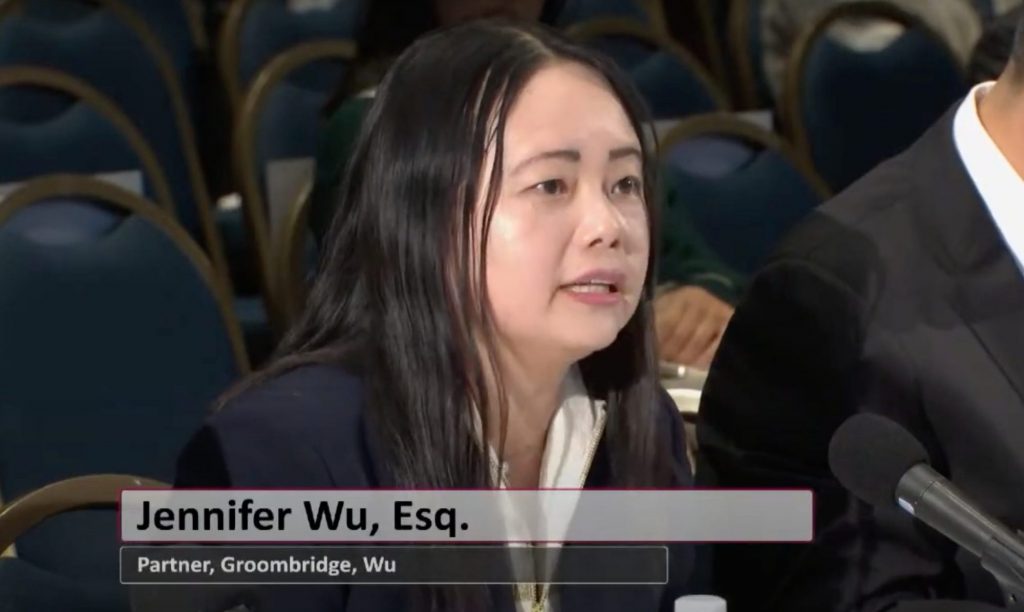
On March 24, 2023, the U.S. Commission on Civil Rights (USCCR) organized a briefing to address the federal government’s response to anti-Asian racism in the United States. Jennifer H. Wu, Co-Chair of the AABANY Women’s Committee and a member of the AABANY Anti-Asian Violence Task Force, provided her testimony during the session. Jennifer highlighted the fact that none of her pro bono clients, who were victims of well-known anti-Asian hate crimes, had ever reported the crimes to federal agencies. “I am here, because I became a civil rights lawyer,” Jennifer declared, “because there has been no federal response to anti-Asian racism.”

During her testimony, Jennifer emphasized the importance of reading AABANY’s reports on anti-Asian violence in 2021 and 2022 to understand “the response from the local community to people in our community dying.” She acknowledged the precipitous rise in anti-Asian hate crimes in New York City and the growing atmosphere among of fear within the AAPI community during the pandemic. Jennifer called for comprehensive support for victims, including providing and advocating for qualified and experienced interpreters in interactions with the police and improved training and education. In addition, “[the] victims need wraparound services [such as] people to help them with [setting up a] Go Fund Me. In order to withdraw funds, you need [a] Social Security number from the United States as well as [a] bank account [in] the United States. They also need [the] ability to apply for U visas if they are undocumented. They need help with healthcare.” Jennifer, herself a daughter of immigrant parents and a mother of three children, expressed her deep “yearn[ing] for a better future.” 

AABANY extends our congratulations and gratitude to Jennifer for her outstanding efforts and advocacy work in support of the AAPI community during a most difficult and challenging time. Her invaluable pro bono work advising and assisting survivors and victims of anti-Asian violence in New York over the past few years were recognized with a Member of the Year Award at AABANY’s 2023 Annual Meeting. We commend her for her dedication and commitment.

To view the full hearing before the USCCR, please click here

To view the highlights of AAPI leaders who testified: 

  • Jo-Ann Yoo, Asian American Federation
  • John Yang, Asian Americans Advancing Justice
  • Cynthia Choi, Chinese for Affirmative Action
  • Jennifer Wu, Asian American Bar Association of New York
  • Manjusha P. Kulkarni, AAPI Equity Alliance

please click here. Thanks to Commissioner Magpantay for sharing the highlight video.

AABANY Files Comments in Response to the March 24, 2023 Public Briefing on the Federal Response to Anti-Asian Racism in the United States

The Asian American Bar Association of New York (AABANY) submitted a letter on April 24, 2023 to the United States Commission on Civil Rights (USCCR) expressing concern about the ongoing issue of anti-Asian hate and violence in the United States, particularly in New York. In the letter, we highlighted the increase in incidents during the COVID-19 pandemic and outlined the efforts of AABANY’s Anti-Asian Violence Task Force (AAVTF) in addressing these issues, including hosting webinars, publishing reports, advocating for legislative changes, and providing resources to support victims. While we appreciate the USCCR for drawing attention to anti-Asian crimes, we believe that there is much more work to be done. AABANY presented three recommendations to combat anti-Asian hate crimes: improved hate crime data reporting, recognition of the community as a victim and investigative partner, and appropriate training for prosecutors and law enforcement. We emphasized the importance of collaboration between the government, law enforcement, and community organizations to ensure the safety of the Asian American, Native Hawaiian, and Pacific Islander (AANHPI) community.

To read AABANY’s public comment in its entirety, please click here. AABANY gratefully acknowledges the efforts of Chris Kwok, Issues Committee Chair, and AABANY Student Leaders Jinny Lim, J.D. candidate, Seton Hall Law School ‘24, and Catherine Tran, J.D. Candidate, Columbia Law School ‘25, in preparing this submission.

NAPABA | Written Testimony for the U.S. Commission on Civil Rights


For Immediate Release:
 
Date: April 13, 2023 
ContactPriya Purandare, Executive Director

WASHINGTON – Last week, NAPABA submitted written testimony for inclusion in the record before the U.S. Commission on Civil Rights (USCCR) in response to its briefing and inquiry on the Federal Government’s Response to Anti-Asian Racism in the United States. As a bar association, NAPABA recognizes that serving the immediate legal needs of hate crimes and hate incident victims addresses only one critical aspect of the problem and that our community cannot prosecute or litigate our way out of this latest wave of anti-Asian hate.

NAPABA’s testimony advocates for a multi-modal response, and has called for legislation to: 1) strengthen law enforcement’s ability to identify, document, and respond to hate crimes, including by fully implementing provisions of the COVID-19 Hate Crimes Act; 2) address the mental health crisis that has accompanied the surge in anti-Asian hate with culturally and linguistically appropriate resources; and 3) increase educational resources to combat harmful stereotypes in order to address root causes of anti-Asian sentiment.

Over three decades ago, in a report entitled, “Civil Rights Issues Facing Asian Americans in the 1990s,” the USCCR identified a range of contributory factors underlying anti-Asian bias, including: 1) the model minority myth that Asian Americans are successful and do not suffer the discrimination or disadvantages associated with other minority groups; 2) perpetual foreigner syndrome where Asian Americans—even those born and raised in the United States are viewed as non-Americans and foreign; 3) stereotyping Asian Americans as meek and lacking in communications skills; and 4) limited English proficiency (LEP) within the Asian American population. More than 30 years later, these factors continue to persist and several have been cited by NAPABA in its groundbreaking Portrait Project reports as leading barriers to advancement by APA attorneys in the legal profession. 

Given how little has changed just in the past 30 years, it is clear that for generations of AAPIs, these barriers are engrained and systemic and only a holistic, multi-pronged approach that includes raising visibility and belonging through education, providing culturally appropriate mental health resources, and increasing language access, in addition to supporting law enforcement, can address anti-Asian sentiment.  

###