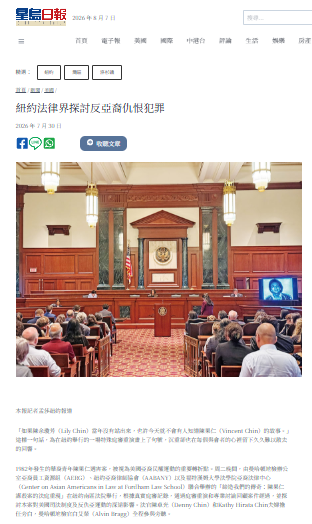
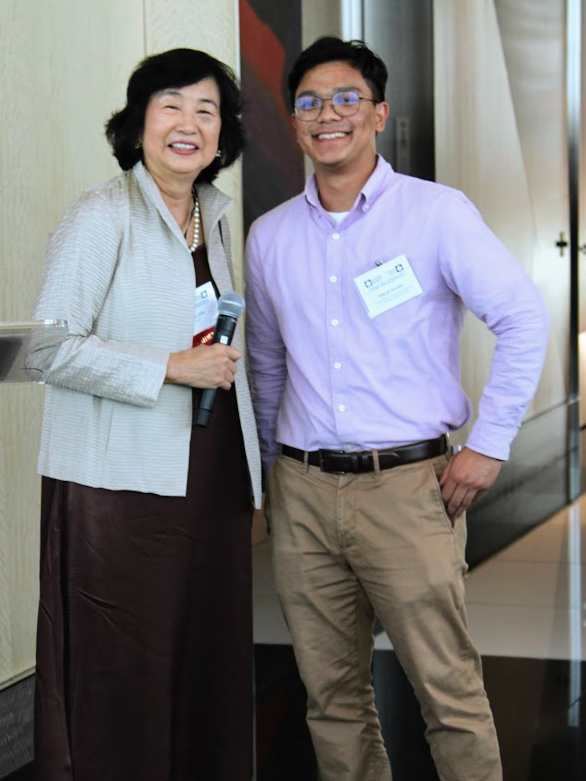
On Tuesday, July 28, 2026, the Asian Employee Resource Group of the Manhattan District Attorney’s Office, in partnership with AABANY and the Center on Asian Americans and the Law at Fordham Law School, hosted the trial reenactment, Building Our Legacy: The Murder of Vincent Chin, at the U.S. District Court for the Southern District of New York at 500 Pearl Street in Manhattan. The 1982 homicide of Vincent Chin, a young Chinese American, is considered a pivotal moment in the Asian American civil rights movement. This reenactment was covered by 星島日報 (Sing Tao Daily).
The article, published on July 30, 2026, covers the specifics of this case, including how racial tensions played an instrumental role in it. According to Sing Tao Daily, at the time of Vincent Chin’s murder, anti-Japanese sentiment was high due to intense economic anxiety from inflation and nationwide unemployment in industrial fields. This sentiment was especially acute in Detroit because of the city’s heavy reliance on the auto industry. The court testimony revealed that two white auto workers, Ronald Ebens and his stepson Michael Nitz, continuously verbally abused Chin, saying, “We lost our jobs because of you motherfuckers.” This verbal abuse ultimately ended in the chase and murder of Vincent Chin with a baseball bat.
The article described the post-reenactment discussion, which featured Hon. Denny Chin, United States Circuit Judge for the Second Circuit, and Kathy Hirata Chin, who both spoke about AABANY’s trial reenactments project. AABANY Executive Director Yang Chen spoke about the work of AABANY’s Anti-Asian Violence Task Force.
A relative of Vincent Chin, Annie Tan, also participated in the post-reenactment discussion. She was quoted by Sing Tao Daily, stating, “We cannot remain silent; instead, we must continue to tell Vincent Chin’s story and speak out bravely,” expressing the hope that—just as Lily Chin wished during her lifetime—no other mother would ever have to endure such suffering.
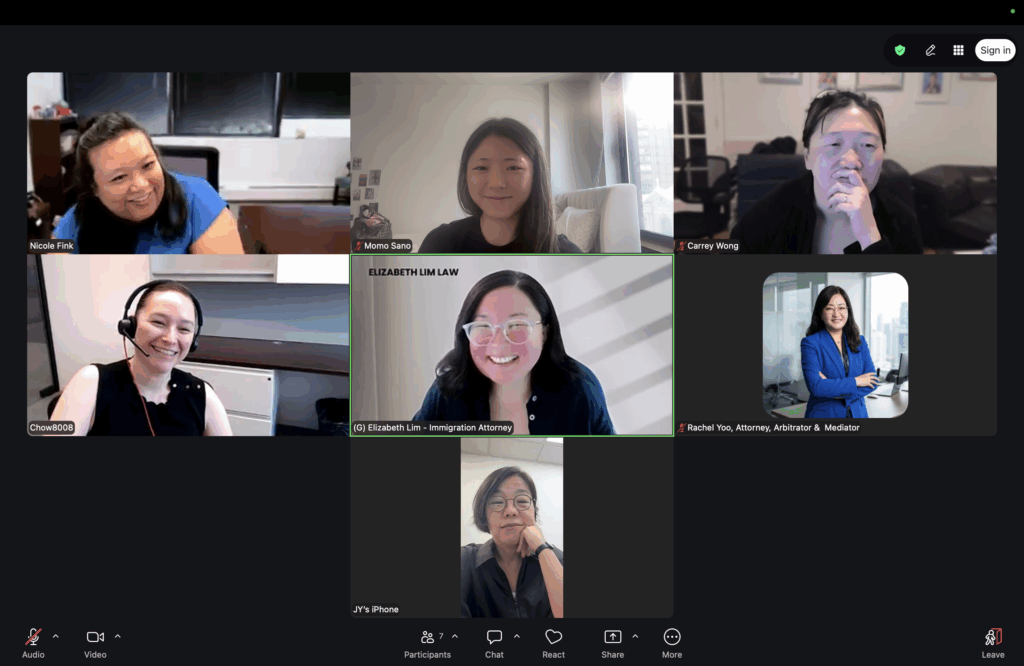
On July 31, 2026, the Immigration Law Committee of the Asian American Bar Association of New York (AABANY) held its second meeting of the fiscal year on Zoom. Nicole Fink, Chair of the Immigration Law Committee, took the opportunity to generate interest in future events, including the Committee’s upcoming educational programming, and opened the floor to new ideas from participants.
Welcoming old and new participants alike, the meeting opened with self-introductions and an overview of the Immigration Law Committee’s objectives. Next, the group turned to forthcoming programs. Nicole emphasized the webinar on August 27 in Temporary Protected Status (TPS), which will discuss how new laws will affect immigration processes and legal practice.
Another exciting event mentioned was the Committee’s program at the 2026 Fall Conference on Saturday, September 26, titled “Beyond Forms & Filings: How Tomorrow’s Immigration Attorneys Build Power Through Tech, Data, and Storytelling.” Nicole highlighted the program’s themes of AI in storytelling, data, and program management. She also introduced the panelists: Emily Ryo, a Duke Law School faculty member who uses data analysis in immigration courts; Joseph Lin, a staff member at the Asian American Legal Defense and Education Fund (AALDEF); and Rick Liu, a Director at Epiq Global for AI Solution Architecture. The program will offer 1.5 CLE credits in skills (pending approval).
Next, the attendees talked about a potential in-person CLE event in the fall. The group hopes to partner with local law schools and law student associations. The event will likely occur in September or October, including a panel and time for lively mingling and networking.
The meeting moved on to cover the Committee’s possible future wellness-themed event, including ideas for chair or spa massages for immigration attorneys. The Committee is currently seeking partnerships with individuals or organizations interested in sponsoring the event or who have connections to massage therapists. “It would be a good way to end the year,” said Lizabeth Chow, a meeting participant and business immigration practitioner at Ogletree Deakins.
Nicole concluded the meeting by opening the floor to receiving requests from the attendees for future projects. Committee members expressed their interest in more high-level informational discussions, including topics on I-751 Conditional Residency, in collaboration with family law or trusts & estates professionals; and also creating a forum for case strategy discussions. Nicole proposed sending a survey to gauge interest in this initiative. Nicole expressed openness to hearing these ideas and was gratified by everyone’s enthusiasm.
WASHINGTON – As we commemorate the 61st anniversary of the Voting Rights Act of 1965, the Asian Pacific American Lawyers Association of New Jersey (APALA-NJ), the South Asian Bar Association of New Jersey (SABA-NJ), and the National Asian Pacific American Bar Association (NAPABA) applaud the recent enactment of the John R. Lewis Voter Empowerment Act of New Jersey. As one of the most comprehensive state-level voting rights laws in the country, the Act strengthens and enhances language access rights for all New Jersey voters, which includes a large and growing Asian American, Native Hawaiian, and Pacific Islander (AANHPI) population.
As we collectively noted in our written testimony to the New Jersey Legislature, New Jersey is one of the most diverse states in the country, which is due in large part to the AANHPI communities in the state. AANHPIs—the fastest growing demographic group in the country—make up more than 11% of the state’s residents. New Jersey is home to the nation’s fourth largest Asian American population, accounting for an 83% share of the state’s overall growth over the past two decades.
Barriers to voting, however, persist for the Asian American population. Approximately one third of all Asian Americans in this country are limited English proficient, with over 100 distinct languages and dialects spoken amongst over 50 AANHPI ethnic groups.
The Act, which builds on the language access provisions of Section 203 of the Voting Rights Act, strengthens and enhances language rights for Asian American communities in New Jersey. It represents one of the strongest language access protections for voters in the country. At a time when the federal government has removed certain language access guarantees in the delivery of critical federal services, New Jersey’s choice to improve meaningful access to the ballot box for limited English proficient voters is a welcome action for the AANHPI communities that we serve.
We thank Governor Mikie Sherrill for signing the Act into law. We also thank the New Jersey Legislature for passing the legislation ahead of this year’s midterm elections along with all of the sponsors and champions of the law.
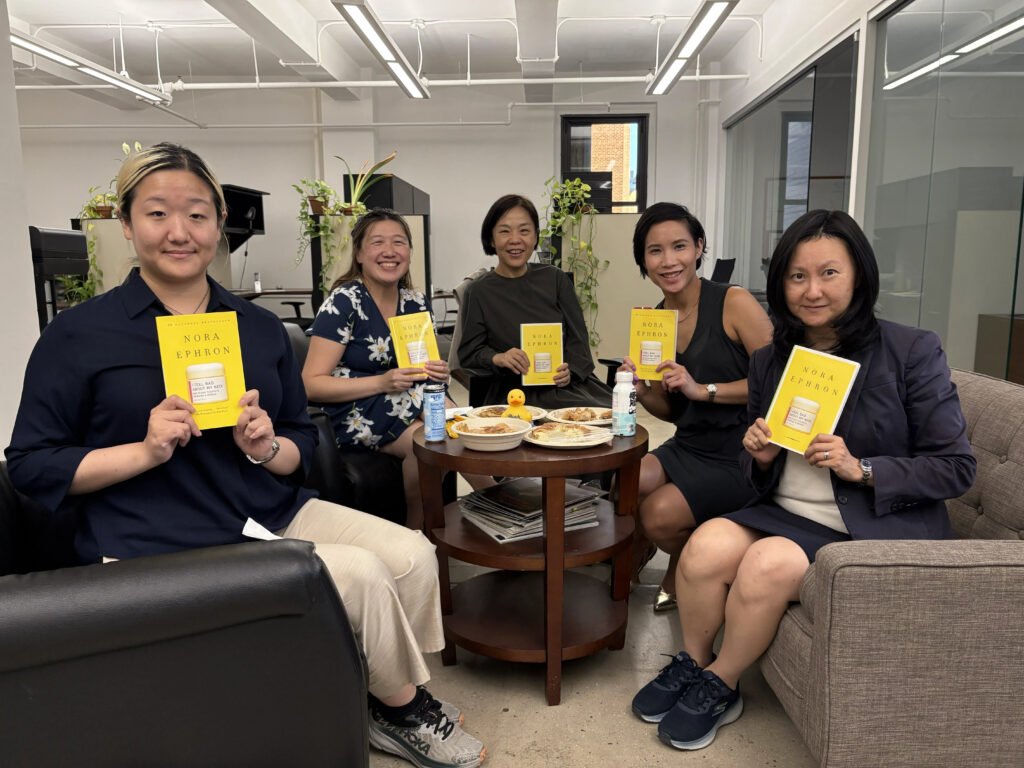
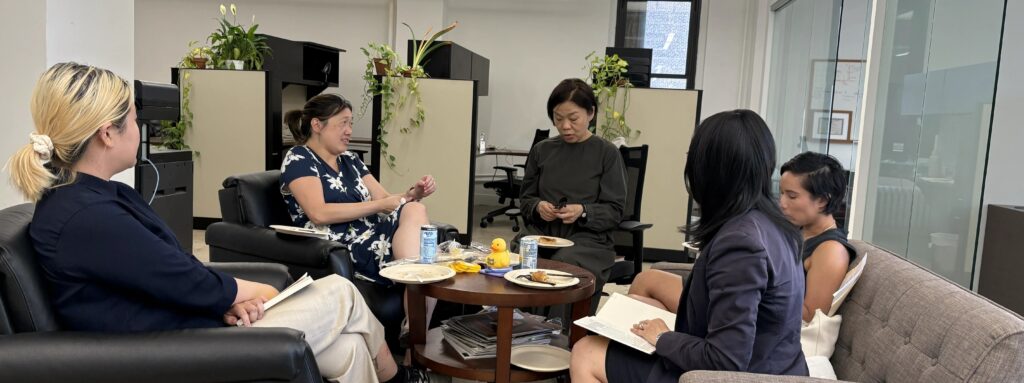
On August 4, 2026, a group of dedicated AABANY Book Club members gathered to share their insightful thoughts on this month’s book club selection. This month, the group decided to read Nora Ephron’s I Feel Bad About My Neck: And Other Thoughts on Being a Woman. This monthly book club meeting was hosted by AABANY Book Club organizers Yen-Yi Anderson and Yan Sin, and was held at the offices of Anderson and Associates Law, P.C.
The members discussed a plethora of topics relating to this book and its author: from how “New York” this book is, aging, career reflections, maintaining success while thriving through changes brought on by womanhood, to the Chinese dishes mentioned in the book. The members could relate to Ephron’s reflections on being a passionate city dweller and mother. They also shared their thoughts about the author’s many other notable and engaging works such as the movies Julie and Julia, Sleepless in Seattle, When Harry Met Sally, and You’ve Got Mail. As the attendees conversed and deliberated on their reviews, they enjoyed cabbage strudel, a dish mentioned in Ephron’s book.
I Feel Bad About My Neck: And Other Thoughts on Being a Woman brings candor, humor, and comfort to the dialogue of aging, reflection, and maintenance as a woman. Through this book, Ephron strips the shame from the inevitable process of aging. She encourages women to find beauty in more than their skin and physical appearance and to take pride in their growth as people. Ephron’s witty advice, thoughtful reflections, and fresh perspectives on getting older brings attention to the fact that women are so much more than their physical appearance. She urges the readers to instead focus on the daily joys and bittersweet moments life has to offer—to be present in life.
This book evoked a mix of serious, humorous, and insightful conversations from our Book Club members. This gathering reminded us that reading is a way to reflect, grow, and build a stronger community within AABANY. Whether you’re here for the books or for the engaging conversation, we would love to have you join us for our next Book Club meeting!
–Written by Constance Tu, Intern at Anderson & Associates
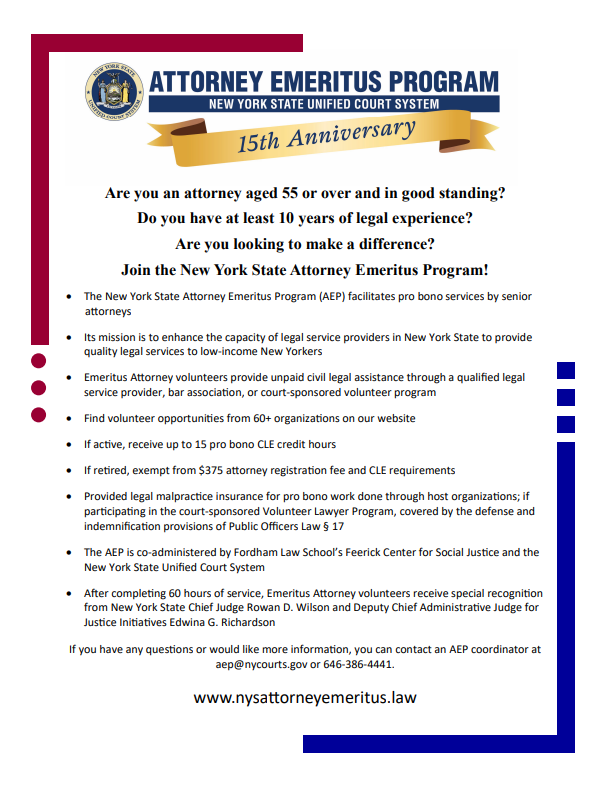
The New York State Attorney Emeritus Program (AEP) is an initiative by the New York State Unified Court System, enthusiastically supported by Chief Judge Rowan D. Wilson, that is aimed at promoting pro bono civil legal service by senior attorneys.
Despite New York’s significant commitment of resources to support civil legal services, a gap persists between the need for and availability of civil legal services across the state. AEP volunteer attorneys play a crucial role in providing access to justice for New Yorkers with low and moderate incomes who cannot afford counsel.
Any attorney aged 55 or older, whether retired or active, with at least 10 years of experience, who is in good standing can make a significant difference by enrolling as an Attorney Emeritus and signing up on the AEP website. Volunteers must commit to 60 hours of pro bono service over two years.
Emeritus volunteers who register as active can earn up to 15 CLE credits and receive special recognition from Chief Judge Wilson and Deputy Chief Administrative Judge for Justice Initiatives Edwina G. Richardson.
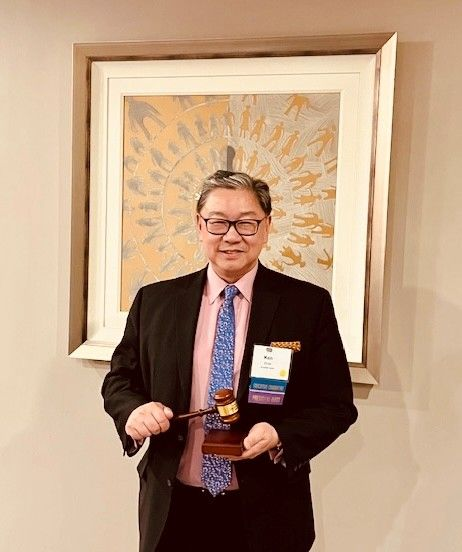
Kenneth Chin, Head of Banking and Finance, US, at Herbert Smith Freehills Kramer (HSFK) and a longtime active member of AABANY, has been elected President of the American College of Commercial Finance Lawyers (ACCFL). ACCFL is a distinguished organization dedicated to advancing the practice and ethical standards of commercial finance law. Prior to assuming the presidency, Ken served on the Executive Committee, as a Regent on the Board of Regents, and as Chair of the Nominating Committee. AABANY congratulates Ken on his election as President, effective April 2026.
Ken’s path to the presidency reflects years of thoughtful and sustained engagement with the organization. Service on the Board of Regents, a prerequisite for any officer position, along with his leadership of the Nominating Committee, gave Ken a deep familiarity with the ACCFL’s mission and membership. Though he was invited on multiple occasions to join the Executive Committee, Ken chose to accept only when he was confident he could devote the time and attention necessary to serve effectively in that capacity.
As President, one of Ken’s central priorities is strengthening the bonds among ACCFL’s Fellows. Fellowship is by invitation only, extended in recognition of demonstrated expertise in commercial finance law. In an era increasingly defined by digital communication, Ken holds firmly to the belief that in-person connection remains indispensable. To that end, the ACCFL convenes semi-annually alongside the American Bar Association’s Business Law Section and hosts Fellows briefing sessions at which members with specialized expertise share their knowledge with the broader Fellowship. Ken envisions these gatherings as a living resource network, enabling Fellows to draw on one another’s depth of knowledge beyond the boundaries of their own specific practice areas.
Ken speaks from personal experience about the tangible value of the ACCFL network. He recounted an instance in which a Fellow, technically out of the office, returned his call within ten minutes to offer guidance on an out-of-state legal matter, a response Ken attributes directly to the strength of their personal connection. “It is the ability to not only be an expert in the area of law, but also to draw on other experts who may have more in-depth knowledge about particular subjects that you do not have,” Ken explained. This philosophy runs throughout his professional approach: Ken consistently prioritizes cultivating genuine personal relationships over institutional ones, recognizing that a trusted colleague, wherever their career may take them, represents an invaluable and enduring resource.
That same emphasis on human expertise, Ken observes, is being tested by the rapid rise of artificial intelligence in the legal field. Ken acknowledges that AI has meaningfully accelerated legal practice, reducing the need for lawyers to conduct manual research or rely on colleagues for preliminary answers. At the same time, he underscores the importance of human oversight, noting that while AI is advancing at an unprecedented pace, it remains susceptible to error. Ken draws a historical parallel to the transformation of the legal workplace that accompanied the widespread adoption of word processing software: just as attorneys began drafting their own documents directly, reducing reliance on secretarial staff, the integration of AI is likely to reshape legal support roles in similarly significant ways. Rather than viewing this shift with apprehension, Ken urges the next generation of lawyers to develop fluency in AI tools while remaining clear-eyed about AI’s fundamental limitations and its inability to fully replicate the judgment and responsibility of an experienced attorney.
Expanding the ACCFL’s membership is another of Ken’s key priorities as President. He was moved by concerns raised by former ACCFL President Sylvia Chin (also a past AABANY President) during her 2017–2018 tenure regarding declining membership and participation. Ken has since worked to bring about a meaningful shift in how the organization identifies and admits new Fellows. Looking beyond the traditional concentration of Fellows in the financial centers of New York, Los Angeles, and Chicago, Ken has championed geographic diversification to ensure that the network reflects the full breadth of commercial finance practice across the country. Because clients frequently have legal needs spanning multiple jurisdictions, Fellows with local expertise are essential to making the ACCFL’s membership genuinely comprehensive. The results have already been significant: this past year, the ACCFL welcomed 18 new Fellows. This is the largest incoming class in the organization’s history, a milestone attributable in no small part to Ken’s commitment to expanding the ACCFL’s reach. Whether reflecting on the culture he has helped shape or looking ahead to the membership he aims to expand, Ken’s tenure as President embodies a steadfast conviction that the ACCFL’s greatest strength lies in its Fellows.
Please join AABANY in congratulating Kenneth Chin on his election as President of the American College of Commercial Finance Lawyers.
Stop AAPI Hate Action’s AAPI House Calls is a nationwide phonebanking effort that aims to reach AAPI voters in 12 competitive congressional districts where their votes could make a real difference this November. Volunteers set their own schedule, receive training, and use an easy-to-learn calling platform to have meaningful conversations with voters. As of this coming Tuesday, August 4, America is just 13 weeks from Election Day. If you’ve been looking for a concrete way to make a difference, consider joining and volunteering for a shift.
New Yorkers can participate to help reach voters in out-of-state districts where strong AAPI civil engagement does not exists, and where AAPI voters can still be decisive.
Consider joining an upcoming phonebank session. To learn more about AAPI House Calls, click here. To see their upcoming phonebank session calendar, click here.
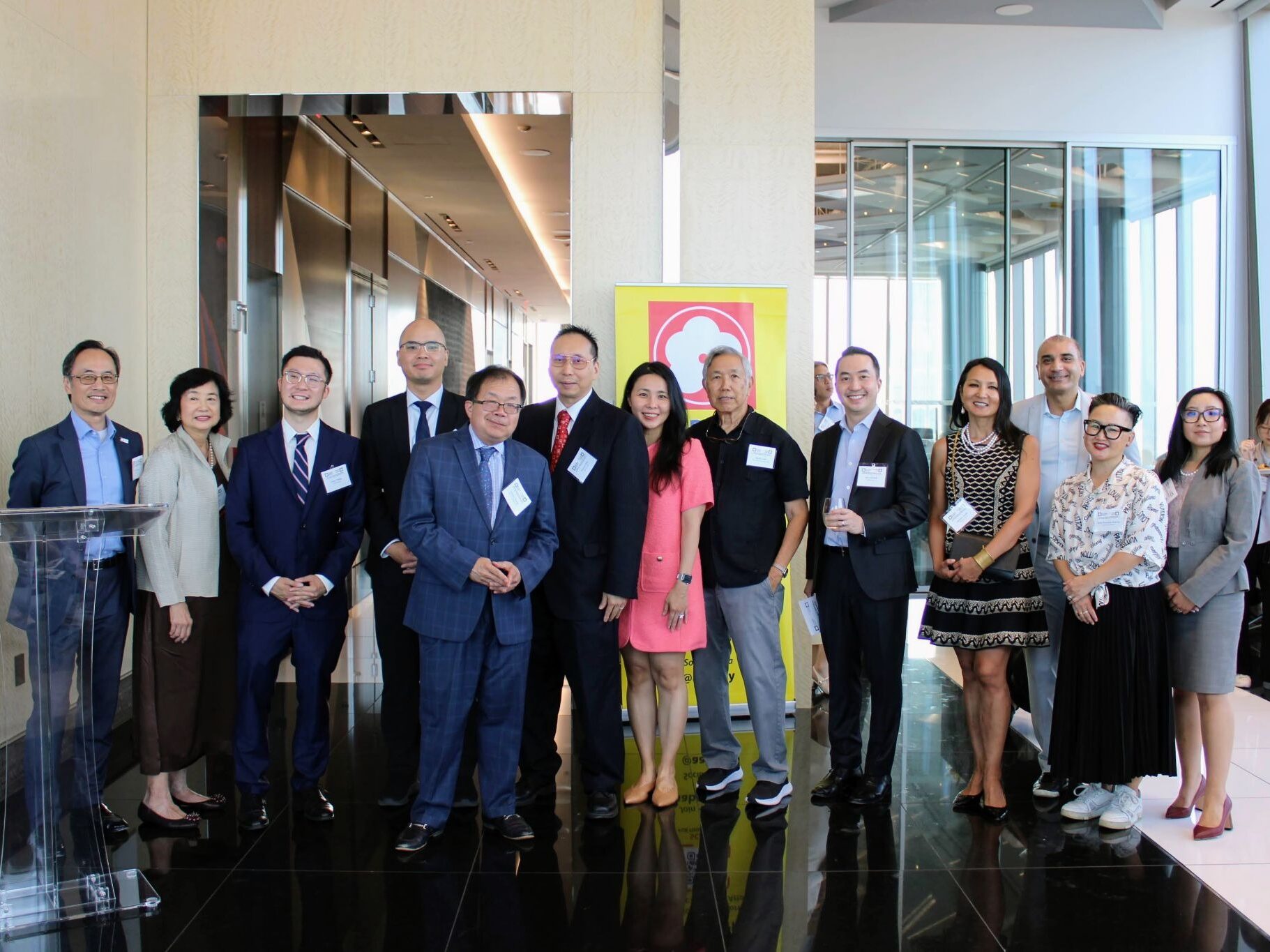
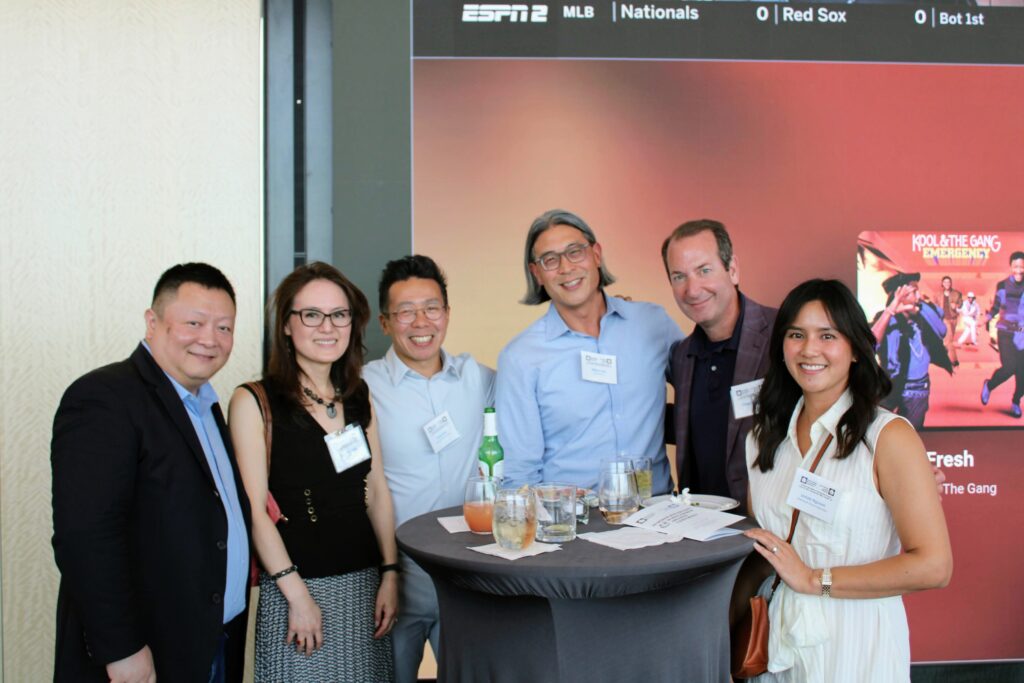
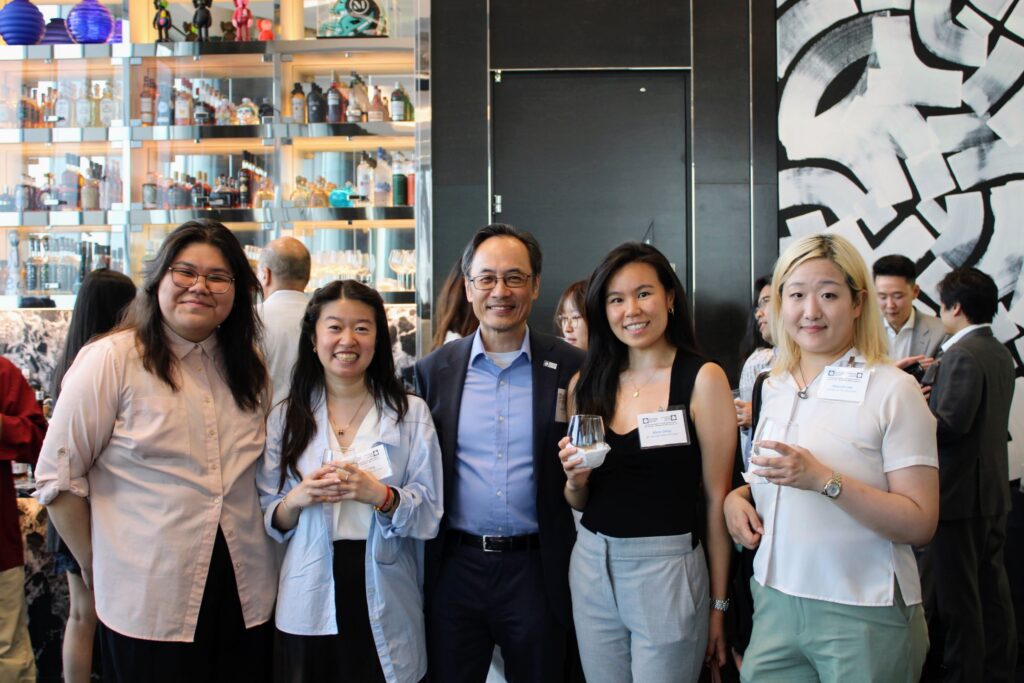
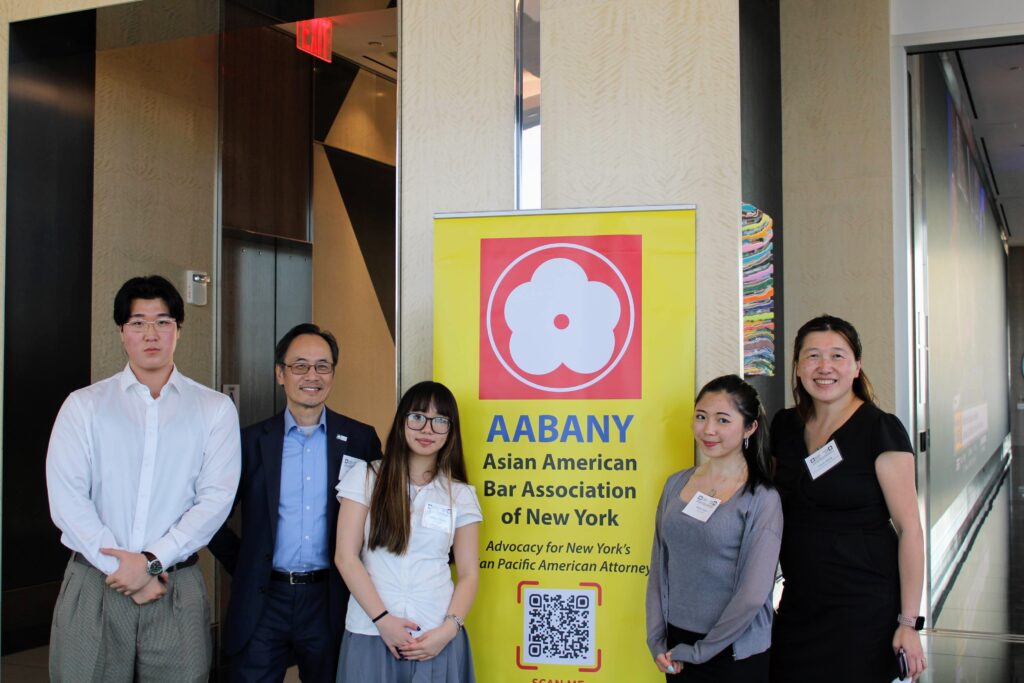
On Tuesday, June 30, 2026, the Asian American Bar Association of New York (AABANY) and the Asian American Law Fund of New York (AALFNY) held the Annual Summer Reception. The event celebrated the recipients of the 2026 AALFNY Public Interest Scholarship. Each year, AALFNY grants Public Interest Scholarships to law students who have demonstrated a strong commitment to the Asian American community. Since 1997, AALFNY has awarded over 60 scholarships, supporting law students and encouraging them to apply their legal education to benefit the Asian American community and to foster commitment by law students to public service. The Reception took place at McDermott Will & Schulte in their Midtown Manhattan office.
Upon arrival, attendees enjoyed a variety of hor d’oeuvres and drinks, mingling until the Reception officially started. The program began with Sylvia Chin, AALFNY President and Partner Of Counsel at White & Case LLP, delivering welcome remarks to all attendees and formally introducing AALFNY directors to the attendees. Additionally, Sylvia read NAPABA’s statement issued earlier that day about the Supreme Court decision on birthright citizenship. Sylvia then asked AABANY Executive Director Yang Chen to introduce the AABANY Board members in attendance.
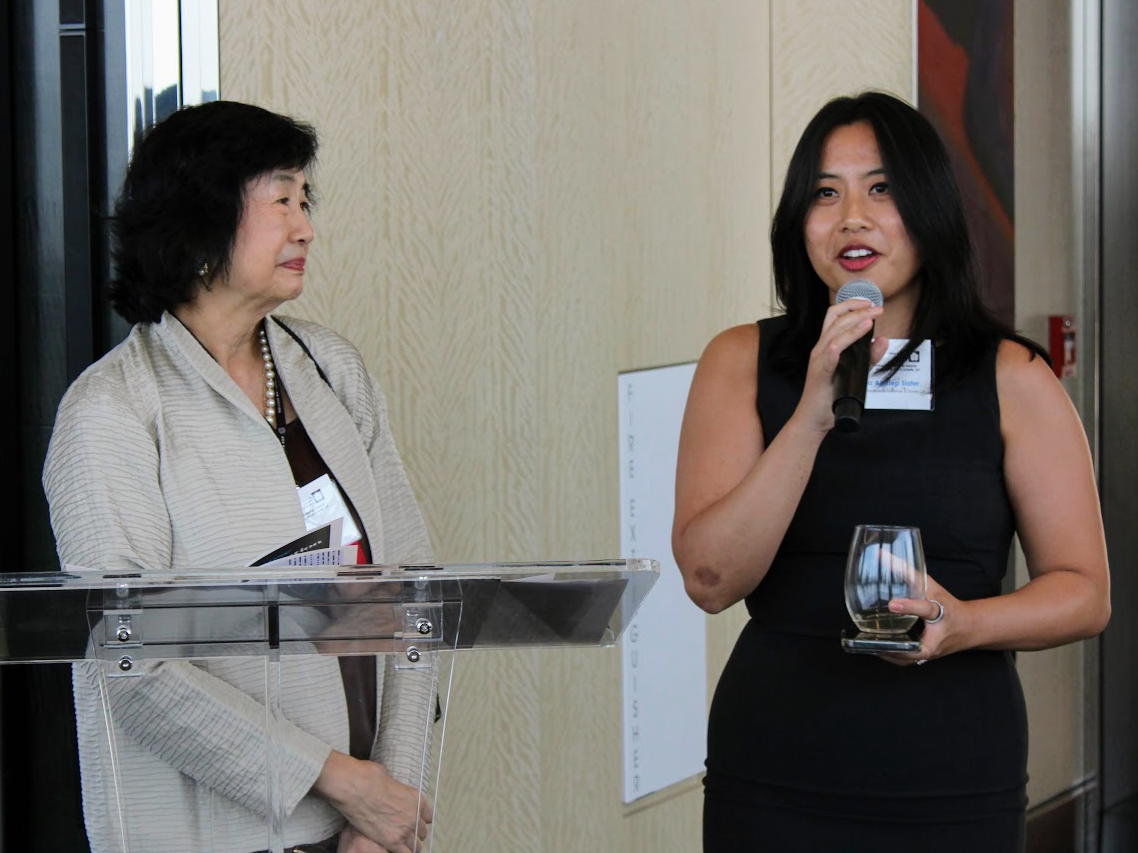
The program concluded with remarks from Jenna Agatep Slater, a current Labor & Employment Associate at Wilson Elser and Immediate Past President of the Filipino American Lawyers Association of New York (FALA New York), who was a past recipient of the Public Interest Scholarship. Jenna shared her personal journey to becoming a lawyer, as well as the impact of the scholarship on her life.
Later, after the Reception was over, each recipient was interviewed to discuss their personal backgrounds, their discovery of the scholarship opportunity, and their current activities. They were also asked to provide reflections on the award, share their future professional goals and offer words of advice for aspiring law students.
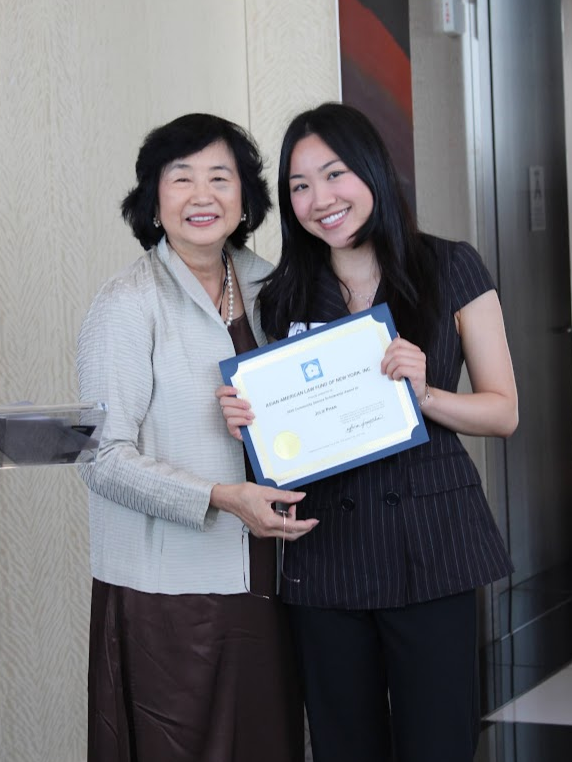
Julie Phan:
Growing up in a refugee community, Julie saw how daunting it was to navigate a complex legal system without support. Witnessing her family and friends struggling to bridge that gap deeply inspired Julie’s journey in pursuing immigration law and public service. Today, that goal is not only powered by an incredible village of family, friends, and mentors back home, but also the clients she meets through the programs she has been involved in while attending law school.
With this scholarship, Julie plans to serve the immigrant community and practice cultural humility within those spaces. She currently volunteers at a variety of legal clinics, focusing on forming true connections with clients in a direct services capacity. In the future, she hopes to apply to a legal fellowship to work with an organization dedicated to advancing immigrant rights.
“I want to thank AALFNY for this incredible opportunity,” Julie stated. “Scholarships like these help alleviate financial barriers that many law students encounter when deciding to pursue a career in public interest law and encourage us to pursue our passions. I also want to thank my amazing mentors and friends from Asian Americans Advancing Justice SoCal for sending me this scholarship opportunity. I am so grateful for their friendship and support.”
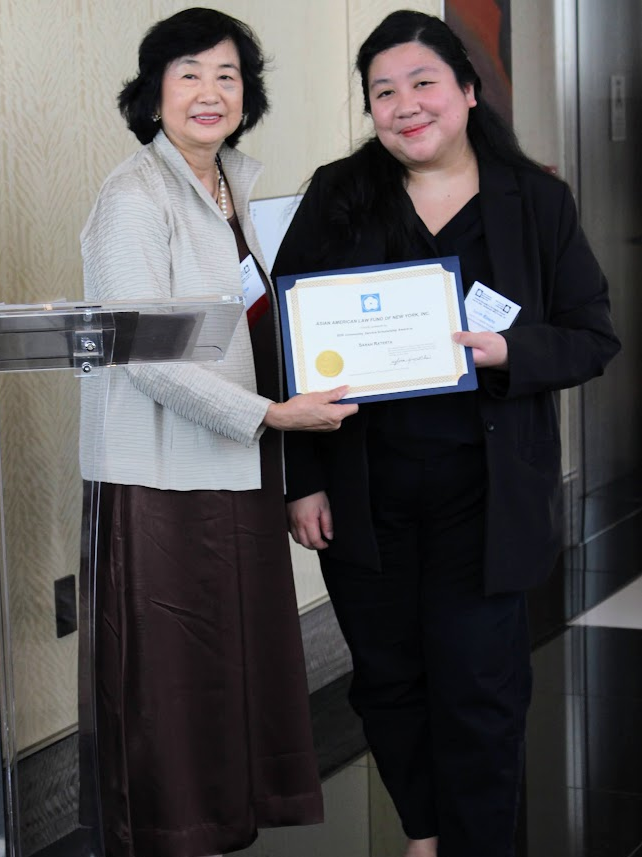
Sarah Raterta:
Sarah Raterta was introduced to an internship at the Migrant Center of the Church of St. Francis of Assisi in Manhattan by Father Julian Jagudilla, a Filipino friar, in 2017. This internship allowed her to work directly with clients and see firsthand the true impact of her efforts, securing green cards, legal status, and citizenship, thus inspiring her to pursue a legal career in immigration advocacy.
With this scholarship, Sarah wants to give back to her community by making immigration processes more accessible. Currently interning with the National Immigration Project (NIP), she focuses on high-impact legal work, including recent projects in which she researches attorneys’ fees through the Equal Access to Justice Act, tracks pending habeas petitions in circuit courts, and more. In the future, Sarah wants to help indigent immigrants and the broader community, working with nonprofit organizations or pro bono immigration services.
Sarah stated, “I hope to become the kind of advocate who helps people feel like they never have to walk alone.”
Mikail Husain:
Mikail Husain works as a researcher in the labor movement, hearing workers’ stories about enduring difficult—and often dangerous—working conditions. This deeply angered him but also sparked a strong desire to acquire better tools to advocate for workers’ rights. Additionally, working alongside brilliant, dedicated attorneys further fueled this ambition, showing him firsthand that a career in law is a powerful way to fight for what he believes in.
With this scholarship, Mikail hopes to give back to his community by ensuring workers’ rights are both known and respected. Currently interning with the New York State Office of the Attorney General’s Labor Bureau, he assists with the Bureau’s legal battles to obtain justice for workers.
“I would recommend that aspiring lawyers not be afraid of reaching out to lawyers, law students or any other potential mentors with questions or for advice about pursuing a legal career,” Mikail suggested. “Speaking to my law school’s career planning advisor is how I found out about this in the first place!”
Thank you to everyone who attended the Summer Reception at McDermott Will & Schulte to celebrate the 2026 recipients of AALFNY Public Interest Scholarship. To see the full photo album, featuring photos taken by AABANY Legal Intern Clive Chong, click here.
Thank you to McDermott Will & Schulte for generously providing the space for this event.
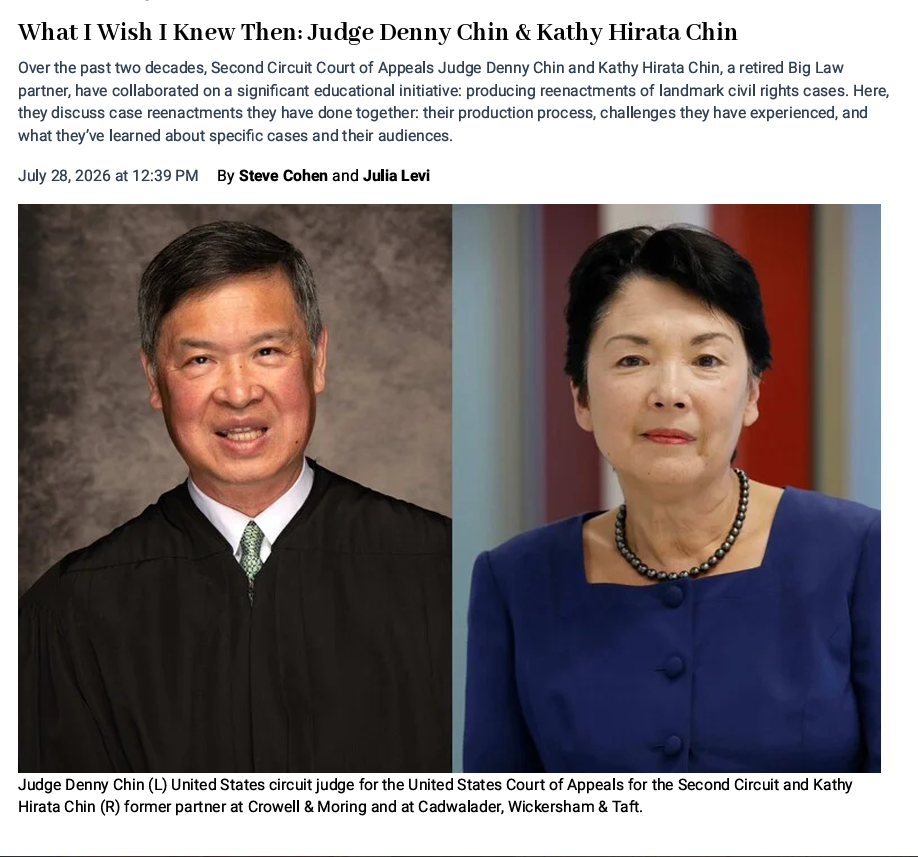
Second Circuit Court of Appeals Judge Denny Chin and Kathy Hirata Chin, a retired Big Law partner, were recently interviewed by Steve Cohen and Julia Levi for the New York Law Journal. The married couple, who are both members of the Asian American Bar Association of New York (AABANY), have spent the last two decades creating reenactments of monumental civil rights cases. Creating scripts is the result of collaborative work with attorneys and judges at AABANY.
In the article, published on July 28, Judge Chin and Kathy Chin discussed how reenactment scripts are created based on available trial transcripts, but difficulties often arise when they do not exist or are incomplete. Newspaper articles, depositions, letters, briefs, and court opinions are often combined with narration to create a comprehensive reenactment.
Additionally, reenactments have drawn interest more frequently in light of current events. For example, the Chins have performed their reenactment of the Vincent Chin trial more than 30 times over the past decade, but demand for the script increased during the rise in anti-Asian violence amid the COVID-19 pandemic. Similarly, intervening events and changes to precedent necessitated updates to the scripts. For example, in the Korematsu v. United States reenactment, the ending was changed after the Trump v. Hawaii decision announced the overturning of Korematsu.
While the reenactments are popular continuing legal education programs, they have also been performed in law schools, colleges, and even high schools. Students may be unable to understand the intricacies of particular laws but are able to grasp the compelling stories and impact of these historic cases. Judge Chin’s goal in performing these reenactments for younger audiences is “to make the reenactments accessible without watering them down.”
The interview ended with advice from both interviewees. “My biggest piece of advice I would impart to law clerks is to think big picture,” Judge Chin said. Kathy Hirata Chin’s advice was directed to attorneys just starting out. She emphasized the importance of building a network early on, with fellow attorneys and with clients. “Above all, try to learn to look around corners and figure out what next steps would be of most value to the client and the team,” she said.
Click here to read the full article (subscription required).
On July 23, 2026, five New York-based Asian American, Native Hawaiian or Pacific Islander (AANHPI) bar associations released a joint statement calling for Gov. Kathy Hochul to appoint the first AANHPI jurist to the state’s highest court following the expiration of New York Court of Appeals Senior Associate Judge Jenny Rivera’s term on February 10, 2027. The release was covered by TheNew York Law Journal.
The statement was issued by the Asian American Bar Association of New York (AABANY), the Filipino American Lawyers Association of New York (FALA New York), the Korean American Lawyers Association of Greater New York (KALAGNY), the South Asian Bar Association of New York (SABANY), and the South Asian Indo-Caribbean Bar Association of Queens (SAICBA-Q).
The organizations noted that no AANHPI jurist has served on the Court of Appeals in its nearly 180-year history, despite New York being home to more than 2 million AANHPI residents.
“Appointing an AANHPI judge is both timely and long overdue,” the organizations declared.
Brian Lee, writing for the NYLJ, noted that: “The most recent Asian-American candidate to reach the final stages of the Court of Appeals selection process was former Appellate Division, First Department Justice Jeffrey Oing” on the 2022 shortlist for Chief Judge.
“We urge Gov. Hochul to seize the opportunity and make a historic appointment of the first AANHPI judge to serve on the Court of Appeals,” the groups stated.
Click to view the full article here (subscription required).