
Join the AABANY LRIS Panel for the 2026–2027 Term

The AABANY Legal Referral and Information Service (LRIS) invites both current panelists and interested practitioners to participate in our referral network for the 2026–2027 term. AABANY’s LRIS is an ABA-recognized program that serves as a trusted bridge connecting the public with experienced and qualified legal professionals. While our mission has a particular focus on serving the Asian American and Pacific Islander (AAPI) community, our referral services are available to the public at large, generating a broad and diverse range of client inquiries across numerous practice areas.

We welcome qualified attorneys from all practice concentrations to join — or continue their tenure on — our distinguished panel of practitioners.

Panel Benefits & Operations

  • Pre-Screened Referrals: Our dedicated Intake Coordinator carefully screens and pre-qualifies all incoming client inquiries before they are referred to panel members. By assessing the nature, viability, and technical aspects of each matter in advance, we help ensure that referrals directed to your office align closely with your practice areas and experience. This process minimizes time spent reviewing weak or unsuitable leads and significantly reduces your firm’s administrative intake burden.
  • Expanded Client Base & Marketing Support: The LRIS consistently receives daily inquiries from throughout the New York metropolitan area, across the United States, and internationally. Participation allows your firm to benefit from AABANY’s longstanding reputation, expansive professional network, and established public visibility. In addition to ongoing local media outreach, search engine optimization, and referrals from courts, government agencies, and elected officials, LRIS will soon launch a comprehensive cross-platform marketing initiative directed toward New York City Council offices, mayoral offices, state legislators, congressional representatives, community organizations, and other public-facing institutions to further increase referral volume and public awareness of the program. Joining the LRIS panel offers a cost-effective and sustainable way to expand your client base without materially increasing your firm’s marketing budget.
  • Meaningful Community Service & Professional Impact: Participation in LRIS also provides an important opportunity to deliver meaningful legal assistance to individuals and families who may otherwise face barriers to accessing quality legal representation. Many callers seek guidance navigating unfamiliar legal systems, language obstacles, or urgent legal issues without knowing where to begin. By serving on the panel, you contribute directly to improving access to justice while strengthening ties within the broader community.
  • Professional Credibility & Network Visibility: As part of an ABA-recognized legal referral service administered by AABANY, panel membership also enhances your professional visibility within one of the nation’s largest and most active affinity bar associations. Panel attorneys benefit from increased exposure to prospective clients, fellow practitioners, judges, public officials, and community stakeholders.

Annual Panel Fee: $250

To renew your participation or submit a new application, please complete the LRIS Panel Application.

If you have any questions, would like to verify your current panel status, or would like additional information about the program, please feel free to contact us at main@aabany.org.

Now Accepting Applications: 2026 SAIL Scholarship & Judicial Council Internships

Two Opportunities to Support Your Journey to a Legal Career

2026 SAIL Scholarship
Deadline to Apply: June 30, 2026

The NAPABA Law Foundation is now accepting applications for the distinguished SAIL Scholarship Program—a rare, career-shaping opportunity created to uplift and empower the next generation of leaders in the legal profession.

The SAIL Scholarship offers far more than financial support. Selected scholars receive:
– $7,500 in funding (distributed evenly across their 2L and 3L years)
– One-on-one mentorship from seasoned legal professionals
– Exclusive access to executive-level networking and leadership opportunities

Who Should Apply?

  • Current 1L students (rising 2Ls in Fall 2026) who demonstrate:
  • Strong academic achievement (undergraduate and 1L performance)
  • Leadership potential and a commitment to “paying it forward”
  • Volunteer or public service experience
  • Knowledge of or dedication to advancing AAPI communities

This program provides sustained support throughout law school — financially, professionally, and personally — helping recipients build a foundation for a career rooted in leadership, service, and impact.

If you know an exceptional first-year law student, please encourage them to apply.

Students: Be sure to review the SAIL Scholarship FAQ to confirm eligibility and expectations before submitting your materials.

Let the SAIL Scholarship help launch your path toward meaningful change in the legal field. To apply, click this link.

2026 NAPABA Judicial Council Summer Internships
Deadline to Apply: January 15, 2026

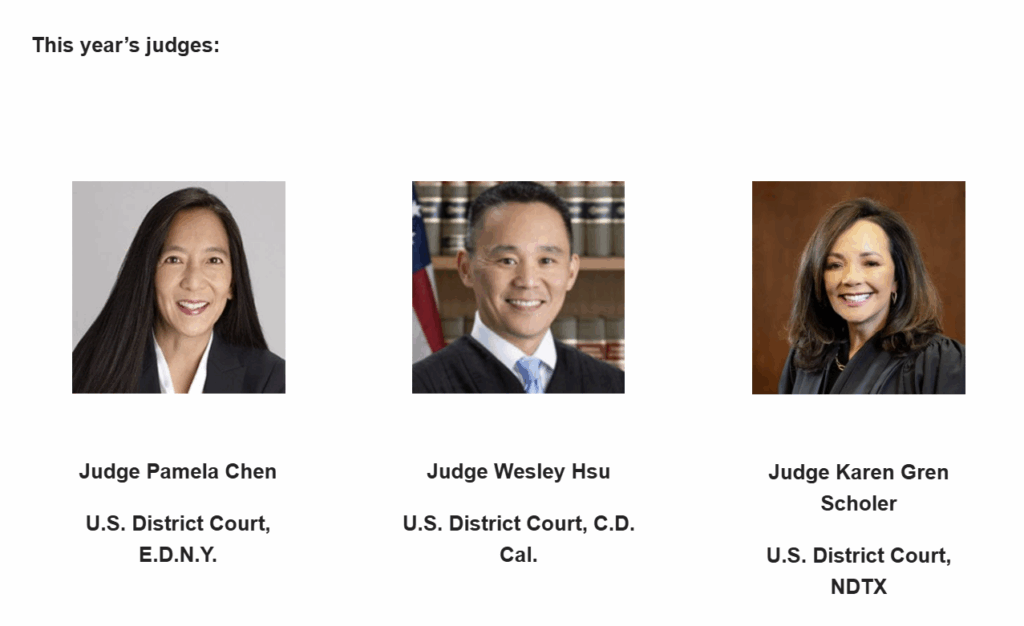
We are pleased to announce that the NAPABA Judicial Council is offering three prestigious summer internship opportunities with distinguished federal judges for Summer 2026. Each selected intern will also receive a $1,500 scholarship stipend to support their experience.

These internships provide invaluable exposure to federal judicial work, insights into the court system, and the opportunity to learn directly from leaders in the judiciary. Each full-time internship will last approximately 4-10 weeks, with dates and times to be arranged between each intern and judge.

To view application requirements, click here.

2025-26 NAPABA Elections | Officer Elections Results

2025-26 NAPABA Elections

Officer Elections Results

NAPABA is committed to having a governing board that reflects the breadth of the AANHPI legal community and brings together the right blend of skills, expertise, and community connections. We value a culture that welcomes a wide range of perspectives and empowers leaders to engage with each other and the community in meaningful ways—building trust, increasing transparency, and maximizing impact.

The NAPABA membership elected the following individuals to serve on the 2025-26 NAPABA Board of Governors. Join us in welcoming these leaders.

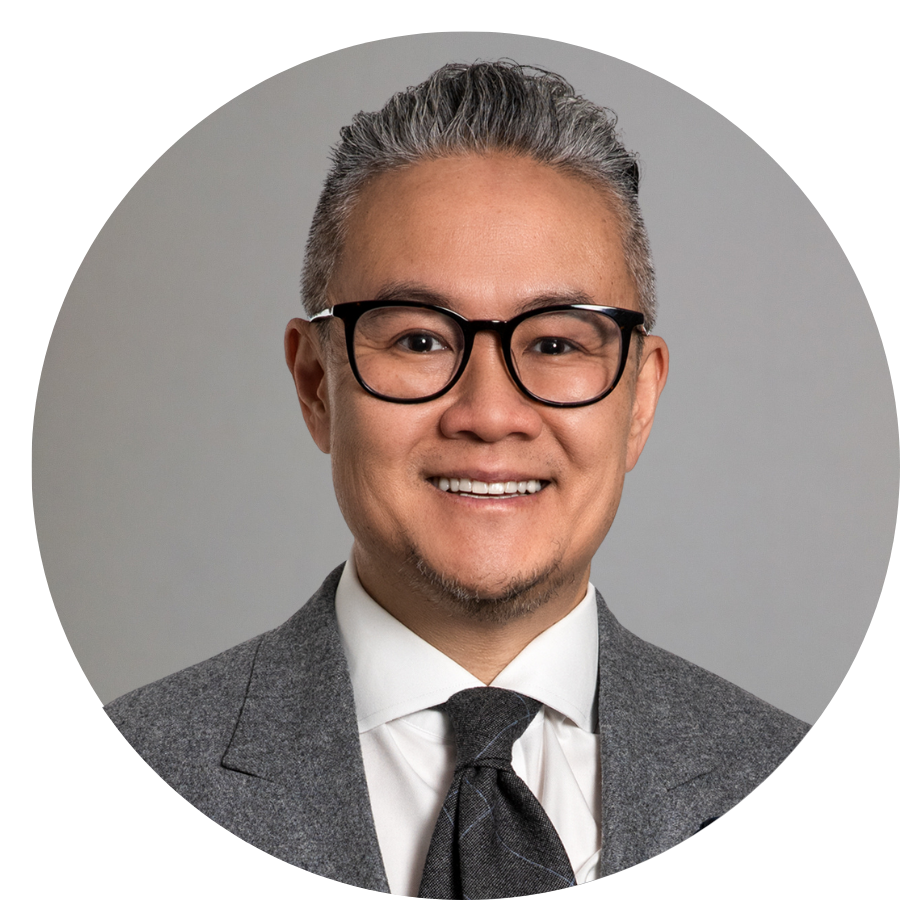
Jason DeJonker
President-Elect
Annette Kwok
Secretary
Arlene Yang
Treasurer

AABANY Releases Report on Anti-Asian Hate Amid COVID-19

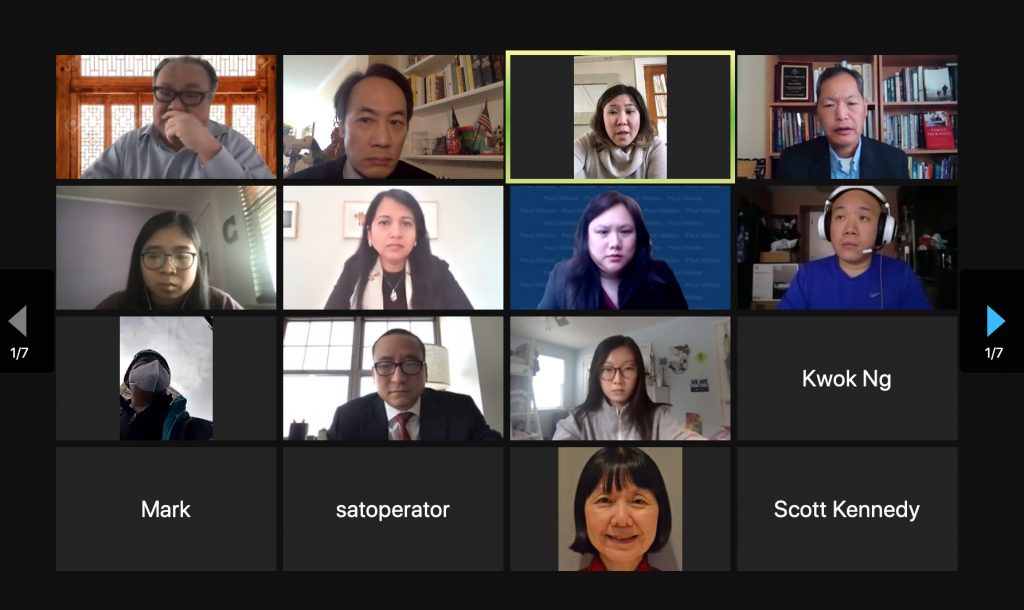
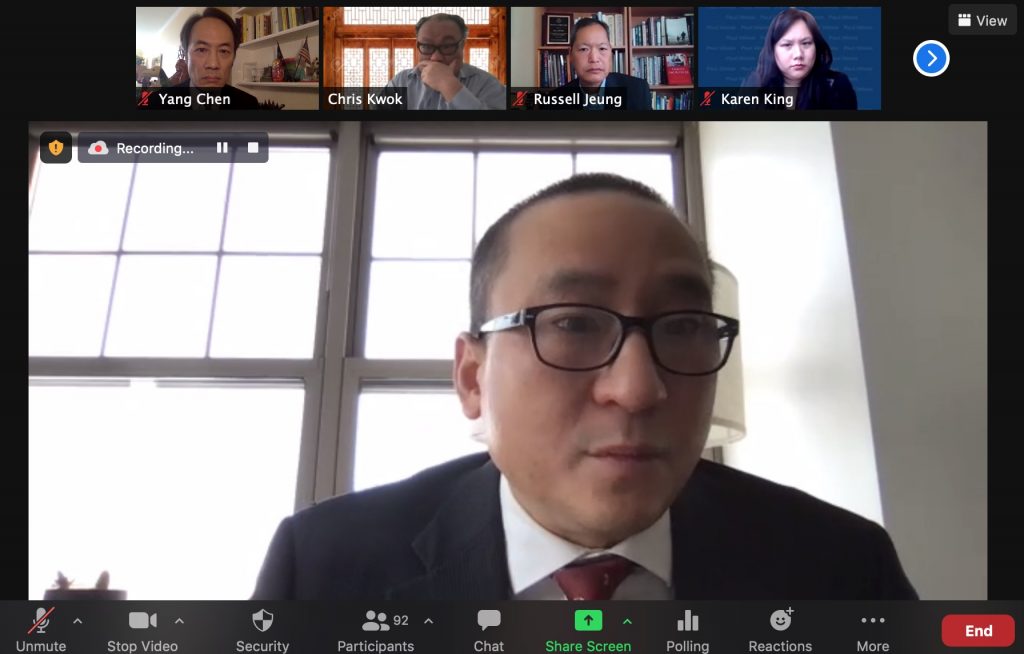
An eight-fold increase in reported hate crimes against Asians, racist rhetoric such as “the Chinese virus,” and insufficient media coverage of anti-Asian violence — these were among the timely issues discussed at a press conference hosted by the Asian American Bar Association of New York (AABANY) on February 11. The press conference centered around AABANY and Paul, Weiss’ co-authored report: A Rising Tide of Hate and Violence against Asian Americans in New York During COVID-19: Impact, Causes, Solutions. Speakers of note included:

  • Chris Kwok, Board Director, Issues Committee Chair
  • Karen King, Vice Chair, Pro Bono & Community Service Committee; Counsel, Paul, Weiss
  • U.S. Rep., Grace Meng (D-NY)
  • Prof. Russell Jeung, Stop AAPI Hate
  • President Frank Wu, Queens College, CUNY
AABANY President Sapna Palla and Executive Director Yang Chen were joined by executive editors of the report Chris Kwok and Karen King, professors Russell Jeung and Frank Wu, and Congresswoman Grace Meng.

The report’s primary finding is that anti-Asian hate and violence surged in 2020. Between March and September of that year, the number of reported anti-Asian hate incidents related to COVID-19 exceeded 2,500. 

At the press conference, Rep. Meng kickstarted the discussion of this grim reality by situating it against a backdrop of long-standing intolerance toward the AAPI community, which motivated the Chinese Exclusion Act of 1882 and the internment of Japanese Americans during World War II. Meng condemned some of the nation’s top government officials and social institutions for fanning the flames of this deep-rooted racism. As noted in the report, the xenophobic rhetoric of elected officials, paired with misinformation spread by the media, normalizes and fuels disease-based stigma against Asians. The subsequent uptick in violence against Asian communities motivated Meng to propose and help pass House Resolution 908 in 2020 denouncing all forms of anti-Asian sentiment. While Meng described the bill as largely symbolic, it has since been incorporated into President Biden’s presidential memorandum, which includes concrete measures to disseminate COVID-19 resources in different languages and improve the collection of data on hate crimes. Meng’s fight to amplify voices within the AAPI community thus lights the path forward. “We’ve taken a positive step — an initial step — but we must continue to speak out whenever and wherever anti-Asian sentiment rises,” said Meng. 

A similar desire to spotlight the plight of AAPIs motivated Chris Kwok to serve as an executive editor for the report on anti-Asian violence. Since the onset of the pandemic, Kwok noted at the conference, there has not been a single prosecution or civil resolution for any incident of anti-Asian bias. A key purpose of the report is thus to show that Asian invisibility in the political and legal space has real-life consequences. Moving forward, Kwok hopes to inspire a constructive dialogue among Asians and other Americans alike. To that end, the report highlights seven initiatives that will help policyholders at all levels keep communities safe and hold perpetrators of violence accountable. These initiatives range from broad prescriptions, such as public education campaigns and collaboration among minority groups, to specific remedies, such as clear reporting mechanisms for victims and the more consistent prosecution of hate crimes. 

Professor Russell Jeung continued the discussion of possible solutions to anti-Asian hate incidents while echoing his concern about the divisive effects of COVID-19. Drawing from data he helped collect for Stop AAPI Hate, Jeung said that among United States cities, New York City reported the second-highest number of hate incidents in the past year. Assessing the range of anti-Asian hate incidents reported to Stop AAPI Hate, the report notes a concerning number of incidents involving verbal harassment, physical assault, and being coughed and spat on. Worse still, the youth and the elderly are the most common victims of racist attacks and consequent racial trauma. Among its federal recommendations to address this issue, Stop AAPI Hate proposes to expand civil rights protections for AAPIs experiencing discrimination, end the racial profiling of Chinese researchers, and mobilize a federal interagency response to anti-Asian hate amid the pandemic. As Jeung is quick to emphasize, this fight for the civil rights of Asian Americans is a fight to expand protections for all Americans. “Please stand up, speak out, build bridges, and together we can make good on the promise of a diverse democracy,” said Jeung.

In promoting the proposals of Stop AAPI Hate and the report, for which he wrote the foreword, Queens College President Frank Wu highlighted the importance of building multi-racial coalitions. Wu identified Black, Latinx, and other underrepresented communities as allies to the AAPI community. As emphasized in the report, stronger collaboration among such minority groups is especially critical in communities like New York City, whose diversity heightens the danger that hate incidents exacerbate racial politics. “It would be a mistake of principle and pragmatism to point the finger at another group and suggest that others are guilty by association,” said Wu. Instead, we must look to universal values and American ideals as forces for national unity. As Wu writes in the foreword to the report, “To be Asian American is to be American, to express confidence enough in an experiment of self-governance to participate wholeheartedly.”

President Frank Wu, Queens College, CUNY, wrote the foreword of the report.

Rep. Meng concluded the press conference by calling on all Americans, especially those raised in the United States, to identify and combat racism when it occurs within their own circles. Meng stated that too often, stories of victims from the AAPI community are left out of mainstream media and the public consciousness. Along with implementing the aforementioned policy recommendations, therefore, Meng emphasized the need for racial solidarity. Only then can Americans progress toward the shared goal of dismantling systemic racism in this country and advancing justice for all. 

ASIAN AMERICAN BAR ASSOCIATION OF NEW YORK ANNOUNCES RELEASE OF REPORT ON RISE OF ANTI-ASIAN VIOLENCE IN NEW YORK DURING COVID-19

NEW YORK – February 10, 2021 – The Asian American Bar Association of New York (AABANY) is proud to announce the release of its report co-authored with Paul, Weiss, ​A Rising Tide of Hate and Violence against Asian Americans in New York During COVID-19: Impact, Causes, Solutions​. Executive editors of the report were Chris Kwok, AABANY Board Director and Issues Committee Chair, and Karen King, Vice Chair of AABANY’s Pro Bono and Community Service Committee and Counsel at Paul, Weiss. The report is dedicated to Corky Lee, who passed away on January 27, 2021 due to COVID-19. Corky was a revered photographer in the Asian American community who had been documenting the effort to combat anti-Asian violence and harassment in the wake of COVID-19. Read more here.

To read A Rising Tide of Hate and Violence against Asian Americans in New York During COVID-19: Impact, Causes, Solutions, click here.

//static.googleusercontent.com/external_content/picasaweb.googleusercontent.com/slideshow.swf

The 2013 NAPABA Northeast Regional/AABANY Fall Conference took place on Saturday, September 21, at the New York offices of Weil Gotshal & Manges. It started with breakfast and registration at 8:00 am. Panel session 1 began at 9:30 am, featuring CLE programs on “Office Politics 101 – How to Win the Popularity Contest at Work,” “Post-Hurricane Sandy: One Year Later and its Impact on the Northeast,” and “The Nexus of IP and Everything Else in the Universe.” The morning session of the Trial Advocacy Program (TAP) began with a lecture.

Panel session 2 followed at 11:00 am with CLE programs on “How to Get Disbarred: Avoiding Ethics Complaints and What to Do if you Can’t,” “Girlfriends: ‘Lean In’ – When, Where and How,” and “Bright Lights, Big Pharma.” TAP breakout sessions took place, allowing participants to engage in actual exercises based on the morning lecture.

At the same time, during the morning session, the In-House Counsel Forum, Judicial Forum, numerous pitch sessions and the AABANY Career Exchange were simultaneously going on. It was a busy morning.