
Congratulations to Hugh H. Mo on Receiving NAPABA’s 2026 Daniel K. Inouye Trailblazer Award

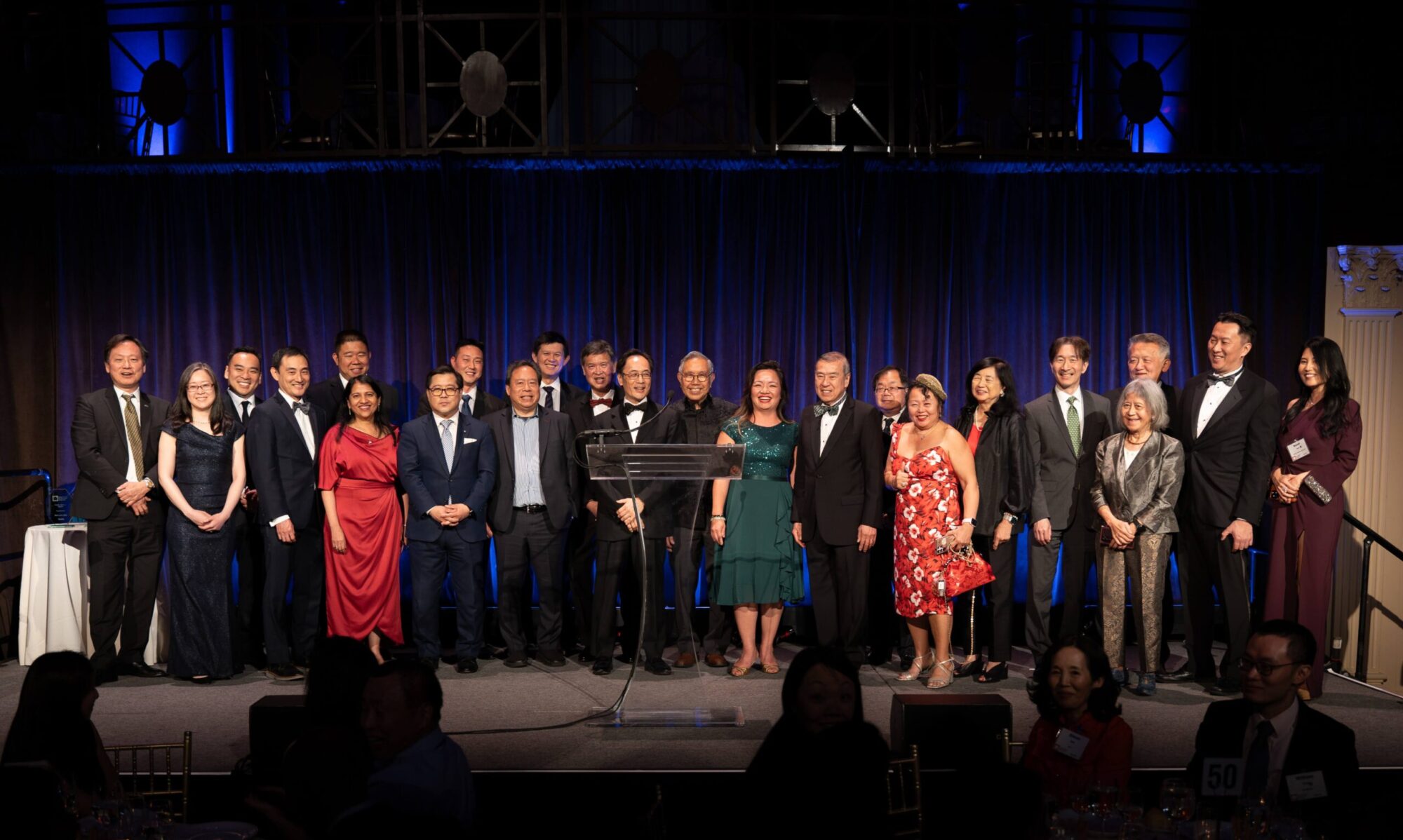
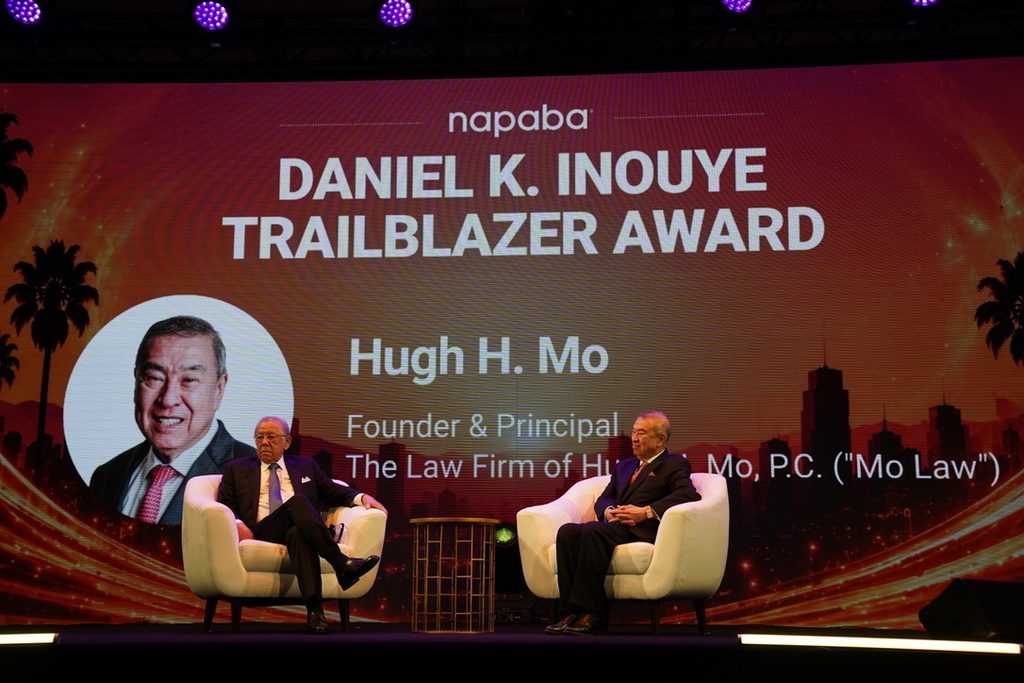
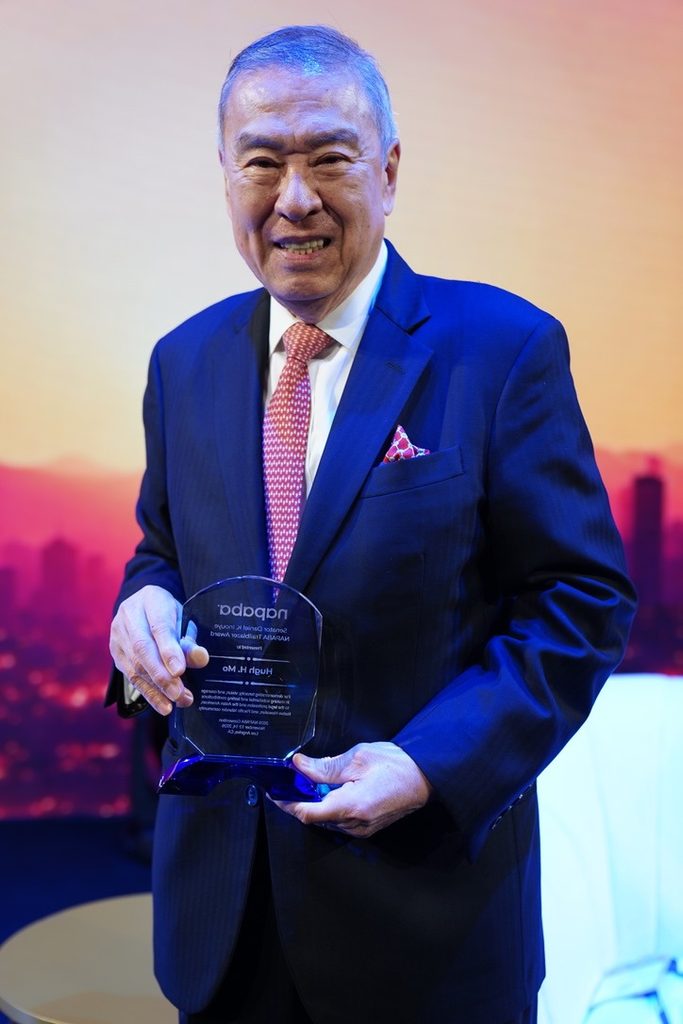
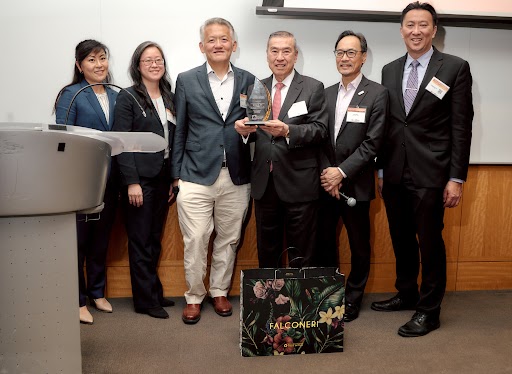
The National Asian Pacific American Bar Association (NAPABA) has honored Hugh H. Mo, Founder and Principal of The Law Firm of Hugh H. Mo, P.C., with its 2026 Daniel K. Inouye Trailblazer Award. This award is NAPABA’s lifetime achievement award and its highest honor, presented to attorneys who have paved the way for AANHPI (Asian American Native Hawaiian Pacific Islander) lawyers and shown “vision, courage, and tenacity” in their careers. Hugh is one of the founders of AABANY in 1989, and AABANY recognized him with its own Norman Lau Kee Trailblazer Award in 2024. On November 13, 2026, NAPABA honored Hugh with the Trailblazer Award during the President’s and Trailblazer Awards Reception at the NAPABA Convention in Los Angeles.

Hugh’s  record for being a trailblazer is well known within the AABANY community. He was the first Asian American Assistant District Attorney in the Manhattan District Attorney’s Office and the first Asian American Deputy Commissioner in Charge of Trials at the NYPD. He has tried more than fifty jury cases to verdict and has led his own practice for over three decades. In a recent interview with AABANY, Hugh, now 76 and fifty years into his legal career, spoke less about these milestones, but focused more on his resolve and the stories behind them. It is that resolve that sets him apart and makes him worthy of the NAPABA Trailblazer Award. 

Identity as a Source of Strength

Born in Shanghai, Hugh spent his early childhood in Hong Kong, Taiwan, and Madrid before arriving in New York at age nine. His parents, both graduates of Fudan University in China, raised him to see his heritage as “something to be proud of.” When others in his Chinatown childhood looked down on him, he said, “The slights rolled off like water off a duck’s back.” He believes young people need the same footing: a firm knowledge of their family history and of where they come from.

That footing has shaped how others see him. Justice Sonia Sotomayor, whom he mentored at the Manhattan DA’s Office, described him in her memoir as an “all-around confounder of stereotypes.” Hugh named the stereotypes himself: that Asian Americans are shy, quiet, meek, risk-averse, and unsuited to leadership. He credits his mother with teaching him to disregard them wholly. “When I talk in court, you don’t have to worry about a microphone,” he said. Long before Asian American lawyers were a familiar presence in New York courtrooms, he simply declined the role the profession expected him to play. That refusal is the courage the award recognizes. His advice to younger attorneys follows from it: “Don’t be defined by [how] other people perceive you, or by what society expects of you.”

Tenacity in Practice

While Hugh does not let others or society define him or what is expected of him, he always expects more of himself and persistently strives to rise to the occasion. He illustrated this philosophy through stories from his early career, and each one turns on the same principle: take your fate into your own hands.

In August 1973, newly graduated from NYU, Hugh was admitted to Boston University School of Law but could not afford the $2,700 first-semester tuition, despite having saved $2,000 driving a cab on weekends. Rather than simply decline, he drove four hours to Boston from Chinatown, appeared unannounced at the assistant dean’s office, sweaty, tired, but never resigned. He left with a financial aid package. “I figured I won my first case,” he recalled.

Two years later, while trying to find a position with the Manhattan DA’s office, he found every on-campus interview slot already filled. Hugh was not deterred.  He waited outside the interview room for two days and added his name to the bottom of the list as the forty-first candidate and pleaded with the recruiter, Bill Murphy, to give him a shot when Murphy was about to go home on the second day. Murphy started by warning him that the City, then near bankruptcy, might not hire at all. Hugh replied that whatever the outcome, he wanted to come back home to Chinatown and make a difference there. This resonated with Mr. Murphy, whose office sat just across Chinatown. And so, an interview that was never supposed to happen spanned 45 minutes. Murphy ranked him first among roughly 200 candidates across the northeast and marked his file “Must Hire.”

In 1984, after Mayor Ed Koch appointed Benjamin Ward as the city’s first African American Police Commissioner, Hugh wrote to Ward to congratulate him and ask to join him in making history. Hugh was offered an Assistant Commissioner post, but he declined and asked for the more senior position of Deputy Commissioner instead.  He got it soon afterwards at 33. “I had no hook,” he said. “I created my own opportunity.”

Hugh is quick to note that opportunity comes in two forms: what is available and what one creates. The second kind, he said, requires reading widely, following current events closely, finding common ground with whoever stands at the door, and above all else a strong education and a learned mind. For a generation of Asian American lawyers with few mentors in positions of influence, opportunities often had to be created this way. His career shows that tenacity in practice.

Leaving the Door Open

During his 1984 interview for the Deputy Commissioner position, Commissioner Ward asked Hugh one final question: what would he do once he climbed the ladder? “I’ll reach as far down as I can,” he replied, “and bring up the next brother.” That was the promise he made on the way up, and he has kept it ever since. 

He returned to the idea when asked about the sacrifices his career required. He described sacrifice as “glorious,” meaning time, effort, and guidance given to others. “When you reach a certain height, don’t be a placeholder,” he said. “Open the door, leave that door open.” He still writes recommendation letters for judges and young attorneys, often spending an hour or two on each, because he knows a single letter can change a career. 

Hugh also sees his own work in the courtroom as a responsibility to those who follow, a chance to raise expectations for the next Asian American lawyer. When he began practicing, he said, Asian Americans were a rarity in the legal profession. He pointed to NAPABA’s representation of around 80,000 AANHPI lawyers  as evidence of how far the community has come, and of how many doors were opened along the way. “The only achievement I’m ever going to leave behind,” he said, “is those that I can help.”

Even now, Hugh practices what he advises. He recommends that every attorney stop every five years to ask what they have accomplished, what their purpose is, and what they should do differently. He also cautions against letting any single setback or success define a career. Fifty years in, with no intent of slowing down, and with shelves full of honors and recognitions, he jokes that further awards should wait until he turns ninety.

AABANY congratulates Hugh H. Mo on this well-deserved recognition and thanks him for his continued dedication to the advancement of all AANHPI lawyers.
Hugh H. Mo: Legal Trailblazer and Community Advocate

The Asian American Bar Association of New York (AABANY) celebrated the illustrious career of Hugh H. Mo by honoring him with the prestigious Norman Lau Kee Trailblazer Award at their Fifteenth Annual Fall Conference, on October 12, 2024, during the Conference Cocktail Reception that capped a full day of programming. This award, named after Norman Lau Kee—an influential legal and community figure in New York City’s Chinatown—celebrates leaders who have made significant contributions to the legal field and the AAPI community, recognizing attorneys who exemplify the qualities of role models and trailblazers in the legal profession while contributing to the wider community.

Born in Shanghai, China, Hugh immigrated to the United States at nine years old after living in Hong Kong, Taipei, and Madrid. Hugh then grew up on Manhattan’s Lower East Side. His journey into the legal profession started by participating in student activist groups, including the Vietnam War protests and the Civil Rights Movement, throughout high school and college. During his sophomore year at NYU, he was involved in a newly published magazine called Bridge: The Magazine of Asians in America, focusing on the experiences, issues, and concerns of Asian Americans that were ignored by the mainstream media and to mobilize Asians in political empowerment. As a result of his experiences as a student activist, Hugh was imbued with idealism and the desire to make the world a better place. He realized that in order to help Asians in general and in political empowerment, law is the most effective instrument to facilitate change to help people.

Hugh defines law as “advocacy,” to lend a voice to those who cannot advocate for themselves. This belief in the power of the law to help others was a driving force in his decision to become a lawyer. He says, “As a lawyer there is so much potential to help people,” and that realization has shaped his legal career.

From his formative student activist experiences, Hugh enrolled at Boston University School of Law, graduated in 1976, and served as an Assistant District Attorney in the Manhattan District Attorney’s Office, the first Asian American to do so. During his tenure, he mentored then Assistant District Attorney Sonia Sotomayor – who later became the first Hispanic and 111th United States Supreme Court Justice. In Justice Sotomayor’s memoir, My Beloved World, she wrote that she was fortunate to be assigned a second-seat role in her first murder trial, with Hugh as lead counsel. The case was People v. Richard Maddicks, the “Tarzan burglar.” Maddicks committed a series of burglaries and murders in a bloody three-month spree from 1981 to 1982 in Central Harlem, by swinging from rooftops on ropes and crashing through apartment windows with his gun blazing. Hugh and Sonia successfully prosecuted Maddicks in a 37-count indictment charging him with multiple counts of murder, burglary, assault, and other crimes. Hugh ensured her second-seat role was far from pro forma, allowing her to present half of the 40 government witnesses and to draft the opening statement of the case, which Hugh delivered. After a four-week jury trial in early 1983, Maddicks was convicted and sentenced to 62½ years–to–life in state prison. In her memoir, Sonia recalled that Hugh was “a slightly built figure with a booming voice and a big personality to match; a hard driving prosecutor, he was also a gentle family man and an all-around confounder of stereotypes.” 

Hugh’s eight-year tenure as a prosecutor was the beginning of a long legal career that stretched almost five decades, in which he fought for and inspired Asian Americans through the power of the law to secure our rights, justice, and fairness. In 1984, he was appointed as Deputy Commissioner in Charge of Trials in the New York City Police Department. At the time, he was the highest-ranking person of Asian descent in New York City government. After four years, he left public service to join the national and international law firm of Whitman & Ransom as a partner and founder of its China practice group. 

In January 1994, Hugh established The Law Firm of Hugh H. Mo, P.C., to primarily represent domestic and overseas Chinese clients in corporate, civil and criminal litigation, white collar and financial crimes, government investigation, customs, tax, and real estate matters. In 2023, Hugh received the NAPIPA Life-Time Achievement Award, and his firm was honored with the 2023 NAPABA APA-Owned Law Firm of the Year Award.

Throughout his career, Hugh has always championed the issues and concerns of the AAPI community. He reflects that one of the most common issues Asian American immigrants face is assimilation: adopting a new language, learning new behaviors, being accustomed to new social norms, and fully embracing American culture, and, at the same time, retaining one’s Asian identity, language, and culture. As he learned in high school and college, law is an instrument of change and justice, and for Asian Americans learning to assimilate, it is even more imperative to have Asian representation at all levels of the legal profession.

As a trial attorney, Hugh serves as an advocate to bridge the language and cultural barriers for his Asian clients. His private practice, The Law Firm of Hugh H. Mo, P.C., has represented countless individuals, corporations, and government entities, primarily focusing on clients within the Chinese American community and overseas. Hugh has served as legal counsel for the Permanent Mission of the People’s Republic of China to the United Nations, Chinese Consulate in New York, Xinhua News Agency, N.A., People’s Daily Overseas Edition, and other Chinese government entities and state-owned enterprises over the years.

In addition to his legal work, Hugh founded and currently serves as Co-Chair of the NYPD Asian American Police Executives Council (AAPEX), with the mission to inculcate leadership development of Asian police executives in the NYPD. He was involved as a co-founder of the Asian American Bar Association of New York (AABANY) in 1989, laying a foundation for future generations of Asian American lawyers. He was also involved in establishing the NYPD Asian Jade Society, the Chinatown Health Clinic (now known as the Charles B. Wang Community Health Center) and has served as Board President of the Chinatown Planning Council (now known as the Chinese-American Planning Council).

Hugh’s achievements extend beyond the courtroom. He served on numerous civic and advisory committees, including transition committees for elected officials such as Queens District Attorney Melinda Katz, Manhattan District Attorney Cyrus Vance, Jr., City Comptroller John Liu, and Mayor David N. Dinkins, among others.

When asked about current challenges facing the Asian American community, he reflects on the disproportionate challenges that Asians have to overcome in order to pursue success in the law, including barriers due to institutional racism and the under-representation of Asian American partners in BigLaw, corporations, government, and the judiciary. Hugh maintains that this obstacle can be overcome by “grit, intelligence, and the willingness to rise up to any challenge.” Success is possible for anyone who dares and dreams with determination. Hugh’s career offers even more hopeful insight: every day is a new opportunity, because every day brings a new challenge. But, in his words, “challenges are meant to be overcome.”

He has opened doors for Asian Americans in law and inspired others to pursue justice and community advocacy. Accepting the Norman Lau Kee Trailblazer Award, Hugh reflected on the importance of uplifting the AAPI community through representation and leadership.

“We all represent not just our clients and ourselves, but our community,” Hugh said, emphasizing the role of Asian American lawyers as bridges for first-generation immigrants. His message resonates as a call to action for future generations to embrace challenges, strive for excellence, and contribute to a more equitable society.

The Norman Lau Kee Trailblazer Award recognizes attorneys who exemplify the qualities of role models and trailblazers in the legal profession while contributing to the wider community. Hugh’s journey serves as an inspiration for overcoming racial barriers, bridging communication and cultural gaps, and rising up to face all challenges and converting them into opportunities for continuing success and achievement. As a trailblazer in the legal profession, Hugh’s legacy is a testament to the power of determination and service. As he puts it, “We should be defined not by one or a few achievements, but by a multitude of achievements. We should not be defined by our worst mistake but by the sum of our collective accomplishments. … I don’t believe a person should be defined by their magnum opus. It is a successful life journey that counts.”

Written by Lui Montes, AABANY Legal Intern, Fall 2024.

Hon. Kiyo Matsumoto Participates in Honoring Justice Sonia Sotomayor at the New York City Bar

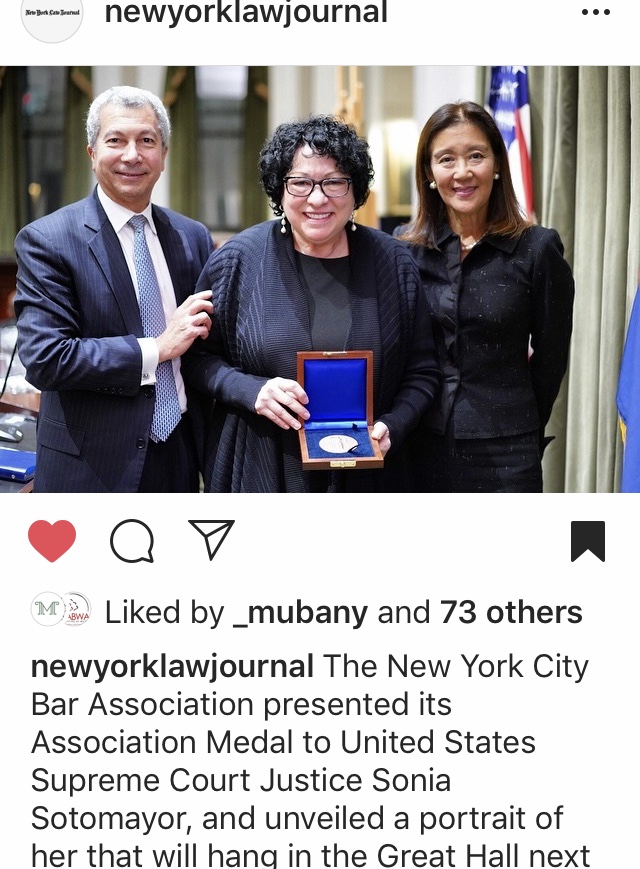
On March 7, 2019, Hon. Kiyo Matsumoto, District Judge of the United States District Court for the Eastern District of New York, participated in honoring Supreme Court Justice Sonia Sotomayor at the New York City Bar Association for her commitment to upholding the rule of law and for being a role model to young students all across America.

At the event, Justice Sotomayor was honored with the unveiling of her portrait that will hang in the New York City Bar’s Great Hall and presented with the New York City Bar Association Medal. The Association Medal is a very prestigious honor that has only been conferred upon a total of 25 people in the last 67 years prior to Justice Sotomayor.

The awardees are chosen by the New York City Bar’s Executive Committee acting upon the nomination of the New York City Bar’s Honors Committee. Judge Matsumoto, a long time member of AABANY, is the chair of the Honors Committee.

The event was covered by the New York Law Journal. To read the article, click here.