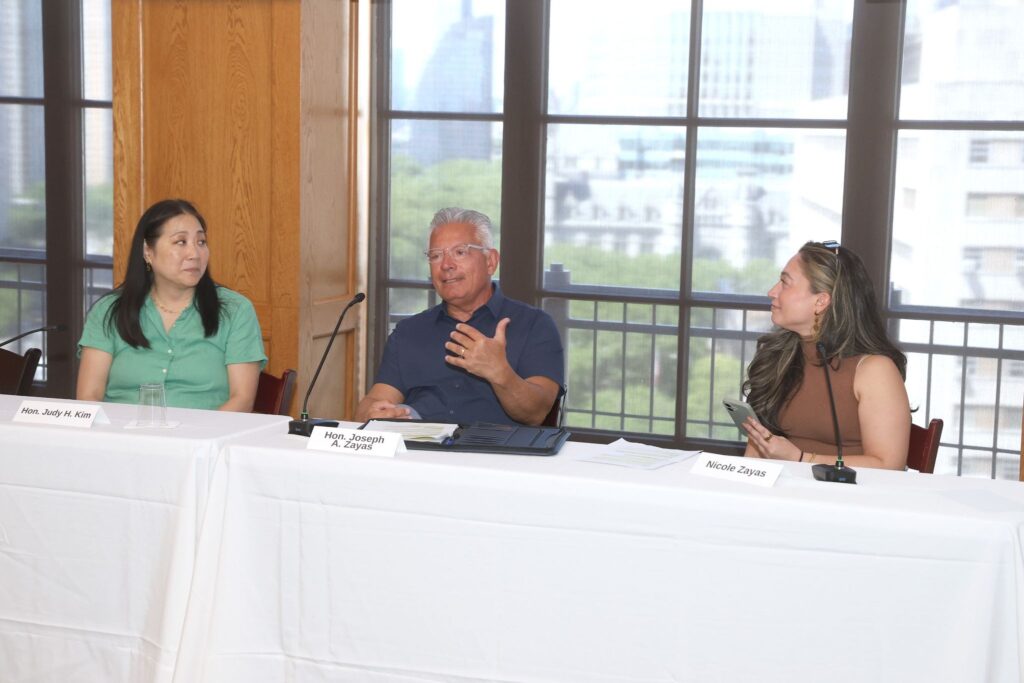
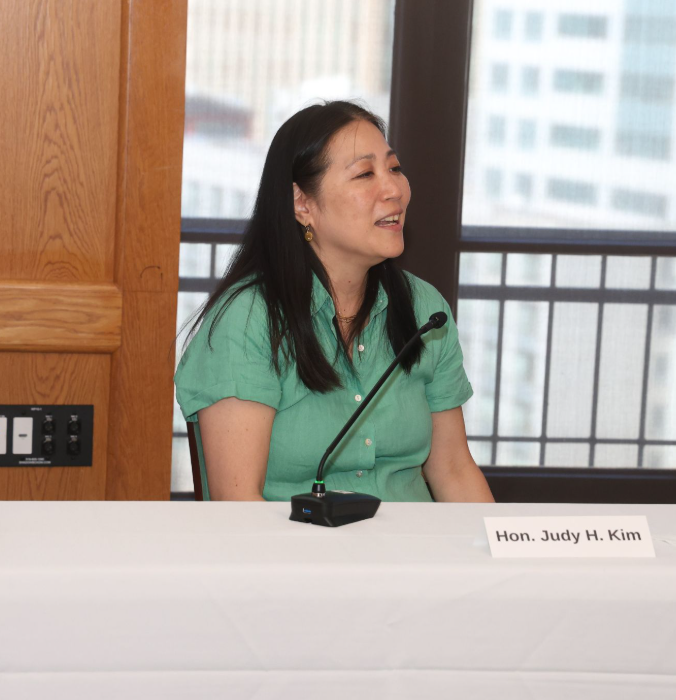
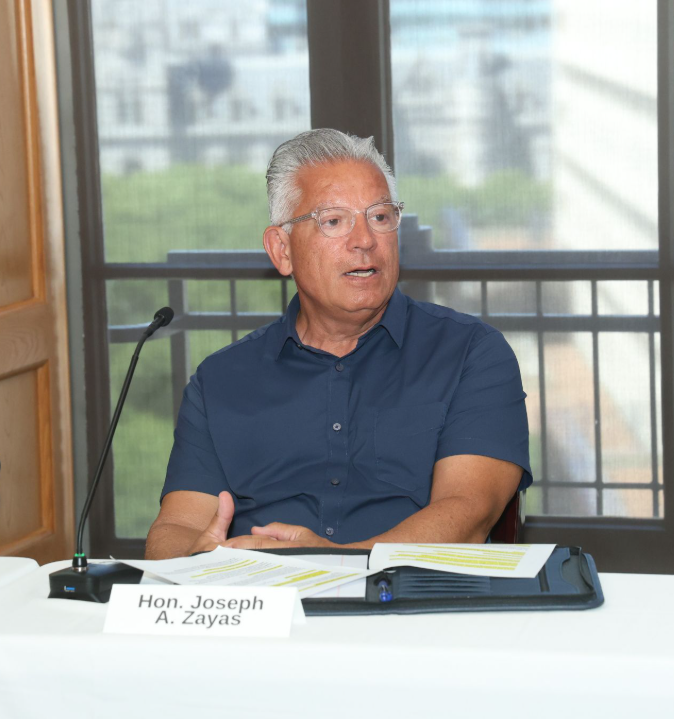
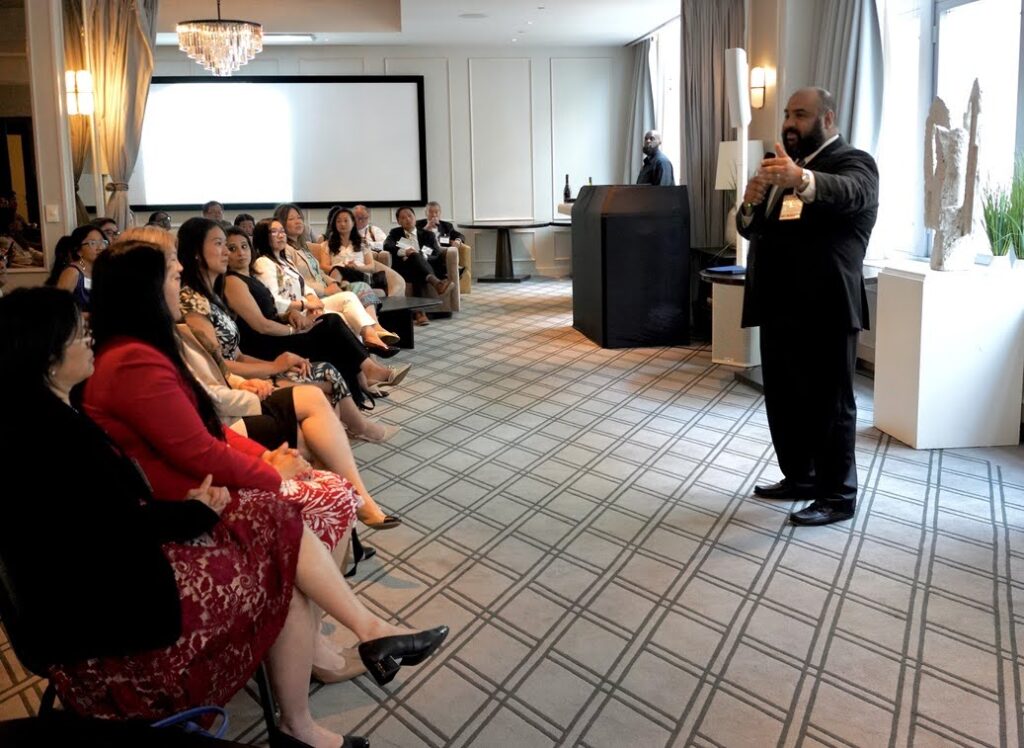
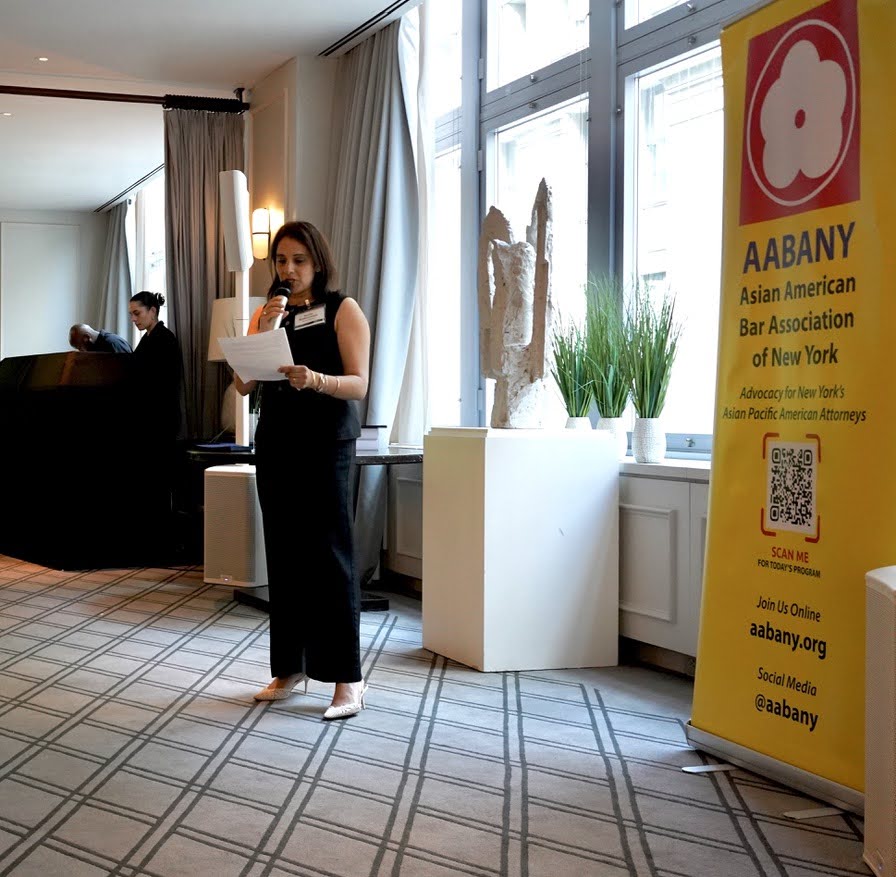
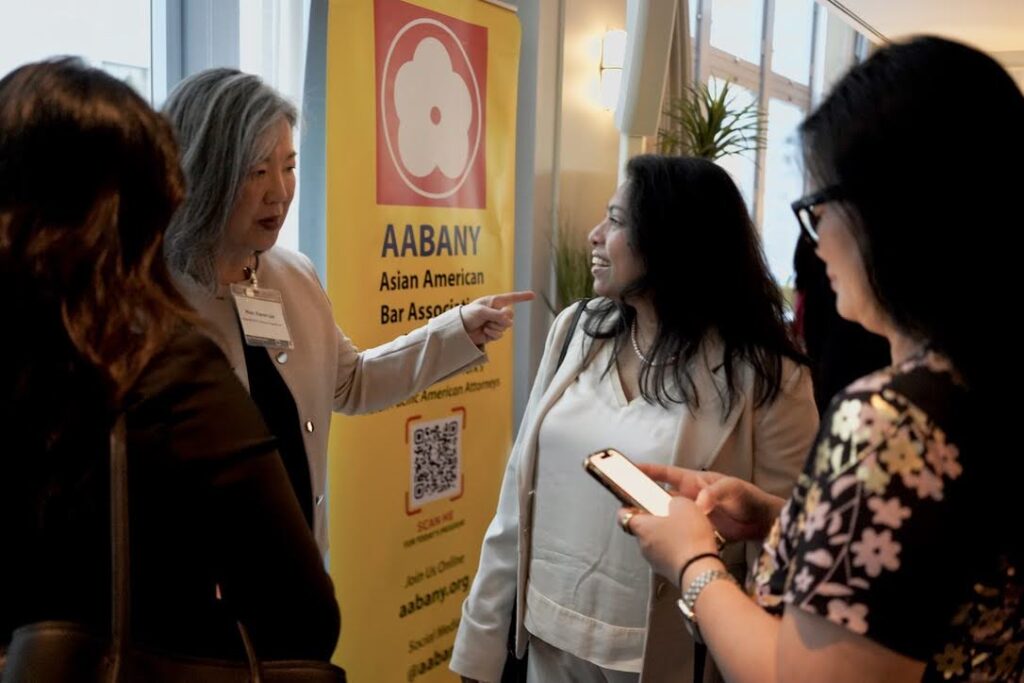
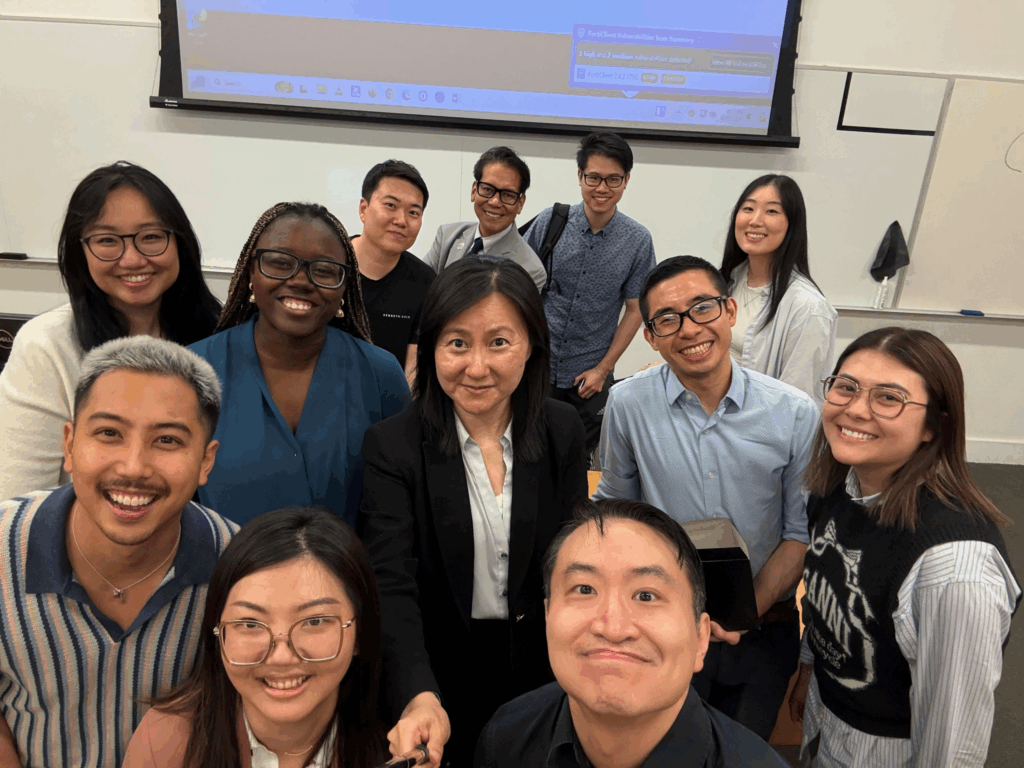
On June 13, 2026 at AABANY’s 2026 Wellness Day, attendees had the opportunity to hear a candid conversation between Hon. Joseph A. Zayas, Chief Administrative Judge of the New York State Unified Court System, and Hon. Judy H. Kim, Justice of the Supreme Court, New York County. Moderated by Nicole Zayas, LCSW, CEO of Arriving Full Circle Therapy and Coaching, the session, “Demystifying the Bench,” offered a rare glimpse behind the judicial robe and into the personal journeys that shaped two distinguished members of New York’s judiciary.
Rather than focusing solely on professional accomplishments, the discussion centered on the human experiences behind judicial leadership. Judge Kim shared the pride she felt and the great responsibility she took up as the first Korean American elected judge in New York State in 2016. She spoke movingly about her grandparents, who lived through the Japanese occupation of Korea and were unable to pursue legal and governmental careers despite their aspirations. Their experiences made her achievement particularly meaningful and reinforced her commitment to mentorship and community service.
Chief Administrative Judge Zayas shared an equally powerful story of perseverance. Growing up in public housing in Harlem, facing economic hardship, and navigating the challenges of a family affected by mental illness, he explained that a judicial career was never something he imagined for himself as a child. His path from struggling academically in high school to attending law school and ultimately becoming the state’s Chief Administrative Judge served as a reminder that greatness often emerges from those who refuse to be limited by their challenges.
One of the most compelling themes of the discussion was the importance of authenticity in leadership. Judge Zayas spoke openly about experiencing self-doubt and even “imposter syndrome” upon assuming one of the highest leadership positions in the New York court system. Rather than concealing those feelings, he emphasized the value of acknowledging them, stating that strength is not the absence of fear but the willingness to move forward despite it.
Judge Kim echoed that sentiment while discussing her own experiences with breast cancer and her work with Judges and Lawyers Breast Cancer Alert (JALBCA). She reflected on the cultural barriers that often discourage open conversations about health and vulnerability, particularly within many Asian communities. Her remarks highlighted the importance of wellness initiatives that encourage legal professionals to seek support and prioritize their physical and mental wellbeing.
The conversation also highlighted the critical role of mentorship. Both judges emphasized that professional advancement rarely occurs in isolation. Mentors, sponsors, colleagues, and community organizations all play a role in helping future leaders navigate the legal profession. Judge Zayas stressed the importance of building relationships and remaining humble throughout one’s career. He noted that these qualities are often as important as technical legal skills.
For young attorneys, law students, and aspiring judges in attendance, perhaps the most memorable takeaway came during the program’s closing moments. When asked what advice they would offer someone who doubts their ability to achieve something great, both judges encouraged attendees to trust themselves and continue moving forward. Judge Kim urged young professionals, particularly women and members of underrepresented communities, to have confidence in their qualifications and abilities. Judge Zayas reminded attendees that confidence is built through action, not perfection.
As attendees left the session, they carried with them not only a greater understanding of the judiciary but also an important lesson: the path to meaningful leadership is rarely straightforward, but it remains accessible to those willing to persevere, seek support, and believe in their own potential.
-Written by Devashani Sharma
About the Author: Devashani Sharma is a rising senior at Vanderbilt University majoring in Human and Organizational Development with a minor in Legal Studies. She interned with the Hon. Judy H. Kim through the 2026 Sonia & Celina Sotomayor Judicial Internship Program.
WASHINGTON, D.C. – Continuing to expand its network and strengthen its representation across North America and the Pacific, the National Asian Pacific American Bar Association (NAPABA) welcomes the Federation of Asian Canadian Lawyers Western Chapter (FACL Western) as its newest affiliate and the Pasifika Attorneys Law Society (PALS) of Guam as its sixth national associate.
Founded in 2025, FACL Western is a nonprofit organization serving Asian Canadian legal professionals across Alberta, Saskatchewan, and Manitoba. As part of the broader Federation of Asian Canadian Lawyers network, FACL Western advances advocacy, mentorship, professional development, and community engagement throughout Western Canada.
“FACL Western is thrilled to become an affiliate of NAPABA. For our members, this affiliation opens the door to a large community of mentors, peers, and leaders, along with the resources and opportunities that come with NAPABA’s network. What excites me most is collaborating with organizations facing similar challenges and learning from their experience while bringing our distinctly Canadian perspective to the table,” said Angad Bedi, President of FACL Western.
Established in 2025, PALS is a national organization dedicated to advancing the professional interests and representation of Native Hawaiian and Pacific Islander attorneys across the United States and its territories. The organization provides a dedicated professional home and network of peer support for Native Hawaiian and Pacific Islander legal professionals while promoting advocacy, collaboration, and partnerships with bar associations and community organizations nationwide.
“We share NAPABA’s belief that representation in the legal profession matters—not just symbolically, but structurally. This partnership gives our mission to elevate Pasifika voices a powerful platform, ensuring those once identified as statistically invisible will no longer be overlooked,” said Henry Aho & Puanani Norwood, Co-Founders of PALS.
“We are proud to welcome FACL Western and PALS into the NAPABA community,” said Joseph Yao, President of NAPABA. “FACL Western reflects the continued growth of NAPABA’s presence throughout Canada, strengthening our cross-border community of Asian legal professionals. At the same time, PALS represents an important step forward in deepening representation and engagement for Native Hawaiian and Pacific Islander attorneys within our national network. Together, these organizations broaden the perspectives, leadership, and advocacy that make our community stronger.”
PALS and FACL Western join a community of over 90 local, state, regional, and national bar associations in the United States and Canada. Individual members of national associates and affiliates are entitled to discounted NAPABA membership and the benefits that accompany it. For more information about how to become a NAPABA national associate or affiliate, please visit our webpage and learn more here about the benefits of becoming a NAPABA member.
Apply Today and Take the Next Step in Your Career!
The Prospective Partners Program provides strategic mentorship and leadership development for senior associates and of counsel who are on track for partnership consideration within the next 12–18 months. Join a powerful network of senior in-house counsel and law firm partners who are committed to helping you navigate this important career transition with confidence.
Dates: November 12–13, 2026, during NAPABA’s Convention in Los Angeles, CA
Cohort: Highly selective, limited to 10 participants
Program Fee: $400 for NAPABA members | $650 for non-members
Now is the perfect time to become a member of NAPABA, an organization representing more than 80,000 attorneys, judges, law professors, and law students, along with over 90 affiliated bar associations across the United States, Canada, and U.S. territories. As a powerful convenor, connector, and professional development home, NAPABA advances opportunity, strengthens relationships, and cultivates leadership across the legal profession. NAPABA welcomes everyone committed to advancing the interests of Asian American, Native Hawaiian, and Pacific Islander communities in the legal profession and beyond to join us as members.
Become a NAPABA member and enjoy savings that go beyond the cost of membership!
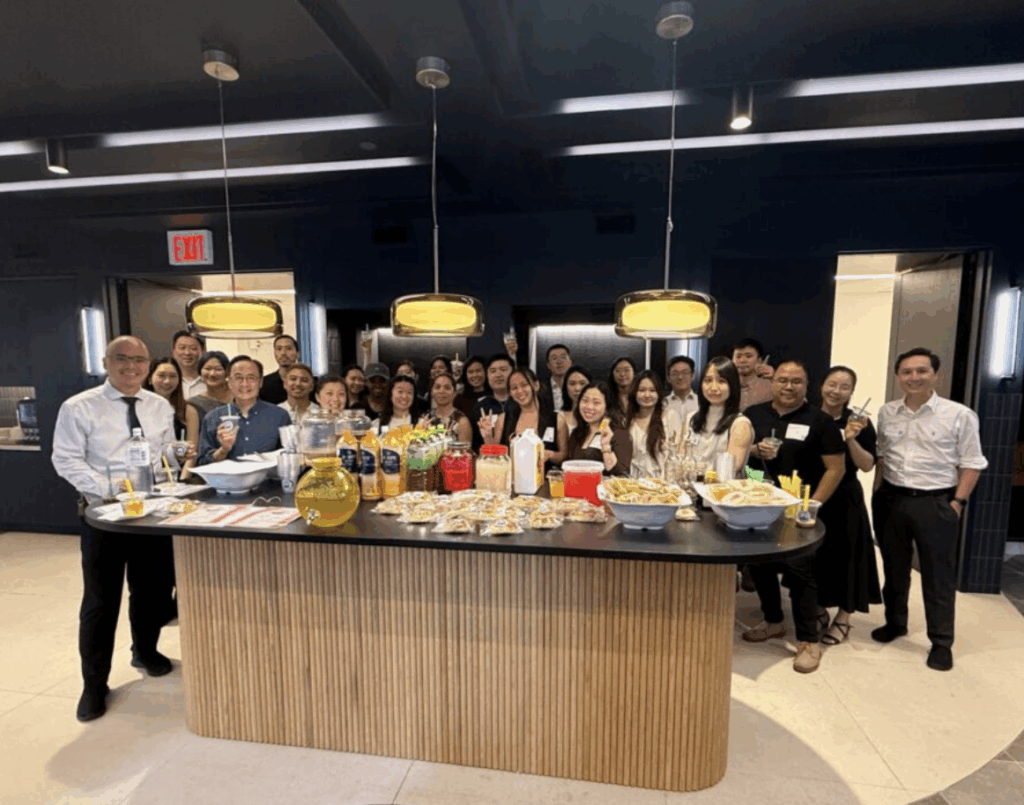
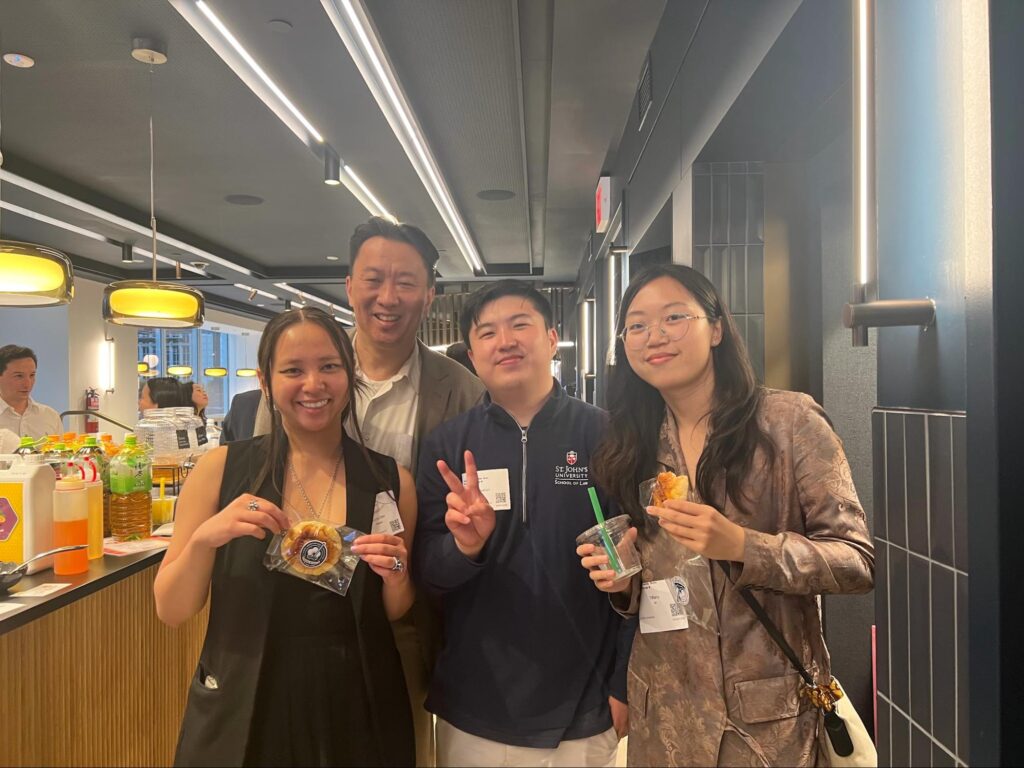
On May 29, 2026, AABANY’s Student Outreach Committee and Young Lawyers Committee partnered to host Boba Break: Recharge and Connect at King & Spalding. This event brought together law students, young attorneys and members of the AABANY community for an evening of conversation, connection and, of course, boba (bubble) tea in a welcoming and informal setting.
Throughout the evening, attendees exchanged experiences, discussed career paths, shared advice and expanded their professional networks. Law students had the opportunity to connect with practicing attorneys and young lawyers, while attorneys reconnected with colleagues and met the next generation of legal professionals. This event embodied AABANY’s commitment to fostering mentorship, community and meaningful relationships within the profession.
The photos from the evening capture the energy and enthusiasm of the attendees, highlighting the meaningful conversations and new connections formed throughout the event that may continue well beyond the evening. Event photos are now available and can be accessed here: click here.
AABANY extends its sincere gratitude to King & Spalding for hosting the event and to everyone who attended. The enthusiastic participation from law students, young lawyers and community members made the event a memorable success. We look forward to continuing to create engaging opportunities that strengthen relationships across the AABANY community and to support the growth of future legal leaders.
– Written by Helen Ding, Co-Chair, Student Outreach Committee
NAPABA is thrilled to announce that applications are now open for two of their premier professional development programs: the ADR Institute and the Prospective Partners Program (PPP). These programs offer unmatched opportunities to advance your career, develop meaningful relationships, and cultivate leadership.
ADR Institute
The ADR Institute is a two-day career and skills development program designed to provide participants with both a broad overview of Alternative Dispute Resolution (ADR) and substantive, hands-on training for careers in mediation and arbitration. Led by experts in the mediation and arbitration field, the program seeks to diversify the pool of mediators and arbitrators in the United States and expand the use of ADR among program participants.
Dates: November 11–12, 2026, in Los Angeles, CA
Cohort Size: Limited to 20–25 participants
Program Fee: $500 for NAPABA members | $750 for non-members
The Prospective Partners Program provides strategic mentorship and leadership development for senior associates and of counsel who are on track for partnership consideration within the next 12–18 months. Join a powerful network of senior in-house counsel and law firm partners who are committed to helping you navigate this important career transition with confidence.
Dates: November 12–13, 2026, during NAPABA’s Convention in Los Angeles, CA
Cohort: Highly selective, limited to 10 participants
Program Fee: $400 for NAPABA members | $650 for non-members
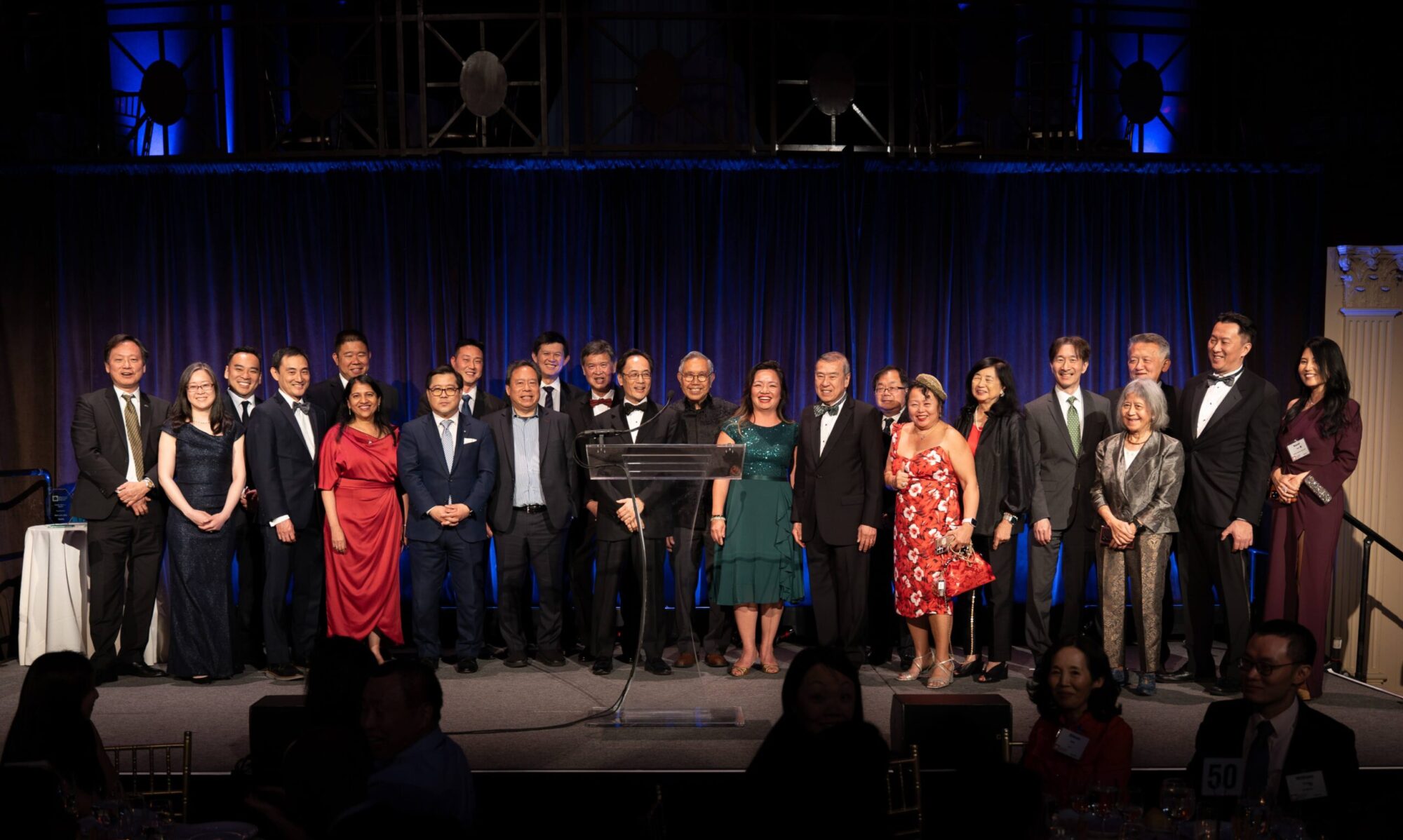
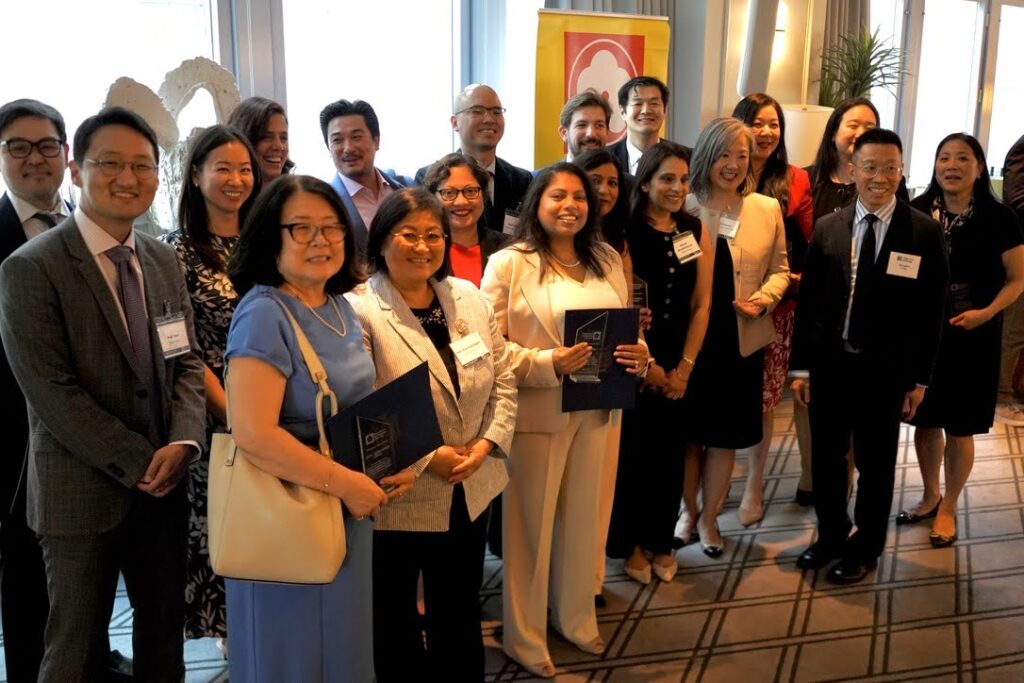
On Tuesday, May 19, 2026, the Judiciary Committee of the Asian American Bar Association of New York (“AABANY”) welcomed over 90 guests to its Annual Judges’ Reception at The Nexus Club located at 100 Church Street, New York, NY 10007.
The event brought together members of the judiciary, attorneys, government officials, law students, and community leaders to celebrate judges who were appointed, elected, or elevated within the past year.
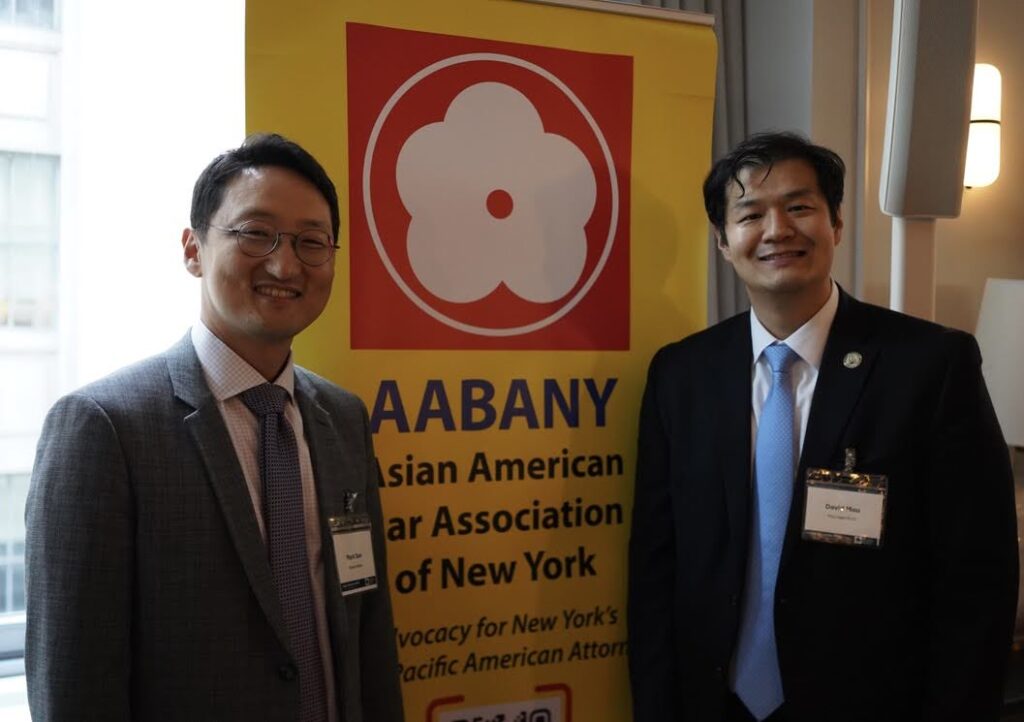
Organized by AABANY’s Judiciary Committee, co-chaired by Mark Son and David Mou, the evening highlighted AABANY’s continued commitment to diversity, mentorship, and advancement within the legal profession and in the judiciary.
The program began with opening remarks from Judiciary Committee Co-Chair Mark Son, followed by remarks from distinguished leaders representing the bench, government, and the bar.
Featured speakers included AABANY President Varuna Bhattacharyya and Hon. Frances Wang, Justice of the New York State Supreme Court. Justice Wang, who is also Vice President of the Asian American Judges Association of New York, spoke about the importance of building a judiciary that reflects the diversity of the communities it serves and emphasized the impact of representation on public confidence in the legal system.
Additional remarks were delivered by Ali Najmi, Chair of New York City’s Mayor’s Advisory Committee on the Judiciary, and Kenan Kurt, Assistant Counsel for Judiciary and Ethics for the New York State Governor’s Office. Mr. Najmi underscored the Mayor’s commitment to create a more a diverse judiciary and stated that he is ready to work hard. Mr. Kurt compared the pioneer judges to the first athlete who broke the four-minute mile, shattering barriers and inspiring others to follow. Just as that achievement opened the door for future runners to accomplish the same feat, we celebrate the judges whose leadership and perseverance are making “four-minute miles” possible for those who come after them.
Hon. Karen Lin, Associate Justice of the Appellate Term for the Second, Eleventh, and Thirteenth Judicial Districts, reflected on the progress Asian Americans have made within the legal community while encouraging continued mentorship and support for future generations seeking judicial office.
The evening also featured a Presentation of Awards by event co-chairs Lisa Lin and Kwok Ng, along with citations presented by Mr. Kurt on behalf of the Governor’s Office. Honorees recognized during the reception included:
Hon. Margaret Chan
Hon. Janice Chen
Hon. Eve Cho Guillergan
Hon. Sheridan Chu
Hon. Indira Khan
Hon. Jay Kim
Hon. Judy Kim
Hon. Karen Lin
Hon. Nabeela McLeod
Hon. Juliette-Noor Haji
Hon. Oma Phillips Deonarine
Hon. Soma Syed
Hon. Kris Singh
Hon. Frances Wang
Following the formal program, guests gathered for a dinner reception that provided an opportunity for judges, attorneys, students, and community leaders to connect and celebrate the honorees.
The Annual Judges’ Reception remains one of AABANY’s signature events and reflects the organization’s longstanding dedication to judicial diversity, professional mentorship, public service, and the advancement of Asian American attorneys and judges throughout New York.
A special acknowledgement to the organizers of this year’s program: Mark Son, David Mou, Douglas Tang, Kwok Ng, Pei Pei Cheng De Castro, Yang Chen, Carrey Wong, Apollo Baltazar, and Lisa Lin.
On April 15, 2026, the Asian American Bar Association of New York (AABANY)’s LGBTQ Committee, in collaboration with the Solo and Small Firm Practice Committee, hosted a dynamic and insightful panel at Fordham Law School titled “Table Talk: Careers Beyond Big Law.” Generously co-sponsored by Fordham APALSA and Fordham OUTLaws, with support from AABANY’s Student Outreach Committee, the event brought together an accomplished group of legal professionals and an engaged audience of students and early-career professionals eager to explore alternative pathways within the legal profession.
Mina Yi, a Fordham Law student representing Fordham APALSA, served as moderator and kicked off the discussion by asking the panelists to introduce themselves, their practice areas, and their current roles. Then, she asked them to share their advice on how students can pursue non-traditional or non-Big Law career paths.
The panel featured a diverse lineup of speakers, including Gregory Hom (Nixon Peabody), Kayla Lucia (Mintz), Yen-Yi Anderson (Anderson & Associates), Thomas Wu (New York State Housing Finance Agency), Daobo Wang (New York State Unified Court System), and Glenn Magpantay (U.S. Commission on Civil Rights). Almost all the speakers were AABANY leaders: Gregory is the current Co-Chair of the LGBTQ Committee. Kayla was Co Chair during the last fiscal year, and Daobo is Co-Chair this fiscal year. Yen-Yi is Co-Chair of the Solo and Small Firm Practice Committee. Glenn is a Director on AABANY’s Board.
The speakers’ careers spanned public finance, employment litigation, immigration, small law firm practice, government service, judicial clerkships, and civil rights policy. Their varied trajectories illustrated a central theme of the evening: legal careers are rarely linear. The panelists conveyed that professional fulfillment often emerges from adaptability in one’s circumstances, persistence, and meaningful relationships.
From the outset, panelists demystified the notion of a singular “Big Law path.” Gregory Hom offered a nuanced perspective on large-firm practice, noting that not all firms operate under the same high-turnover model often associated with the industry. He mentioned that instead, firms like Nixon Peabody prioritize sustained interest in specialized practice areas, such as his own work in public finance, and rely heavily on faculty recommendations and personal connections in hiring. In his daily practice, he acts as a “watchdog” for state agencies and investment banks, meticulously reviewing documents to ensure securities law disclosures are consistent and avoid SEC investigations. Gregory shared that he secured his role after heavily leaning on a professor for guidance, and he recommended that students not shy away from doing the same.
Kayla Lucia echoed this sentiment, reflecting on her own nontraditional journey, starting in Legal Aid, then moving to “Midlaw,” and eventually to a major firm specializing in employment law. She noted that she transitioned into private practice to find a more sustainable professional life and to avoid the burnout she felt in the public interest sector. Kayla encouraged students to think critically about the kind of professional and personal life they hope to build, and to consider factors like team size and environmental competitiveness, rather than defaulting to prestige-driven choices. Her current work involves bridging the gap between poorly written statutes and the concise answers employers need, while also assessing the factual viability of litigation claims.
Yen-Yi Anderson provided a compelling account of forging an independent path to starting her own small firm practice. She recounted that her career did not follow a direct route after law school, spending years in nonprofit and media work before returning to the legal field and building her own practice through relationships she had developed with foreign entrepreneurs. In a small-firm setting, she emphasized that attorneys must “wear many hats,” balancing legal work with responsibilities such as managing hiring, payroll, office management, and client development. At the same time, she noted that her practice areas in immigration and commercial litigation require constant attention to evolving laws and policies, which makes adaptability essential. Despite the challenges, Yen-Yi relished the autonomy that comes with running her own firm. She is able to choose her clients, shape her workload, and maintain flexibility in her schedule to allow her to prioritize family alongside her career.
The discussion was further enriched by perspectives from the public sector, illustrating how legal work can directly shape public policy and address community needs. Thomas Wu detailed his role at the New York State Housing Finance Agency, where legal practice operates at the intersection of law and urban development. In this capacity, attorneys work alongside policymakers and financial institutions to structure deals that support affordable housing initiatives across the state. He described the work as both technical and mission-driven as it requires attorneys to translate legal frameworks into practical tools that enable large-scale development projects. Thomas also emphasized the importance of fellowship programs, such as the Excelsior Fellows Program, as accessible and structured entry points into government service for recent graduates seeking substantive experience and long-term pathways into public sector careers.
Similarly, Glenn Magpantay offered a broader, long-term perspective shaped by decades of experience across civil rights enforcement, nonprofit leadership, AABANY, and his current role as a Commissioner on the United States Commission on Civil Rights. Glenn encouraged students to view their careers as evolving journeys that may have uncertainty and deviation from previous expectations. Glenn advised, “Don’t worry too much about getting it right the first time—your career will evolve, and you’ll get where you want to go,” reinforcing the idea that resilience and adaptability with the legal community are often more determinative of long-term success.
The discussion also highlighted the critical role of networking and mentorship. Speakers consistently emphasized that relationships, such as those cultivated through bar associations like AABANY and broader community engagement, are often instrumental in securing opportunities. Glenn noted that in a competitive field where many candidates appear equally qualified on paper, it is frequently personal connections and trusted recommendations that set applicants apart.
During the Q&A portion, one student asked how the law is actually applied in day-to-day practice as opposed to the case-based learning emphasized in law school. Speakers responded by illustrating their actual responsibilities in vivid detail. Whether it was Gregory ensuring regulatory compliance in complex financial disclosures, Kayla interpreting ambiguous statutes to advise clients, or Daobo drafting judicial opinions grounded in meticulous legal research, each speaker illustrated how legal reasoning operates in real-world contexts. These insights helped bridge the gap between classroom learning and professional application where students were able to gather a clearer understanding of what legal work truly entails.
The evening concluded with an interactive session in which attendees also introduced themselves and shared their aspirations, followed by informal networking over pizza. Thank you to AABANY’s LGBTQ Committee and Solo and Small Firm Practice Committee for organizing and hosting this thoughtful and engaging program, as well as to Fordham APALSA and Fordham OUTLaws for their generous co-sponsorships and collaboration. Special appreciation also goes to the Student Outreach Committee for their continued support in creating meaningful opportunities for students to engage with practitioners across diverse areas of the legal profession.
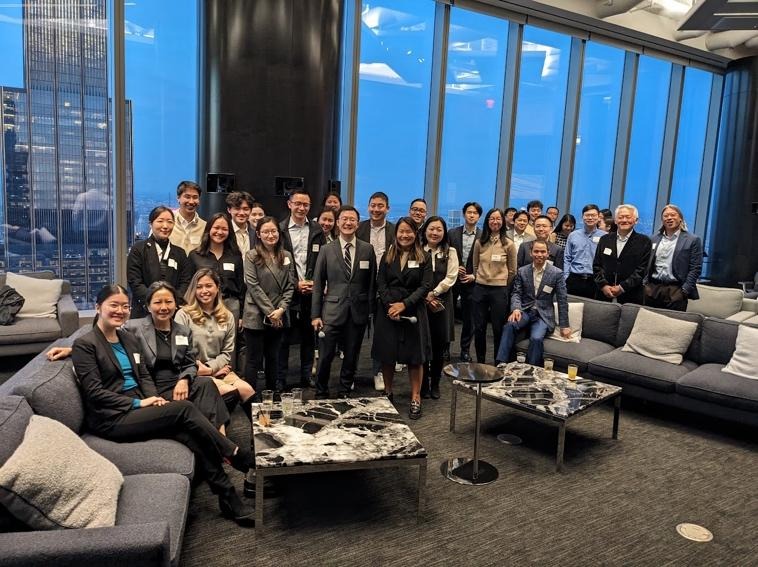
On April 9th, 2026, AABANY’s Mentorship Committee held its Mentorship Program Kickoff Mixer at the offices of McDermott Will & Schulte at One Vanderbilt. Mentors and mentees mingled in person and made new connections across the Mentorship Program over a delicious spread of hors d’oeuvres and drinks, while enjoying a panoramic view of the city.
Mentorship Program Co-Chairs Emily Chen and Gary Yeung gave opening remarks and thanked the attendees and sponsor, McDermott, emphasizing the importance of being proactive in seeking out mentorship during the course of one’s career.
AABANY’s Mentorship Program provides support, advice, and networking opportunities to aid both mentors and mentees in their professional and personal development. Each mentee is matched to a mentor who will serve as a teacher, role model, and resource to the mentee. By way of the one-to-one relationships and Mentorship Program events, held throughout the year, the program provides the structure to advance professional growth and networking skills of both mentors and mentees.
We would like to again give special thanks to McDermott Will & Schulte for generously sponsoring this Mentorship Mixer, which will undoubtedly help this year’s class of mentors and mentees to build enduring bonds in the coming months and years.
– Written by Gary Yeung, Co-Chair, AABANY Mentorship Committee
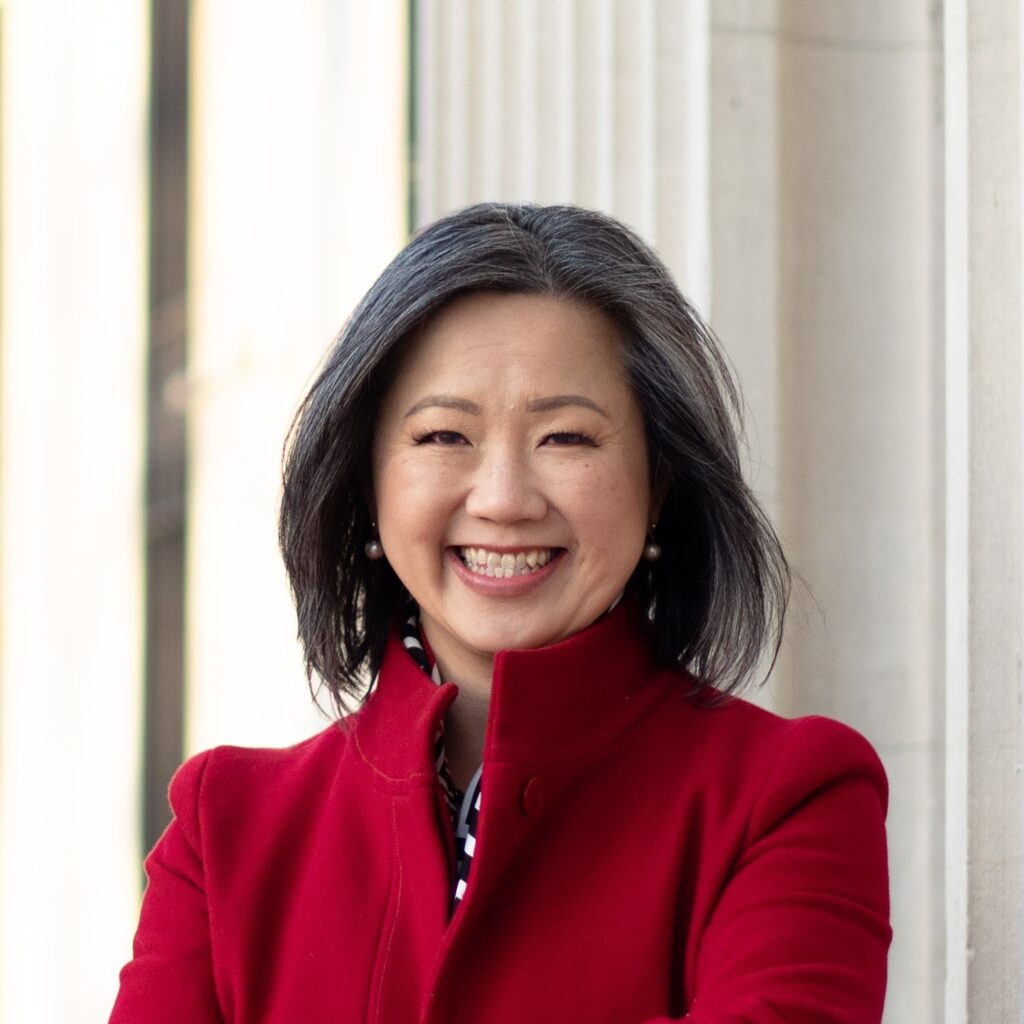
Justice Karen Lin, a longtime member of AABANY and former Co-Chair of the Pro Bono and Community Service Committee (PBCS), has been appointed to the Appellate Term for the Second Department of the New York State Supreme Court. This appointment marks a historic milestone as Justice Lin is the first Asian American woman to serve in this role. As a lifelong public servant and sitting Second Department Justice, she brings decades of experience and a deep commitment to justice to one of the most impactful appellate tribunals for everyday New Yorkers.
Breaking Barriers: The Significance of “the First” Justice Lin’s appointment to the Appellate Term for the Second Department carries historic significance. Yet, for Justice Lin, the meaning of this milestone is inseparable from the community that shaped her.
Born and raised in Queens by her immigrant parents, Justice Lin’s story is rooted in the borough she now serves. At a time when Asian Americans were significantly underrepresented in both civic and professional spaces within Queens County, her early experiences acutely instilled in her a heightened awareness of the importance of being seen and heard. As a child, she recalls helping interpret for her parents who spoke limited English. She also recalls attending school events where she was one of the few Asian American faces in the room. These moments made her realize the significance of representation, or the lack thereof. Coupled with her parents’ tireless work ethic and emphasis on community, these experiences profoundly shaped her sense of justice and responsibility to her community.
Despite Asian Americans comprising more than 27 percent of the population in Queens, they have historically remained underrepresented on the bench. While precise figures vary by dataset, estimates by the Brooklyn Daily Eagle suggest that fewer than 10 percent of judges in Queens County identify as Asian. This number is even lower statewide as according to the New York State Unified Court System’s 2024 Judicial Demographics Report, only about 5 percent of judges statewide identify as Asian. These figures highlight the persistent gap between the Asian American community and their representation within the judiciary.
For Justice Lin, the awareness of this disparity came into sharper focus back in 2022, when she grappled with these demographic realities during her campaign for Queens Civil Court. She recognized both the urgency and the responsibility to step forward.
Now, in 2026, as Justice Lin assumes her role on the Appellate Term, she reflects on both the progress made and the work that remains. While her appointment marks a historic milestone, Justice Lin is candid about what the broader implications of her distinction as “the first” means.
“We shouldn’t still be talking about ‘firsts’ in 2026,” she notes. “It matters to break that ceiling—but it matters even more that we are not the only ones.” Justice Lin maintains that her appointment is part of a larger trajectory which she hopes will continue to open doors for others who will follow and ultimately surpass her.
“I may be the first,” she reflects, “but I certainly do not want to be the last. And I won’t.”
Diversity and Perspective at the Appellate Term In her run for the Queens Civil Court in 2022, Justice Lin noted, “The air in the room changes depending on who is in it.” Now, as Justice Lin assumes her seat at the Appellate Term for the Second Department, she brings her philosophy into a new and vastly different judicial environment.
The nature of judging at the appellate level is necessarily collaborative. Rather than presiding over a single courtroom, justices at the Appellate Term engage in a rigorous discussion of the law. The presence or absence of diverse perspectives can play a significant role in the nature of judicial decision-making.
“The lens through which we interpret the law is shaped by our lived experiences,” Justice Lin explains. “It matters who is in that room.”
The Appellate Term occupies a uniquely consequential position within New York’s judicial system. For many New Yorkers navigating housing disputes, consumer debt matters, and low-level criminal cases arising from the Civil Court and Criminal Court, the Appellate Term often represents the primary avenue for reviewing decisions made in those courts. As such, this court plays a critical role in ensuring public confidence in the fairness and legitimacy of the judicial process and of everyday challenges faced by many families and individuals. Justice Lin approaches this responsibility with a deep awareness of the communities served by the court. As a lifelong Queens native and an experienced legal professional, Justice Lin brings a grounded perspective to the bench and seeks to ensure that the appellate review is conducted with both rigor and awareness.
A Jurist Grounded in Care From civil rights attorney to legislative counsel, from Housing Court Judge to Court Attorney-Referee in Surrogate’s Court, Justice Lin has been guided by a single constant: care.
Justice Lin’s decade as a court attorney referee in Surrogate’s Court, where she handled sensitive guardianship matters, reinforced the centrality of due process, particularly for vulnerable individuals. In those proceedings, she understood the risks of presuming incapacity based solely on diagnosis or circumstance. Instead, she stresses that every individual is entitled to a meaningful hearing where their voice is heard.
This philosophy carried directly into Justice Lin’s work on the trial bench, where she implemented practices designed to make the courtroom more accessible. For example, she required in-person appearances in certain matters involving self-represented litigants, recognizing that virtual proceedings—while efficient—can inadvertently exclude individuals who lack access to technology or familiarity with digital platforms. In-person appearances allowed her to better assess credibility, clarify the relief being sought, provide language support, offer flexible scheduling, promote accessibility for litigants with disabilities, and ensure that litigants could express themselves in their own words. Similarly, her practice of inviting court users to indicate their preferred pronouns reinforces the principle that every individual who enters the courtroom is entitled to be treated with respect.
To illustrate, Justice Lin described a family conflict case she dealt with where a father passed away, leaving his home to only two of his children and excluding the others. Justice Lin guided the family through structured discussion by helping each member articulate concerns and expectations by meeting with them individually. This ultimately fostered a mediated resolution that balanced the legal framework with the opportunity for members of the family to retain some control over their outcome. In the end, the siblings reached an agreement to divide the home equally among all of the children.
“The court cannot advocate,” she notes, “but it can ensure fairness, dignity, and that due process is fully respected.”
A Career Defined by Purpose Long before she entered the legal field, Justice Lin was already cultivating an ethos of advocacy at the University at Buffalo. As an undergraduate, she noticed that Asian American history and experiences were largely absent from the curriculum. Determined to address this gap, she petitioned the history department to introduce a course on Asian American history which had never previously been offered. Simultaneously, she co-founded the University’s Asian American student organization, the Asian American Students Association (AASA) and served as its first president where she organized cultural programming and panel discussions to highlight the contributions of Asian Americans on campus. These initiatives included guest lectures, heritage month celebrations, and workshops that engaged the broader student body in conversations about diversity and inclusion. Reflecting on these formative years of her life, Justice Lin noted, “I wanted students like me to see themselves in the stories being told and to have a community where our voices mattered.”
A couple years later, Justice Lin championed these same values through her leadership with AABANY’s Pro Bono and Community Service Committee (PBCS), where she served as Co-Chair. During the COVID-19 pandemic, when the need for legal services increased significantly, she played an instrumental role in promoting access to legal services by expanding Pro Bono Clinics to underserved communities in Queens. Building on this work, Justice Lin highlights that meaningful legal assistance requires the ability to communicate effectively, especially with individuals who struggle to find services in a language they understand. She speaks of her time with PBCS, describing it as the “best committee ever” and her service as both a “great joy and privilege.” Additionally, she praises AABANY’s Pro Bono Clinics as an invaluable resource for individuals with limited English proficiency.
Ultimately, in each stage of her professional journey, Justice Lin has consistently asked herself: “Where can I be helpful?”
Lifting the Next Generation As a mentor and active participant in programs such as the The Sonia & Celina Sotomayor Judicial Internship Program, Justice Lin is deeply committed to cultivating the leaders of tomorrow. She suggests that a successful legal career rests on a foundation of competence and character. She encourages students and young professionals to strive for mastery in their chosen field. “Be as good at it as you can be,” she advises, because when opportunities arise, “you better be ready to hit the ground running.” Competence, she notes, is central to reputation as it ensures that professionals are prepared to perform effectively in any high-stakes environment.
Justice Lin also stresses that technical skill alone is not enough. Equally important is how one treats others. “Your competence shapes your reputation,” she explains, “but so does how you treat people.” She believes in a universal standard of decency and she encourages individuals from all paths of life to treat everyone—from the janitor to the judge—the way they would want themselves or a loved one treated. She reminds us that “people may forget what you did but they will remember how you made them feel.”
Throughout her career, Justice Lin has also rejected narrow stereotypes of what a lawyer must be. Justice Lin has challenged the notion that success requires aggression. Many assumed she was “too nice” to be an effective lawyer or justice, but she believes there are many ways to practice law successfully without abandoning one’s nature. She encourages young professionals, especially those from underrepresented backgrounds, to embrace their individuality. “What makes us different is really what makes us strong,” she says. Avoiding the temptation to contort oneself to fit an expected mold, she emphasizes that professional growth is most meaningful when it is shared: “It is purposeless to rise alone; we rise together.”
Through her guidance and example, Justice Lin seeks to create spaces where future generations can thrive with confidence and authenticity. Now at the Appellate Term, her role amplifies this impact as she continues to shape the culture of the judiciary itself. Please join AABANY in congratulating Justice Karen Lin on this historic milestone. We look forward to seeing more noteworthy contributions from her public service.
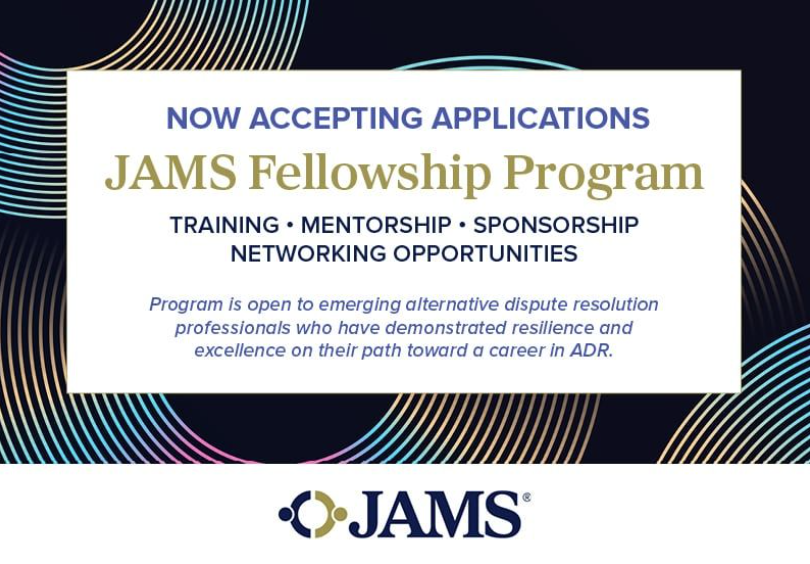
The JAMS Fellowship Program, designed to help expand and diversify the pipeline of future alternative dispute resolution (ADR) professionals, is now accepting applications. Through education, mentorship, and hands-on exposure for attorneys who are interested in pursuing careers as mediators and arbitrators, the program provides fellows with training, access to experienced neutrals, and insight into the practice of ADR.
Applications are due no later than April 24.
Please contact Joanne Saint Louis, Director and Inclusive Engagement & Practice Development at [email protected] with any questions.
For more information on the fellowship, follow this link.
How to Apply
Additional documents required are:
A cover letter detailing your interest, experience and achievements in the ADR field.
A current resume/CV.
Two recommendation letters from persons knowledgeable about your interest and experience (if any) in dispute resolution.
A personal statement (no more than two pages). The personal statement should be a narrative describing your motivation for pursuing a career in Alternative Dispute Resolution (ADR) and highlighting key experiences that have shaped your journey, including academic achievements, community impact, professional experiences, and any challenges you have overcome, as well as any contributions you hope to make within ADR.