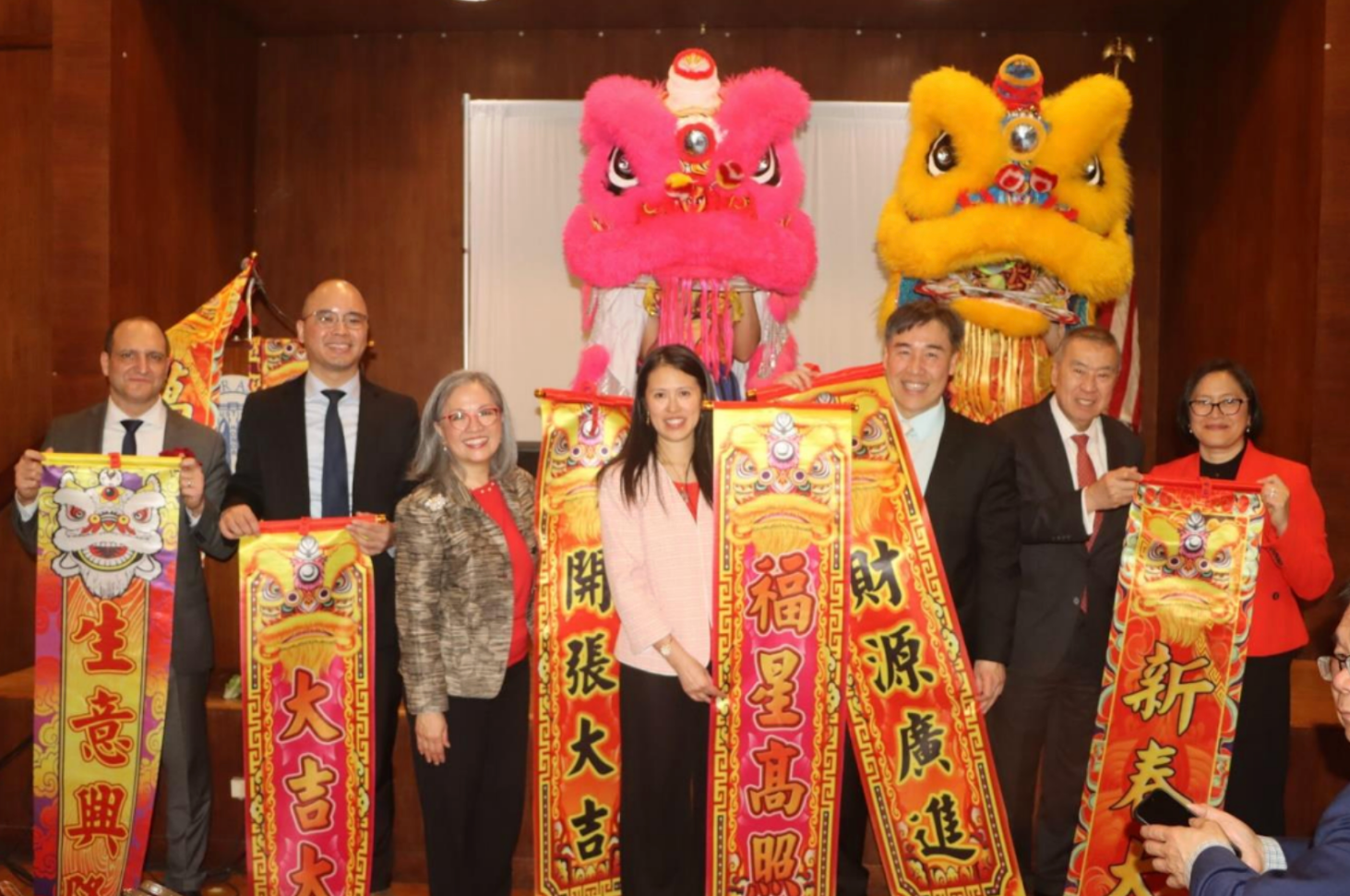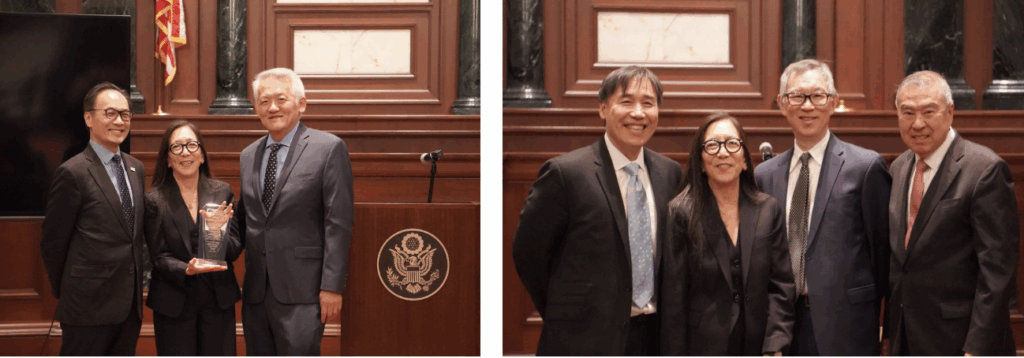

On April 2, 2026, the Brooklyn Daily Eagle published an article covering the Brooklyn Bar Association (BBA)’s inaugural Lunar New Year Celebration, which the Asian American Bar Association of New York (AABANY) participated in as a co-sponsor.
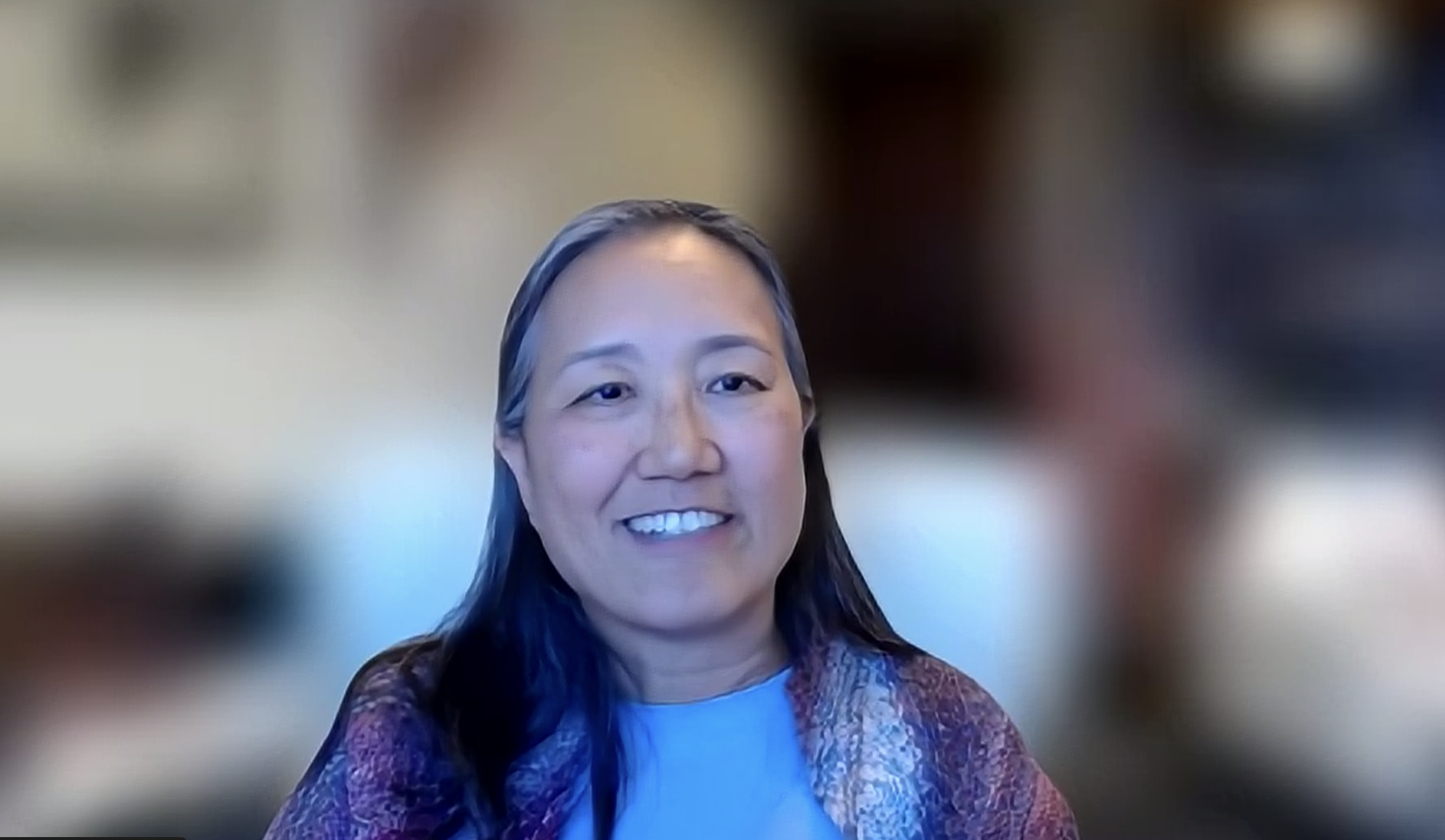
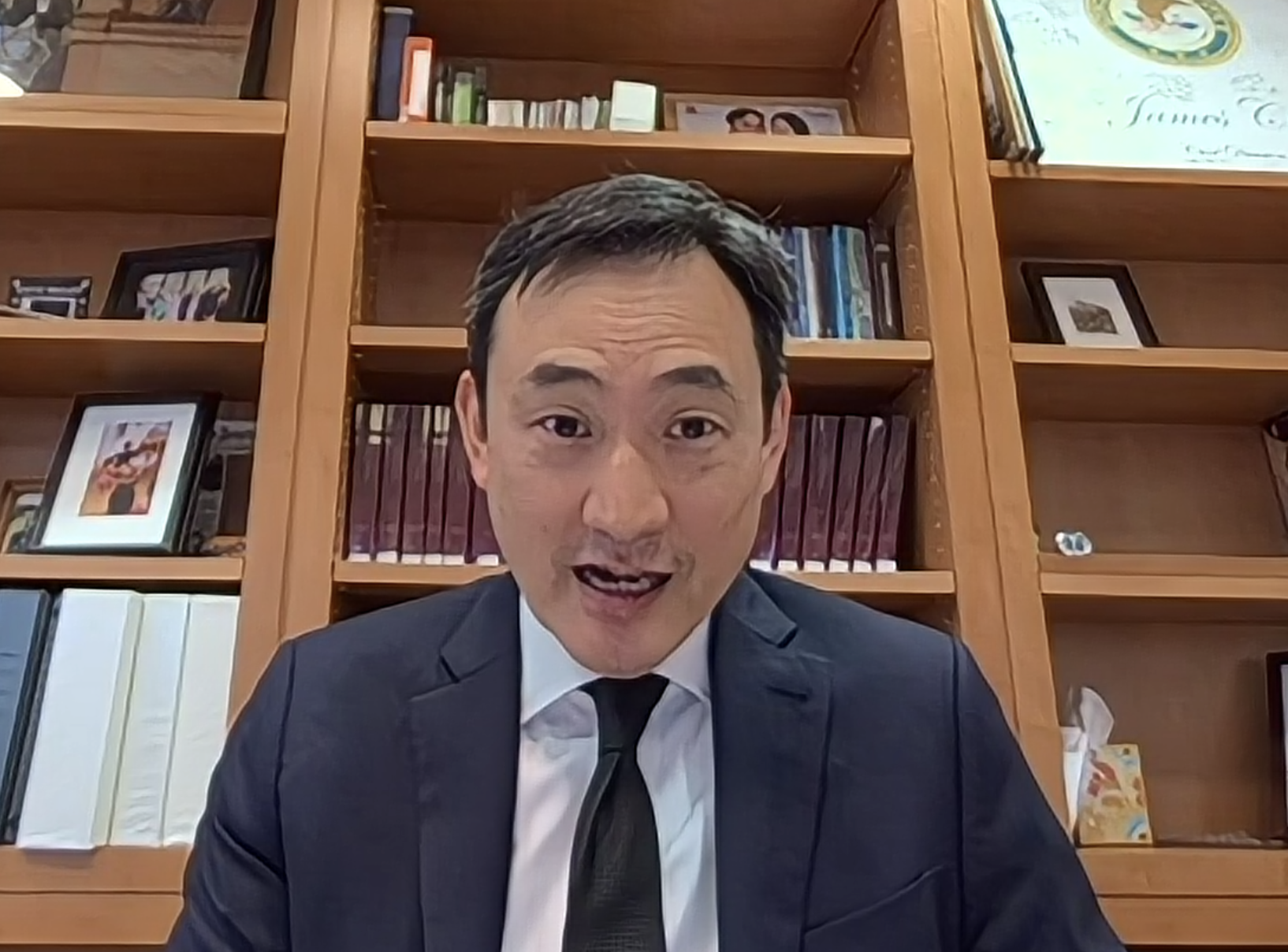
The event, which drew more than 200 members of Brooklyn’s legal community, honored two distinguished AAPI legal professionals: Hon. Peggy Kuo, U.S. Magistrate Judge for the Eastern District of New York, and Kin Ng, Esq., Bureau Chief of Trial Bureau II at the Kings County District Attorney’s Office. Both honorees are also AABANY members. Kin co-founded AABANY’s Prosecutors Committee. The honorees were recognized for their decades of exemplary service and their contributions to the Asian American community.
The article highlights remarks from both honorees. Judge Kuo reflected on the personal significance of being honored in Brooklyn, alluding to A Tree Grows in Brooklyn, a book she loved to read as a child. The article also touches on Judge Kuo’s candid reflection on the challenges she faced in forging her own path in public service. Judge Kuo noted that she had to “find her own way” without a “playbook or a script.”
Kin Ng spoke to the transformative growth of AAPI representation in the Kings County DA’s office over the past three decades. He recalled that in 1991 there were only six Asian ADAs with no seniors or managers out of a staff of 600. Today, there are more than 50. He emphasized that “diversity matters” and is a “source of strength.”
For the complete coverage on the evening and extraordinary careers of the honorees, read the full article in the Brooklyn Daily Eaglehere.
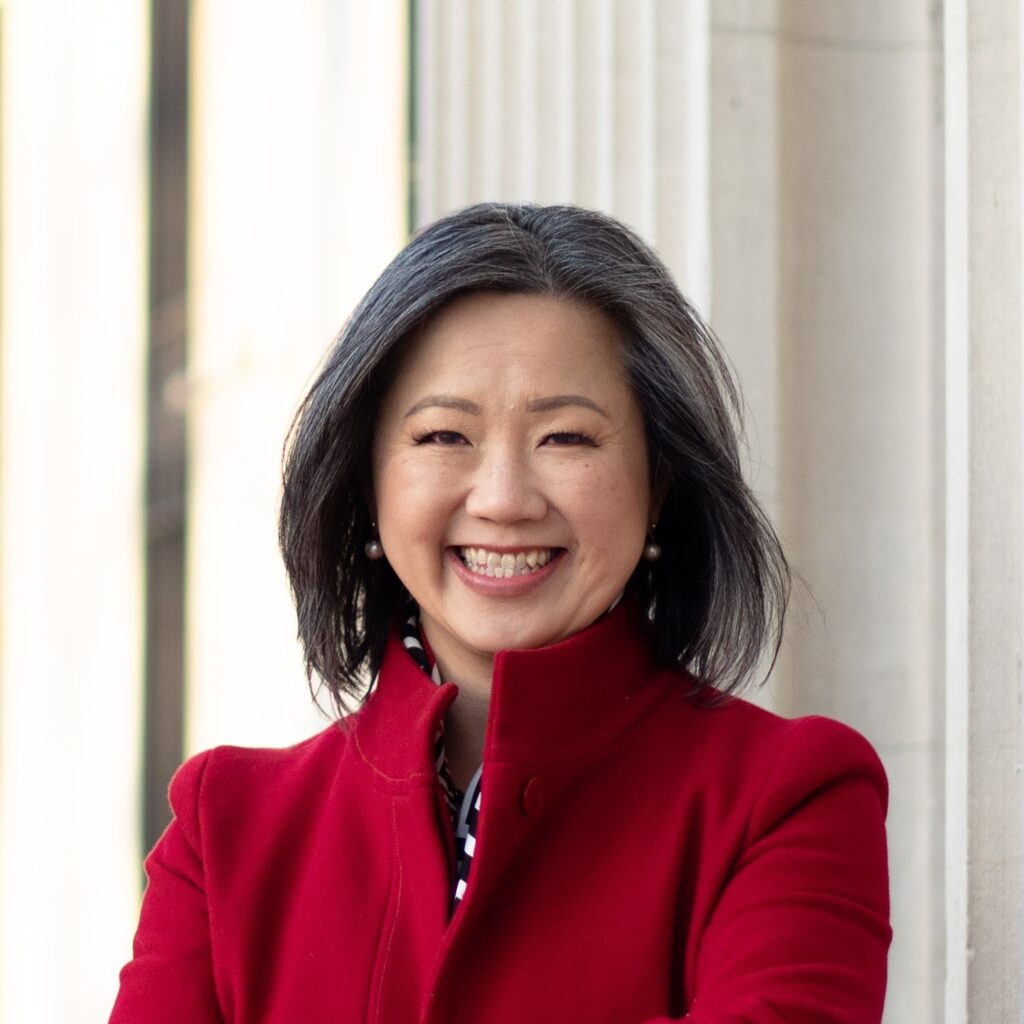
Justice Karen Lin, a longtime member of AABANY and former Co-Chair of the Pro Bono and Community Service Committee (PBCS), has been appointed to the Appellate Term for the Second Department of the New York State Supreme Court. This appointment marks a historic milestone as Justice Lin is the first Asian American woman to serve in this role. As a lifelong public servant and sitting Second Department Justice, she brings decades of experience and a deep commitment to justice to one of the most impactful appellate tribunals for everyday New Yorkers.
Breaking Barriers: The Significance of “the First” Justice Lin’s appointment to the Appellate Term for the Second Department carries historic significance. Yet, for Justice Lin, the meaning of this milestone is inseparable from the community that shaped her.
Born and raised in Queens by her immigrant parents, Justice Lin’s story is rooted in the borough she now serves. At a time when Asian Americans were significantly underrepresented in both civic and professional spaces within Queens County, her early experiences acutely instilled in her a heightened awareness of the importance of being seen and heard. As a child, she recalls helping interpret for her parents who spoke limited English. She also recalls attending school events where she was one of the few Asian American faces in the room. These moments made her realize the significance of representation, or the lack thereof. Coupled with her parents’ tireless work ethic and emphasis on community, these experiences profoundly shaped her sense of justice and responsibility to her community.
Despite Asian Americans comprising more than 27 percent of the population in Queens, they have historically remained underrepresented on the bench. While precise figures vary by dataset, estimates by the Brooklyn Daily Eagle suggest that fewer than 10 percent of judges in Queens County identify as Asian. This number is even lower statewide as according to the New York State Unified Court System’s 2024 Judicial Demographics Report, only about 5 percent of judges statewide identify as Asian. These figures highlight the persistent gap between the Asian American community and their representation within the judiciary.
For Justice Lin, the awareness of this disparity came into sharper focus back in 2022, when she grappled with these demographic realities during her campaign for Queens Civil Court. She recognized both the urgency and the responsibility to step forward.
Now, in 2026, as Justice Lin assumes her role on the Appellate Term, she reflects on both the progress made and the work that remains. While her appointment marks a historic milestone, Justice Lin is candid about what the broader implications of her distinction as “the first” means.
“We shouldn’t still be talking about ‘firsts’ in 2026,” she notes. “It matters to break that ceiling—but it matters even more that we are not the only ones.” Justice Lin maintains that her appointment is part of a larger trajectory which she hopes will continue to open doors for others who will follow and ultimately surpass her.
“I may be the first,” she reflects, “but I certainly do not want to be the last. And I won’t.”
Diversity and Perspective at the Appellate Term In her run for the Queens Civil Court in 2022, Justice Lin noted, “The air in the room changes depending on who is in it.” Now, as Justice Lin assumes her seat at the Appellate Term for the Second Department, she brings her philosophy into a new and vastly different judicial environment.
The nature of judging at the appellate level is necessarily collaborative. Rather than presiding over a single courtroom, justices at the Appellate Term engage in a rigorous discussion of the law. The presence or absence of diverse perspectives can play a significant role in the nature of judicial decision-making.
“The lens through which we interpret the law is shaped by our lived experiences,” Justice Lin explains. “It matters who is in that room.”
The Appellate Term occupies a uniquely consequential position within New York’s judicial system. For many New Yorkers navigating housing disputes, consumer debt matters, and low-level criminal cases arising from the Civil Court and Criminal Court, the Appellate Term often represents the primary avenue for reviewing decisions made in those courts. As such, this court plays a critical role in ensuring public confidence in the fairness and legitimacy of the judicial process and of everyday challenges faced by many families and individuals. Justice Lin approaches this responsibility with a deep awareness of the communities served by the court. As a lifelong Queens native and an experienced legal professional, Justice Lin brings a grounded perspective to the bench and seeks to ensure that the appellate review is conducted with both rigor and awareness.
A Jurist Grounded in Care From civil rights attorney to legislative counsel, from Housing Court Judge to Court Attorney-Referee in Surrogate’s Court, Justice Lin has been guided by a single constant: care.
Justice Lin’s decade as a court attorney referee in Surrogate’s Court, where she handled sensitive guardianship matters, reinforced the centrality of due process, particularly for vulnerable individuals. In those proceedings, she understood the risks of presuming incapacity based solely on diagnosis or circumstance. Instead, she stresses that every individual is entitled to a meaningful hearing where their voice is heard.
This philosophy carried directly into Justice Lin’s work on the trial bench, where she implemented practices designed to make the courtroom more accessible. For example, she required in-person appearances in certain matters involving self-represented litigants, recognizing that virtual proceedings—while efficient—can inadvertently exclude individuals who lack access to technology or familiarity with digital platforms. In-person appearances allowed her to better assess credibility, clarify the relief being sought, provide language support, offer flexible scheduling, promote accessibility for litigants with disabilities, and ensure that litigants could express themselves in their own words. Similarly, her practice of inviting court users to indicate their preferred pronouns reinforces the principle that every individual who enters the courtroom is entitled to be treated with respect.
To illustrate, Justice Lin described a family conflict case she dealt with where a father passed away, leaving his home to only two of his children and excluding the others. Justice Lin guided the family through structured discussion by helping each member articulate concerns and expectations by meeting with them individually. This ultimately fostered a mediated resolution that balanced the legal framework with the opportunity for members of the family to retain some control over their outcome. In the end, the siblings reached an agreement to divide the home equally among all of the children.
“The court cannot advocate,” she notes, “but it can ensure fairness, dignity, and that due process is fully respected.”
A Career Defined by Purpose Long before she entered the legal field, Justice Lin was already cultivating an ethos of advocacy at the University at Buffalo. As an undergraduate, she noticed that Asian American history and experiences were largely absent from the curriculum. Determined to address this gap, she petitioned the history department to introduce a course on Asian American history which had never previously been offered. Simultaneously, she co-founded the University’s Asian American student organization, the Asian American Students Association (AASA) and served as its first president where she organized cultural programming and panel discussions to highlight the contributions of Asian Americans on campus. These initiatives included guest lectures, heritage month celebrations, and workshops that engaged the broader student body in conversations about diversity and inclusion. Reflecting on these formative years of her life, Justice Lin noted, “I wanted students like me to see themselves in the stories being told and to have a community where our voices mattered.”
A couple years later, Justice Lin championed these same values through her leadership with AABANY’s Pro Bono and Community Service Committee (PBCS), where she served as Co-Chair. During the COVID-19 pandemic, when the need for legal services increased significantly, she played an instrumental role in promoting access to legal services by expanding Pro Bono Clinics to underserved communities in Queens. Building on this work, Justice Lin highlights that meaningful legal assistance requires the ability to communicate effectively, especially with individuals who struggle to find services in a language they understand. She speaks of her time with PBCS, describing it as the “best committee ever” and her service as both a “great joy and privilege.” Additionally, she praises AABANY’s Pro Bono Clinics as an invaluable resource for individuals with limited English proficiency.
Ultimately, in each stage of her professional journey, Justice Lin has consistently asked herself: “Where can I be helpful?”
Lifting the Next Generation As a mentor and active participant in programs such as the The Sonia & Celina Sotomayor Judicial Internship Program, Justice Lin is deeply committed to cultivating the leaders of tomorrow. She suggests that a successful legal career rests on a foundation of competence and character. She encourages students and young professionals to strive for mastery in their chosen field. “Be as good at it as you can be,” she advises, because when opportunities arise, “you better be ready to hit the ground running.” Competence, she notes, is central to reputation as it ensures that professionals are prepared to perform effectively in any high-stakes environment.
Justice Lin also stresses that technical skill alone is not enough. Equally important is how one treats others. “Your competence shapes your reputation,” she explains, “but so does how you treat people.” She believes in a universal standard of decency and she encourages individuals from all paths of life to treat everyone—from the janitor to the judge—the way they would want themselves or a loved one treated. She reminds us that “people may forget what you did but they will remember how you made them feel.”
Throughout her career, Justice Lin has also rejected narrow stereotypes of what a lawyer must be. Justice Lin has challenged the notion that success requires aggression. Many assumed she was “too nice” to be an effective lawyer or justice, but she believes there are many ways to practice law successfully without abandoning one’s nature. She encourages young professionals, especially those from underrepresented backgrounds, to embrace their individuality. “What makes us different is really what makes us strong,” she says. Avoiding the temptation to contort oneself to fit an expected mold, she emphasizes that professional growth is most meaningful when it is shared: “It is purposeless to rise alone; we rise together.”
Through her guidance and example, Justice Lin seeks to create spaces where future generations can thrive with confidence and authenticity. Now at the Appellate Term, her role amplifies this impact as she continues to shape the culture of the judiciary itself. Please join AABANY in congratulating Justice Karen Lin on this historic milestone. We look forward to seeing more noteworthy contributions from her public service.
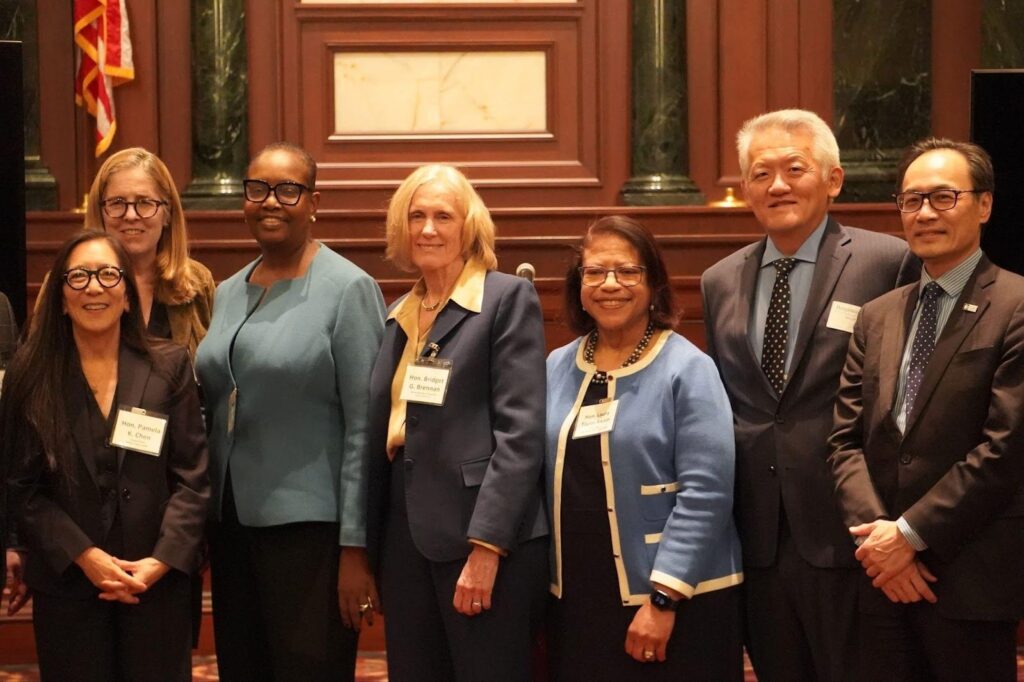
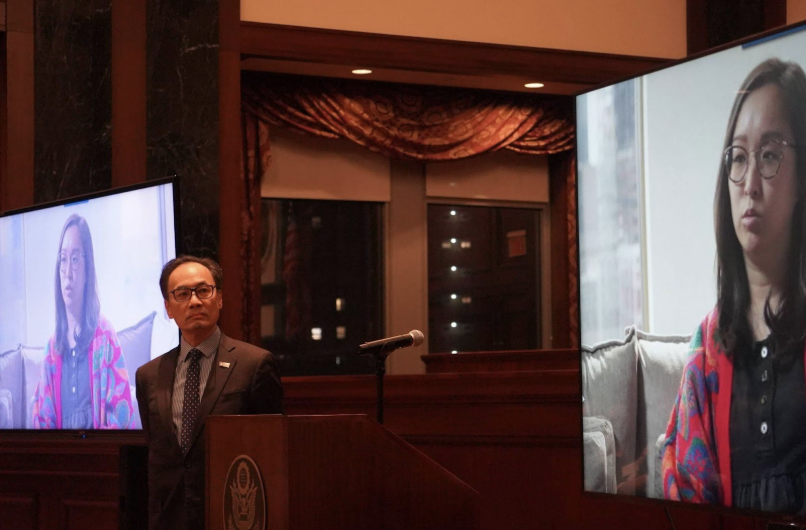
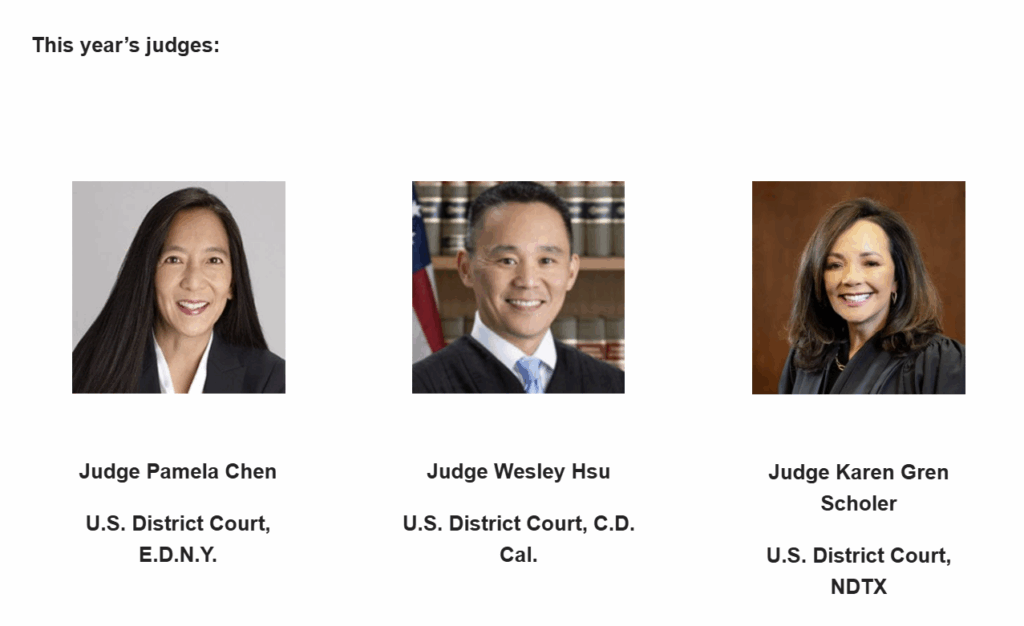
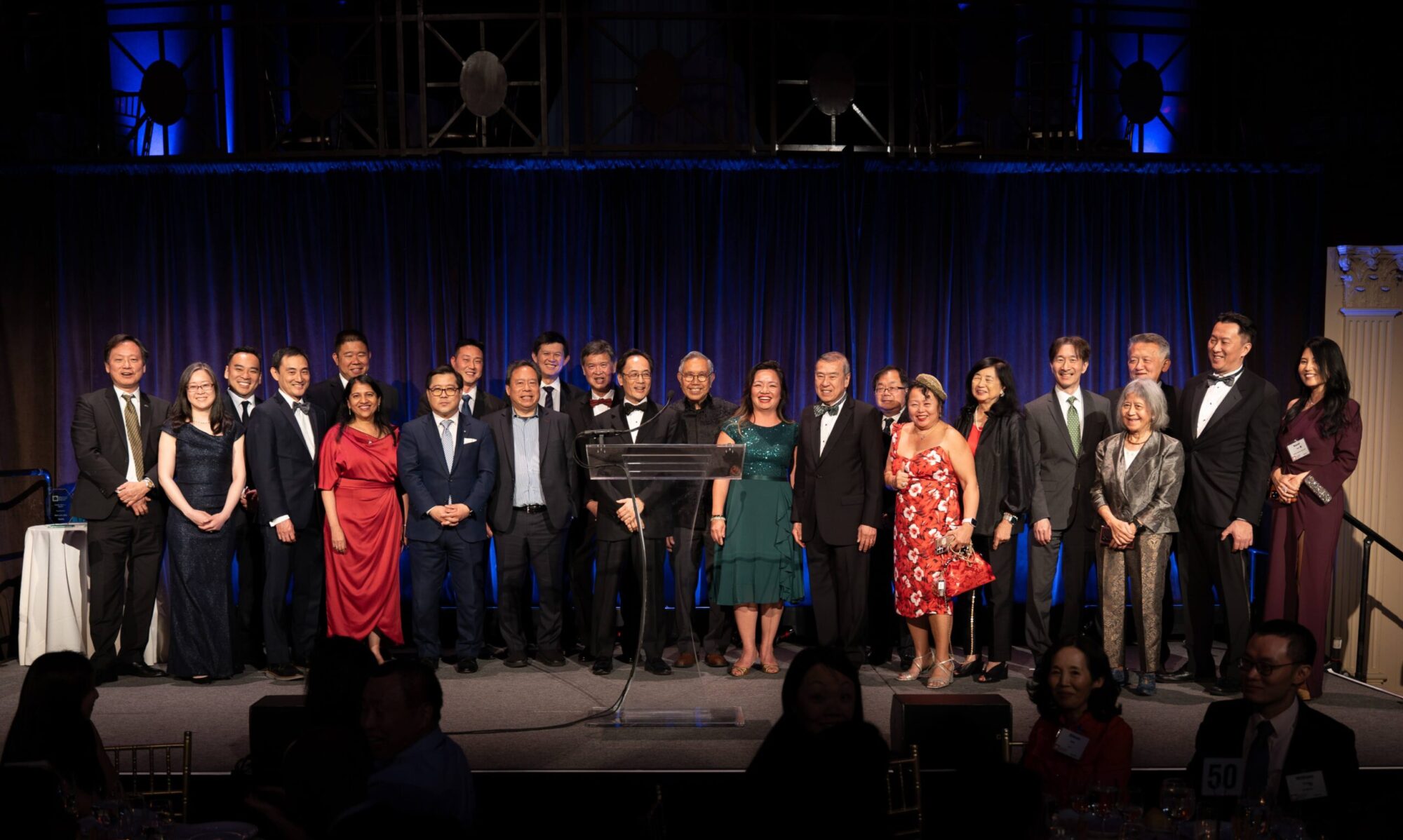
The Asian American Bar Association of New York (AABANY)’s Prosecutors Committee, together with its Judiciary Committee, celebrated the 17th Anniversary of the Prosecutors Committee on March 5, 2026, at the Daniel Patrick Moynihan United States Courthouse in Lower Manhattan. The evening honored Pamela K. Chen, United States District Judge for the Eastern District of New York, with a Lifetime Achievement Award in recognition of her exemplary service to the Federal judiciary and her longstanding dedication to justice.
Judge Chen was nominated to the Federal bench in January 2013 by President Barack Obama and confirmed by the Senate in March 2013. Since her appointment to the bench, Judge Chen has presided over a wide array of civil and criminal cases, including a civil lawsuit challenging New York’s ban on the possession of nunchuks.
Judge Chen began her legal career at the law firm of Arnold & Porter in Washington, D.C. In 1991, she joined the Special Litigation Section of the U.S. Department of Justice’s Civil Rights Division, where she litigated matters relating to conditions of confinement for individuals in state and local institutions, as well as cases involving the enforcement of the Freedom of Access to Clinic Entrances (FACE) Act of 1994.
In 1998, Judge Chen moved to New York City and joined the U.S. Attorney’s Office for the Eastern District of New York, where she worked until March 2013, except for a brief period in 2008, when she served as Deputy Commissioner for Enforcement in the New York State Division of Human Rights. As an Assistant U.S. Attorney, Judge Chen investigated and prosecuted cases involving terrorism, gang violence, drug trafficking, human trafficking, official misconduct, and civil rights crimes. She also served as the Chief of the Criminal Civil Rights Section and oversaw the development of the Office’s anti-human trafficking program, which resulted in the investigation and prosecution of hundreds of traffickers and the identification, rescue, and restoration of hundreds of survivors of trafficking. In 2015, Judge Chen and then-Attorney General Loretta E. Lynch were honored by Sanctuary for Families for the anti-human trafficking work done by the U.S. Attorney’s Office under Attorney General Lynch’s leadership as the U.S. Attorney for the Eastern District of New York.
Judge Chen has also served for nearly ten years on the Board of the Sonia & Celina Sotomayor Judicial Internship Program where she mentors the next generation of legal professionals.
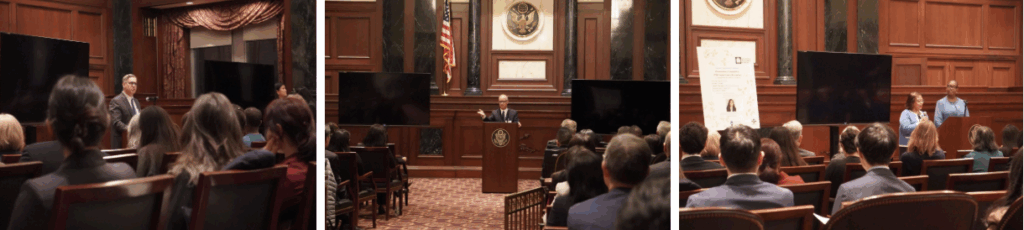
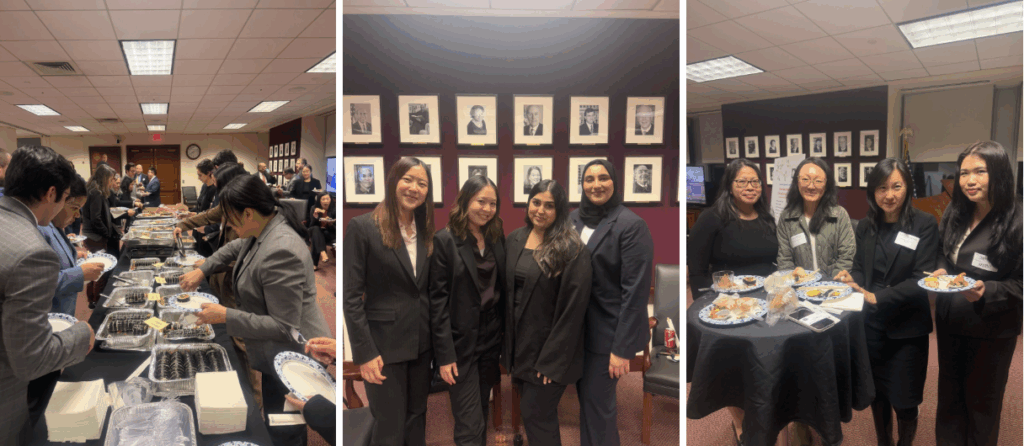
The evening began in the courthouse’s Ceremonial Courtroom, where approximately 150 attendees from across the legal community gathered. The event brought together a wide range of members from our shared communities, including state and Federal judges and prosecutors, government attorneys, private practitioners, law students, law clerks, professors, community advocates, and supporters of AABANY.
The formal program commenced at approximately 6:15 p.m., with opening remarks from the evening’s Masters of Ceremonies, Teri Chung, Major Case Assistant District Attorney at the Bronx County District Attorney’s Office, and Eun Bi Kim, Assistant District Attorney at the Manhattan District Attorney’s Office. Distinguished heads of the Federal judiciary offered warm greetings and reflections on Judge Chen’s career, including Hon. Laura Taylor Swain, Chief Judge of the United States District Court for the Southern District of New York, and Hon. Margo K. Brodie, Chief Judge of the United States District Court for the Eastern District of New York.
Following Chief Judges Swain and Brodie, additional remarks were delivered by Benjamin Hsing, President of AABANY; Hon Joseph Nocella Jr., United States Attorney for the Eastern District of New York; Hon Bridget G. Brennan, Special Narcotics Prosecutor for the City of New York; Joseph P. Alexis, Chief of the Trial Division at the Kings County District Attorney’s Office; and Karl Metzner, Associate United States Attorney for the Southern District of New York. During the program, each speaker highlighted the breadth and significance of Judge Chen’s judicial and prosecutorial careers. Their words were a tribute to her leadership and dedication to public service.
After the array of accolades was given from many who have worked with Judge Chen, she was formally introduced by Hon. Ann Donnelly, United States District Judge for the Eastern District of New York, who described Judge Chen as the embodiment of a trailblazer.
In her acceptance remarks, Judge Chen delivered a thoughtful and compelling reflection of her career and the importance of representation in public service within the legal profession. Citing data on Asian American participation in public service roles, she observed that “by the end of 2022, approximately 7.5% of Asian American lawyers entered government service directly from law school,” while noting similarly modest percentages entering law school and prosecutorial offices. She posed a critical question: “Why does it matter that Asian Americans are not fully represented in public service?”
Judge Chen explained that the answer lies not only in numbers, but in perception and belonging. She remarked that in this country, there remains an undercurrent that views Asian Americans as perpetual foreigners. Such perceptions have, at times, surfaced most painfully during moments of national hardship, including the COVID-19 pandemic, when anti-Asian sentiment manifested in acts of violence.
Emphasizing the importance of visibility in public roles, Judge Chen reflected on the symbolic power of serving as a prosecutor: “When you stand up in court and say, ‘I represent the People of New York’ or ‘I represent the United States of America,’ you are affirming, every day, that Asian Americans are part of this nation—not outsiders to it.” Judge Chen emphasized how greater participation in public service, specifically institutions of justice, helps achieve equity for all, and simultaneously challenges stereotypes and reinforces the fundamental truth of belonging.
These themes of representation and belonging were echoed in the broader program. Before its conclusion, AABANY Executive Director Yang Chen introduced a trailer for Voices Against Anti-Asian Hate, an AABANY documentary highlighting the surge in anti-Asian hate incidents during the pandemic and the community’s response. The trailer highlighted the importance of continued vigilance and advocacy against anti-Asian violence and hate crimes and described the ongoing work of AABANY’s Anti-Asian Violence Task Force. Yang Chen further expressed gratitude for the role played by members of the Task Force in producing the documentary. In particular, Yang called up St. John’s University School of Law Professor Elaine Chiu, past Chair of the Task Force, and James Lin, retired veteran prosecutor of the Manhattan and Brooklyn DA’s Offices, as well as Daphne Mei, Program Manager for the Task Force, for their contributions to AABANY’s work combatting anti-Asian violence and hate.
The program concluded with closing remarks from Kin Ng before guests proceeded to a networking reception in suite 850. The reception featured an array of delicious food including a variety of kimbap, samosas and dumplings, and provided an opportunity for attendees to connect and celebrate Judge Chen and the continued impact of the Prosecutors Committee within the legal community.
A Second Circuit Judge who attended the event described it as “warm, informative, and fun,” a sentiment that captured the spirit of collegiality and shared purpose that defined the celebration.
AABANY thanks Prosecutors Committee Co-Chairs Grace Vee, Appeals Division Civil Litigation Unit Chief and Associate General Counsel at the Manhattan District Attorney’s Office, and Kin Ng, Bureau Chief at the Kings County District Attorney’s Office, as well as Judiciary Committee Co-Chairs David Mou, founding attorney of Mou Legal PLLC, and Mark Son, Vice President of the Central Investigations Function at Deutsche Bank, for their leadership in organizing this memorable evening. AABANY also thanks the United States District Court for the Southern District of New York for graciously hosting the celebration at the SDNY courthouse. To view photos from the event, click here.
For Immediate Release: January 21, 2026 Contact: Rahat N. Babar, Deputy Executive Director
WASHINGTON – The National Asian Pacific American Bar Association (NAPABA) congratulates Justice Sanjay T. Tailor on his groundbreaking appointment to serve as a justice on the Illinois Supreme Court.
“Justice Tailor’s appointment marks a historic milestone in NAPABA’s mission for its members, the Asian American, Native Hawaiian, and Pacific Islander (AANHPI) lawyers, and their broader communities,” said Joseph Yao, President of NAPABA. “In 2022, NAPABA’s Portrait Project 2.0 found that only nine Asian American jurists served on state high courts, a number that remained constant until now. As the first Asian American to serve on the Illinois Supreme Court, Justice Tailor has broken barriers and serves as a beacon of achievement for our legal community and for anyone aspiring to such heights.”
Justice Tailor brings more than two decades of judicial experience to the Illinois Supreme Court. He has served for 23 years on Illinois’s trial and appellate courts, including as an Associate Judge and Circuit Judge and, most recently, as a Presiding Justice of the First District Appellate Court. Prior to joining the bench, he served as an Assistant State’s Attorney in Cook County and practiced law in the private sector. Justice Tailor taught as an adjunct professor at Loyola University of Chicago School of Law. He earned his B.A. from the University of Delaware and his J.D., with honors, from Loyola University of Chicago School of Law.
“Through his many leadership roles, including as the president of the Asian American Judges Association of Illinois, and through his engagement with NAPABA affiliates like the Asian American Bar Association of Greater Chicago (AABA Chicago) and the South Asian Bar Association of Chicago (SABA Chicago), Justice Tailor has demonstrated a deep commitment to public service and the community throughout his career,” said Priya Purandare, Executive Director of NAPABA. “His groundbreaking appointment highlights the importance of continued efforts to ensure that those in the AANHPI legal community are recognized, supported, and elevated to positions of leadership across the country.”
“We are proud and thrilled to see Illinois become one of a small number of states that have a judge on its highest court who is Asian American,” said Stephen Lee, President of AABA Chicago. “AABA formed decades ago in part to help Asian American attorneys become judges and to help our judiciary better reflect the people whom it serves, and this is a huge milestone not just for Justice Tailor and Asian American attorneys but for everyone.”
“The South Asian Bar Association of Chicago proudly congratulates Justice Tailor on this historic appointment as the first Asian and South Asian Justice to serve on the Illinois Supreme Court,” said Saman Haque, President of SABA Chicago. “This milestone reflects the strength of our justice system and the importance of representation. As a founding member of SABA Chicago, Justice Tailor has remained steadfast in his commitment to inclusion and equity, and to mentoring and encouraging attorneys to hone their craft. We celebrate this achievement and look forward to the lasting impact of Justice Tailor’s leadership and service.”
NAPABA extends its sincere congratulations to Justice Sanjay Tailor and wishes him continued success in his service on the Illinois Supreme Court.
Two Opportunities to Support Your Journey to a Legal Career
2026 SAIL Scholarship Deadline to Apply: June 30, 2026
The NAPABA Law Foundation is now accepting applications for the distinguished SAIL Scholarship Program—a rare, career-shaping opportunity created to uplift and empower the next generation of leaders in the legal profession.
The SAIL Scholarship offers far more than financial support. Selected scholars receive: – $7,500 in funding (distributed evenly across their 2L and 3L years) – One-on-one mentorship from seasoned legal professionals – Exclusive access to executive-level networking and leadership opportunities
Who Should Apply?
Current 1L students (rising 2Ls in Fall 2026) who demonstrate:
Strong academic achievement (undergraduate and 1L performance)
Leadership potential and a commitment to “paying it forward”
Volunteer or public service experience
Knowledge of or dedication to advancing AAPI communities
This program provides sustained support throughout law school — financially, professionally, and personally — helping recipients build a foundation for a career rooted in leadership, service, and impact.
If you know an exceptional first-year law student, please encourage them to apply.
Students: Be sure to review the SAIL Scholarship FAQ to confirm eligibility and expectations before submitting your materials.
Let the SAIL Scholarship help launch your path toward meaningful change in the legal field. To apply, click this link.
2026 NAPABA Judicial Council Summer Internships Deadline to Apply: January 15, 2026
We are pleased to announce that the NAPABA Judicial Council is offering three prestigious summer internship opportunities with distinguished federal judges for Summer 2026. Each selected intern will also receive a $1,500 scholarship stipend to support their experience.
These internships provide invaluable exposure to federal judicial work, insights into the court system, and the opportunity to learn directly from leaders in the judiciary. Each full-time internship will last approximately 4-10 weeks, with dates and times to be arranged between each intern and judge.
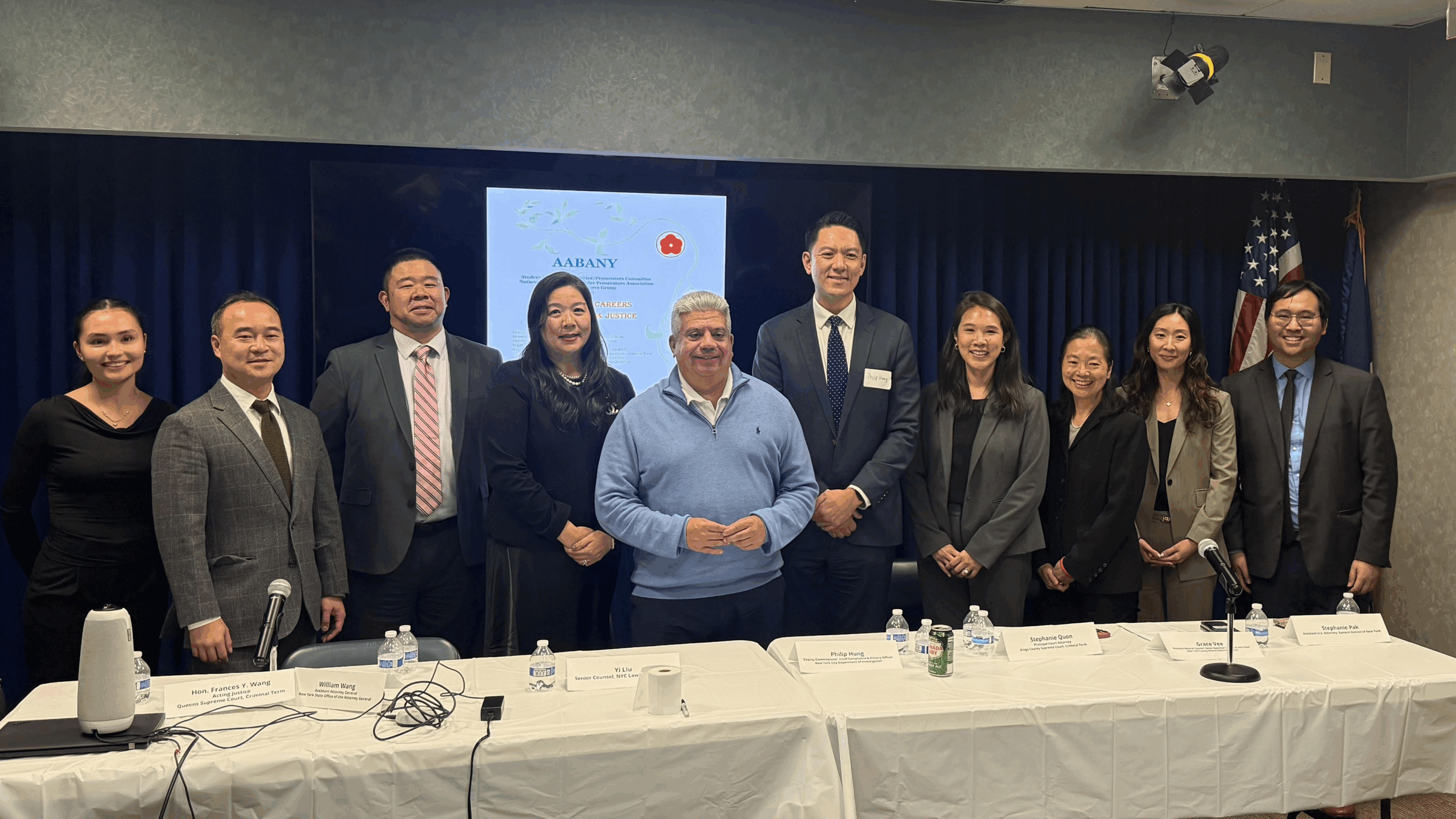
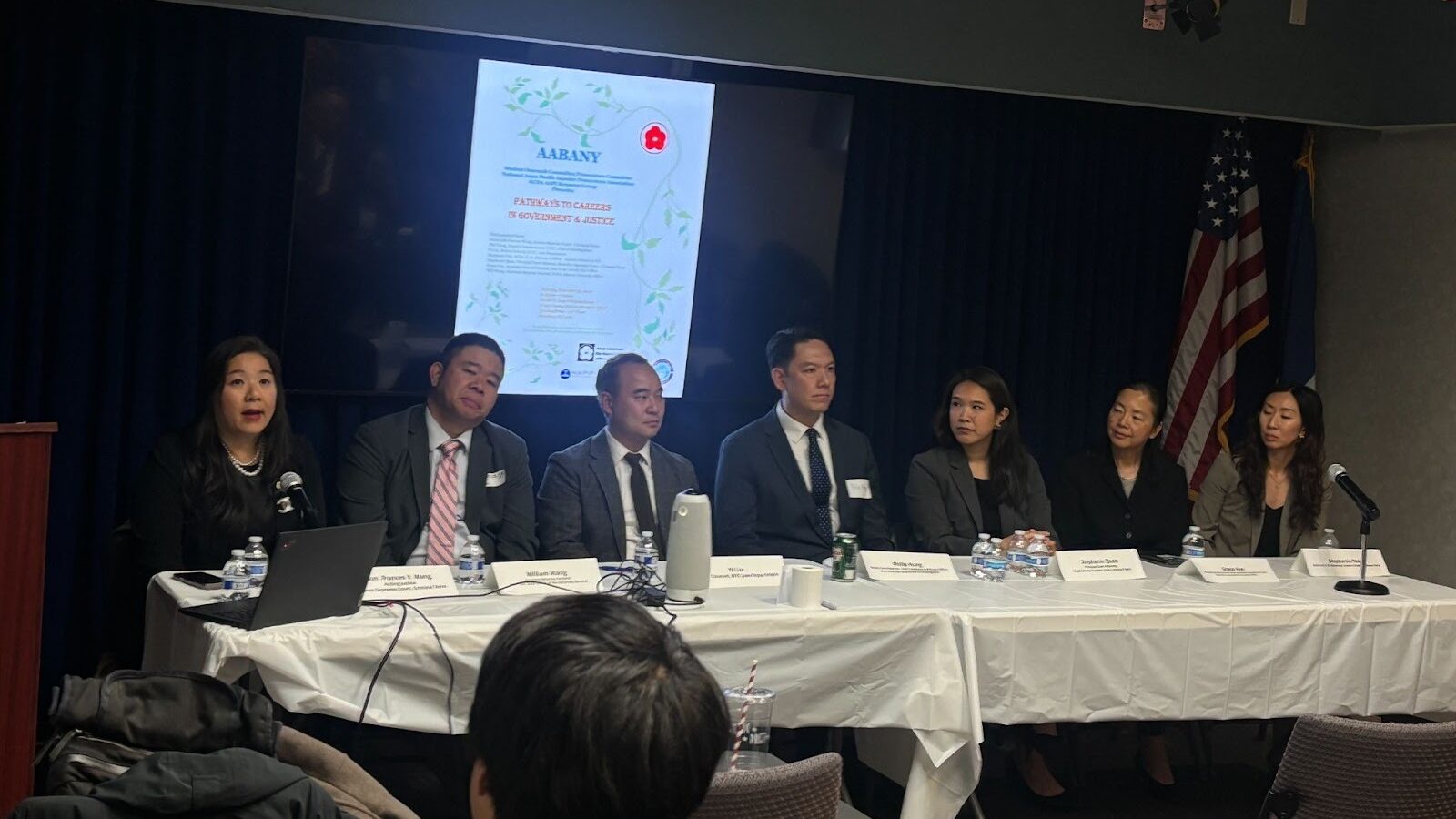
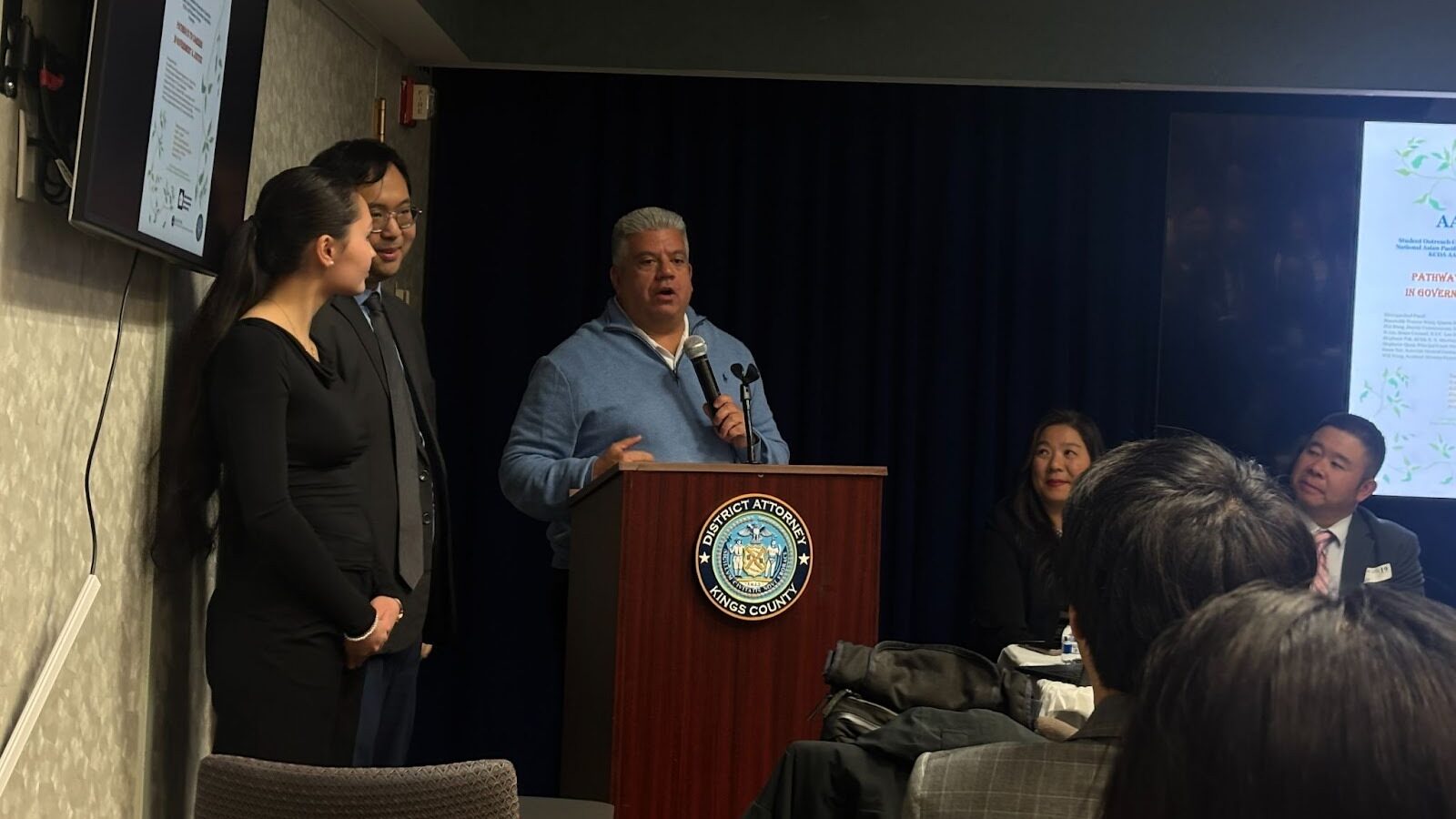
On November 25, 2025, AABANY’s Prosecutors and Student Outreach Committees joined the National Asian Pacific Islander Prosecutors Association (NAPIPA) to host an event called “Pathways to Careers in Government & Justice” at the Kings County District Attorney’s Office. The hybrid program, available in person and via Zoom, brought together law students, early-career professionals, and seasoned public servants for a wide-ranging discussion about what it means to build a career — and answer a calling — within the criminal justice system.
The event opened with a warm welcome and participants enjoyed a delicious spread of food, featuring dumplings, fried rice, chicken wings, and noodles. The event then quickly moved into a dynamic panel conversation featuring prosecutors, judges, court attorneys, and representatives from major government agencies. Each speaker traced their path into public service, revealing how mentorship, curiosity, and unexpected opportunities shaped their careers. The following judges were also in the audience: Hon. Phyllis Chu, Hon. Danny Chun, Hon. Marilyn Go (Ret.), and Hon. Don Leo.
Panelist Hon. Frances Wang (Queens Supreme Court, Criminal Term) described a childhood spent moving across Taiwan, Singapore, Iran, Saudi Arabia, and finally the United States. Adjusting to new cultures, learning English, and navigating unfamiliar schools, she found herself in a third-grade classroom where a teacher told her, “You ask a lot of questions. I think you’d make a good lawyer.” She had never heard the word lawyer before, but the encouragement stayed with her. Years later, that early spark grew into internships, mock trial competitions, prosecutorial work, and eventually a judgeship.
Her story echoed a theme that ran throughout the night: the profound and often quiet influence of mentors (teachers, supervisors, judges) who saw potential long before the speaker did. Many panelists noted that their career trajectories were not linear. They relied on mentors to clarify possibilities they did not know existed, whether in appellate litigation, regulatory enforcement, oversight and investigation, or judicial work.
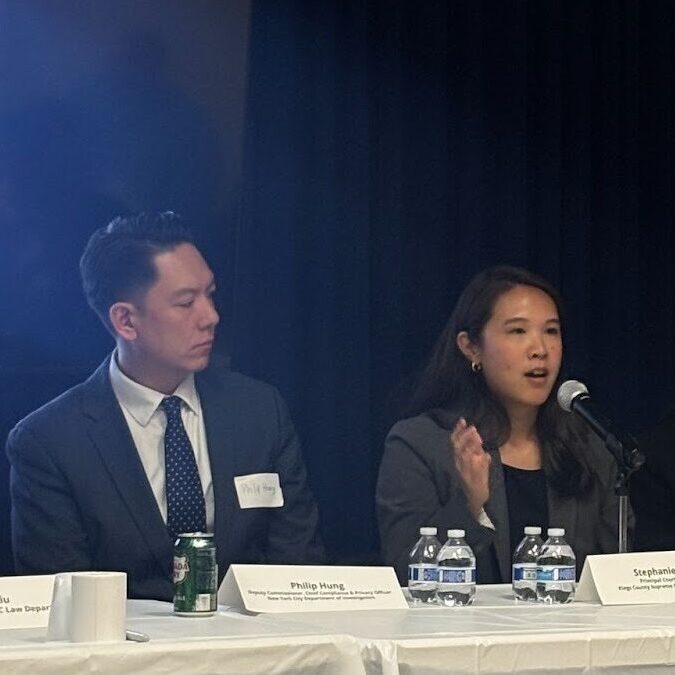
William Wang (Assistant Attorney General, New York Attorney General’s Office) and Stephanie Pak (Assistant United States Attorney, U.S. Attorney’s Office, Eastern District of New York) and Yi Liu (Senior Counsel, New York City Law Department) offered clear, accessible explanations of their bureaus and divisions, from affirmative litigation to labor and employment matters, and gave students a rare inside look at where public-sector lawyers can make a difference. Phil Hung (Deputy Commissioner, Department of Investigation) described DOI as “the city’s watchdog,” explaining how the agency investigates fraud, waste, abuse, and corruption across virtually every city entity. For many students, it was the first time seeing how interconnected the city’s justice and accountability systems truly are.
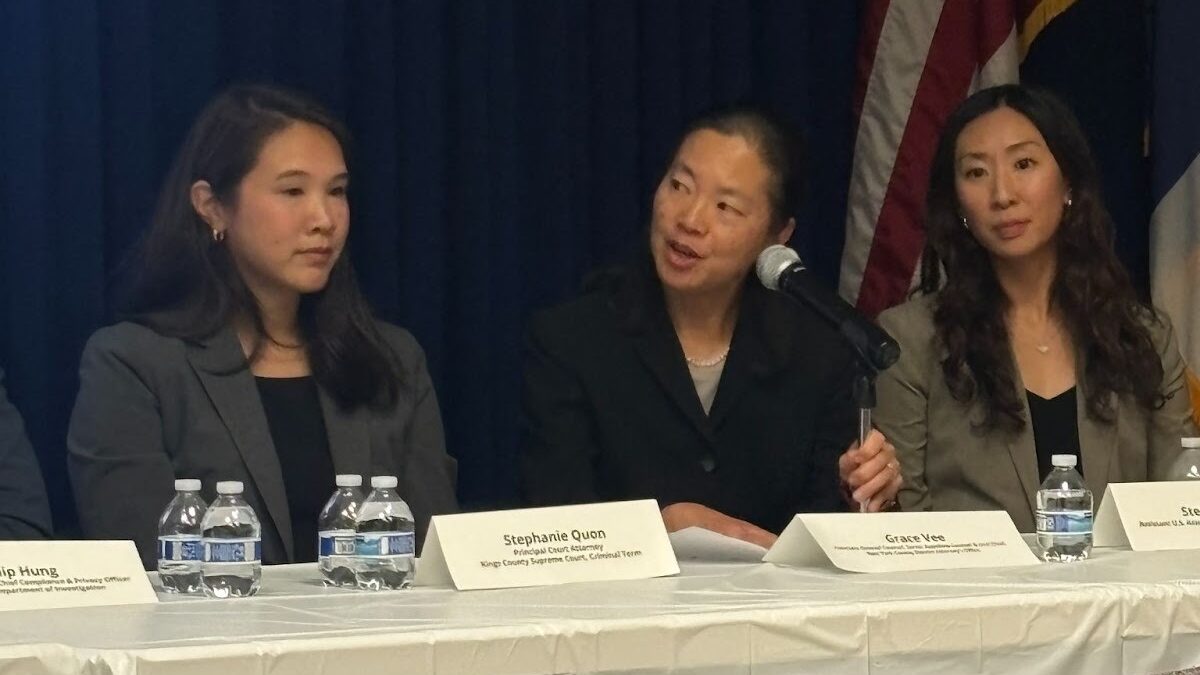
Stephanie Quon (Principle Court Attorney, Brooklyn Supreme Court – Criminal Term) described roles that receive less public visibility but are essential to making the courts and prosecutors’ offices function. She explained the intellectual rigor and responsibility that come with drafting decisions, researching complex legal issues, and supporting judges in high-stakes cases ranging from violent felonies to gang conspiracy, fraud, and bias-motivated crimes.
Grace Vee (Assistant District Attorney, Manhattan District Attorney’s Office) shared her journey to becoming an Assistant District Attorney, which started from a brief externship at the Manhattan District Attorney’s Office while she was still in college. What began as a two-week externship quickly became a defining experience. She spoke about how impressed she was by the dedication of the prosecutors, the sense of mission in the office, and the profound public service component of the work.
That early exposure stayed with her. She went on to law school, determined to return to the Manhattan DA’s Office, and she did. Grace became an Assistant District Attorney and remained in the role for 30 years (just recently celebrating her 30th anniversary at the Manhattan DA’s Office), building a long, distinguished career grounded in community protection, ethical prosecution, and public trust. Her story demonstrated that the spark of public service can begin early, but its longevity is sustained by commitment, discipline, and a deep belief in the work. During Grace’s description of her journey, she thanked Judge Marilyn Go, also in attendance in the audience, as her mentor and role model. This moment was especially moving, showing how mentorship has passed on and created a lasting legacy of service within the legal community.
Grace’s narrative resonated particularly strongly with students, showing how a single moment — an externship, a mentor’s encouragement, a first exposure to courtroom advocacy — can set the foundation for a meaningful career.
Across all these narratives, one message stood out: there is no single path into public service, but every path requires integrity, courage, and a willingness to step forward.
As the conversation deepened, several speakers reflected on the unique role of Asian American and Pacific Islander (AAPI) attorneys in public-sector positions. They underscored that representation matters not only for visibility, but for trust. Many communities remain fearful or skeptical of government institutions; seeing people with shared histories and cultural understanding in these roles can make the legal system feel more accessible. Public-sector lawyers often become bridges between communities and the courts, between fear and understanding, between wrongdoing and accountability.
The panelists’ honesty about the pressures of the work, whether in sentencing decisions, overseeing investigations, or handling trauma-heavy prosecutions, imbued the discussion with realism and deep humanity. Their candor also reaffirmed that commitment to public service, despite its difficulty, remains a powerful way to shape the world with purpose.
A Visit from Brooklyn DA Eric Gonzalez: A Call to Serve
Midway through the evening, Brooklyn District Attorney Eric Gonzalez stopped by to offer words that many attendees described as especially moving. He spoke frankly about the critical need for representation in public service, drawing on his own background as a Latino community member and prosecutor.
He emphasized that the justice system needs attorneys who reflect the diverse communities of New York, especially in moments of heightened distrust. “People are really afraid of government,” he said, noting that this fear is prevalent across Asian, Latino, Caribbean, and Black communities. DA Gonzalez emphasized that increased representation and participation of more minority community members would help address this issue.
DA Gonzalez stressed that losing talented young lawyers to the private sector would have consequences far beyond the walls of a single office. The public, he reminded everyone, depends on committed public servants who can build trust and foster accountability. His message was both caution and encouragement: stay, serve, and know that your presence matters.
Thank You to the Prosecutors Committee, Student Outreach Committee, Panelists, and the Kings County District Attorney’s Office.
What distinguished this event was the sincerity running through every story, every piece of advice, and every reflection. The speakers did not simply outline career paths; they opened windows into the human experience of being a public servant. They spoke about challenges and doubts, but also about the moments that reaffirmed why they chose this work.
Hearing about the speakers’ individual stories made students and attendees realize that they could do it too, and witnessing their dedication, passion, and commitment to their jobs firsthand was definitely impactful. During the networking hour that followed, attendees lingered to ask questions, seek mentorship, and connect with speakers. It was clear that the event created not only opportunities, but possibilities.
AABANY extends its deepest gratitude to the Kings County District Attorney’s Office, NAPIPA, DA Eric Gonzalez, the moderators, panelists, and all attendees. Pathways to Careers in Government & Justice illuminated the rich landscape of public-sector careers and reminded aspiring attorneys why representation, integrity, and service matter.
We look forward to continuing programs that uplift emerging leaders and strengthen the pipeline of dedicated AAPI public servants across New York.
To learn more about the Prosecutors Committee at AABANY, click here.
To learn more about the Student Outreach Committee at AABANY, click here.
Legal internships in the New York State Courts are programs for law students to gain experience in public service. Interns research and analyze legal issues and are responsible for drafting orders, proofreading opinions, verifying citations, preparing jury charges, and verdict forms. The internship program provides hands-on experience, professional development, and opportunities to work on projects that promote access to justice. Legal Interns, appointed in the Civil Term by Justices of the Supreme Court, are assigned to Judges designated as Acting Supreme Court Justices. This internship position is assigned to Hon. Mary Lynn Nicolas-Brewster, Supreme Court Justice in Bronx County Supreme Court – Civil Term.
This is an unpaid, in-person, eight-week legal internship program for law students interested in becoming a judge or public interest attorney. Interns are expected to participate for 12 hours weekly. Legal interns will receive rare opportunities to develop legal research, oral advocacy, and writing skills. Additional features of the program include weekly lunch-and-learn sessions with attorneys and judges across practice areas, individualized mentorship, and practical advice for law school success. The Internship program is designed to be a pipeline program for law students interested in careers in the courts and public service.
The in-person legal internship will be hosted from February 16, 2026, through April 10, 2026 (internship location – Bronx Supreme Court – Civil Term, 851 Grand Concourse, Bronx, New York). The application deadline is January 9, 2026.
The subject line should be “Legal Internship – Spring 2026″
You must include the following documents as one attachment:
A cover letter addressed to Hon. Mary Lynn Nicolas-Brewster, Acting Supreme Court Justice, Bronx Supreme Court, Civil Term.
Please highlight previous public service work or work involving equal justice issues.
Your resume.
A writing sample – please respond to the essay prompt below:
ESSAY PROMPT: In this personal injury action involving a motor vehicle accident, Plaintiff has failed to provide responses to discovery demands and Defendant ABC Holding has moved for an order dismissing the action in accordance with the Court’s prior April 10, 2025 order. That self-executing order granted dismissal of Plaintiff’s complaint unless within sixty (60) days of the order, Plaintiff provided responses to Defendant ABC Holding’s discovery demands. The Court directed dismissal of Plaintiff’s complaint, pursuant to CPLR 3126, if there was a failure to comply with its Order. Plaintiff failed to provide the discovery contemplated by the April 10, 2025 order and Defendant ABC Holding has now moved to dismiss the complaint based on Plaintiff’s failure to comply with this Court’s self executing order of dismissal issued on April 10, 2025. Please draft the analysis and conclusion/determination section of the proposed decision and order (please limit to 500 words or less). Please limit your research to First Department case law.
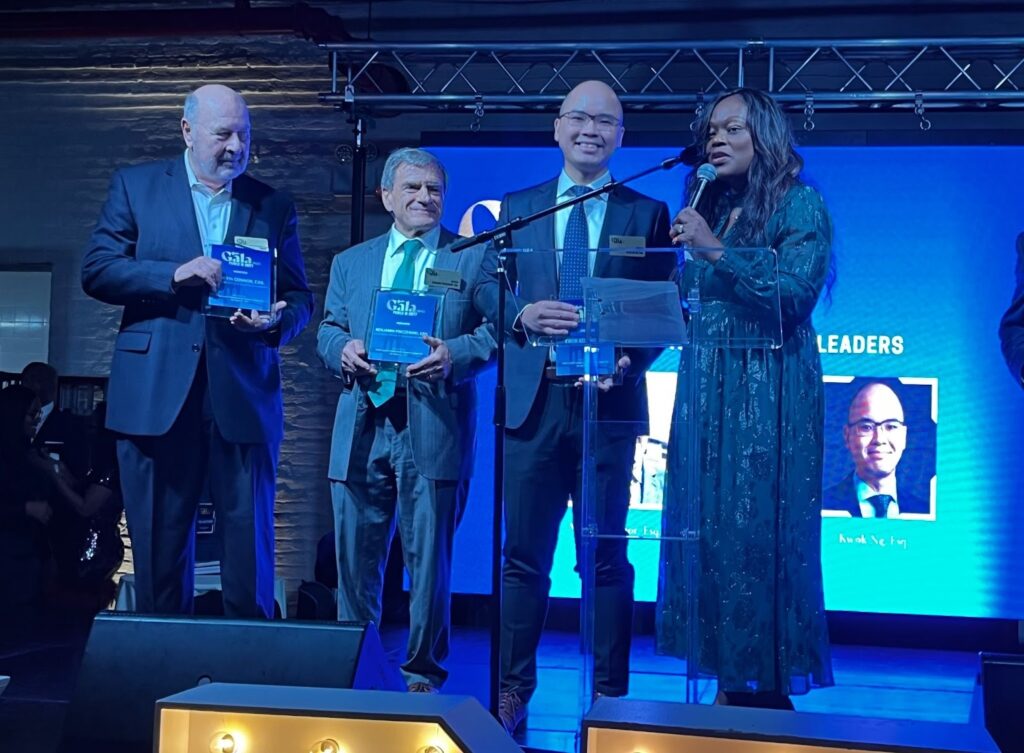
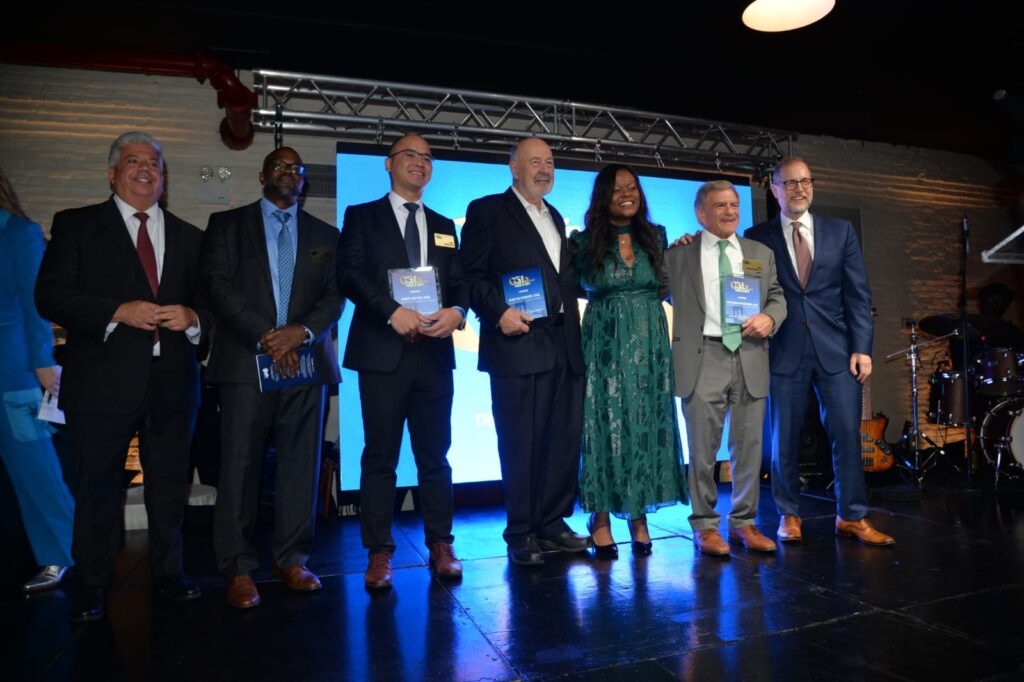
AABANY is proud to celebrate Kwok Kei Ng, who was recognized as a Community Leader at the 2025 Brooklyn Democratic Gala on October 30, 2025 for his outstanding dedication to public service and community engagement.
A cornerstone of AABANY’s Pro Bono & Community Service Committee since 2019, Kwok has been instrumental in the success of the Brooklyn Pro Bono Clinic. In his role as Co-Chair, he has cultivated strong, trusting relationships with local community-based organizations and mobilized volunteer attorneys to serve the community. Furthermore, his commitment to justice extends to his service on the board of the Asian American Law Fund of New York (AALFNY), where he supports scholarships and community-focused initiatives that help expand access to justice.
Kwok’s career is marked by a deep commitment to the justice system. Beginning as a court interpreter, he now serves as a court attorney and remains a strong advocate for language access within the courts. In addition, as the Deputy Vice President of the High School Division for the Sonia and Celina Sotomayor Judicial Internship Program, he has facilitated summer internships with federal and state judges for over a hundred high school students.
Please join AABANY in offering Kwok our heartfelt congratulations on this well-deserved honor. We always welcome more volunteer attorneys, law students, and interpreters to support our vital efforts. To learn more about the Pro Bono & Community Service Committee, please visit probono.aabany.org.
The Kings County District Attorney’s Office is undertaking a major hiring initiative and actively recruiting both new and experienced attorneys to join one of the largest and most dynamic prosecution offices in the country. They have a range of open positions that reflect the breadth of their practice and are seeking candidates with varied interests, experience levels, and career goals. If you are looking for meaningful public service in a fast-paced, values-driven environment, they want to meet you.
About the Office: A National Model for Modern Prosecution The Kings County District Attorney’s Office serves Brooklyn’s 2.8 million residents and is New York City’s busiest prosecutor’s office. Under the leadership of District Attorney Eric Gonzalez, their office is recognized nationally for its modern, community-centered approach to prosecution, grounded in fairness, integrity, accountability, and public trust.
With more than 1,200 attorneys, investigators, and professional staff, they handle a wide and complex range of cases that reflect the size and diversity of the borough they serve. Their work covers the entire criminal justice system, from misdemeanors to homicides to appellate litigation. They also operate many specialized bureaus and units focused on priority and emerging areas of law. These include gender-based violence, hate crimes, gang-related offenses, elder exploitation, financial fraud, tenant and homeowner protection, animal crimes, environmental crimes, cybercrime, and cryptocurrency. Their attorneys have access to advanced tools and support through their in-house Digital Evidence Lab, Forensic Science Unit, and Virtual Currency Unit. In addition, their Conviction Review Unit is held up as a national model for identifying and correcting past injustices. They are committed to both safety and reform, with an approach that combines strong enforcement with smart prevention strategies, including restorative justice programs, trauma-informed services, and tailored diversion initiatives that reduce recidivism and support healing. Their model is working. In 2024, Brooklyn recorded the lowest number of shootings ever, and that progress continues in 2025.
Opportunities for New and Experienced Attorneys: Grow Your Career with Impact They are hiring at all levels of experience. Entry-level Assistant District Attorneys receive comprehensive training and gain courtroom experience handling meaningful cases early in their careers. Their most recent class came from more than 30 law schools in 15 states, reflecting a wide range of backgrounds and talents. They are also seeking lateral attorneys from across the legal profession. Whether your background is in prosecution, defense, public interest, or private practice, they invite you to explore a role within their office. Opportunities are available throughout the organization.
Benefits and Work Culture They offer competitive salaries, comprehensive New York City employee benefits, and membership in the New York City Employees’ Retirement System (NYCERS). Most bureaus offer one day of remote work per week for experienced attorneys, and some positions may be available on a part-time basis. The Kings County District Attorney’s Office is committed to building and sustaining a team that reflects the diversity of Brooklyn. They are an Equal Opportunity Employer.
Interested candidates should fill out online applications at apply.brooklynda.org
Join us in honoring the 2025 Best Under 40 honorees—remarkable leaders who are making their mark in law, business, academia, public service, and beyond. These rising stars have distinguished themselves in their fields and demonstrated a strong commitment to uplifting the Asian American, Native Hawaiian, and Pacific Islander community.
Celebrate their achievements at the NAPABA Convention, November 6-8.
Qiaojing Ella Zheng Managing Partner of San Francisco and Palo Alto Offices of Sanford Heisler Sharp McKnight, LLP; Chair of Asian American Litigation and Finance Practice