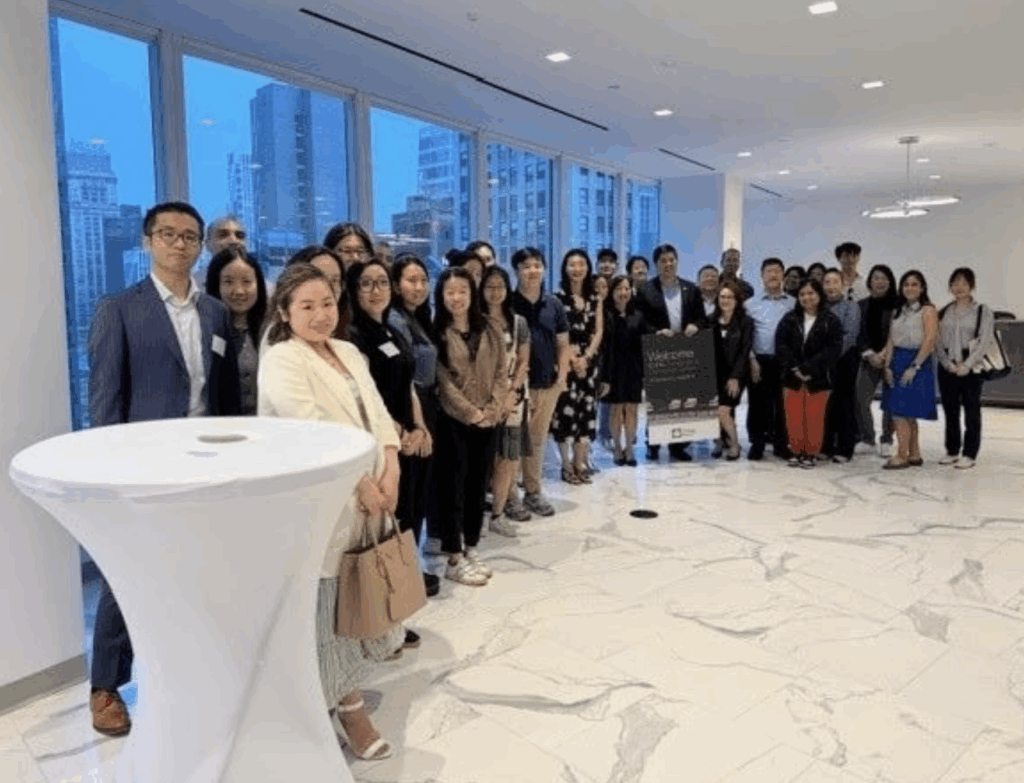
Stop AAPI Hate Action’s AAPI House Calls is a nationwide phonebanking effort that aims to reach AAPI voters in 12 competitive congressional districts where their votes could make a real difference this November. Volunteers set their own schedule, receive training, and use an easy-to-learn calling platform to have meaningful conversations with voters. As of this coming Tuesday, August 4, America is just 13 weeks from Election Day. If you’ve been looking for a concrete way to make a difference, consider joining and volunteering for a shift.
New Yorkers can participate to help reach voters in out-of-state districts where strong AAPI civil engagement does not exists, and where AAPI voters can still be decisive.
Consider joining an upcoming phonebank session. To learn more about AAPI House Calls, click here. To see their upcoming phonebank session calendar, click here.
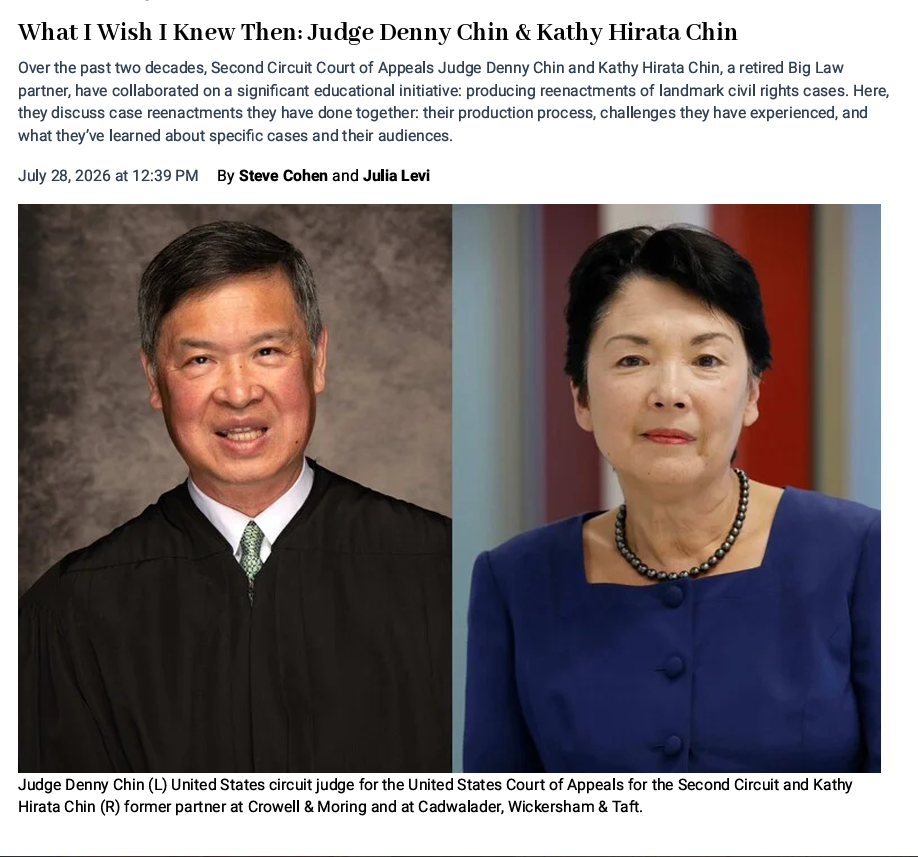
Second Circuit Court of Appeals Judge Denny Chin and Kathy Hirata Chin, a retired Big Law partner, were recently interviewed by Steve Cohen and Julia Levi for the New York Law Journal. The married couple, who are both members of the Asian American Bar Association of New York (AABANY), have spent the last two decades creating reenactments of monumental civil rights cases. Creating scripts is the result of collaborative work with attorneys and judges at AABANY.
In the article, published on July 28, Judge Chin and Kathy Chin discussed how reenactment scripts are created based on available trial transcripts, but difficulties often arise when they do not exist or are incomplete. Newspaper articles, depositions, letters, briefs, and court opinions are often combined with narration to create a comprehensive reenactment.
Additionally, reenactments have drawn interest more frequently in light of current events. For example, the Chins have performed their reenactment of the Vincent Chin trial more than 30 times over the past decade, but demand for the script increased during the rise in anti-Asian violence amid the COVID-19 pandemic. Similarly, intervening events and changes to precedent necessitated updates to the scripts. For example, in the Korematsu v. United States reenactment, the ending was changed after the Trump v. Hawaii decision announced the overturning of Korematsu.
While the reenactments are popular continuing legal education programs, they have also been performed in law schools, colleges, and even high schools. Students may be unable to understand the intricacies of particular laws but are able to grasp the compelling stories and impact of these historic cases. Judge Chin’s goal in performing these reenactments for younger audiences is “to make the reenactments accessible without watering them down.”
The interview ended with advice from both interviewees. “My biggest piece of advice I would impart to law clerks is to think big picture,” Judge Chin said. Kathy Hirata Chin’s advice was directed to attorneys just starting out. She emphasized the importance of building a network early on, with fellow attorneys and with clients. “Above all, try to learn to look around corners and figure out what next steps would be of most value to the client and the team,” she said.
Click here to read the full article (subscription required).
On July 23, 2026, five New York-based Asian American, Native Hawaiian or Pacific Islander (AANHPI) bar associations released a joint statement calling for Gov. Kathy Hochul to appoint the first AANHPI jurist to the state’s highest court following the expiration of New York Court of Appeals Senior Associate Judge Jenny Rivera’s term on February 10, 2027. The release was covered by TheNew York Law Journal.
The statement was issued by the Asian American Bar Association of New York (AABANY), the Filipino American Lawyers Association of New York (FALA New York), the Korean American Lawyers Association of Greater New York (KALAGNY), the South Asian Bar Association of New York (SABANY), and the South Asian Indo-Caribbean Bar Association of Queens (SAICBA-Q).
The organizations noted that no AANHPI jurist has served on the Court of Appeals in its nearly 180-year history, despite New York being home to more than 2 million AANHPI residents.
“Appointing an AANHPI judge is both timely and long overdue,” the organizations declared.
Brian Lee, writing for the NYLJ, noted that: “The most recent Asian-American candidate to reach the final stages of the Court of Appeals selection process was former Appellate Division, First Department Justice Jeffrey Oing” on the 2022 shortlist for Chief Judge.
“We urge Gov. Hochul to seize the opportunity and make a historic appointment of the first AANHPI judge to serve on the Court of Appeals,” the groups stated.
Click to view the full article here (subscription required).
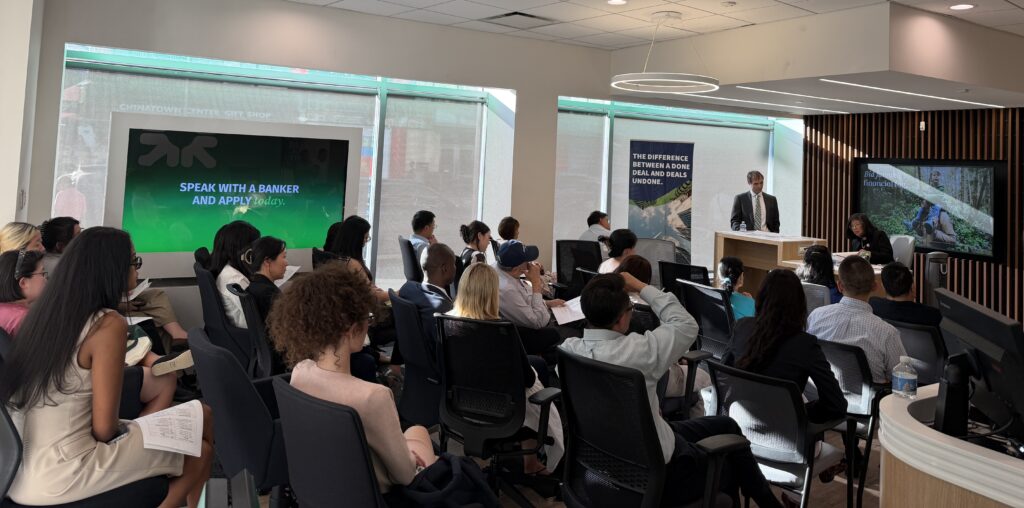
On July 20, 2026, the Asian American Bar Association of New York (AABANY) Real Estate Committee hosted a timely and informative Continuing Legal Education (CLE) program focusing on one of the most pressing issues facing today’s real estate industry: the growing threat of real estate and mortgage fraud, wire fraud, and deed theft.
The program brought together attorneys, title professionals, lenders, real estate agents, and law students to examine how increasingly sophisticated fraud schemes are impacting residential and commercial transactions across New York. As technology continues to evolve, so do the tactics used by fraudsters, making education, vigilance, and collaboration among industry professionals more important than ever.
The CLE featured presentations by Margaret Ling, New York State Agency Underwriting Counsel and Education Director at AmTrust Title Insurance Company, and Jason Ganfer, Partner at Goldberg Segalla and Co-Chair of AABANY’s Real Estate Committee. Drawing from their extensive experience, the speakers provided practical guidance on recognizing fraud schemes, understanding emerging trends, and implementing best practices to safeguard clients and transactions.
The presentation emphasized that preventing fraud requires more than simply reacting to suspicious activity—it requires proactive communication, strict verification procedures, and a culture of cybersecurity awareness throughout every stage of a transaction.
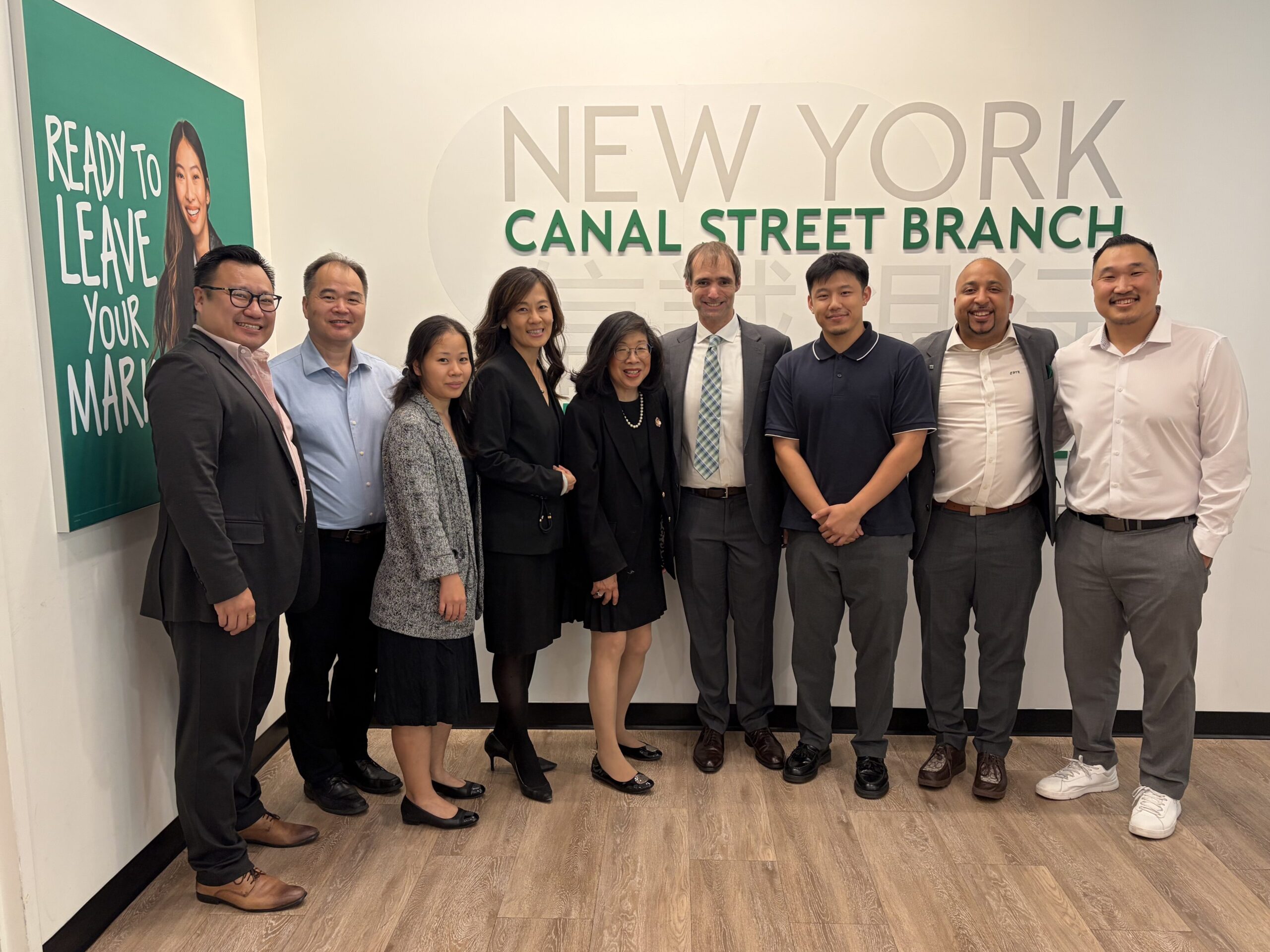
The AABANY Real Estate Committee extends its sincere appreciation to Citizens Bankand AmTrust Title Insurance Company for generously sponsoring this CLE program. Their continued support makes it possible to provide meaningful educational programming that benefits both legal professionals and the communities they serve.
Special thanks also go to Margaret Ling and Jason Ganfer for sharing their knowledge and practical insights, and to everyone who attended and contributed to an engaging discussion.
To learn more about AABANY’s Real Estate Committee, click here.
– Written by Jameson Xu, Co-Chair of AABANY’s Real Estate Committee
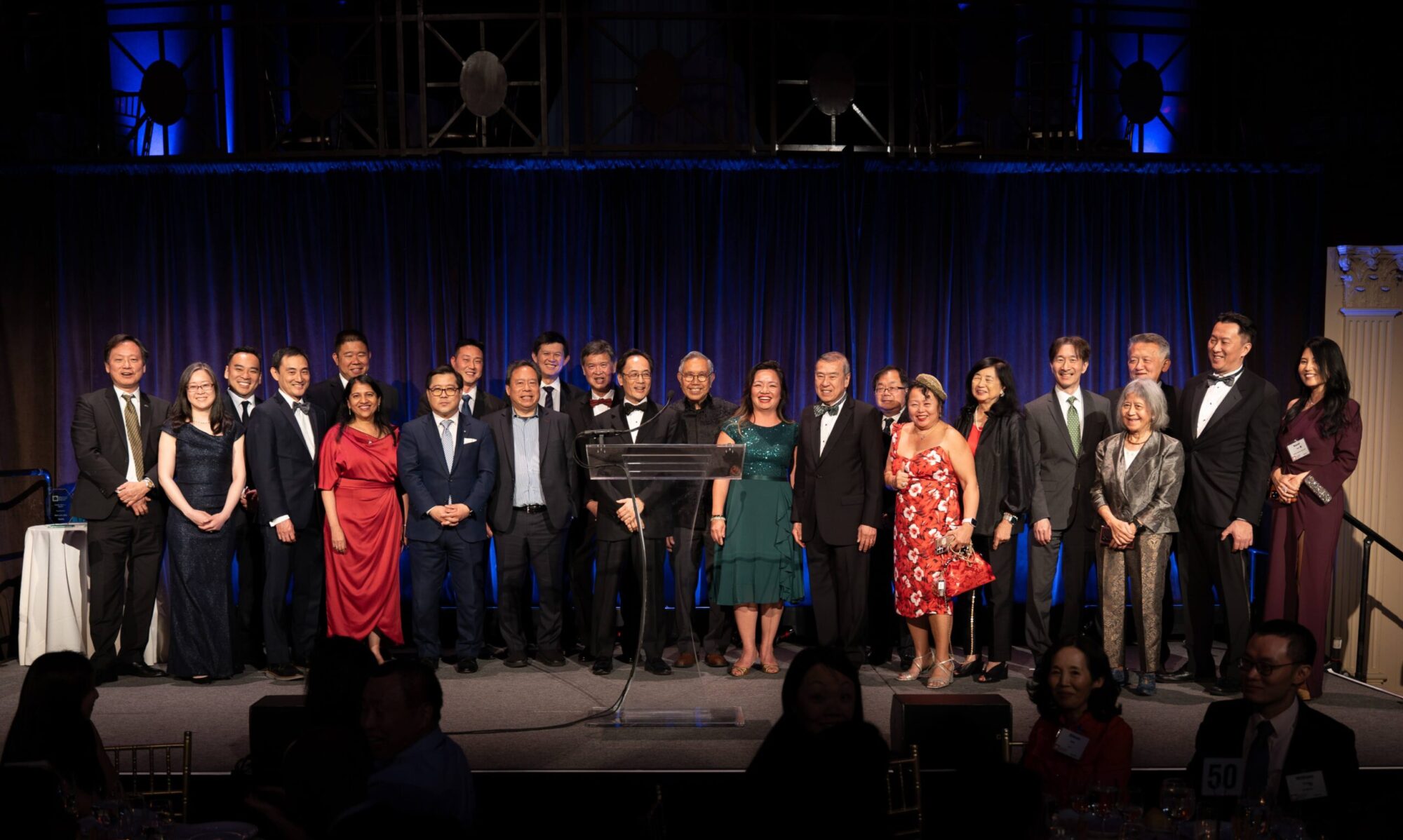
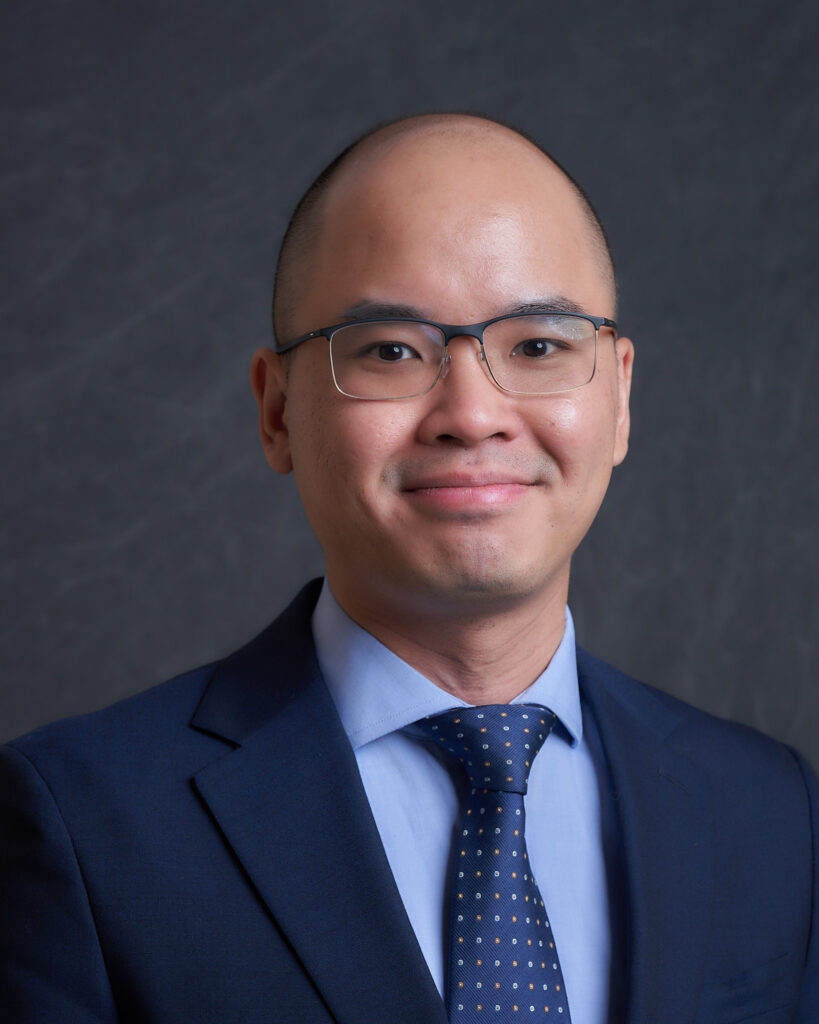
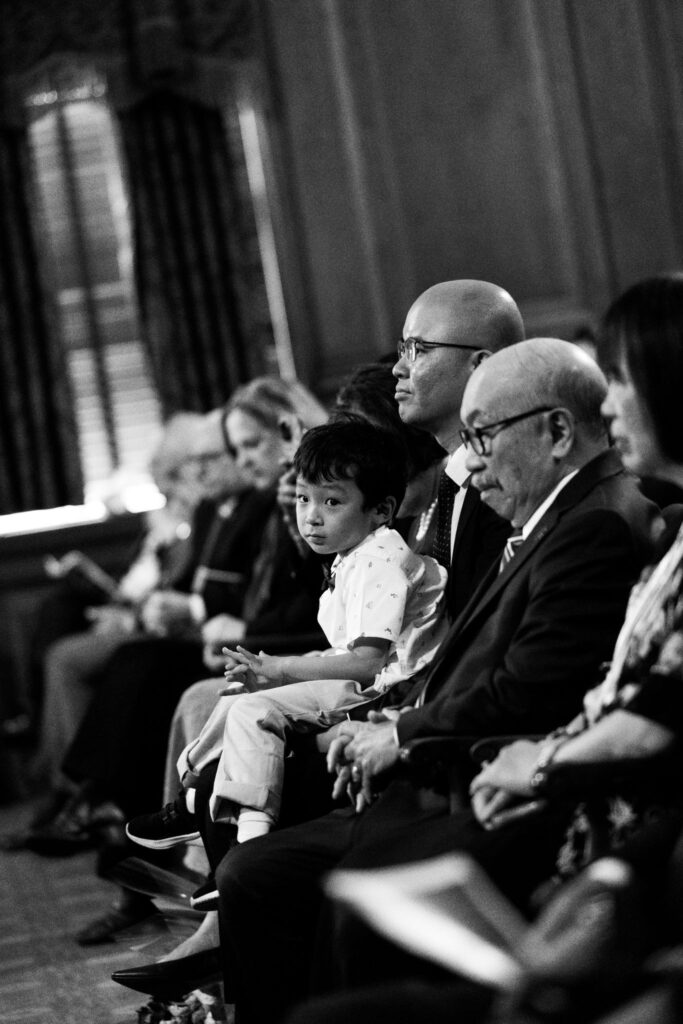
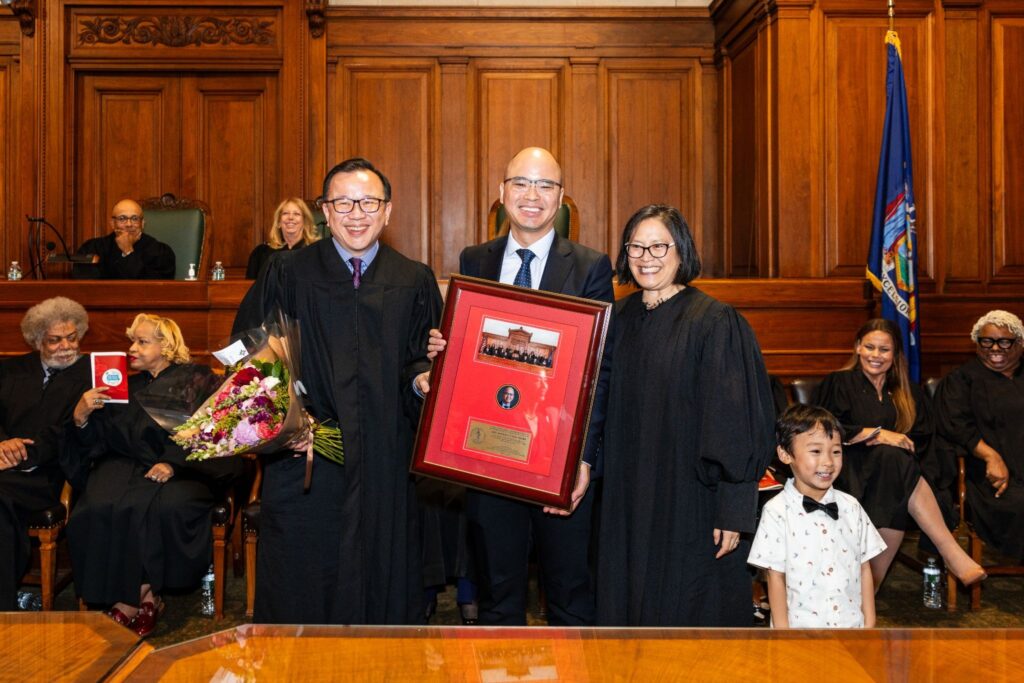
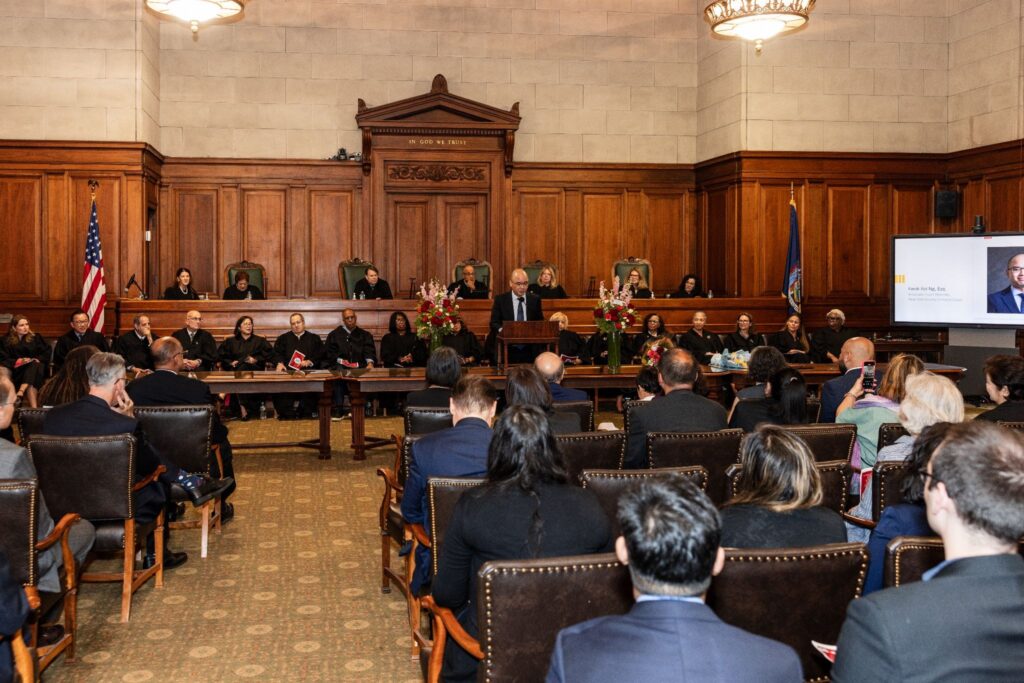
During Asian American, Native Hawaiian, and Pacific Islander (AANHPI) Heritage Month this May, Kwok Kei Ng, Co-Chair of AABANY’s Pro Bono and Community Service Committee, was honored with two awards for his contributions to the AANHPI community. Kwok received the Hon. Randall T. Eng Award at the Fourth Annual Hon. Randall T. Eng Award Program as well as the Power in Unity: Strengthening Communities Together Award at the Second Judicial District Equal Justice Committee’s celebration of AAPI Heritage Month: “Power in Unity: Strengthening Communities Together.”
Emblematic of these two awards, Kwok has built his career and service around strengthening the AANHPI identity and community. After growing up in Hong Kong, Kwok moved to America for schooling. He first joined AABANY almost 10 years ago in 2017 as a law student. Now, Kwok is an accomplished Associate Court Attorney at the New York County Criminal Courts. He continues to be a leader in the AABANY community, overseeing the Brooklyn branch of AABANY’s Pro Bono Clinic, an award-winning legal clinic that has served predominantly monolingual Asian communities in New York for over a decade.
Access to justice, particularly through language, has always been a pressing concern for Kwok. He initially entered the court system as a Brooklyn Family Court Interpreter for Cantonese and Mandarin Chinese speakers, and so his AANHPI identity has long-shaped his career. The experience of interpreting, Kwok says, “is the foundation of everything for me …. Standing in the courtroom, translating for parents who couldn’t understand what was being said about their children, I felt the full weight of what was at stake—especially now that I’m a parent myself.”
Kwok further noted, “My AAPI identity essentially defined my role because I was the one bridging the gap between the court users who had a language barrier and everyone else in the room.”
Meaningful representation has to occur at multiple levels, according to Kwok. “We talk about the underrepresentation of AAPI judges and the idea that the court should reflect the community it serves,” he stated, “but that should extend to court officers, court clerks, and court attorneys too.” Reflecting on his own identity, he added, “For a time, I was the only AAPI court attorney in Brooklyn. I’m glad it’s not the case now.”
Not straying far from these roots, Kwok has sought to expand access to legal services, as well as representation within legal careers, throughout his professional life. His passion for language access in the courts, stemming from his experiences as a court interpreter, led to his appointment to the Advisory Committee on Language Access for the New York State Unified Court System by Chief Administrative Judge Hon. Lawrence Marks.
Kwok considers AABANY his “home bar association,” but he is also a member of the Brooklyn Bar Association, where he serves as the Vice-Chair of the Diversity Committee. He is also a Board Member of the Asian American Law Fund of New York (AALFNY). Additionally, Kwok serves as Deputy Vice President of the High School Division of the Sonia and Celina Sotomayor Judicial Internship Program (SCSJIP). The program, which he himself participated in as a law student, places students in judicial internships. Kwok found SCSJIP through his involvement in AABANY, while still in law school. At a time when the legal field “felt especially opaque” and a path felt difficult to find “for someone like me,” it’s another experience that has shaped him: “That internship set the path and defined my career.”
My work with the Sotomayor program is simply my way of giving back,” Kwok declared. “When I help place a high school student in a judicial internship, I know it can genuinely change a trajectory, because it changed mine.”
Through AABANY’s Pro Bono Clinics, Kwok has helped strengthen New York City’s communities, making sure that people with limited English proficiency and without financial access to a lawyer can meet with a volunteer attorney or law student. He reminisces on how AABANY—and his involvement with AABANY—has grown over the past decade: “From the beginning, I was most active with the Pro Bono and Community Service Committee, volunteering at the clinic to help with interpretation. At the time [almost 10 years ago], there was only one clinic, at AAFE on 111 Division Street,” Kwok recalled. “Over the years, we’ve moved, grown, and expanded to locations in Manhattan, Brooklyn, and Queens—Confucius Plaza, CCBA, CCCNY, Homecrest, CPC, UCA Brooklyn, and AAFE Queens—collaborating with community-based organizations, hosting know-your-rights workshops, and serving thousands of New Yorkers.”
His work is never done, however: “Looking ahead, I hope we keep serving AAPI community members who face language barriers and can’t afford legal help—and that we also expand to other communities facing the same challenges.” Kwok added that he’s currently working on expanding outreach in Brooklyn to other groups, such as Latino communities.
Summing up his many contributions to the legal community and AANHPI community, Kwok offered a guiding principle he follows: “I genuinely believe that the most meaningful change happens when people get to know each other, learn from each other, and work together across cultural boundaries. We need to know each other better, but it’s just as important to make ourselves known to each other.”
As parting words, Kwok also offered some advice to law students or young lawyers: “Go out and meet people – but don’t do it just to network. Find the space where people are doing the work, and then stay in it. Don’t just try to be seen, try to be useful.”
Kwok drew from his own experience, where his primary goal was not to build up the connections themselves, but rather improve the community as a whole through working together. “The relationships that have meant the most to me didn’t come from working a room at a cocktail reception,” Kwok recalled. “They came from working alongside people on something that mattered. When you show up consistently, carry your share, and are genuinely trying to serve, people notice. More importantly, you become someone who is actually useful to your community.”
“Don’t let the parts of your identity that feel complicated become things you hide,” Kwok added. “For example, the fact that I came here as an immigrant with no roadmap, or that I started out as a court interpreter—that didn’t make me less qualified than anyone else in the room. In my case, it made me more capable of understanding the people who walk into the courtrooms every day.”
AABANY congratulates Kwok and is privileged to have a compassionate and driven community-builder like him in the AABANY community. For more information on AABANY’s Pro Bono Clinics and how to get involved, click here. The next few upcoming clinics are:
August 5th [Queens link here], from 6:30 – 8:30pm, AAFE One Flushing Community Center, 133-29 41st Ave, 2nd Floor, Flushing, NY 11355
August 19th [Manhattan link here] from 6:30-8:30pm, AAFE Community Center, 111 Norfolk Street, NY, NY 10002
September 12th [Brooklyn link here– from 12:30 – 2:30pm, CPC Brooklyn Community Services, 4101 8th Avenue, Brooklyn, NY 11232
Thank you to Vincent Carvalho for the above photos from the Fourth Annual Hon. Randall T. Eng Award Program.
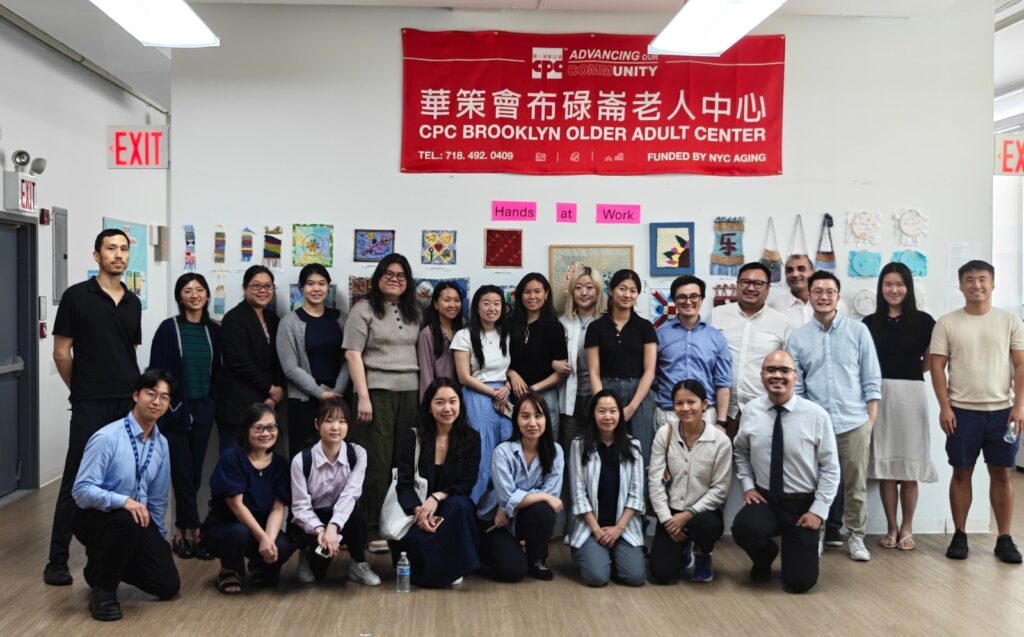
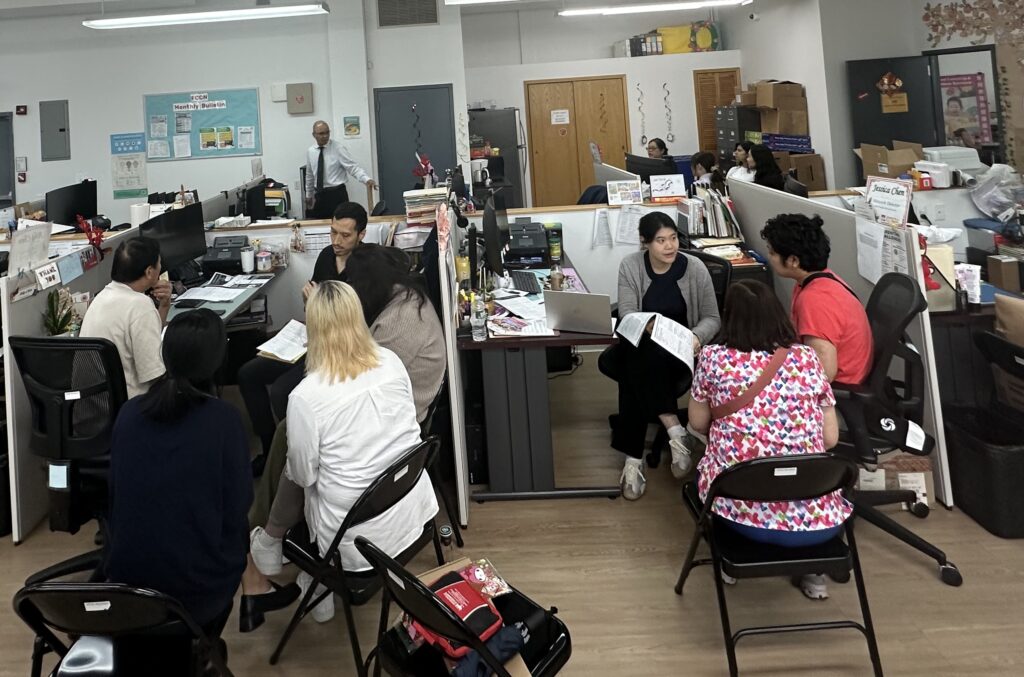
PBCS volunteers, comprising volunteer attorneys and law students, met with 23 clients and provided guidance on a range of legal issues, including housing, immigration, real property, trusts and estates law, labor and employment, family law, and civil litigation.
Positive feedback from some of the clients who came included: “I received helpful information today.” and “It was respectful & calm. I learned a lot as well.”
We thank the following volunteers for attending the Brooklyn Pro Bono Clinic:
Attorneys: Vishal Chander Michael Chu Helen Ding Alice Liang Arthur Lin Willow (Yichun) Liu Kwok Kei Ng May Wong Jameson Xu Karen Kithan Yau Gary Yeung
Interpreters/Shadowers Gigi Chen Sam Chen Anna Chung Philip Han Nandar Win Kerr Hannah J. Lee Cynthia Li Luana Li Jingjing Wang Wendy Zeng Zhiyi Zhang Betty Xinyue Zhu
Thank you once again to all our volunteers for their commitment to Pro Bono service and for making a meaningful difference in our community.
We invite you to continue supporting our community by joining us at our upcoming Pro Bono Clinics:
– August 5th [Queens linkhere], from 6:30 – 8:30pm, AAFE One Flushing Community Center, 133-29 41st Ave, 2nd Floor, Flushing, NY 11355
– August 19th [Manhattan link here] from 6:30-8:30pm, AAFE Community Center, 111 Norfolk Street, NY, NY 10002
– September 12th [Brooklyn link here], from 12:30 – 3:30pm, CPC Brooklyn Community Services, 4101 8th Avenue, Brooklyn, NY 11232
To learn more about the Pro Bono & Community Service Committee, visit probono.aabany.org.
We look forward to your participation in the future clinic sessions!
The Administrative Board of the Courts is seeking public comment on a proposal recommended by the Surrogate’s Court Advisory Committee (SCAC) to amend the Uniform Rules for Surrogate’s Court (22 NYCRR § 207.38) to include additional persons authorized to review in camera disclosures of agreements affecting settlement recoveries.
Background: In 2025, Rule 207.38 for the Surrogate’s Court (and the parallel Rule 202.67 for Supreme and County Court) was amended to require an in camera submission of terms and documentation of interest or fees charged in connection with litigation financing agreements (LFAs). This disclosure applies to petitions for leave to compromise wrongful death actions and personal injury actions involving an infant or judicially-declared incapacitated person. Attorney financing agreements that affect only the attorney, with no impact on an infant distributee’s funds or obligations, are exempt.
The proposal: The SCAC now recommends amending Rule 207.38 to authorize the court to share these in camera submissions with:
A guardian ad litem appointed to represent the infant’s interests
Any party “objecting to the proposed allocation and/or distribution of such proceeds.”
The SCAC notes that guardians ad litem “perform an important function in the litigation process and are often called upon to investigate the particulars of a settlement and report to the court as to whether the settlement is in the best interests of the ward.” It similarly notes that objecting parties need access to this information “in order to fully articulate their arguments … and to knowingly enter into settlement agreements.”
A copy of the full request for public comment is available on the UCS website here.
Any comments on the proposal should be submitted by e-mail to [email protected] or write to: David Nocenti, Esq., Counsel, Office of Court Administration, 25 Beaver Street, 10th Fl., New York, New York, 10004. Comments must be received no later than Friday, August 14, 2026.
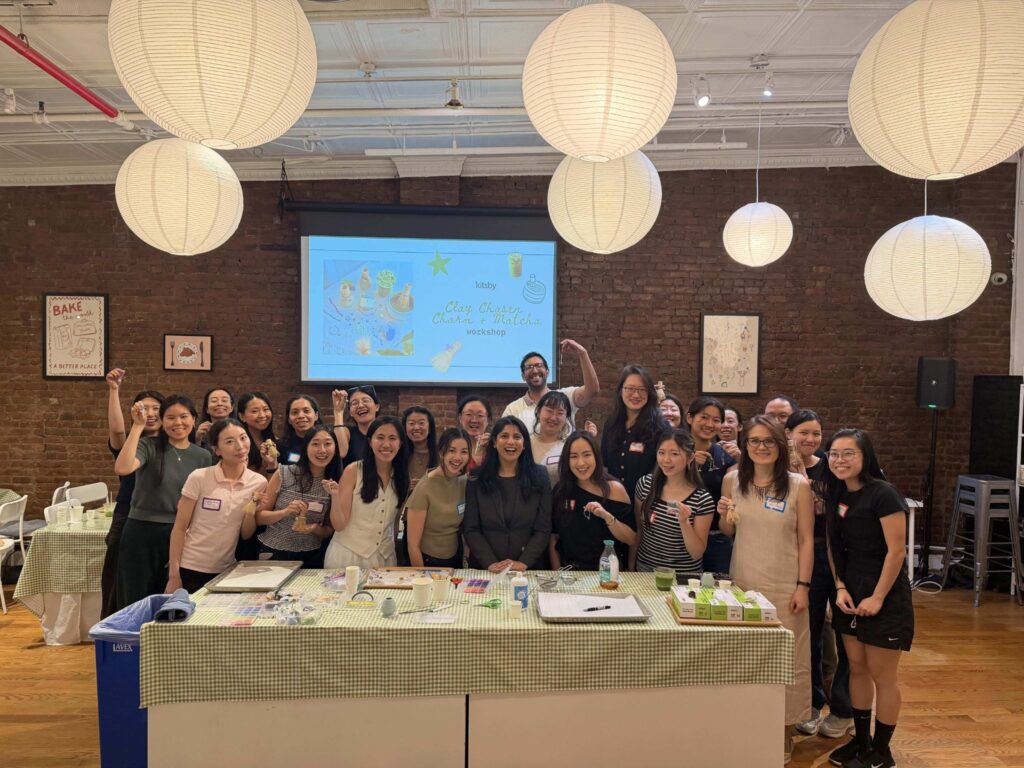
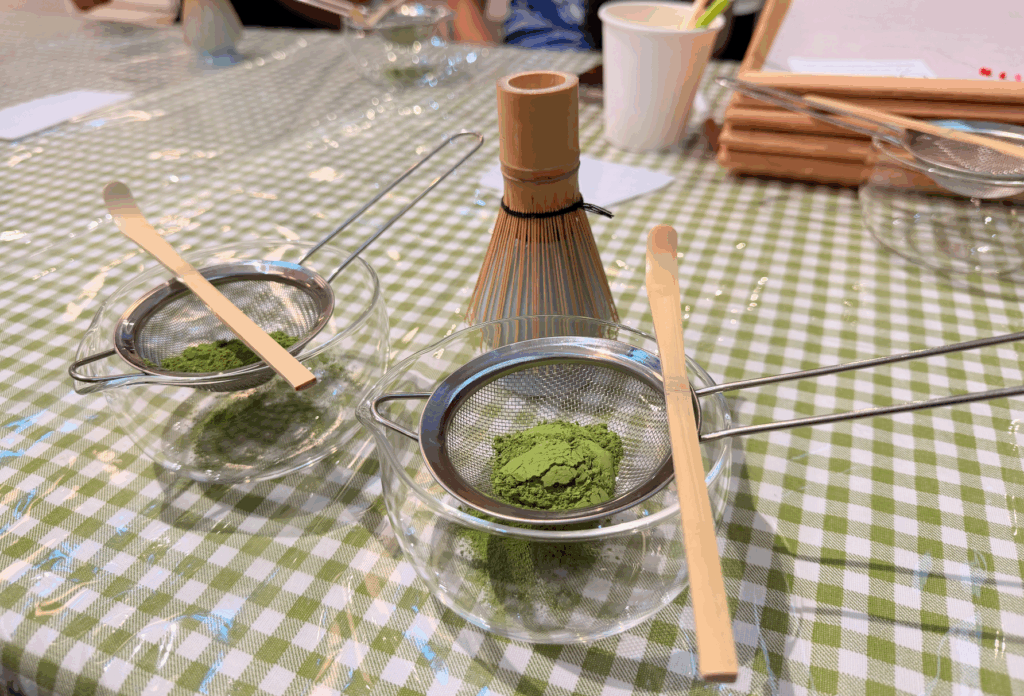
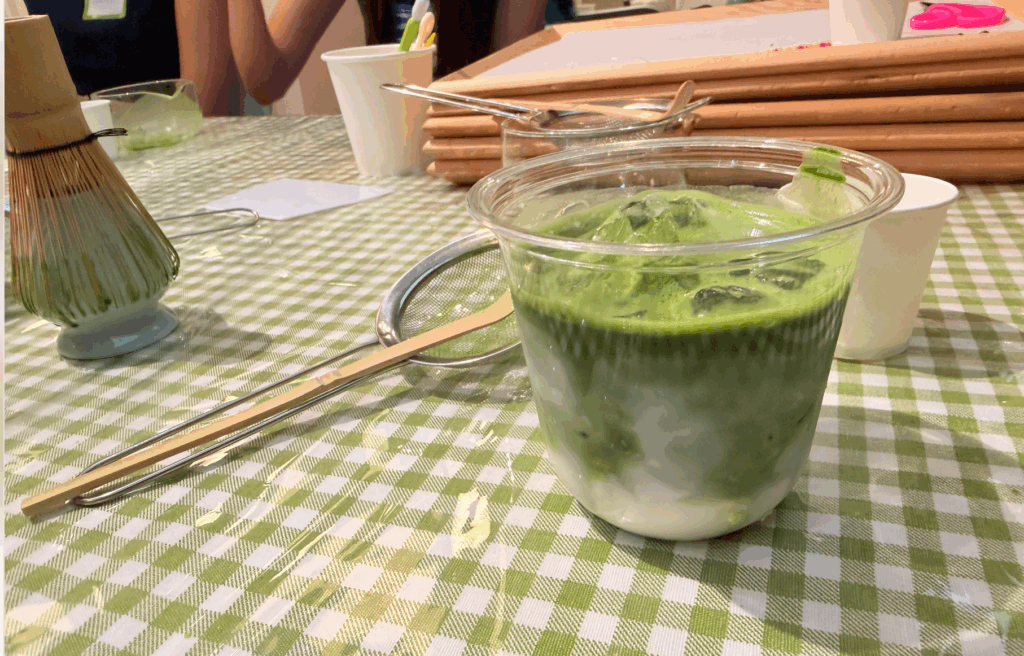
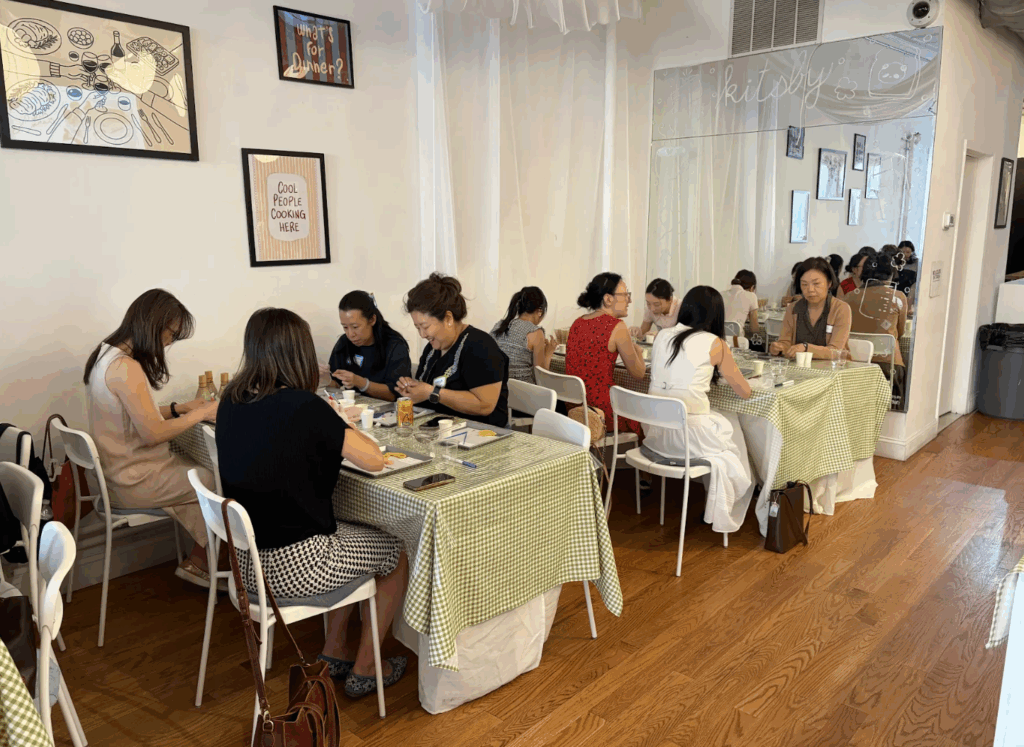
On June 18, the Asian American Bar Association of New York’s (AABANY) Women’s Committee held a fun evening of charm-molding, matcha-making, and community-mingling at their “Mold, Matcha, and Mingle” event. The event drew a large crowd, as the spots had been completely taken in advance of the event. The group gathered at Kitsby Studio in SoHo to connect with one another and learn about the history and traditions of matcha. This event was generously sponsored by Ashurst Perkins Coie.
At the start of the session, participants learned about chasen charms—beaded charms that adorn the handle of a matcha whisk—and picked their own beads from a wide variety of colors and patterns. The relaxed and creative environment made it easy to connect with one another, and attendees introduced themselves as they talked about their own careers and about the event.
With the help of the instructors at Kitsby Studio, attendees chose from a wide range of clay colors and began sculpting little pendants, to be strung onto the chasen charms. Attendees exchanged charm ideas, helped each other find reference photos, and oohed and aahed at each other’s creations. The microscopic scale of the charms sent the room into cheerful exasperation as people bonded over trying to add detail to their work. From New York City pigeons to the Dutch cartoon rabbit Miffy, to characters from Studio Ghibli films, to food items, the creativity of AABANY members shined at this event.
While waiting for the charms to bake, attendees learned about the history of matcha from the instructors. Each attendee tried their hand at making a matcha latte, while continuing to connect with one another. Attendees even received their own matcha whisk to take home!
The event closed on a high note as attendees strung their charms and beads onto string to complete their chasen charms. After glazing the charms, each attendee had a beautiful keepsake to take home, and in the process they made many new connections.
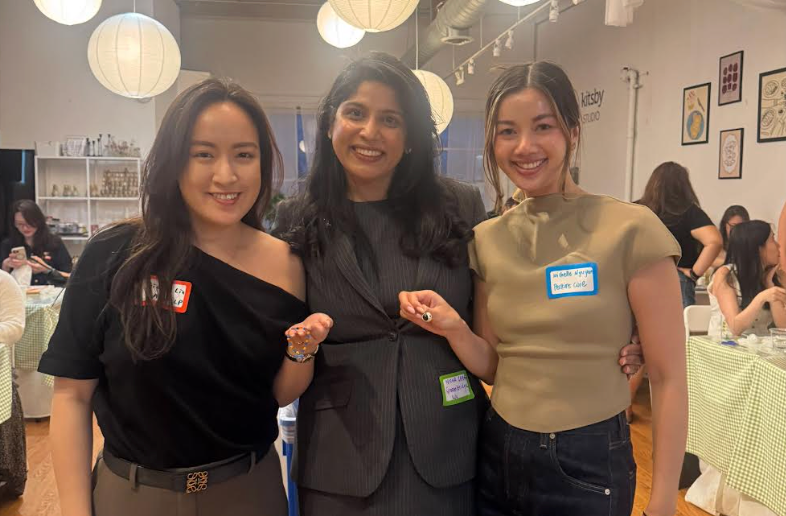
Thank you to Bianca Lin (Allegaert Berger & Vogel LLP) and Michelle Nguyen (Ashurst Perkins Coie), Co-Chairs of the Women’s Committee, and Nisha Gera (Groombridge, Wu, Baughman & Stone LLP), Vice Chair of the Women’s Committee, for organizing a wonderful event! They appear in the photo above, with Bianca on the left, Michelle on the right, and Nisha in the middle. Thank you to all of our attendees, and we hope you make good use of your matcha whisk.
Learn more about the Women’s Committee here, and reach out to Bianca, Michelle, and Nisha from that page to get more involved or to subscribe to their listserv, if you are not already on it.
On June 10, the Asian American Bar Association of New York (AABANY) hosted an installment of its Dumplings & Discussion event series featuring Sandra Leung, independent Board Member of Bausch Health Companies, retired General Counsel for biopharmaceutical company Bristol Myers Squibb, and past President of the National Asian Pacific American Bar Association (NAPABA). Over delicious dumplings and other dim sum dishes, Sandra shared her extensive career experiences with a captivated audience.
In addition to her 18 years as General Counsel at Bristol Myers Squibb—the first Asian American and the first woman to serve as their General Counsel—Sandra is also the 2025 recipient of NAPABA’s highest honor, the Daniel K. Inouye Trailblazer Award. In her illustrious career, Sandra was also the first Asian American woman to serve as an Assistant District Attorney in the Manhattan District Attorney’s office. Her board service includes serving on the boards of the Minority Corporate Counsel Association (MCCA) and the Asian American Legal Defense and Education Fund (AALDEF). Furthermore, she was a founding member of the Leadership Council on Legal Diversity (LCLD).
Sandra shared her journey in conversation with moderator and event organizer Jeffrey Mok, Principal at Fish & Richardson, AABANY Board Director, and Co-Chair of AABANY’s Intellectual Property Committee. The audience learned about Sandra’s favorite type of dumpling (homemade veggie dumplings) before launching into Sandra’s career path.
Sandra offered advice for the many young lawyers present, focusing on the path to in-house work and the importance of loving the work you do. The room was spellbound by her compelling storytelling and wealth of experiences and advice, ranging from tales of microaggression to humorous stories to accounts of stressful experiences.
While winding down the discussion and taking questions, Sandra offered cogent advice to the audience to put yourself out there: “If you’re not at the table, you’re on the menu.”
Sandra’s work ethic, charisma, and initiative left a strong impression on attendees, who continued mingling at the networking reception after the discussion.
AABANY is grateful to Sandra Leung for her warmth and openness and to Fish & Richardson P.C. for graciously hosting the event. Thank you to all our attendees for joining and being part of a memorable evening!
See here to read about past Dumplings & Discussion chats.
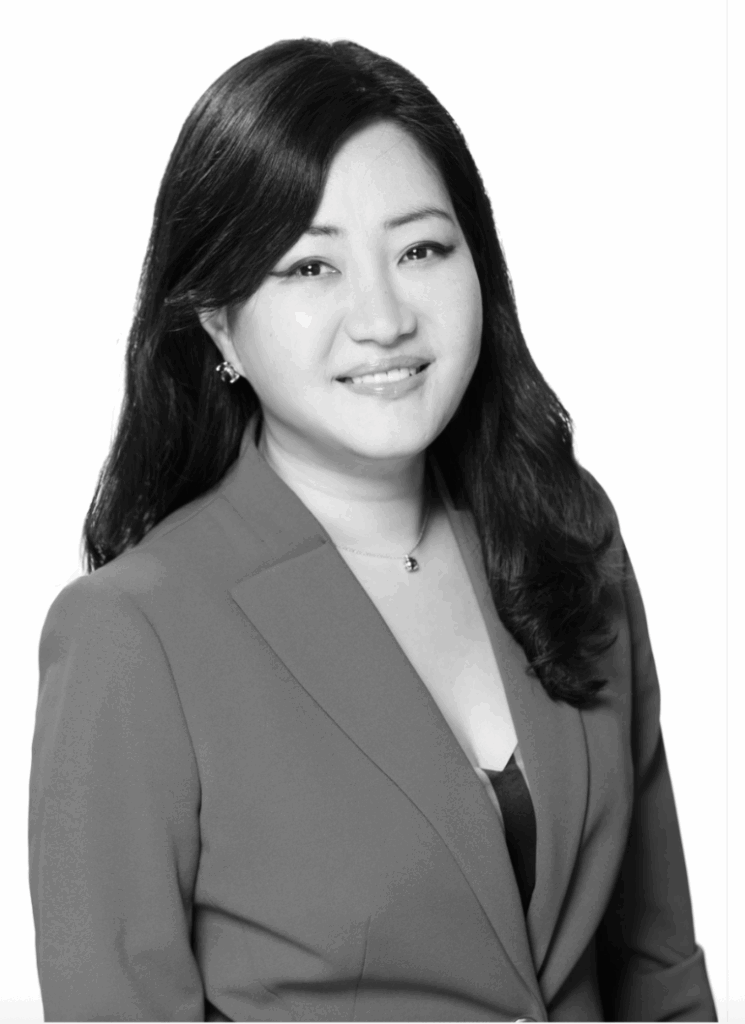
Rachel is the founding partner of Yoo Law Group, LLC, which specializes in immigration law, family mediation, and international dispute arbitration. In addition to her guidance in cross-border and mediation matters, she serves as the Co-Chair of the Asian American Bar Association of New York’s (AABANY) Alternative Dispute Resolution Committee. Rachel is also General Counsel of the Asian & American Art Foundation, and Mediator with the New York County Supreme Court.
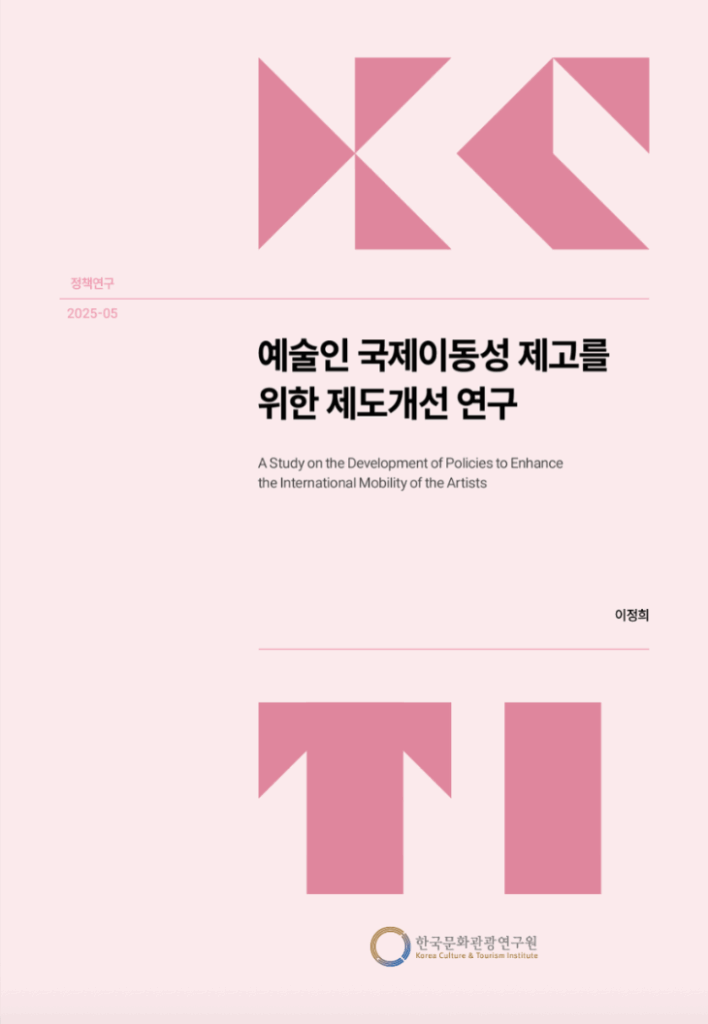
On this project, Rachel was invited to serve as a U.S. immigration adviser to the Ministry of Culture, Sports and Tourism of the Republic of Korea. Her involvement grew out of her immigration practice and prior work advising Korean artists and cultural organizations, including the Korean Cultural Center New York, on U.S. visa issues.
As an official contributor on matters related to U.S. immigration law, Rachel aided in examining how Korea’s institutional framework can be improved to better support the international mobility of artists.
Drawing on interviews and comparative policy analysis, the project uses insights from both Korea and major countries, surveying artists, agencies, and legal/administrative experts with direct experience navigating the visa process to evaluate Korea’s artist‑visa systems. By identifying key issues, strengths, and weaknesses across countries, the report proposes recommendations to strengthen Korea’s artist‑visa policies and promote smoother global artistic exchange.
For Rachel, the experience was particularly meaningful as it represented a continuation of her work in “bridging two legal systems and two cultural frameworks” and “broadened [her] perspective on how national‑level policy decisions shape the practical realities artists face,” something that strengthens her commitment to aiding her individual clients through U.S. immigration pathways.
Rachel’s work on this project is a testament to the impact that dedicated legal expertise can have beyond the courtroom in shaping policy, building bridges between nations, and advocating for the communities she serves. We are proud to have her as a valued member of AABANY, and please join AABANY in congratulating Rachel on this important achievement.