
AABANY’s Asia Practice Committee Presents: 2026 Legal Careers Panel at NYU School of Law

On Sunday, September 27, 2026, AABANY’s Asia Practice Committee (APC), together with the NYU Chinese Law Students Association (CLSA) and the Chinese American Lawyers Forum (CALF), hosted “Career Panel Insights from the Bar: 2026 Legal Careers Panel & Networking” at Lipton Hall, New York University School of Law. The afternoon brought together more than 100 law students, LL.M. candidates, recent graduates, and practicing attorneys for a candid conversation about launching and building a legal career in New York.
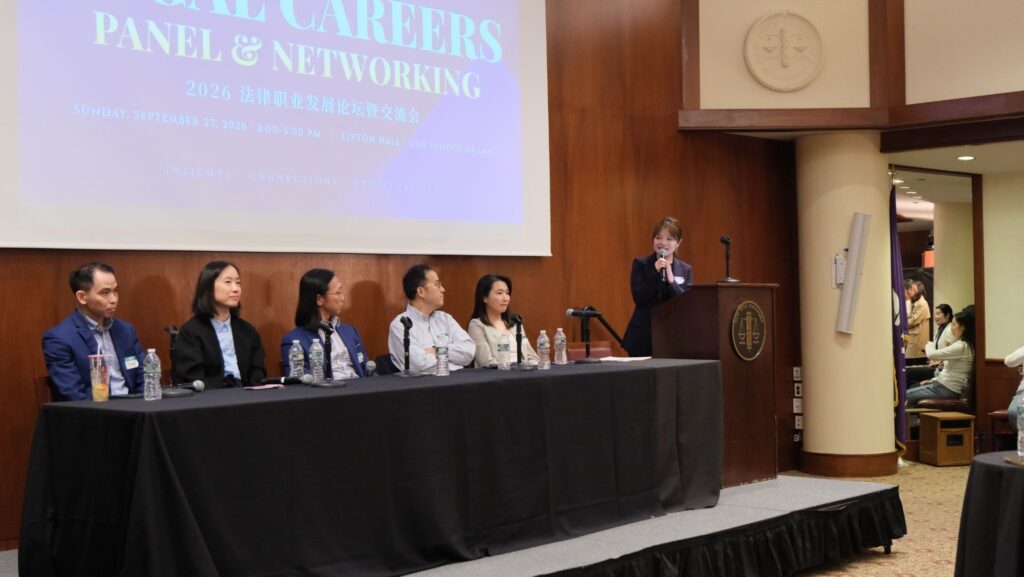
The panel featured:

The panelists reflected on the paths that led them to their current roles, from in-house practice at a global financial institution (Lian Duan) and partnership at an international law firm (Jonathan Zhou), to co-founding a law firm (Angus Ni) and practicing litigation (Simona Xu) and tax at a national law firm (Hardy Zhou). Their stories showed that legal careers are rarely linear and that the skills, relationships, and reputation built early on carry forward across very different settings.
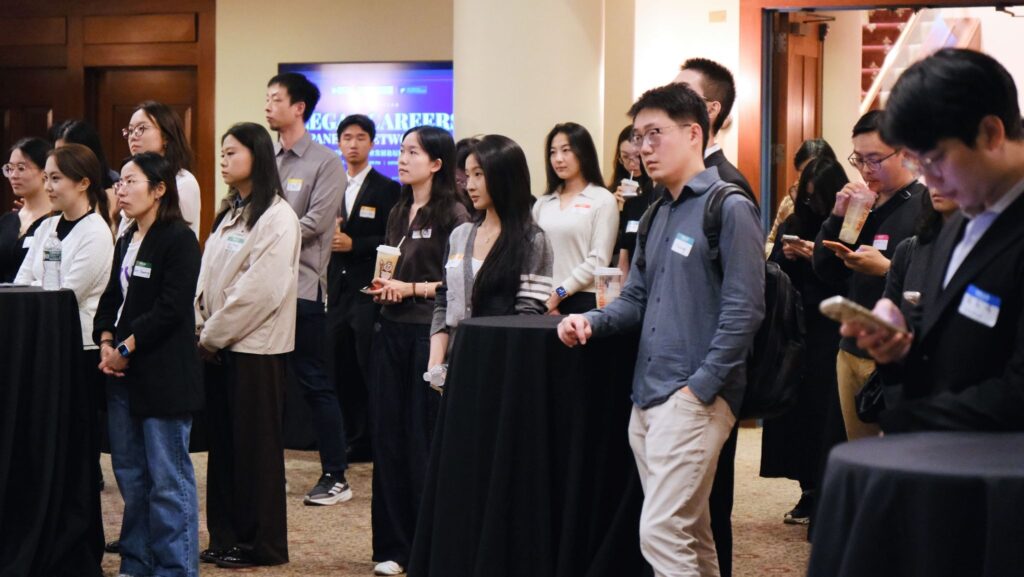
The conversation also addressed questions of particular interest to the audience, including choosing a practice area, making the transition from law school to practice, cross-border and China-related work, and considerations facing internationally trained lawyers and LL.M. graduates entering the U.S. legal market. Panelists also shared practical advice on mentorship, networking, and professional development.

After the panel, attendees put their own questions to the speakers in an open Q&A before the event moved into a networking reception. Over refreshments and mooncakes – a nod to the Mid-Autumn Festival just days earlier – students and attorneys continued the conversation, exchanged contacts, and connected with the panelists one-on-one.
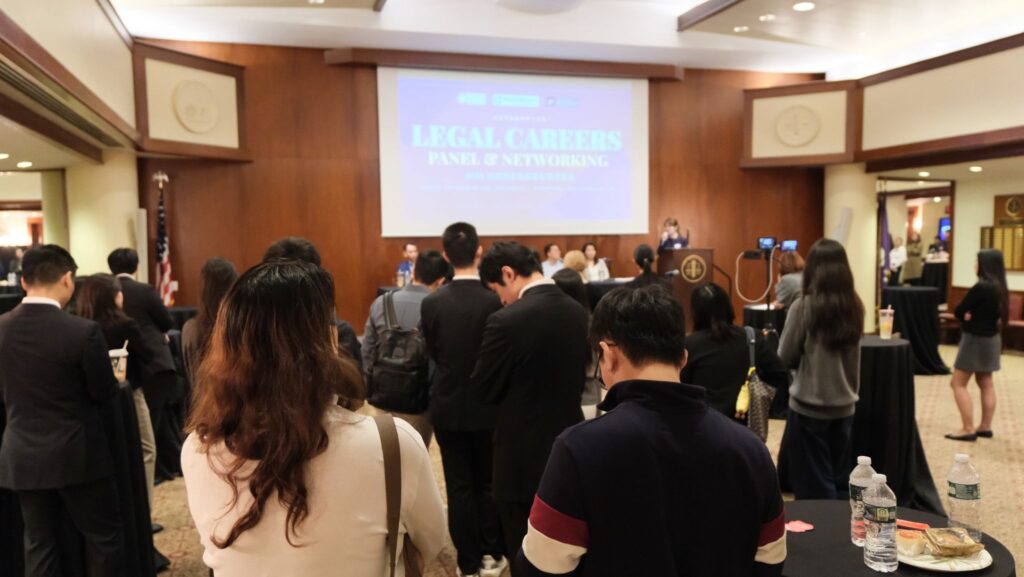
AABANY and the Asia Practice Committee thank Lian Duan, Jonathan Zhou, Angus Ni, Simona Xu, and Hardy Zhou for generously sharing their time and insights; our co-hosts, NYU CLSA and CALF; and NYU School of Law for hosting us. To learn more about the Asia Practice Committee and its upcoming programs, visit this page and keep an eye on the AABANY calendar. 

– Written by Ruixi Fu, Vice Chair, AABANY’s Asia Practice Committee
AABANY Presents CLE Program on Major Changes to Public Charge Rules

On September 17, 2026, the Asian American Bar Association of New York (“AABANY”) presented “Public Charge – What We Need to Know About Upcoming Changes,” a hybrid CLE program, at the Chinese-American Planning Council (“CPC”) Manhattan Community Center. The program addressed significant changes to the public charge ground of inadmissibility scheduled to take effect on September 18, 2026.

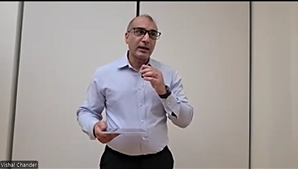
Rachel S. Lee, AABANY Board Director and Issues Committee Co-Chair and President & General Counsel of Stand with Asian Americans, moderated the program. Vishal Chander, AABANY Board Director and Issues Committee Co-Chair and Managing Attorney of The Chander Law Firm, P.C., served as the presenter. The program provided one hour of New York CLE credit in the Areas of Professional Practice category, with 24 people attending both online and in person. (Only those who attended in person received the CLE credit.)

A central focus of the presentation was the 2026 Final Rule and revised USCIS guidance, which removed much of the 2022 regulatory framework and shifted operational standards to the USCIS Policy Manual. Vishal explained that public charge determinations remain individualized, totality-of-the-circumstances inquiries, with officers considering factors such as finances, employment, education, health, household composition, and benefit use. He also discussed the broader treatment of means-tested public benefits, the continuing but non-dispositive role of Form I-864, the renewed use of public charge bonds, and the differing roles of USCIS, the Department of State, and CBP. The presentation concluded with an overview of pending litigation challenging the new framework and the legal questions surrounding DHS’s authority and use of subregulatory guidance.

Jack Hsia, Senior Attorney at CPC and a Vice Chair of the AABANY Issues Committee, joined  after Vishal’s presentation to share information about CPC’s programs and resources for the community. Jack thanked the speakers and attendees for being part of an informative discussion. AABANY thanks CPC for co-hosting the program and everyone who attended in person and online. To learn more about the Issues Committee and how you can get involved, go here.

Written by Rachel Lee, AABANY Board Director and Issues Committee Co-Chair

AABANY Joins 19th Annual Caren Aronowitz Unity in Diversity Celebration at the New York State Supreme Court 

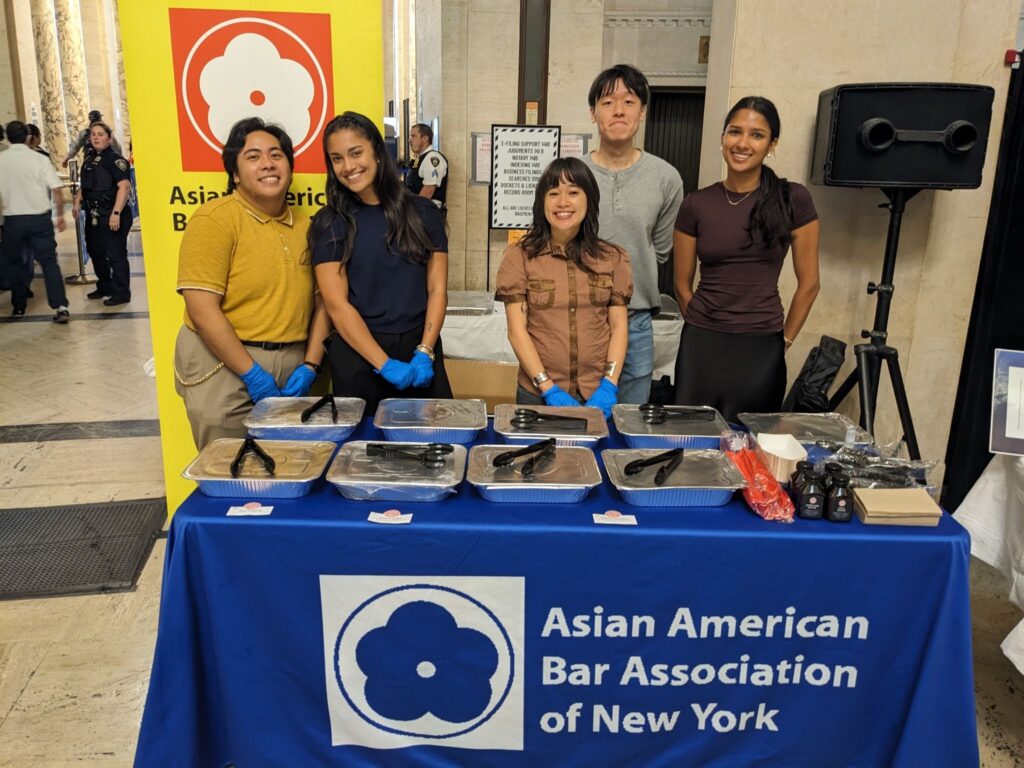
On Friday, September 18, 2026, the New York State Supreme Court welcomed the legal community for the 19th Annual Caren Aronowitz Unity in Diversity event. Bar associations, court committees, and professional organizations from across the city participated in this lovely event. Among the co-sponsors was the Asian American Bar Association of New York, represented by Carrey Wong (Deputy Executive Director), Apollo Baltazar (Administrative Assistant), and legal interns Ria Punukollu, Ellyse Ramos, Divya Mukhara, and Pan Pan. 

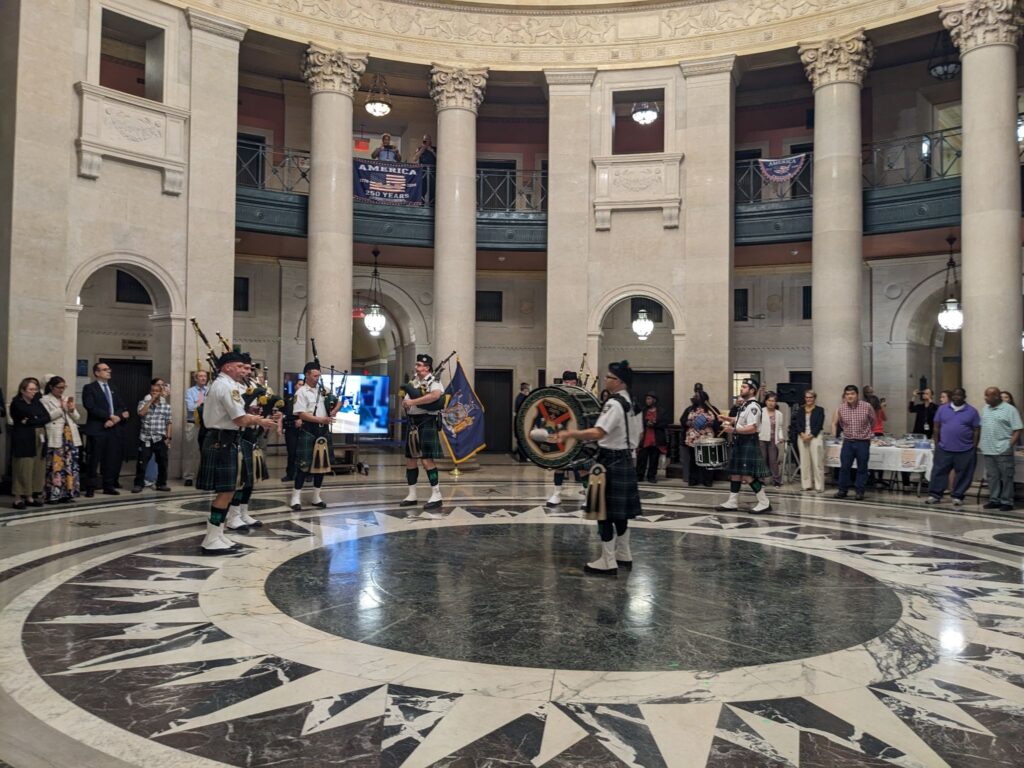
The program began with the New York State Courts Pipes and Drums, in full Scottish attire, as they marched a circle around the inside of the courthouse, around the gathering at the Rotunda. The sound of the bagpipes and drums filled the Rotunda’s high ceilings and drew people out of hallways and toward this gathering. It was an exciting way to begin, ceremonial yet warm, and it made clear that this was a celebration and not just another day at the courthouse. 

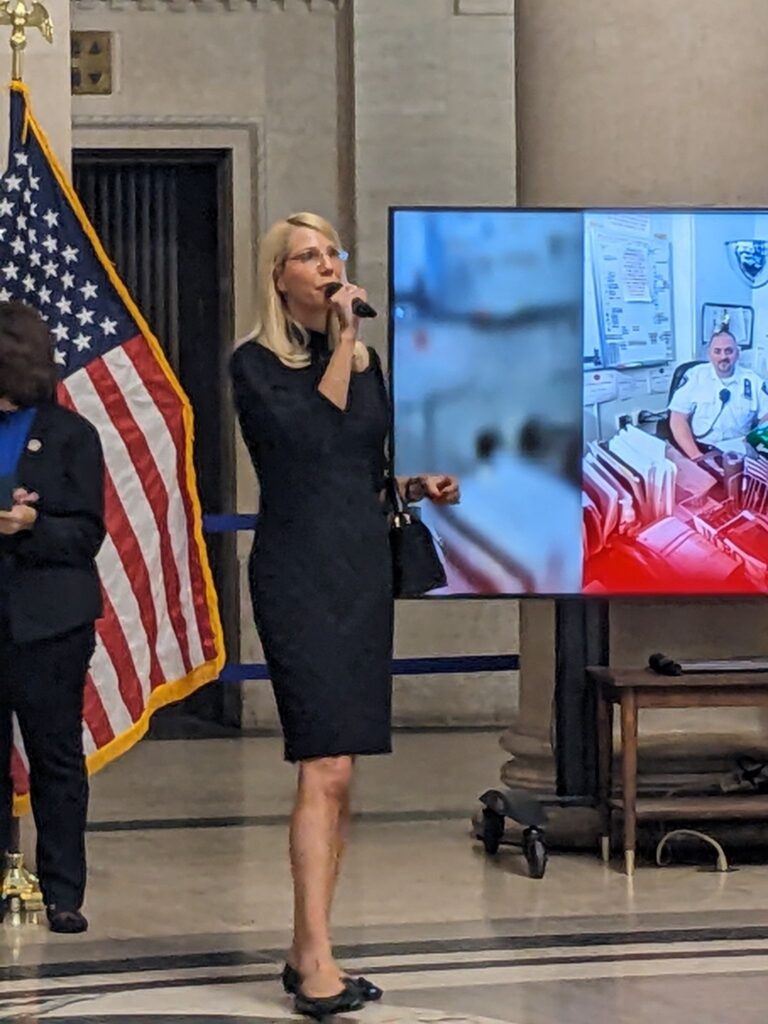
Following the music, Hon. Deborah A. Kaplan (Justice of the New York County Supreme Court) gave opening remarks, reflecting on and honoring the legacy of the late Caren Aronowitz. Caren Aronowitz was a longtime court employee who dedicated herself to bringing cultural programming and awareness into the courthouse. Almost two decades later, this event is still built around her legacy and lasting impact on the court community. Hon. Adam Silvera (Deputy Chief Administrative Judge of the New York City Courts) spoke next, highlighting the importance of the event and how diversity fosters unity, reminding all of us that the legal community becomes stronger through it. 

Hon. Suzanne J. Adams (Administrative Judge of the New York County Supreme Court Civil Term) then presented her  welcoming remarks. She emphasized the court’s commitment to diversity and inclusion and the role that each attendee plays in making the legal community welcoming to all those they serve. 

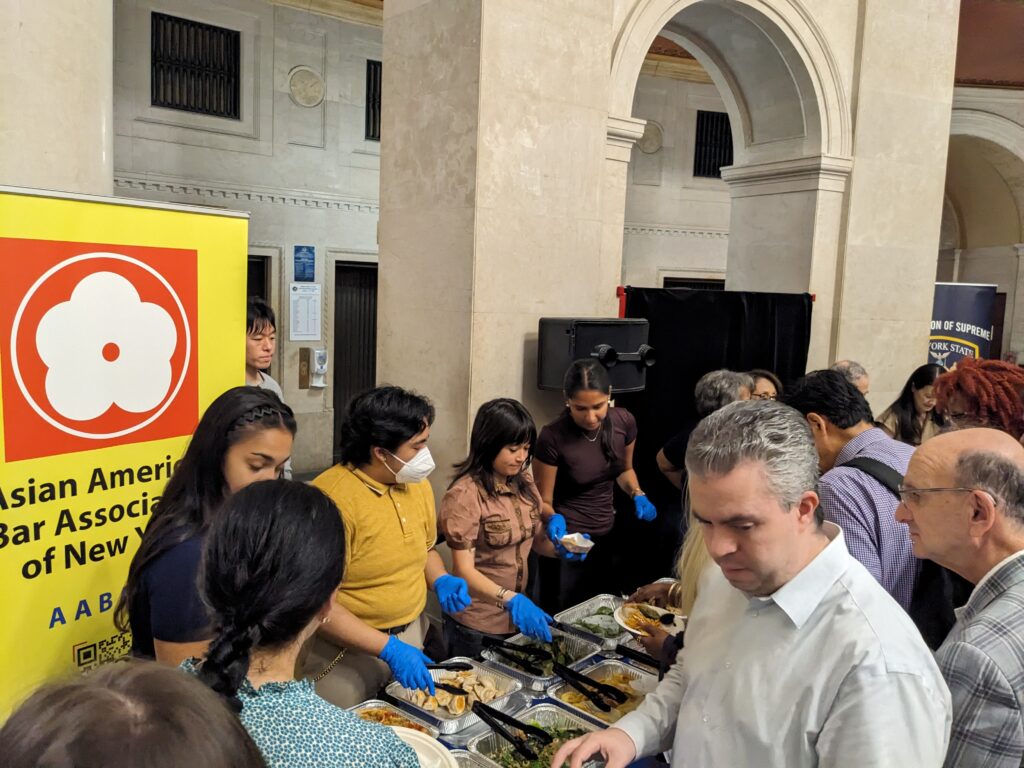
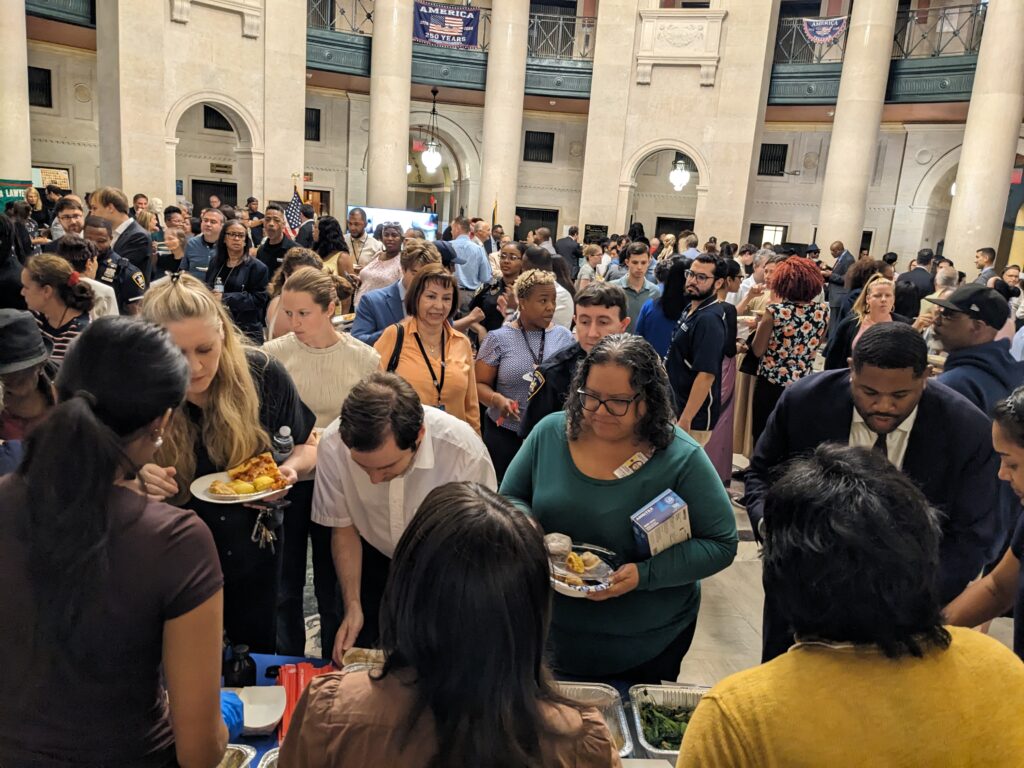
After the speakers, the Rotunda became a shared space for food and conversation. Each co-sponsoring association and committee set up a table, and attendees walked around the Rotunda sampling dishes from different associations and cultures. Food offers a comforting way to start a conversation, and colleagues who might otherwise only cross paths in professional settings were trading recommendations and asking where each dish came from. 

AABANY’s table drew the longest line in the room and it stayed that way for the entirety of the event. A whole meal’s worth of food was shared: platters of fried rice enough for lunch, dinner, or both; pork and duck buns, dumplings of every kind, and plenty of noodles to go around. Attendees waited patiently and came back for seconds. For AABANY’s interns and staff, serving that line was a highlight and it was a proud way to share a piece of culture and tradition with the broader community. 

We thank the Gender Fairness Committee, Supreme Court, Civil Branch, New York County and their collaboration with the Equal Justice Diversity, Equity, and Inclusion Committee, Cultural Diversity Sub Committee, Board of Justices of the 1st Judicial District, and the New York County Clerk’s Office for presenting and organizing this event, as well as their continued commitment to inclusion. We also thank every co-sponsoring association and committee for their generosity in tabling, and we honor the memory of Caren Aronowitz, whose vision brings the court and the rest of the legal community together. 

NAPABA Statement in Response to DHS Tipline and Condemning Racial Profiling

For Immediate Release:
September 15, 2026
Contact
[email protected]

WASHINGTON – The National Asian Pacific American Bar Association (NAPABA) condemns the U.S. Department of Homeland Security’s use of certain irresponsible and potentially dangerous promotions for a new tipline for reporting suspected commercial driver’s license fraud. The federal government has chosen to advance this initiative by, among other things, calling on the public to “report illegal aliens on American roads” and using racist imagery that targets the Sikh community and those of Asian descent. These actions invite turning a government tipline into a vehicle for racial profiling.

NAPABA has long and unequivocally opposed racial profiling and actions that cast suspicion on entire communities because of their race, ethnicity, religion, or national origin. The federal government should be working to prevent such discrimination, not creating conditions that invite it. The South Asian and broader Asian American, Native Hawaiian, and Pacific Islander communities should not have to fear being reported to federal authorities, investigated, or harassed simply because of who they are, how they look, or where someone assumes they are from. The government ought to immediately cease this stigmatizing campaign and ensure that its actions do not amount to impermissible racial and national origin profiling.