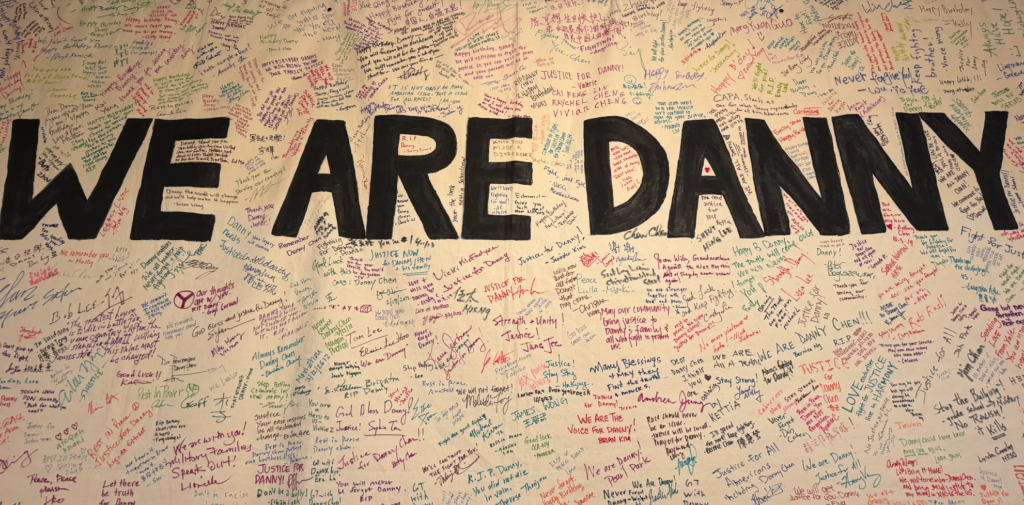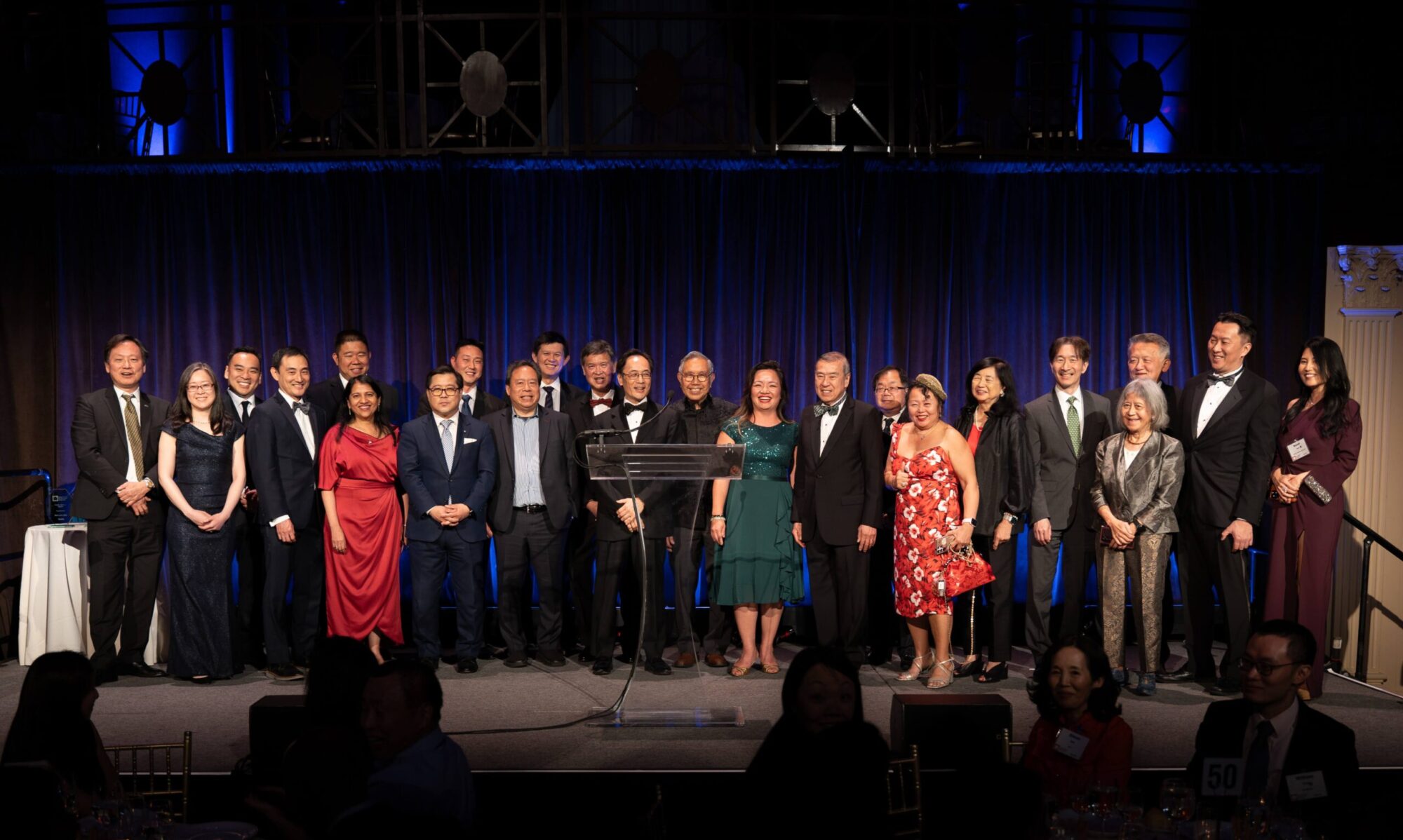

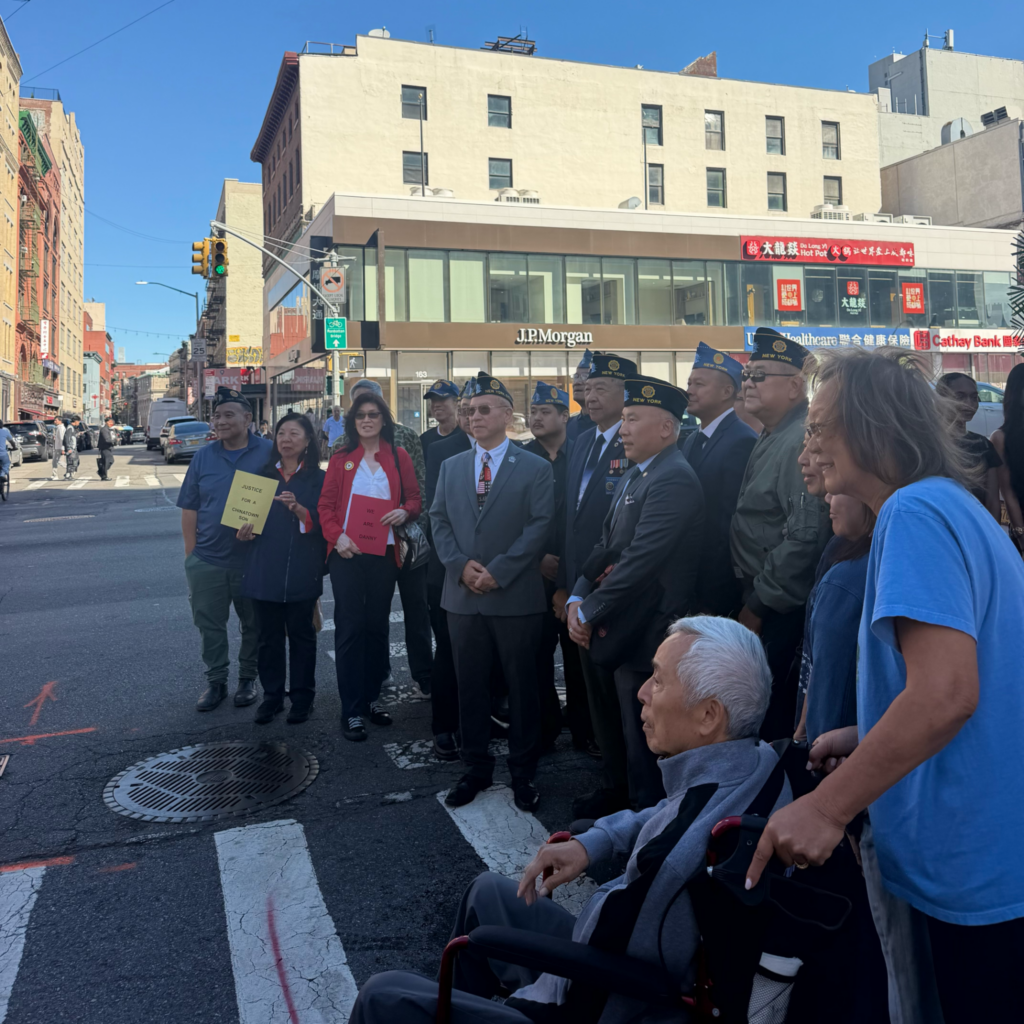
On Saturday, October 3rd, 2026, AABANY co-sponsored the 15th anniversary commemoration of Pvt. Danny Chen. That morning, veterans, members of Danny’s family, students, and community members gathered in the heart of Chinatown, at Canal St. and Elizabeth St., to celebrate his life, retell his story, and reflect on its lessons. Afterwards, attendees walked to the Asian Heritage Museum located at 215 Centre Street, New York, NY 10013, for an exhibit on Danny’s life and legacy, told through curated art and artifacts.
Pvt. Danny Chen, a son of Chinatown, was found dead on October 3, 2011 at 19 years old. He took his own life while stationed in Kandahar, Afghanistan, only months after joining the military. In the time leading up to his passing, Danny endured racial harassment, including verbal attacks and slurs, physical assault, and other cruel acts of hazing.
Danny’s passing drew attention to the racial harassment and discrimination within the military, where higher-ranking officers and fellow soldiers have previously engaged in this type of hazing. Asians and Asian Americans have been disproportionately targeted for hazing and racial abuse relative to their numbers in the military, and Danny’s story is one example. The soldiers charged in connection with Danny’s abuse were barely penalized. Their longest sentence was just six months.
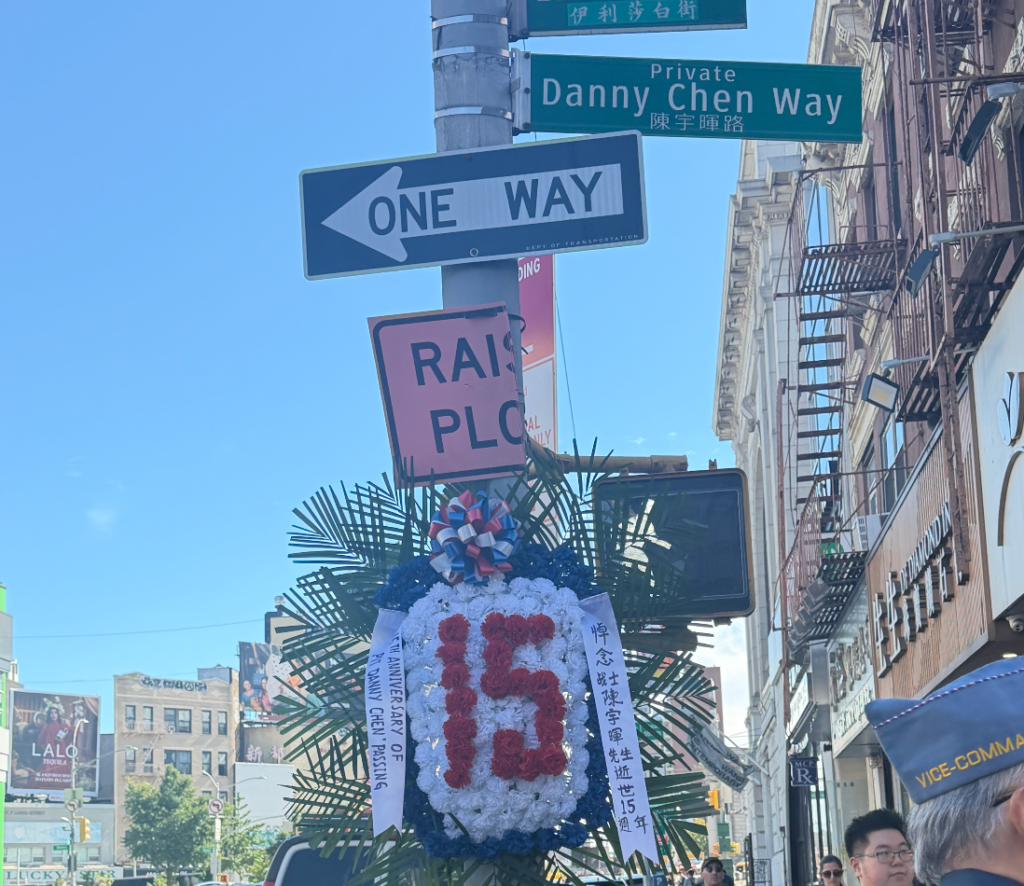
At the commemoration, people gathered at the corner of the street, where a street sign bears Danny Chen’s name. Veterans attended in uniform to remember and pay their respect to Danny, and speakers addressed his story, his legacy, and advocacy in the AAPI community moving forward.
The first speaker at the commemoration was Assemblymember and State Senator-elect Grace Lee, the first Korean American woman elected to the New York State Legislature. She emphasized how young Danny was when he died and shared her own connection to this story. She spoke about the need to do more to protect Asian Americans like Danny, stating, “Keeping legacy alive means telling the truth about what happened to him and demanding accountability from institutions meant to protect him.”
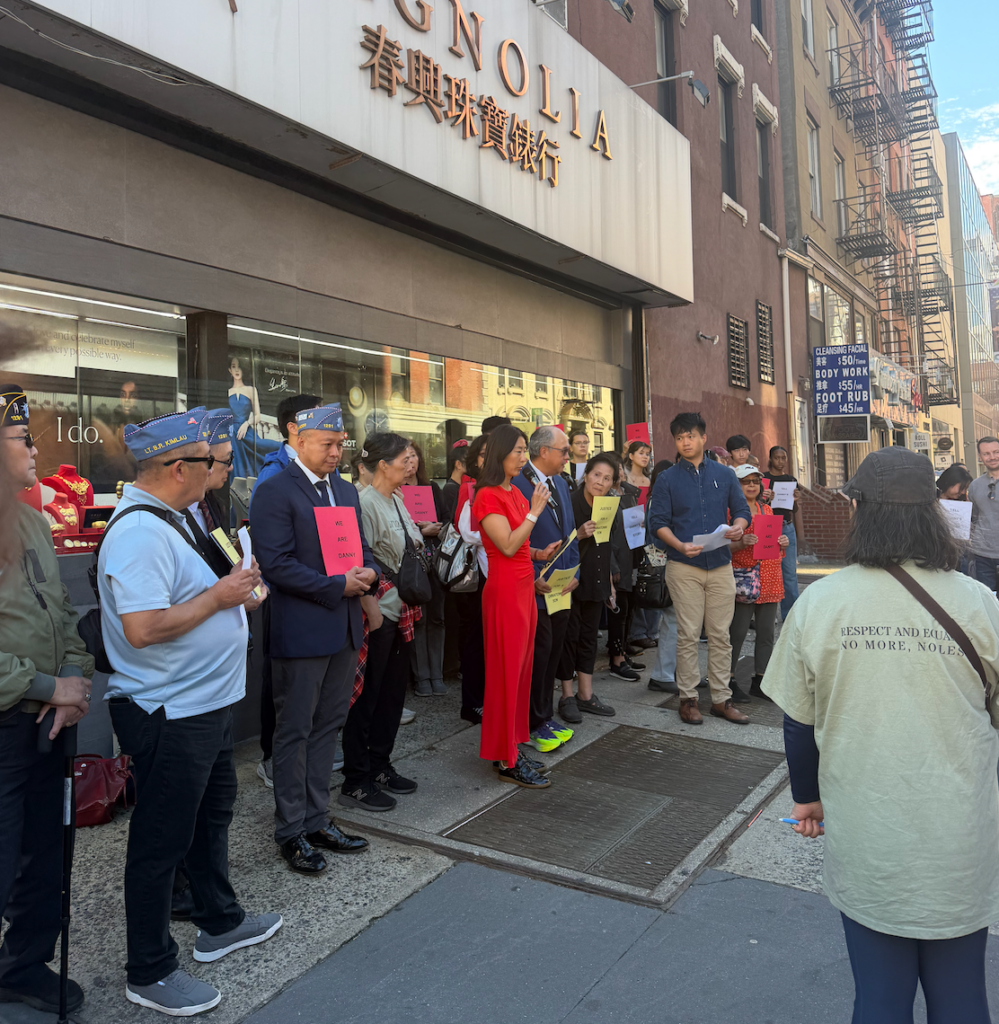
Elizabeth OuYang, a civil rights attorney and professor, spoke about the growing advocacy she sees in her students and the wider reach of Danny’s story. She described what drew her to civil rights work: the death of Vincent Chin, who was murdered in Detroit during his bachelor party by two white laid-off auto workers who called him a “Jap” and accused him of stealing their jobs. Vincent Chin’s murder galvanized the AAPI community and helped pave the way for hate crime legislation aimed at preventing similar acts of violence. Danny’s story serves as another reminder of why this fight remains so important. Elizabeth has written a book, We are Danny: Targeted Inside the Wire, which will be released in April 2027. Part memoir and part account of the community’s fight for justice, it aims to educate readers about what happened to Danny. Also, it is important to understand why advocating for his story as a community matters.
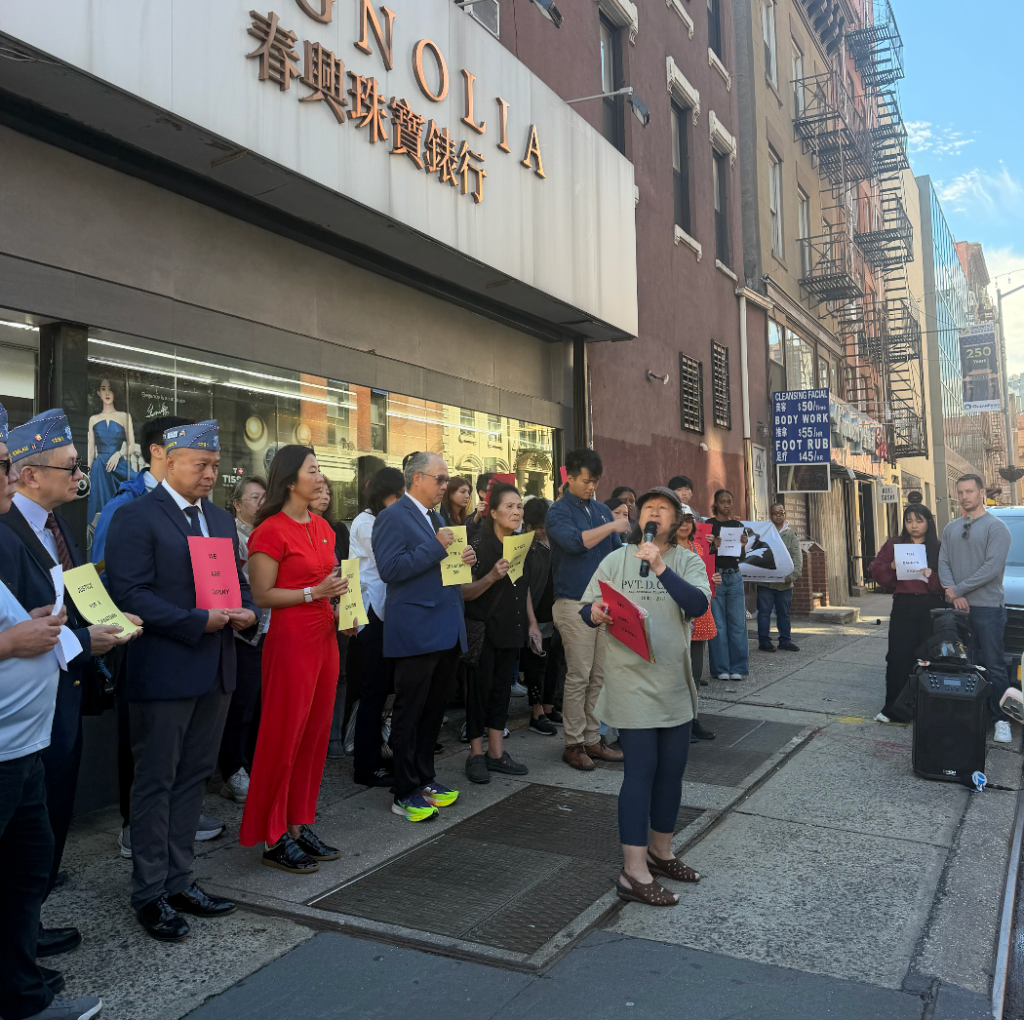
A high school student spoke about first hearing about Danny’s story and how it reflected a corrupt military system in need of change. A student from the Asian American Alliance at Columbia University called for accountability from a system that is supposed to protect all of its citizens. All the speakers stressed the need for solidarity and how vital community is in times like these.
Following the moving and passionate speeches, a moment of silence was held for Pvt. Danny Chen and all that he represented. Afterwards, the group walked to the Asian Heritage Museum for the exhibit, curated by Nayeon Park, a Columbia art history student and advocate for sharing Danny’s story through art. The room displayed the actual uniform worn by Danny, photos from his childhood provided by friends and family, letters and pictures donated by organizations such as OCA-NY (Organization of Chinese Americans) showcasing rallies and movements, and art created in his honor.
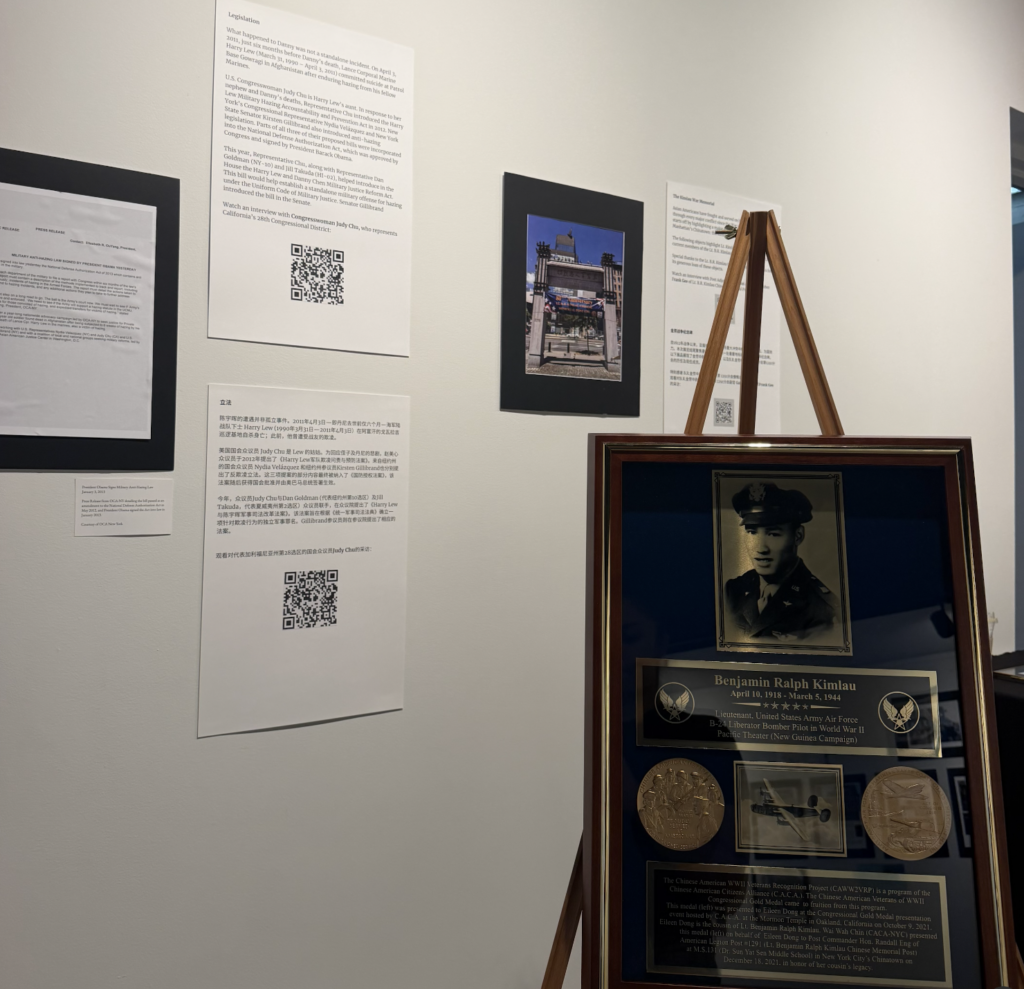
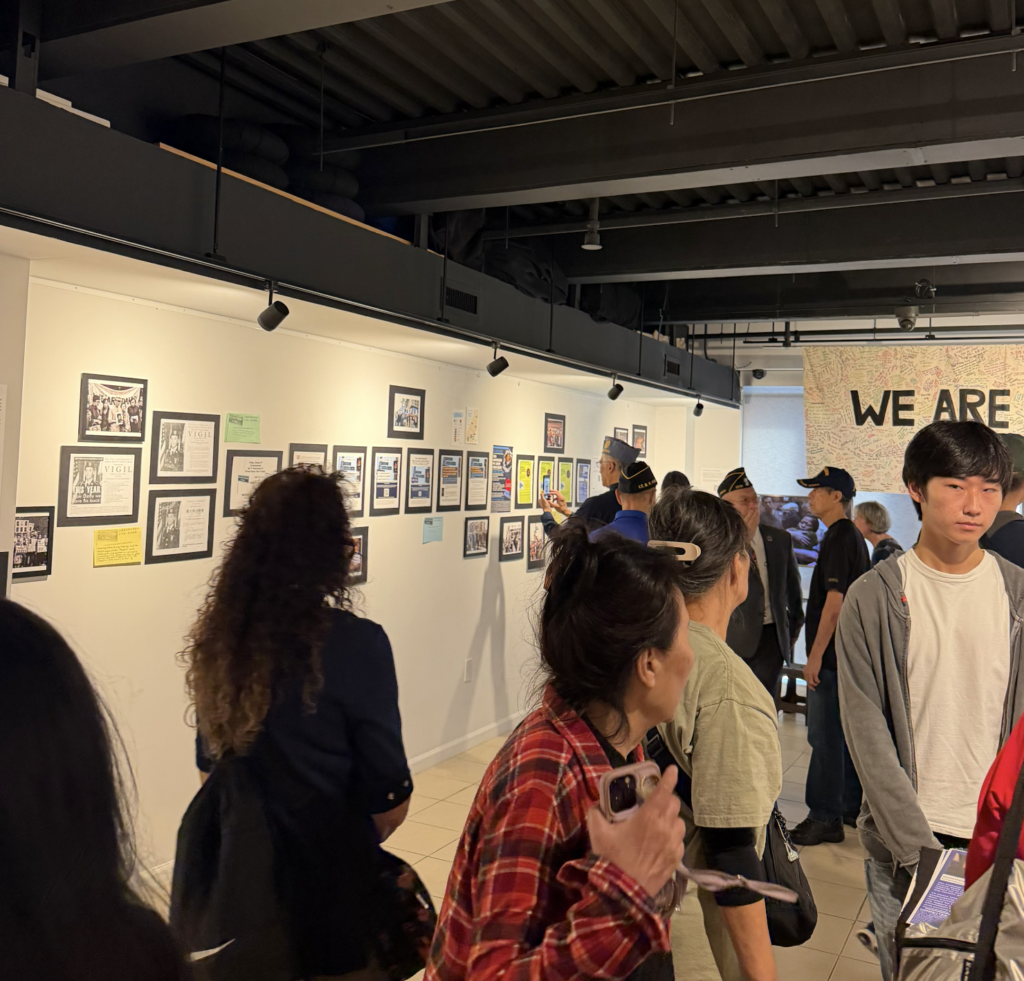
The exhibit was designed so that anyone, whether or not they knew Danny’s story, would leave knowing it. The room was heavy and silent as everyone took their time reading each description and every letter.
The commemoration and exhibit were deeply meaningful, just as Danny’s story is. His story is a call to keep protecting and fighting for the AAPI community. What happened to Danny cannot happen to others, and this 15th anniversary commemoration is a solemn reminder of that.